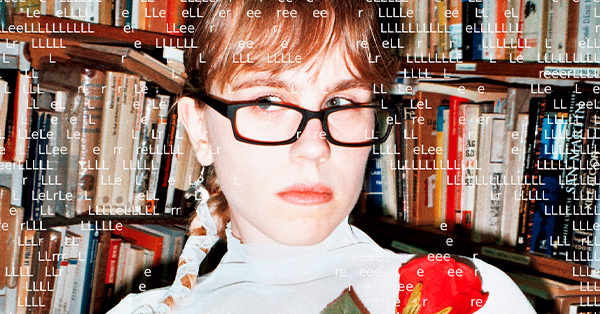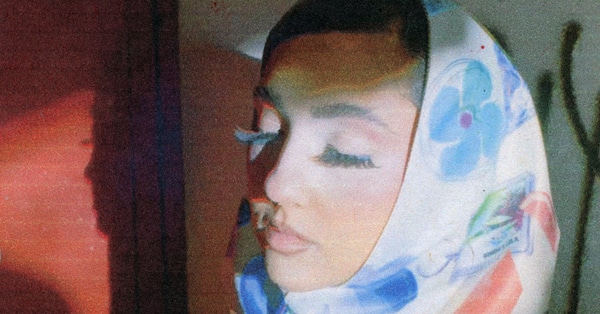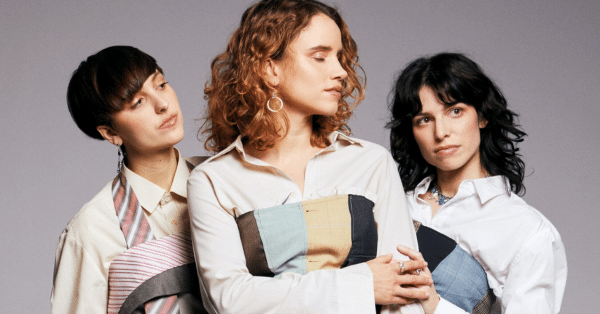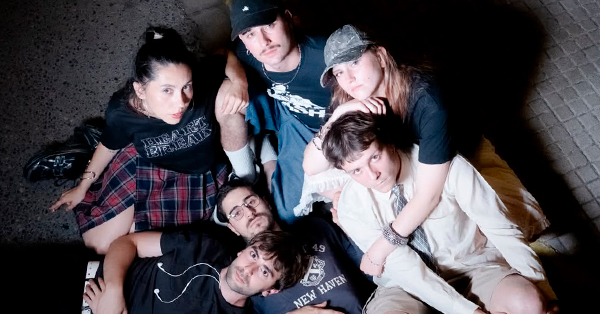

Presented at 080 Barcelona Fashion, the collection builds on the designer’s previous work, Void, with a more inward, instinct-led approach.
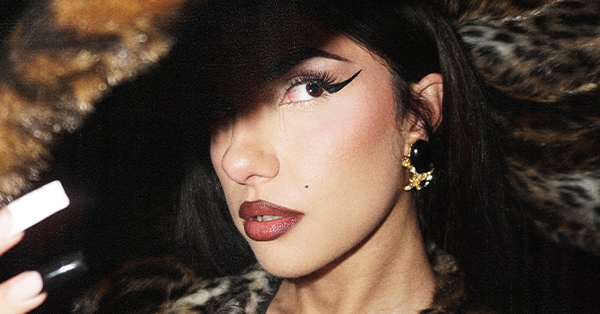
Viscerum, Guillermo Justicia’s new collection, doesn’t feel like a clean break. It feels more like a shift – one that’s quieter, and deeper. Presented at 080 Barcelona Fashion, it sits in that in-between space where things have changed, but haven’t fully taken shape yet. Not unresolved, just still moving.
Instead of stepping away from Void, his previous collection, Justicia leans into it. The same emotional core is still there, deeply infused with solitude, fear and pressure, but approached in a more intimate, more grounded way. What once felt distant or hostile is now something to stay with, something you can understand, carry and live through.
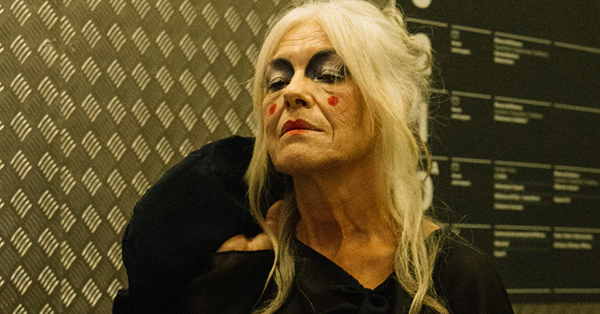
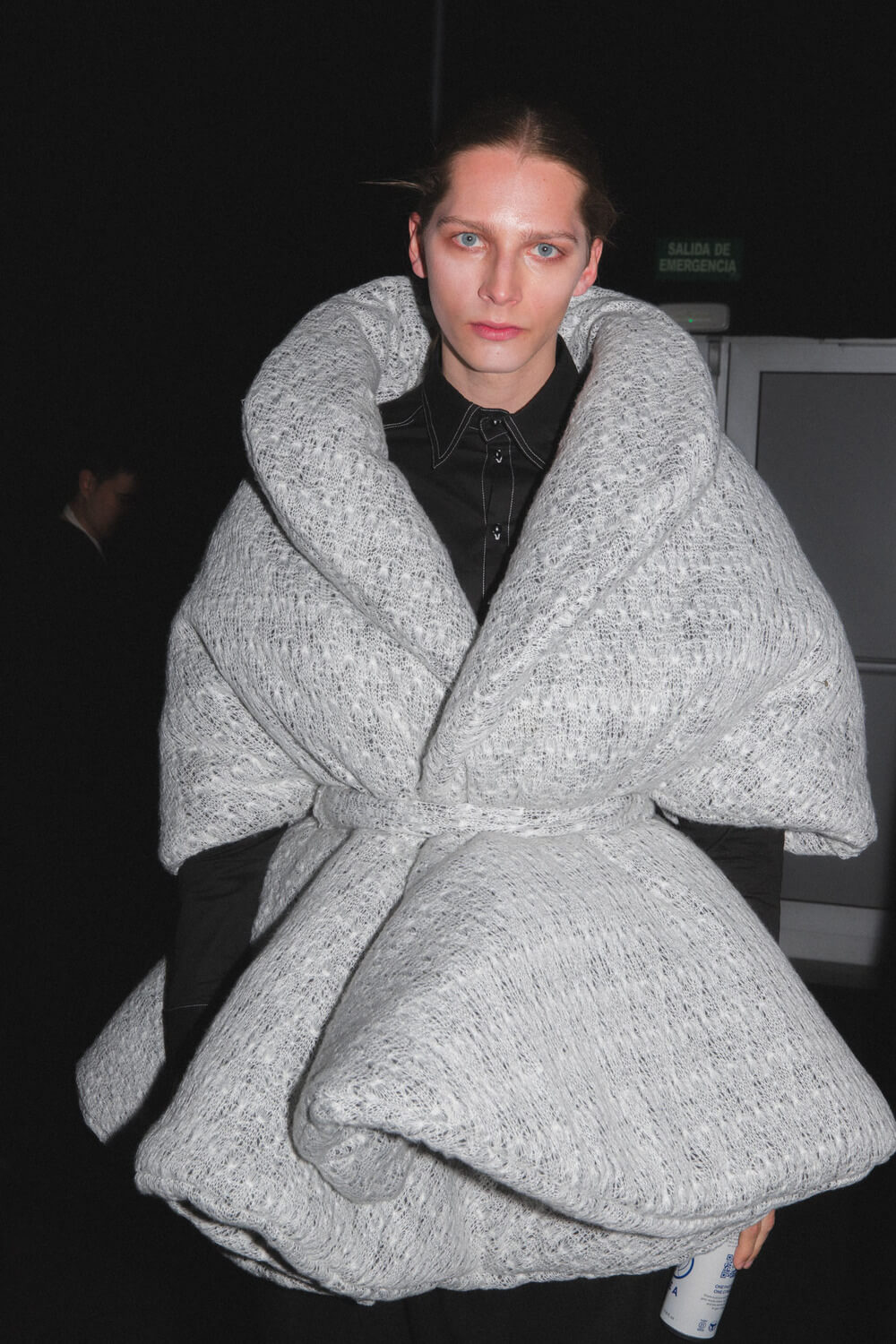
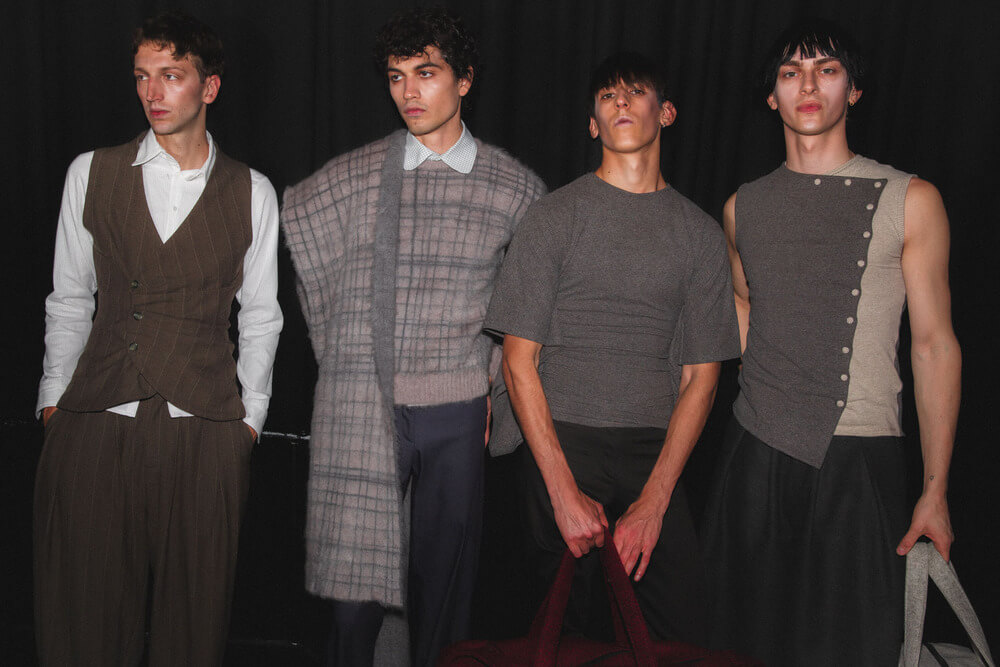
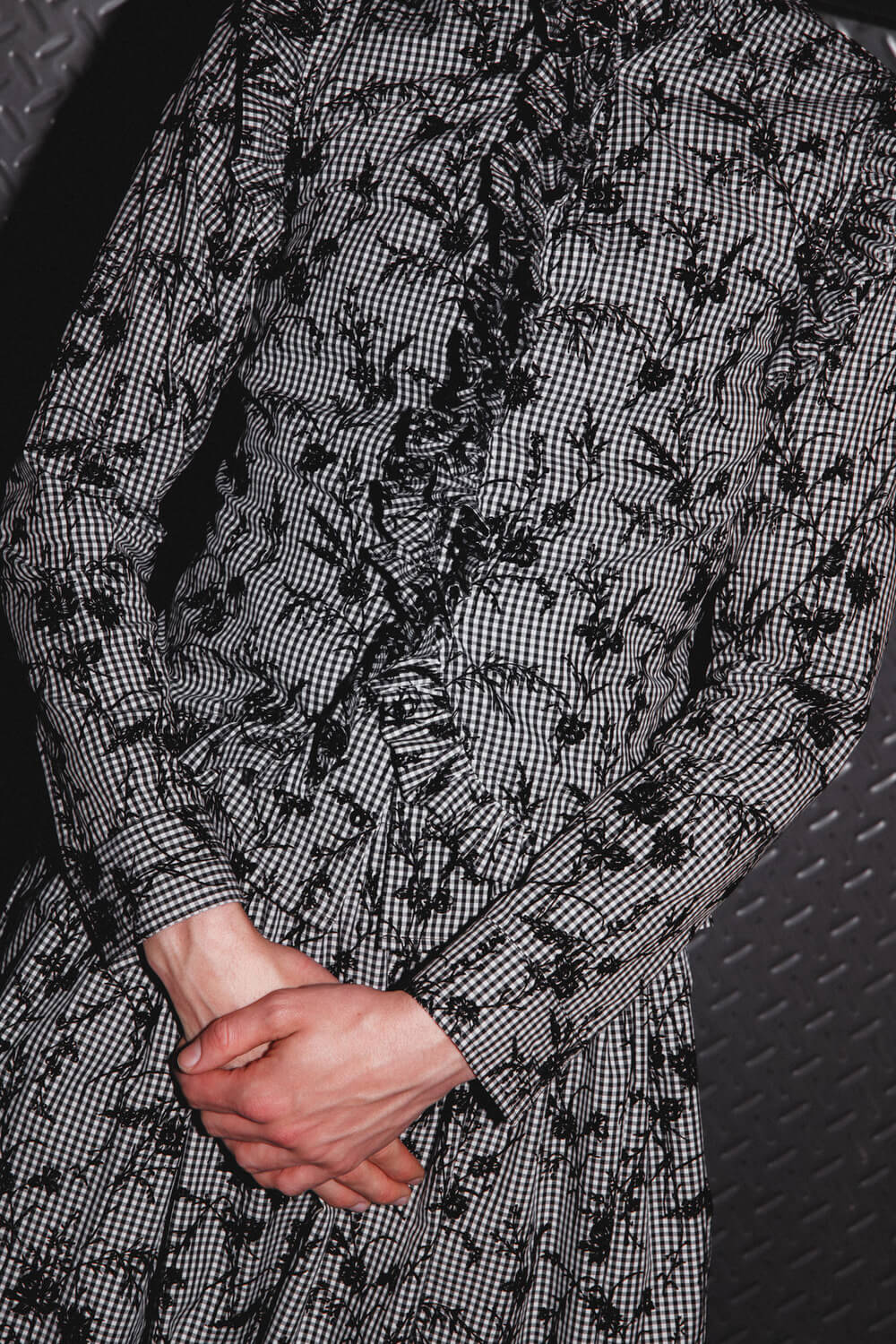
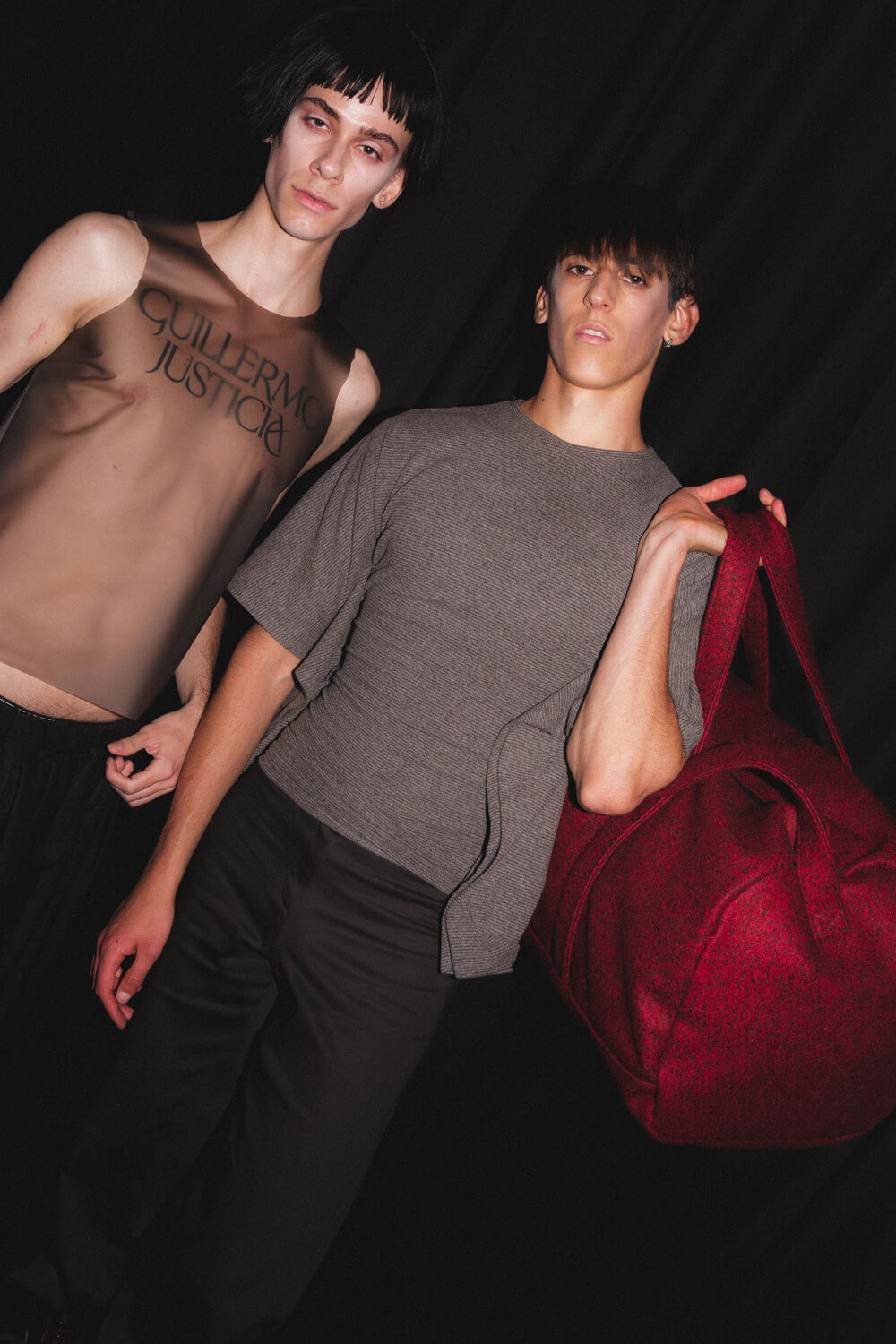
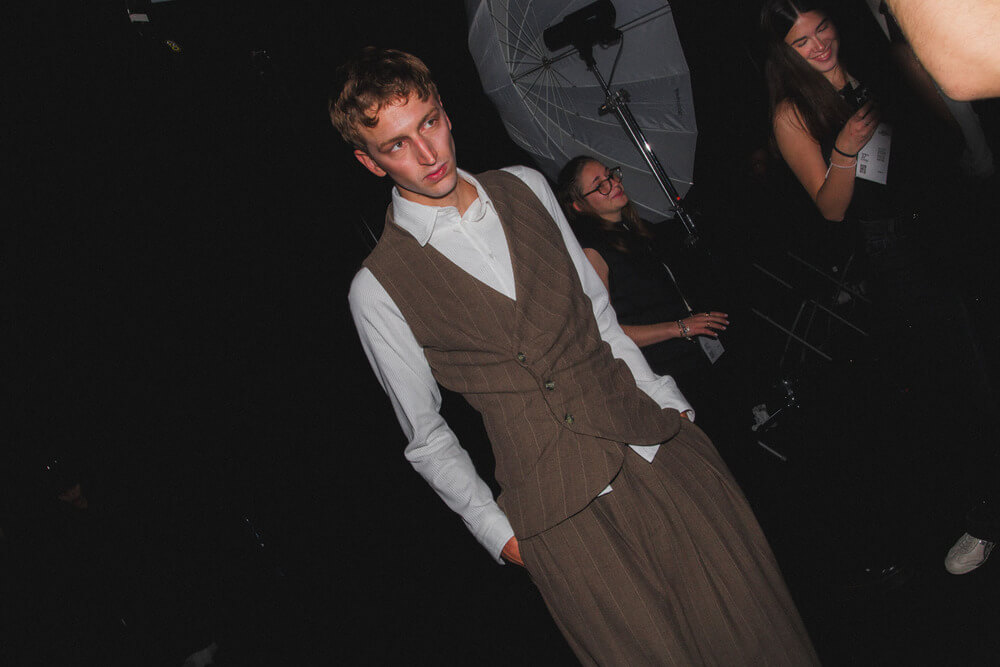
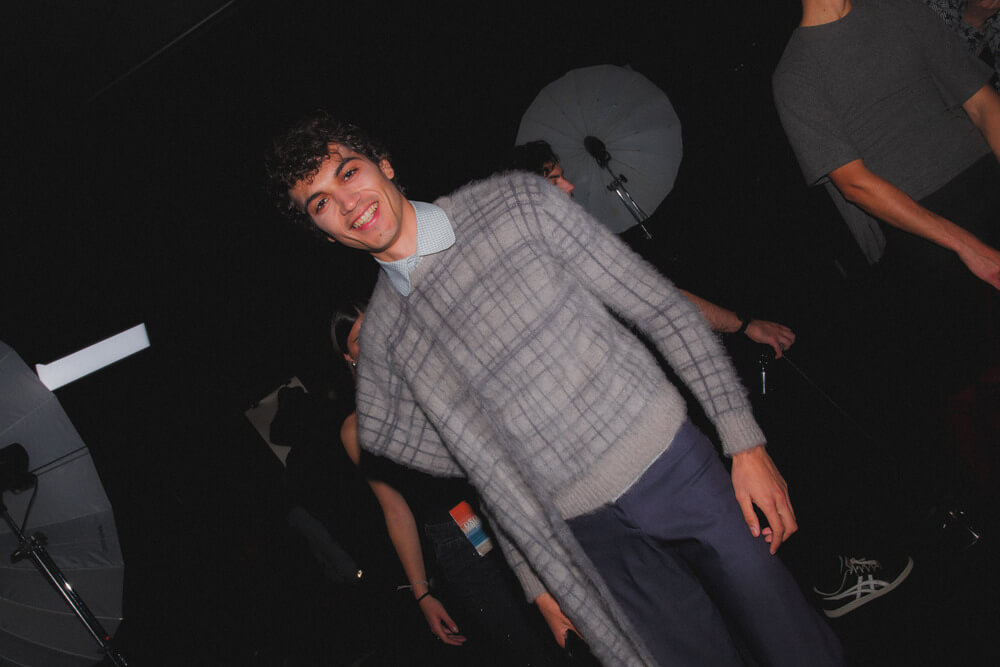
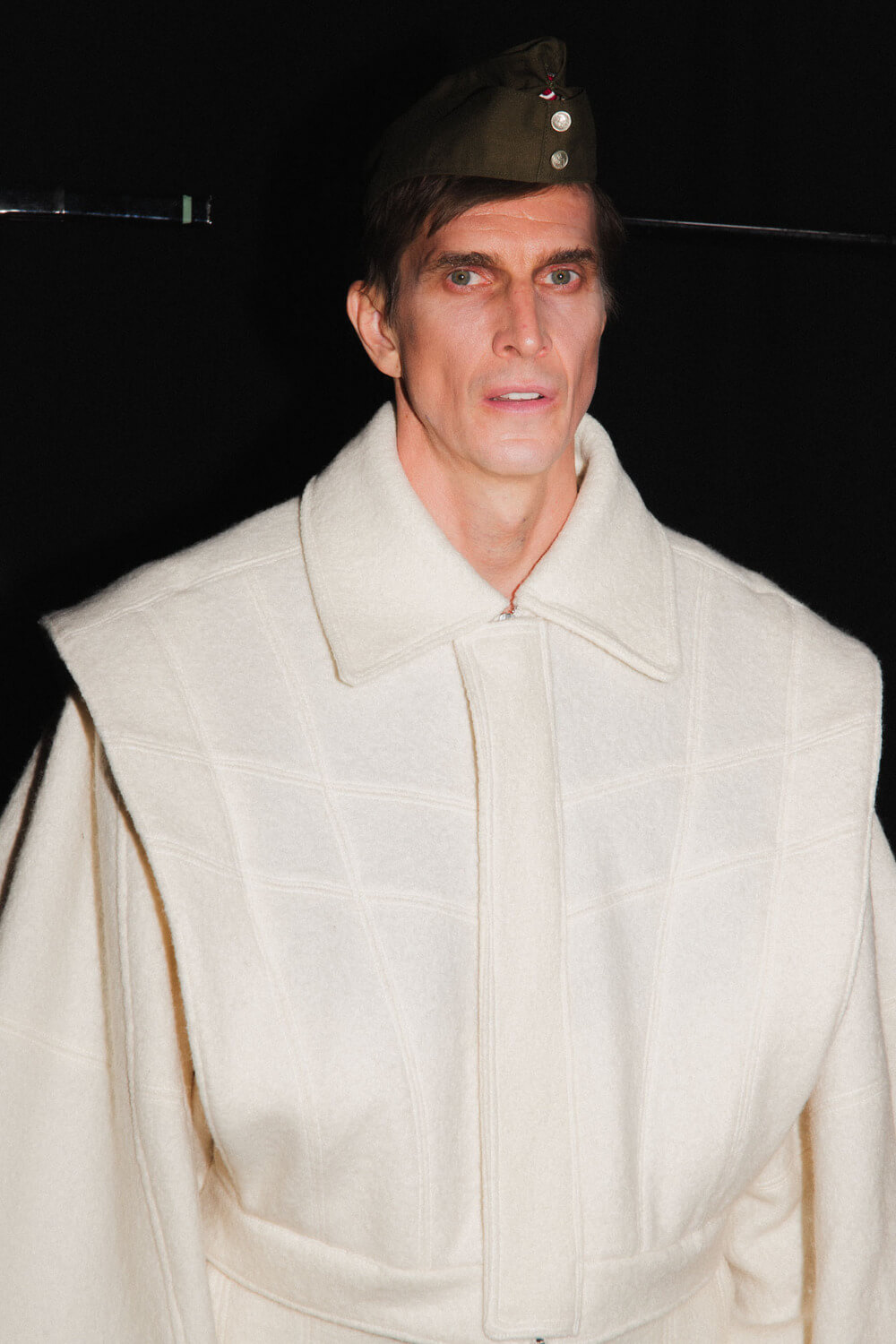
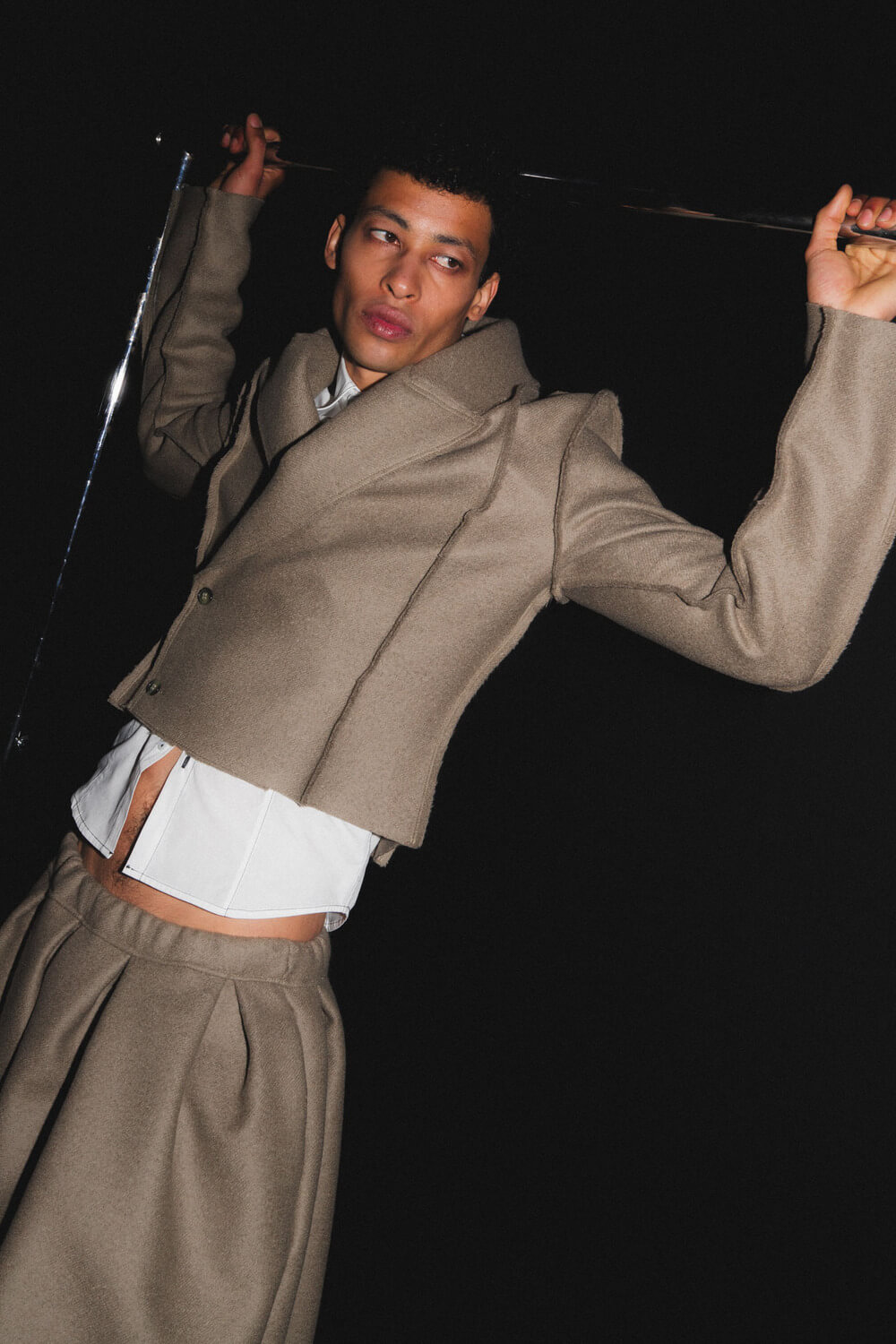
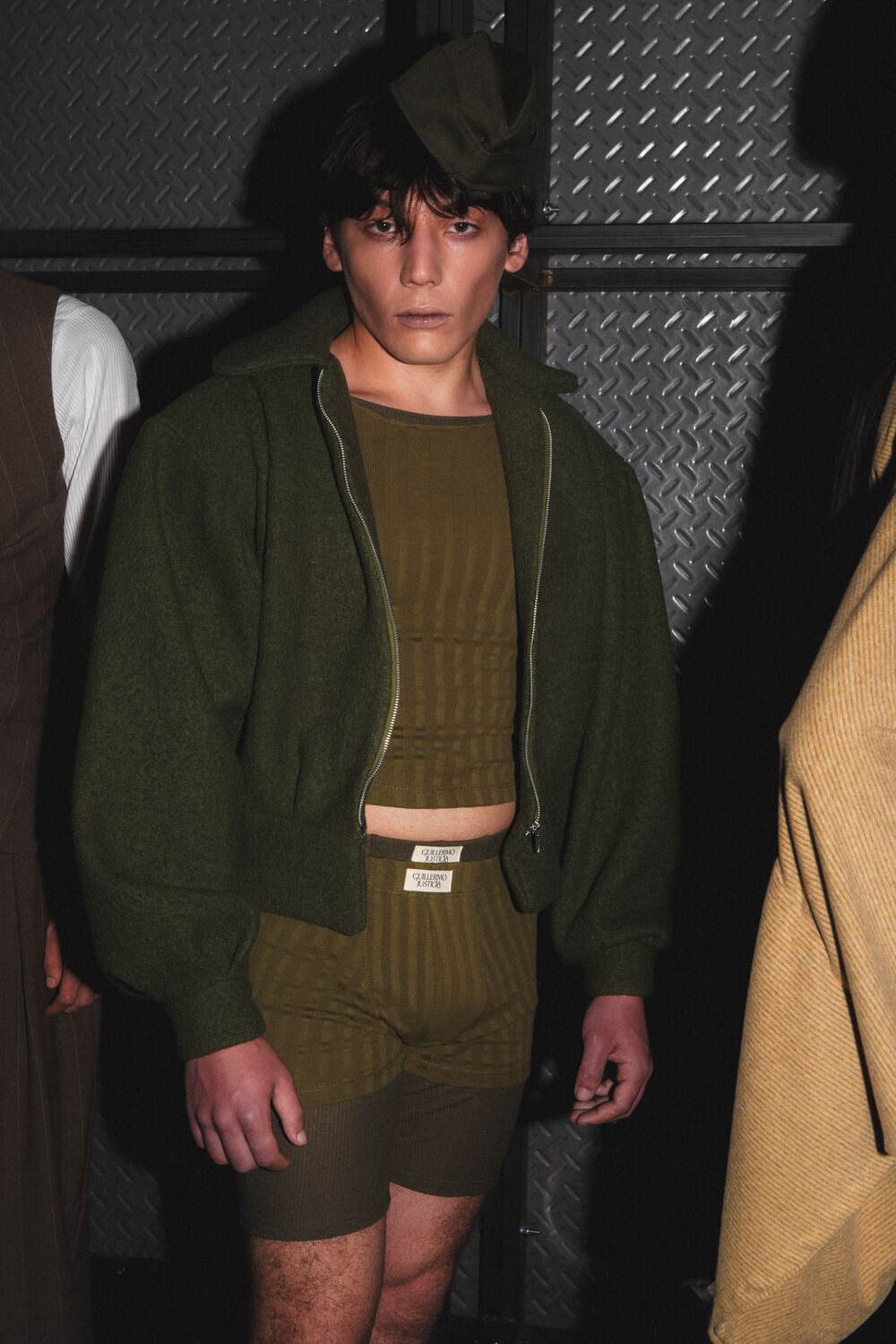
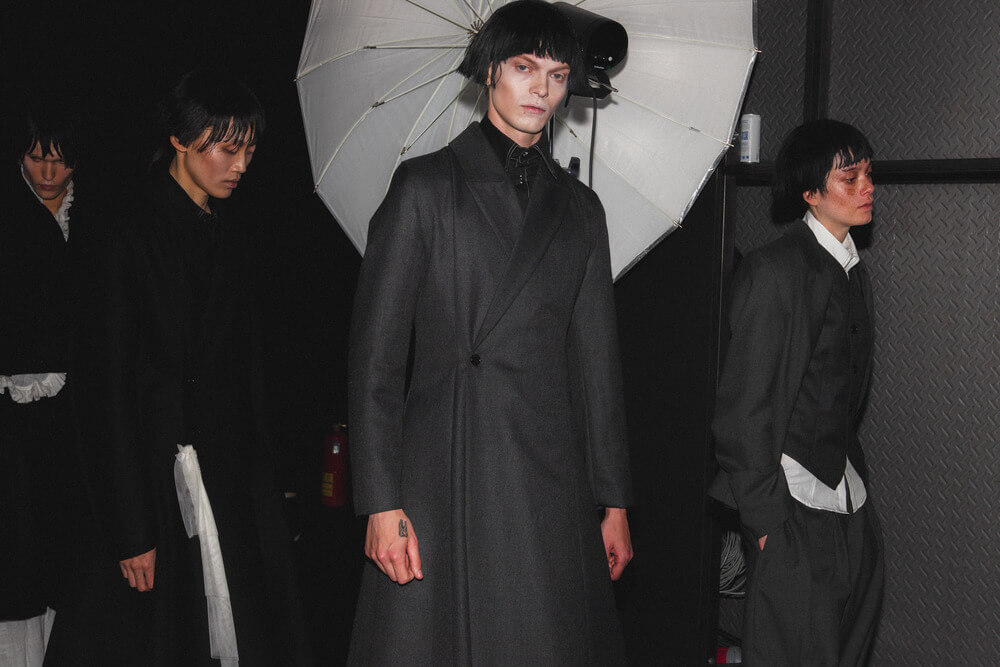
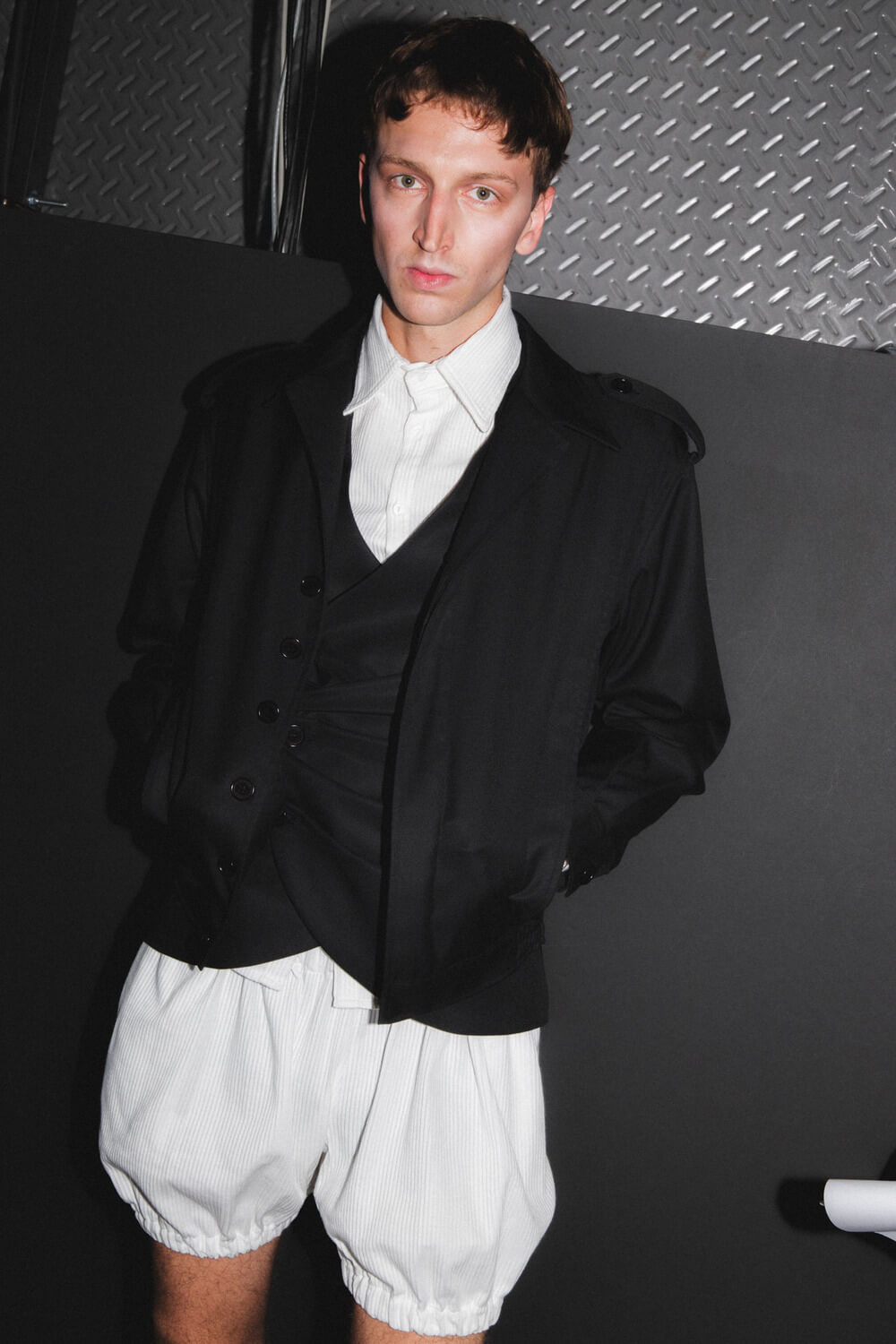
You can feel all of this in the garments. They don’t try to dominate the body; instead, they move with it. Structures soften, volumes shift and layers build gradually to create a constant balance between fragility and strength. However, it never feels forced. It’s just there, held in the way fabrics fall, in how pieces respond as the body moves.
There’s also a change in the atmosphere. The dry, rocky landscape of Void gives way to something denser and darker, yet also more alive. It’s something you don’t look at from a distance, but from within. It’s a space that asks you to adapt rather than take control of.
According to the Spanish designer, Viscerum isn’t about closing a chapter. It’s about continuing without needing everything to make perfect sense. Because sometimes moving forward isn’t about letting go, but about learning how to carry it all differently.
You presented Viscerum at 080 Barcelona Fashion. When did you feel this collection needed to exist?
A few months after presenting Void, I felt it was time to start a new chapter. Taking part in Barcelona Fashion Forward also really helped me understand how to turn a collection into a brand with structure and a clear business vision. I began to notice what kind of product was missing within the brand’s universe, and I wanted to develop something new that brought together everything I’d learned. Showing it at 080 Barcelona Fashion made sense since it’s such an important platform for visibility and growth.
Viscerum comes as an evolution of Void. What did you still need to explore after working around the idea of emptiness?
I always try to give each collection its own concept, and for that to come through in the aesthetic and overall atmosphere. But at the start of this new phase, it didn’t feel right to break away from Void so quickly. Void represented a very specific moment in my life, and I felt I hadn’t fully moved past it yet. So Viscerum comes as a continuation – a more inward-looking approach, focused on processing that emptiness, learning to live with it, and adapting in order to survive.
If Void looked outward, this one turns inward. What have you discovered through that more introspective process?
Beyond the concept, the process itself was also very introspective. I worked alone for a large part of it, and it took me a while to share with others where I was heading. It was tough and there were a lot of doubts, but it also allowed me to create something that felt entirely my own, without outside interference. It’s been a very personal process, and I’m happy with the outcome.
You talk about emotions like loneliness, fear, and pressure. How do you translate something so intangible into actual garments?
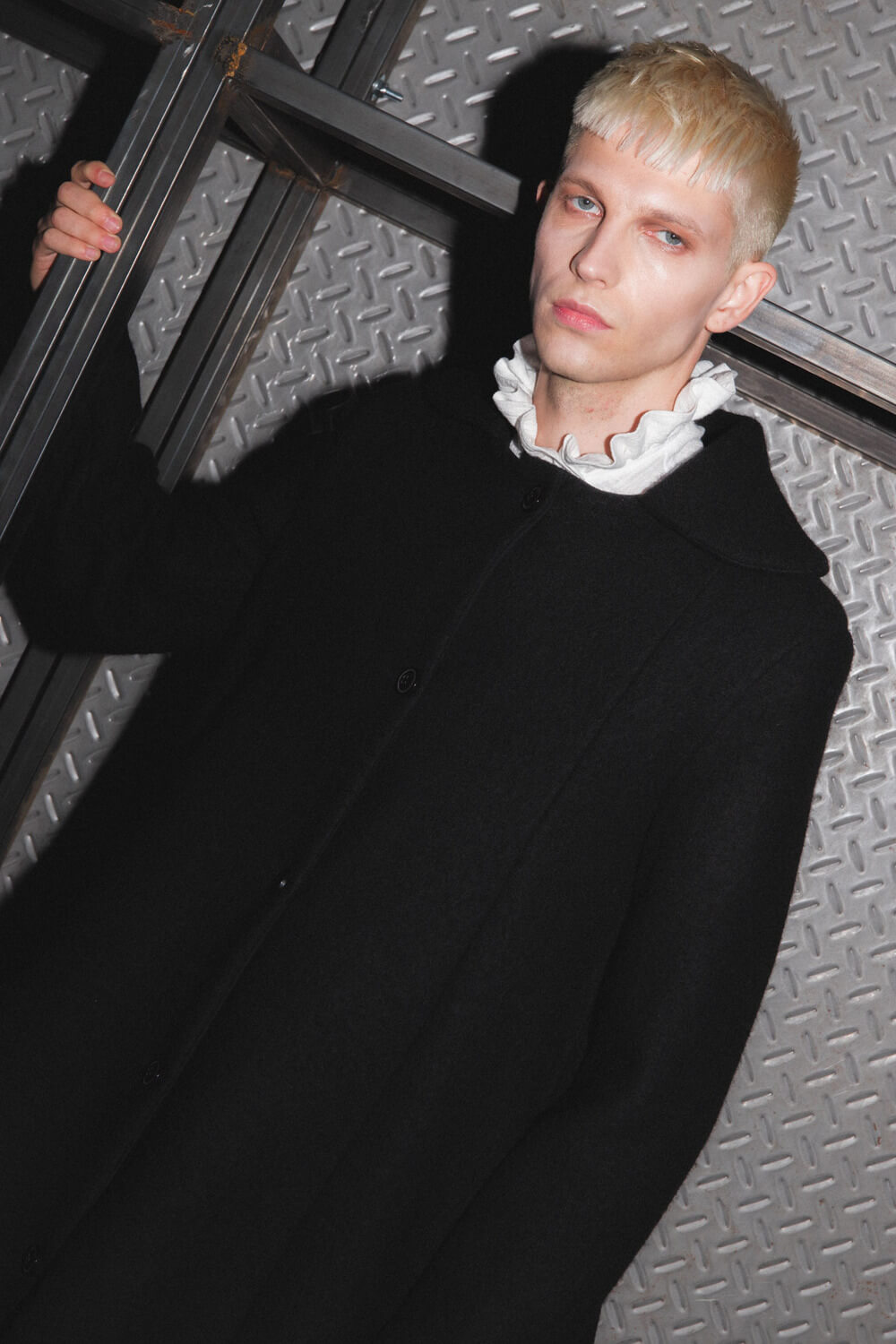
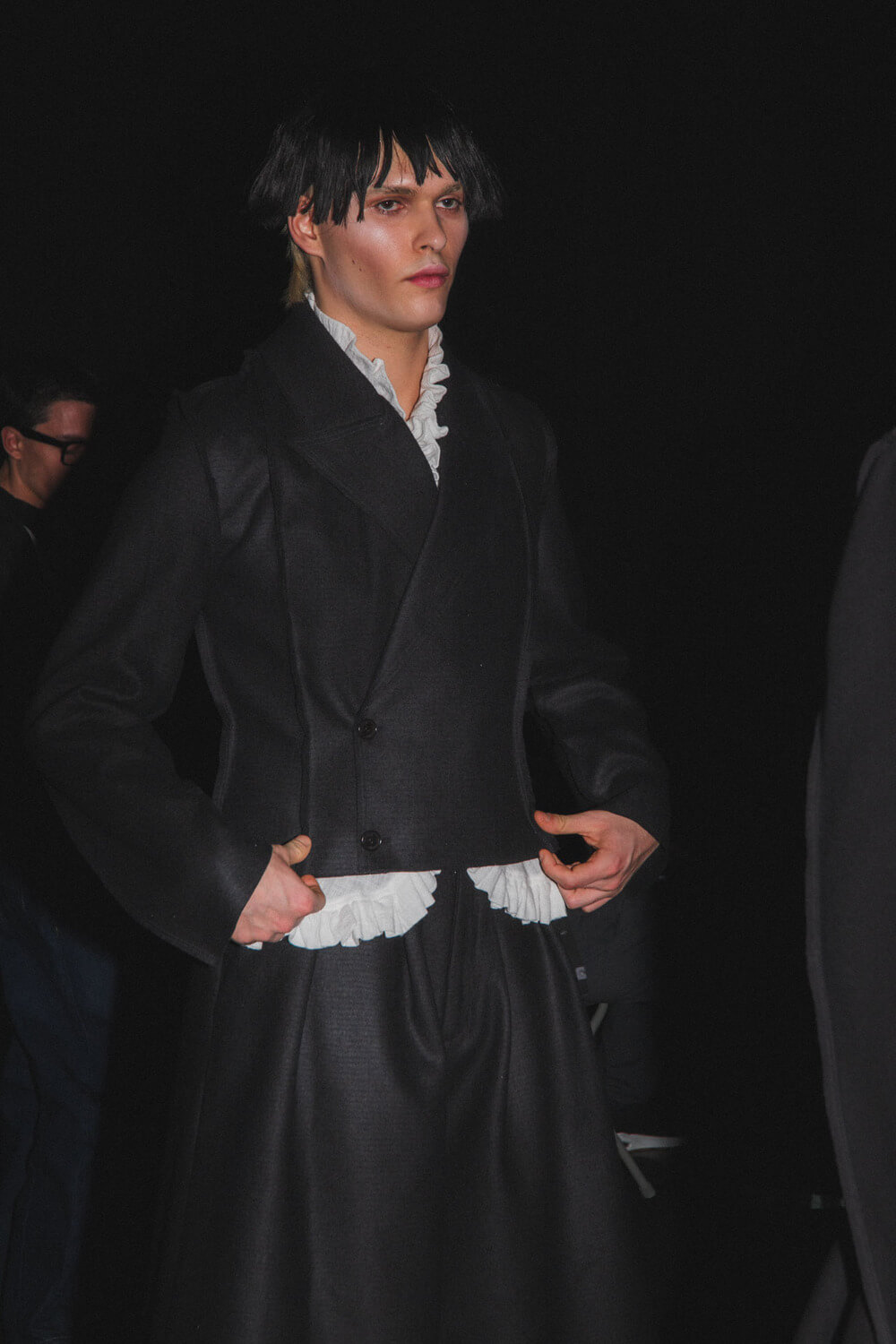
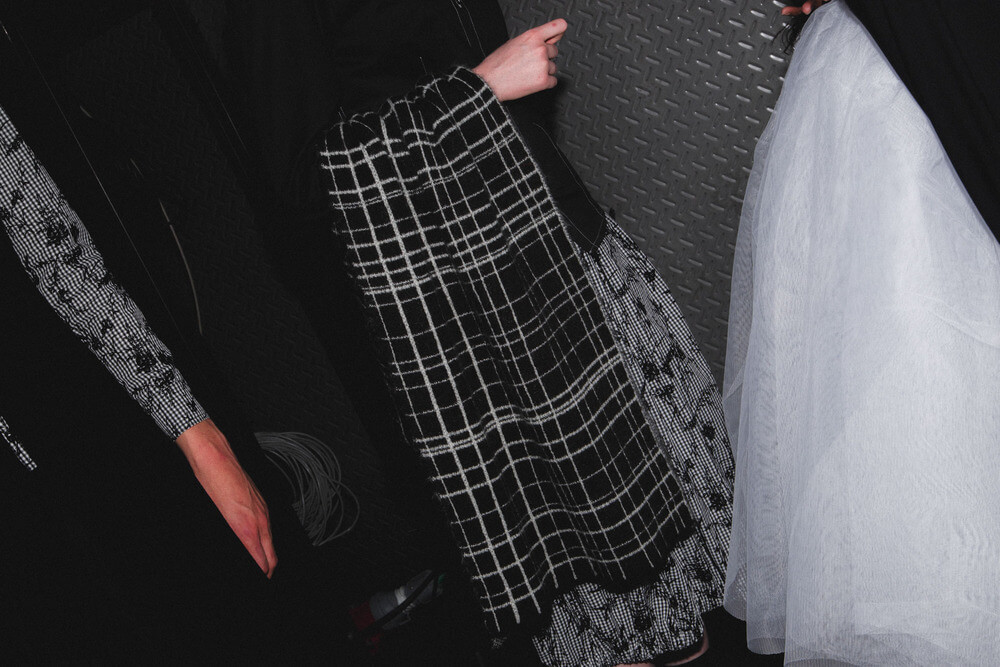
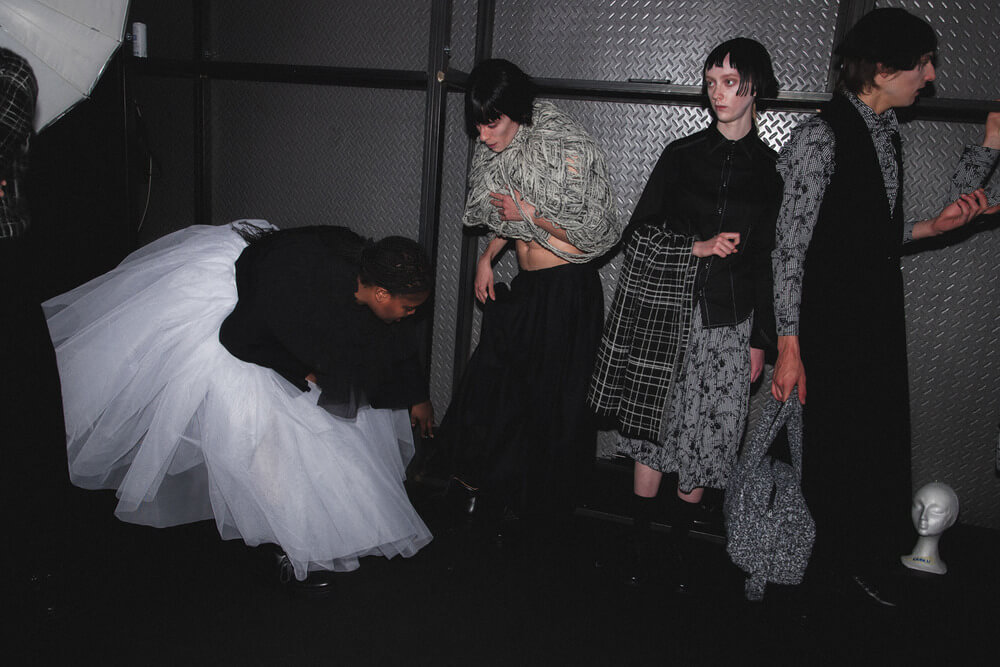
I don’t usually translate concepts literally. I work more with the atmosphere or mood they create. I think about the aesthetic, the fabrics, the silhouettes, but also everything around the collection: casting, music, lighting, movement. I’m more interested in building a complete universe than in isolated pieces. In Void, there were more rigid structures and sharper details. In Viscerum, I worked with more fluid fabrics, moving volumes, more layering, and softer finishes like rounded collars and ruffled necklines.
There’s a constant tension between fragility and strength in the collection. How did you approach that in terms of construction and silhouette?
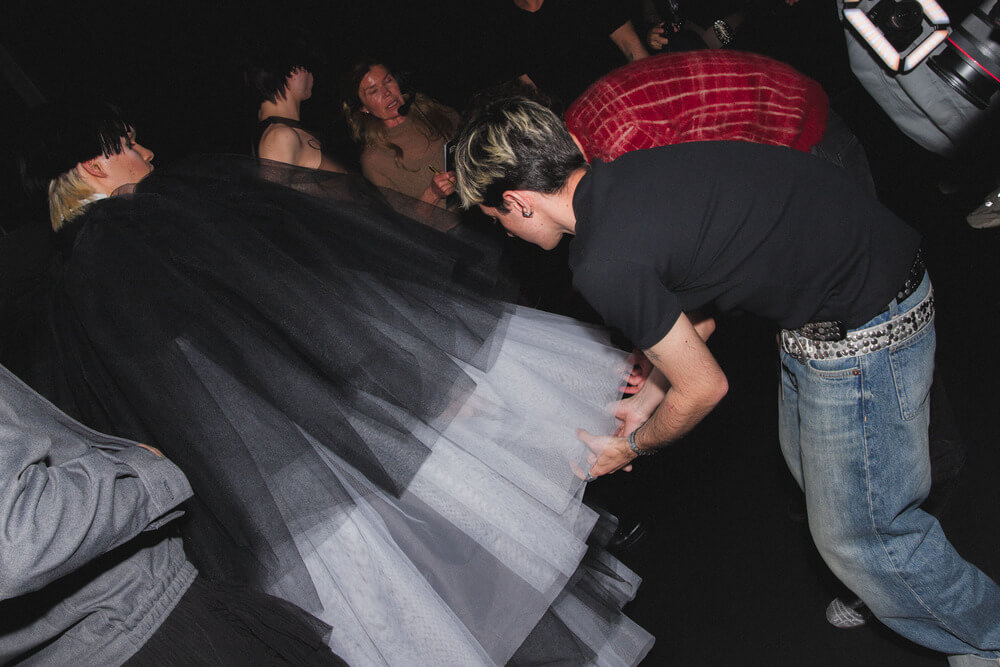
That was actually one of the core ideas behind the collection: expressing fragility and wear without losing the strength to keep going. I worked with movement-driven volumes, less rigid structures, and a layered construction. I also experimented with new materials for me, like different types of tulle, which brought very distinct transparencies and movement. Unlike previous collections, where I planned looks and garments in advance, this one was built more intuitively, through constant trial and error. Everything really came together during the process.
Your collections tend to create very defined worlds. How has that landscape evolved from something rocky and external to something more visceral?
For me, Viscerum is an adaptation within the universe of Void. If before everything felt arid, rocky, and empty, now I imagined a much more alive and dense landscape. A dark, humid forest, filled with fog. That environment represents, to me, the ability to inhabit what once felt hostile and turn it into a place where you can survive.
You have a background in Environmental Sciences. Is that perspective still present in this collection?
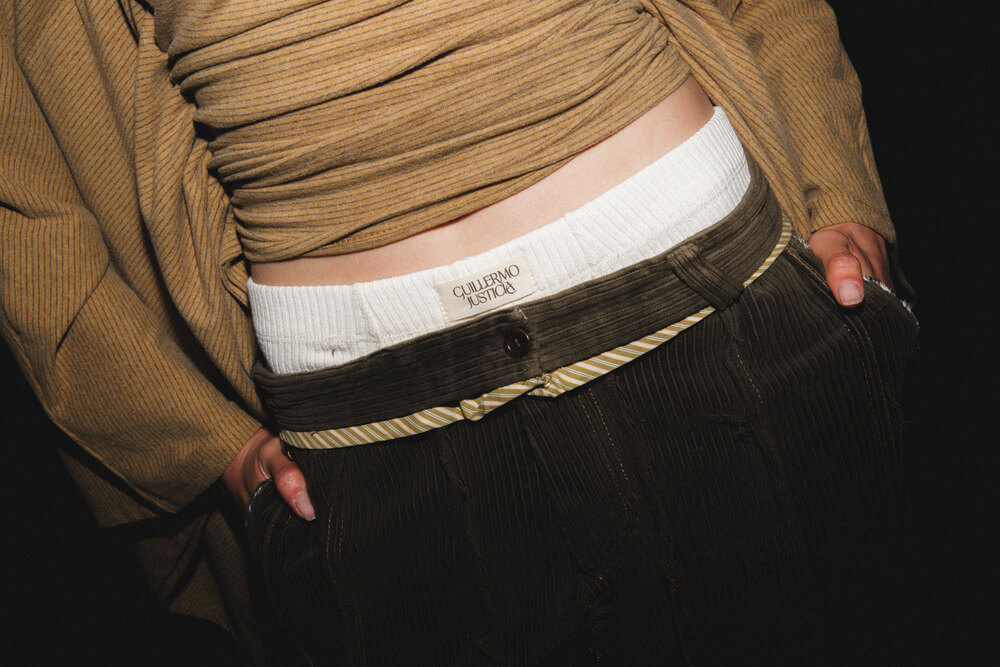
It’s always there, in everything I do. It’s part of who I am. The natural environment has always been one of my main sources of inspiration, and also where I feel most at ease. I’m also very aware of current environmental issues, and that influences how I work: I try to prioritise natural materials, reuse fabrics, and think about the durability and real impact of each piece. It’s not something occasional, it runs through everything I do.
After Mycorrhizal, Void, and now Viscerum, it feels like there’s an ongoing narrative. Do you see your collections as chapters of the same story?
I hadn’t really thought about it consciously, but it does make sense. My collections come from the moment in life I’m in, so they’re naturally connected. Even if there isn’t a pre-planned narrative, they all end up forming part of the same personal and creative evolution.
Now that your trajectory is more defined, has your way of approaching a collection changed?
Yes, quite a bit. Now I try to structure the process more, set clear goals, and think about the commercial side as well. Without losing creative freedom, I want what I do to have purpose, longevity, and real viability.
You’ve also taken part in Barcelona Fashion Forward. Why do you think these kinds of platforms matter?
For me, it was a turning point. It helped me understand that it’s not just about creating for the sake of it, but about building something with intention, structure, and strategy. When you’re starting out, you have a lot of drive, but also a lot of gaps when it comes to the business side. Having guidance, training, and real tools is essential for an emerging brand to grow and consolidate.
On a personal level, what was the hardest part of developing Viscerum?
Dealing with doubt was the hardest part. I worked alone for much of the process, and the collection came together along the way, without a fixed vision from the start. Not really knowing what the final outcome would be, and not having outside feedback, made me question everything a lot. Facing that uncertainty was the toughest part for me.
And what would you say you’ve learned about yourself through this process?
I’ve learned to trust my own judgement more, and not to second-guess myself so much. To understand that other opinions can add value, but external validation can’t be the foundation of the creative process. If something makes sense to me, I have to stand by it and move forward.
Where would you like your brand to go next? Do you have any specific goals?
I’d like to keep building a brand with its own identity, where a strong creative universe coexists with a real, sustainable proposal. I want to grow gradually, professionalise it, and reach more people without losing authenticity. Ultimately, the goal is to create something that feels true to me and can stand the test of time.
Photography by Angela Ibáñez for VEIN MAGAZINE