


Africa has been experiencing a surge of new talent over the past decade, spanning various fields, including fashion and music. Now that global beauty is looking beyond traditional centers as it shifts toward holistic health and well-being, could African Beauty be the next big thing with roots in heritage, powered by organic ingredients, and shaped by deeply embedded cultural rituals. In Accra, Alexandrina Don-Arthur stands at the forefront of this movement. As a leading makeup artist and the curator behind Style Lounge Wearhouse, she champions a new generation of Made in Africa beauty brands redefining the industry on their own terms. Following the inaugural edition of Style Lounge Wearhouse, a three-month fashion & beauty retail event that marks its first of its kind in the region, we caught up with Don-Artur for her insight into a rapidly evolving market that, much like the rise of K-beauty, is poised to reshape the global beauty landscape.
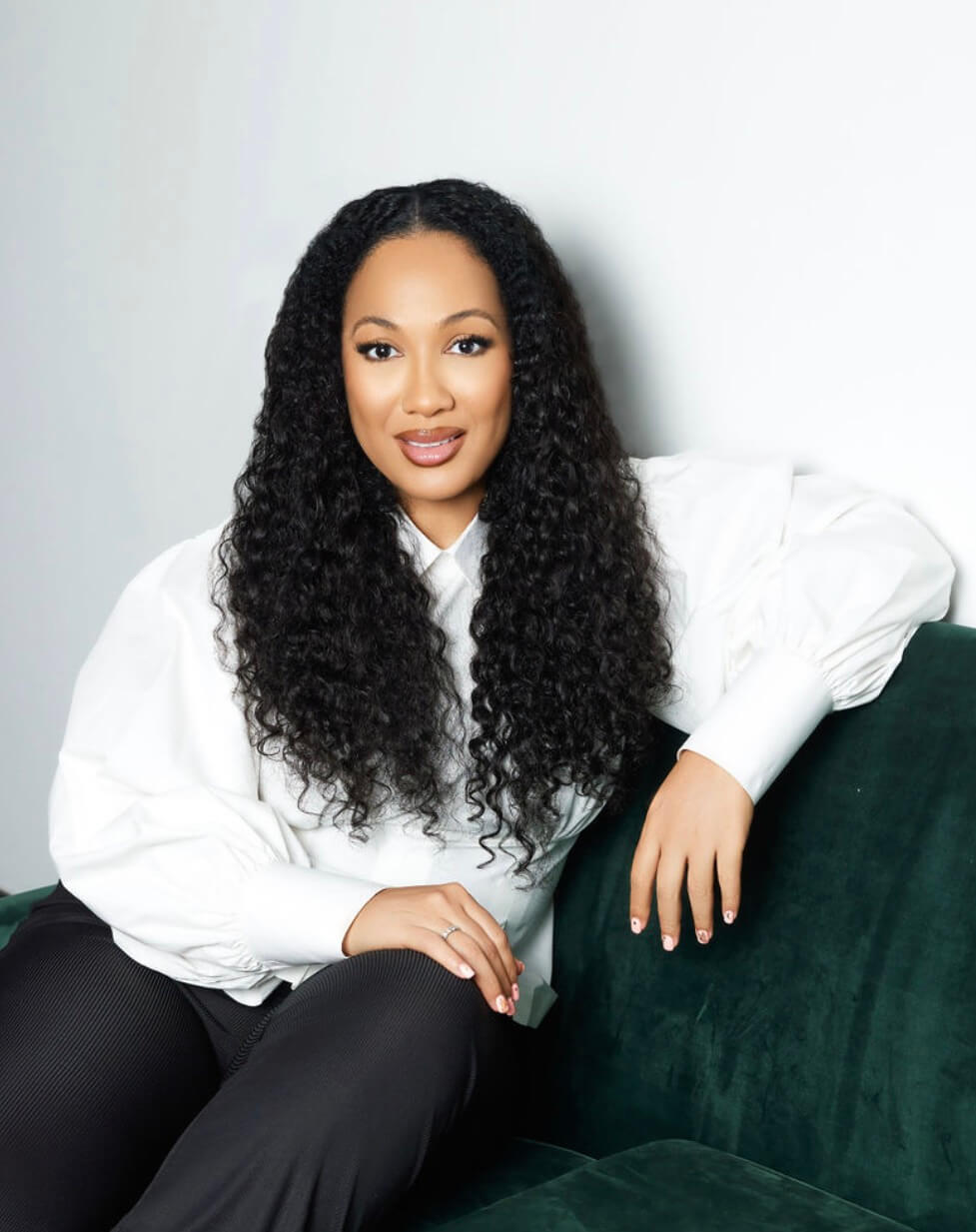
You are a make-up artist and an entrepreneur. Can you tell us a bit about your journey into both?
I started out simply because I loved beauty and what it represents. It wasn’t something I overthought in the beginning. I just kept practicing, learning, and finding my own style. Training in the UK helped me take it more seriously and see it as a real career path. One of my early turning points was working with Biola Alabi in London. That experience gave me confidence and opened doors for me. From there, I kept building one client at a time, one opportunity at a time. Over the years, I’ve worked with women like Omotola Jalade Ekeinde, Joselyn Dumas, Nadia Buari, Jackie Appiah, and DJ Cuppy. I’ve also worked on editorials with platforms like Debonair Afrik and Glitz Africa, which really allowed me to express creativity in a different way. Some moments that stand out for me include representing West Africa at New York Fashion Week and working with models like Mayowa Nicholas. I was also part of the team for the state banquet during the visit of Charles, Prince of Wales, and Camilla, Duchess of Cornwall in Ghana. Those experiences reminded me how far the work can really go. At some point, I knew I wanted more than just being behind the scenes. I wanted to build something that could grow, so I stepped into entrepreneurship and created my own space with Alexiglam Studio. That allowed me to not only work, but also train others and share what I’ve learned. For me, it’s been a steady journey growing, learning, and building something that feels true to who I am.
African beauty is having a moment, from skincare to fragrance and wellness. Do you believe the African beauty market could become as globally mainstream as K-beauty? Why or why not?
From my experience, African beauty has always been rich. It’s just that the world is only now starting to pay attention. We’ve always had strong traditions around skincare, natural ingredients, and wellness. What’s changing now is how we’re packaging, telling our stories, and positioning ourselves globally.
K-beauty became mainstream because it was intentional. It had structure, government support, strong branding, and consistency across products and messaging. I think African beauty has that same potential, but we need more alignment. We need to invest in research, production, and quality control, while still holding on to what makes our products unique. I also think storytelling plays a big role. People don’t just buy products anymore, they buy into culture, identity, and experience. African beauty has depth in that sense, from ingredients like shea butter and black soap to rituals passed down through generations.
That’s something the global market is curious about. That said, we still have work to do. Distribution, funding, and global visibility are areas we need to strengthen. But I don’t see it as a limitation; I see it as the next phase of growth. So for me, it’s not really a question of if, but when
What defines African beauty today? Is there a unifying philosophy, or is its strength in its diversity, and do you see it translating across markets from France to Brazil?
One thing that stands out is how closely beauty is connected to well-being. Across the continent, taking care of your skin is part of taking care of yourself. Oils, soaps, and herbal treatments are often part of everyday routines. At the same time, African beauty is very diverse. Different regions have their own ingredients and rituals, and that variety is part of what makes it interesting. Many African brands have deep experience with melanin-rich skin – something the global industry is still catching up on – which translates across markets from France to Brazil.
Which ingredients, rituals, or formulations rooted in African heritage do you think the global market is only just beginning to understand?
Ingredients like marula and baobab are already known, but there’s much more. Kalahari melon seed oil is excellent for the skin barrier. Moringa and rooibos are also very powerful ingredients. And then there are the rituals – things like body oiling, herbal steaming or clay cleansing. These have been around for generations and are slowly gaining attention internationally.
Can you tell us a bit about the concept of the Beauty Corner at Style Lounge Wearhouse, what was your vision for the space, and how did you decide which brands to spotlight?
The idea was simple. I wanted a space where African beauty brands could be discovered properly. Often these brands appear in temporary spaces or small pop-ups. I wanted them presented in a calm, well-designed environment where people could explore the products, ask questions and really understand them.
How does this kind of immersive retail experience differ from traditional trade shows or pop-ups, especially for emerging African beauty brands?
What makes Style Lounge Wearhouse different is that it goes beyond the traditional showcase model. It’s not just about visibility – there is a real commercial and developmental layer built into the experience. For many emerging African beauty brands, trade shows and pop-ups often provide exposure, but not necessarily sustained access to customers or the tools needed to grow. At Style Lounge Wearhouse, visitors can actually discover and purchase the products on-site, which creates a direct link between brand storytelling and sales. At the same time, we offer mentorship and guidance to help founders better understand positioning, retail readiness, and scaling. Another key difference is the context. The Wearhouse is located within a high-end retail environment, inside a luxury shopping mall, and runs over several months. That’s important, because it places these brands alongside established players and gives them a real-life experience of operating within a premium retail ecosystem — not in a temporary or off-site setting. In many ways, it gives founders a tangible sense of what it means to build and sustain their own retail presence, while allowing customers to engage with African beauty brands in a more elevated and intentional way.
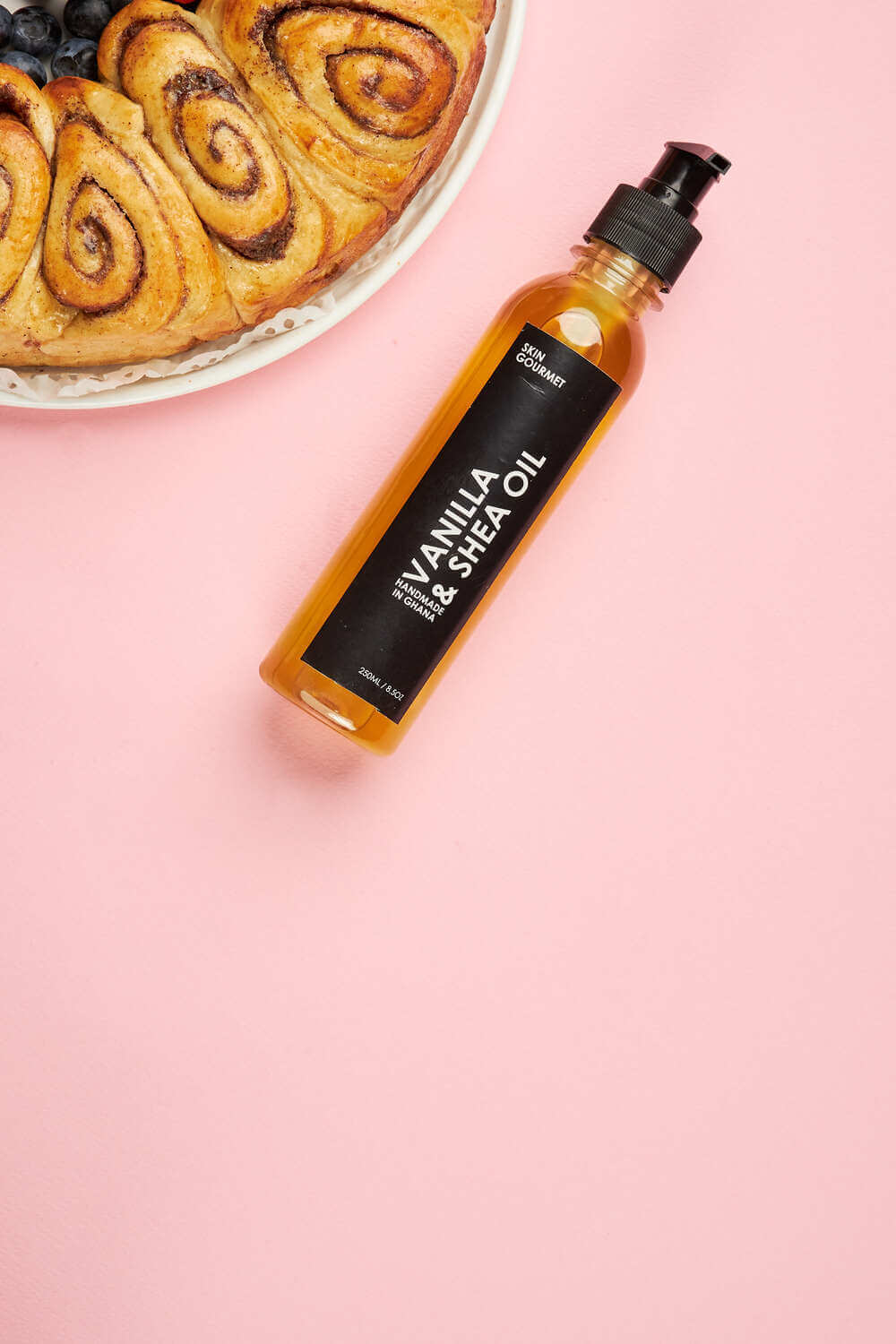
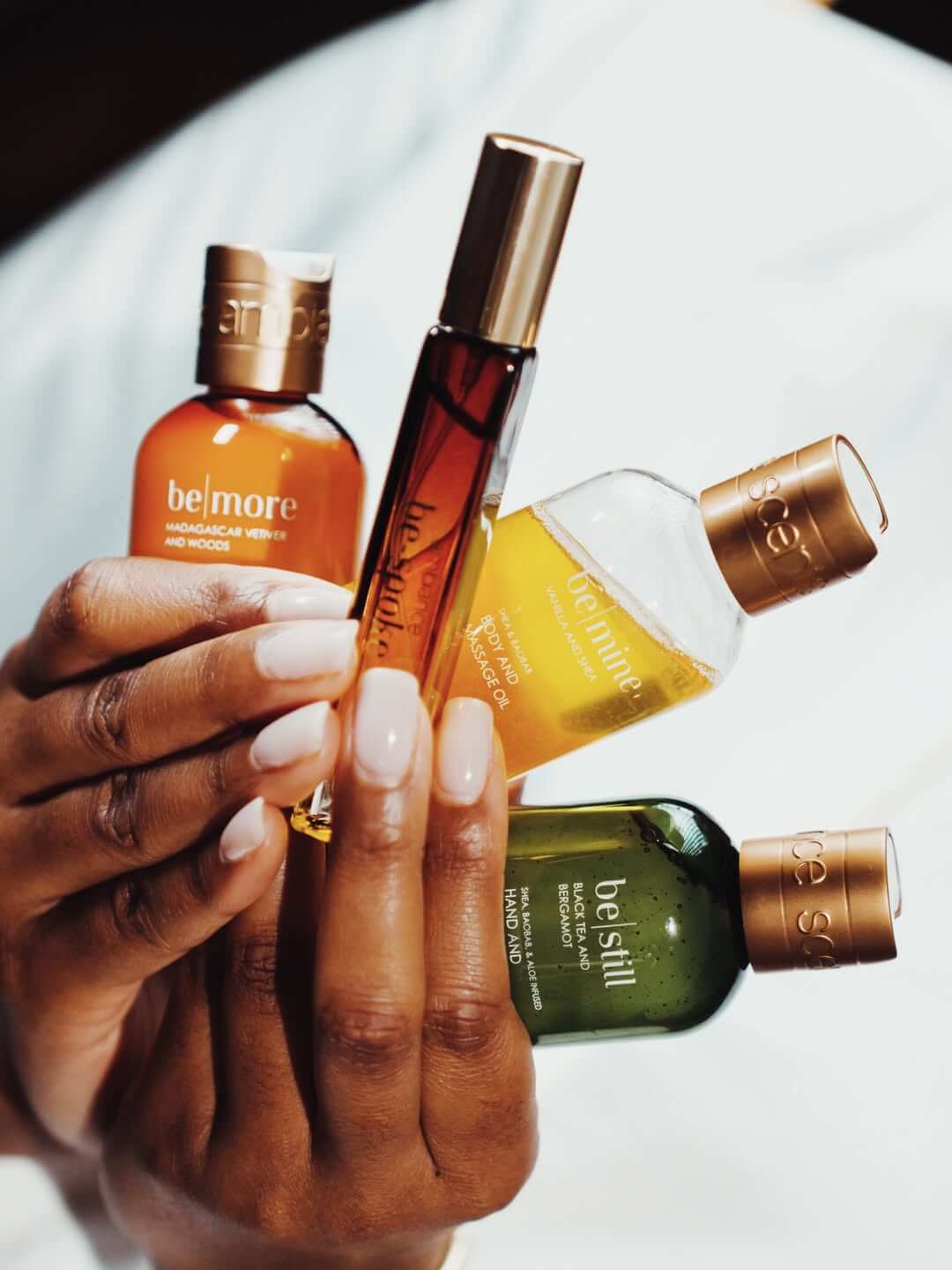
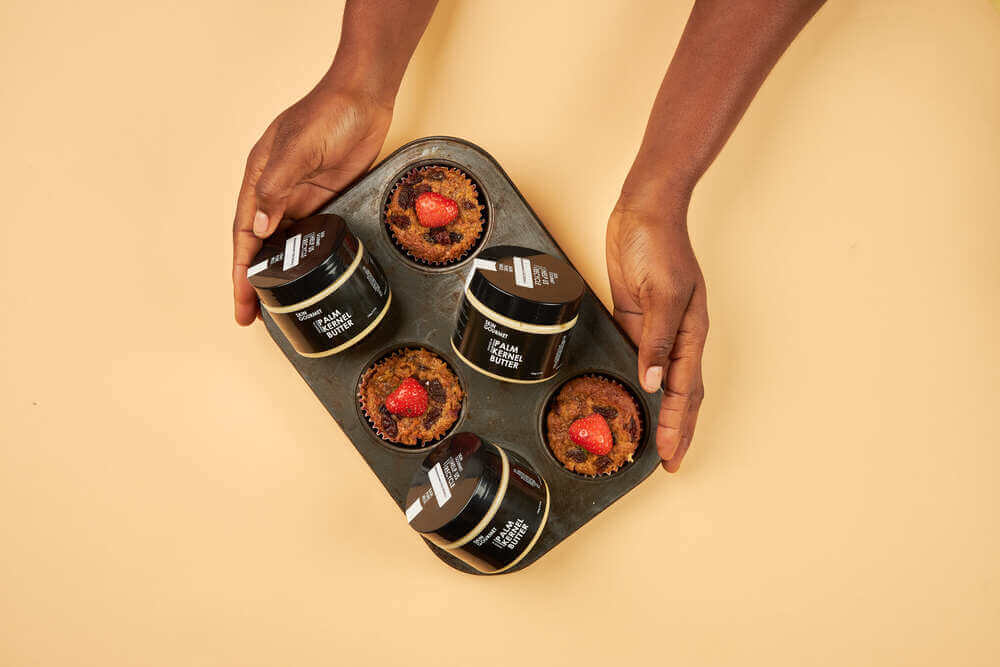
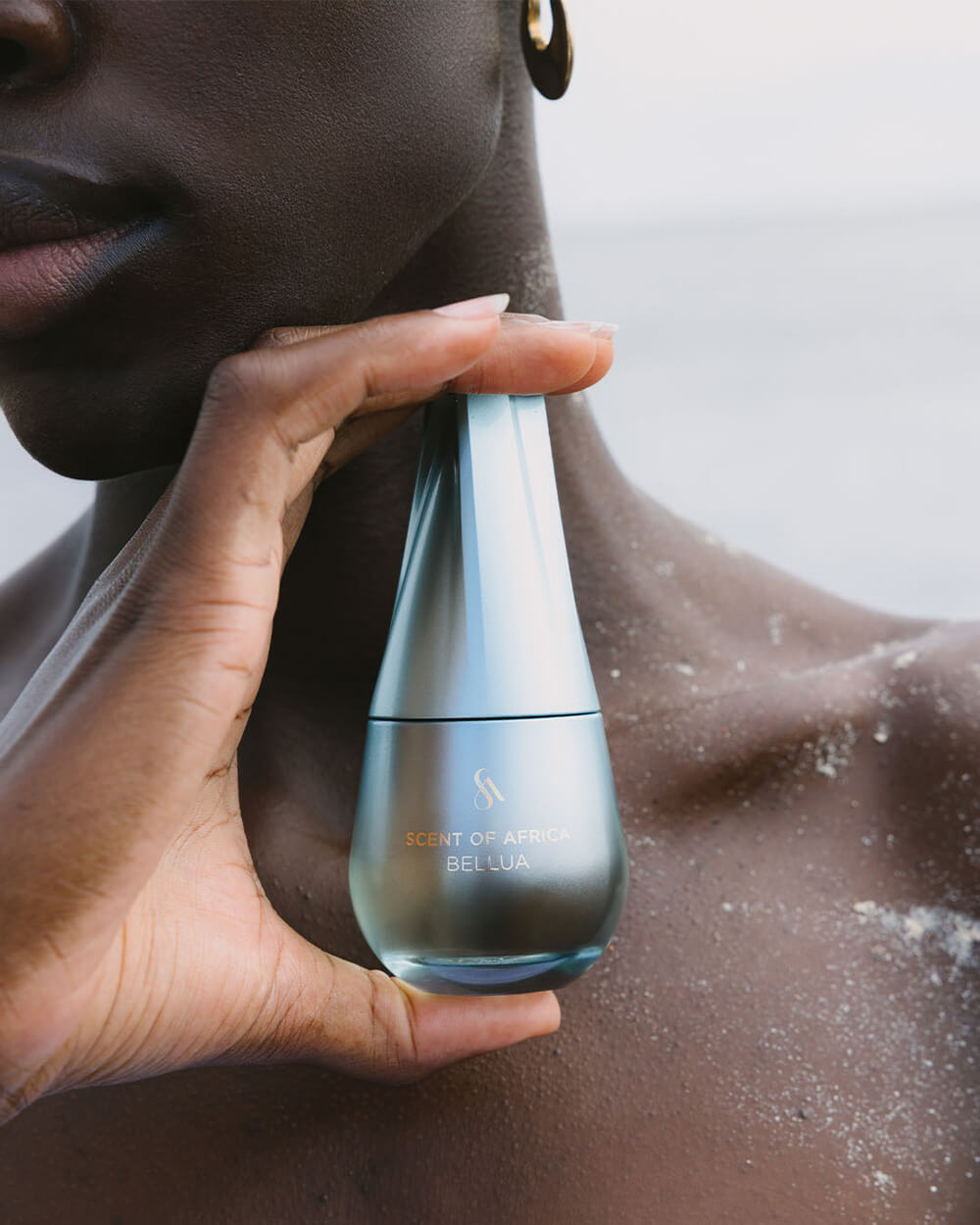
Among the brands featured such as Skin Gourmet, Scent of Africa, Eve by Boz, Lyvv Cosmetics, Colorbox Cosmetics, Ambiance by Talata, and Brielle Cosmetics; what makes them particularly exciting right now?
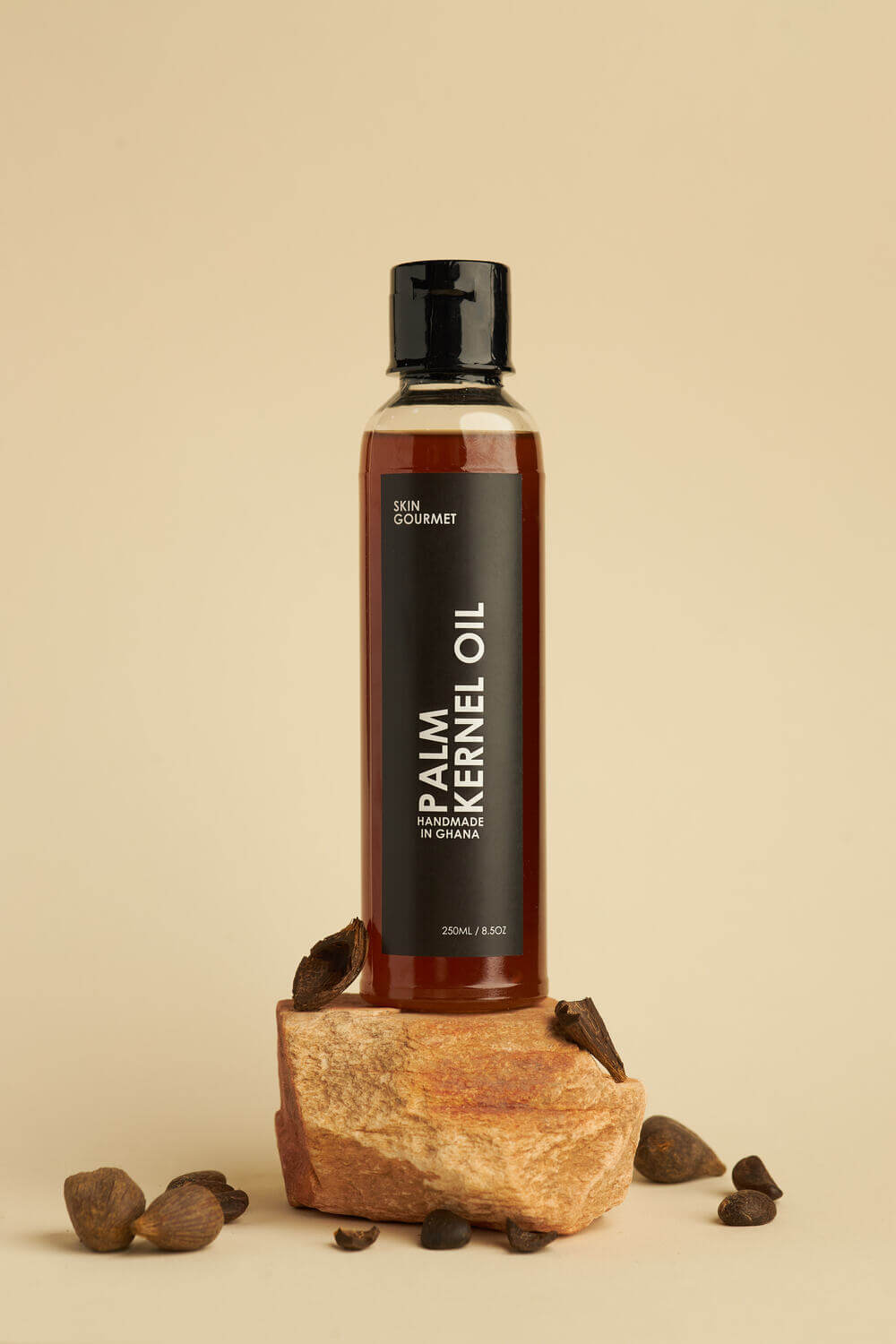
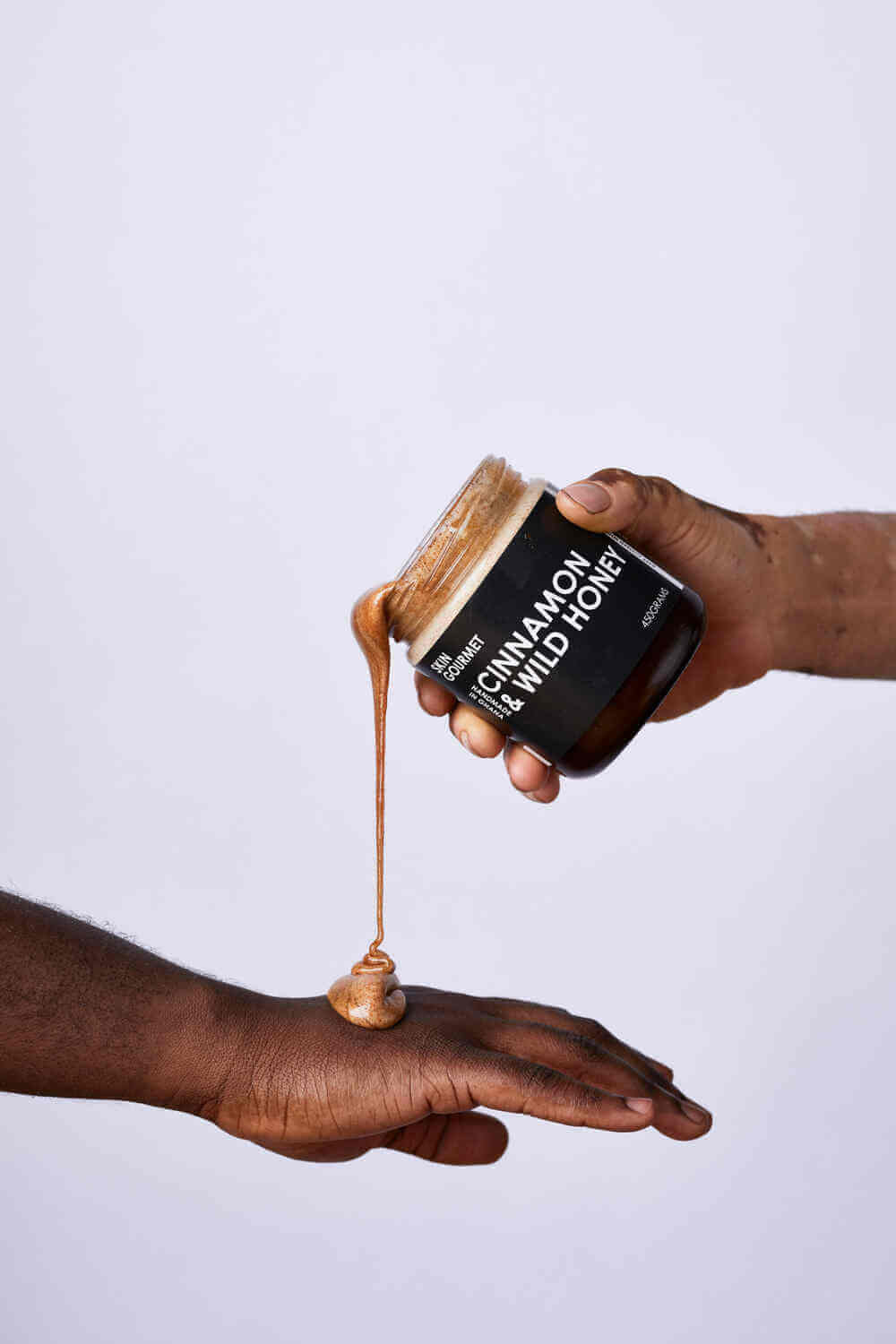
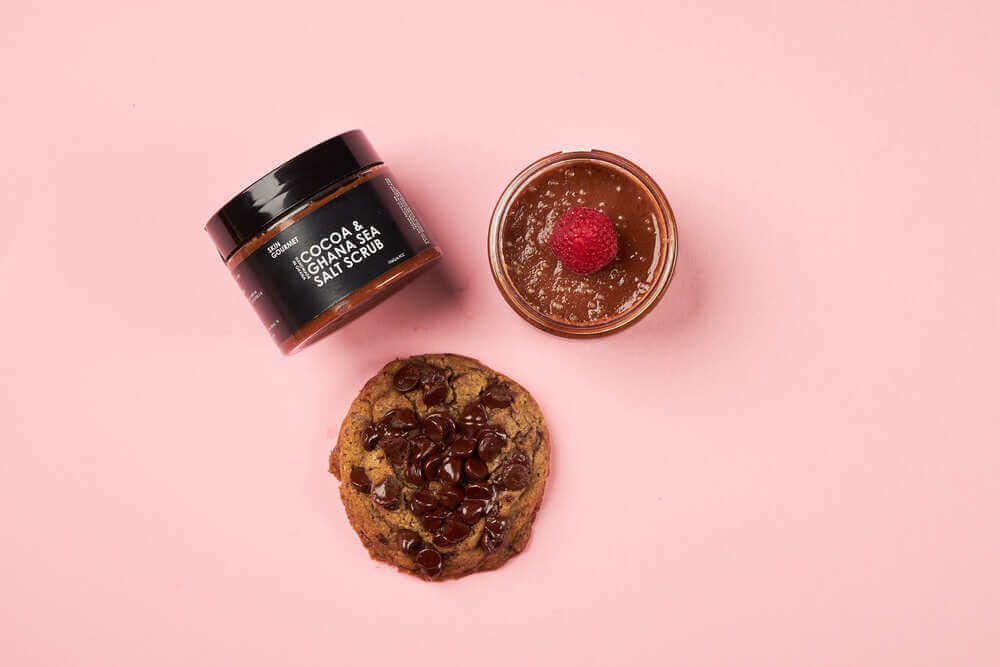
Each brand brings something different. Skin Gourmet focuses strongly on natural ingredients and simple formulations. Scent of Africa is doing beautiful work with fragrance inspired by African scent traditions. Eve by Boz brings a refined, luxury perspective to beauty. Together, they show the range of what African beauty can be.
What should international buyers or editors be paying attention to when discovering African beauty brands?
First, look at the quality of the products. But it’s also important to understand the story behind them, where the ingredients come from, and the knowledge behind them.
Are there certain categories like skincare, fragrance, haircare, wellness, where you see Africa leading innovation?
I see Africa leading across a few key areas, especially with the brands coming out of spaces like the Style Lounge Wearhouse. You have Skin Gourmet grounding things in raw, natural skincare, while Ambiance by Talata and Scent of Africa are pushing fragrance and wellness in a more elevated, storytelling-driven way. Then brands like C Million and Lyvv Cosmetics are shaping beauty for a younger, global African audience. For me, skincare and fragrance are where we stand out the most, but what really gives us an edge is how everything connects beauty, culture, and wellness all in one.
With big beauty groups like L’Oréal, Estée Lauder, and Unilever dominating the market, what are the biggest hurdles African beauty brands face when entering European or American markets?
Distribution is a big one, and access to capital as well. Large groups like L’Oréal and Estée Lauder have global systems already in place. Many African brands are still building that infrastructure. But the potential is definitely there.
Do regulatory frameworks, production scaling, or access to capital pose the greatest obstacle?
For me, it’s a mix, but if I had to pick, access to capital is probably the biggest hurdle.We have incredible talent and ideas, and the regulatory frameworks are getting better, but without funding, it’s hard to scale production, invest in quality control, or expand globally. Production and regulations can be figured out with the right support, but capital is what unlocks everything else. Once brands have that, scaling and meeting international standards become much more achievable.
How can African brands protect their authenticity while adapting to global retail demands?
African brands can protect authenticity by keeping the culture, traditions, and rituals at the heart of their products like using local ingredients or reflecting African aesthetics. At the same time, they can adapt to global retail by focusing on quality, packaging, and consistency that meet international standards. It’s a balance: never lose the soul of the brand, but speak a language the global market can understand and trust.
Finally, how would you like to see the African beauty industry evolve over the next five years? I’d like to see African beauty brands sitting comfortably in global retail spaces like Sephora or Harrods, alongside other international brands. And I’d like to see more investment so these businesses can grow and reach a wider audience.
Glow stars here. Follow us at @veinbeauty