

LITKOVSKA looks to Ukrainian avant-garde artist Borys Kosarev for SS27. We caught up with designer Liliia Litkovska to talk about Stricha, the art of encounter and the ideas behind her latest collection.
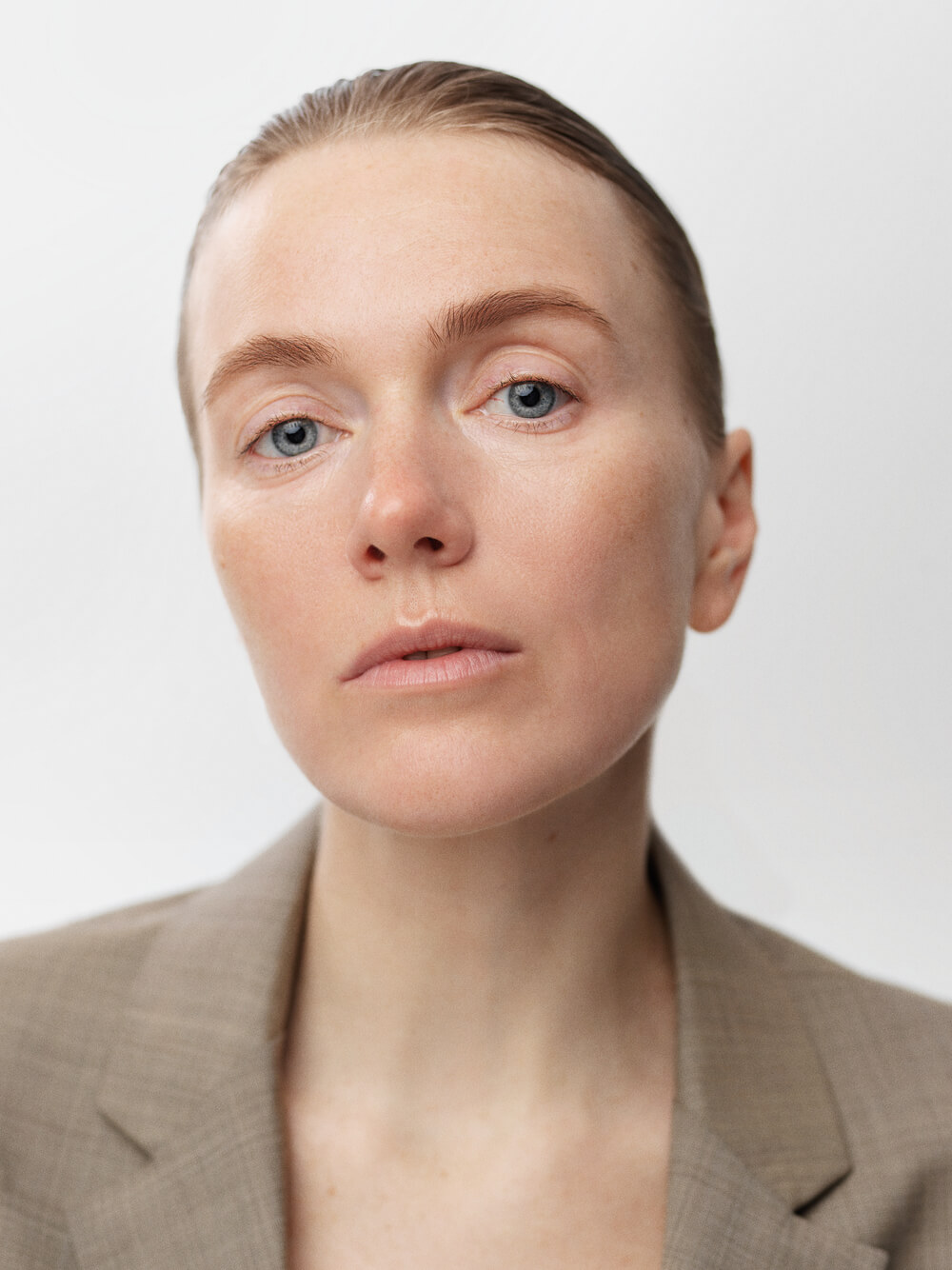
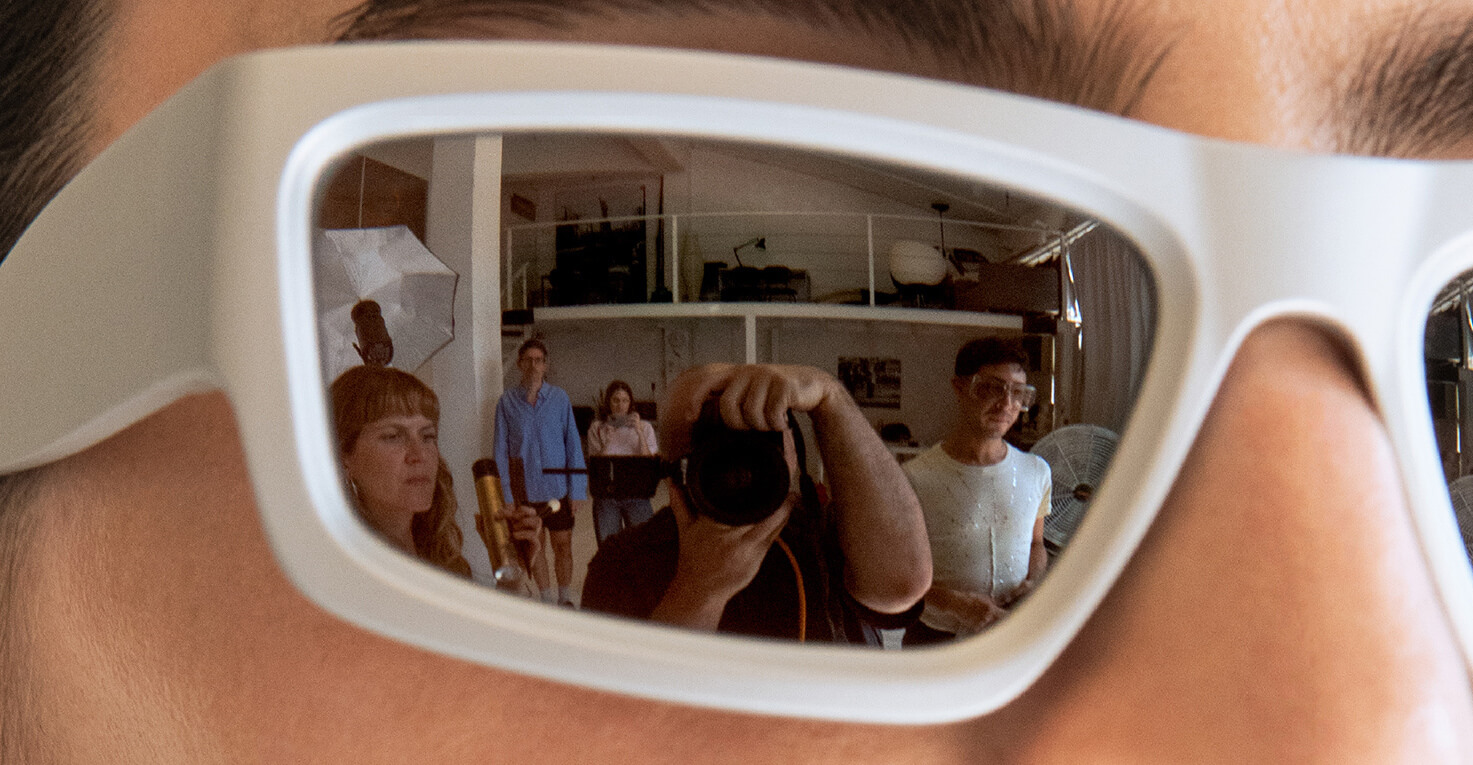
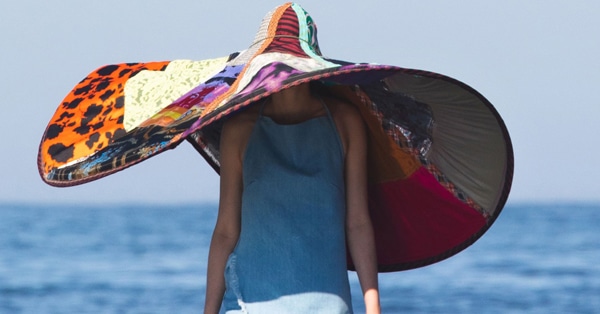
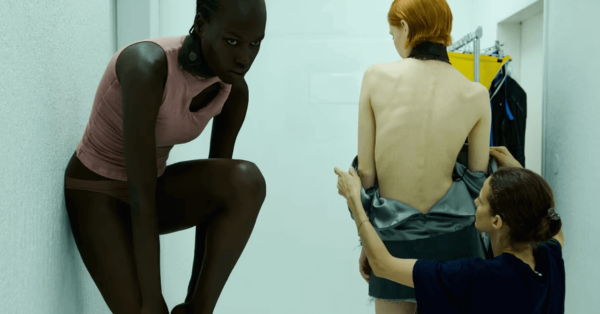
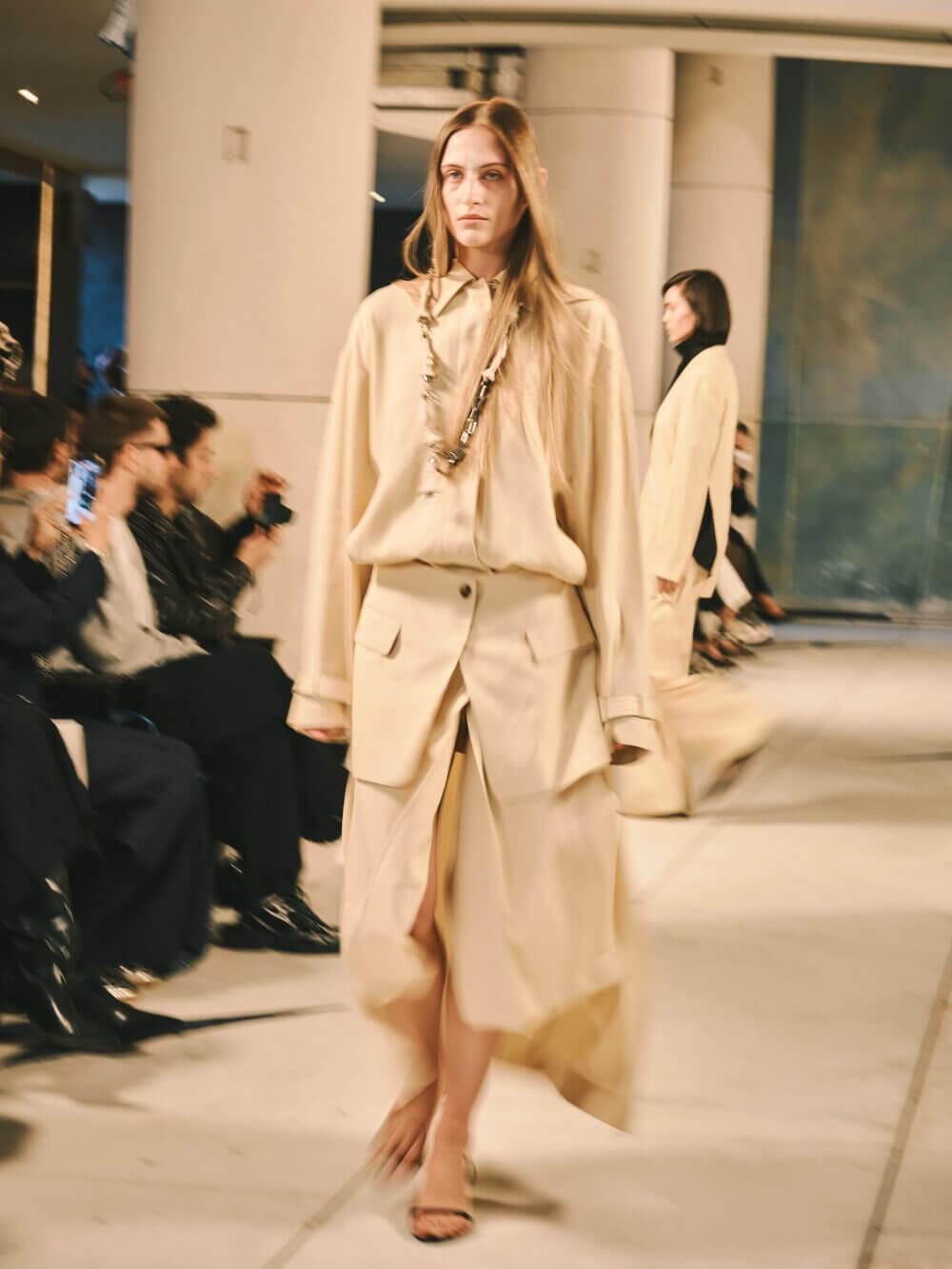
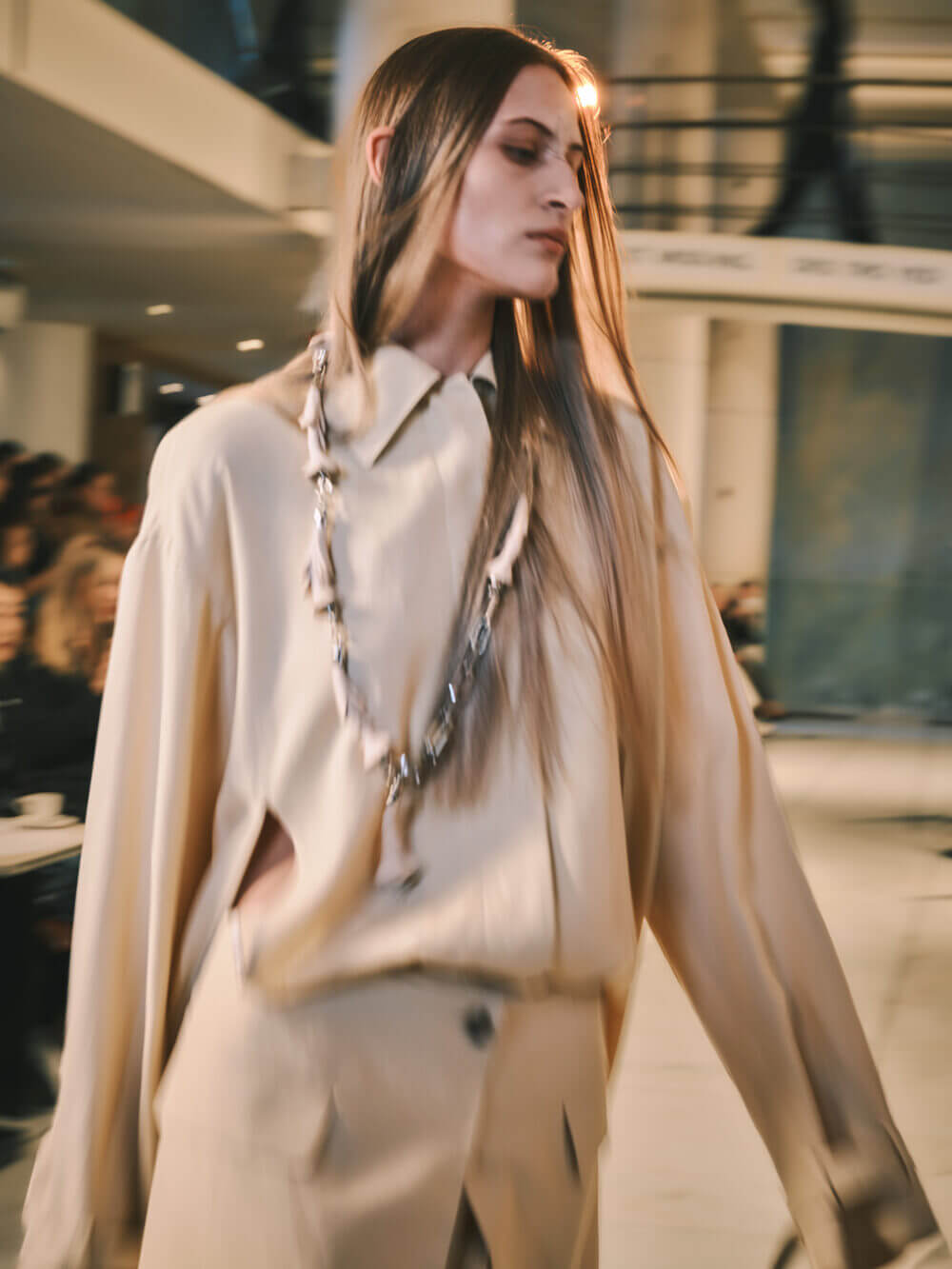
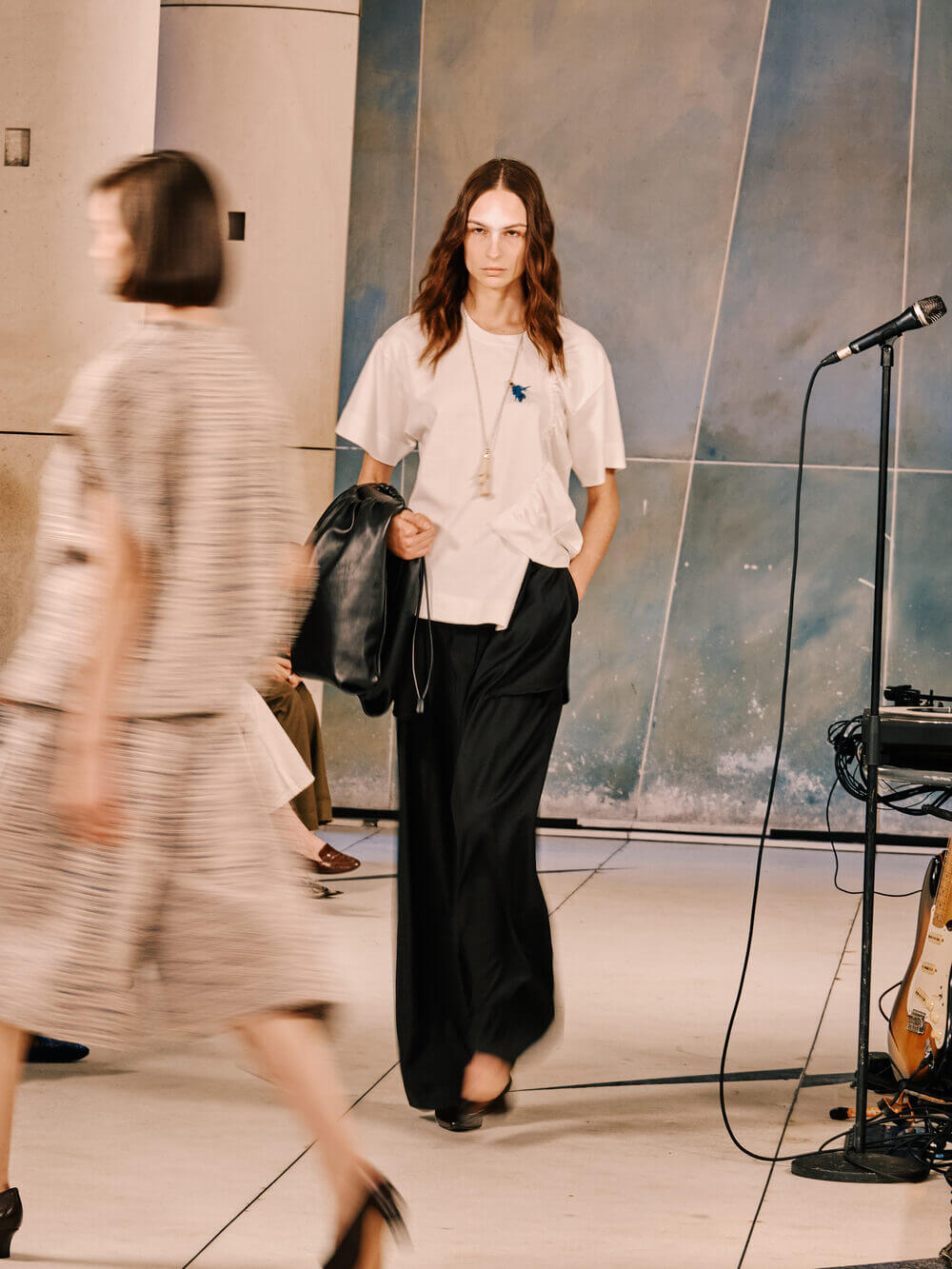
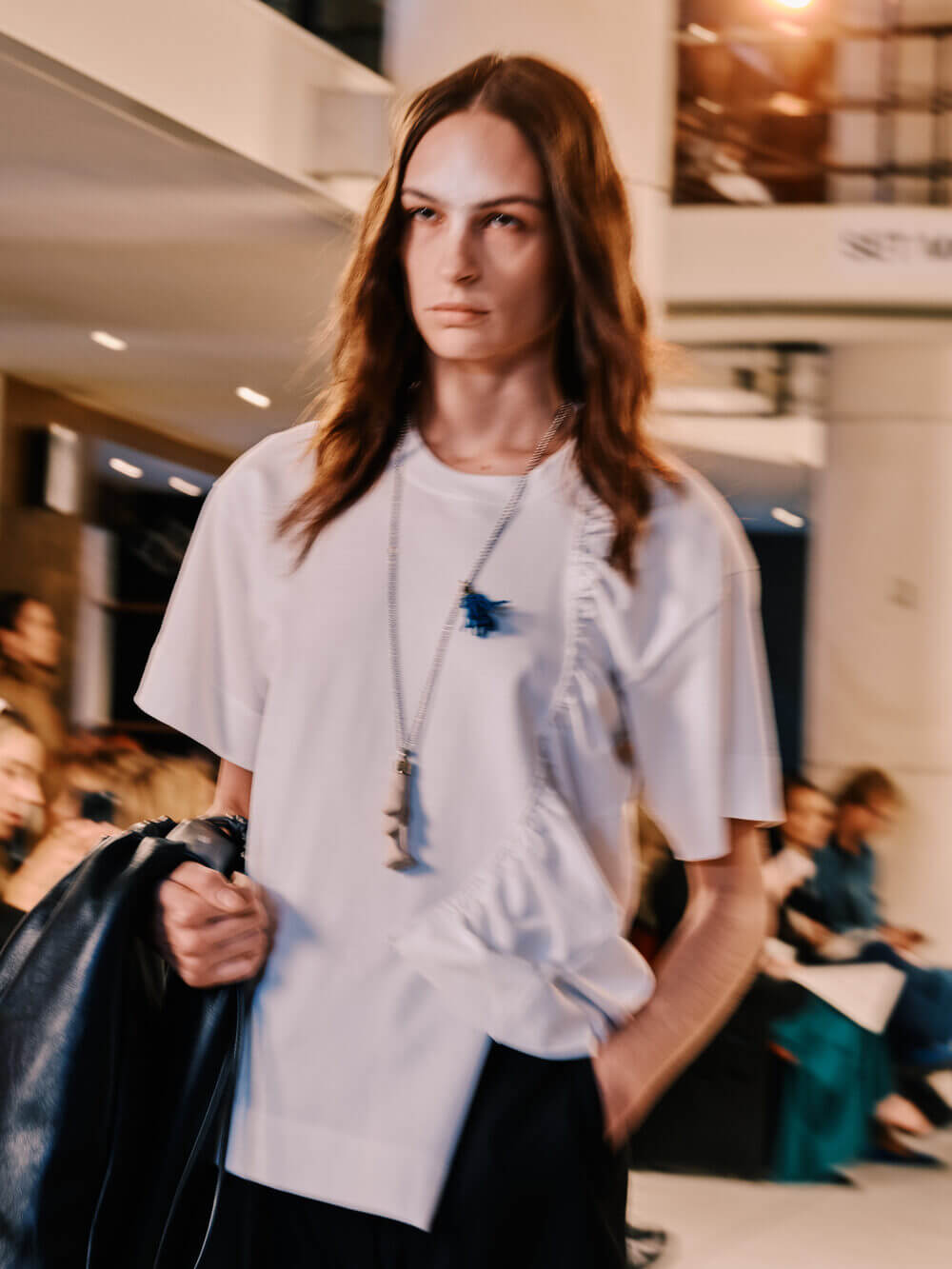
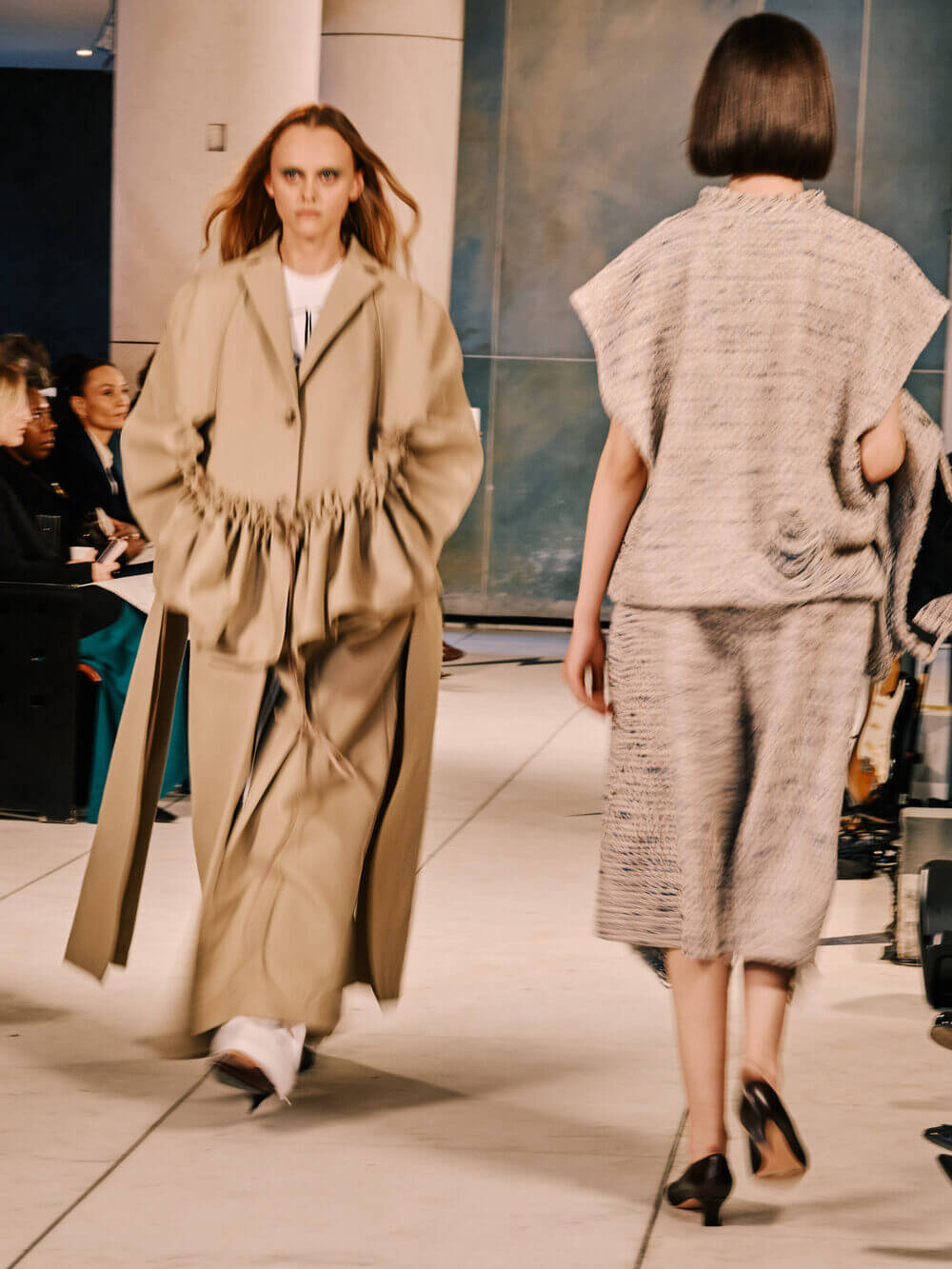
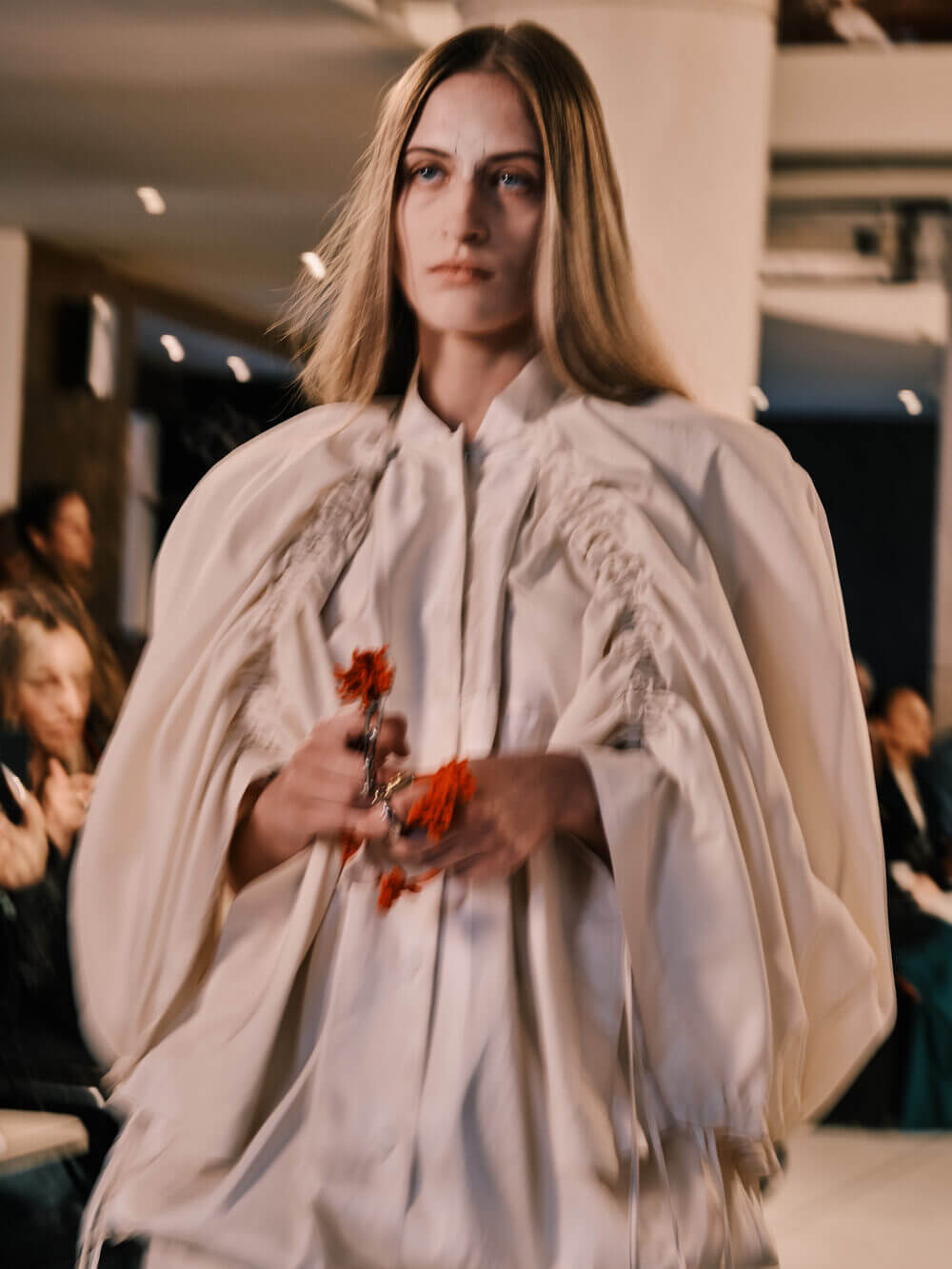
LITKOVSKA is the eponymous label of Ukrainian designer Liliia Litkovska. Her designs have found admirers around the world, with celebrities including Naomi Campbell, Rita Ora and Monica Bellucci wearing the label, alongside Ukraine’s First Lady, Olena Zelenska. For Spring Summer 2027, presented during Paris Fashion Week at Café Beaubourg, Litkovska unveiled Stricha, a collection inspired by Ukrainian avant-garde artist Borys Kosarev and the idea of encounter. Liliia once again brought a thoughtful, personal perspective to the runway. We caught up with the designer following the show staged at Café Beaubourg to talk about her creative process, the stories behind the collection and the ideas shaping her work today with backstage and runway imagery by Kotaro Izuka.
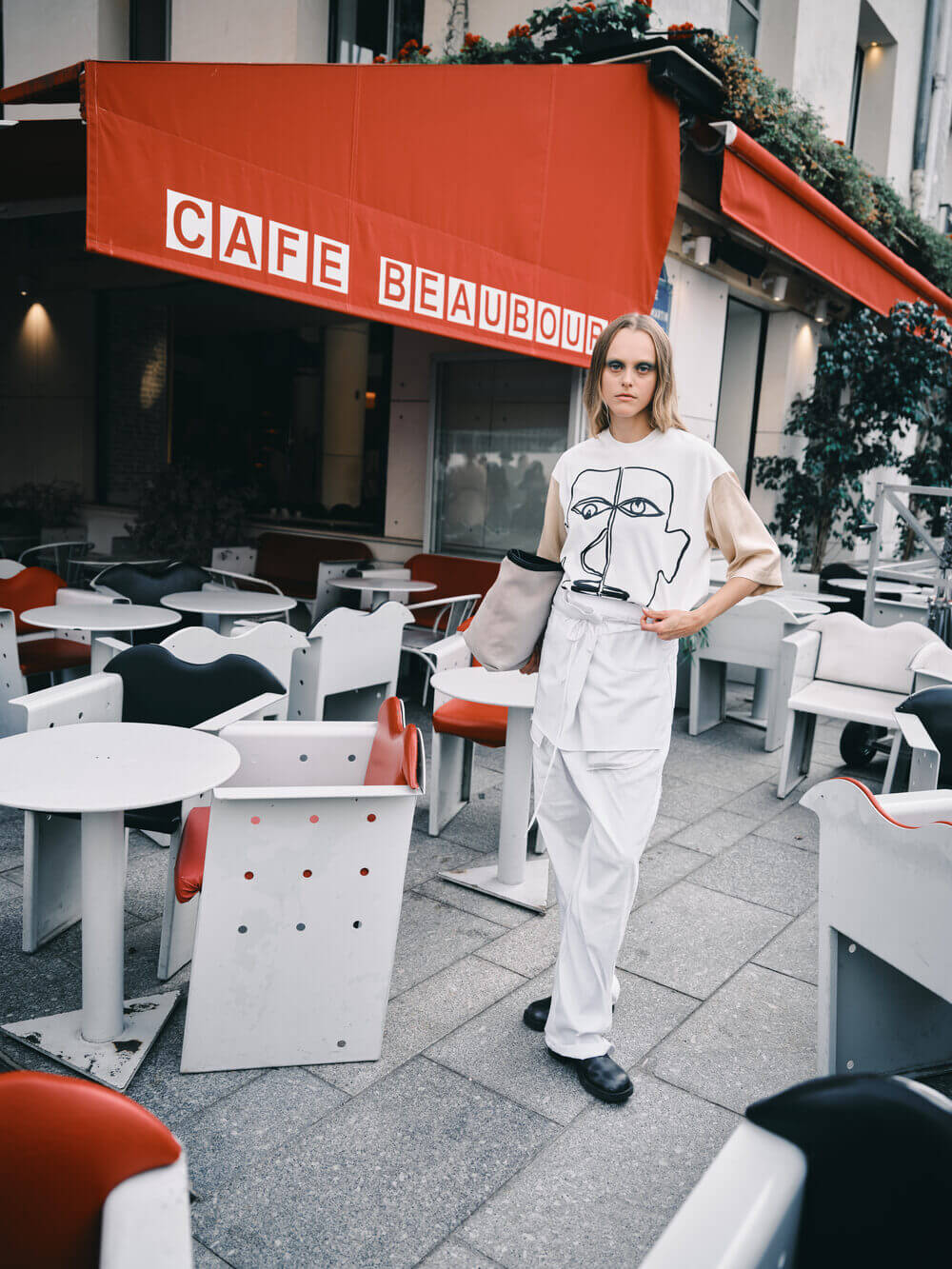
You have drawn on the work of Ukrainian avant-garde artist Borys Kosarev, particularly his fragmented portraits and masks for Spring Summer 2027. What was it about his work that drew you in?
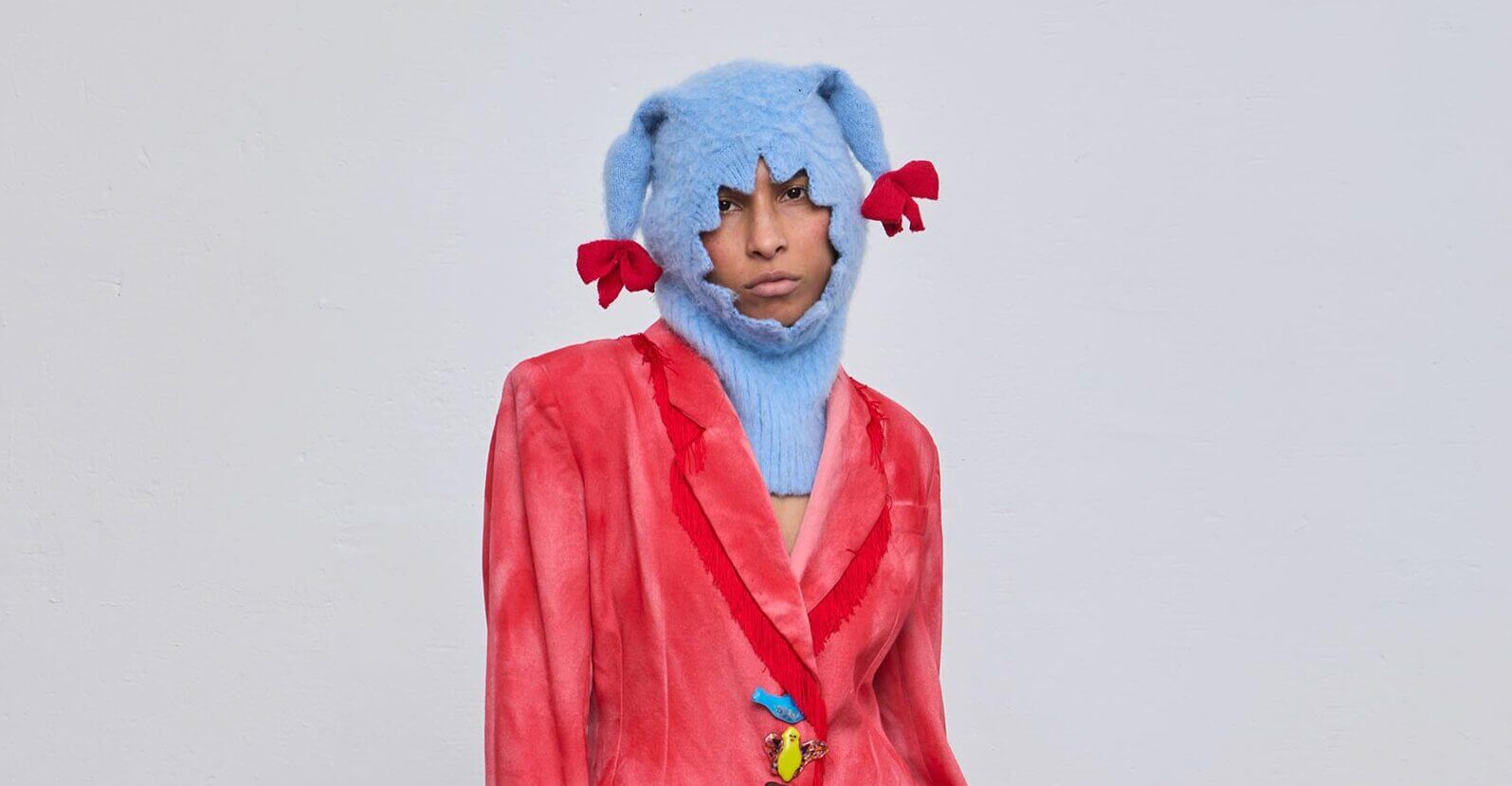
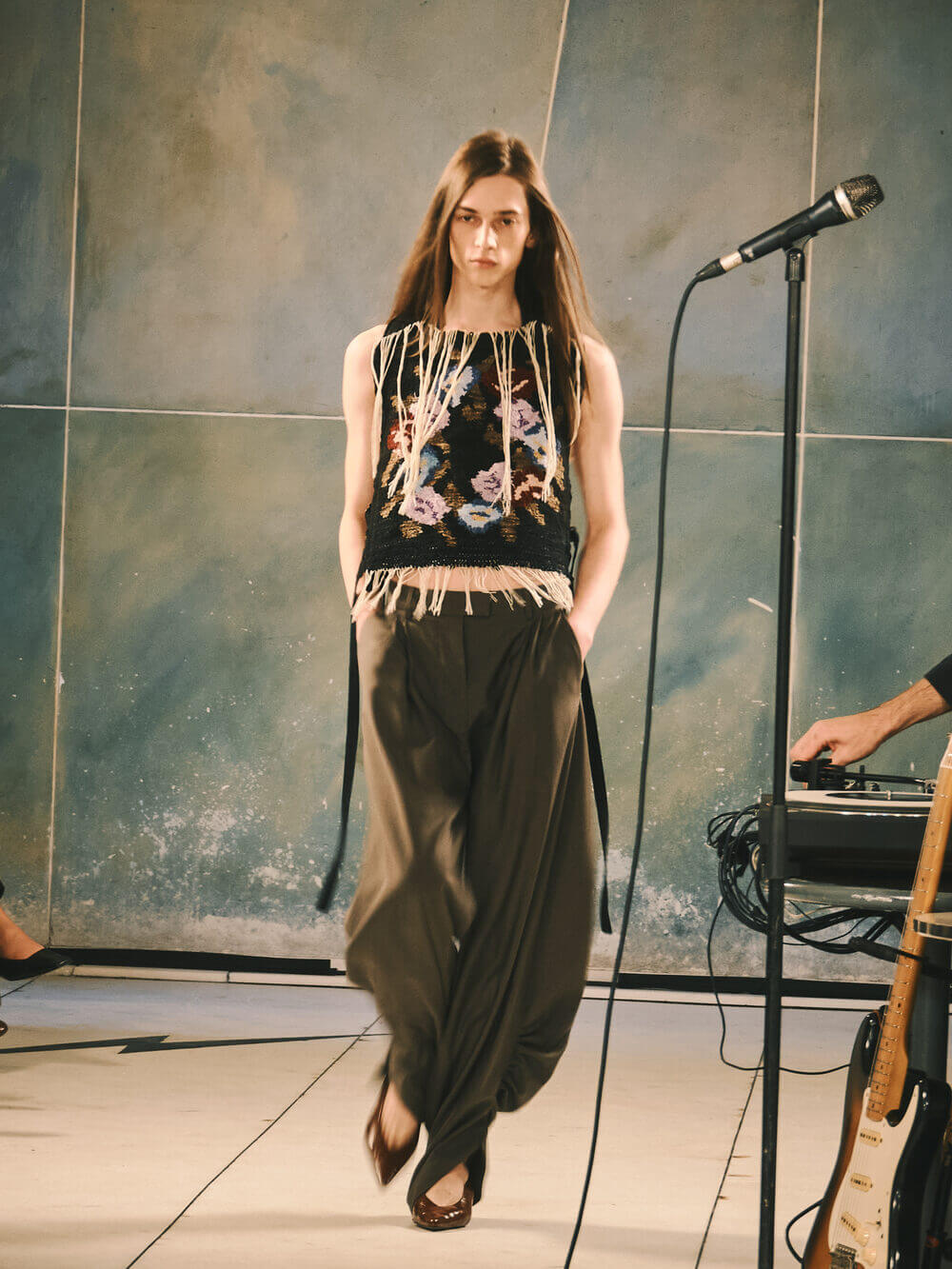
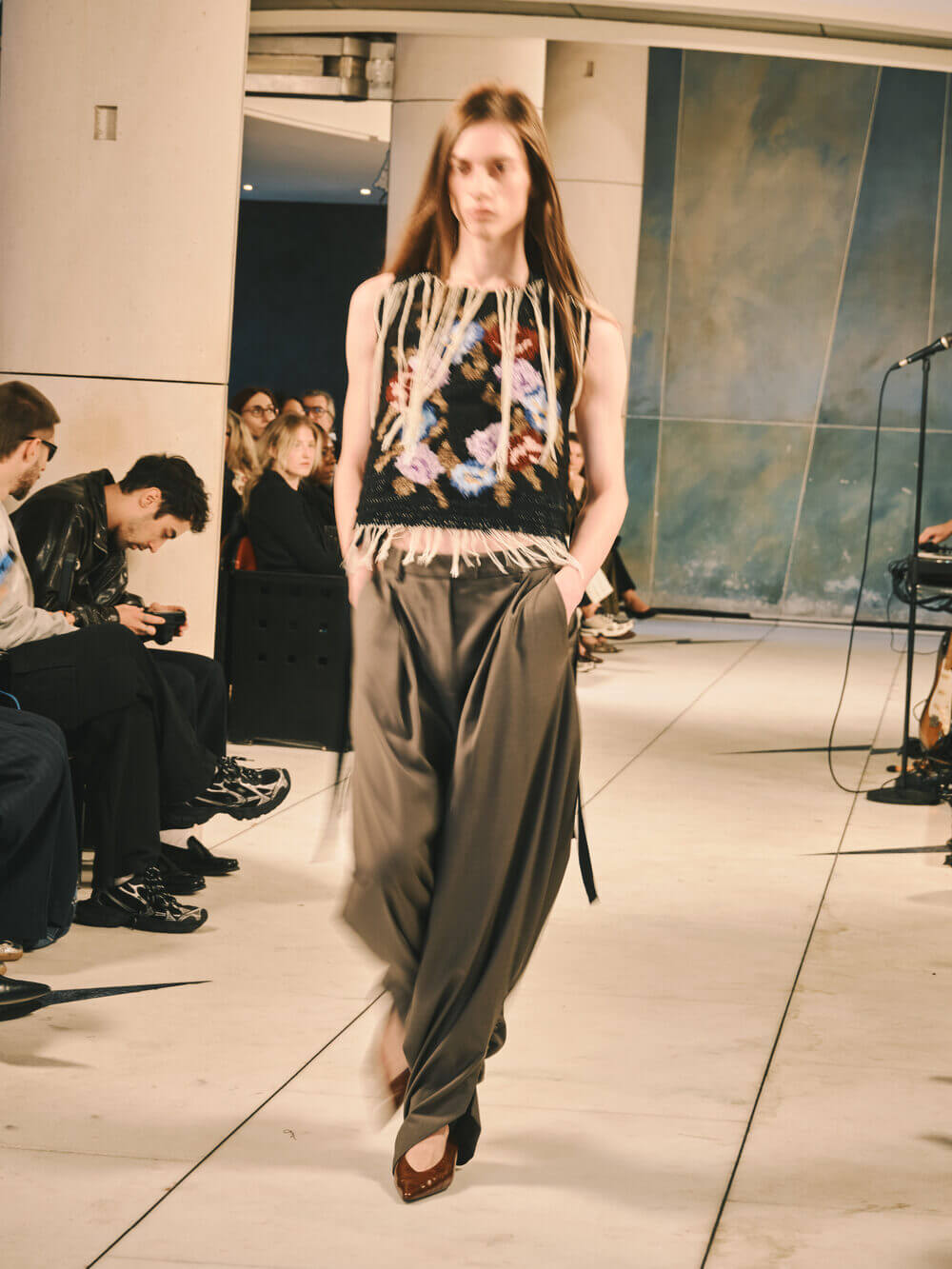
I was really drawn to the way Kosarev played with faces; breaking them apart, rearranging them, but somehow keeping their identity. It made me think about how we see ourselves and how others see us. We all wear different masks, and sometimes it takes a different perspective to see what’s underneath. I wanted to play with this idea in the collection, too. We brought his visual language into appliqués, prints and collages, and explored fragmentation in the construction of the clothes. I wasn’t interested in simply quoting his work. I wanted to see where it could take us.
Kosarev’s work was created in a very different Ukraine, yet you are bringing his visual language into Paris today. What kind of conversation do you imagine between his work, your collection and the Ukraine of the present?
For me, this is about keeping our identity alive and continuing to develop Ukrainian art. A hundred years ago, Kosarev and his contemporaries were part of a remarkable avant-garde movement in Kharkiv, at a time when Russia was trying to absorb Ukrainian culture and conceal its identity behind the Soviet mask. Today, we are defending that same identity against Russian aggression. It is a different Ukraine, but in many ways, the struggle remains the same: the right to exist as an independent nation, to express ourselves freely, and to live and create in a free Ukraine.
I see this project as a collaboration across time; a meaningful artistic exchange between Kosarev’s vision and our own. By bringing his visual language into Paris today, we are not simply looking back at our past; we are allowing it to live, evolve and speak to the world in the present. For me, this is what keeping our culture alive means: carrying it forward, developing it, and making sure Ukrainian art continues to have its own voice on the international stage.
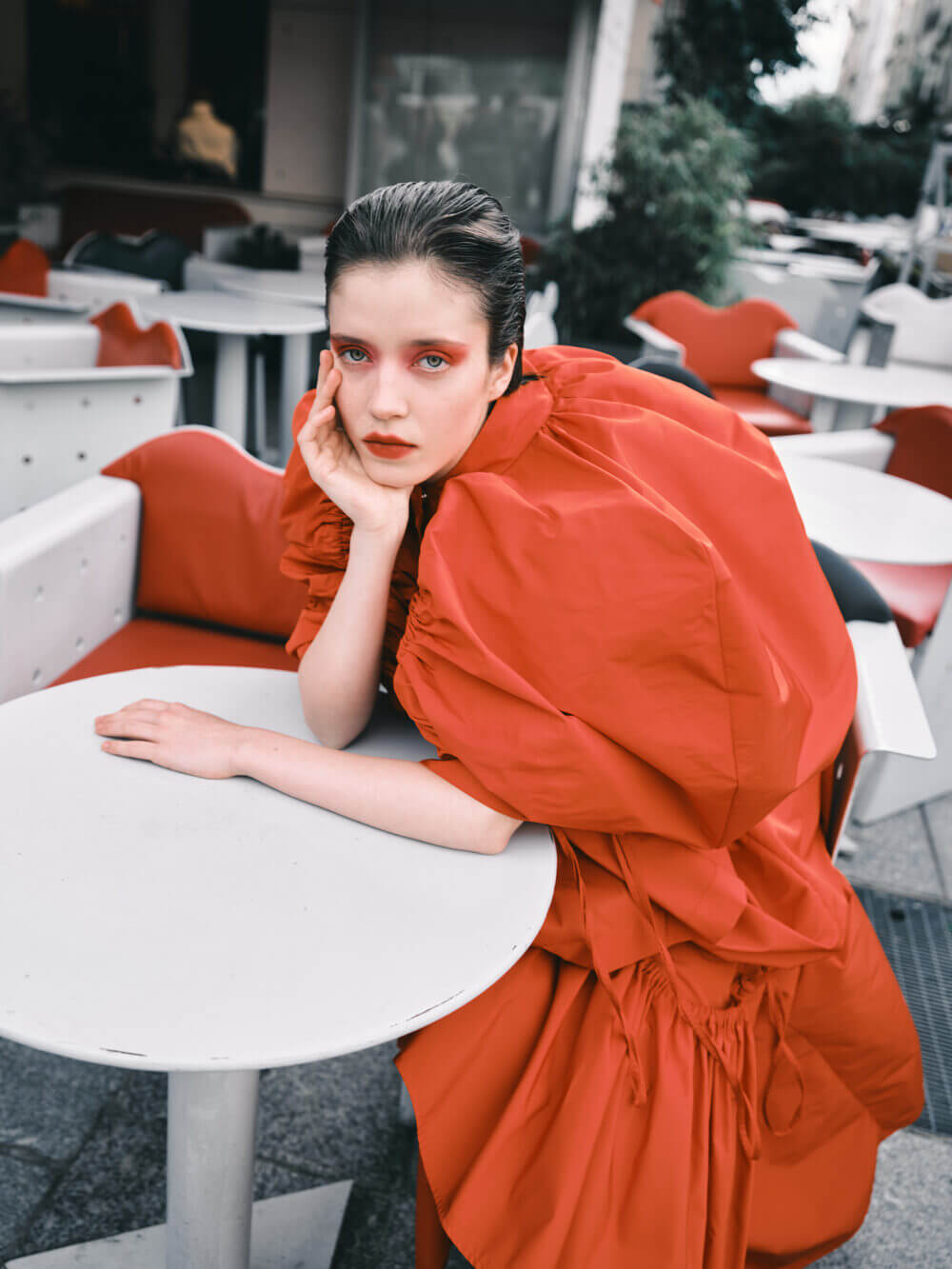
“STRICHA” means “an encounter” in one of Ukraine’s dialects. What was the encounter that first sparked this collection, and when did you realize it would become the central idea?
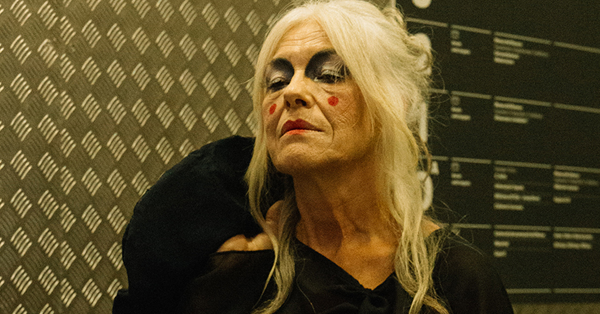
STRICHA started with a simple thought: so much depends on the first moment of meeting someone. A look, a gesture, the way a person sits down across from you. Those first seconds often decide everything that follows. I wanted the show to feel like that, not like a presentation but like an actual meeting. So we invited everyone to Café Beaubourg for morning coffee with a newspaper, to sit at the tables the way people do when they meet for real. Every encounter changes us a little, whether it’s with a stranger, an old friend or an artist from a hundred years ago. But I believe the most important encounter is the one with yourself. It’s also the hardest, because it asks you to be honest about who you are. Once I saw the collection as a series of encounters leading back to that one, it became the idea that held everything together.
You made this collection while continuing to work from Ukraine. Under what conditions was STRICHA actually created? What does the reality of designing, producing and preparing a collection look like for you and your team today?
Over the past six months, the attacks on Kyiv have become more frequent, and our team has to go down to the shelters every day. You can be in the middle of a fitting or discussing a new idea, and suddenly everything stops. Plans change, schedules have to be rearranged, and sometimes you need to find a solution you hadn’t imagined the day before. Then you go back upstairs and try to pick up where you left off. This has become part of how we work.
Of course, it affects you. But we still develop ideas, work with fabrics, refine patterns and take care of every detail. A lot depends on the people around you and your ability to adapt together. It’s not always easy, but we’re still here, doing the work we believe in.
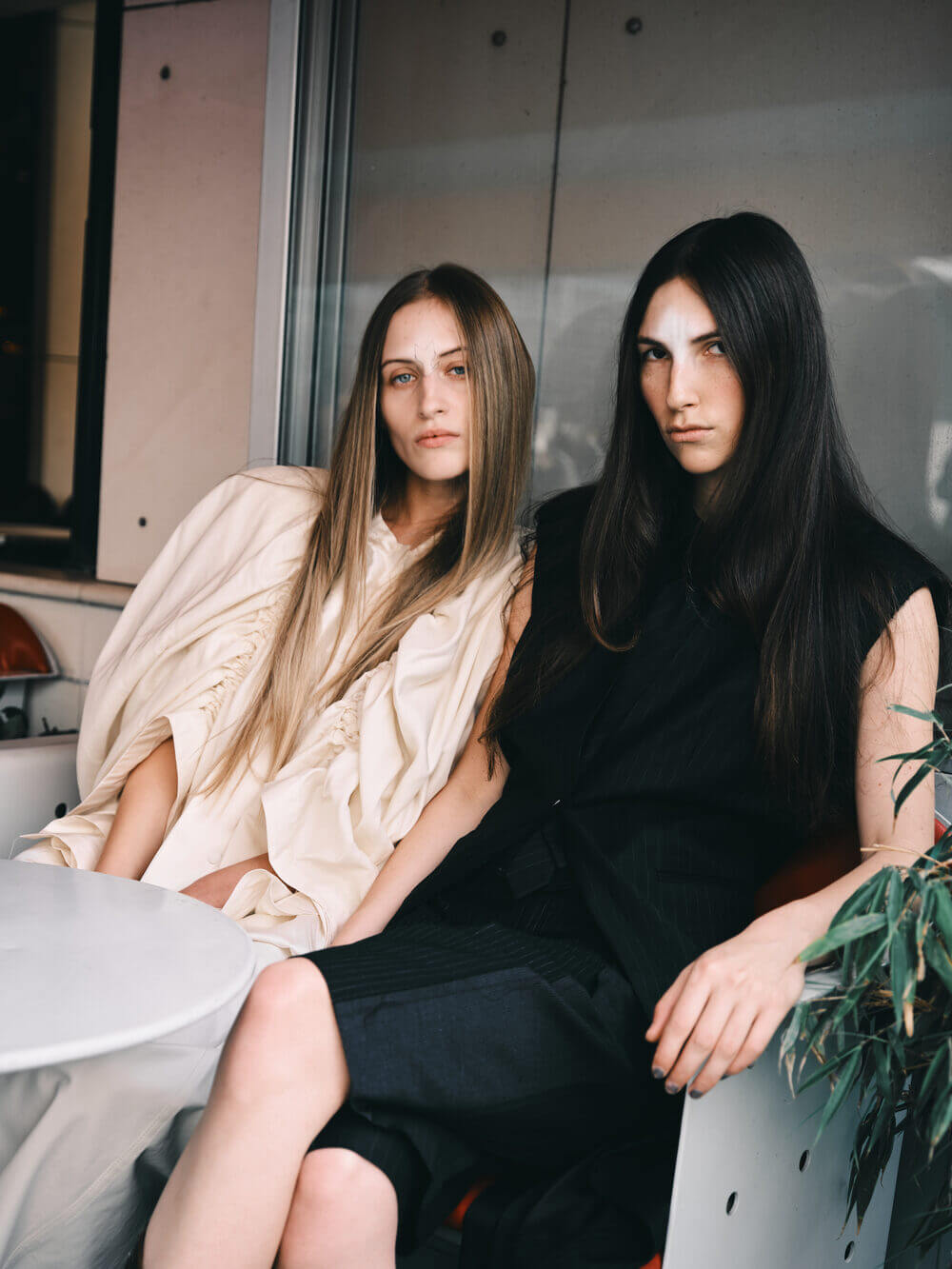
At the same time, the collection speaks about remaining open to love, creativity, connection and meeting new people. What gives you hope at the moment?
People, definitely. The way they care for each other, fall in love, start families, have children and keep making plans for the future, even when it’s difficult to know what tomorrow will bring. I find that incredibly moving. It’s a reminder that life doesn’t stop, that people keep choosing it and finding reasons to look ahead. I’m also comforted by the ordinary things people make time for a conversation, a shared meal, a moment of laughter. And sometimes, it all begins with an encounter; meeting someone who brings something unexpected into your life. I think there’s a lot of hope in that.
What does showing in Paris mean to you, particularly as a Ukrainian designer? After returning to the Paris Fashion Week calendar season after season, has the meaning of presenting your work here changed for you?
We’ve been on the official Paris Fashion Week calendar for ten years now, so Paris has become an important part of our journey. But the meaning of showing here has changed. I’m more conscious of where we come from and of what it takes to continue building a fashion house in Ukraine today. At the same time, I want our work to be seen for what it is: fashion, with its own ideas, ambitions and creative language. Being Ukrainian is an important part of my perspective, but it doesn’t limit what we can say or create. I want to bring that full perspective to Paris and let the work speak for itself.
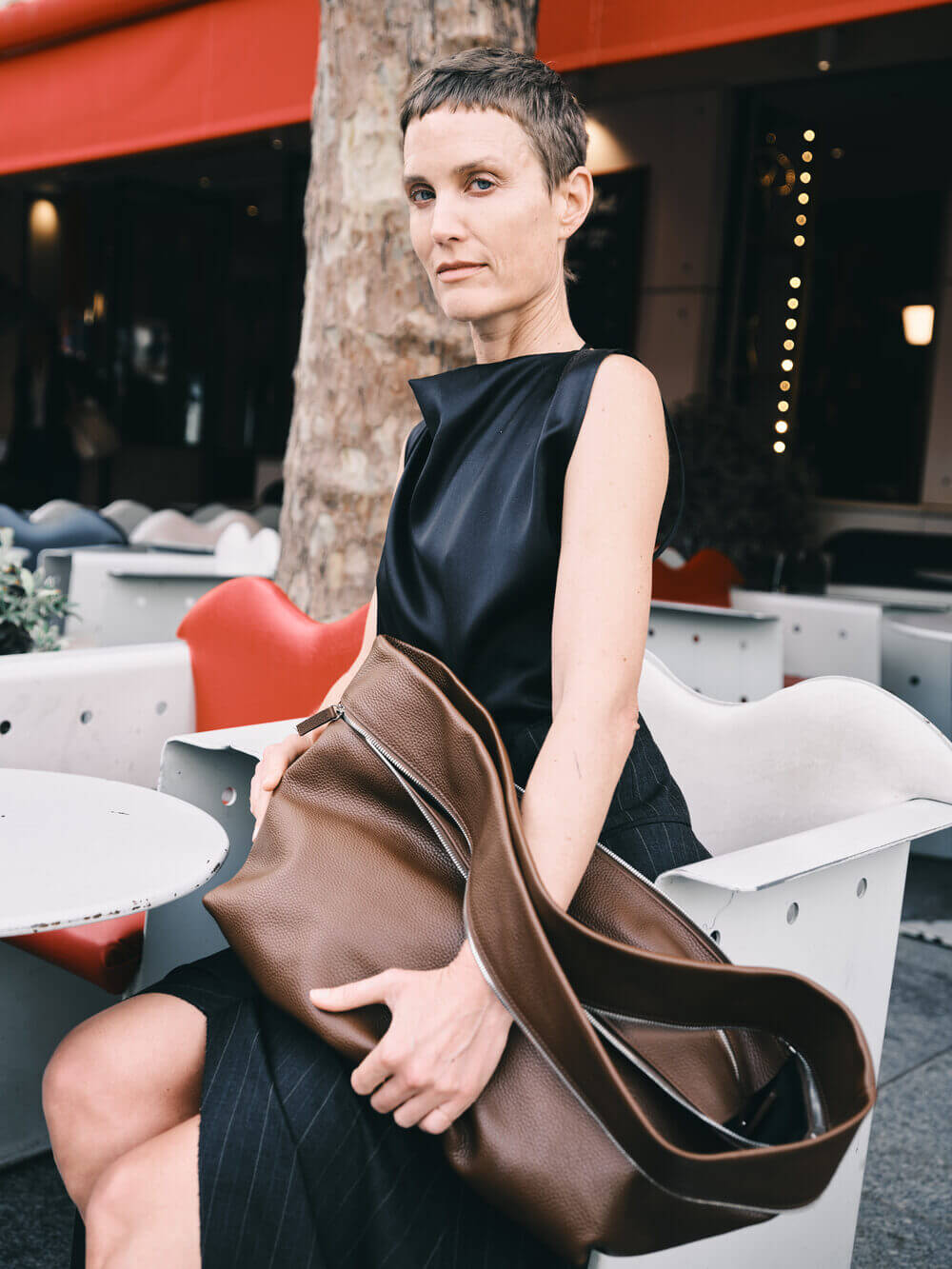
The show at Café Beaubourg was staged around the idea of a casual encounter, almost as if people were meeting over coffee. Why did you want this particular atmosphere?
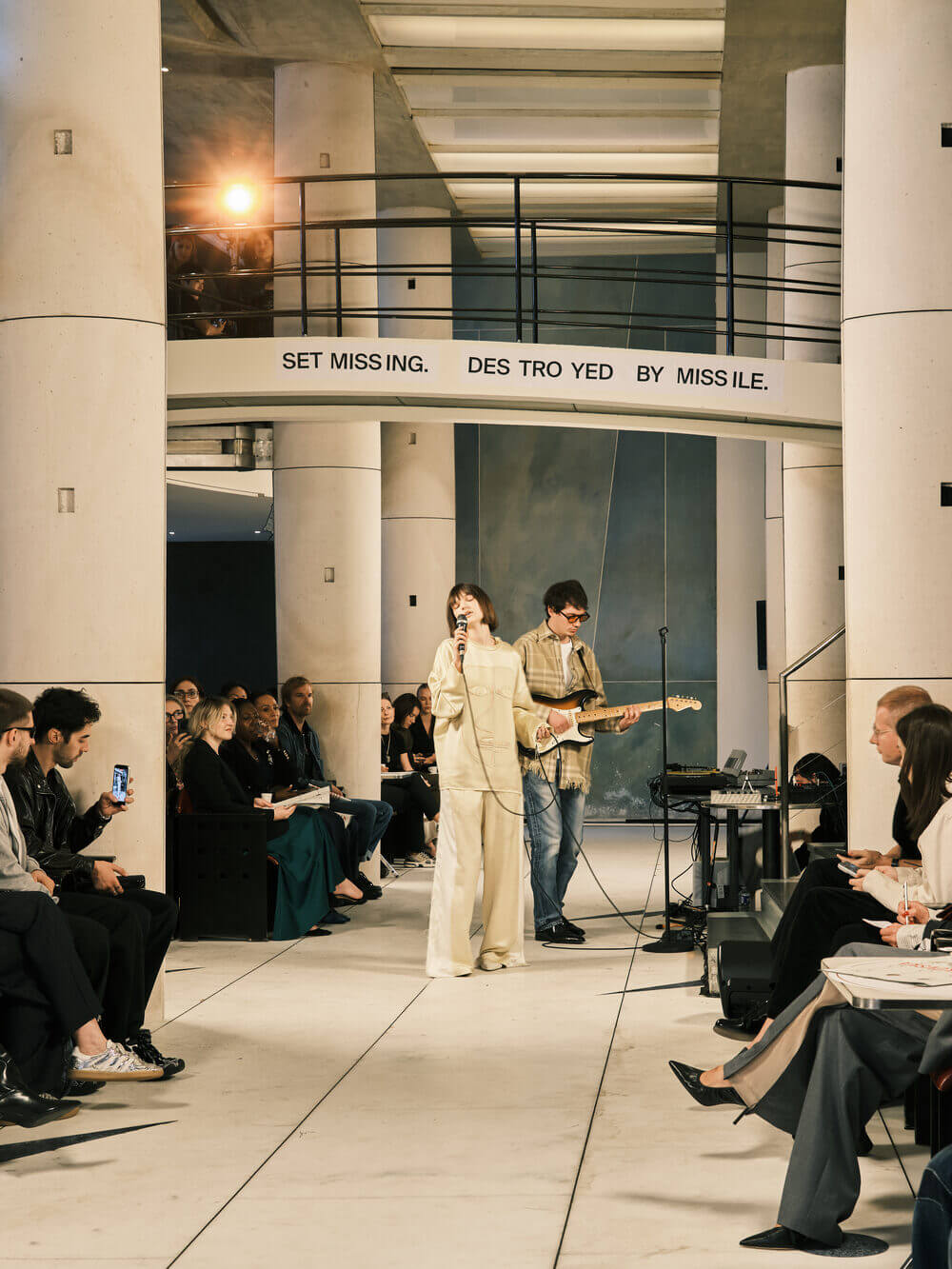
I loved the idea of showing at Café Beaubourg, a legendary Parisian meeting place in the 1990s, where artists and writers would gather. There’s something special about a place that has already witnessed so many encounters and conversations. I wanted to bring some of that spirit into the show; the feeling that you might sit down for a coffee, meet someone new and never quite know where it might lead. Fashion shows can sometimes feel quite formal, with a clear distance between the people on the runway and those watching. At Café Beaubourg, I wanted to soften that distance and create something more spontaneous and human, as if we were all part of the same gathering rather than simply watching a spectacle.
The opening performance brought together Ukrainian model Pasha Harulia and musician Dmytro Novichenko. How important was it for you to create a moment of encounter between different Ukrainian artists within the show itself?
For me, LITKOVSKA has always been about a dialogue between Kyiv and Paris. And that dialogue goes beyond fashion. We regularly invite Ukrainian artists, musicians and other creative people to take part in our shows, because I want to bring different voices and creative practices into the same space.
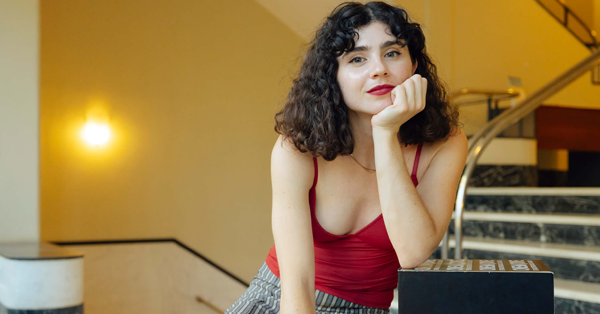
For STRICHA, Pasha Harulia and musician Dmytro Novichenkо opened the show with a performance, while Ukrainian sound composer Dmytro Nikolaienko created the soundtrack for the show itself. Each brought a different sensibility to the experience. For me, this is an important part of what we do: bringing a piece of Ukraine to Paris not only through our clothes, but also through the people, sounds and creative ideas that surround them.
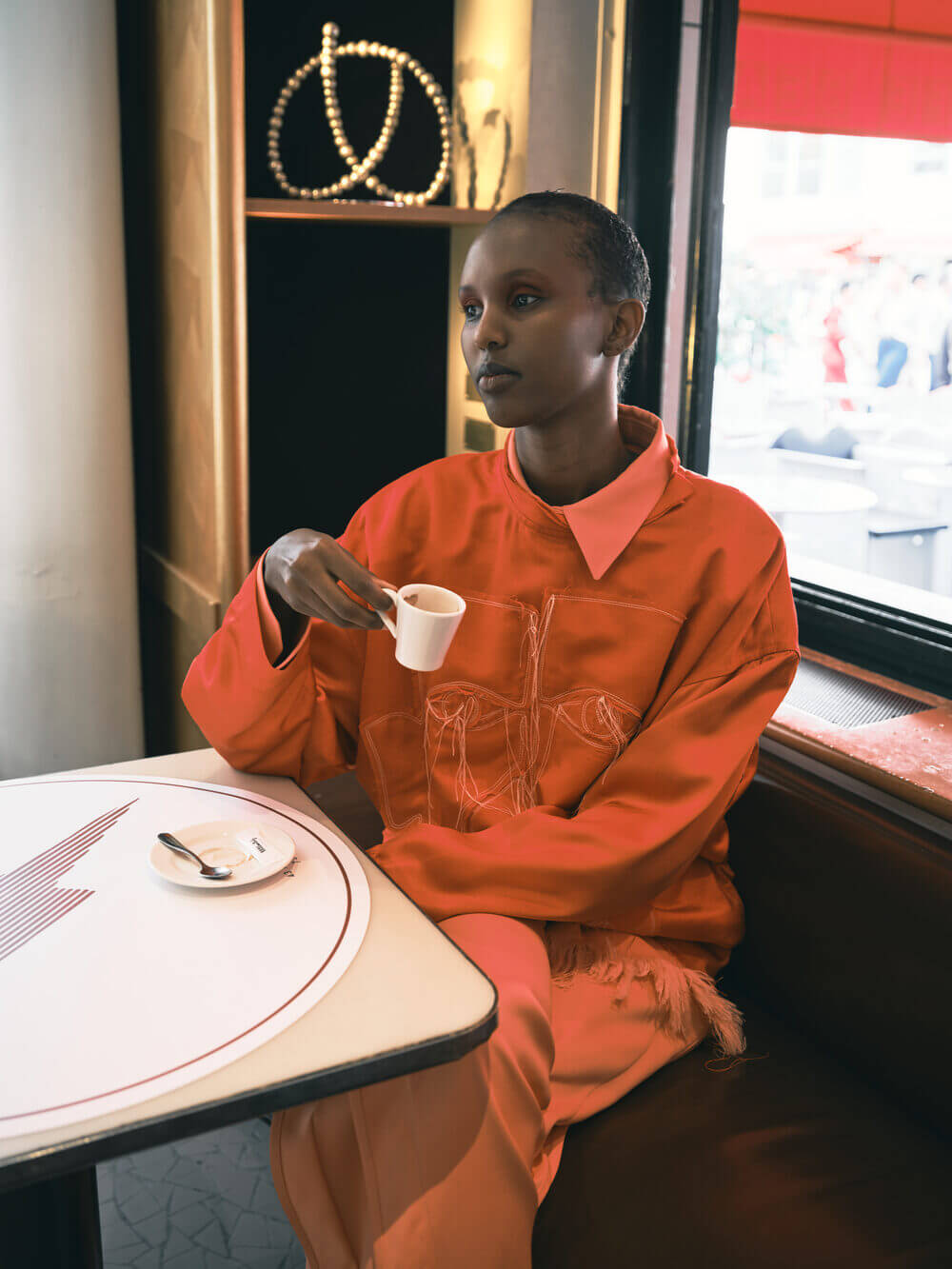
The construction of the garments is deliberately visible, with seams, layers and inner surfaces exposed. Why was it important for you not to hide the process of making?
There is no wrong side. That’s been our motto at LITKOVSKA for years, and it’s how we look at clothes and at life. The inside of a garment, its seams and raw edges, tells the story of how it was made. Hiding that would mean pretending the story doesn’t matter. It’s the same with people: the unfinished parts are often where the character is. For STRICHA, we turned traditional Ukrainian homespun weaving inside out and gave its rougher, more alive reverse the same attention as the front. No hierarchy between the polished side and the real one.
Looking back to your very first collection, what would you say has become the signature LITKOVSKA piece, construction or technique? Is there something you have returned to throughout your career that you feel has come to define the language of the house?
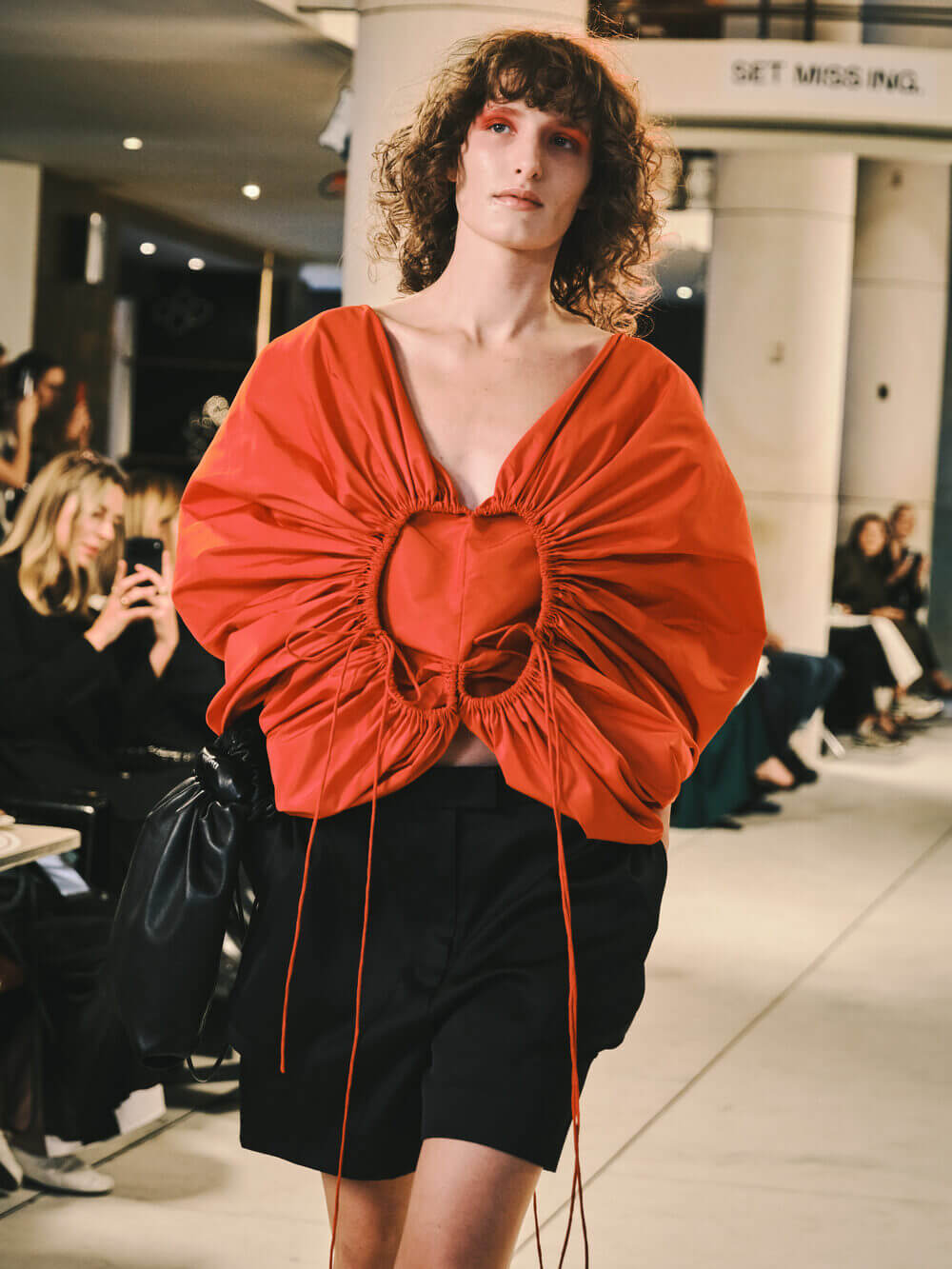
Two things have stayed with us from the very beginning: volume and transformation. I approach volume as a constructor. I love the architecture of a garment, how a shape holds itself around the body and changes the way you move in it.
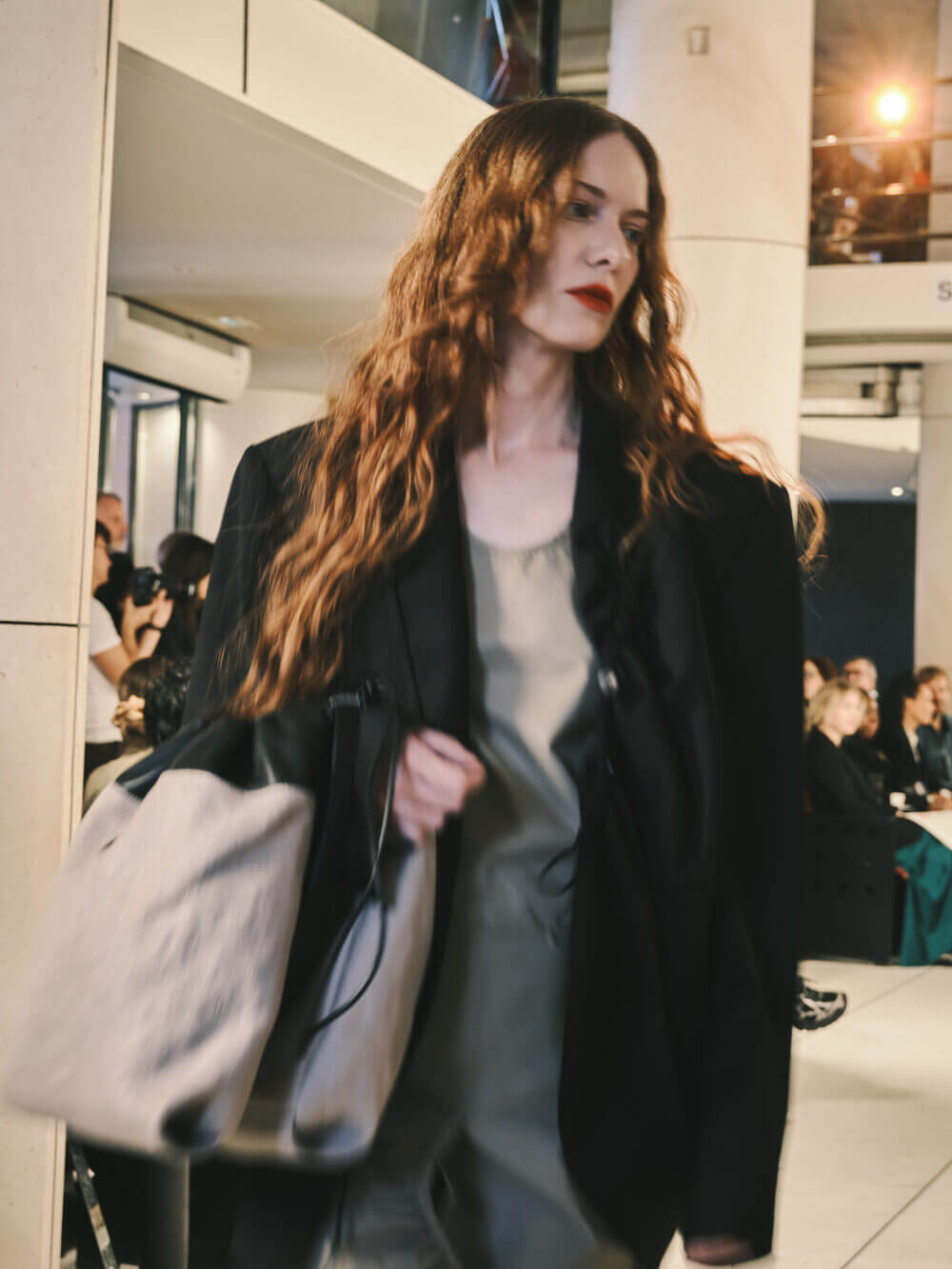
Transformation is what makes our pieces truly ours, or rather, truly yours. Many of our garments can be worn in different ways, and I leave room for the person wearing them to decide how. They create their own style, their own version of the piece. In a way, they become a co-designer. That’s also why we cover our label with a small piece of white fabric: the story of the garment is finished by the person who wears it.
I think that’s what defines LITKOVSKA. We don’t hand you a finished image. We give you a form and invite you to make it your own.
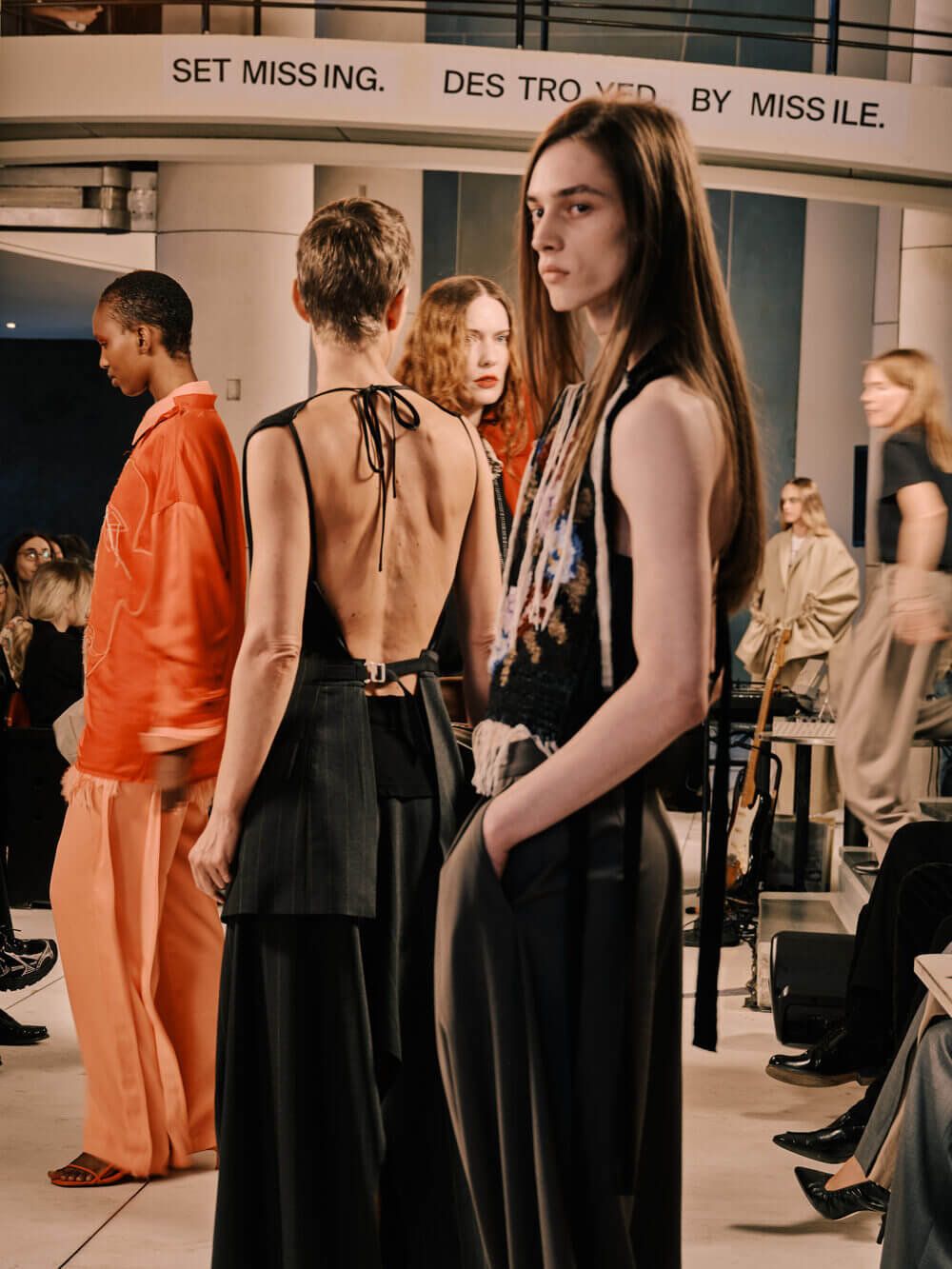
Backstage and runway photography by Kotaro Izuka.
Follow us @veinmagazine