

Fashion doesn’t feel like an escape anymore; it also kind of feels cringe, with so much global uncertainty, it feels awkward to talk about fashion. But I’m ready for confrontation, fashion is where everything intersects from politics, environment, inclusivity, human rights, economy, and aesthetics. We do have these conversations behind closed doors, between shows and in showrooms, but what is usually left to share is just imagery and product. I may not get overly political on socials or in my writing, but I am someone who quietly excuses myself to scream into my pillow. As austerity looms in just about every corner of the world, two overall themes were not about total looks and viral trends, but reclaiming our personal narratives and the function of clothes. Think needs and wants.
Womenswear traditionally receives more media attention, but showing menswear and womenswear together gives us a unified collection. Costs are usually passed to the consumers, so from a financial perspective, it makes sense too to save on duplicated costs of show, travel, campaigns, and in general less waste. What stood out for Fall Winter 2026 in particular was that the womens felt empowering, especially against the wider world of Trad and Trophy Wives that so much of high fashion is kowtowing to these days. For me, empowerment is texture, layering, and women’s pieces cut through with effortless authority so we can assert ourselves without asking for permission.
Seen during Paris Men’s Fashion Week Fall Winter 2026/27, these women’s pieces proved that presence isn’t bound by the calendar:
3.PARADIS
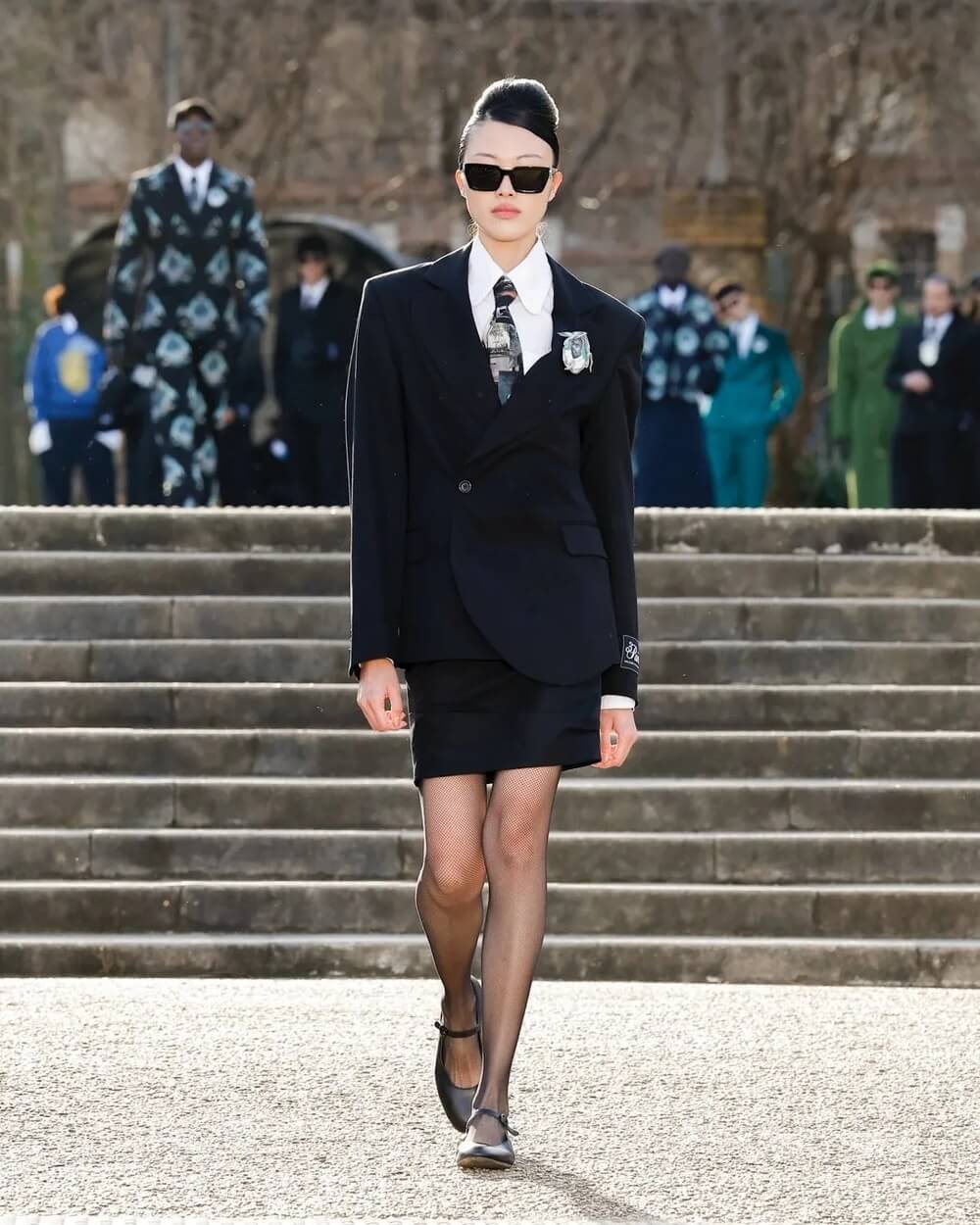
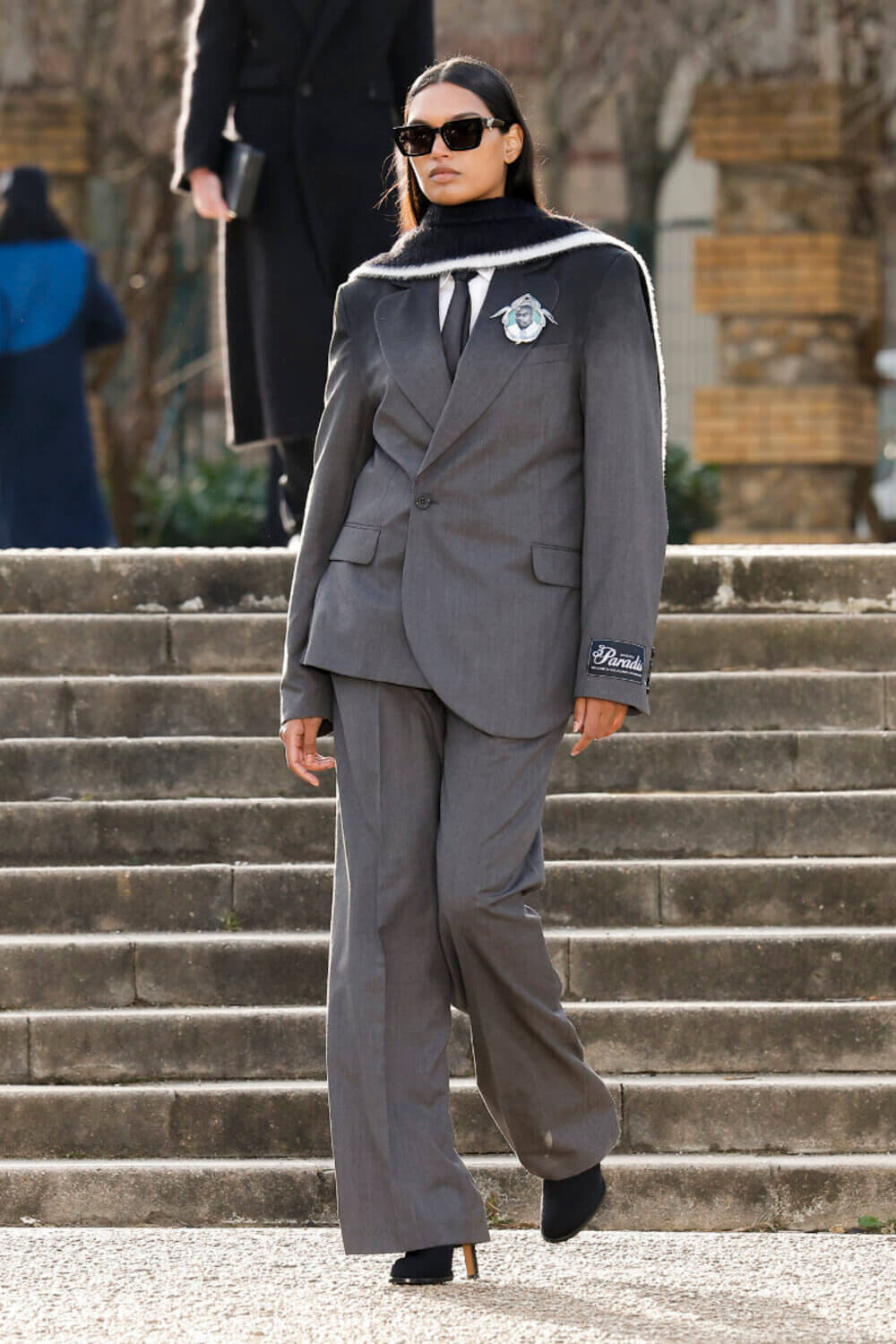
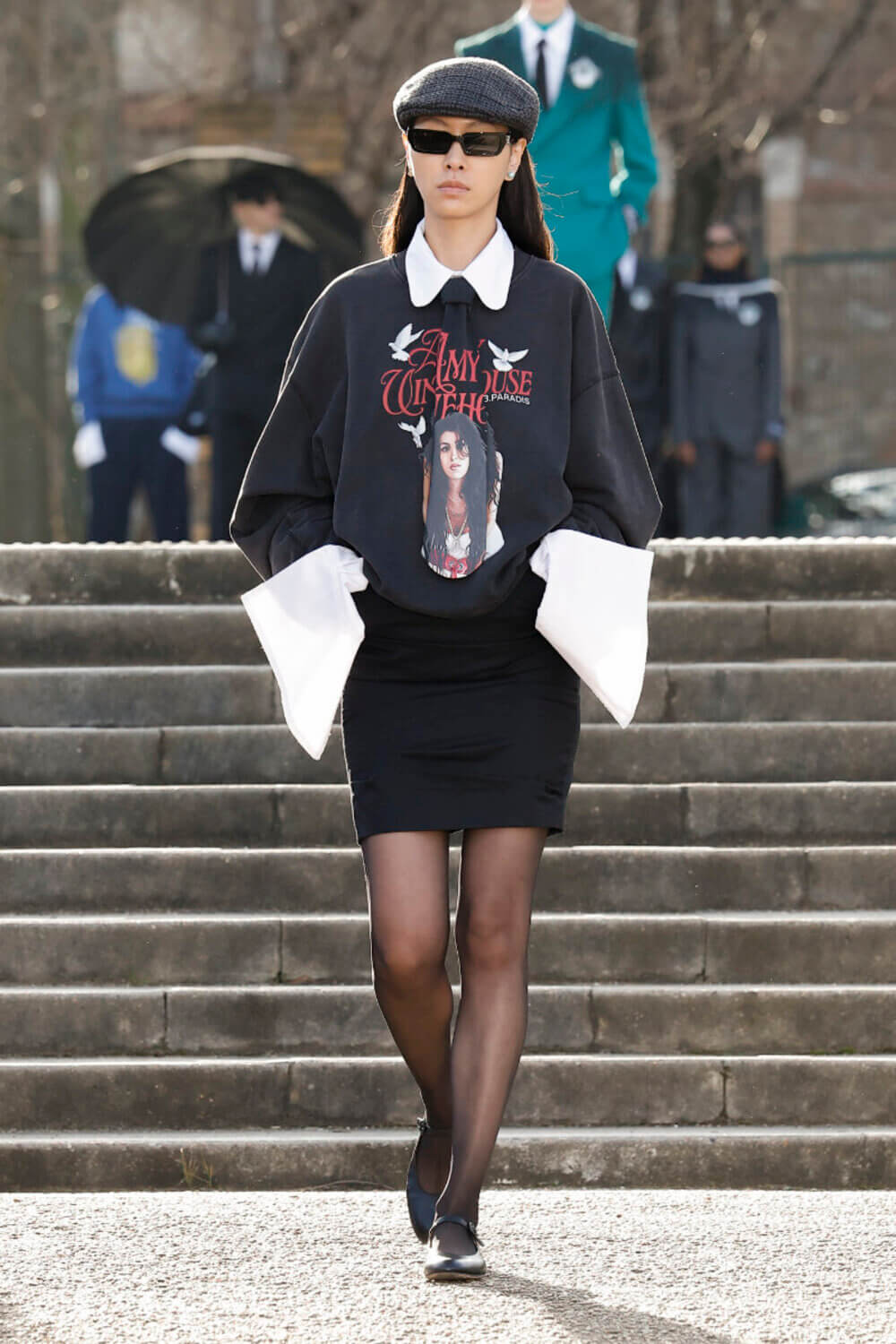
Rest in Paradise” by 3.PARADIS was a poignant collection that paid tribute to those no longer with us, with Amy Winehouse serving as a recurring emotional touchstone. At its core was the suit, reimagined by Emeric Tchatchoua sometimes sharply tailored, sometimes relaxed, always worn with an effortless, almost nonchalant ease. Classic elements like white shirts, dark ties, and black trousers grounded the silhouettes, while modern cuts and unexpected fabrics subtly disrupted traditional codes. The homage reached its most powerful expression with photographs of Winehouse, transforming tailoring into a living memorial that fused solemnity, intimacy, and contemporary urban elegance.
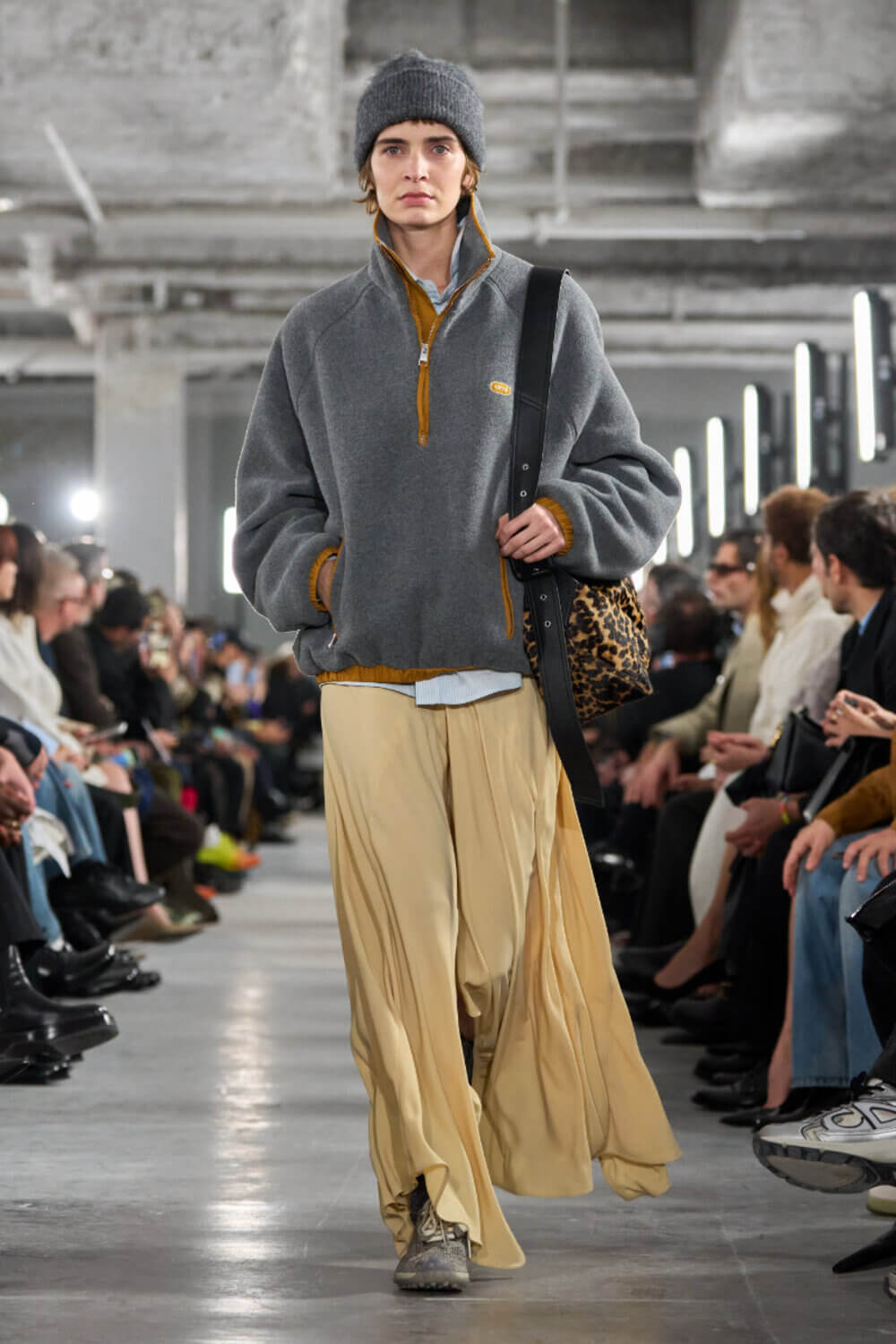
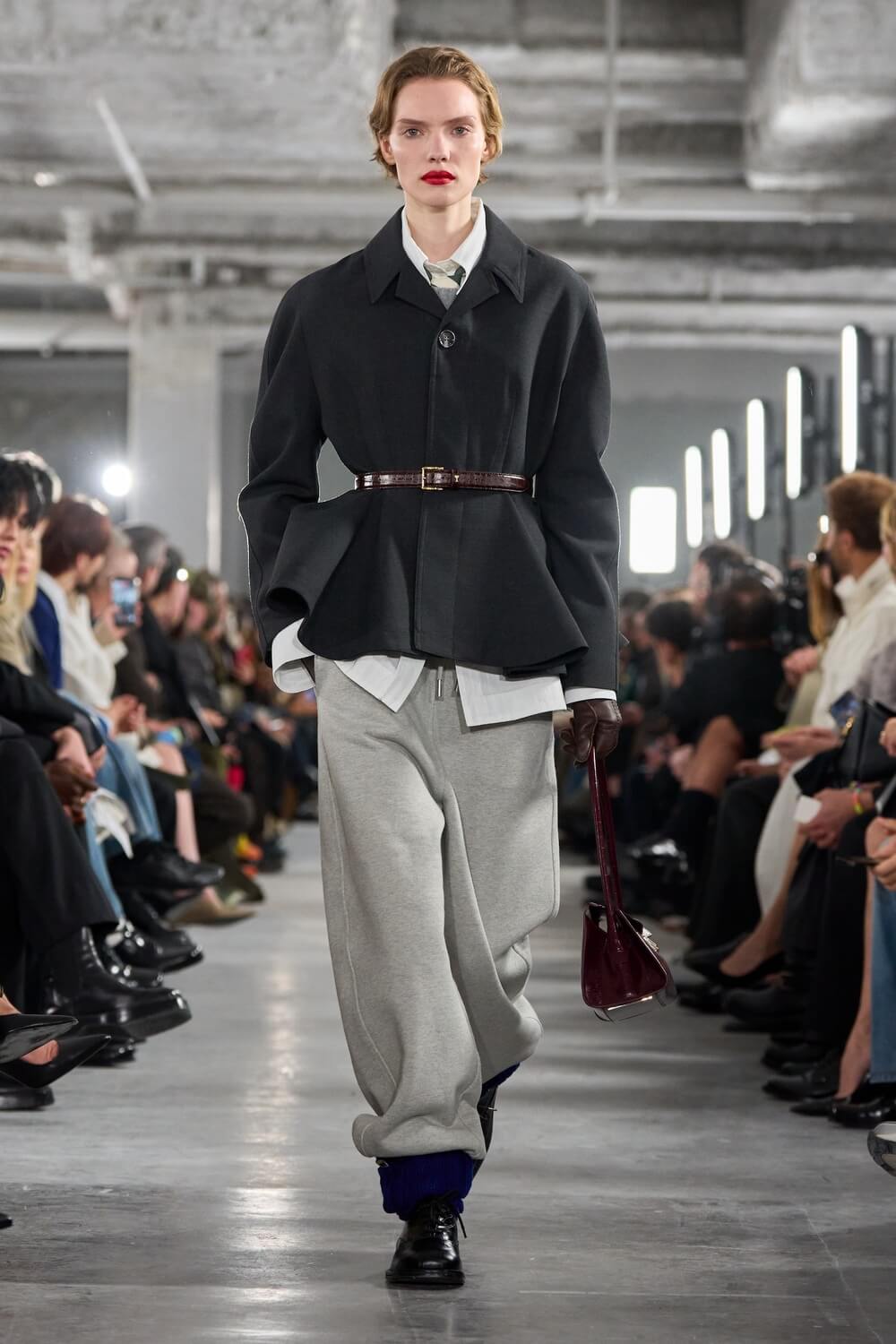
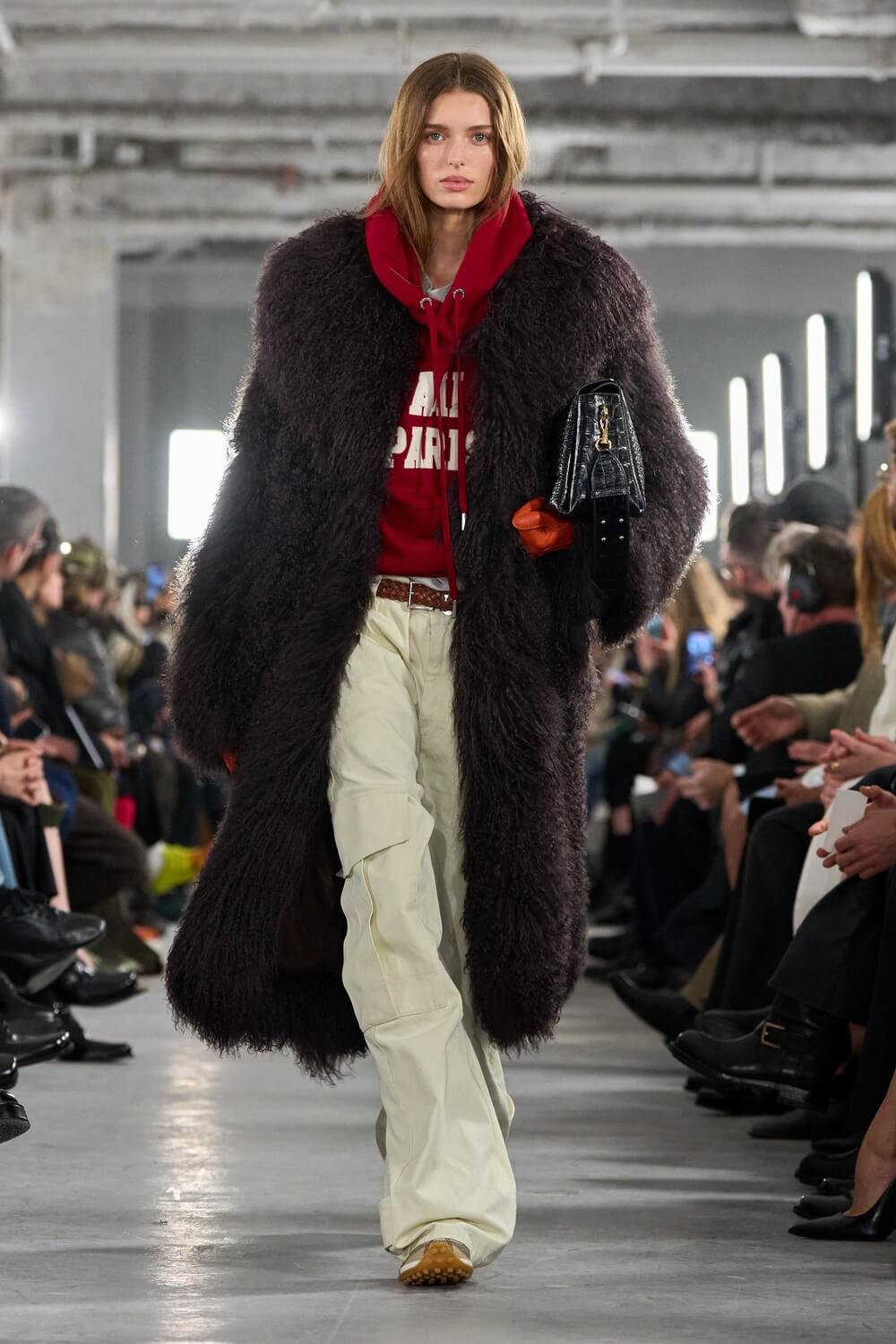
Ami
The women’s looks at Ami distilled the house’s signature Parisian ease into silhouettes that felt relaxed yet assured. Oversized coats draped with quiet confidence over wide trousers, their generous proportions balanced by sharper, cropped elements that subtly redefined the line of the body. Texture played a central role from enveloping knits to supple leather and graphic jerseys lending depth without disrupting the collection’s effortless rhythm. Celebrating fifteen years of Ami, Alexandre Mattiussi delivered a wardrobe that felt instinctive and lived-in, where softness met structure and everyday dressing was elevated. In world where we can go just about anywhere in jeans and a t-shirt, getting that right balance of elegance and not trying too hard is something that Alexandre has achieved.
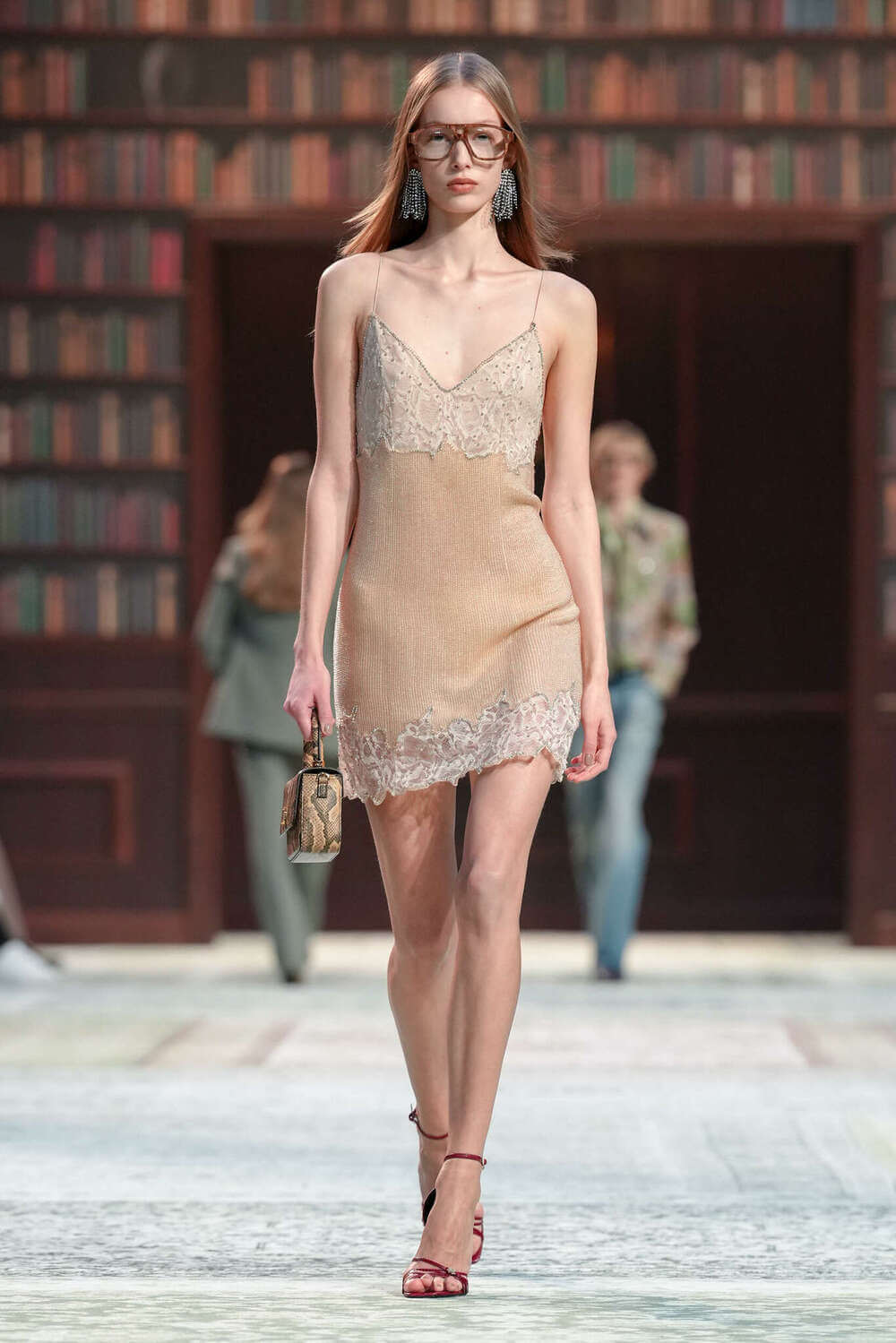
Amiri
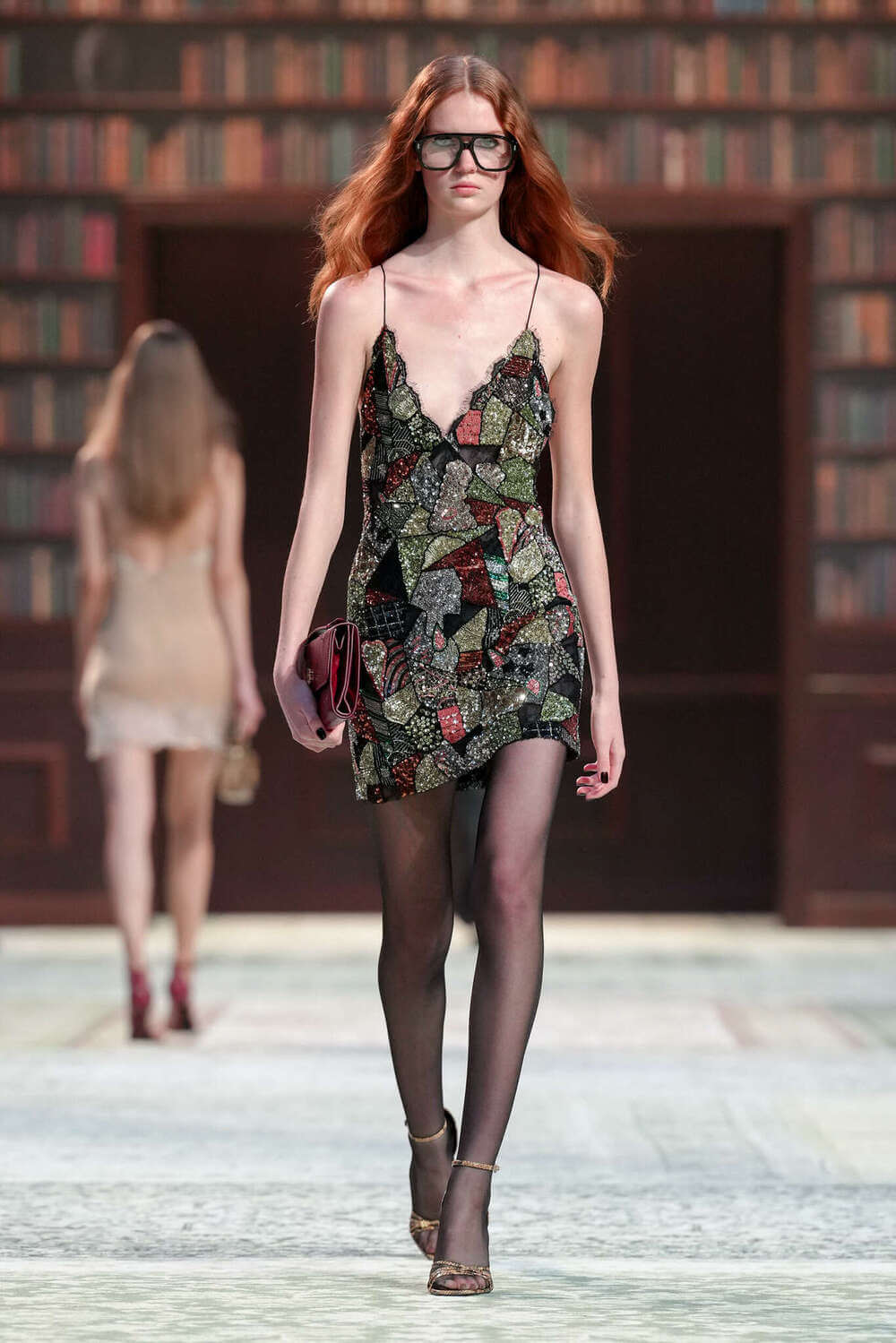
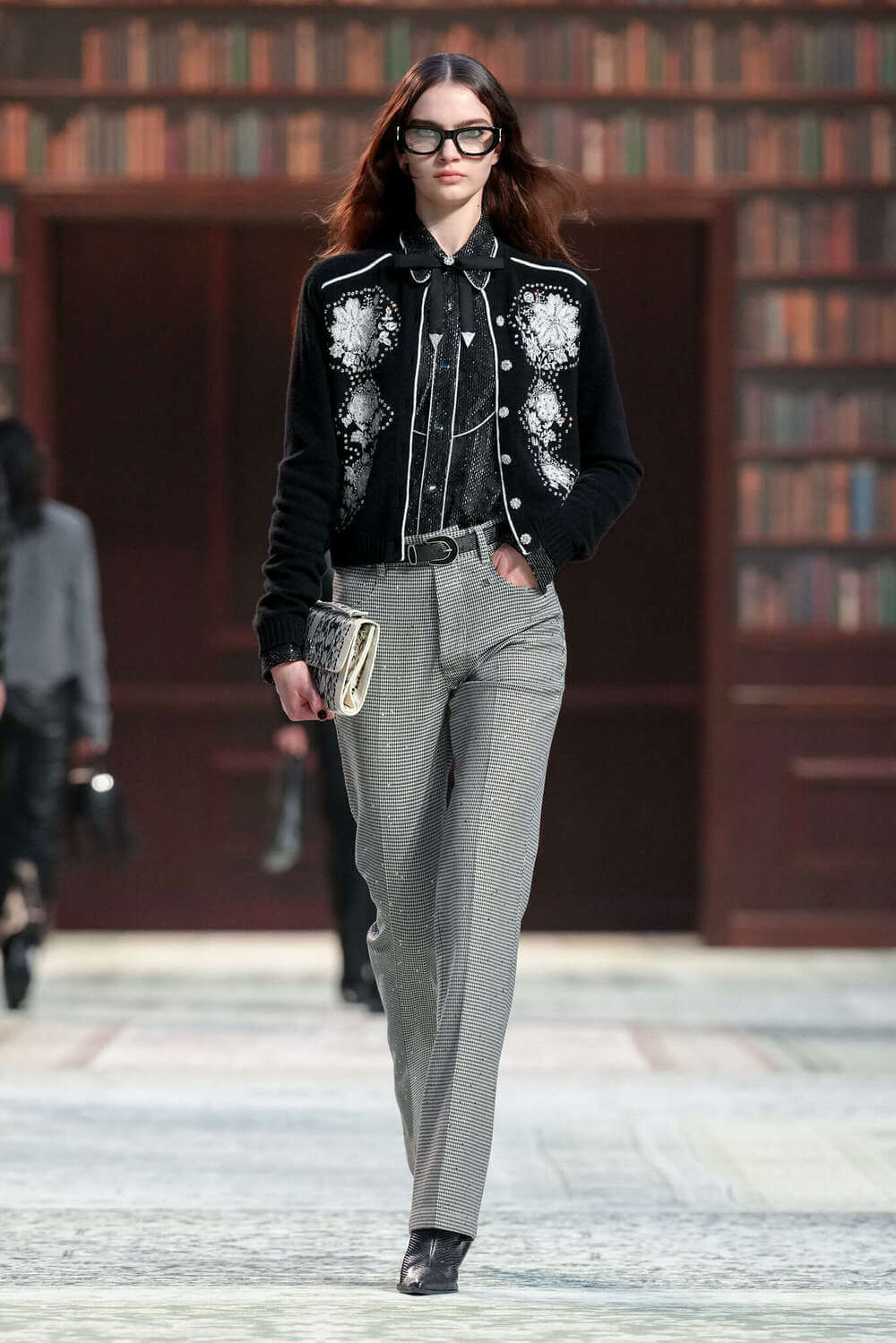
A favorite among A-listers, Mike Amiri’s Los Angeles-rooted vision into a glamorous yet relaxed wardrobe that echoed the Hollywood Hills and Laurel Canyon is rooted in the brand’s Californian DNA. The women’s pieces blended refined tailoring with sparkling embellishment, sequins, bugle beads, and intricate stitching elevated cardigans, light jackets, and pullovers into hybrid statements of rock-and-roll glamour and everyday elegance. Classic Western and 1970s influences were reworked into a contemporary context, where fluid silhouettes and richly textured fabrics met a palette of deep, sun-washed tones, crafting a collection that felt both intimately personal and unmistakably chic.
beautiful people
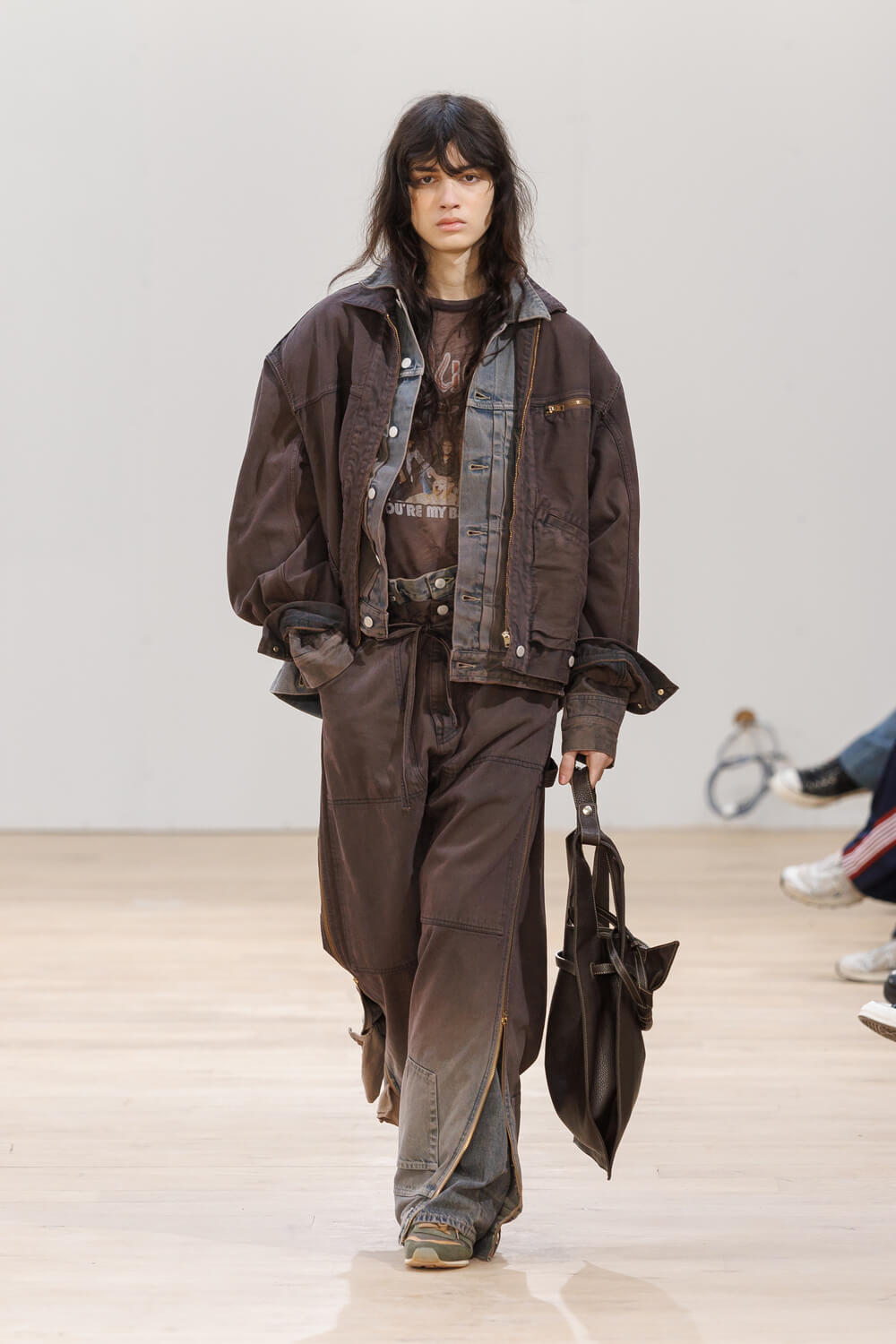
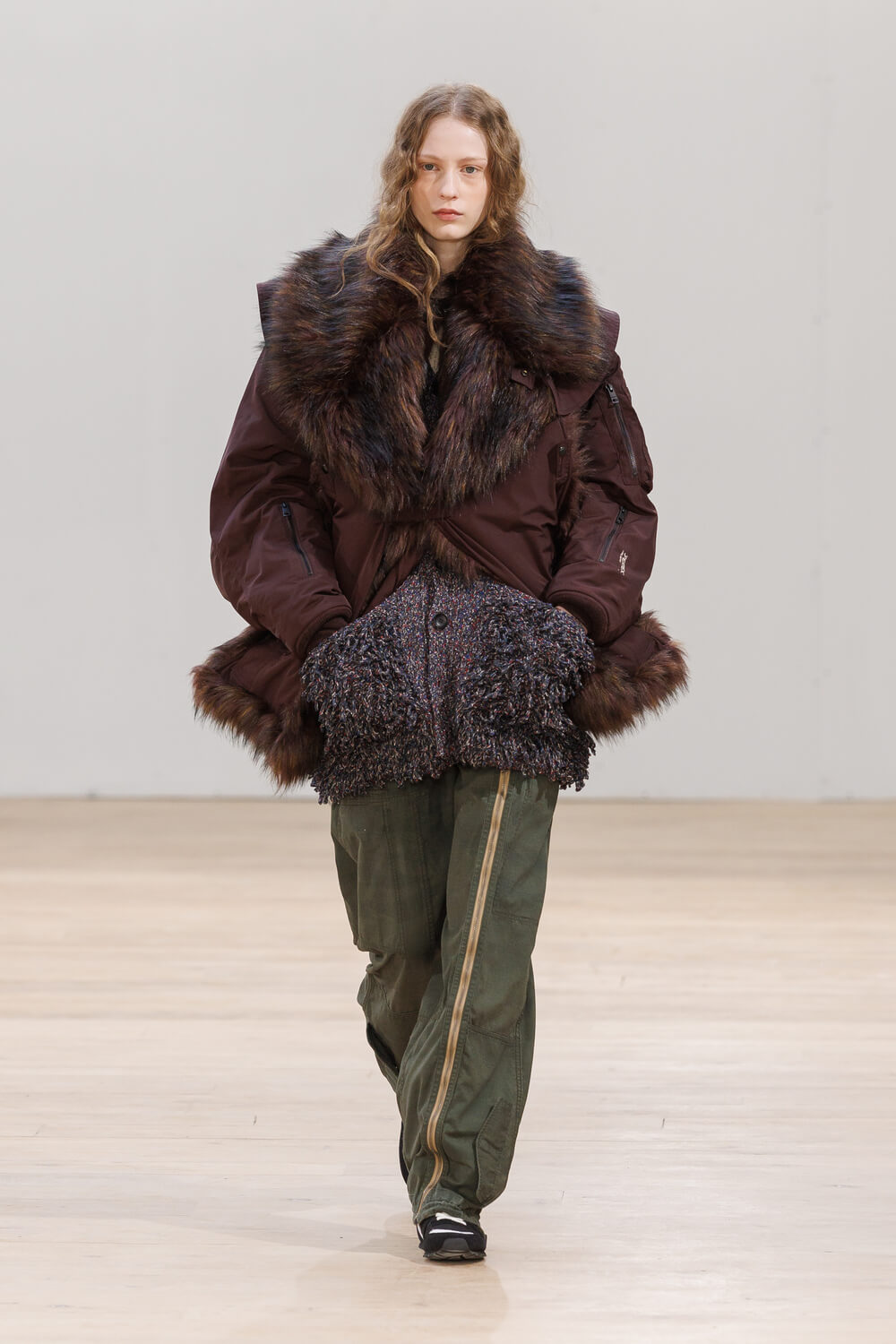
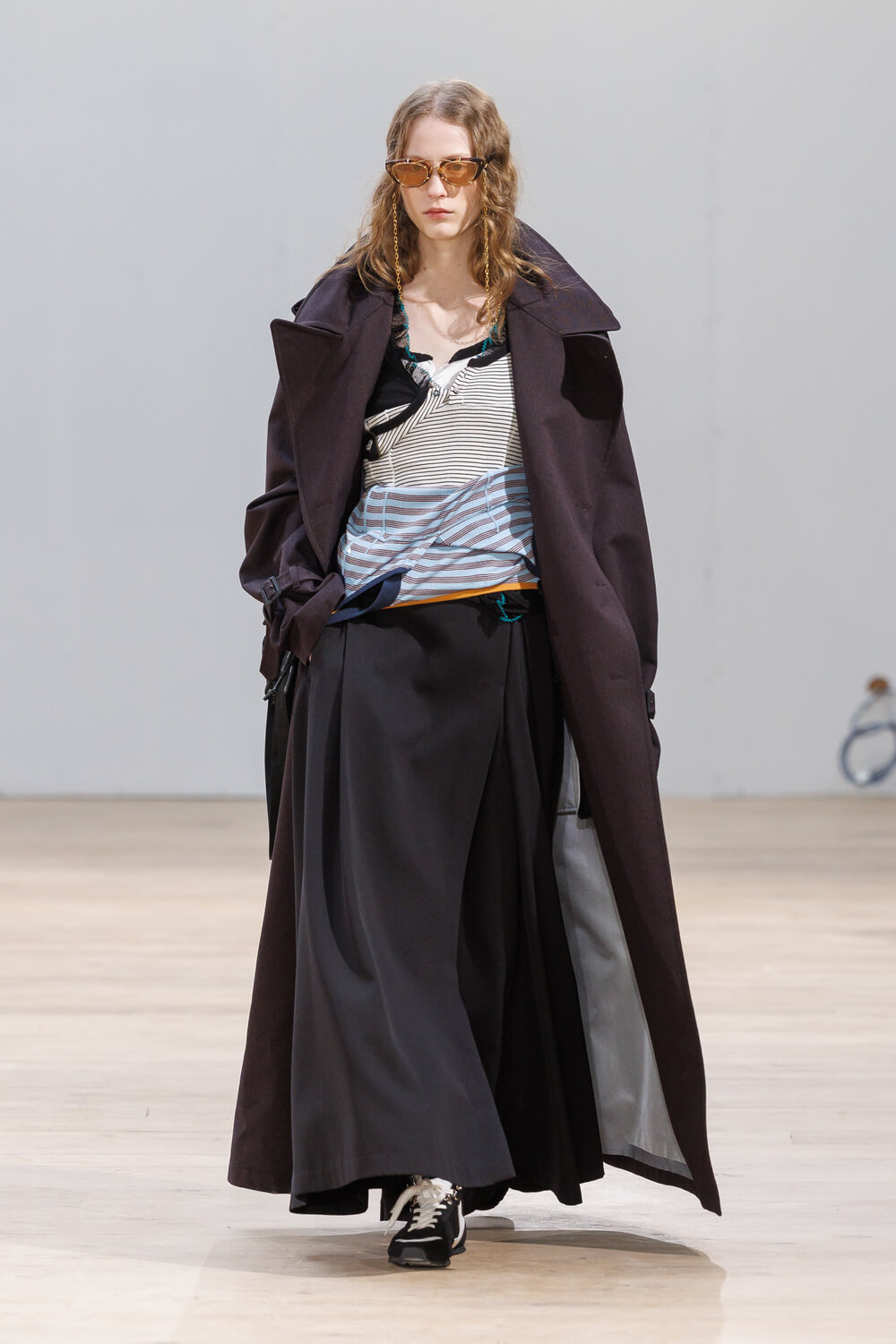
Founded in 2007 by designer Hidenori Kumakiri with the core idea that “Everything is beautiful” without a single standard of beauty, beautiful people understands that multiplicity of people and clothes. Built on the idea of extracting the maximum from the minimum, the fall collection explored how a single, fixed form can unfold into infinite possibilities: coats that subtly reconfigure through layering, garments that turn inside-out to reveal new sleeves, hems, and linings as alternate identities. Through precise structural codes and advanced textile engineering, pieces dissolved into shifting states. Dual-personality fabrics and climate-adaptive utility pieces underscored a quiet but radical proposition that transformation, not excess, is the true engine of modern dressing.
JUUN.J
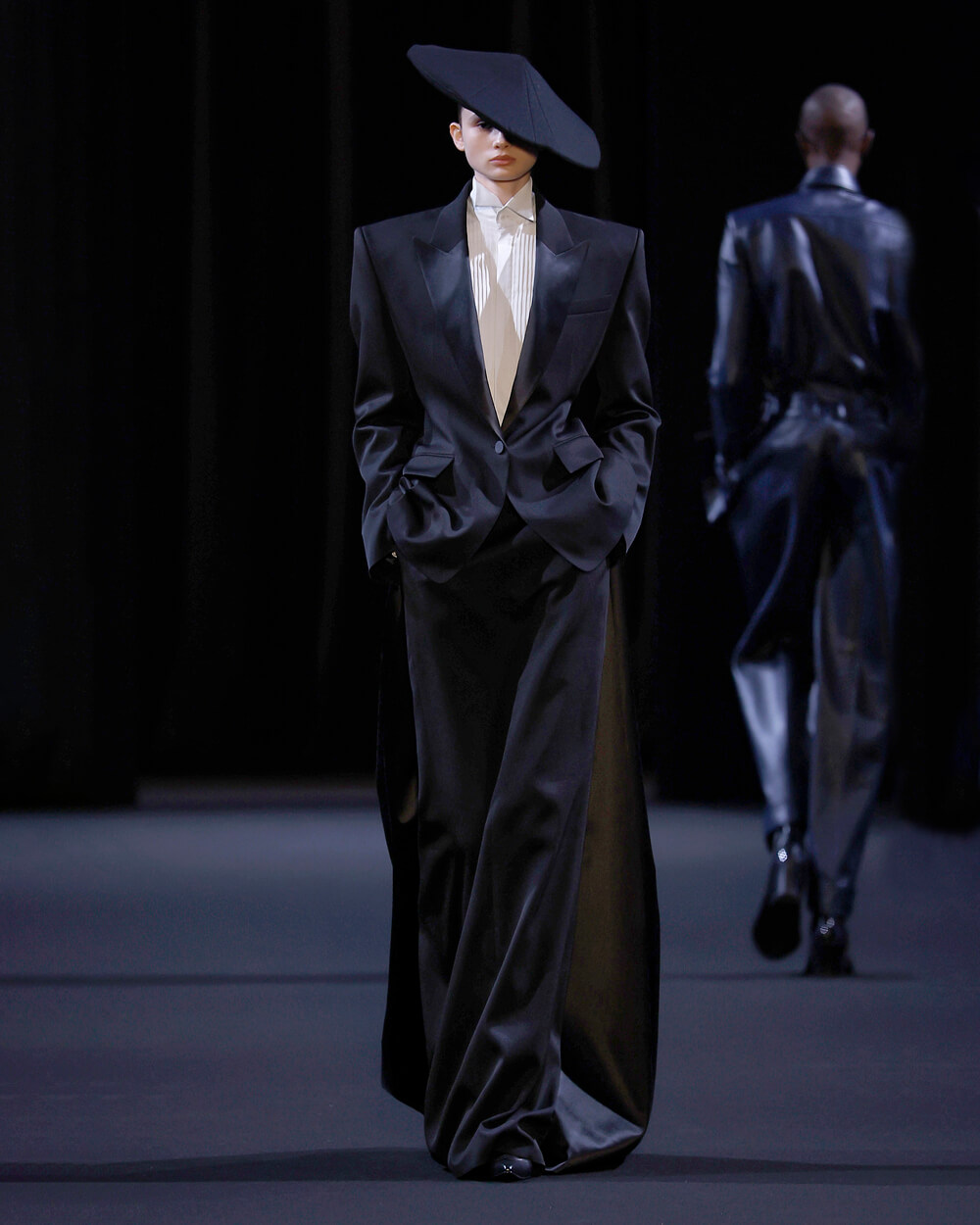
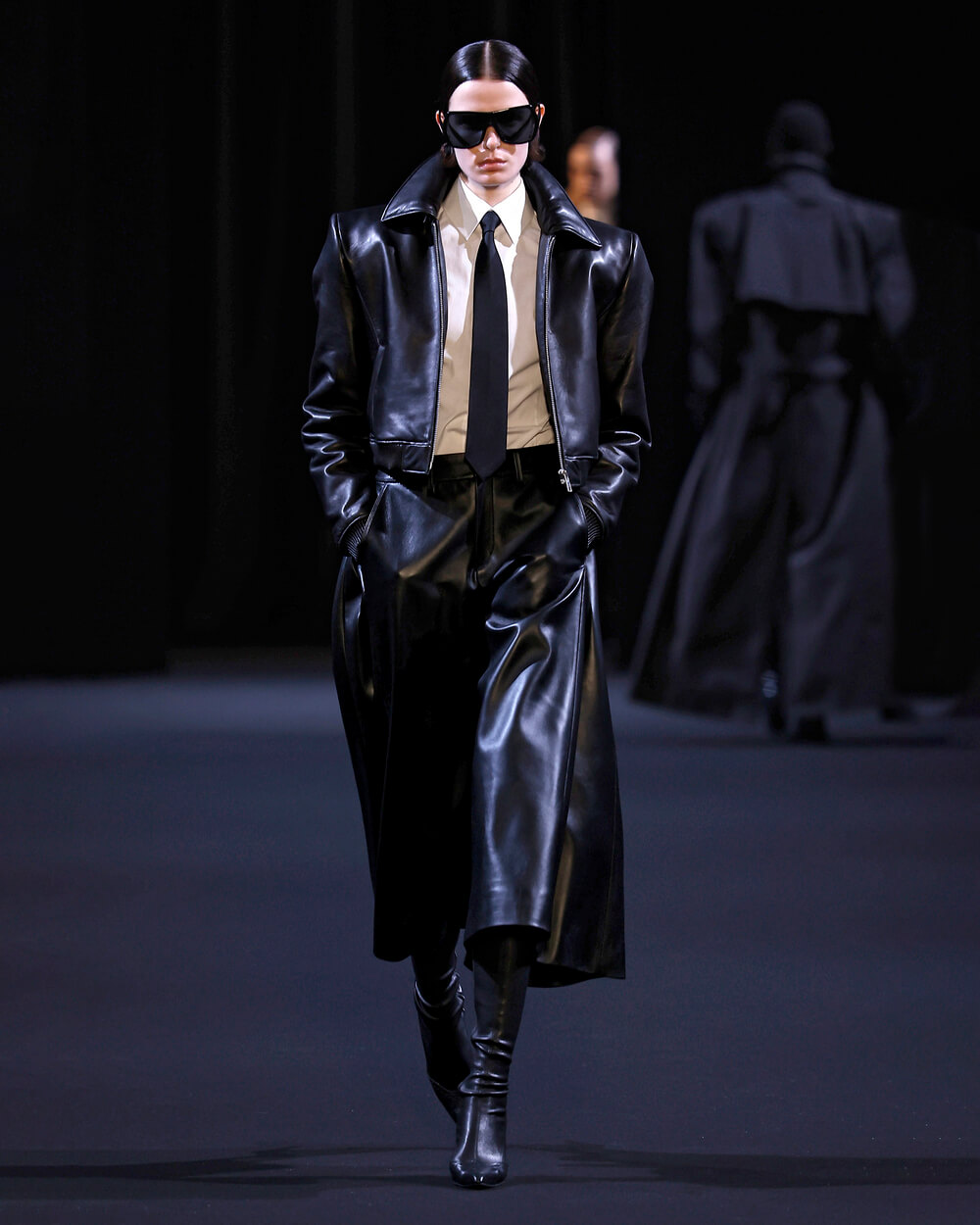
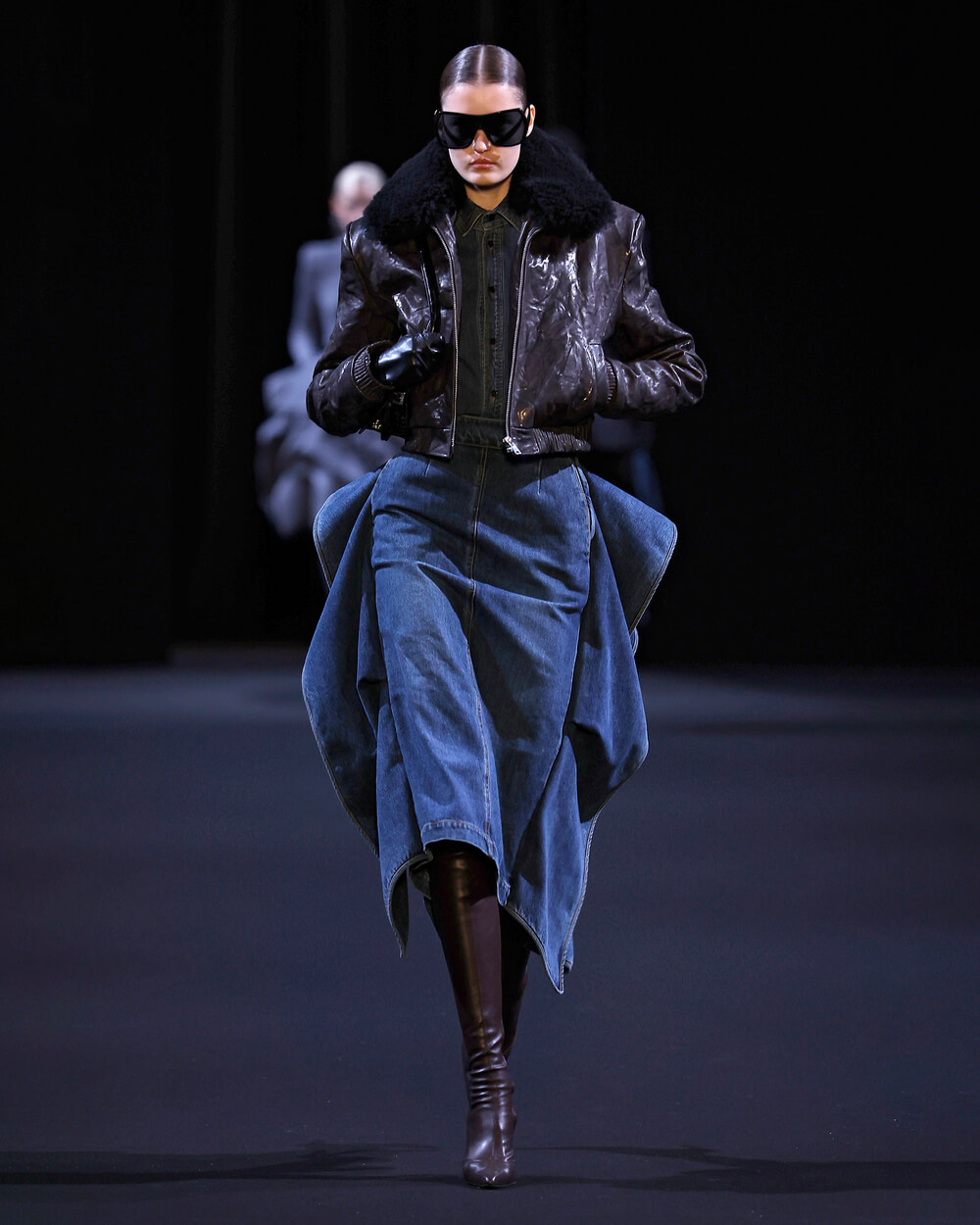
Jung Wook-jun of JUUN.J explored time as a continuous dialogue between past, present, and future. Archival references were reworked with a contemporary precision, resulting in sharp, architectural silhouettes rendered in leather, denim, and wool. The women’s looks moved from restrained black tuxedo tailoring (crisp, elongated, and quietly powerful) into more expressive forms that played with proportion and texture. The collection culminated in striking biker ensembles developed with Alpinestars RSRV, injecting a high-performance edge that contrasted elegantly with the season’s refinement. Balancing craftsmanship, innovation, and cultural crossover, the womenswear reaffirmed JUUN.J’s ability to merge nostalgia with modernity while asserting a confident global vision of K-fashion.
Kartik Research
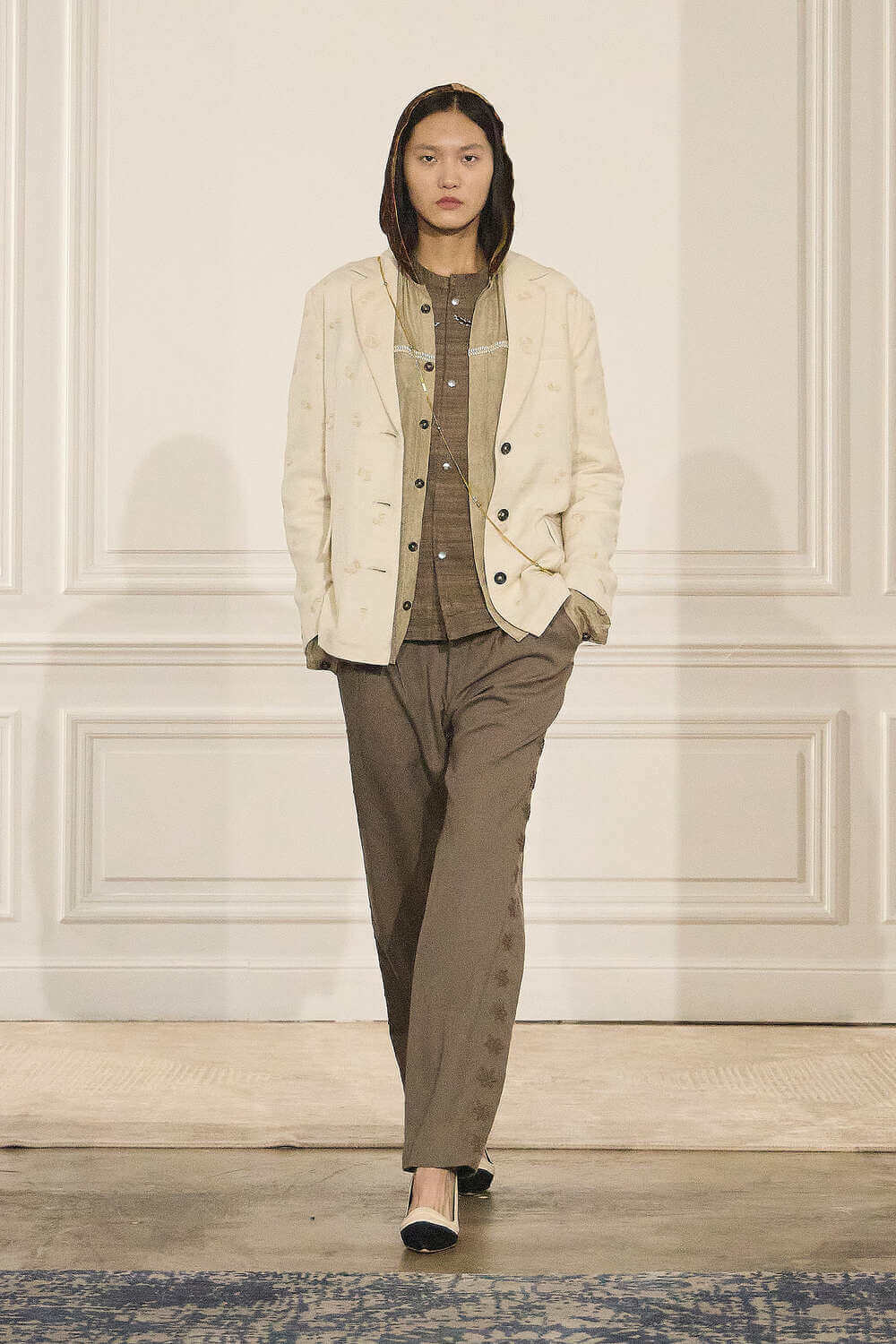
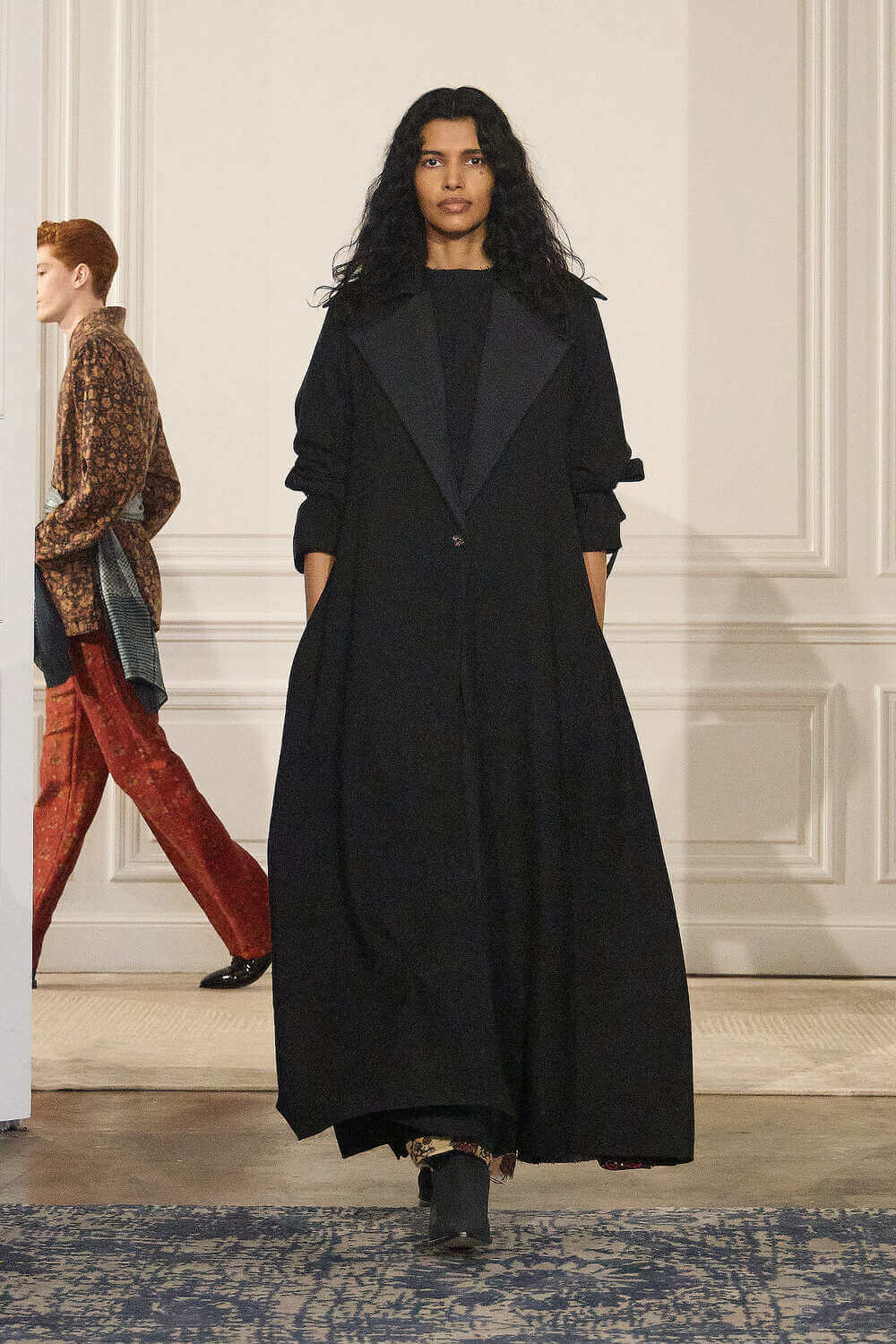
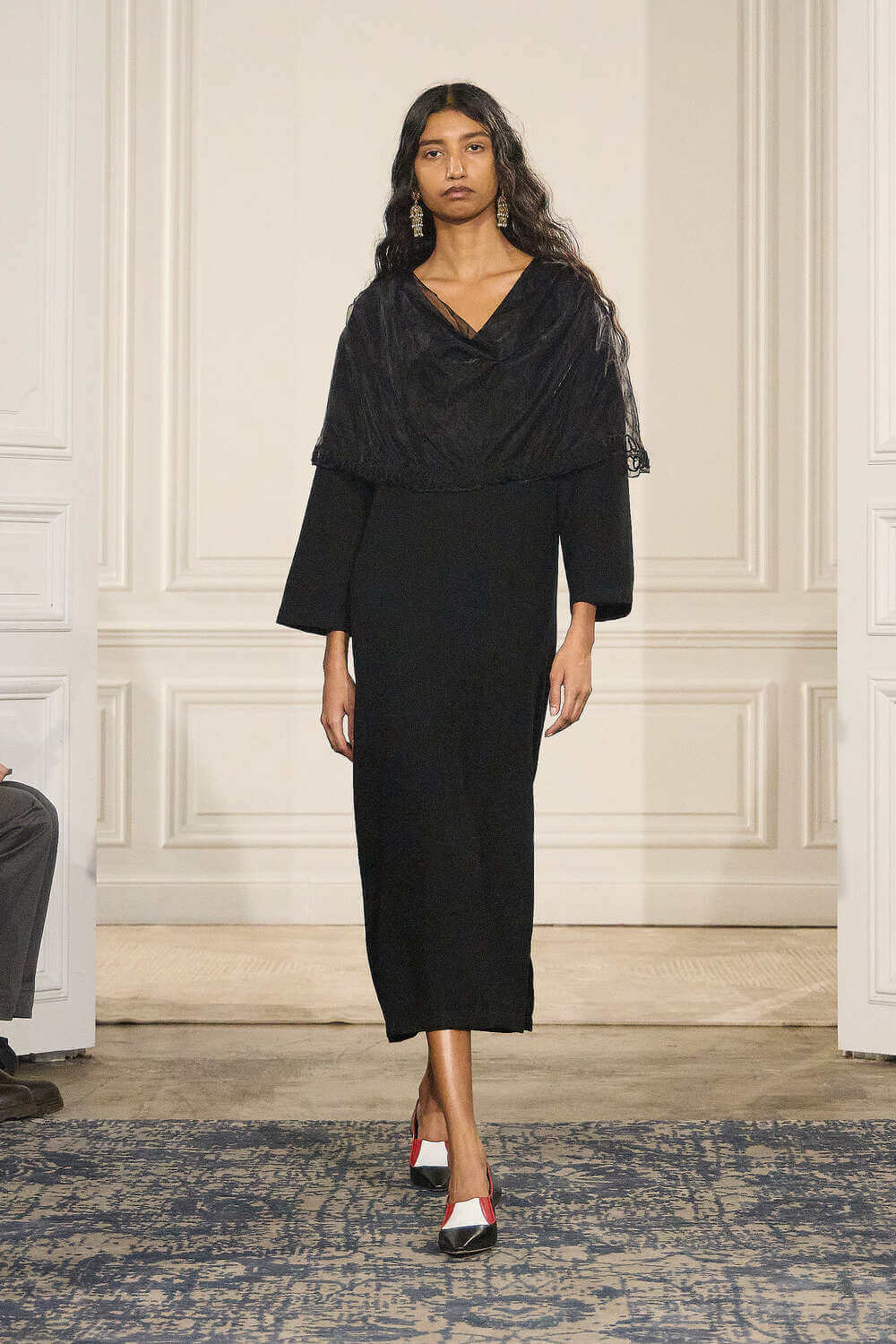
Creative Director of Kartik Kumra extended his richly articulated design language into a small but impactful womenswear offering that mirrored the collection’s overarching celebration of Indian craft and material storytelling. While the bulk of the collection focused on menswear, the women’s looks shared the same handcrafted vitality, integrating meticulous embroidery, hand-dyed textiles, and patchworked detailing into silhouettes that balanced ornamental depth with contemporary wearability. Drawing on traditional techniques such as kantha and palampore patchwork, these pieces translated the label’s artisanal vocabulary into forms that felt both sculptural and intimately tactile for craft-driven vision for the brand.
kolor
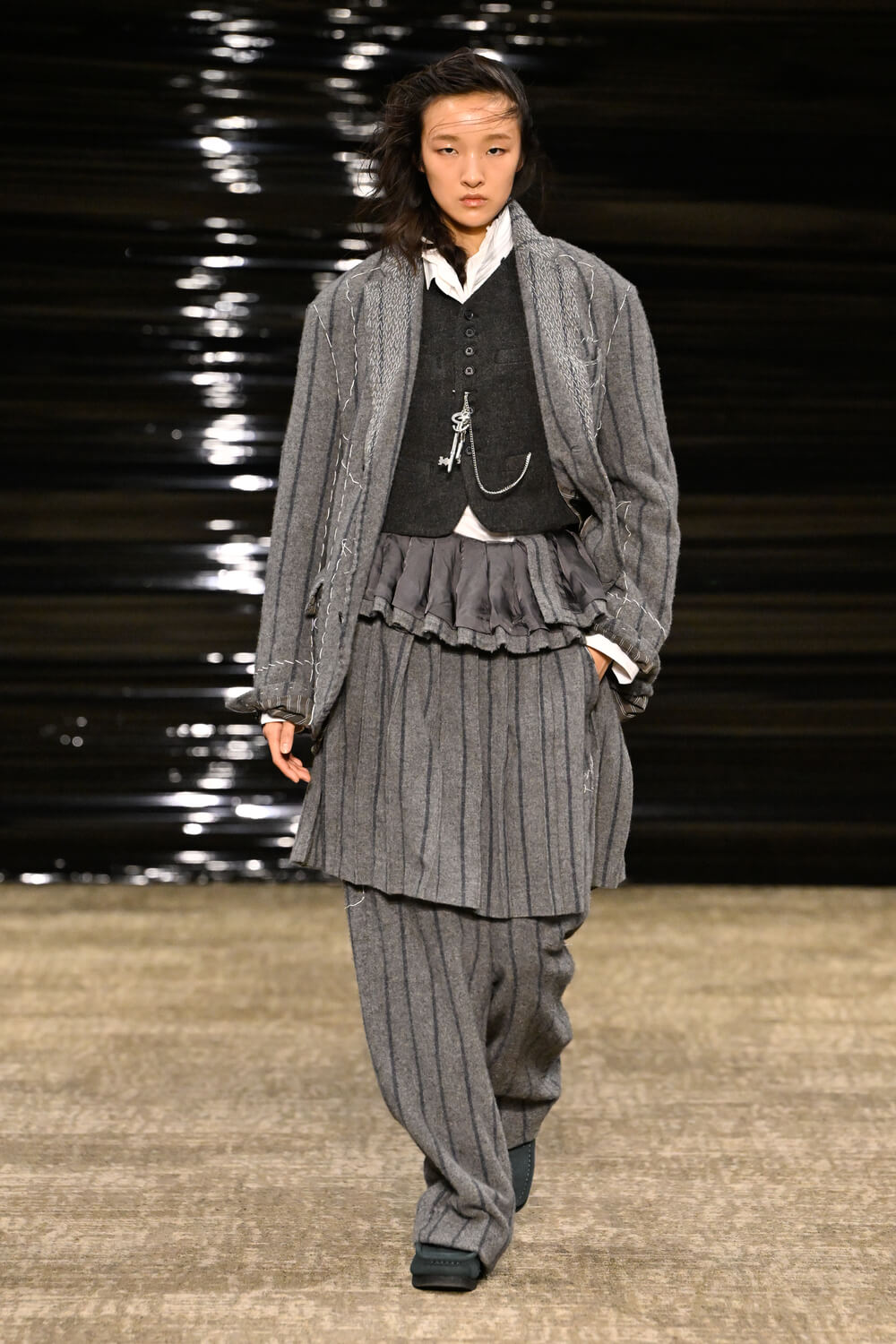
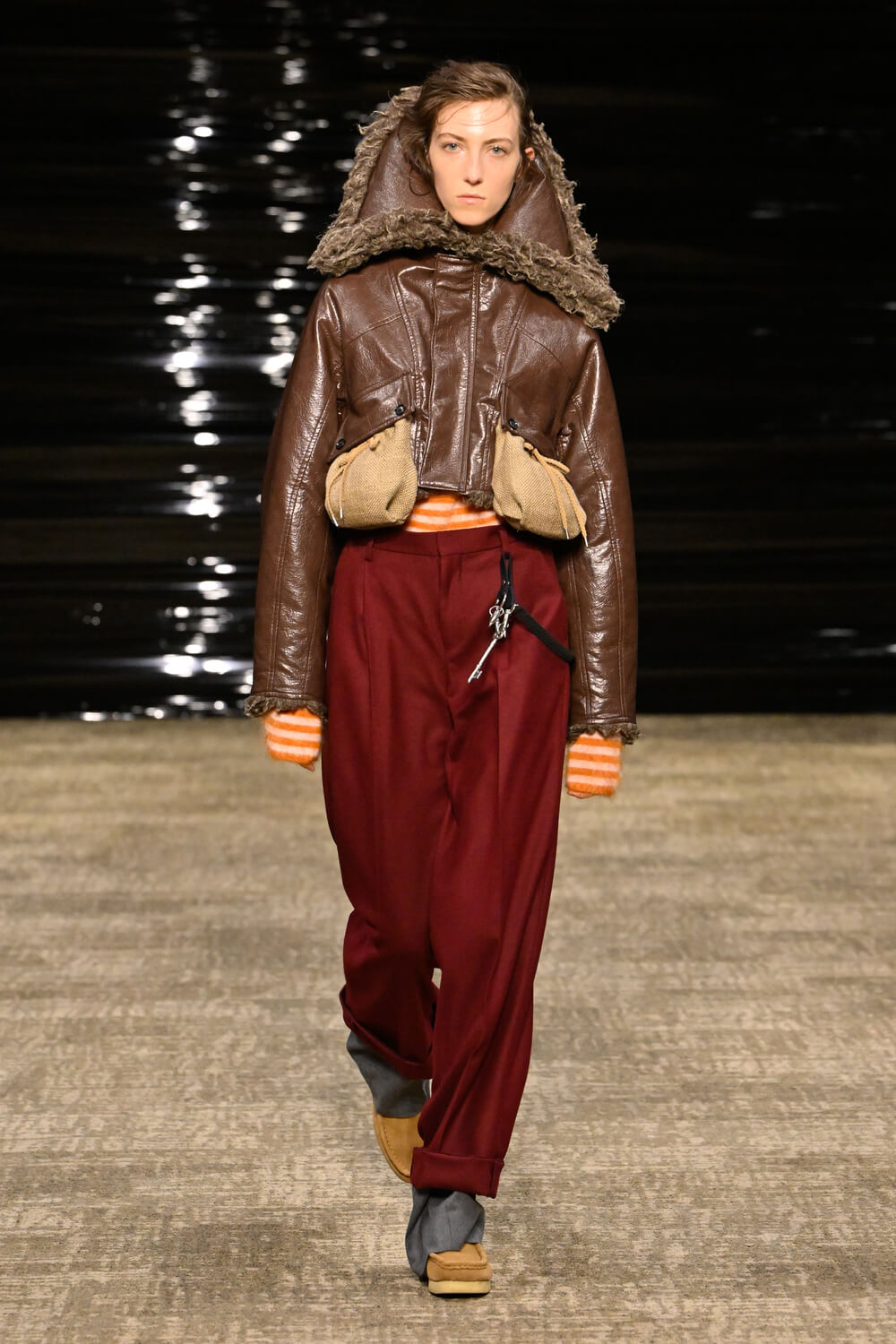
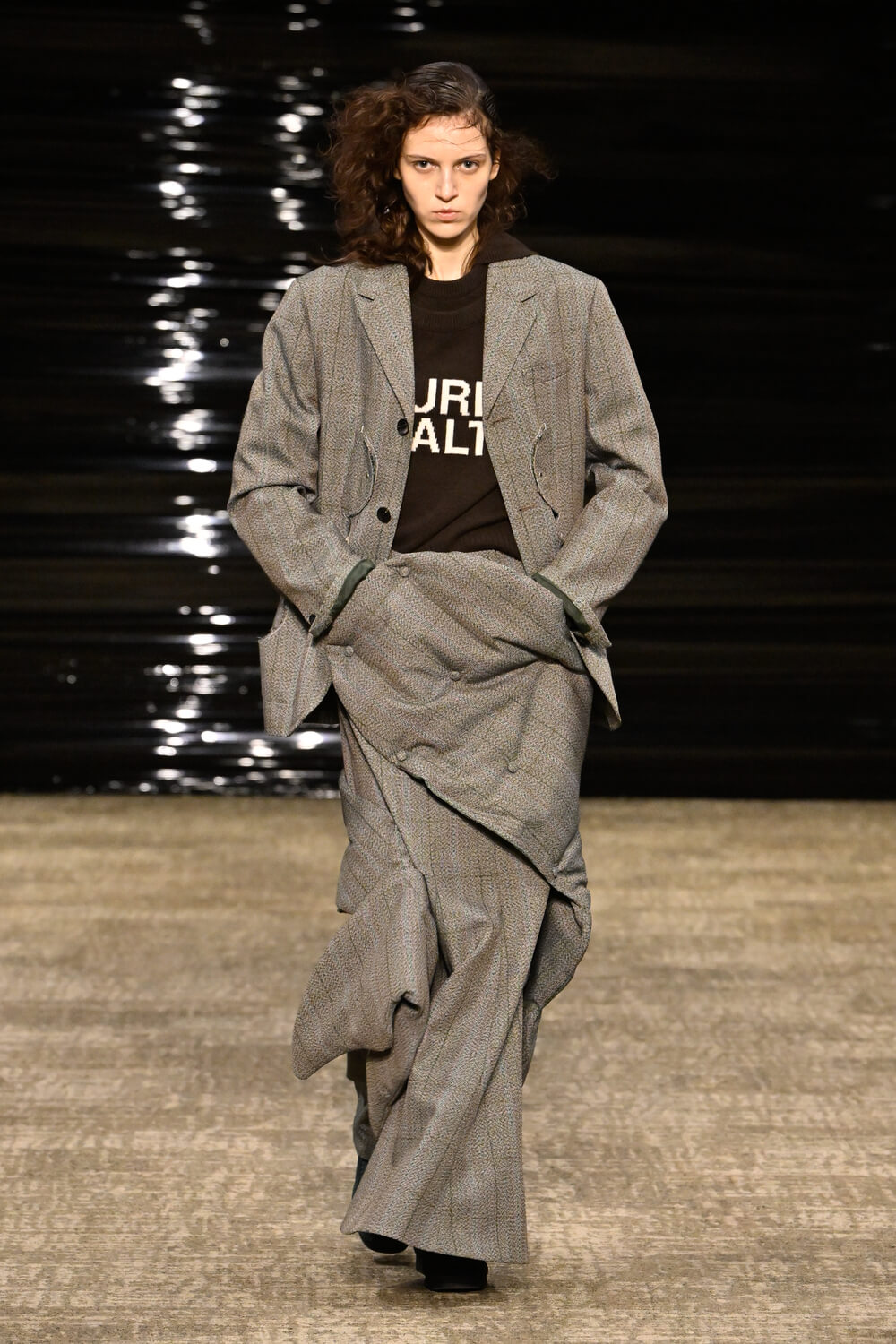
Designer Taro Horiuchi showed his sophomore collection for kolor and left me wanting more. For many designers, its difficult to enter a brand when the founding designer steps back, but Horiuchi is one to watch as he continues to shape the brand’s next chapter. The collection reimagined maritime uniforms through heavy-duty, deconstructed layering that felt at once weathered and rigorously considered. Horiuchi’s use of asymmetrical outerwear, exaggerated collars, and frayed knitwear translated psychological themes of isolation, resilience, and survival into a sophisticated functionality that struck a chord with me. In an industry that is all about creating dreams and delivering aspirations, the overarching theme of the collection was about human perseverance something we don’t talk about enough.
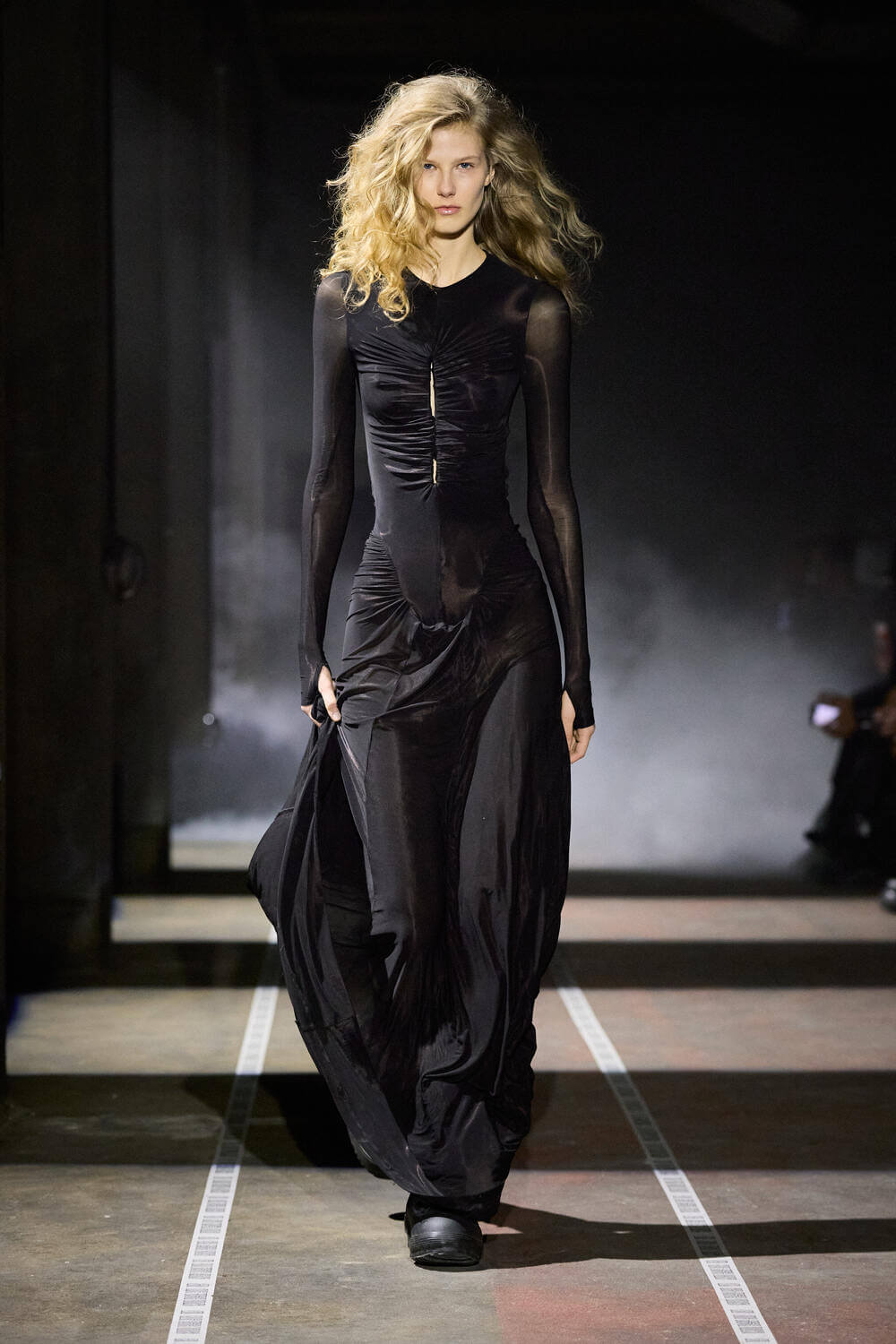
Louis Gabriel Nouchi
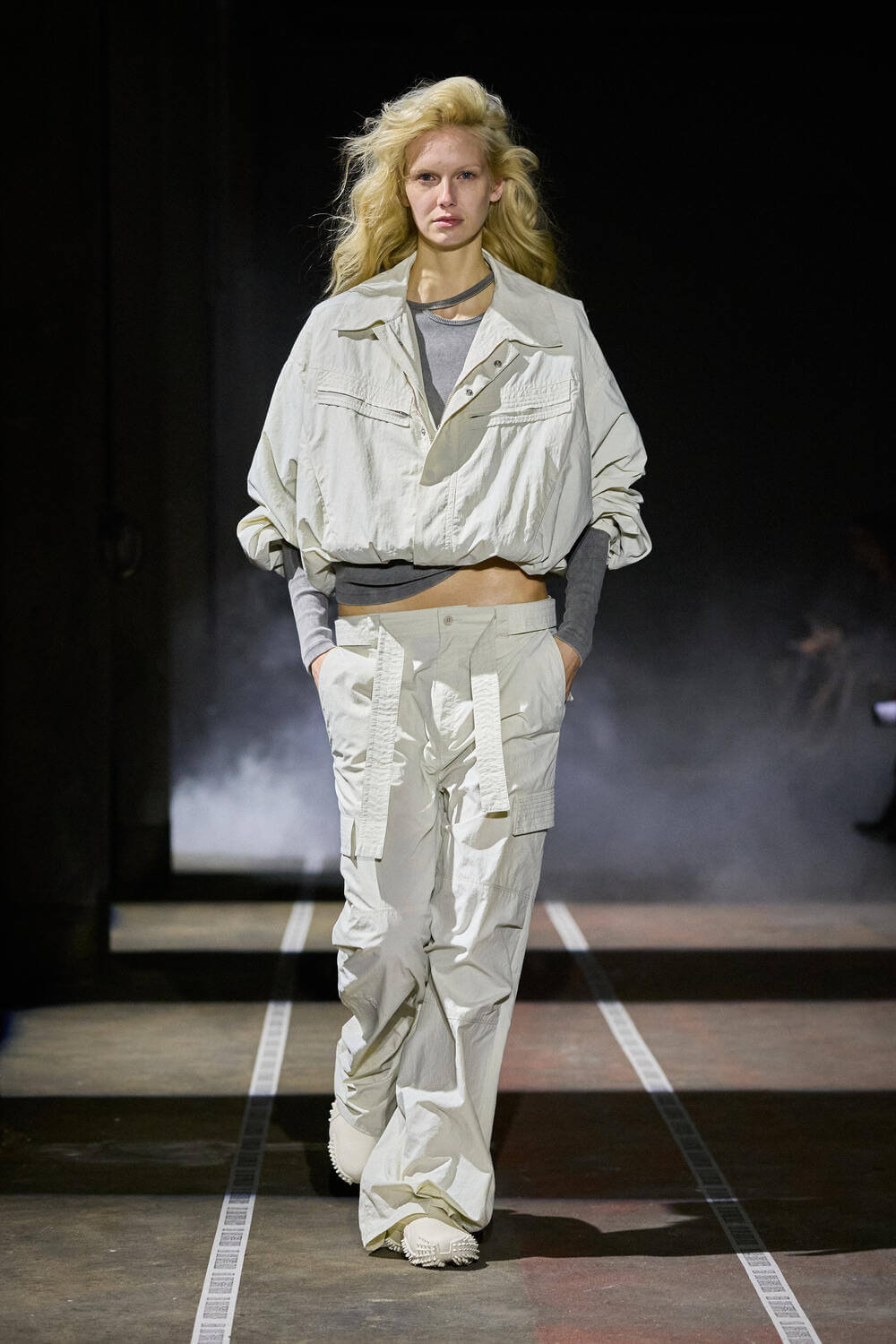
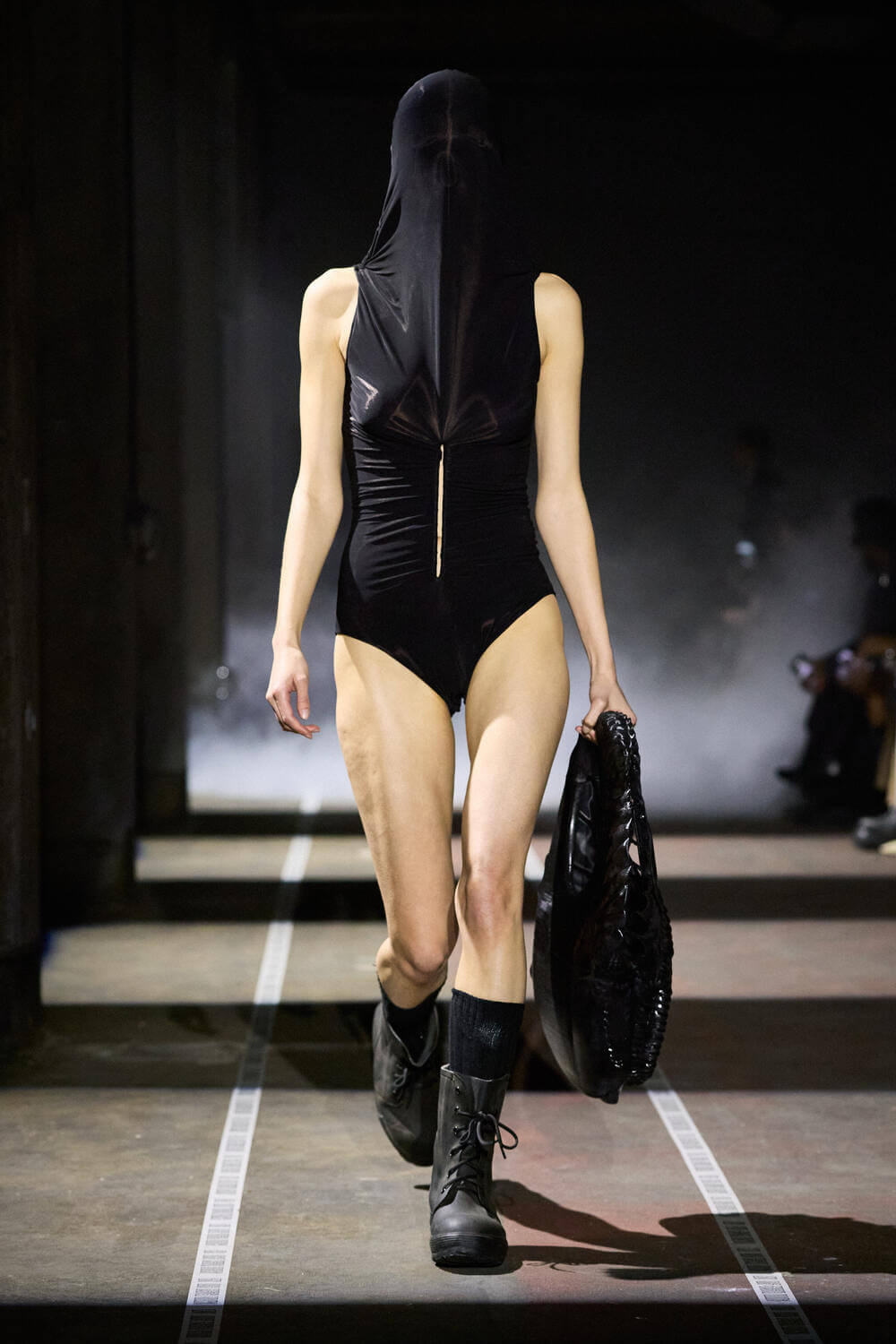
Each season Louis Gabriel Nouchi draws on a literary reference, but this season he took inspiration from Alien along with the works of artist HR Giger. Alien is the only franchise I personally have subscribed to, and so much of that was because of the complexity of Ripley that drew me. The site of birth and emotional charge, the womb, takes center stage, that last place most women would like to draw attention to, we go out of our way to hide instead of embrace it. Delicate details like pleated slits on silk jersey T-shirts and draped tuxedos indicate it Exposed skin is always graphic at LGN. It is both a zone of power and a zone of desire. The collection speaks about the fear of sex; its forbidden, dangerous, mysterious nature. “That these themes gave birth to a horror film says everything about their ambivalence.” stated LGN.