

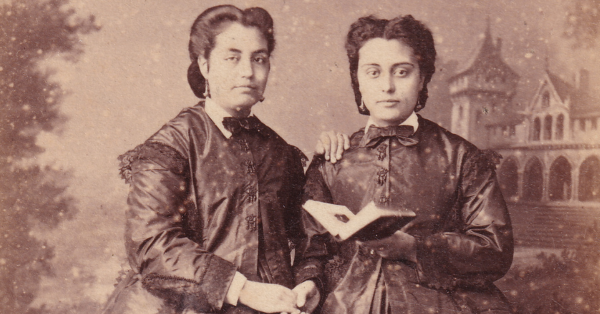
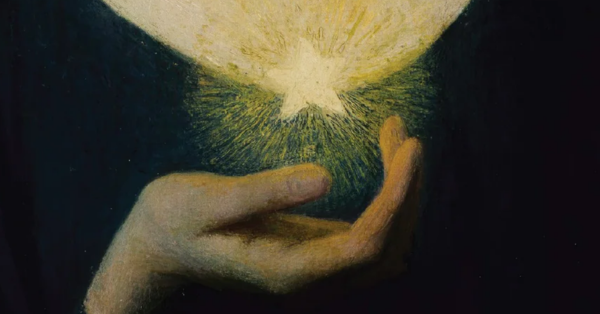


«The Witch inhabits both within and outside of us, wandering through forgotten paths, lingering in familiar territories and in the darkness of the room that is our mind», – ‘They come at night’, Jùlia Carreras Tort
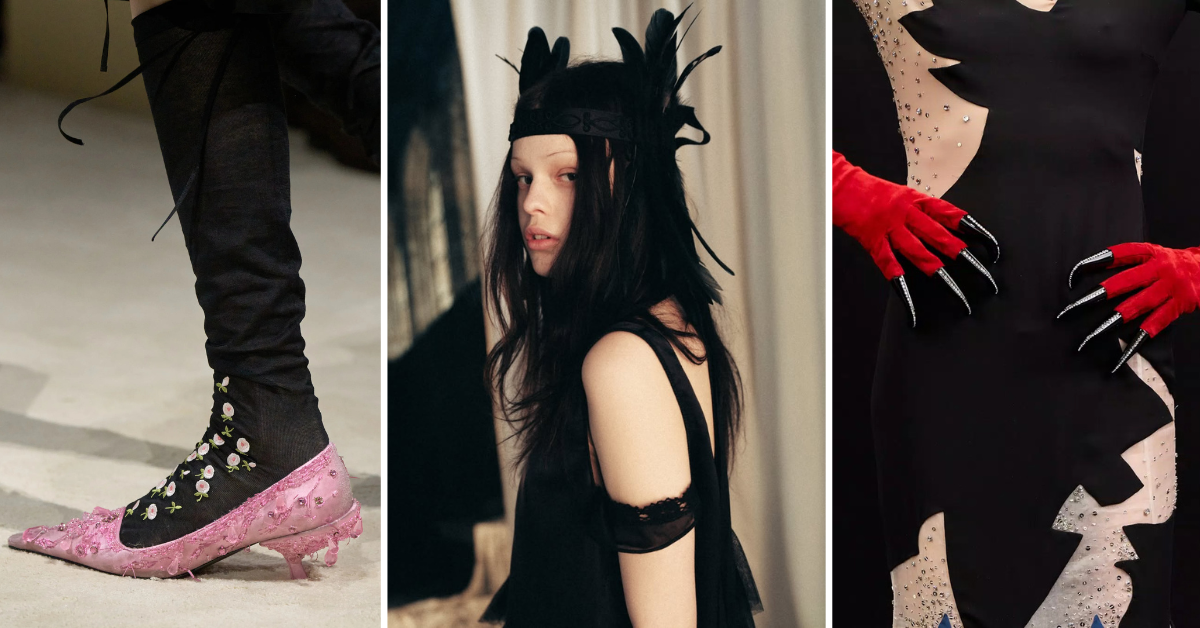
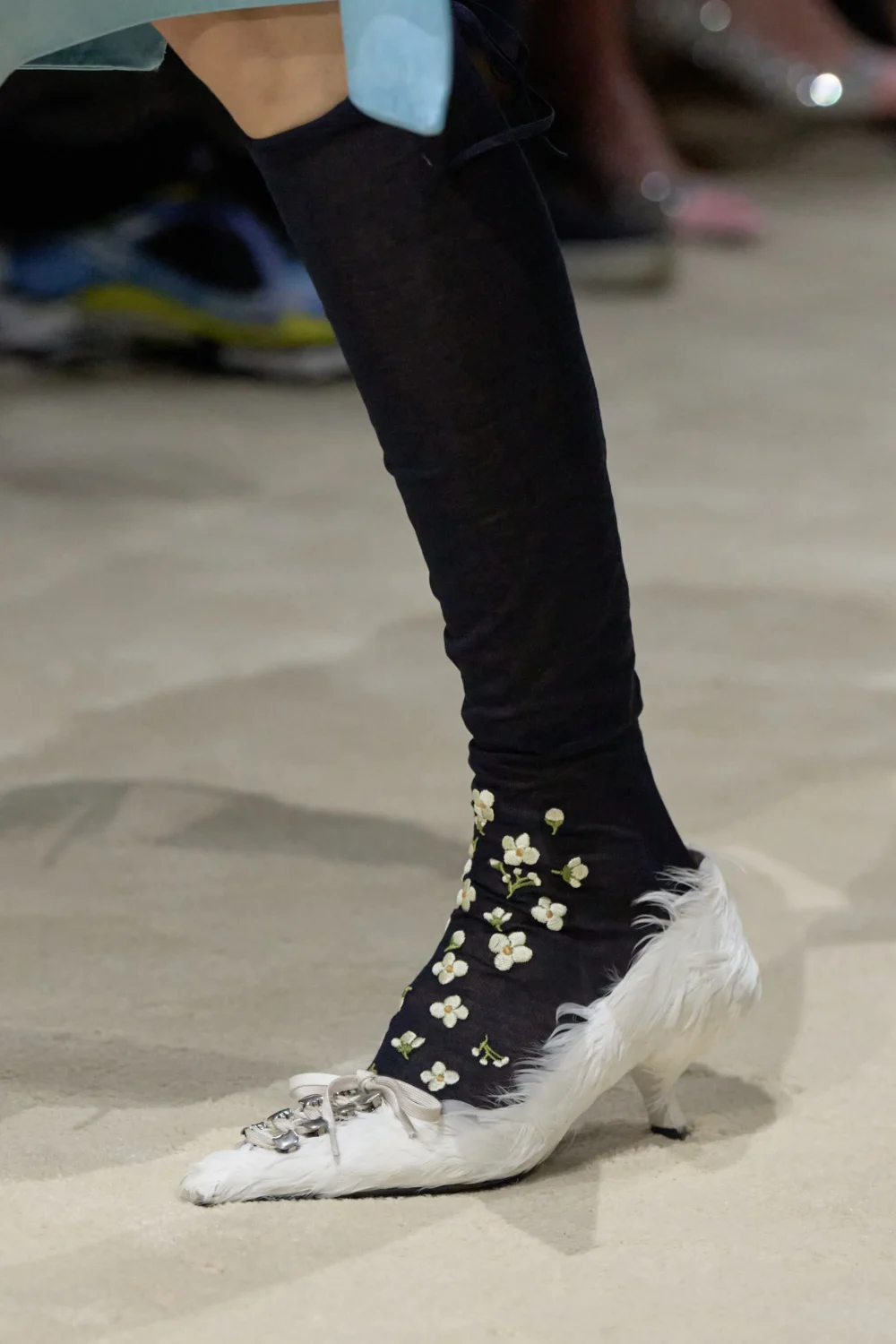
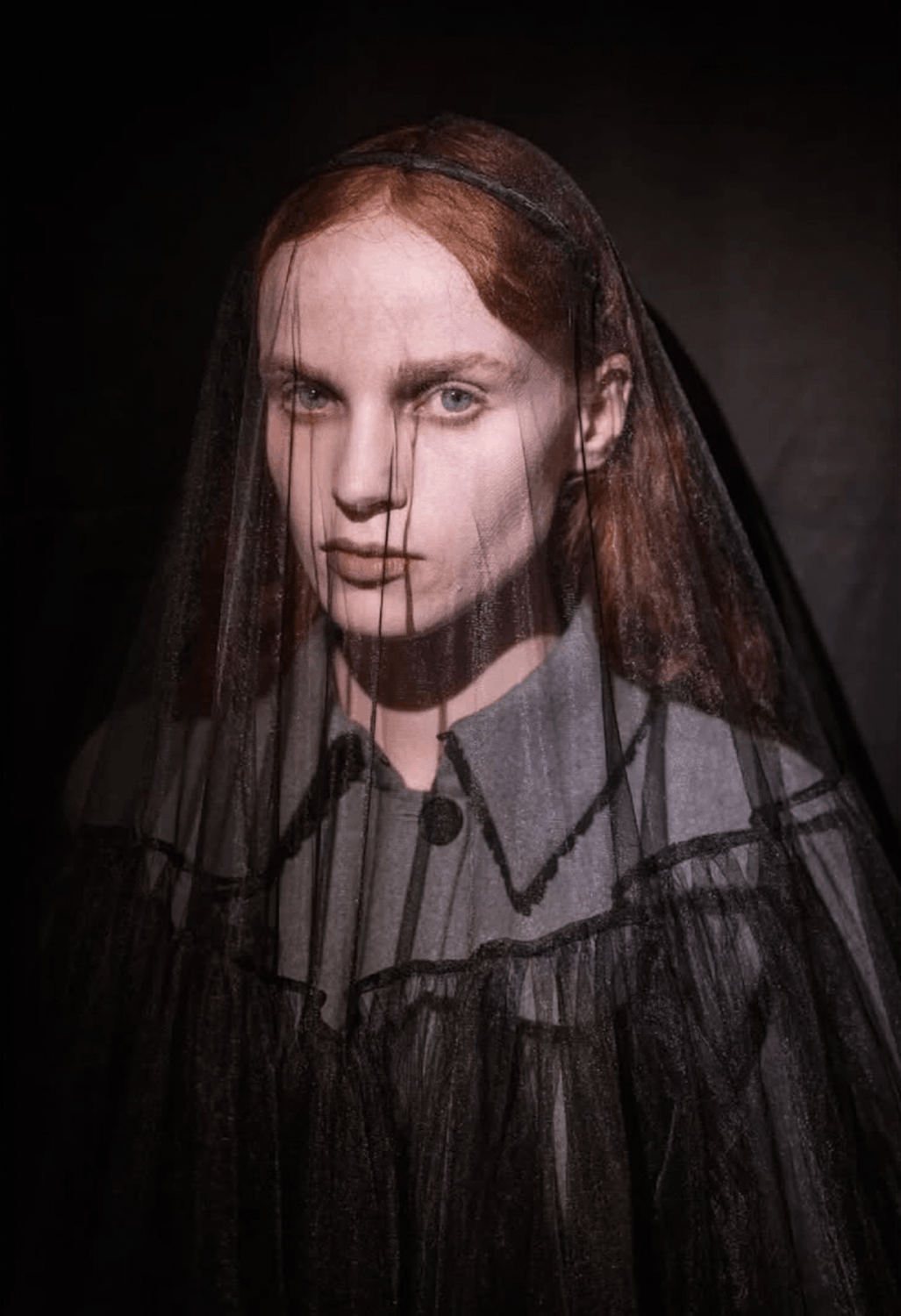
Prada Fall 2026 / Ann Demeulemeester Fall 2026 / Valentino Haute Couture 2026
Against the polished restraint of the clean aesthetic and the controlled domestic ideal embodied by the tradwife, another figure begins to take shape: The Witch. She does not belong to the visible order, but to what has been historically pushed aside. Never fully belonging to this side, she exists as a projection, a constructed otherness through which what escapes us becomes visible.
Emerging from a time when she was not yet understood as a human figure, she appears in the medieval imagination as a nocturnal entity linked to misfortune and to forces governing loss and abundance. She appeared as presence more than as a subject, moving between dream and the waking world, through a double that situates her in the intangible, unbound from a fixed body.
This form of experience was sustained by practices, rituals and forms of knowledge largely held by women, where the boundary between dream and reality remained permeable. In the early modern period, visions and nocturnal encounters are treated as fact, attributed to a figure believed to harm children, ruin crops and cause death. Witch hunts reframe this once inmaterial figure as a simultaneously humanised and demonised presence within the community, someone who can be named, judged and even burned.
Although they have never disappeared, witches re-emerge from the margins. Contemporary pop culture engages this figure as a space of meaning, where she is reimagined as a symbol of alterity, invoked through what once placed her outside the social order, as a way of opposition. In this shift, the displaced position generates new forms of presence and identity, where hidden desires and intimate visions move into the centre.
The relationship between witches and clothing reveals another layer of this transformation. As Jùlia Carreras notes in ‘Vienen de noche: Estudio sobre las brujas y la otredad’, (‘They come at night: Study of witches and otherness’ – Debate, 2021), garments operate as a substitute for the body, holding its place through proximity. In accounts and trials, clothing appears as a point of contact between worlds, holding the trace of a body that may not be fully there. Through proximity, fabric becomes a substitute for flesh and bone, creating a point of contact where intangible desires take form in material reality.
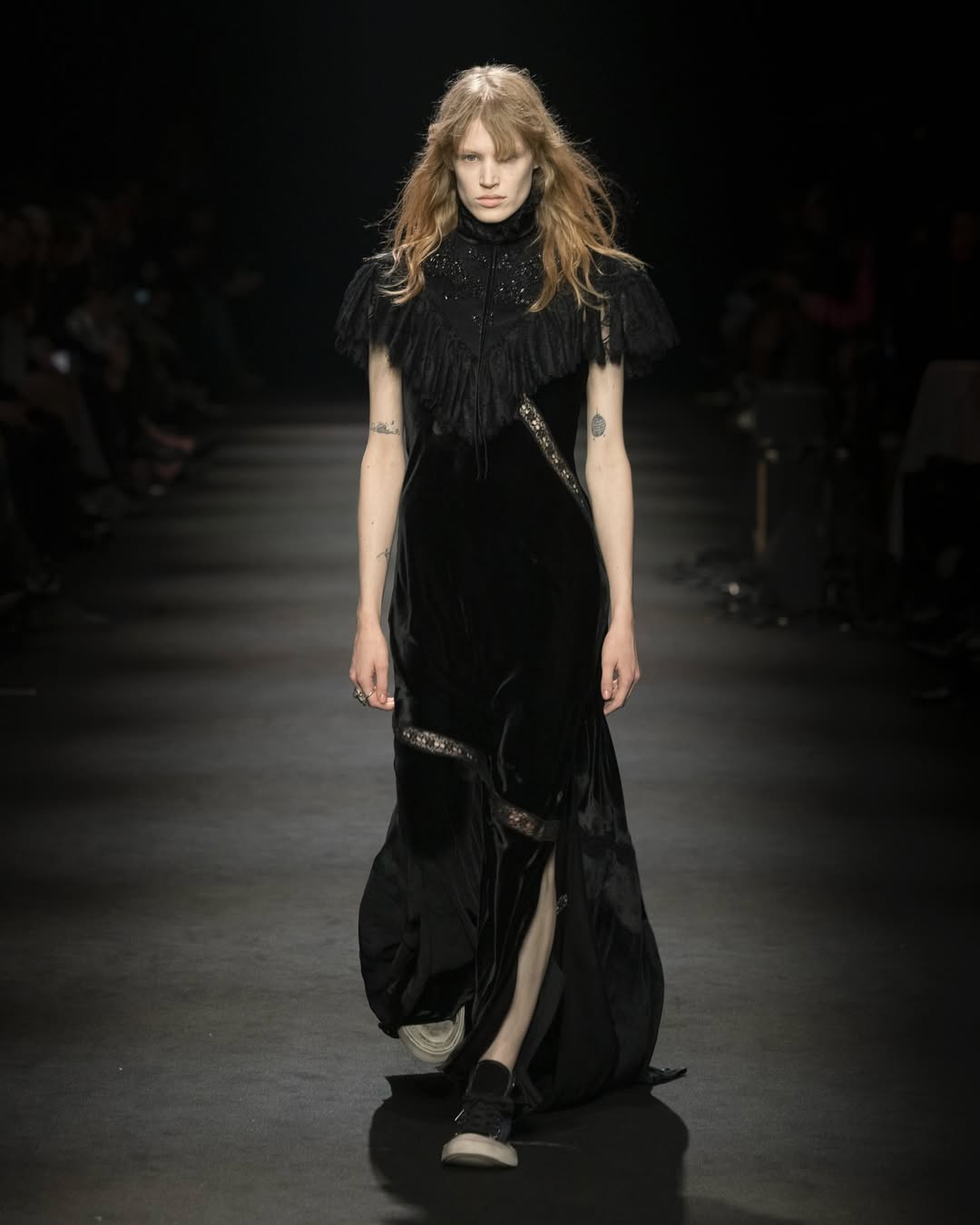
Dark velvet, corsetry and lace re-emerge through a renewed sense of agency, drawing on Victorian Gothic dress and intersecting with Soft Goth and Dark Romance. #Witchcore circulates across TikTok and the 2026 runways of Paris, London and Milan, where some collections revisit the archetype, while isolated looks appear within broader narratives shaped by otherness, opposition and autonomy.
Dilara Findikoglu
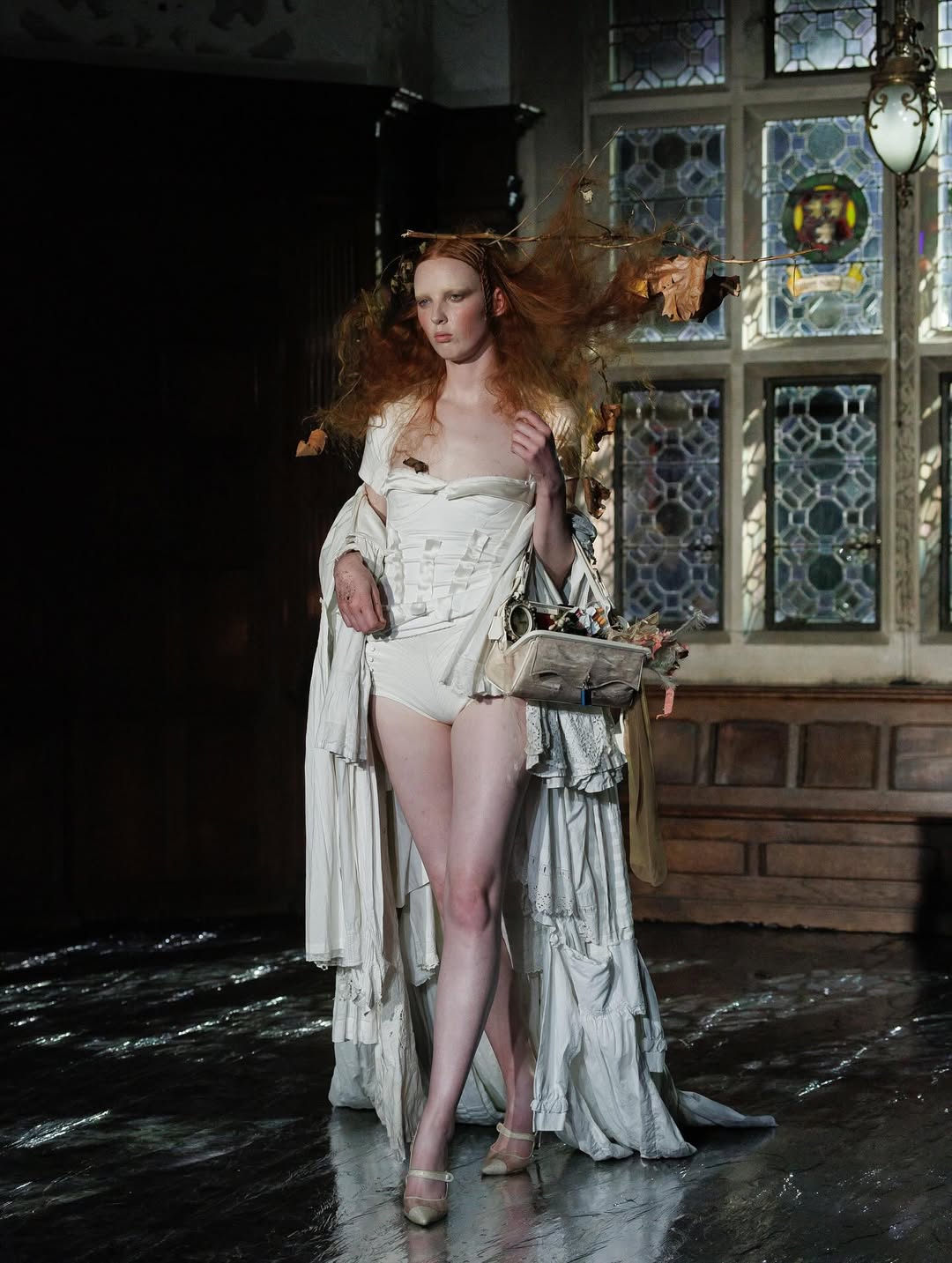
Inherited ideas of purity and restriction placed on women shape ‘Cage of Innocence’, Dilara Findikoglu’s Spring 2026 collection, an autobiographical narrative grounded in her personal trajectory and her experience of finding freedom within London’s underground scenes. Corsetry binds and later fragments into lingerie, latex and leather, opening a space where imposed virtue begins to dissolve into unfolding potential.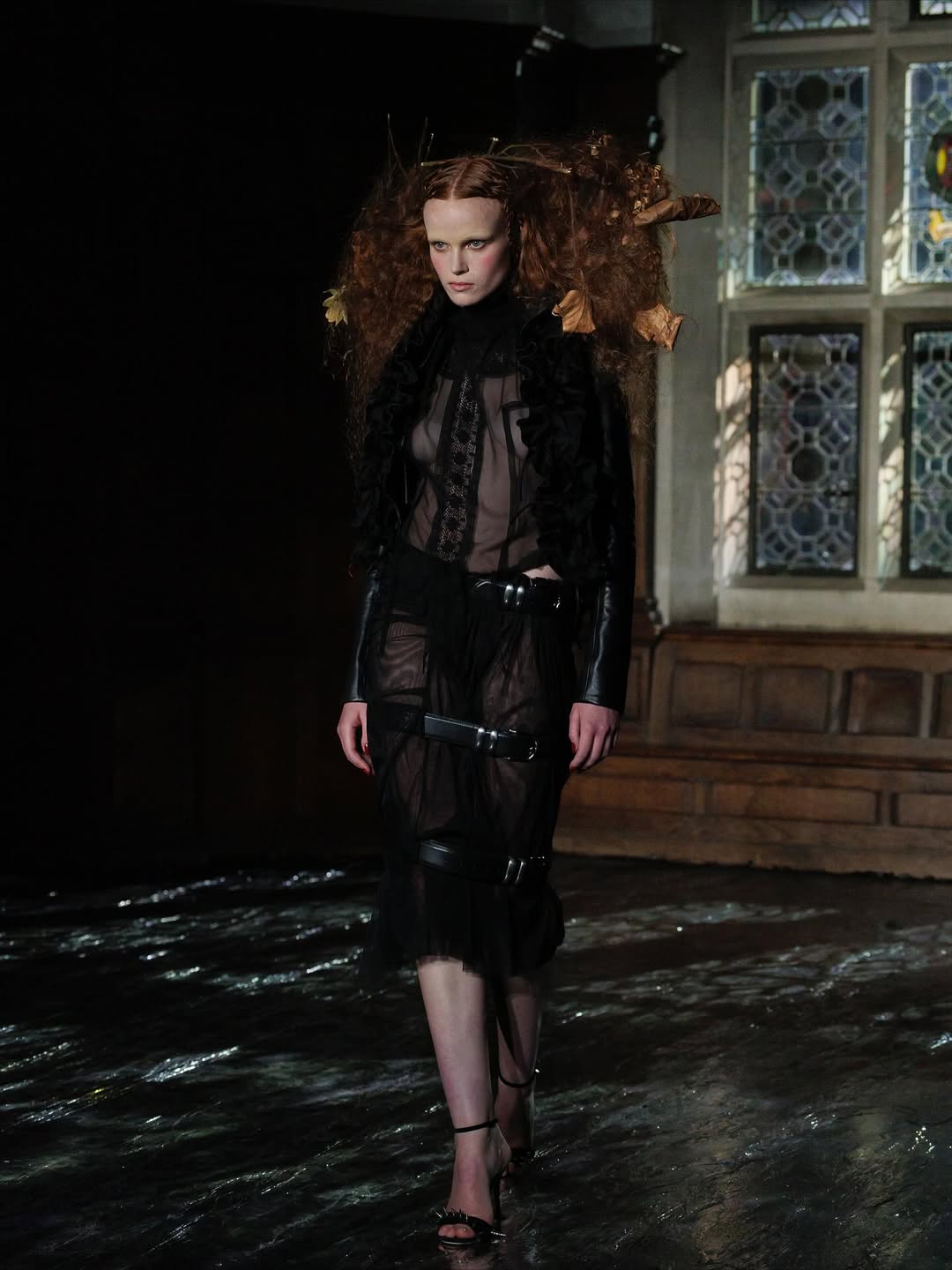
Prada
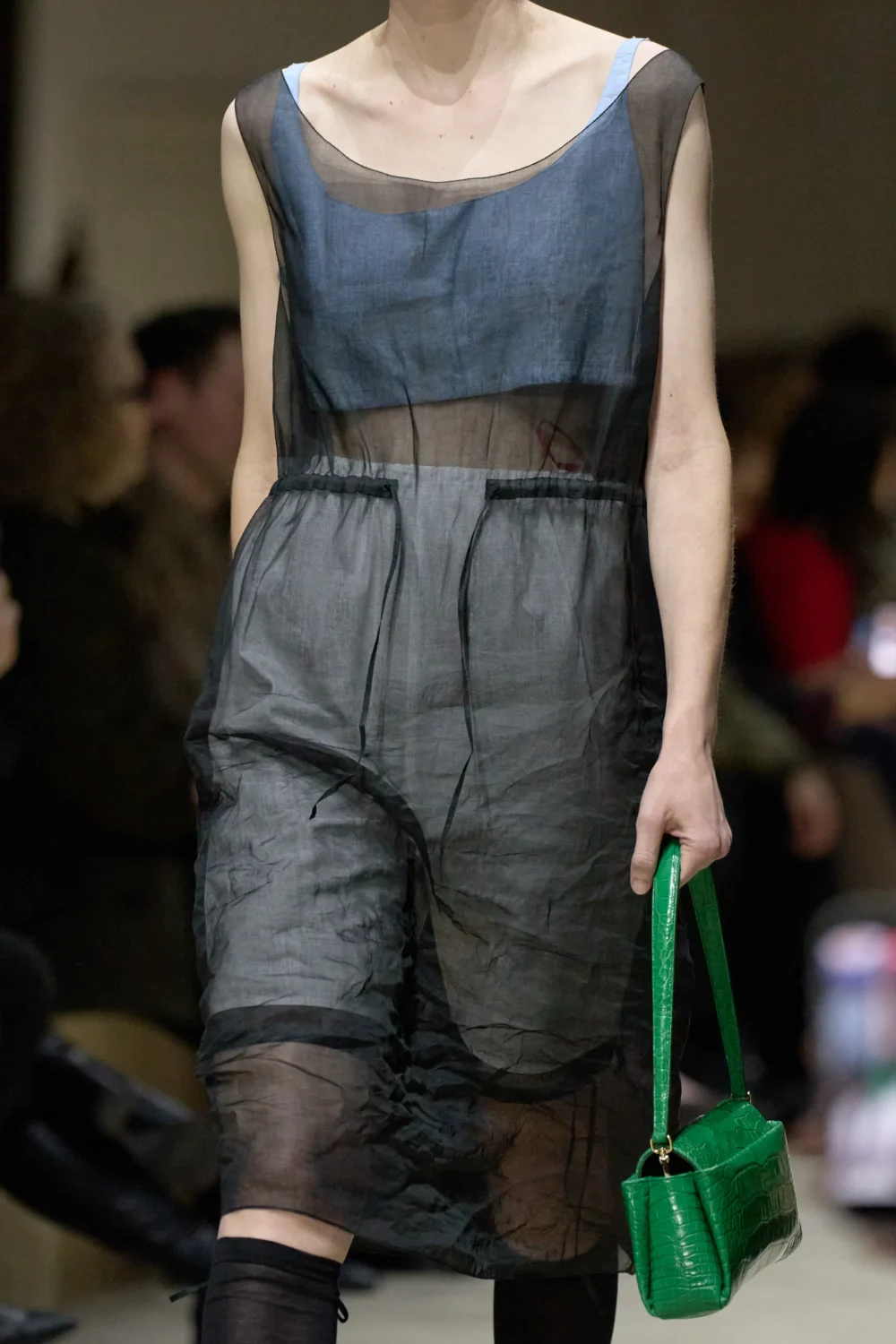
Layering, reworking and recombining garments in real time structures Prada’s Fall 2026 collection by Miuccia Prada and Raf Simons as a reflection of everyday dressing. Each look evolves through use, revealing new possibilities rather than fixed outcomes. The collection speaks to a woman who constructs herself through choice and adjustment, approaching her wardrobe as an evolving field rather than a fixed identity.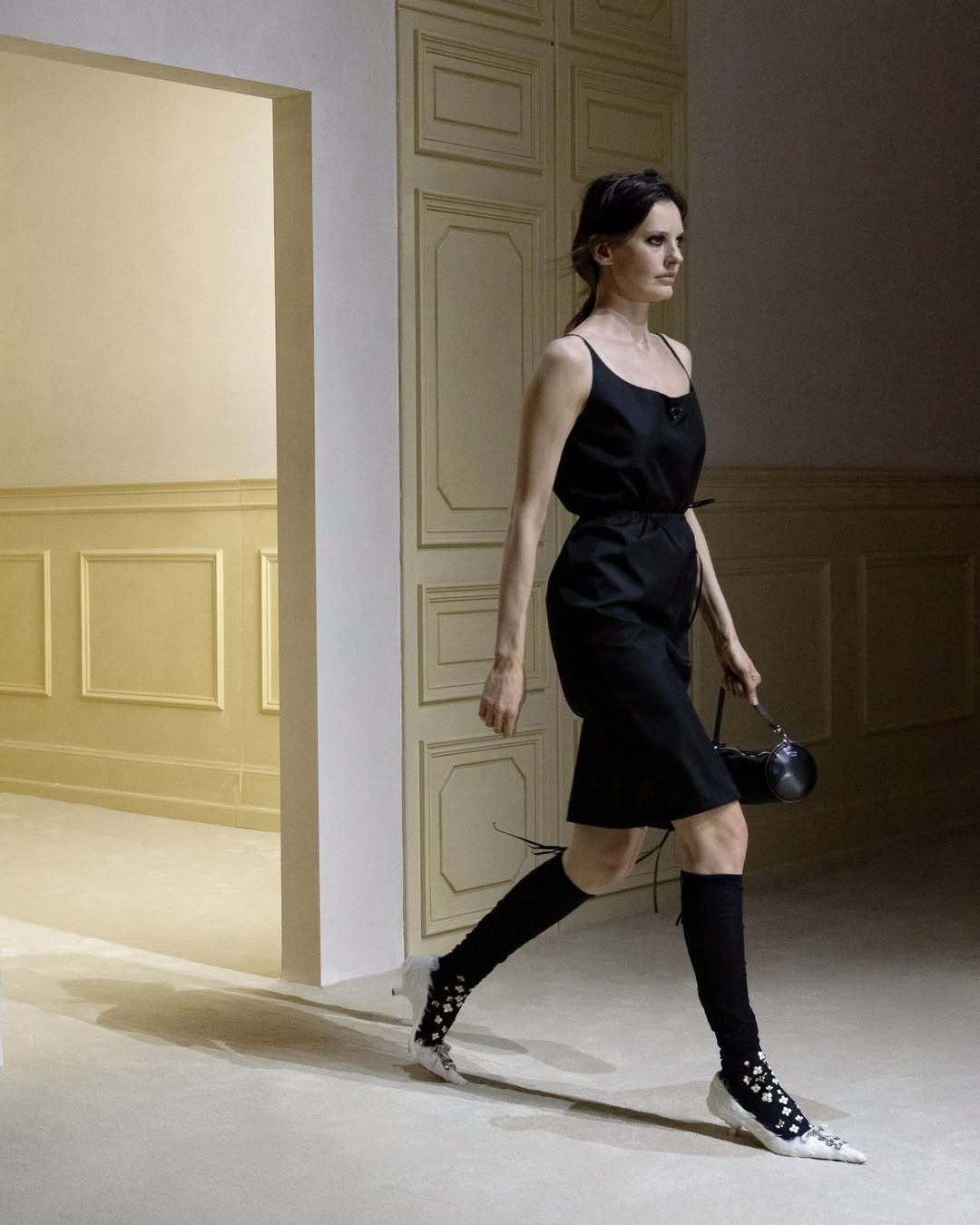
Dreaming Eli
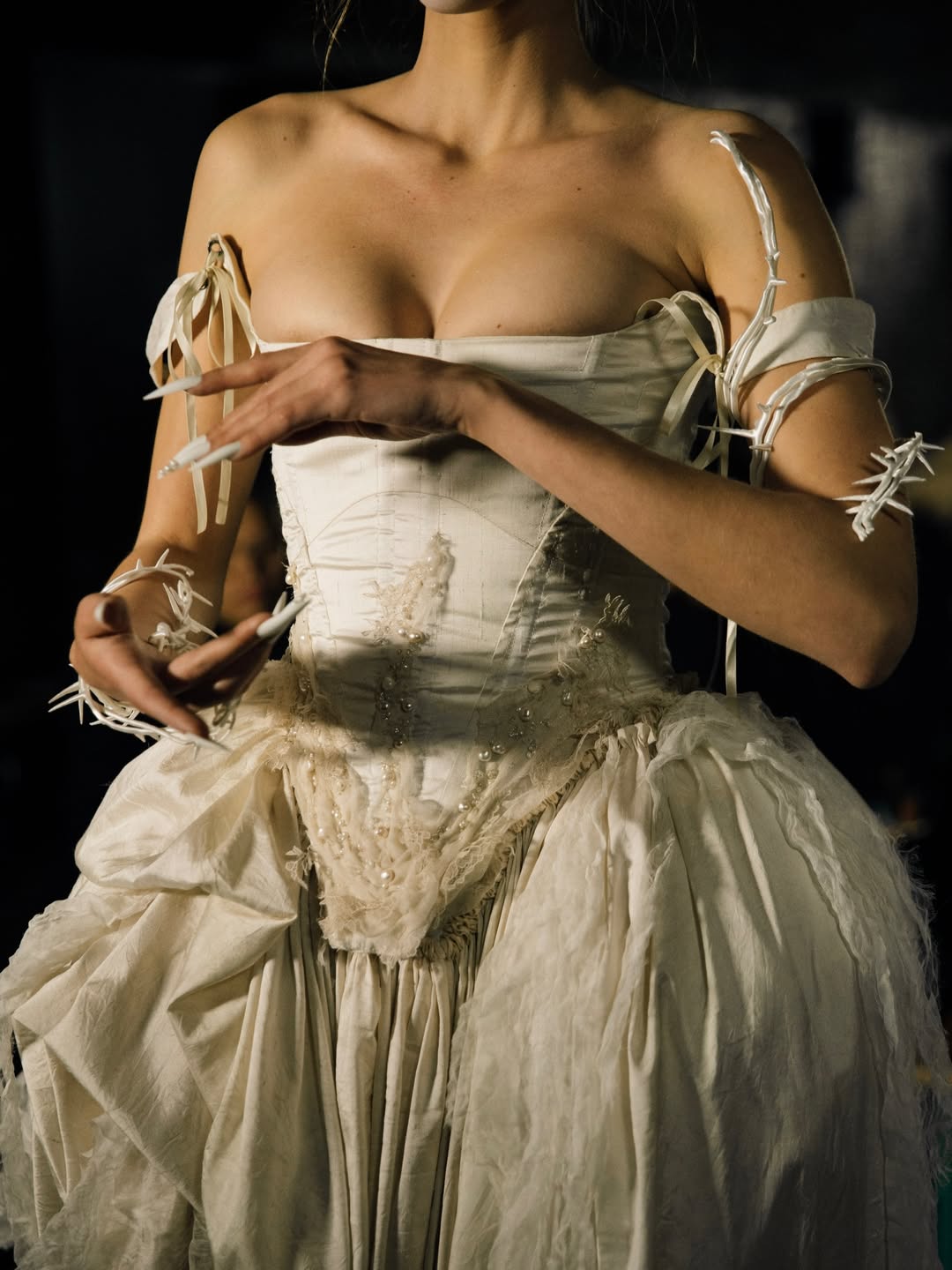
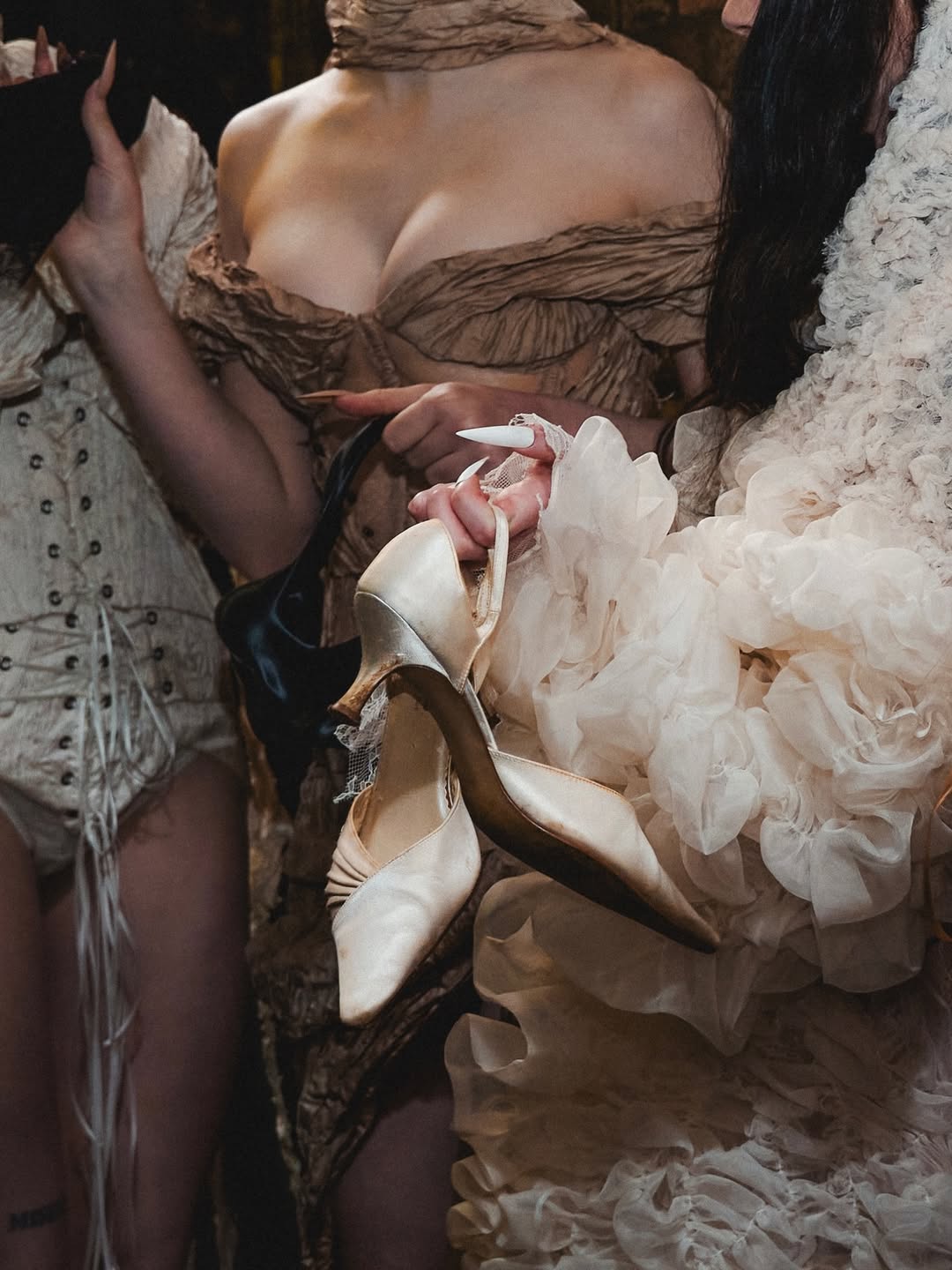
Female friendship structures Elisa Trombatore’s AW26 collection for Dreaming Eli as invisible architecture and emotional foundation, articulated through the idea of “love outside of love”. The Court of the Maddest, Merriest Things Alive unfolds as both manifesto and memory, celebrating difference, polarity and relational strength through characters such as The Etiquette Breaker, The Intellectual Libertine and The Lady-in-Waiting.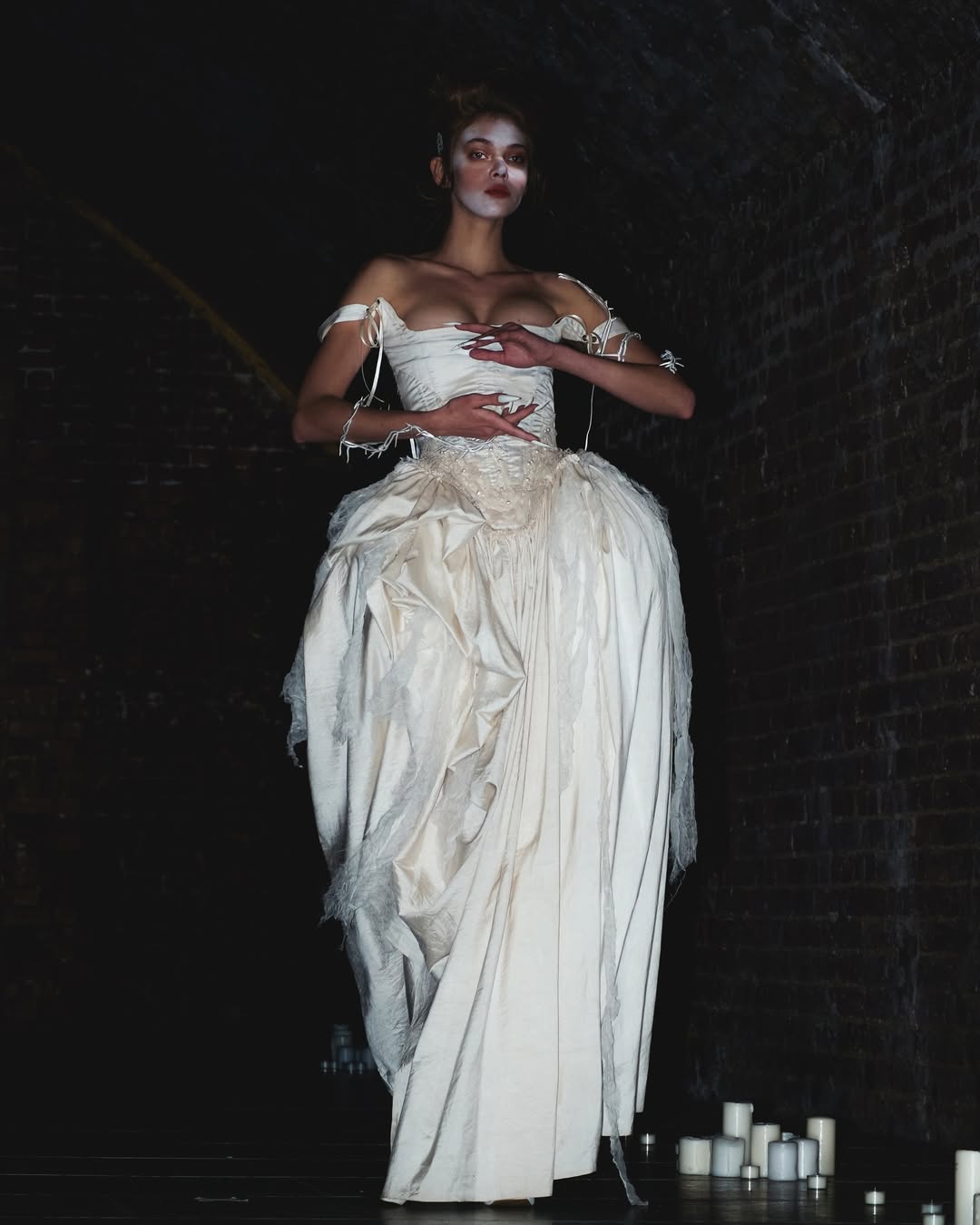
Simone Rocha
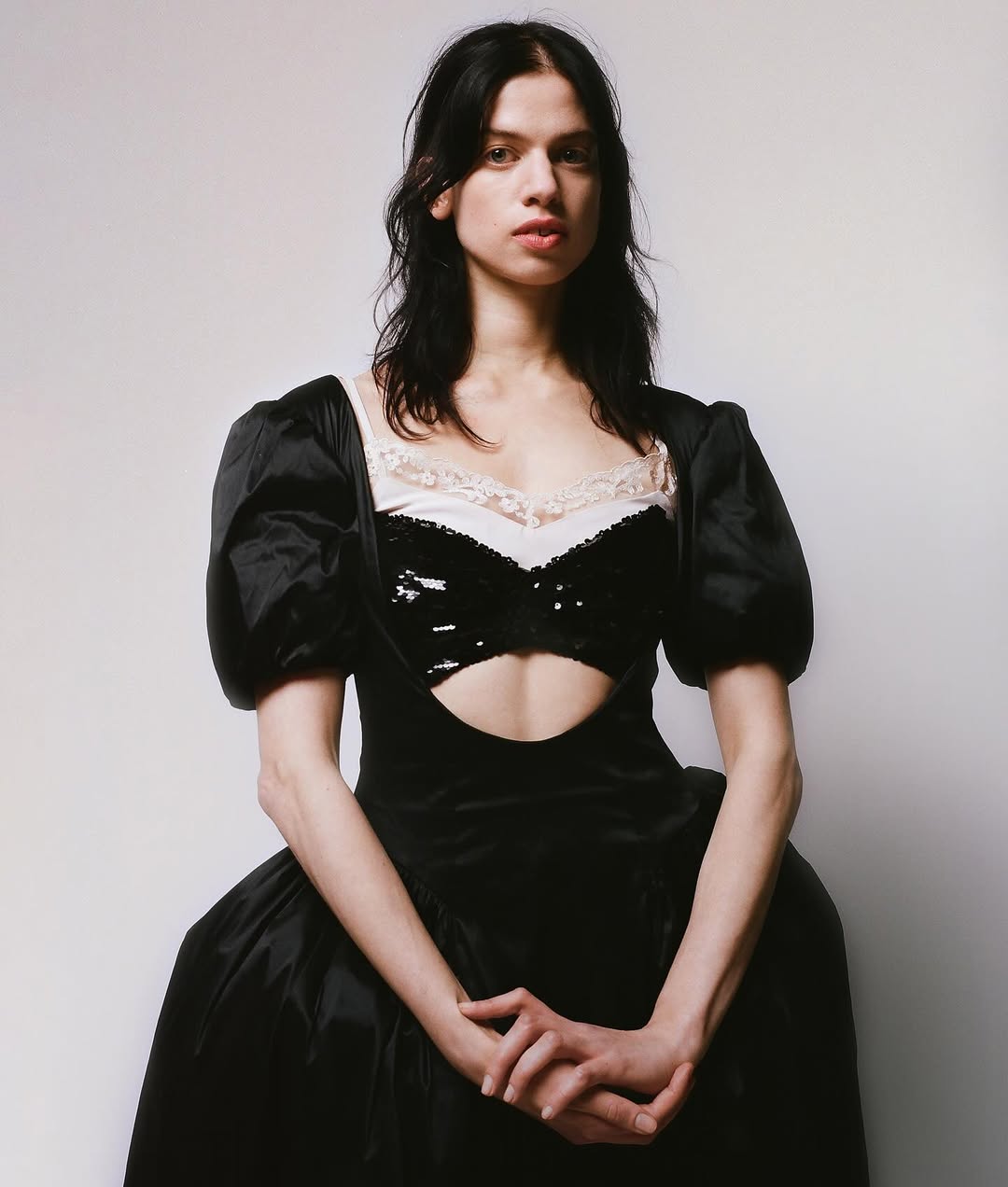
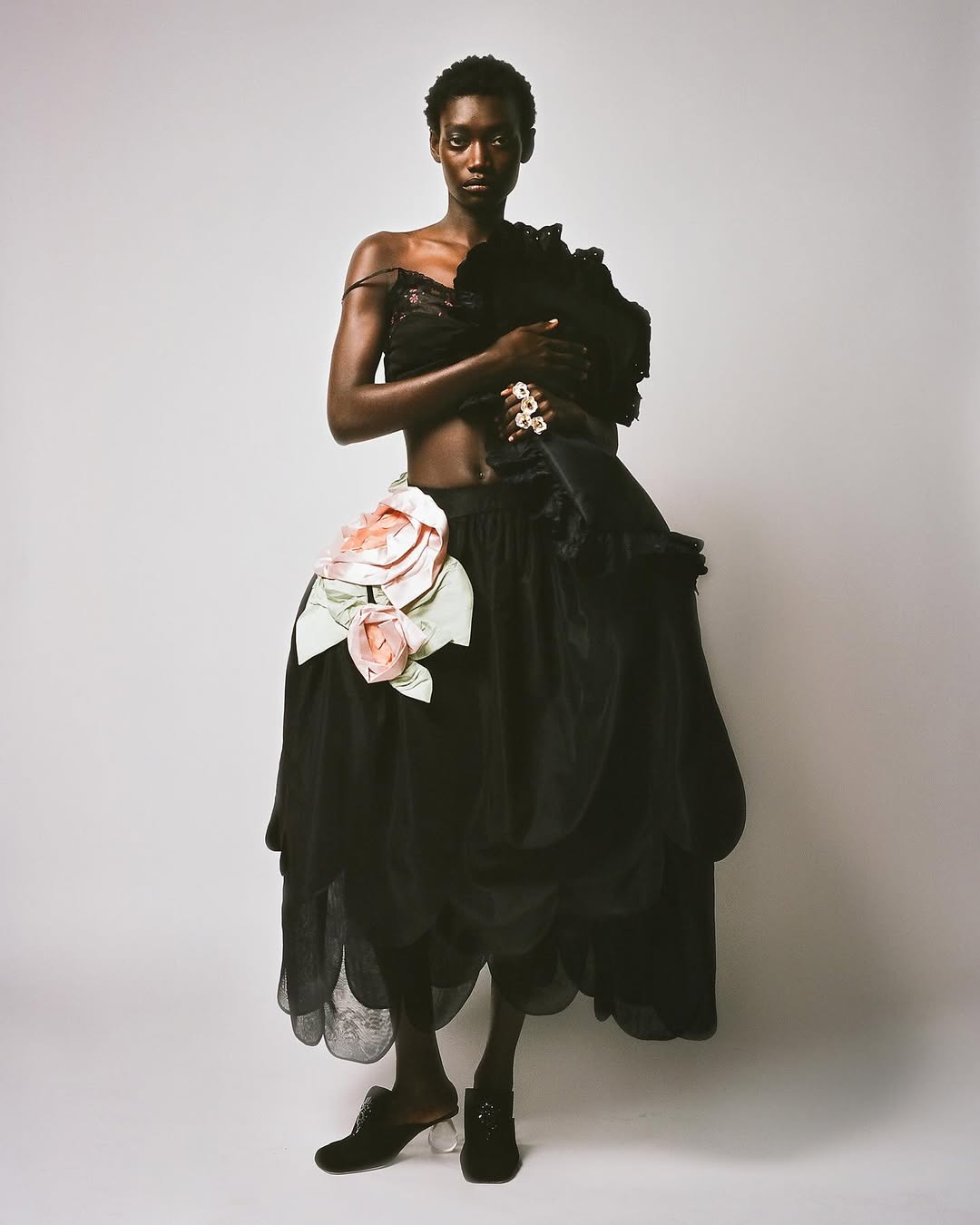
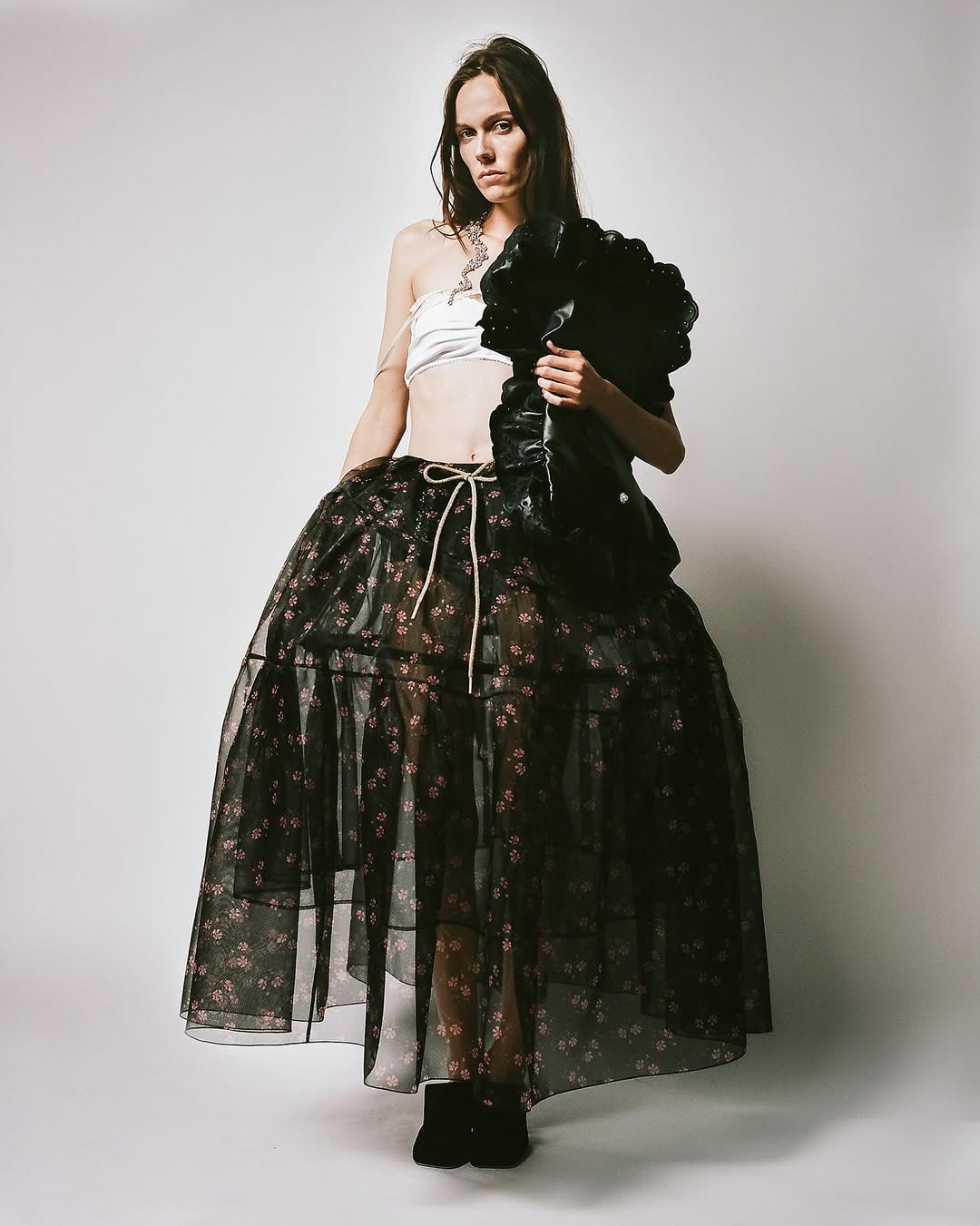
Simone Rocha’s Spring 2026 collection explores early self-awareness through moments of exposure not fully chosen. References to historical dress, crinolines and transparent layers introduce a sense of display, where the body appears prepared and revealed at once. That tension shifts identity away from imposed roles, moving towards a state that unsettles what is expected.
Pauline Dujancourt
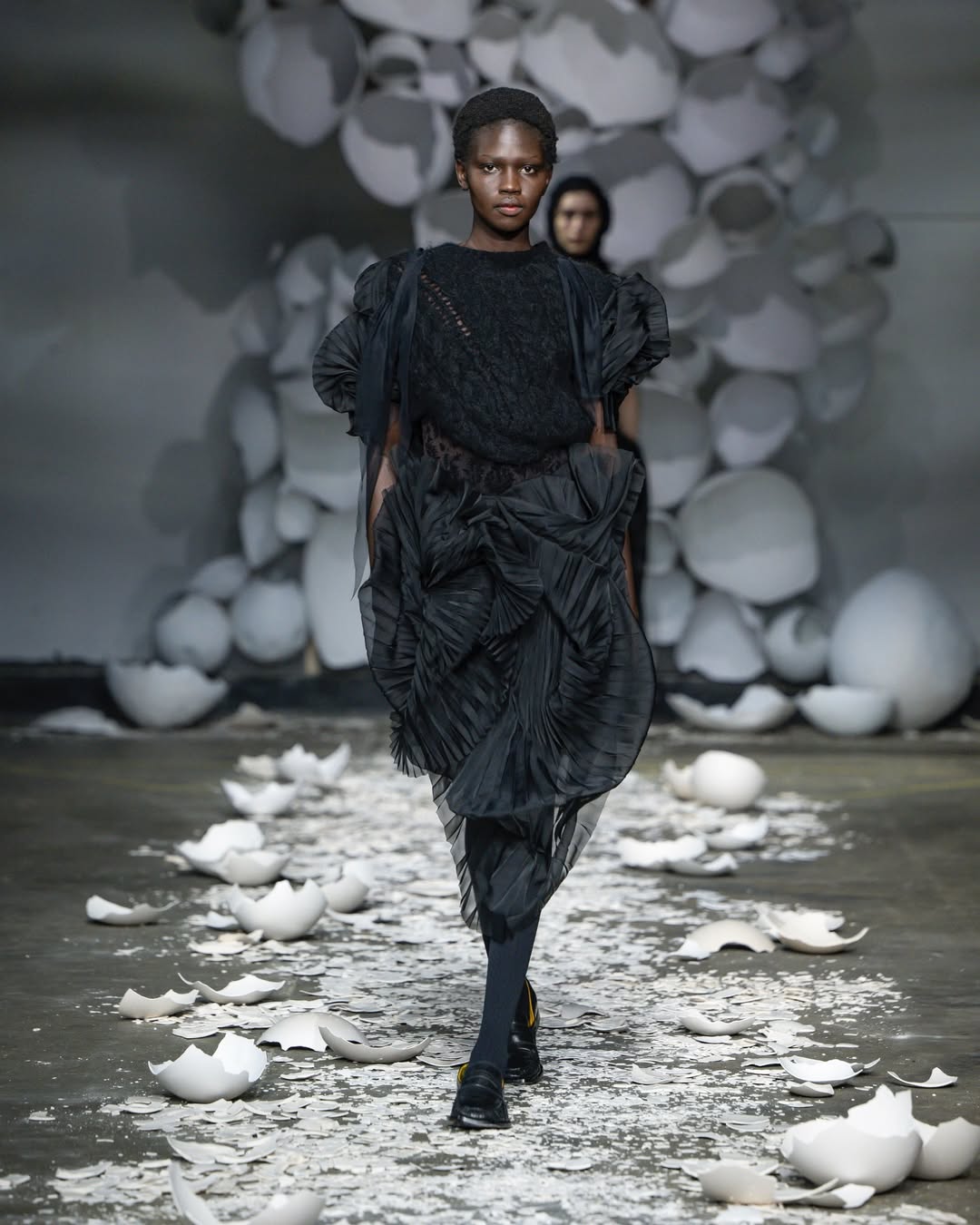
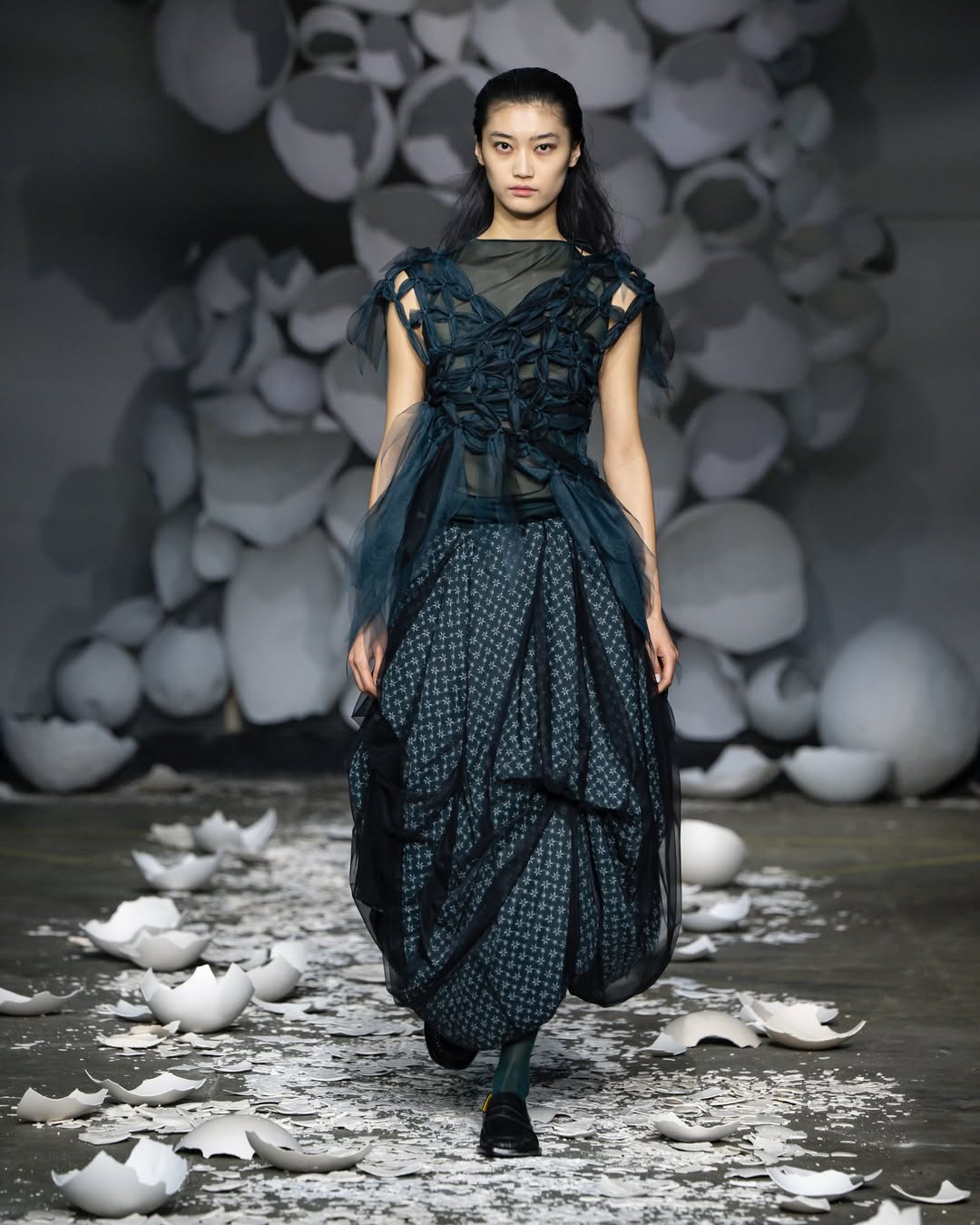
Drawing on Mona Chollet’s ‘In Defense of Witches’, ‘Walking on Eggshells’ frames Pauline Dujancourt Fall 2026 through women working and creating together. Hand-made lace, knitwear and tulle macramé return to ancestral techniques, while the eggshell motif introduces fragility. That shared practice brings otherness closer to something rooted in intuition and collective presence.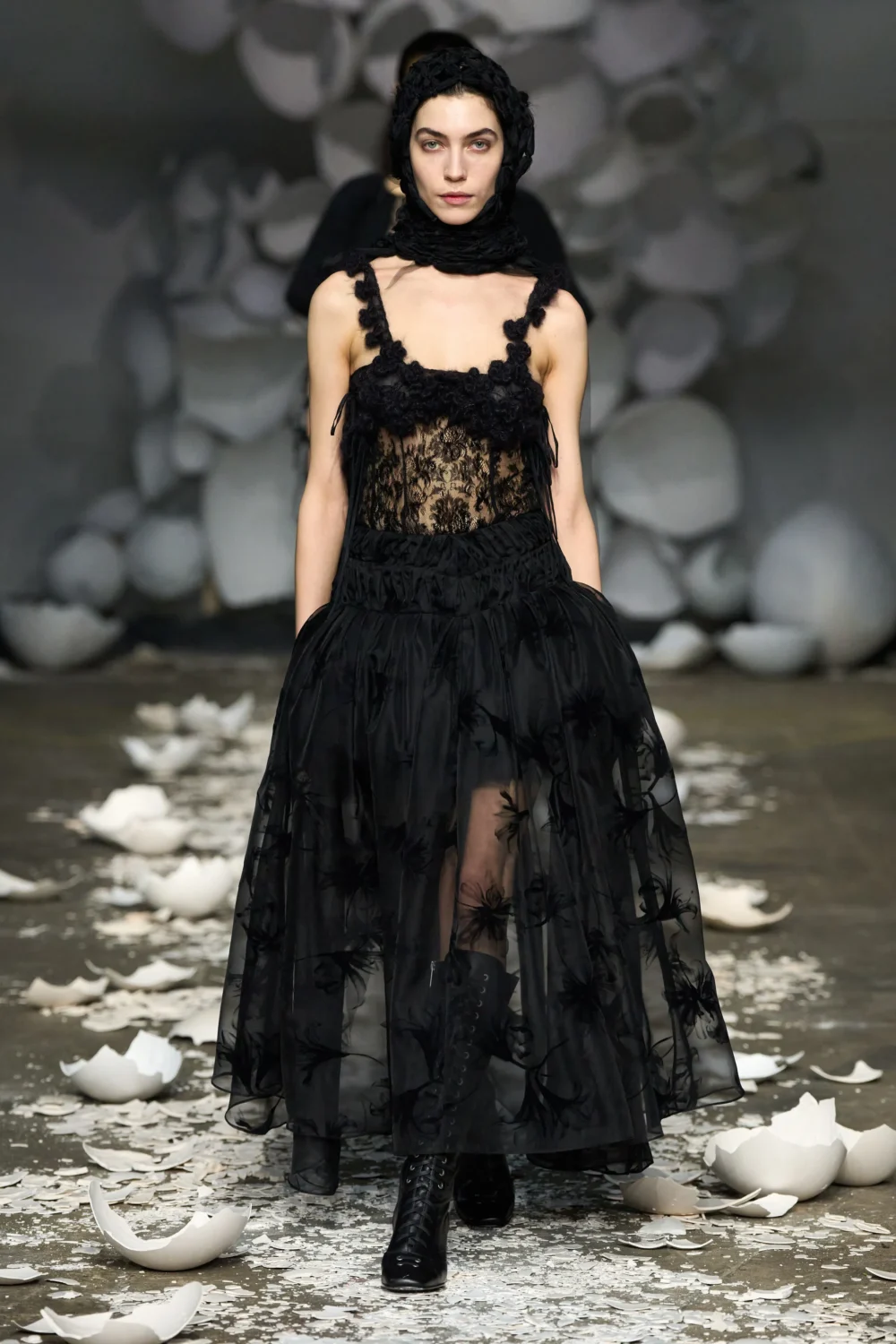
Ann Demeulemeester
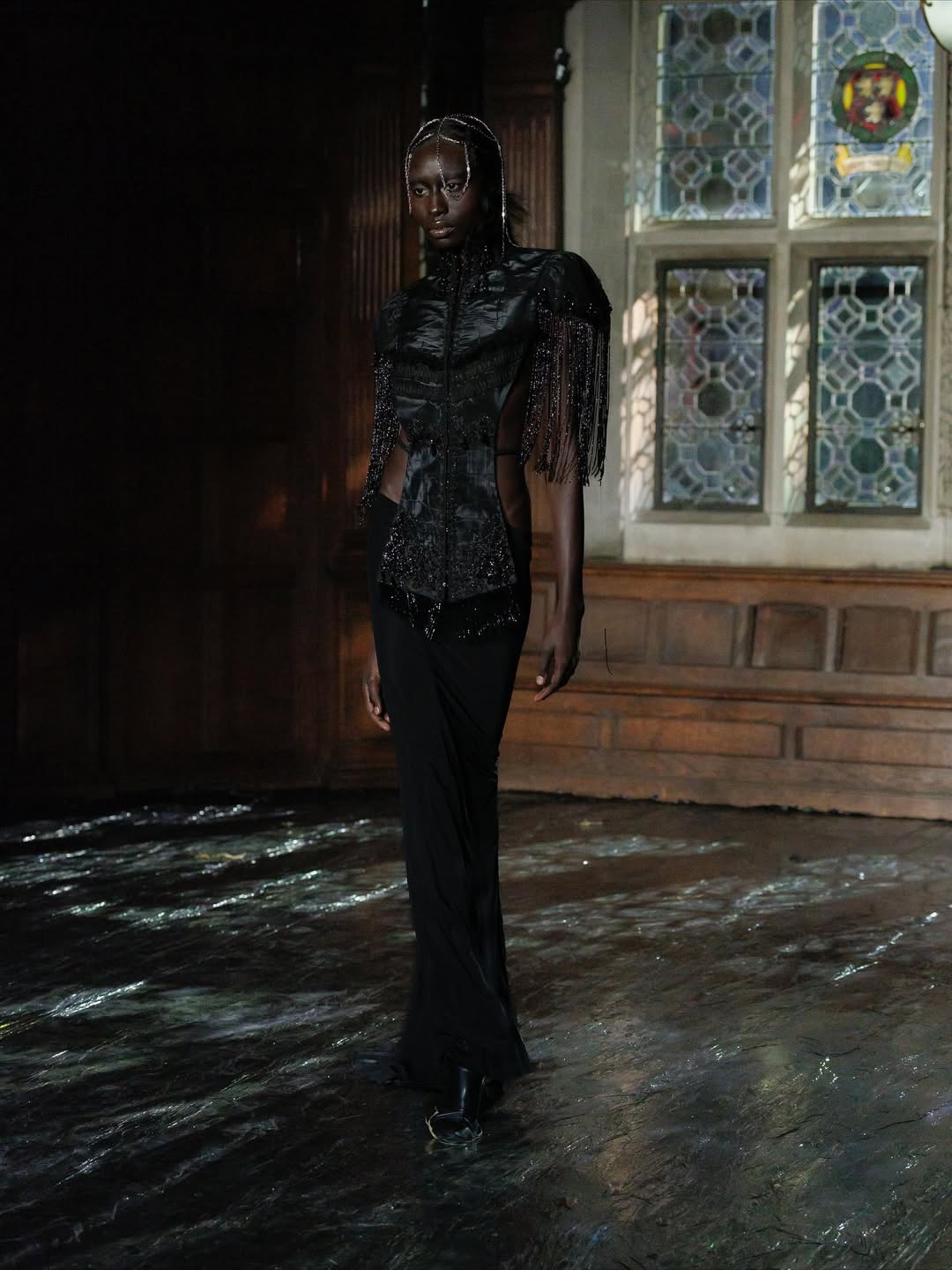
Night writing and adolescent introspection shape Ann Demeulemeester Fall 2026, ‘Dear Night Thoughts’, Stefano Gallici’s collection rooted in his early journals and his connection to the brand through music and literary references. Presented in a darkened Couvent des Cordeliers, the show brings together 19th-century dress codes, rock culture and distressed collegiate elements, building a wardrobe that speaks to community and personal projection.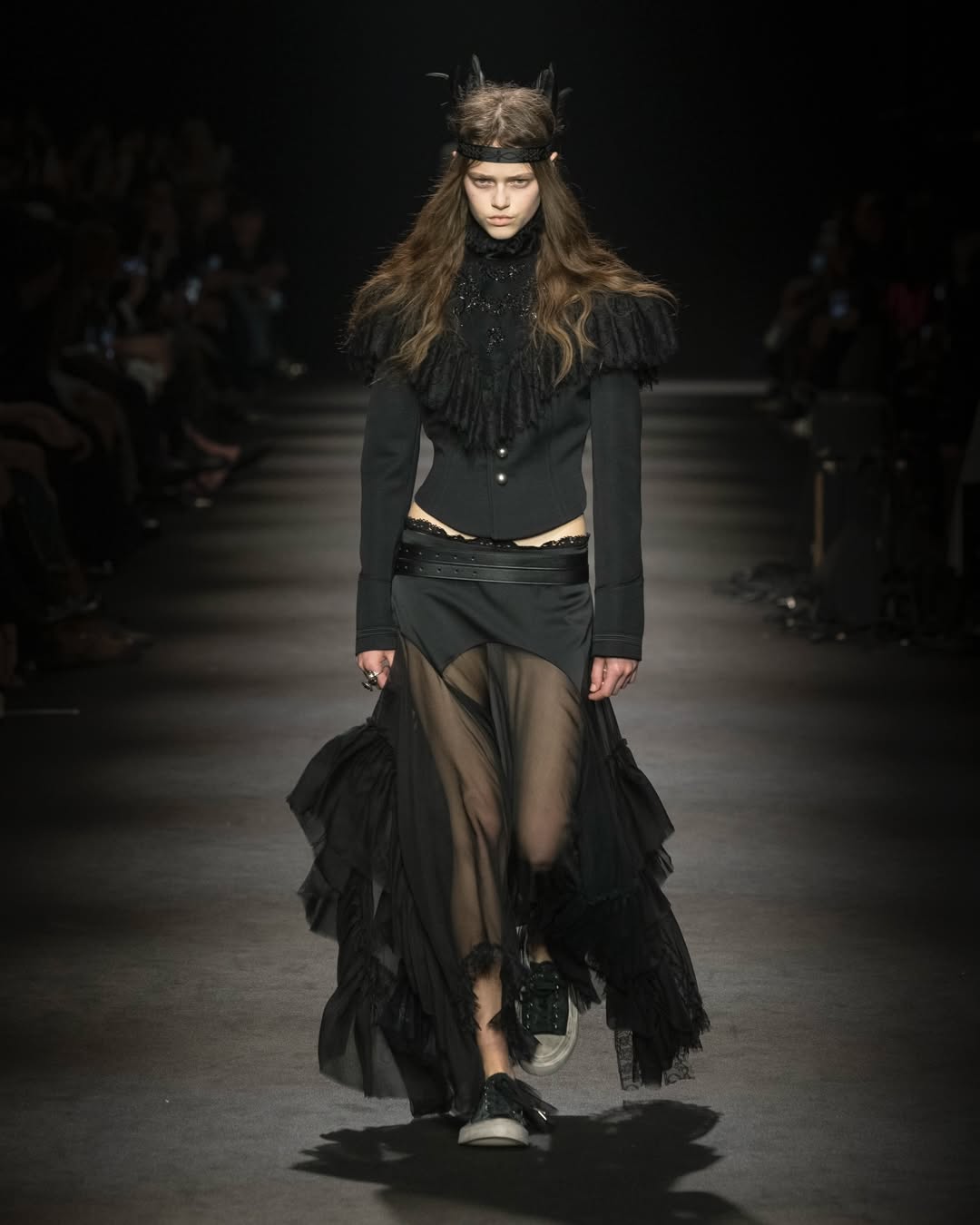
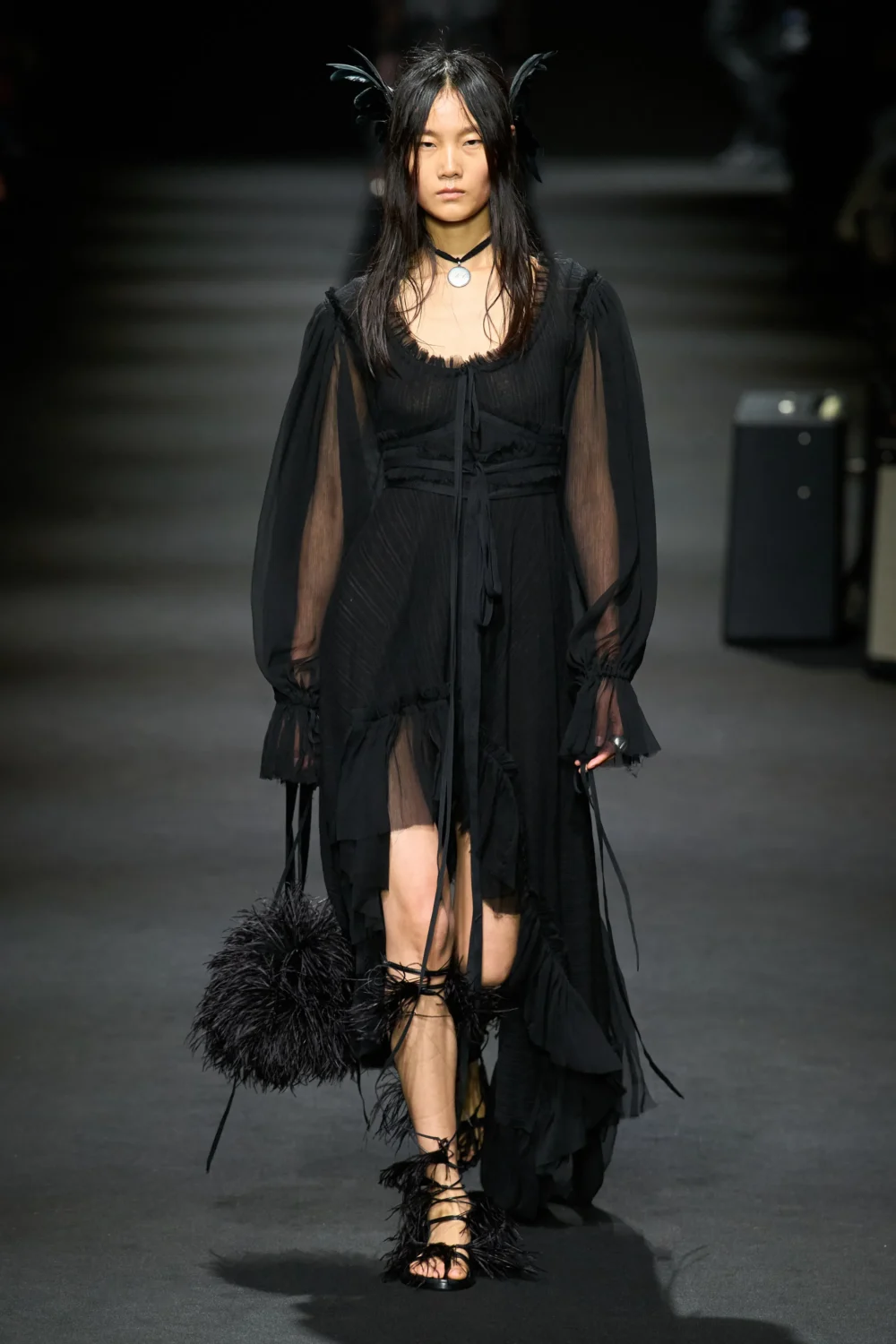
Comme des Garçons
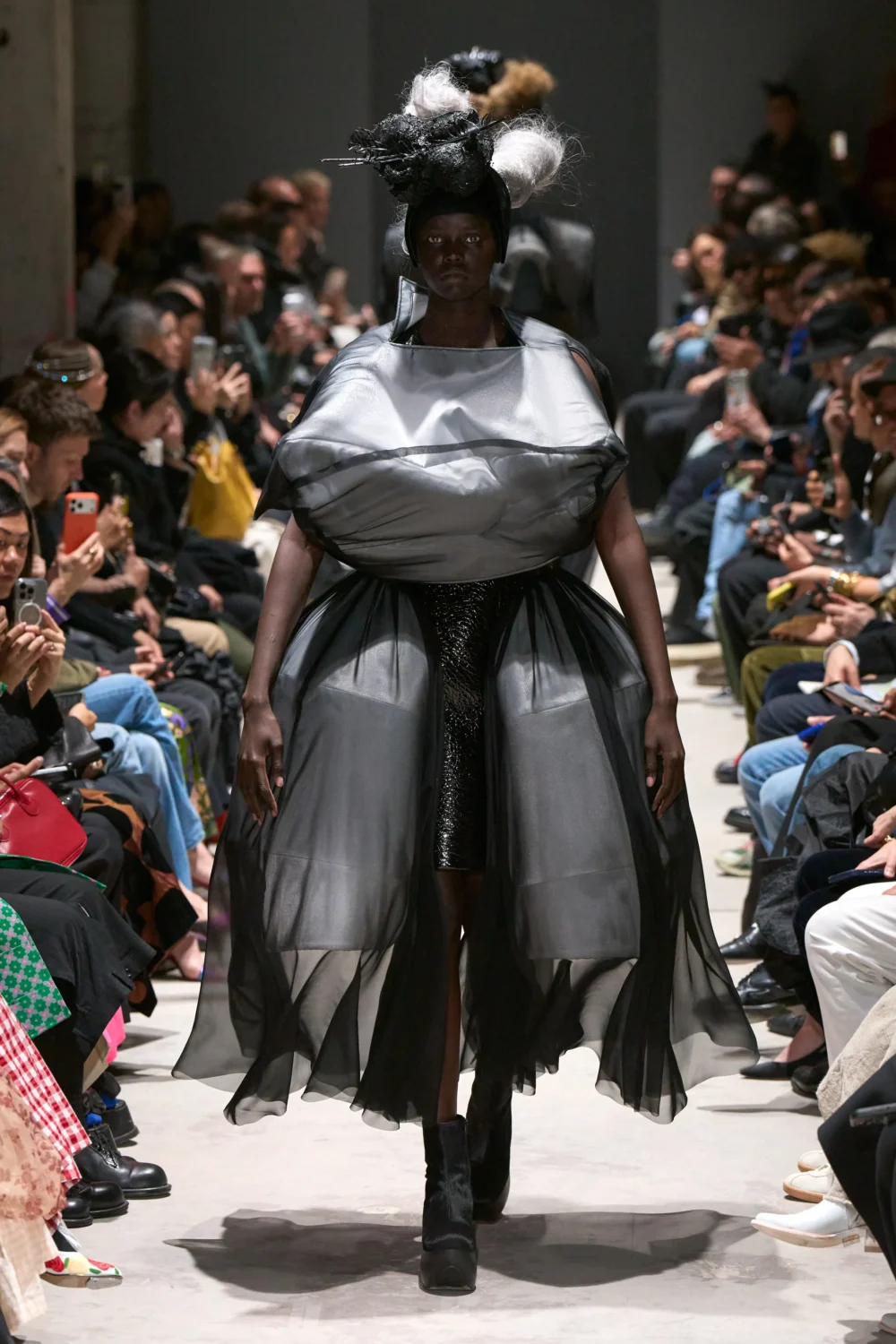
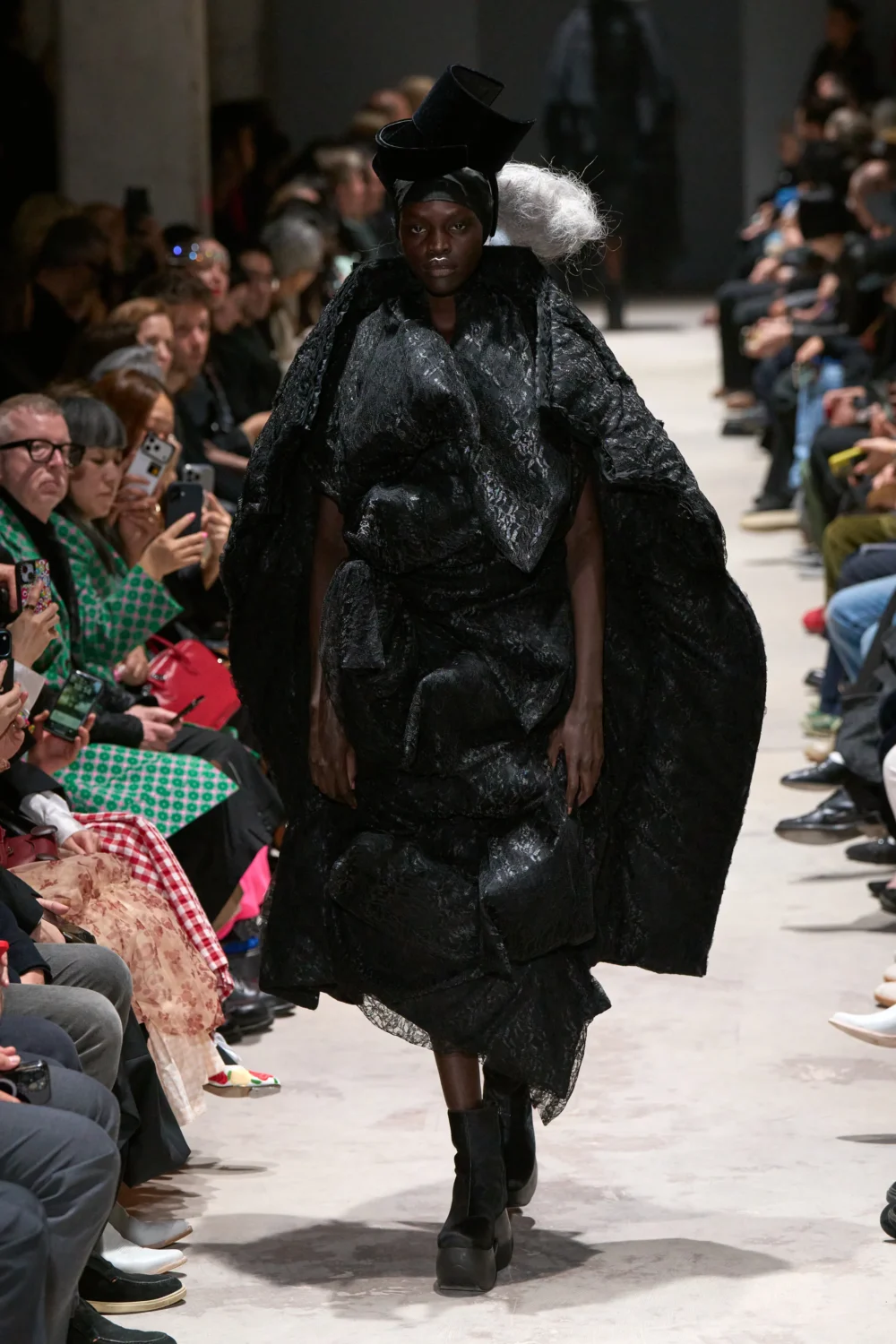
‘Ultimately Black’ frames Comme des Garçons Fall 2026 as a return to black as a field of creation, where Rei Kawakubo links it to the universe and the black hole. Vast abstract forms absorb and distort detail, briefly interrupted by a passage in pink that sharpens the surrounding darkness. Form remains unstable, as something that resists being fixed or named.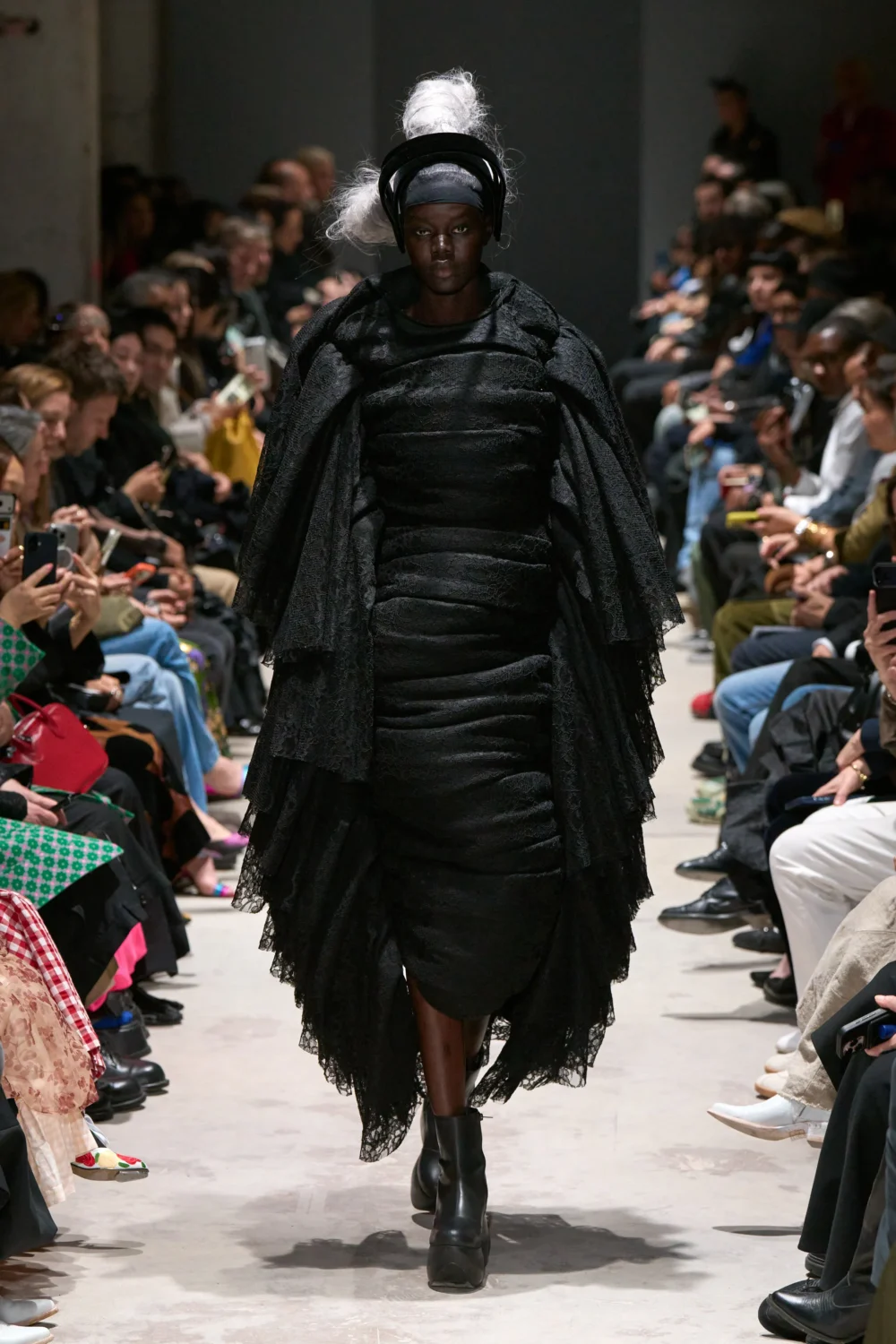
Chopova Lowena
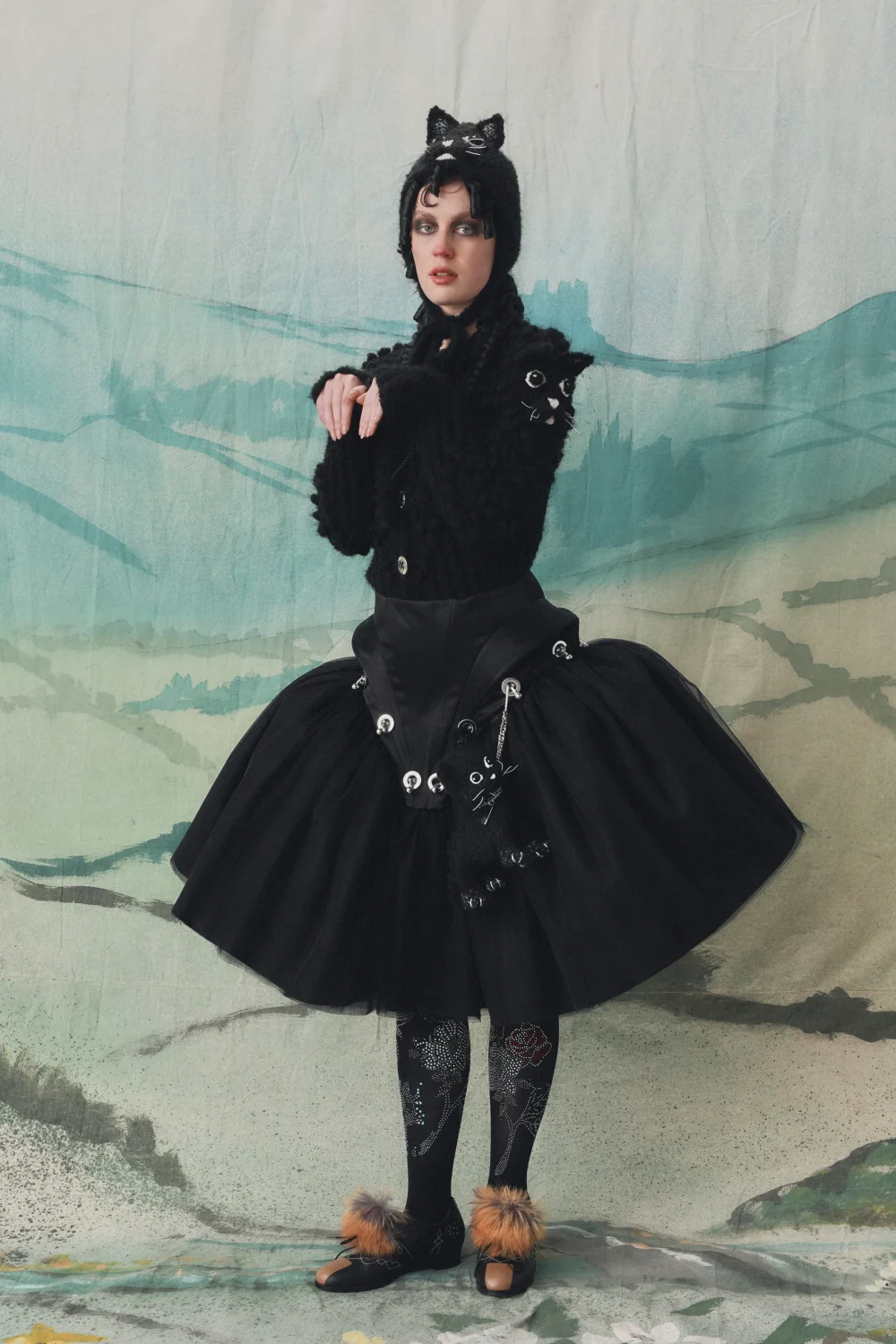
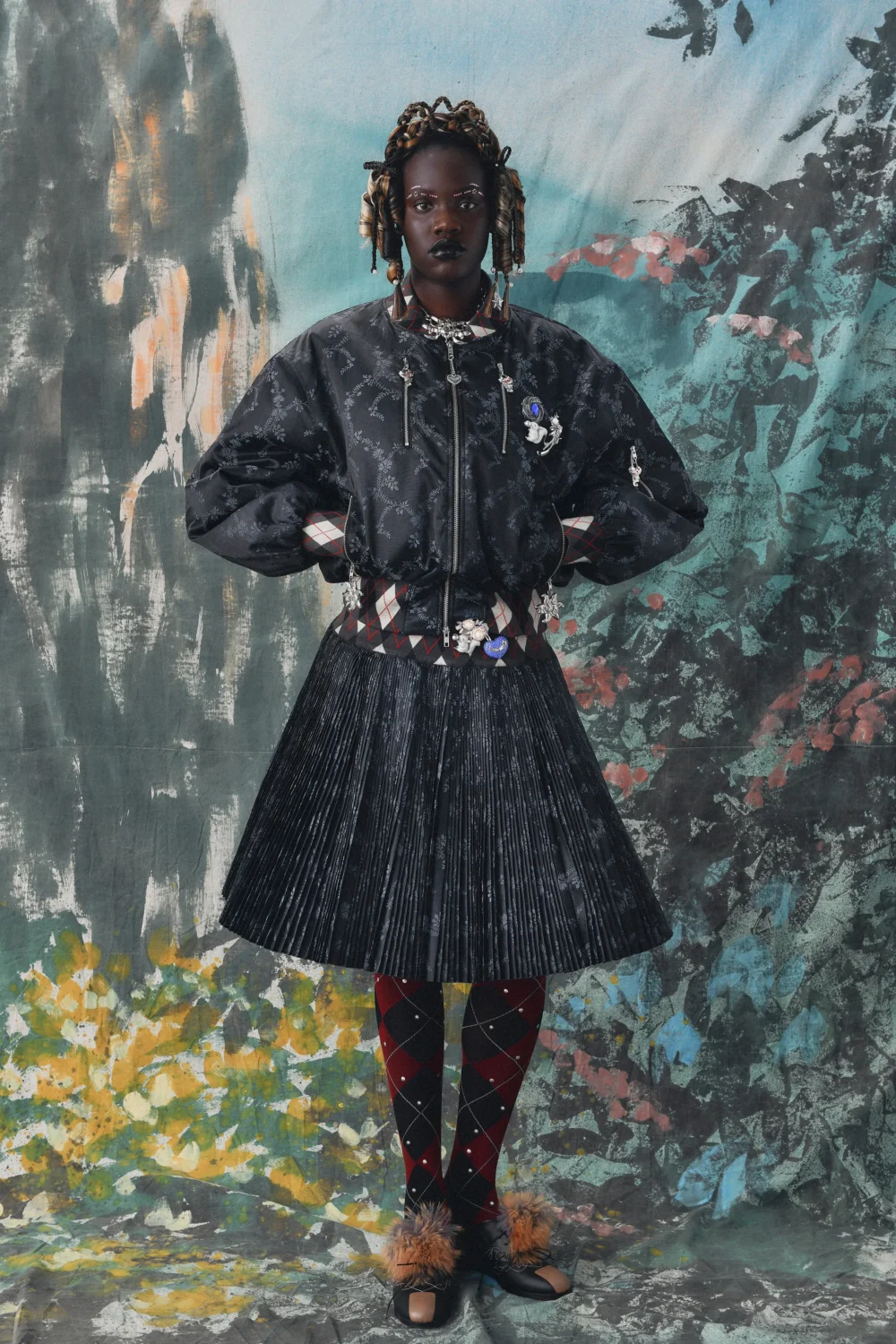
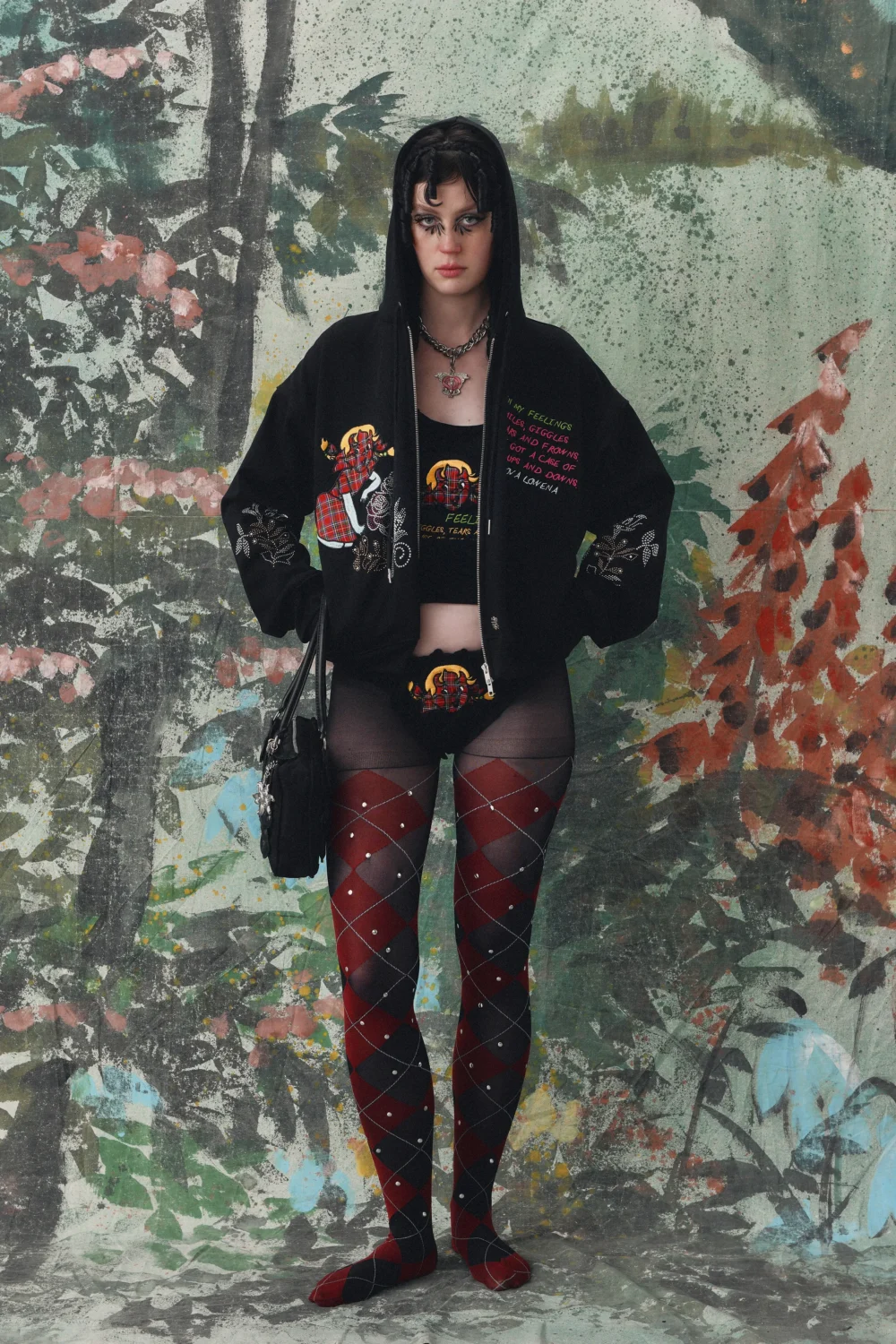
‘Too Ripe and Ready by Half’ frames Chopova Lowena Fall 2026 through a collision between Regency references and golf dress codes, where historical femininity is recast as mischievous and slightly unruly. Deadstock fabrics and folkloric elements return through distortion and playful excess, opening a space where propriety loosens and otherness begins to surface.
Valentino
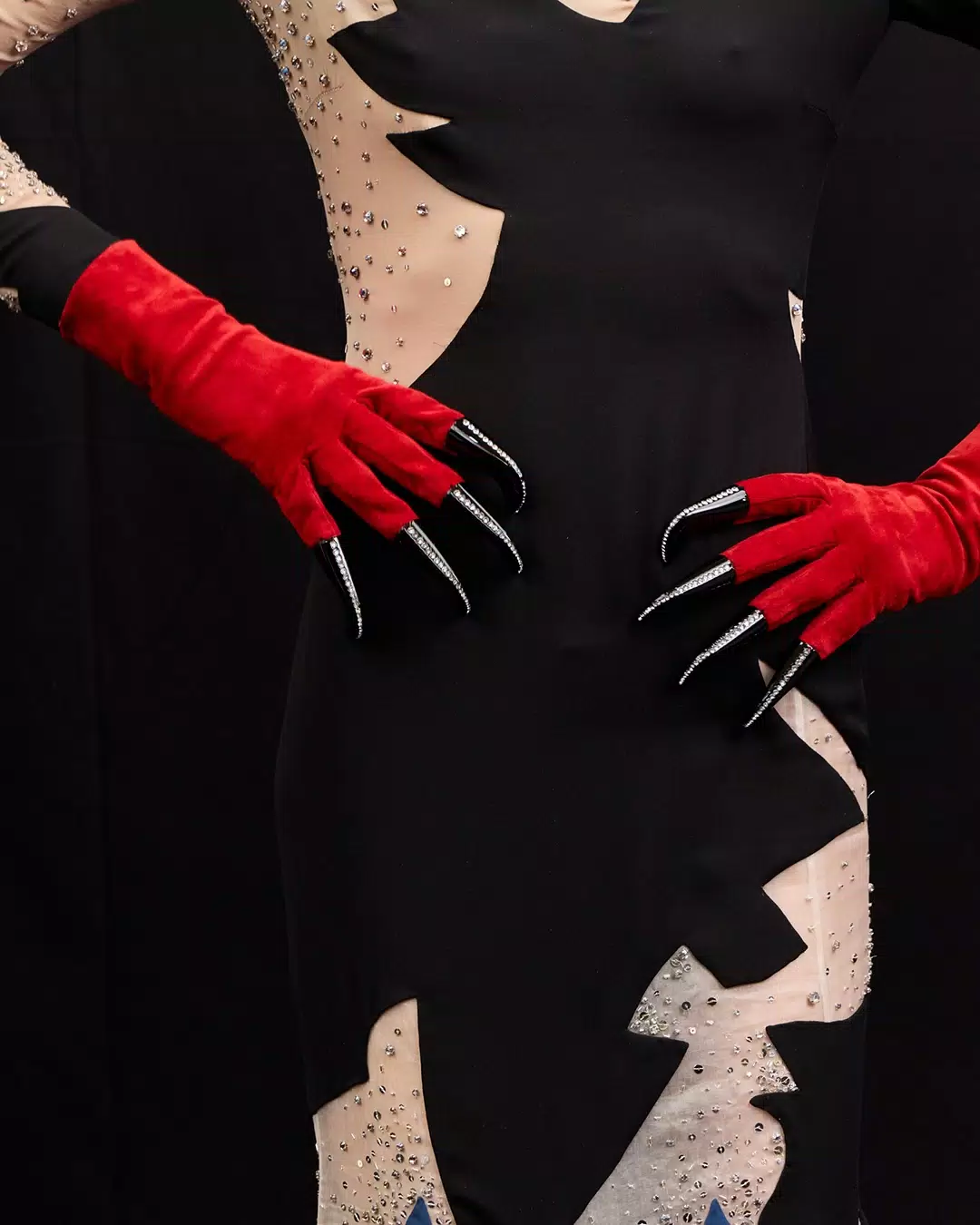
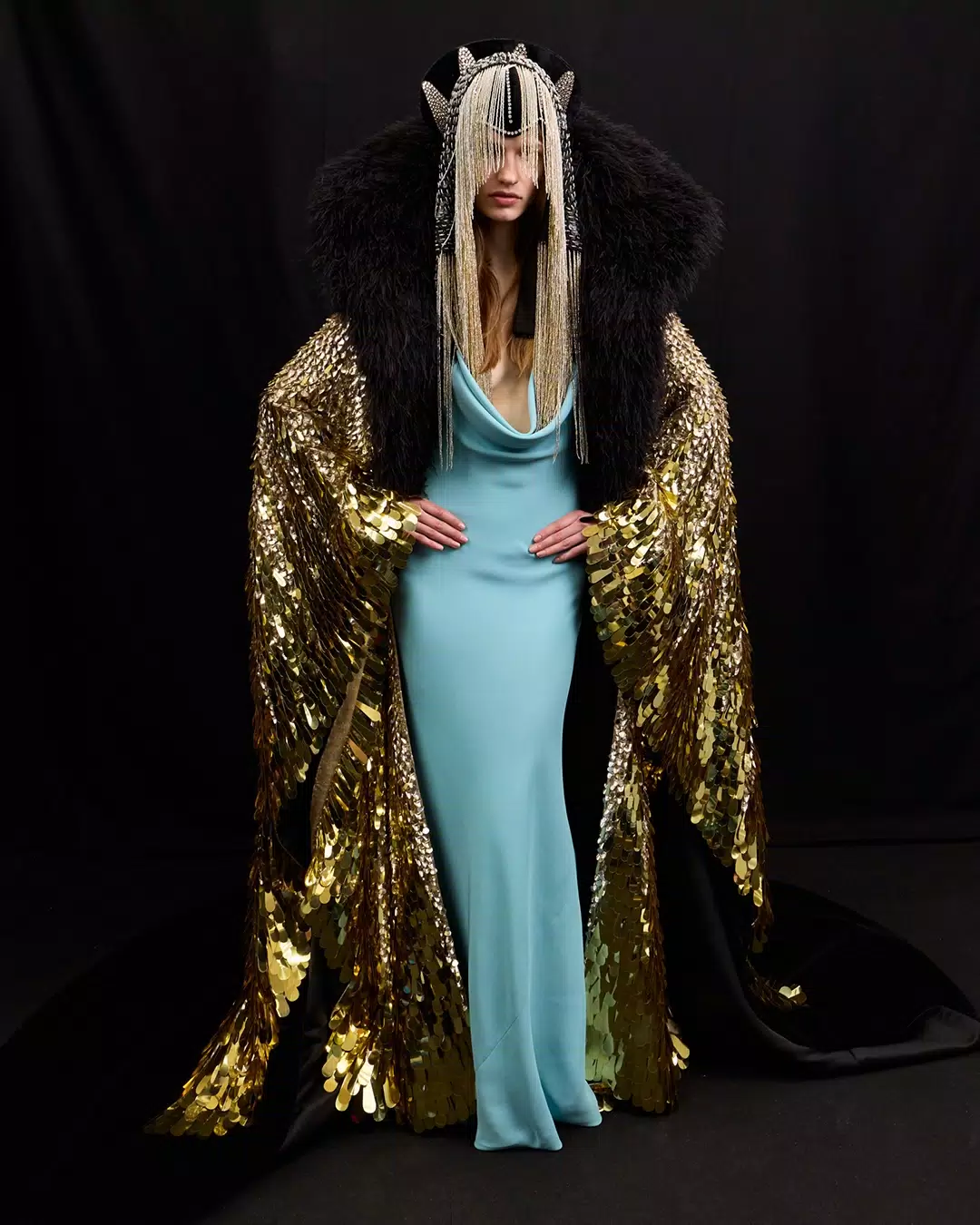
The Kaiserpanorama frames Valentino Haute Couture 2026 as a reflection on controlled vision and staged appearance. In Specula Mundi, Alessandro Michele draws on this 19th-century viewing device to regulate how each look is revealed, slowing perception and turning the runway into a sequence of framed images. The mirror emerges here as a surface of passage, where reflection becomes a way of accessing what usually remains out of view.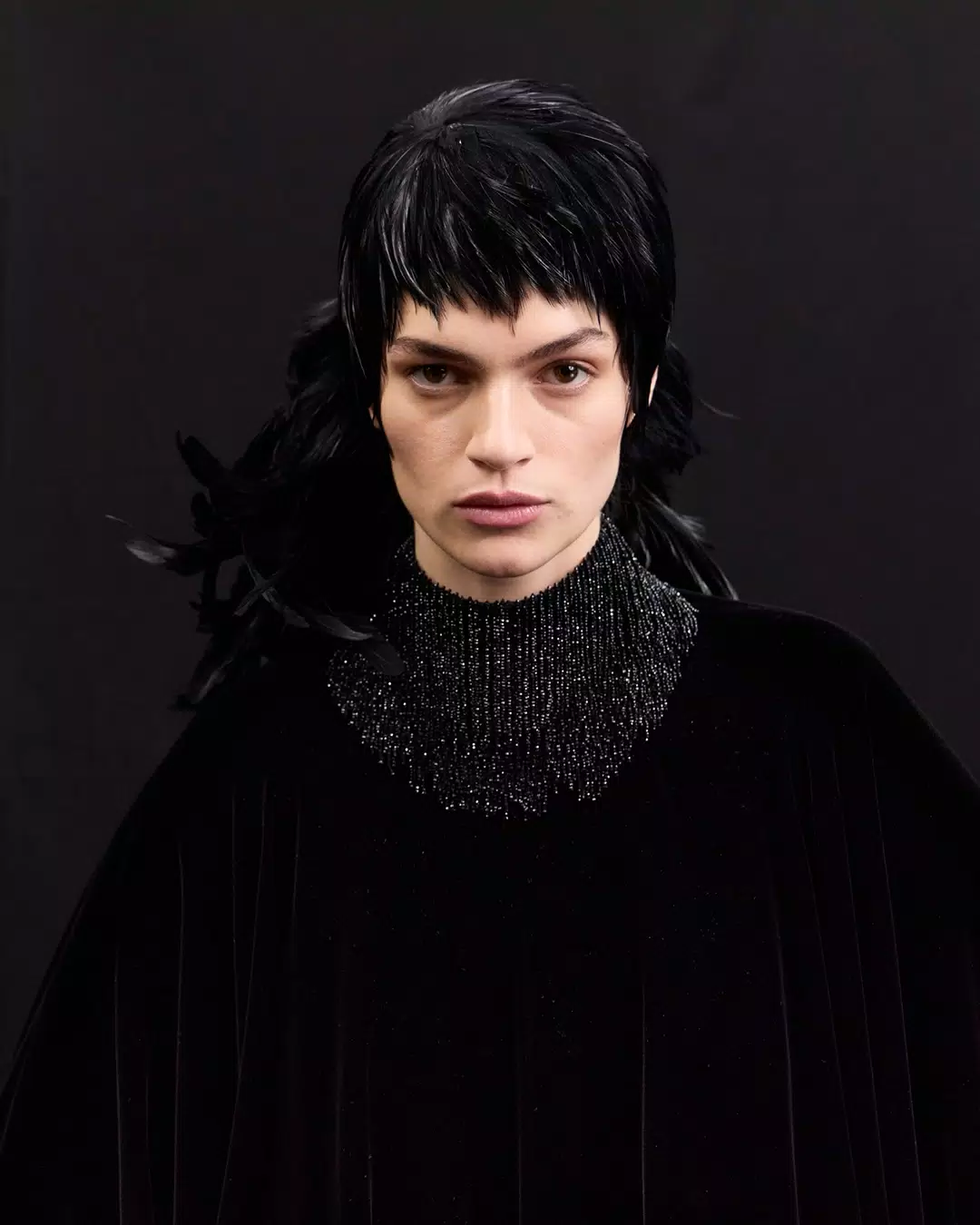
Bora Aksu
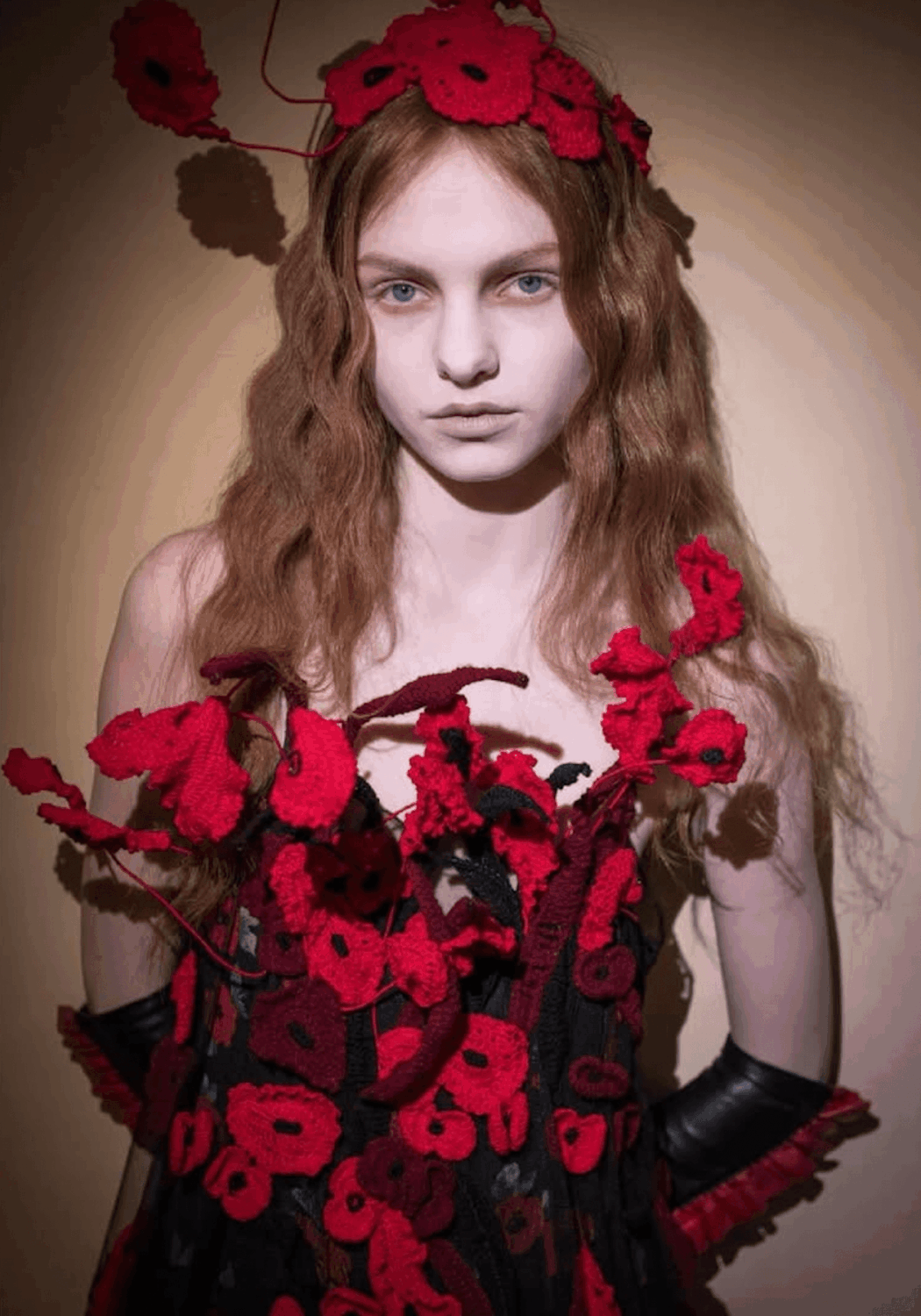
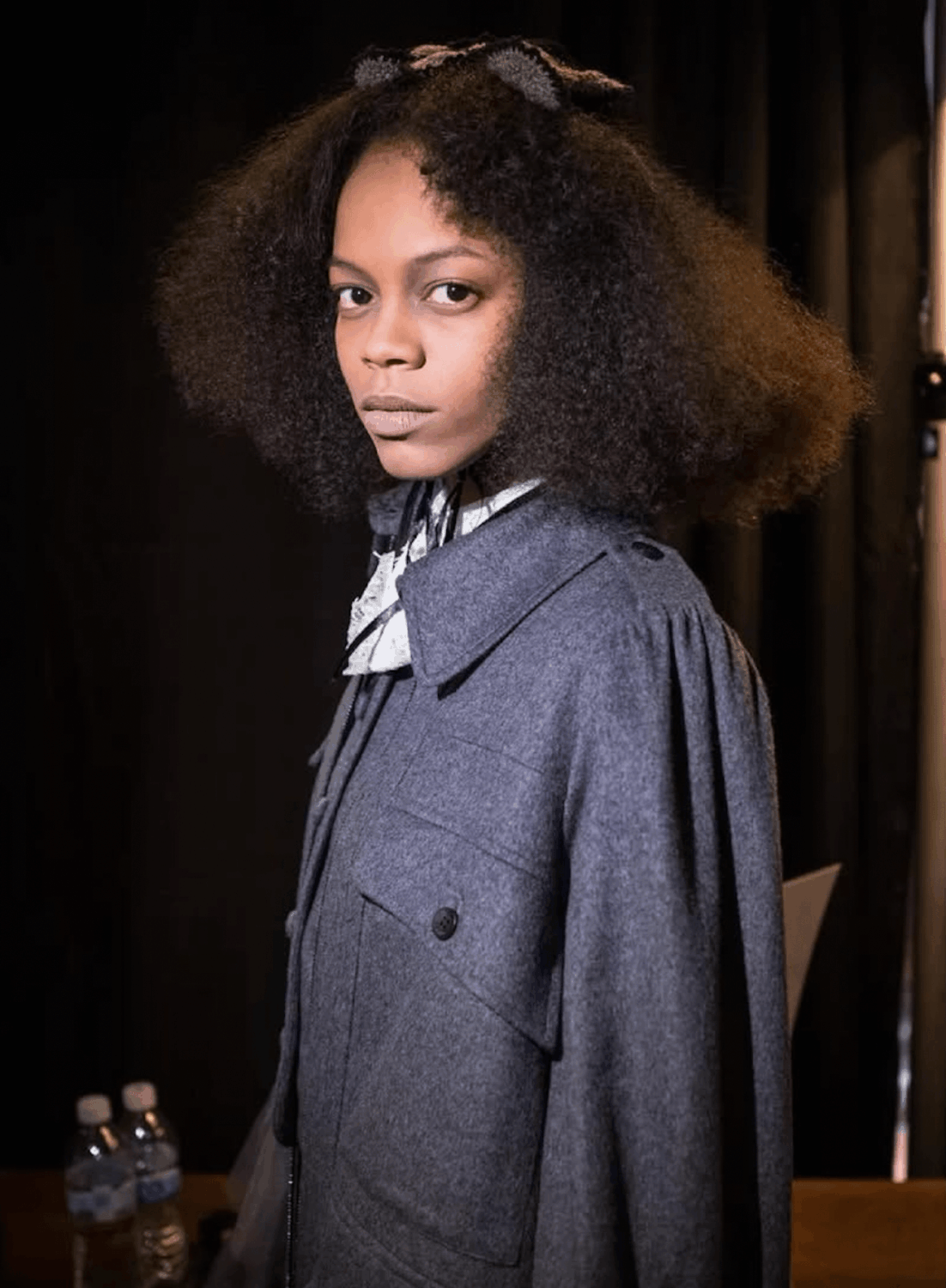
The legend of Sukie, an 18th-century barmaid, shapes Bora Aksu Fall 2026, where desire, violence and haunting structure a narrative reconstructed through fiction in the absence of historical records. The collection moves between an imagined working wardrobe and a spectral return, framing her as both figure and lingering presence.
Chanel
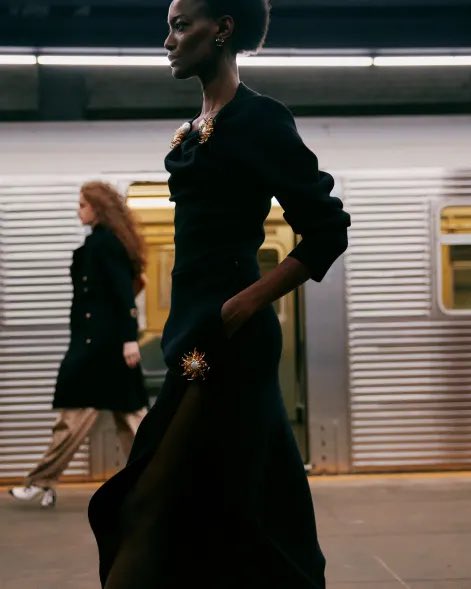
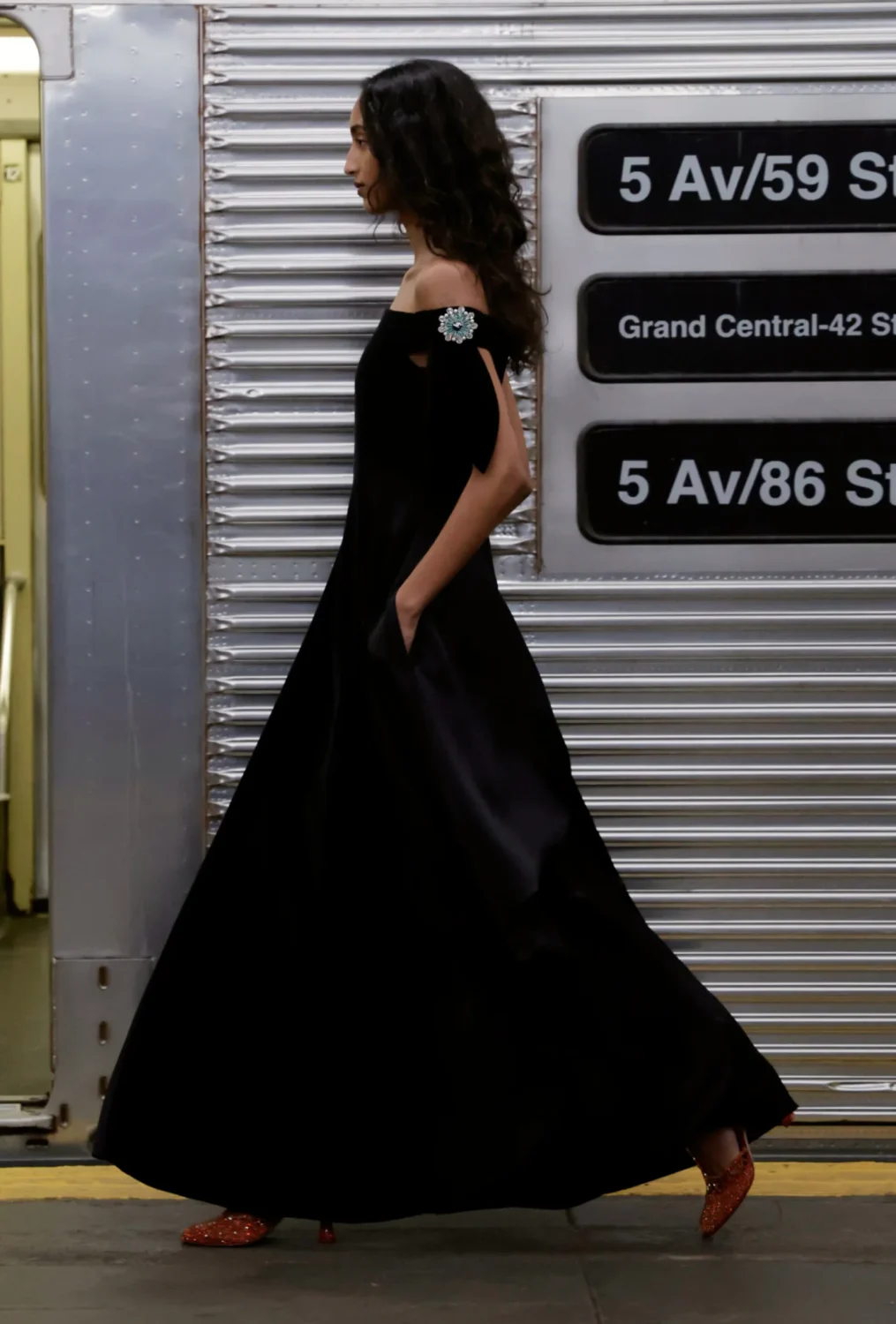
New York archetypes in motion shape Chanel Pre-Fall 2026, Matthieu Blazy’s first Métiers d’art collection for the house, where singular personalities cross paths in the subway and reflect the city’s layered social fabric. Blazy draws on this shared space as one with “no hierarchy,” shaping a wardrobe where identities intersect and femininity shifts towards a form that exists slightly outside the social order.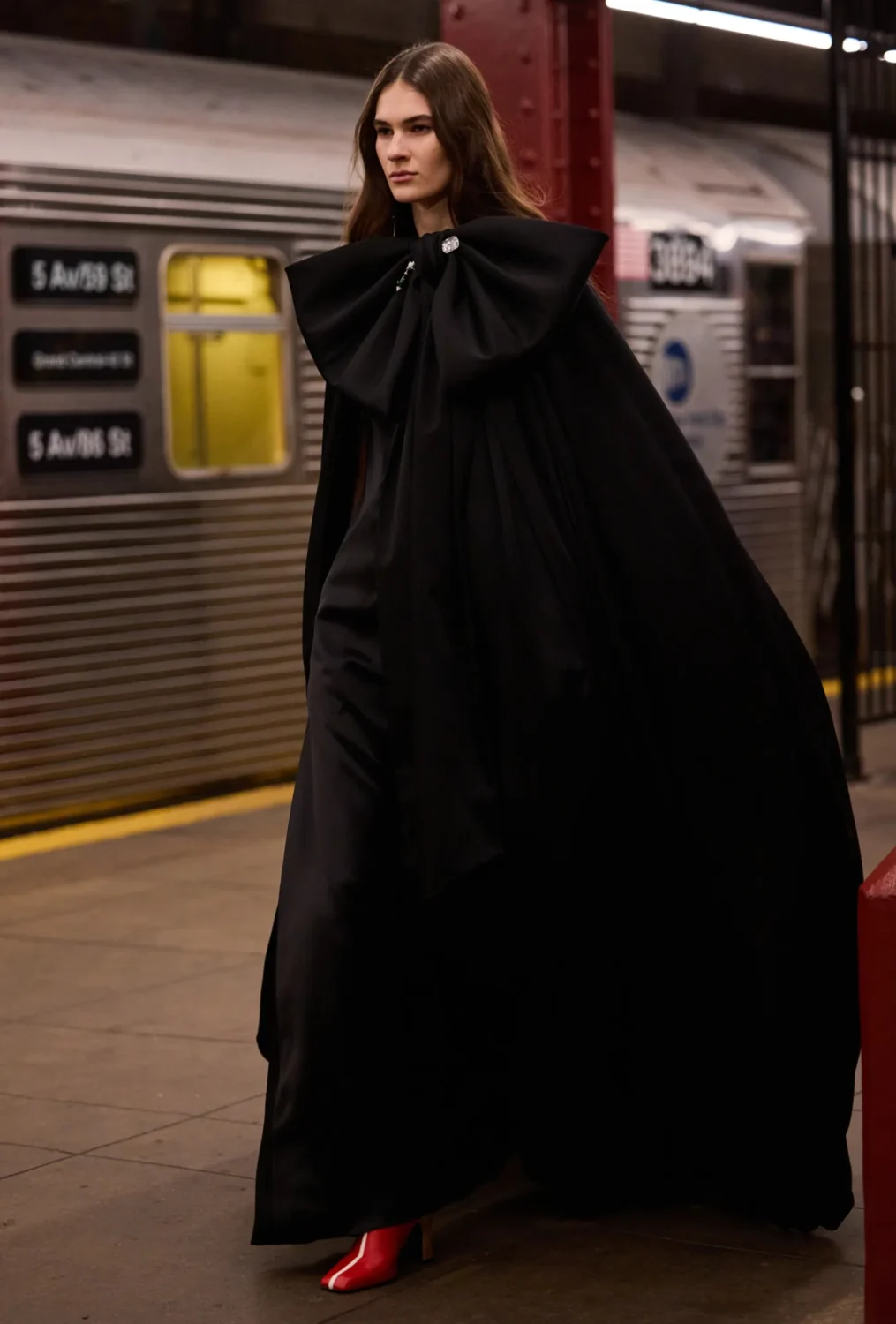
–
«More than ever, it is necessary that the witch remains undomesticated, that she is once again given authority at the threshold of the impossible, the wild, the dangerous and the inexplicable. A force that compels us to question our convictions and pushes us beyond them» – ‘They come at night’, Jùlia Carreras Tort
–
Follow us on TikTok @veinmagazine