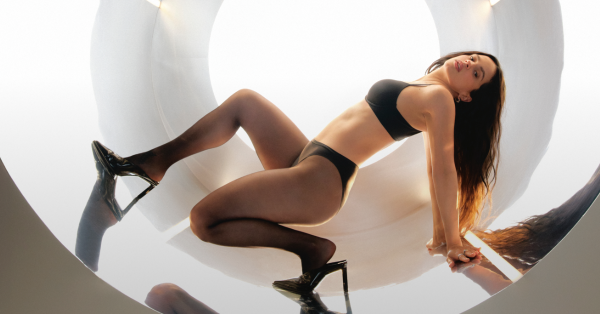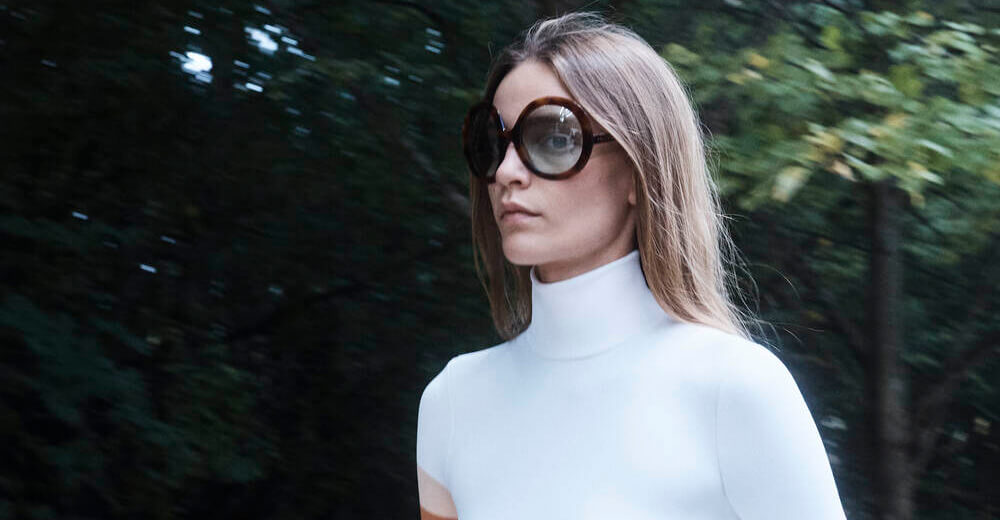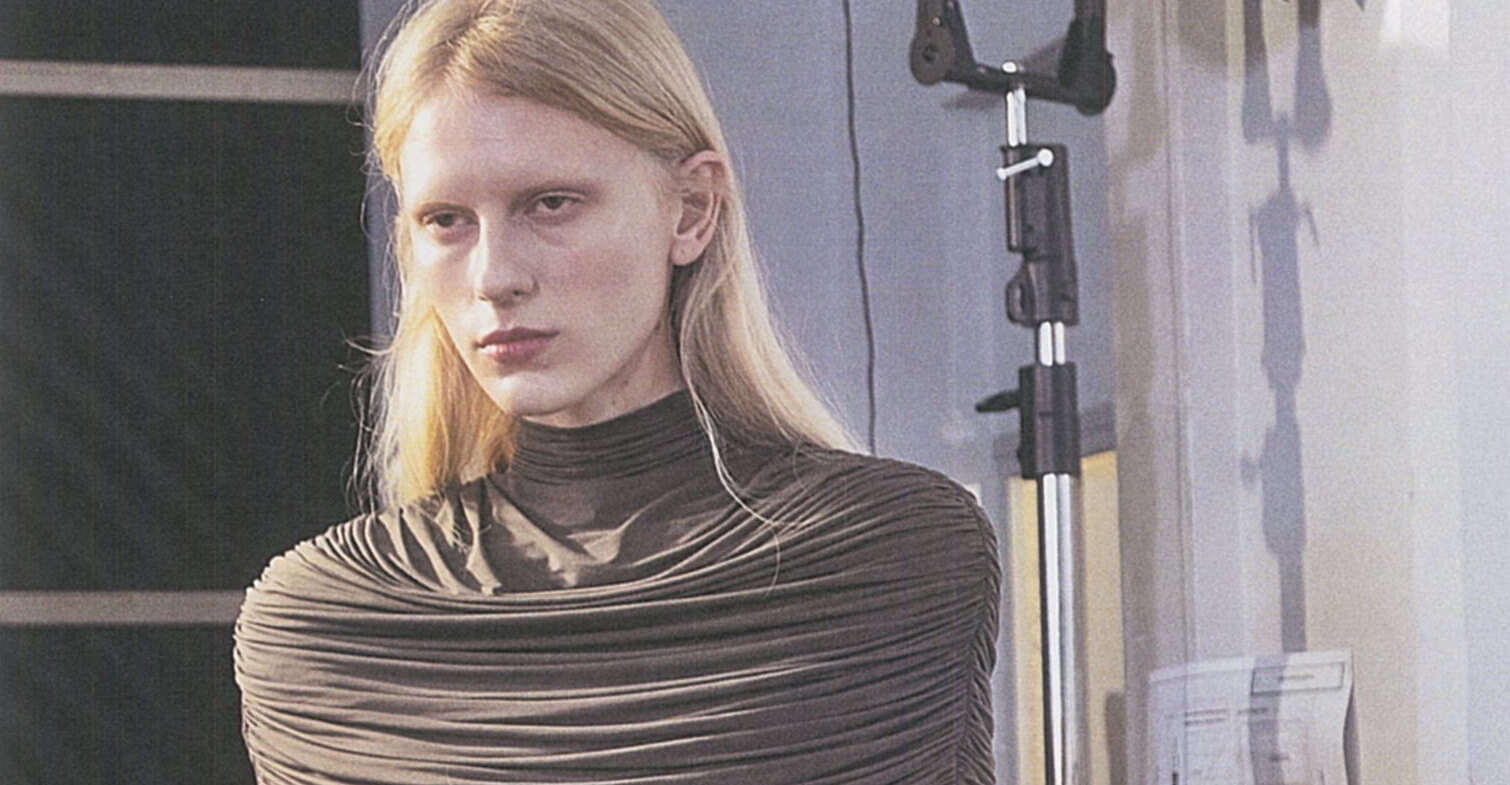
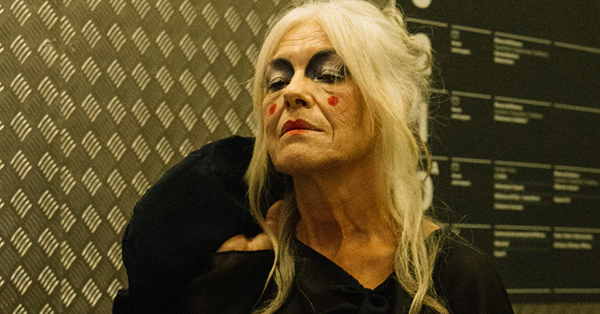
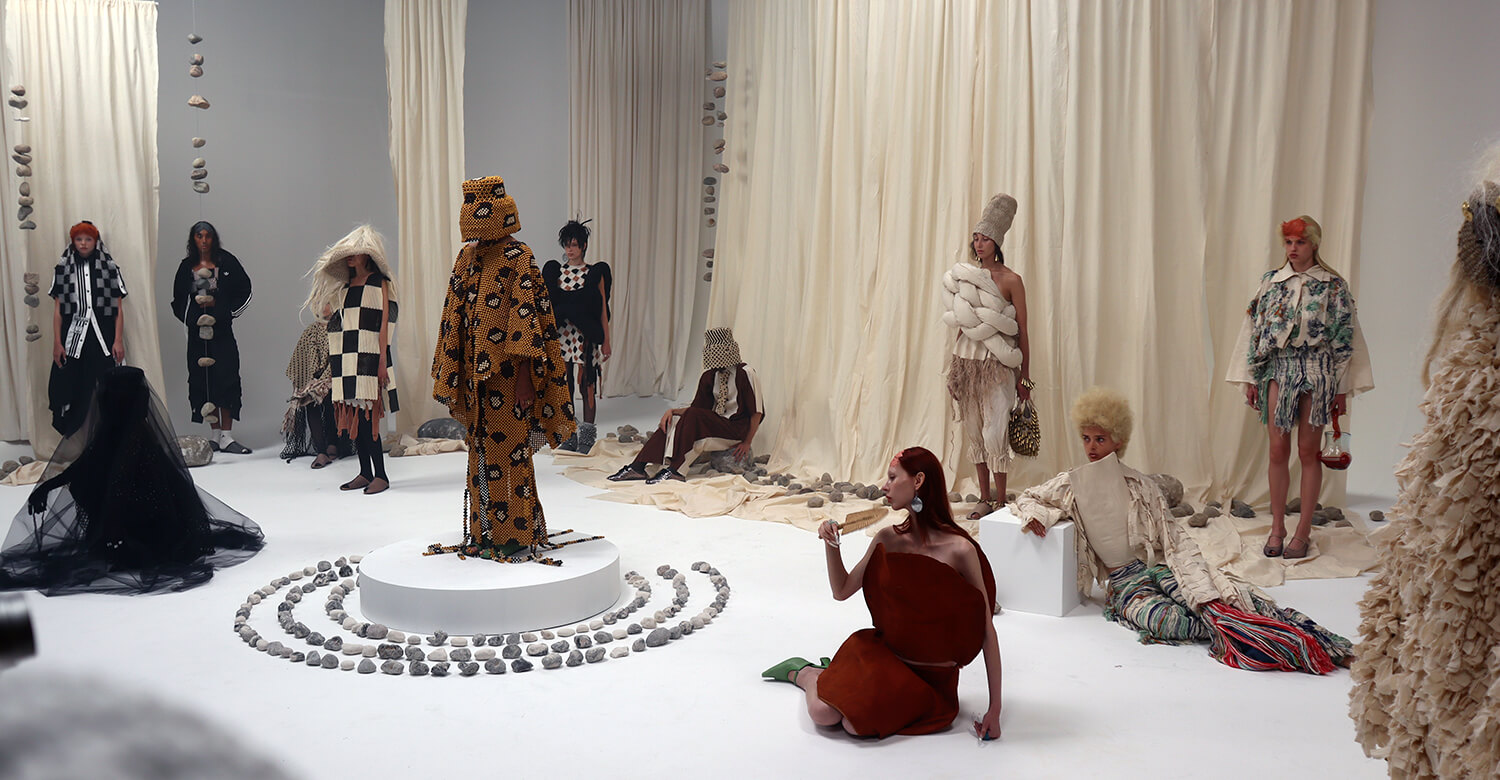
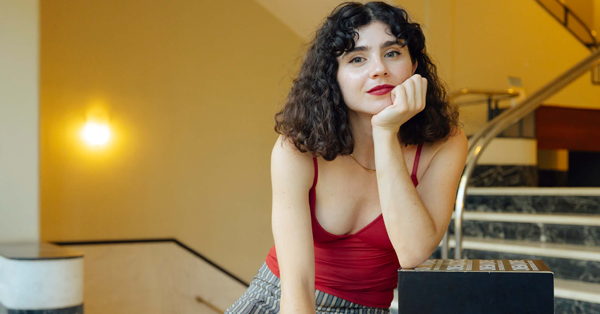


Presented at Mercedes-Benz Fashion Week Madrid, designer María Feijoo Sanmartín explores ‘Ángel de cristal’ (Crystal Angel) through the fragile construction of feminine identity shaped by fantasy, desire and impossibility.
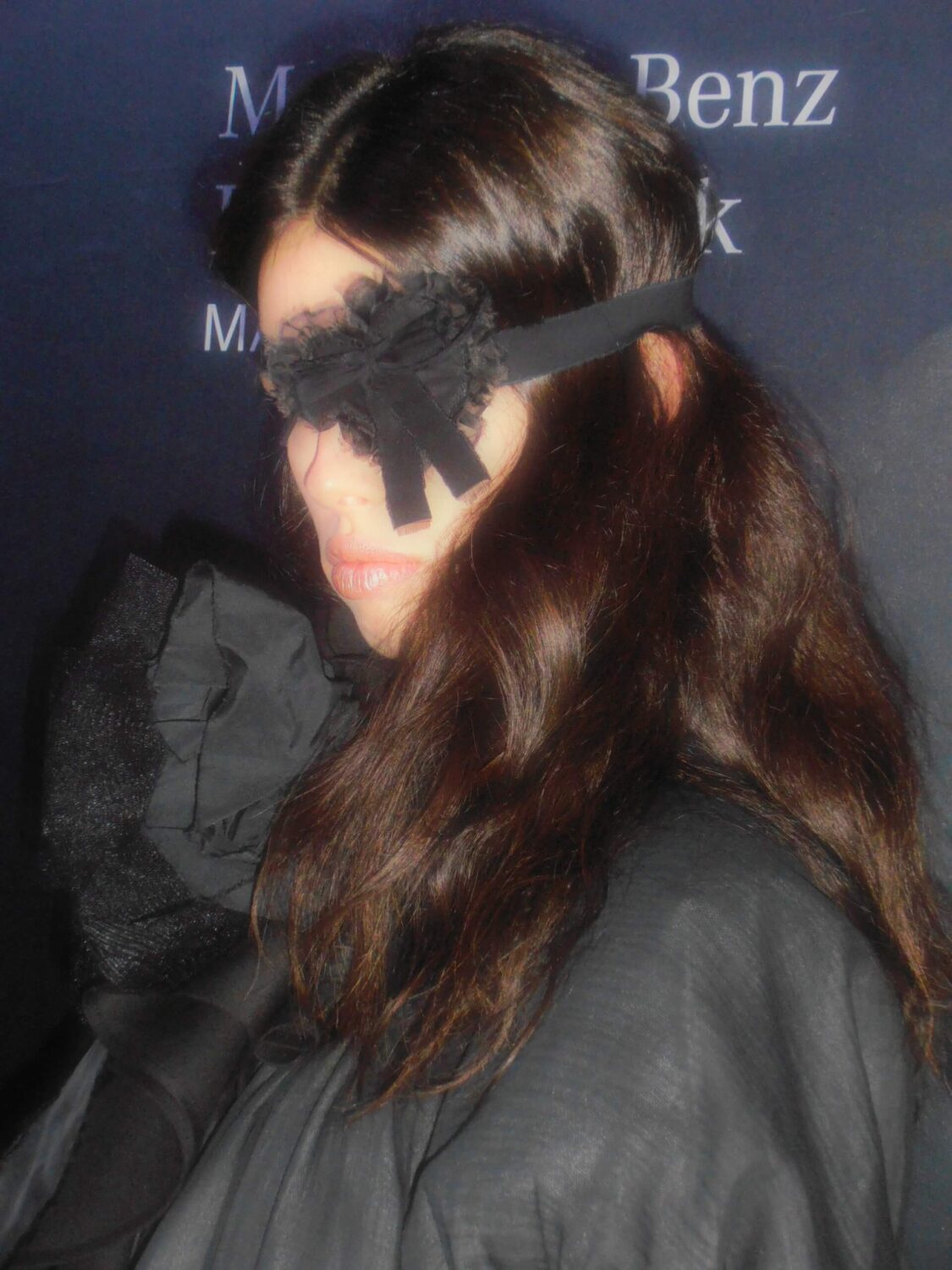
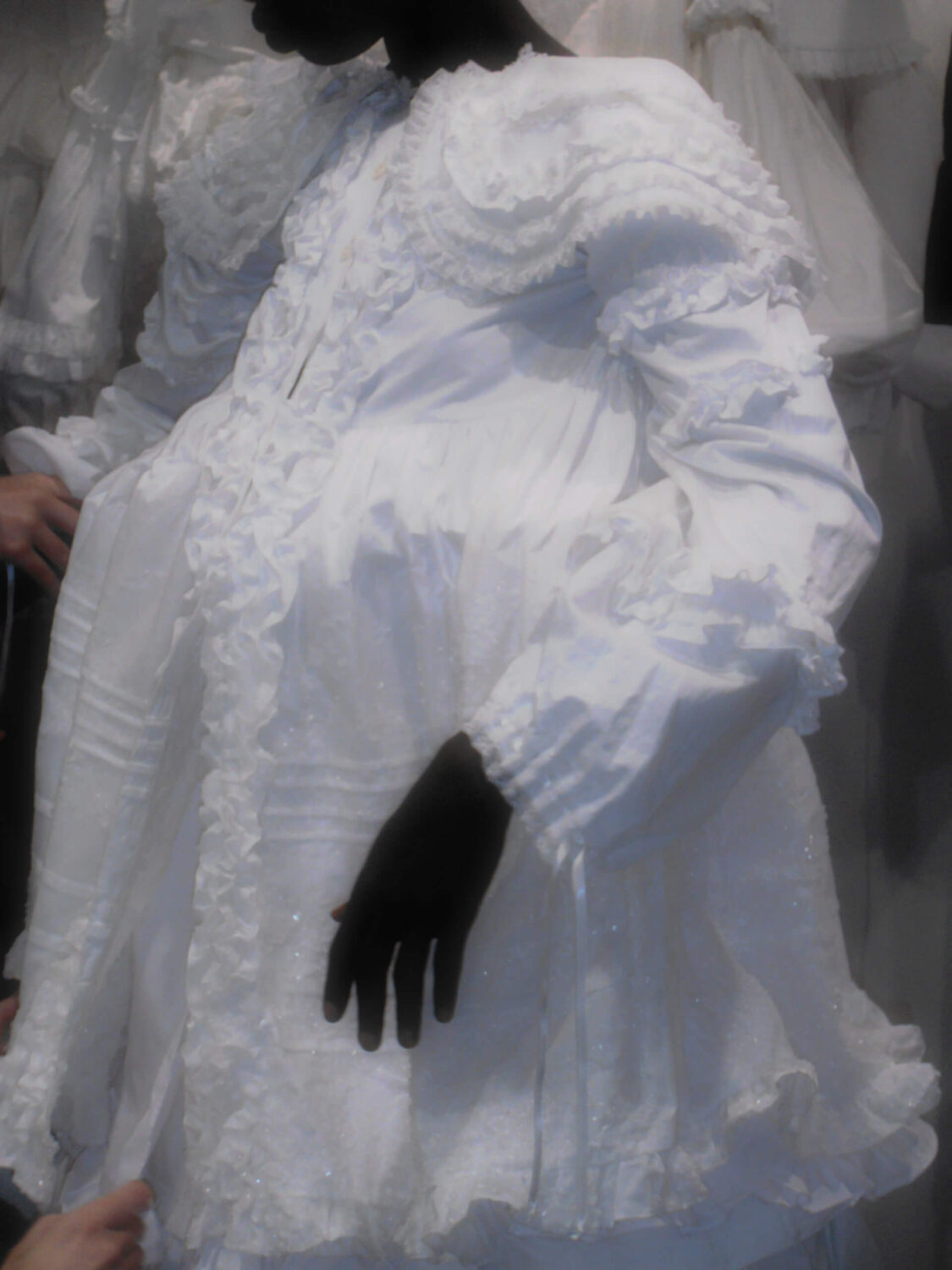
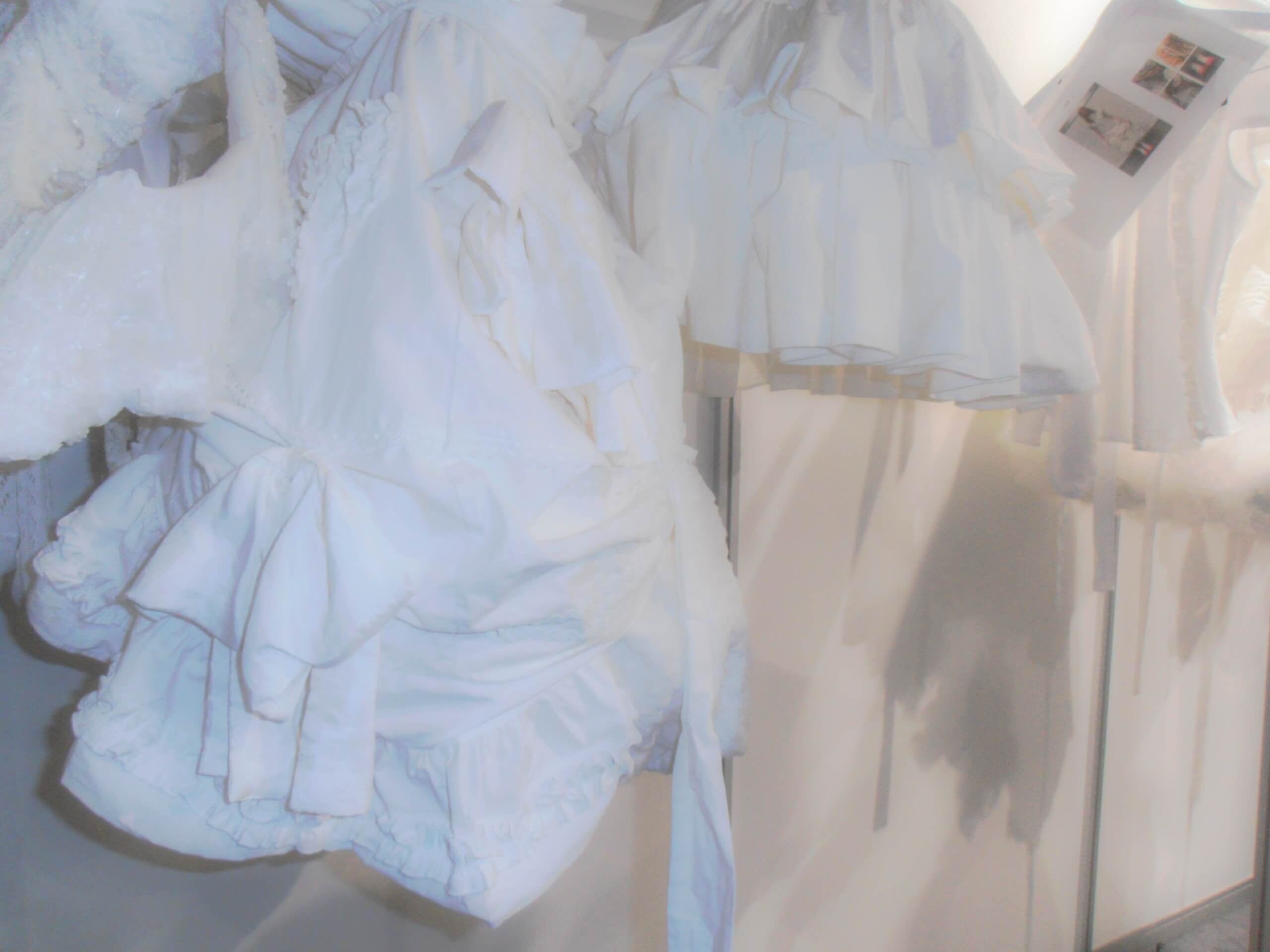
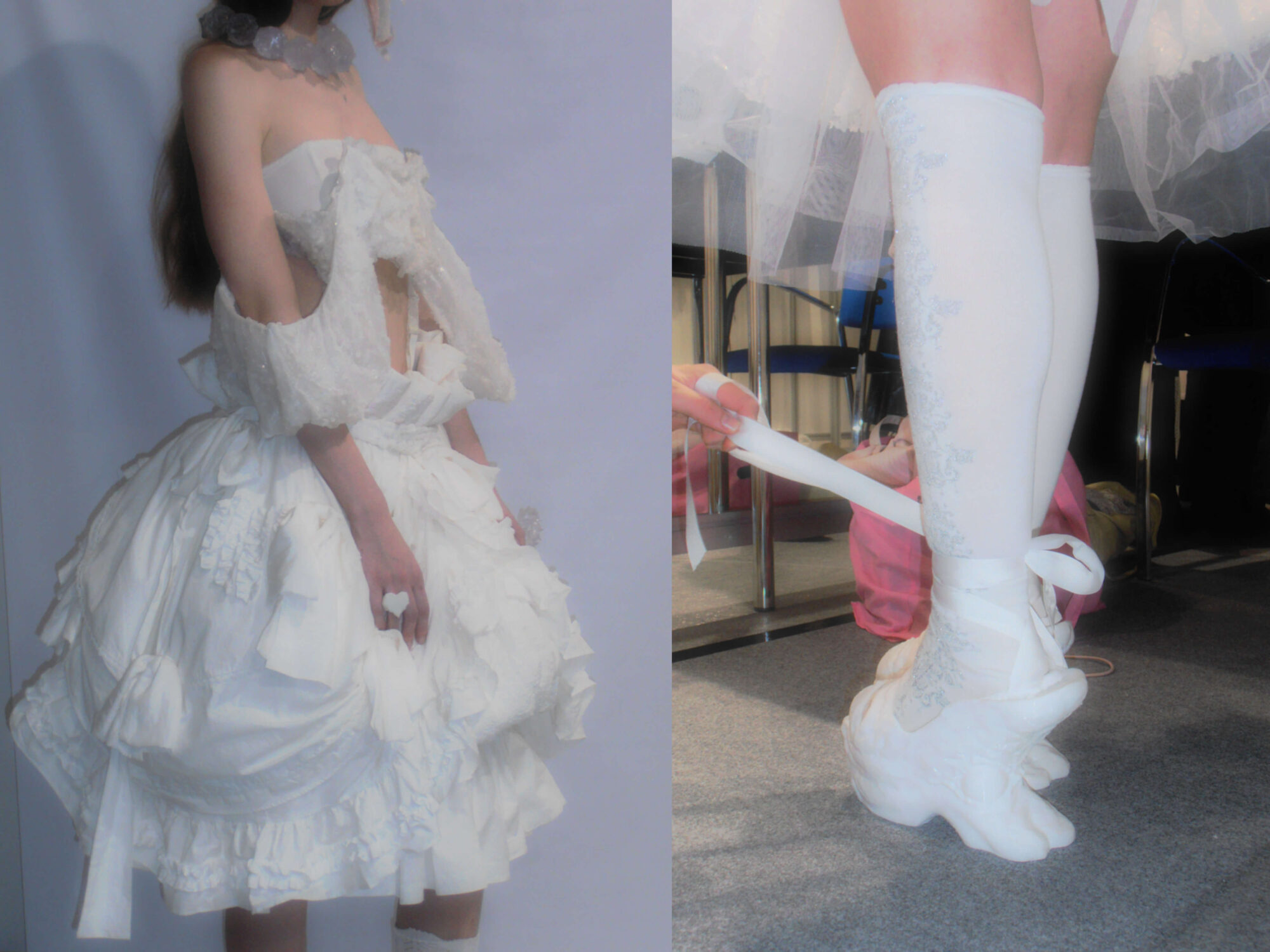
There is something deeply unstable in the idea of perfection, especially when it takes the form of a dress. At Mercedes-Benz Fashion Week Madrid, Mericusan presents ‘Ángel de cristal’, a collection built around The Dreamed Dress, an unattainable ideal of purity, beauty and perfection. White, immaculate, crystallised, it exists more as projection than as object.
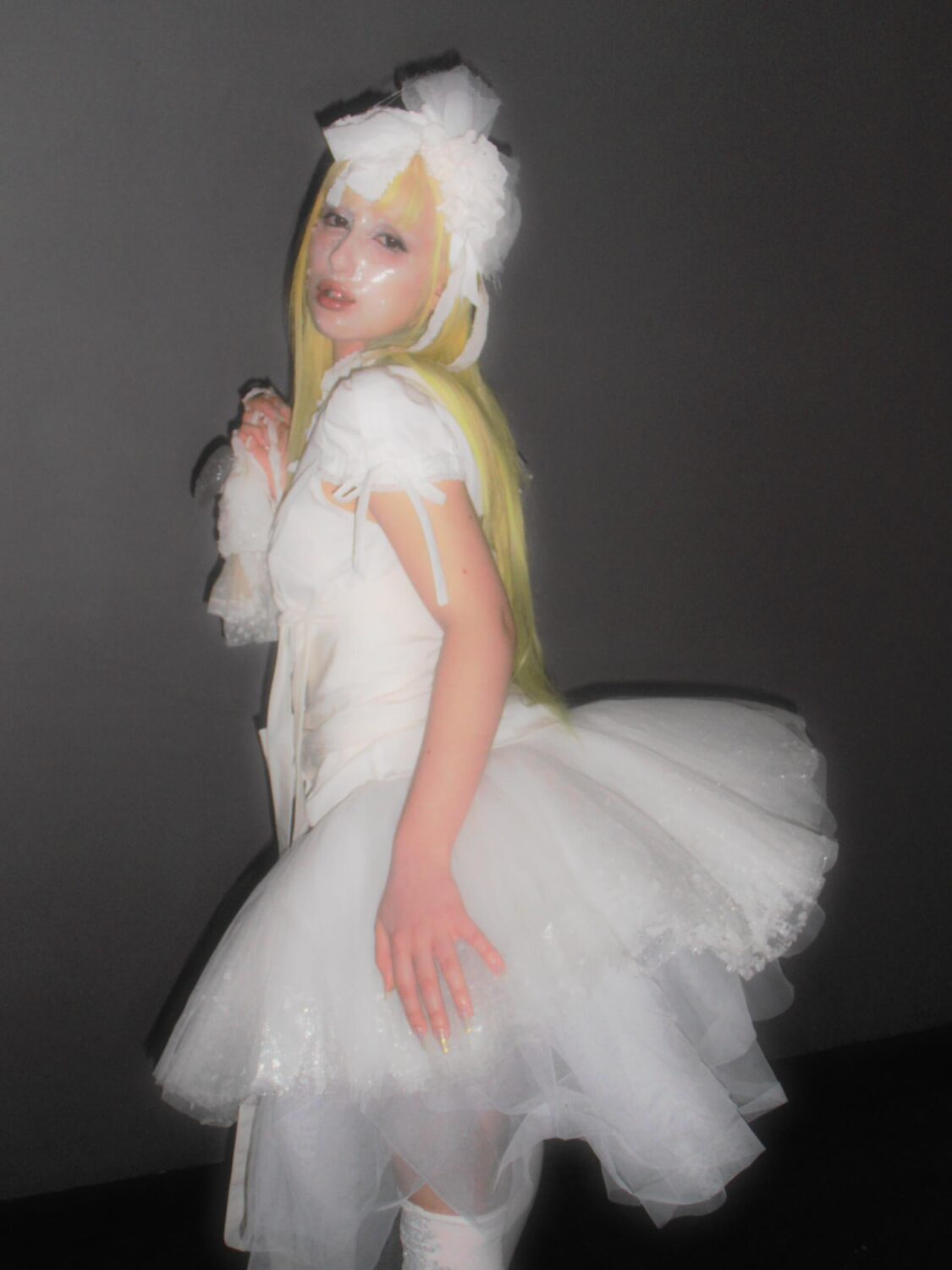
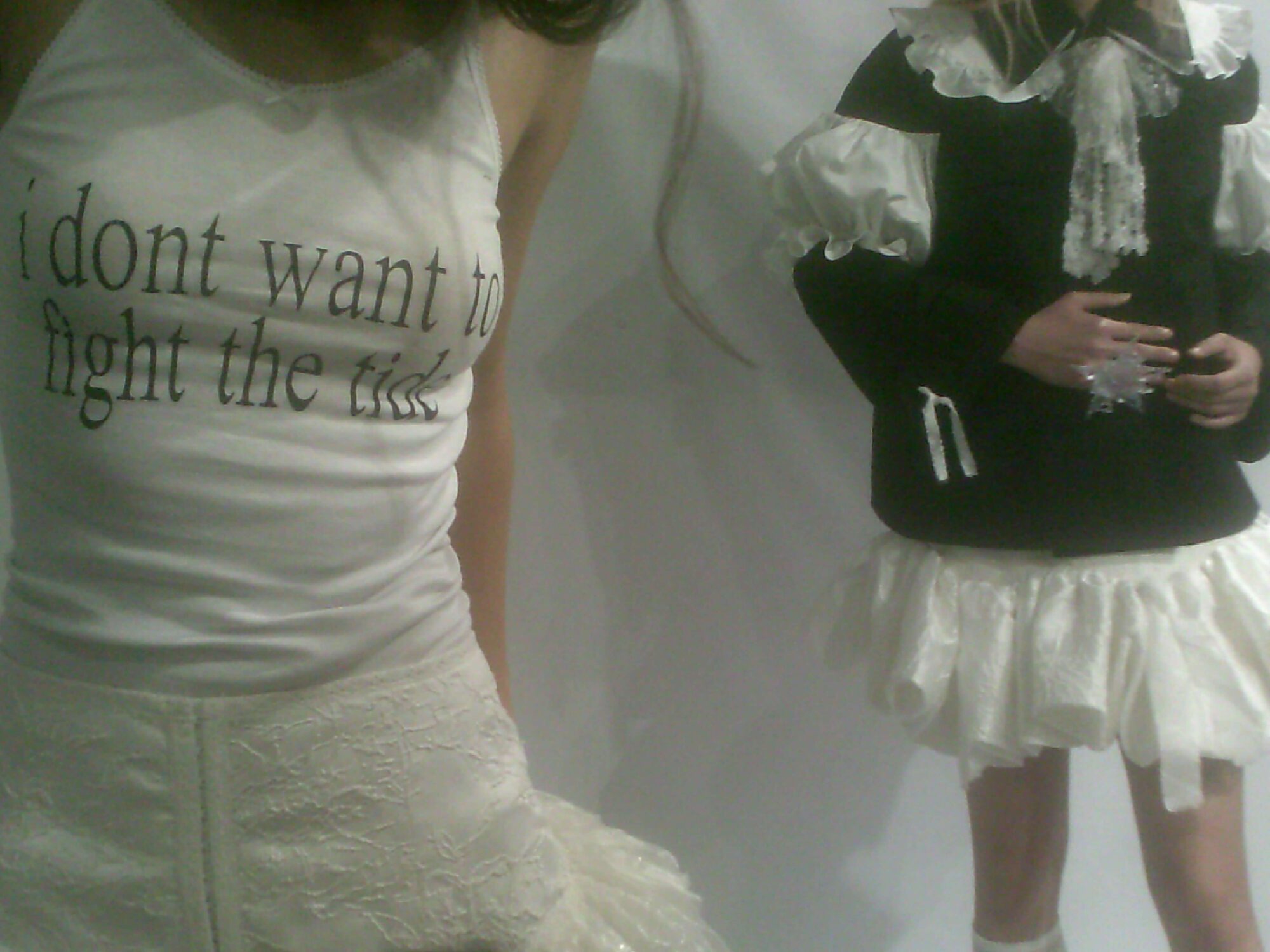
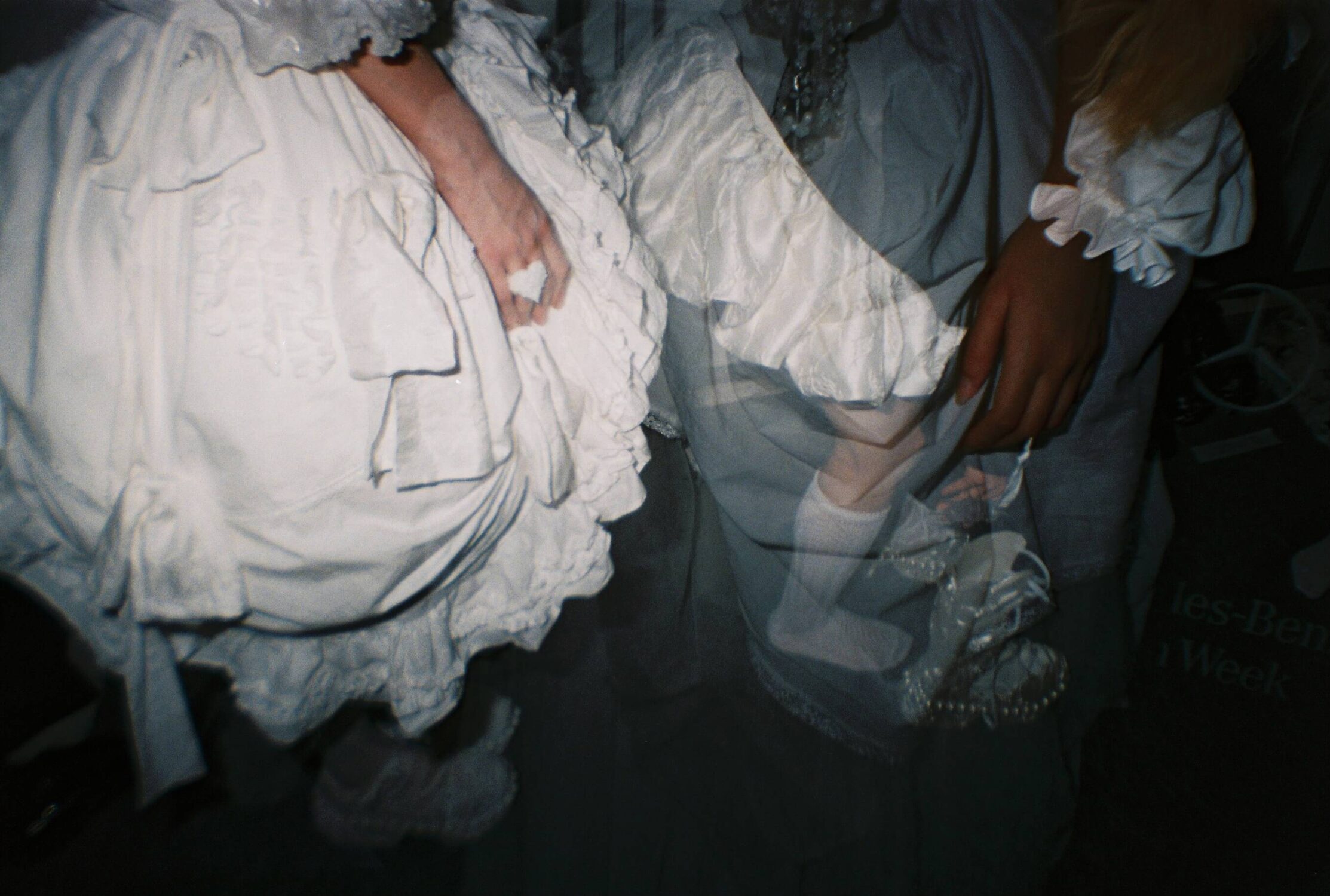
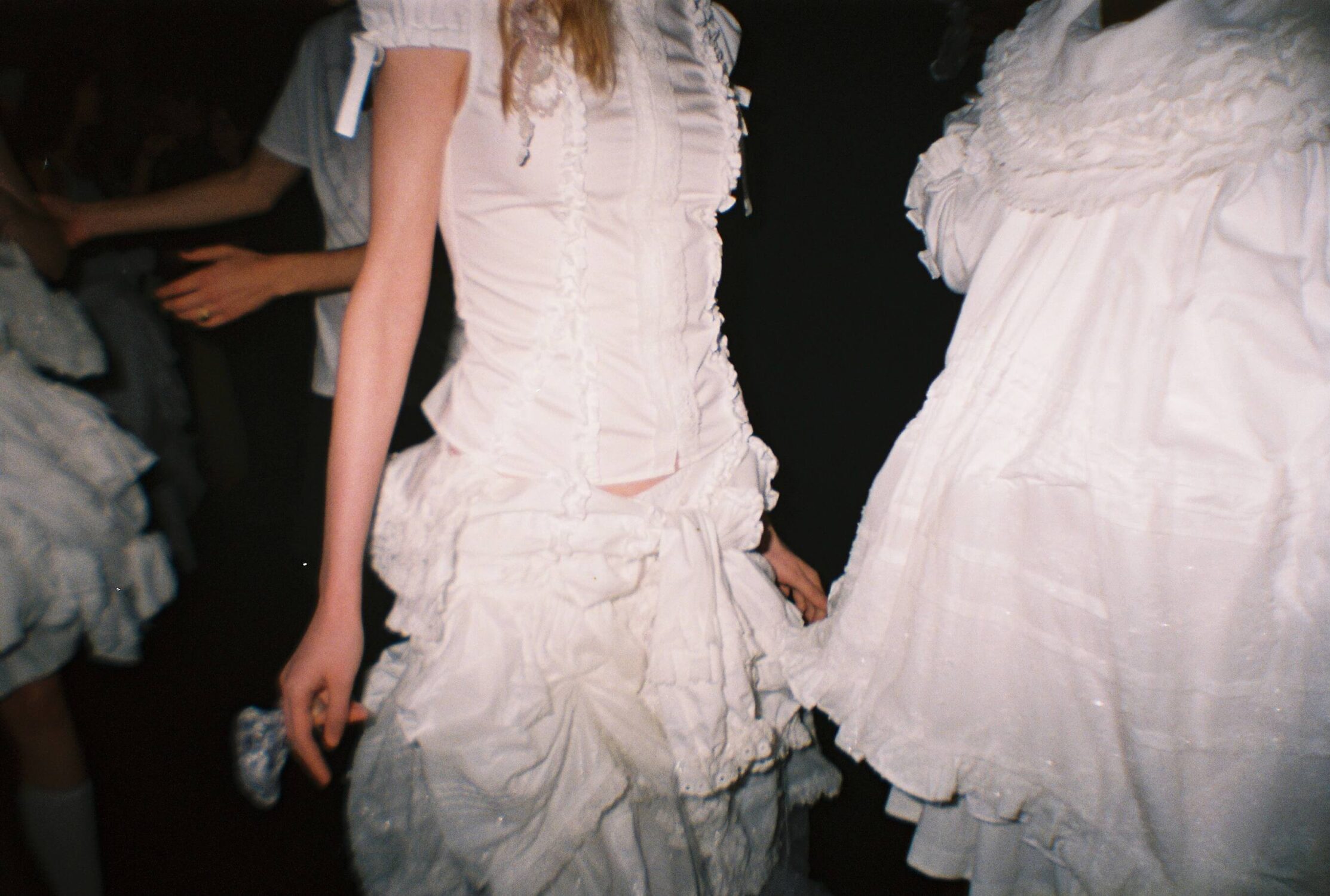
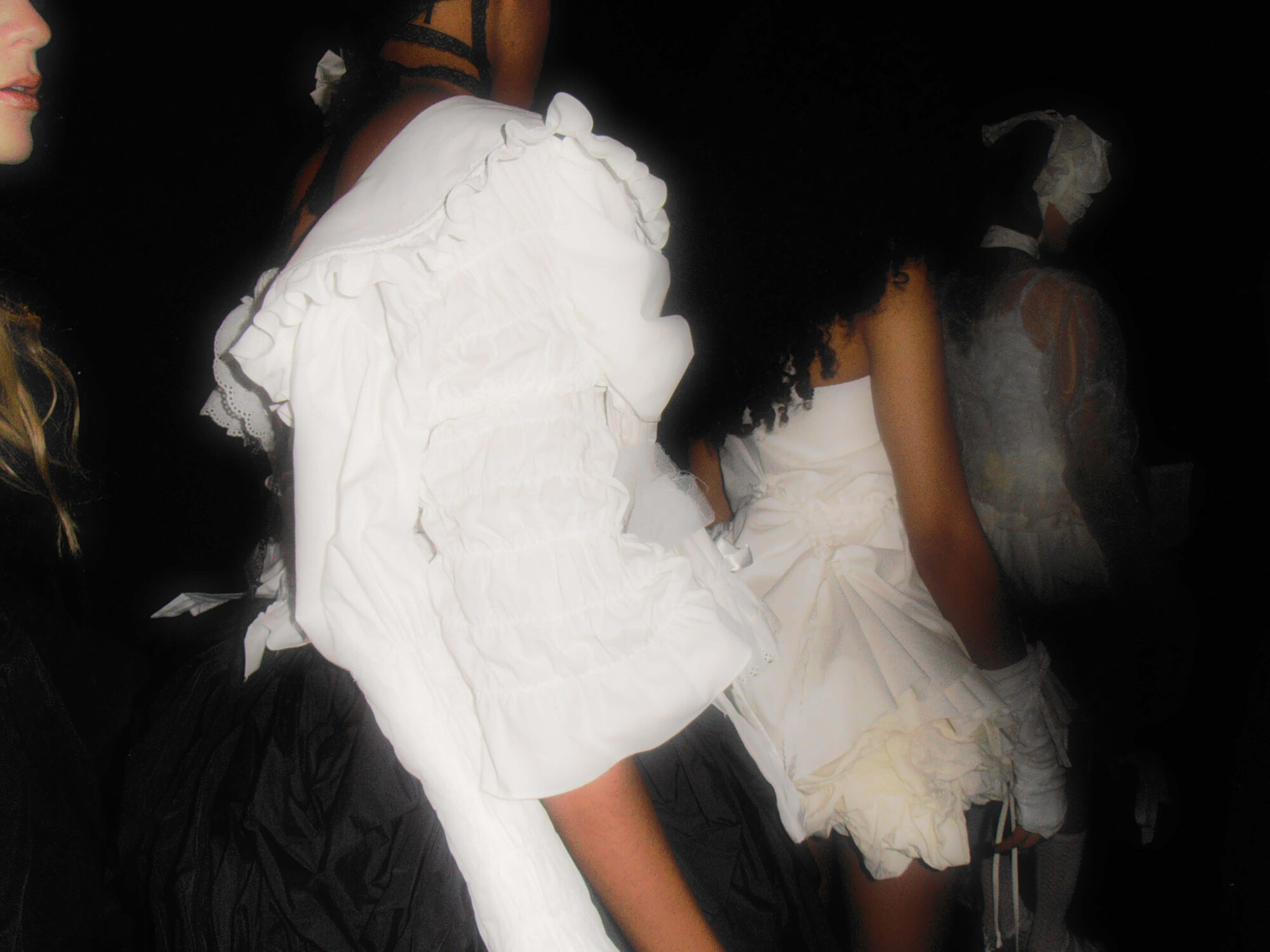
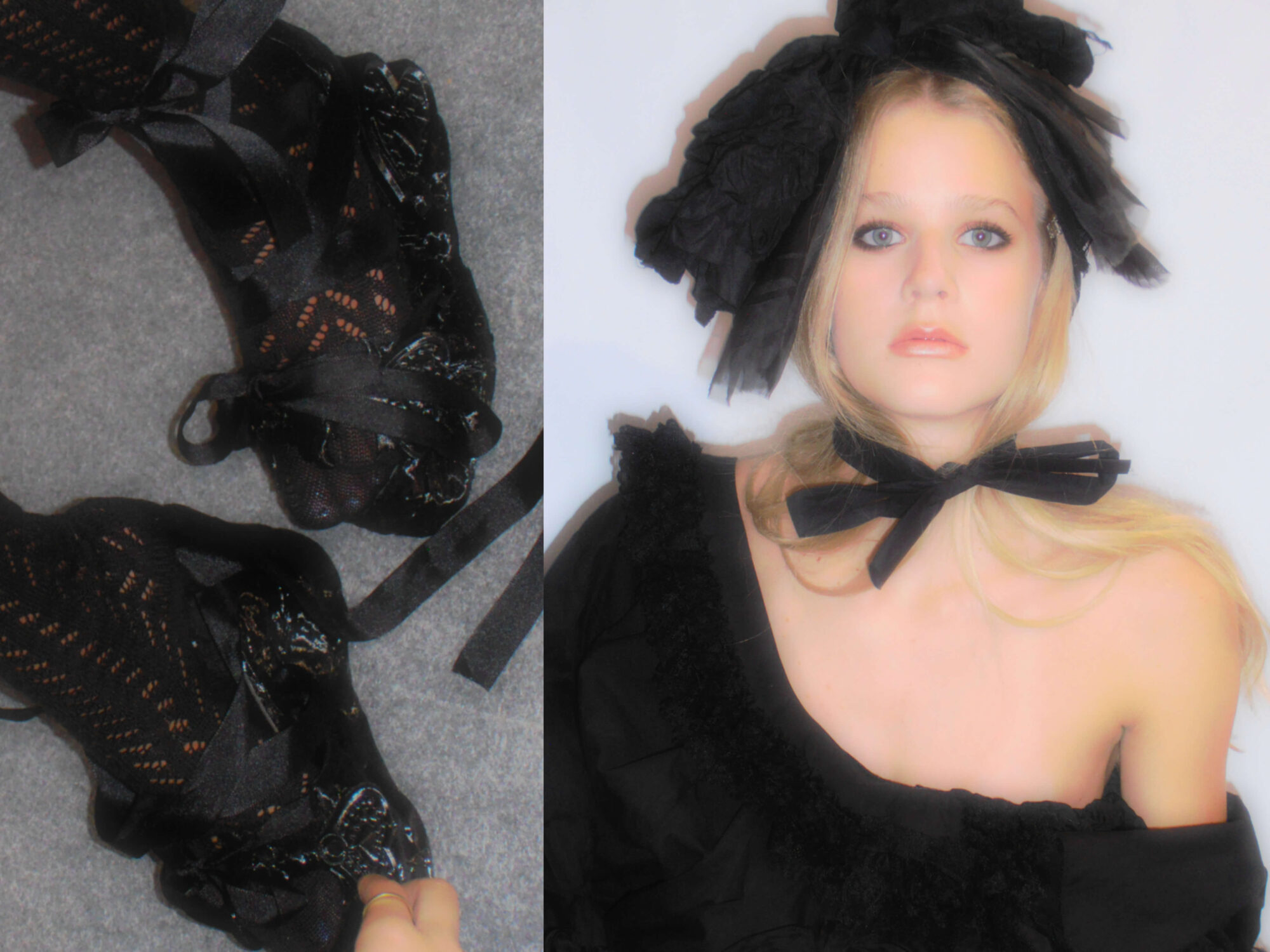
Designed by María Feijoo Sanmartín, the collection draws from 90s anime, shōjo culture and Lolita aesthetics to construct a universe where hyperfemininity appears both desired and questioned. Here, garments move between ornament and protection, fantasy and constraint, opening a space where identity is imagined, performed and destabilised.
When did the idea of ‘The Dreamed Dress’ first appear for you?
I think it emerged as something abstract and undefined, when I began imagining those first white dresses in my mind. As I moved forward, the idea of closing the collection with a very special dress started to take shape: immaculate, white, covered in crystals. In the end, I realized that this dress is impossible to materialize, because that is precisely its nature.
What draws you to something you know you can’t fully reach?
Perfectionism, the inability to stop trying, or to control that impulse to achieve what your mind desires.
Why shojo, magical girls and 90s anime? What do they give you?
I think it comes from a sense of childhood nostalgia, and from making peace with that hyperfemininity I rejected during adolescence. I find in shōjo a way of expressing an exaggerated, “perfect” feminine identity, one that is also fragile, and in some way, tormented.
What interests you more in Lolita aesthetics: how they look, or what they say?
It’s precisely the symbiosis of the two: the aesthetic and the meaning. It’s something that clicks in my mind when those two elements come together so seamlessly.
Your work moves between fragility and resistance. How do you build that into the clothes?
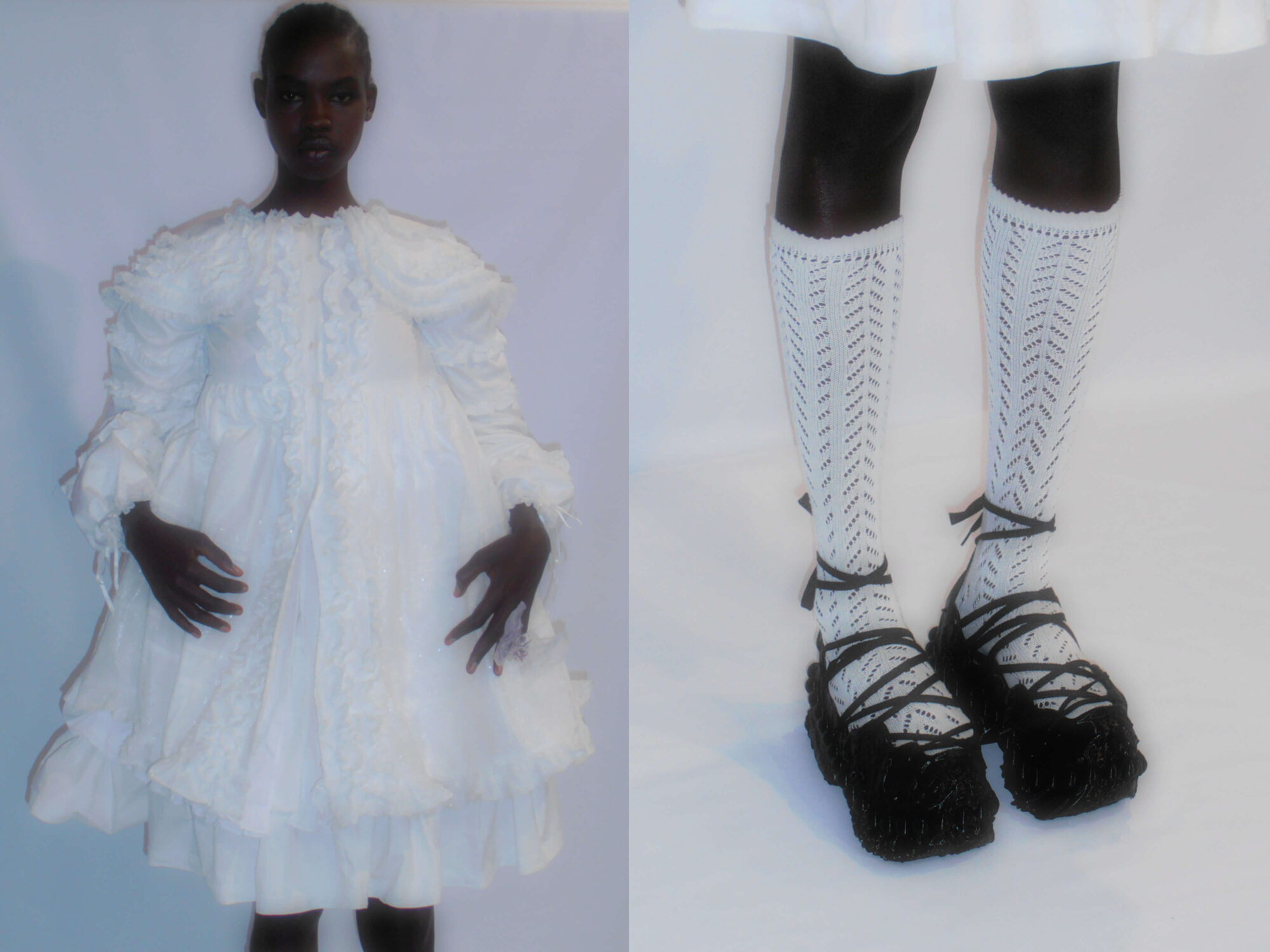
I like working with opposing languages, materials, or colors that reflect that tension. This time, through contrasts in volume, the intervention of fabrics with crystallization and heat, and the combination of organic and synthetic textiles. In previous projects, I’ve followed this same philosophy to explore the duality between beauty-fragility and resistance-emptiness.
How did you work the materials to get that feeling of tension?
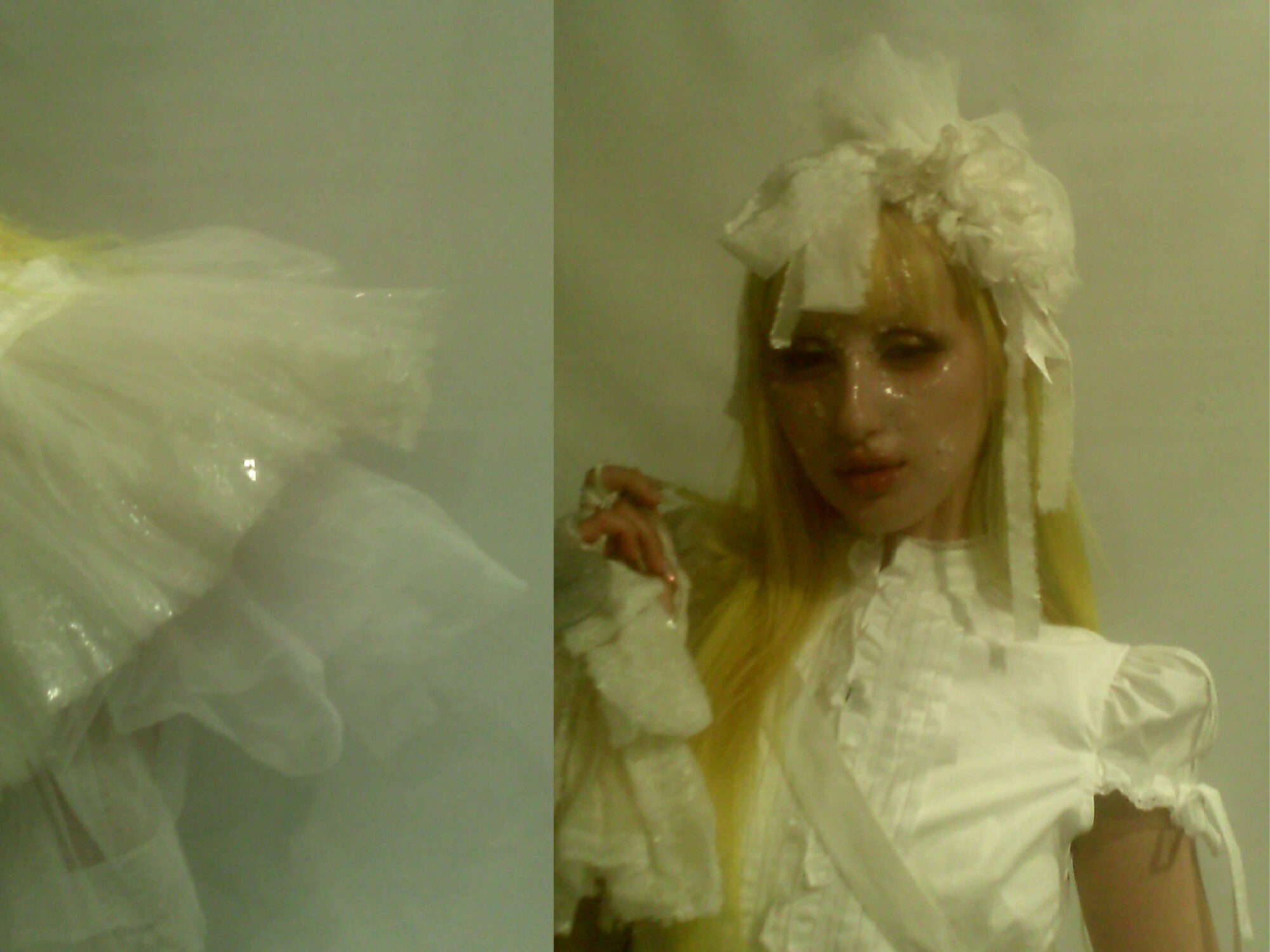
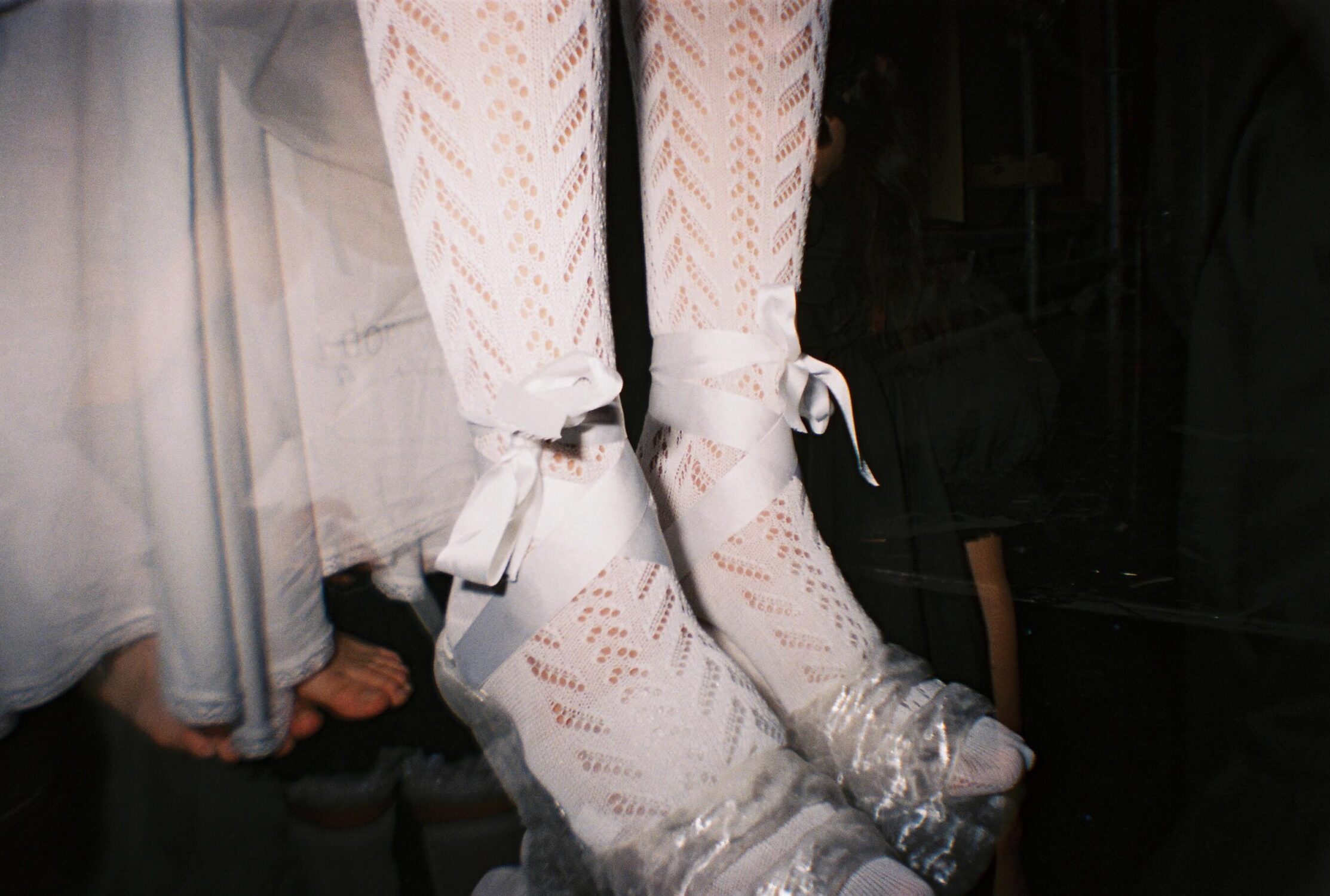
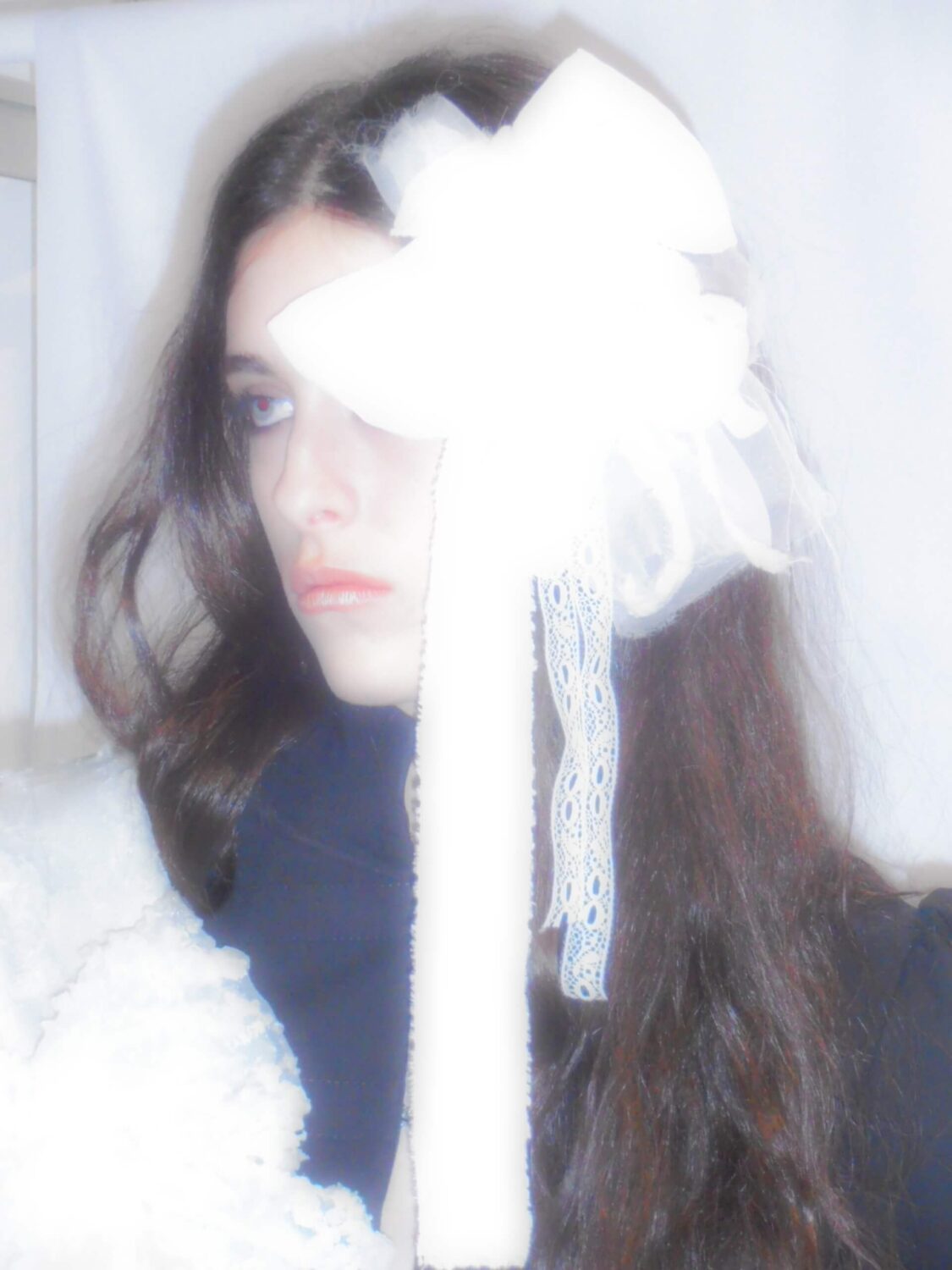
This time, I worked with crystals, which convey that same dichotomy: they embellish the fabric while also acting as a kind of rigid armor. These dresses, headpieces, even the hairpieces, become both ornament and protection for the person wearing them.
At what point does dressing up stop being freedom and start being a limit?
I think there’s always something that limits us when it comes to projecting our image to others, at least from the way I understand it. But that doesn’t mean it stops being liberating, fun, or fulfilling.
How do you mix Victorian, baroque and Japanese references without looking back?
It’s true that much of my imagery lives in the past, but I think that’s precisely what makes it interesting, that 90s fantasy nostalgia. In the end, what matters most is having those cultural references very clear and deeply rooted within me, so I have a base to start from, and to continually return to. All the trends and microtrends that emerge over time are also influences I love to analyze and incorporate into my world, but I see them more as complementary details.
Did showing at EGO change how you thought about the collection?
Yes, in the end there are processes like fittings, building the runway order, pairing it with a certain type of sound and visuals, that really enrich the collection. In particular, it was when deciding the order of the looks on the runway that I was finally able to clearly see the story I wanted to tell.
Is fantasy a place to escape, or a way to face reality?
It depends on the day. Today, without a doubt, a place to escape.
What are you still trying to understand after this collection?
Mostly, I wonder how many more fashion projects I can create while still speaking about the same thing. 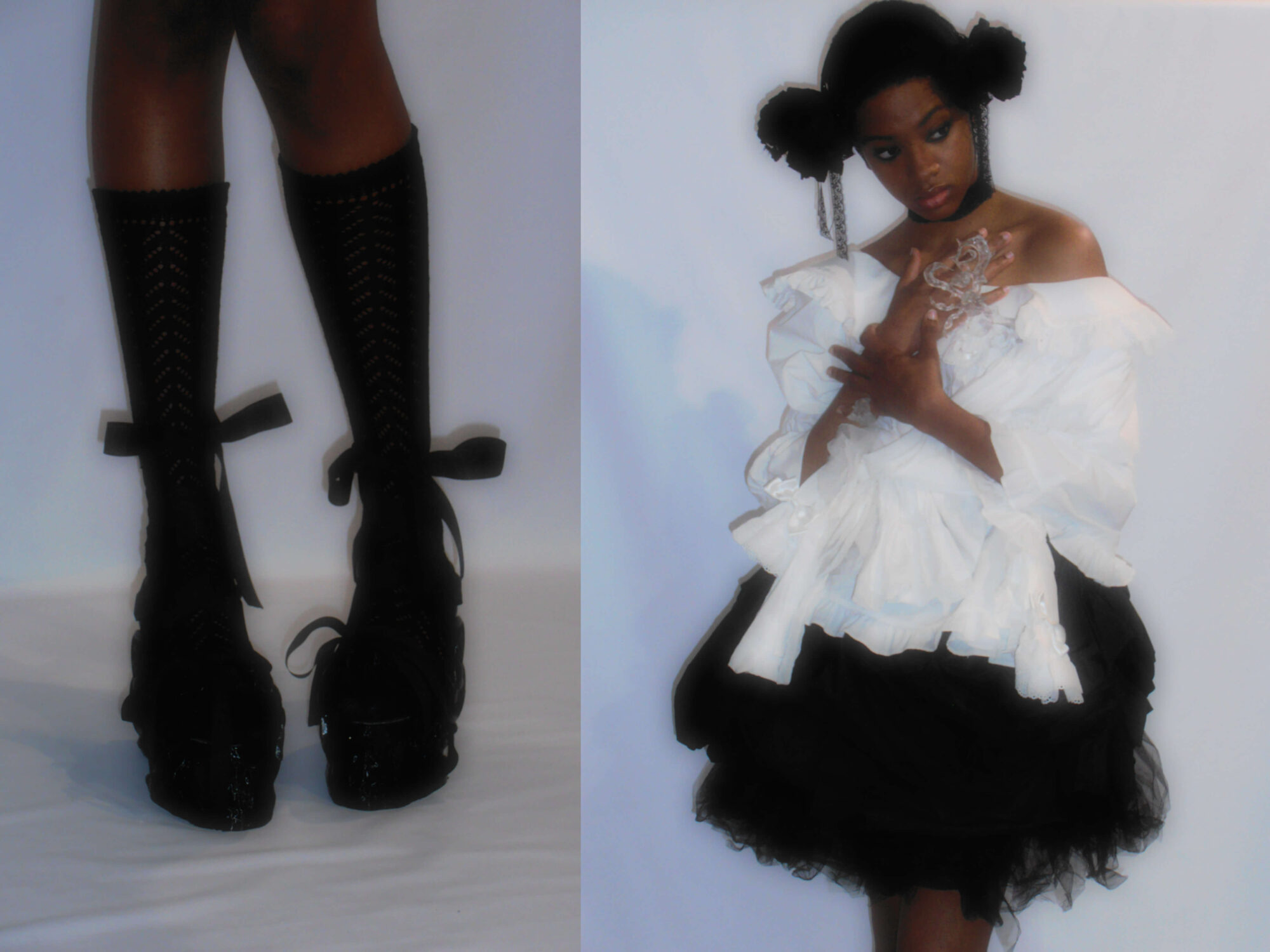
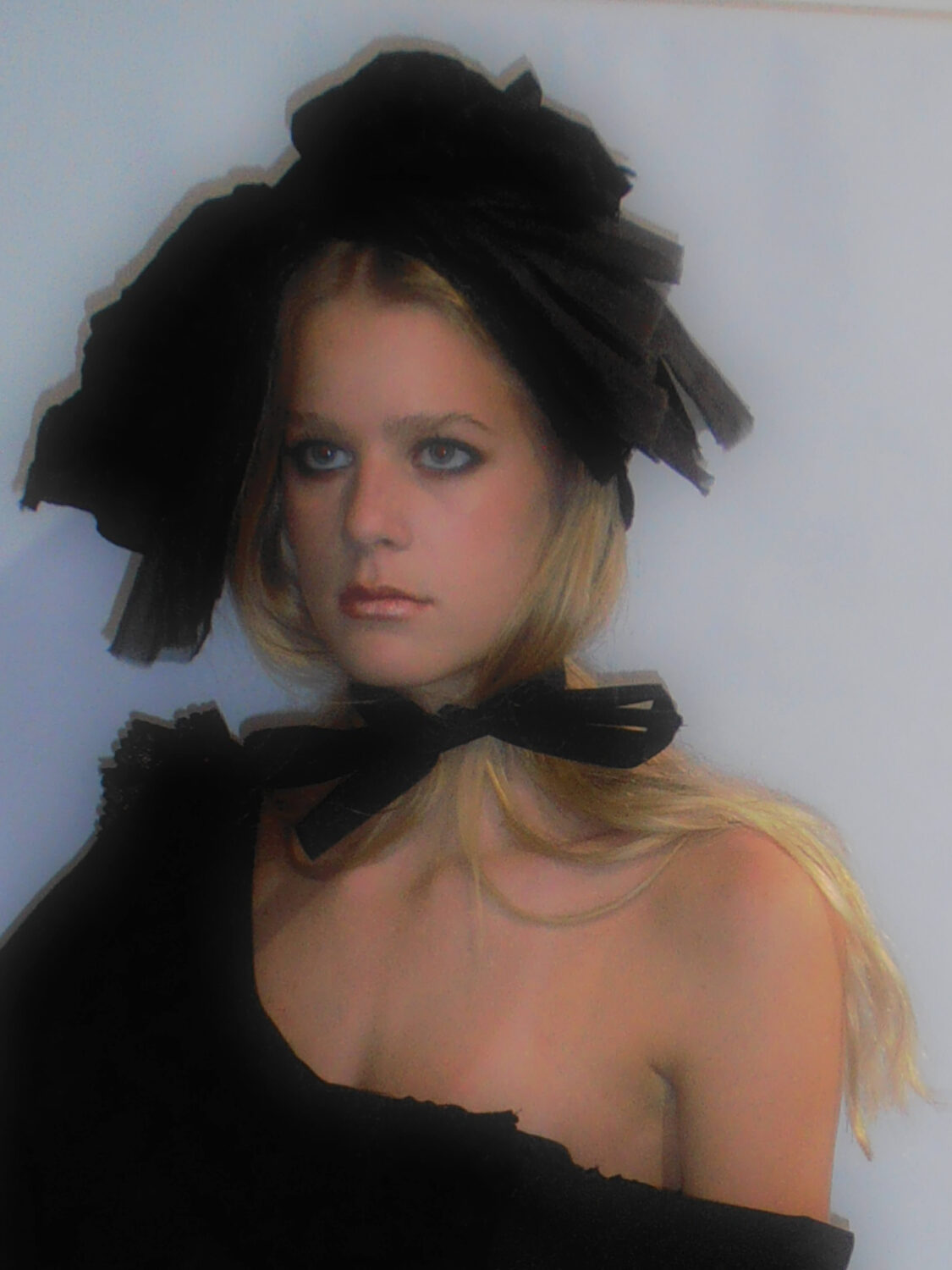
Photography by @dianadot_
–
Follow us on TikTok @veinmagazine