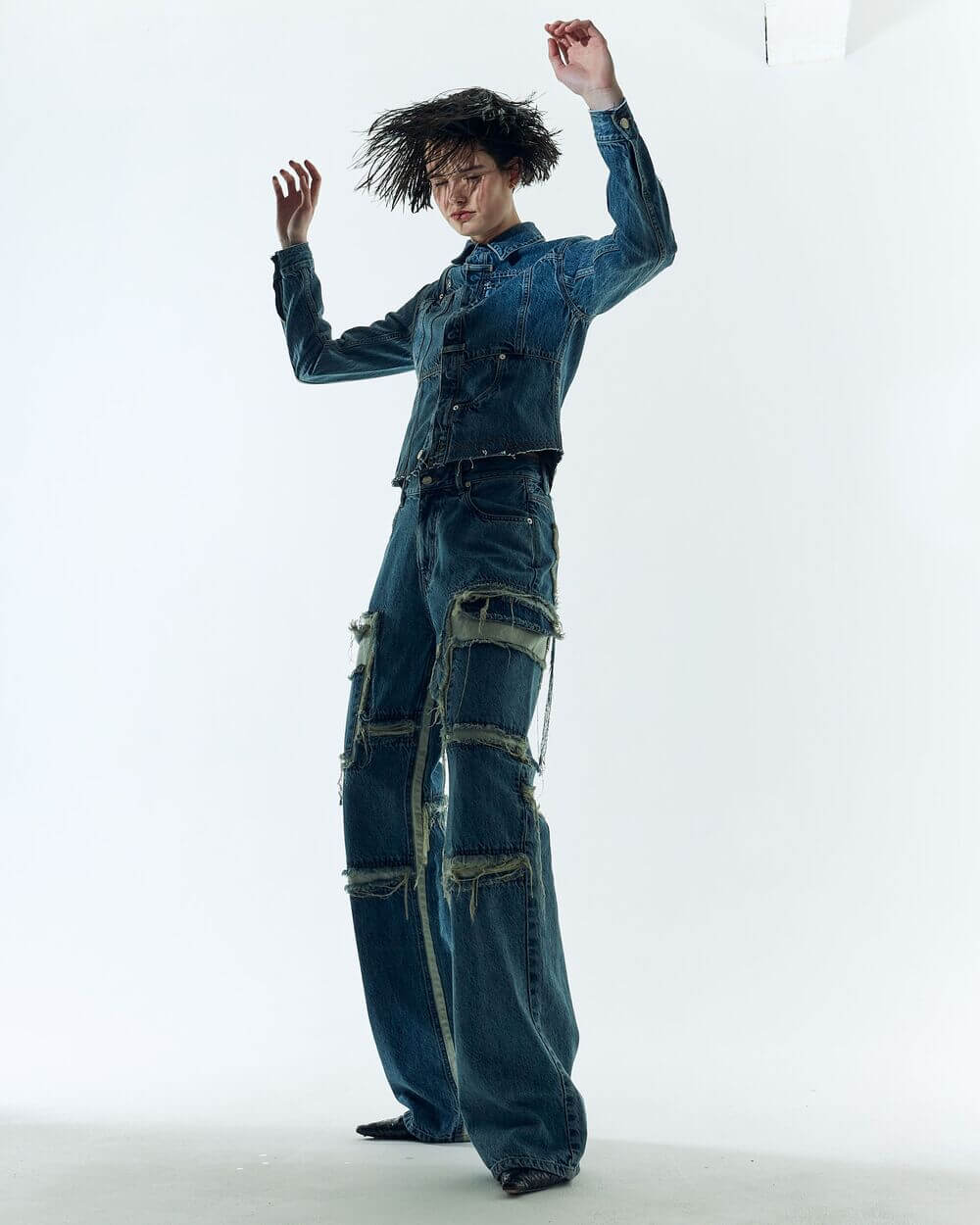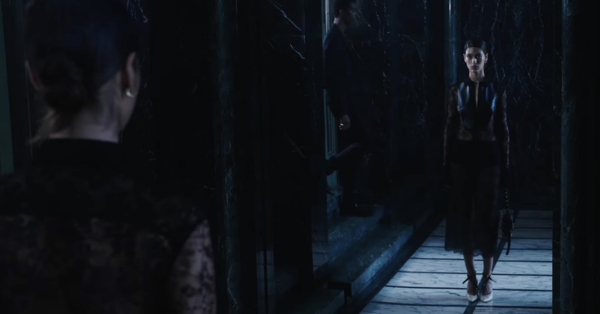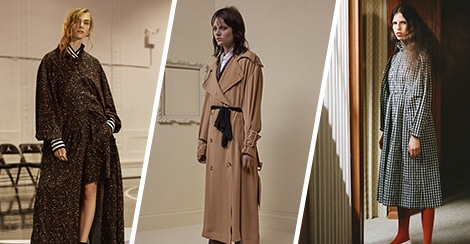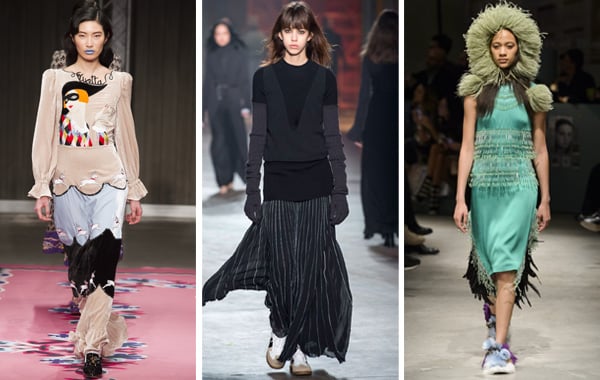


Ten years in, Façon Jacmin proves sustainability doesn’t have to lose its edge. Through upcycled denim and quiet Belgian cool, the Jacmin sisters continue to reshape conscious fashion on their own terms.
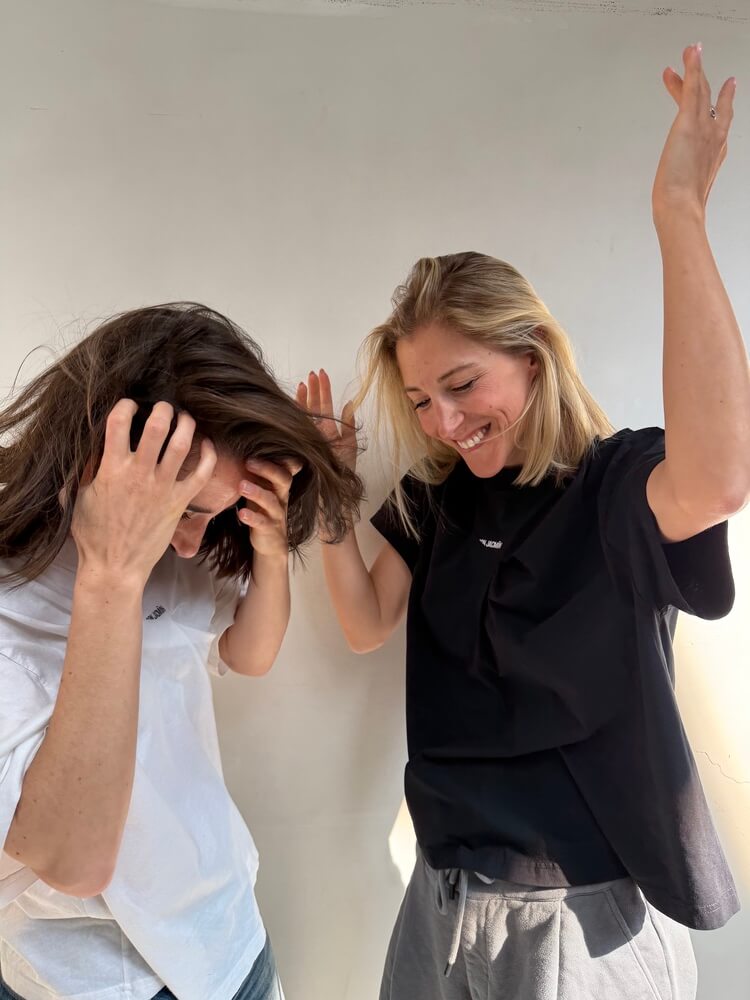
As Façon Jacmin celebrates a decade of redefining conscious fashion, the Belgian label remains a standout voice in an industry increasingly focused on sustainability without sacrificing style. Founded by twin sisters Alexandra and Ségolène Jacmin, the brand has built its identity around elevated denim, inventive upcycling, and a distinctly modern approach to femininity and masculinity. Drawing on Alexandra’s experience at iconic fashion houses including Maison Martin Margiela and Jean Paul Gaultier, Façon Jacmin has spent the past ten years creating timeless pieces that balance craftsmanship, creativity, and responsibility.
This June, the brand will mark its milestone anniversary while at the Antwerp Fashion Festival, celebrating its place within Belgium’s vibrant fashion scene. We caught up with the sisters to discuss ten years of FAÇON JACMIN, the evolution of upcycling, and what’s next for the brand as it enters its second decade.
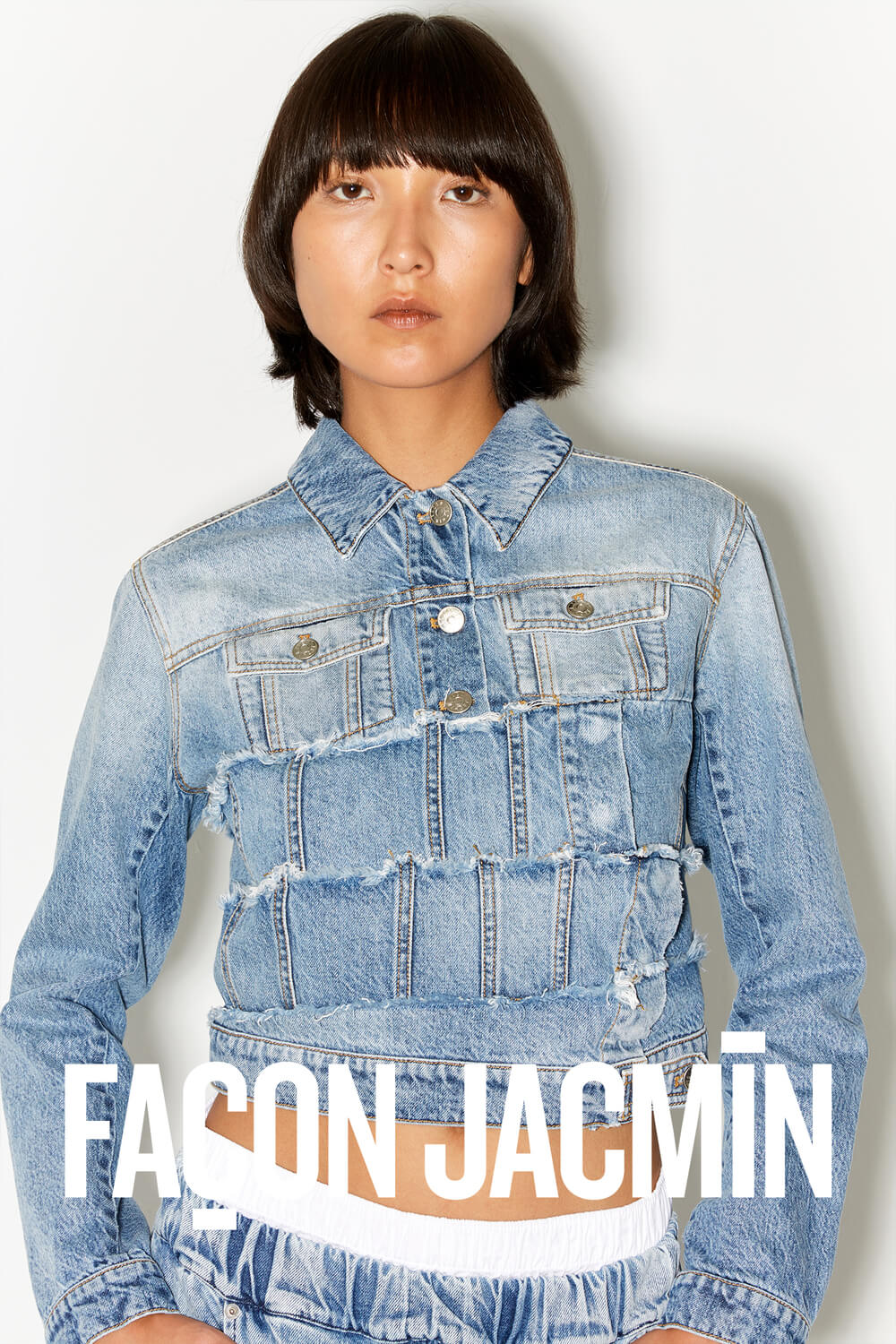
You’re twin sisters, were you always creating growing up? Tell us about each other.
Ségolène: Not at all, I was the mathematical one of our two, and I remember Alex from early age creating a lot, it started with very nice drawings and then she started making clothes and bags. I always loved the observe her and the process. Together we made a room for her in the attic, her first studio, that we painted in flashy colors, good memories.
Alex: Yes, absolutely. From a very young age, I was always creating things by hand. I loved taking different materials, fabrics, and objects and transforming them into something new — whether it was small bags, accessories, or little handmade pieces. I was also constantly sketching and imagining silhouettes. I think creativity was always a very natural way for us to express ourselves. Even growing up, I was very sensitive to aesthetics, details, and clothing, just in different ways. That creative curiosity has stayed with me ever since and naturally evolved into Façon Jacmin.
The brand is now ten years old! What inspired you to do it together and do you have different roles?
Ségolène: I was working as a strategic consultant at Arthur d little, and I realized I needed more creativity in my job and more freedom & entrepreneurship. After a lot of thinking of what I could launch as business I realized I needed the creative side, and so immediately thought of my sister annd that we would really complement each other.
Alex: What inspired me most was the idea of creating something together from nothing — building a brand that truly reflected both of us. I always knew my sister had the qualities and vision to build and develop a business, while I naturally gravitated toward the creative and artistic side.
Because our strengths are so complementary, creating Façon Jacmin together felt very instinctive. She brings structure, strategy, and development to the brand, while I focus more on creativity, image, and design. That balance has been one of the strongest foundations of Façon Jacmin from the very beginning.
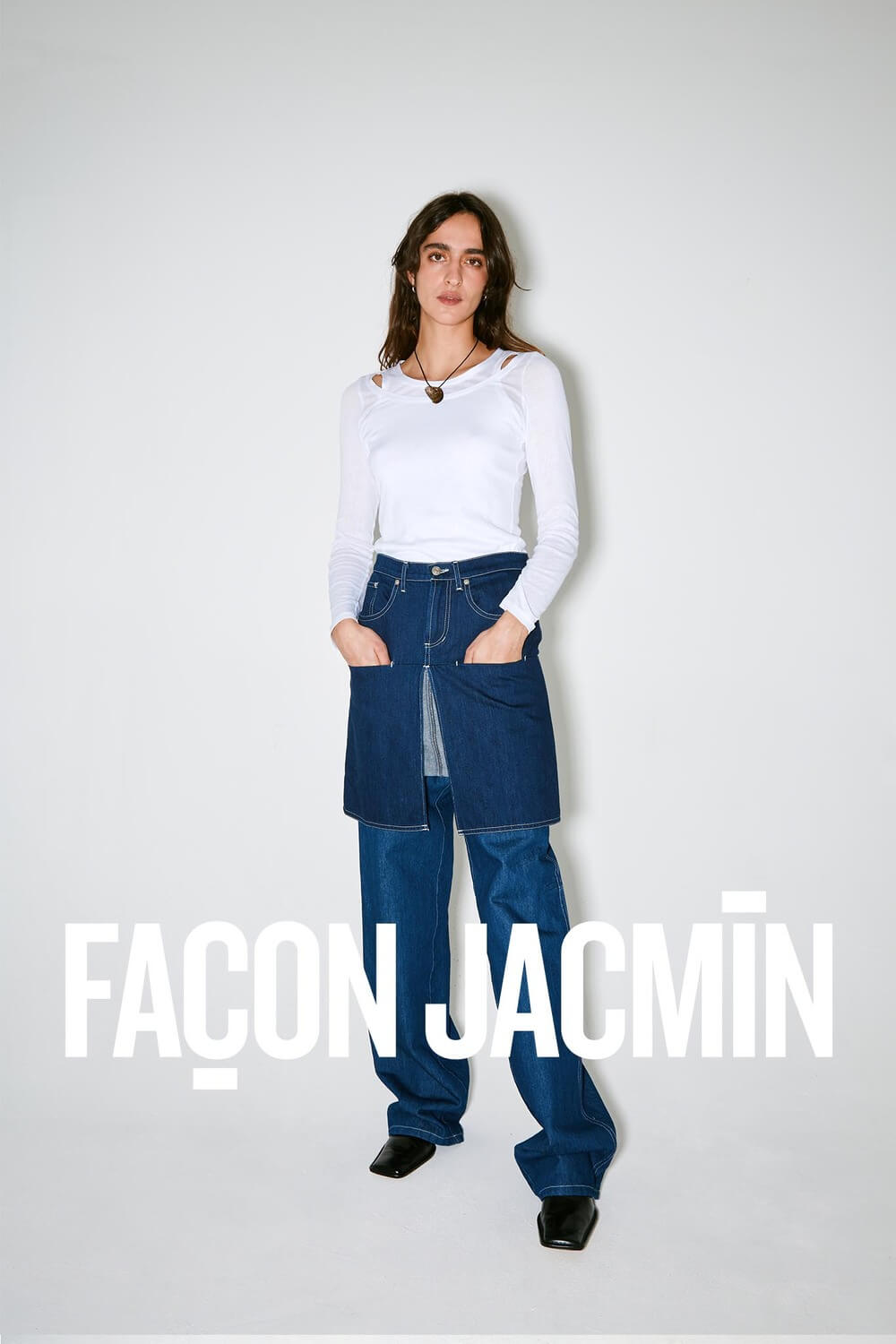
If the Façon Jacmin woman walked into a room, what would she be wearing, and what kind of energy would she bring with her?
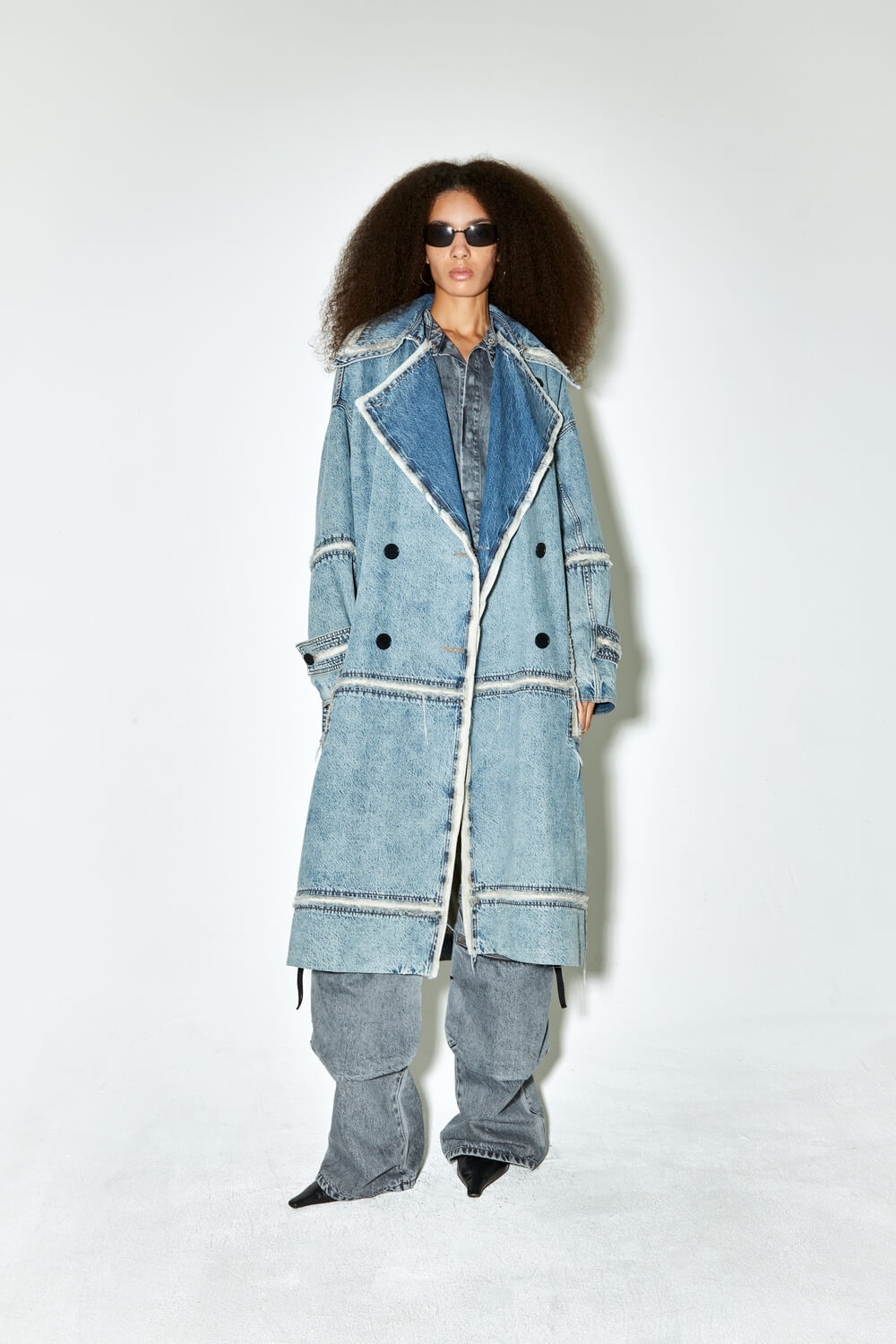
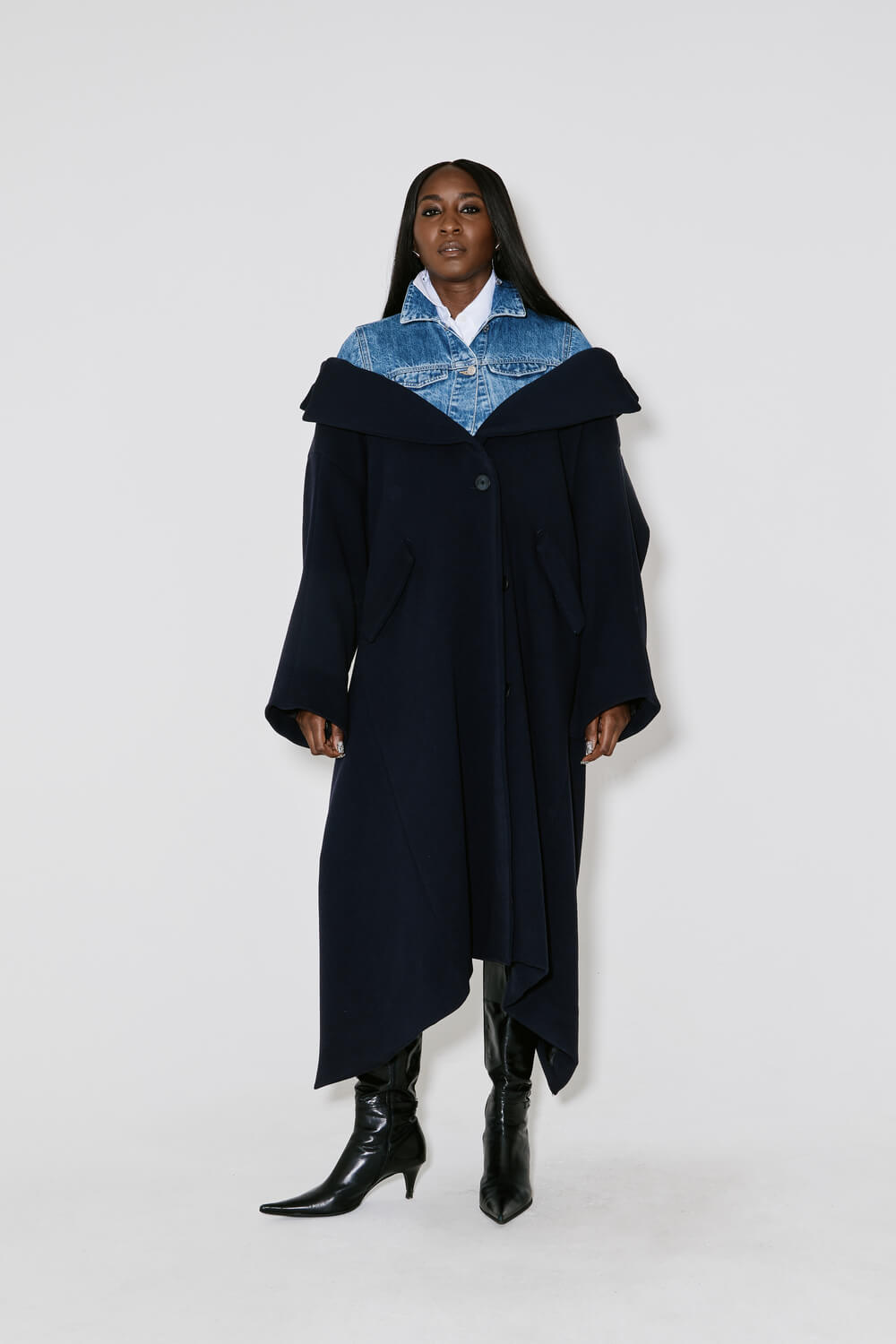
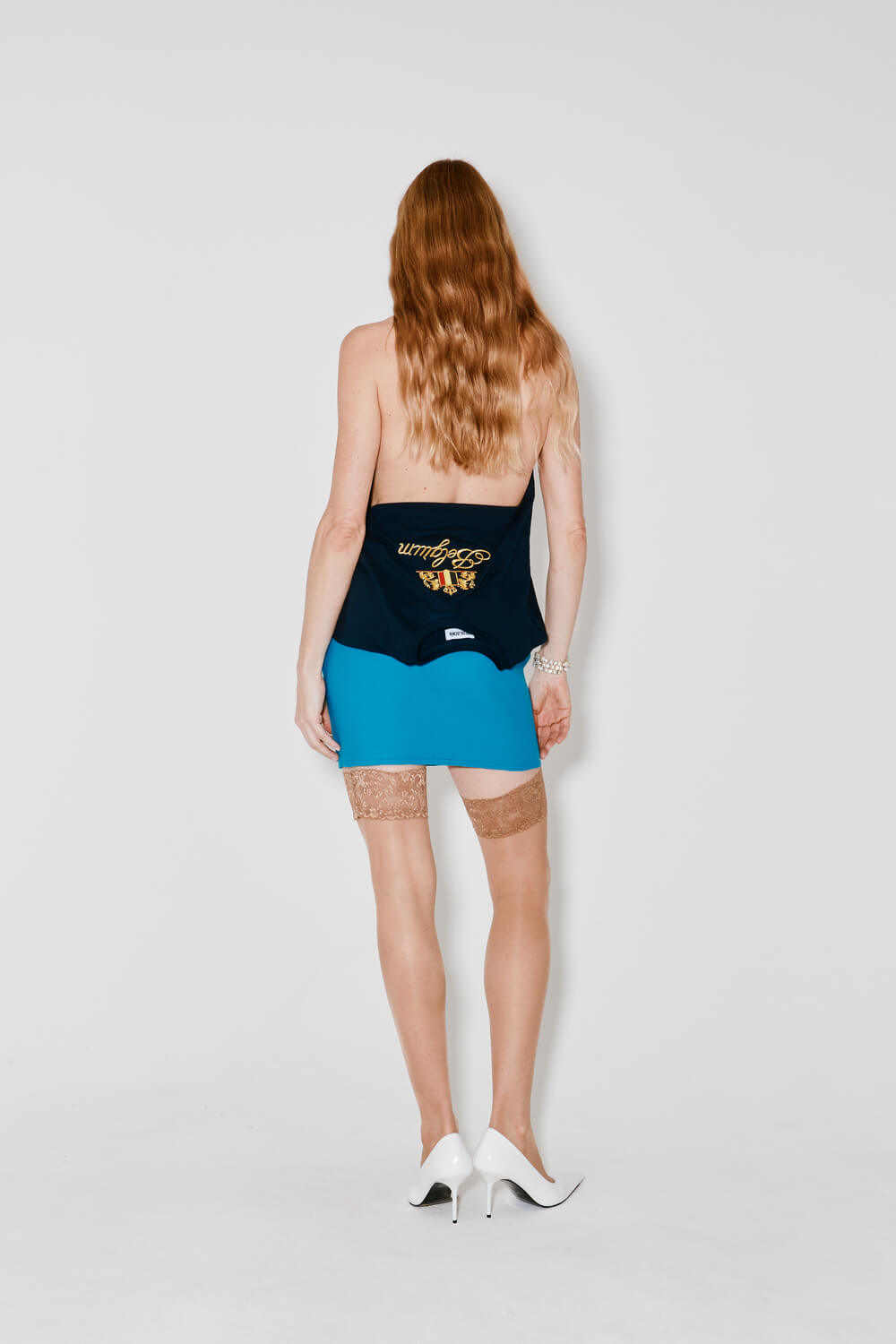
Ségolène: She would probably be wearing an upcycled Texas T-shirt transformed into a bustier, paired with tailored jogging pants and a twisted denim jacket. She loves trompe-l’œil pieces and unexpected contrasts — combining sharp tailoring with more relaxed, casual elements.
The Façon Jacmin woman has a strong and confident presence, but it never feels forced. The clothes she is wearing are always comfortable, no constraints, and that comfort naturally becomes a form of confidence. There is an effortless ease in the way she wears clothes.
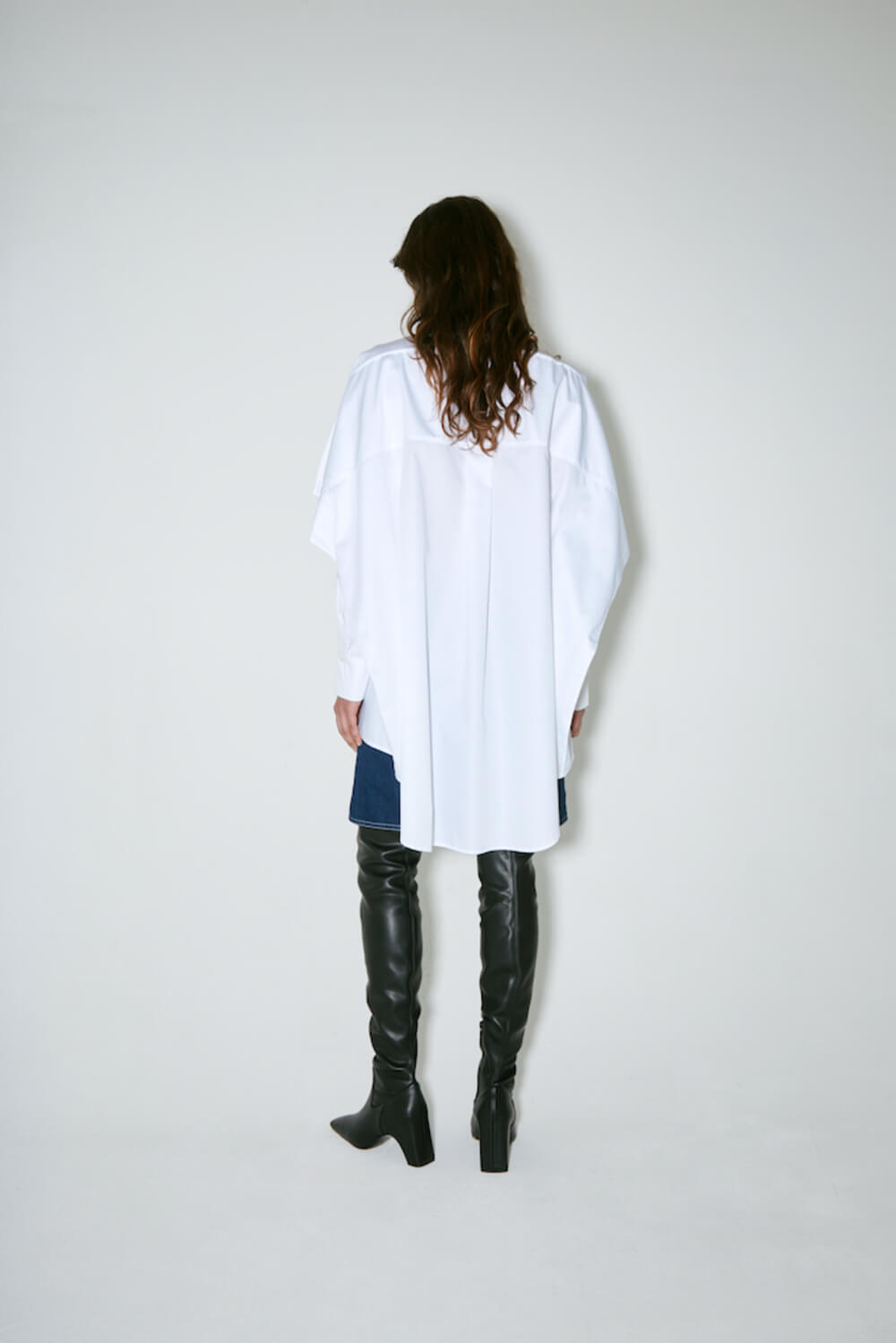
Alex: She would probably be wearing a deconstructed oversized shirt, paired with an upcycled skirt made from second-hand suit trousers, along with an Façon Jacmin upcycled leather bag crafted from vintage leather pants or jackets, finished with boots.
She would have a presence that feels both confident and relaxed at the same time. Because she feels good and comfortable in her clothes, her confidence appears naturally. There is something effortless about her attitude — strong, modern, and individual, without ever trying too hard.
Upcycling is central to your practice, but it also comes with technical and logistical challenges. What is the most difficult part of transforming existing materials into a new piece?
Ségolène: The logistical aspect can definitely be challenging, but we are fortunate to work with an atelier in Bulgaria that has developed real expertise in upcycling and fully embraces the process. They source the second-hand garments themselves and transform each piece individually. It requires a completely different way of working compared to traditional production — moving away from standardized chain production toward unique, one-of-a-kind pieces. It is a much more demanding process, but they do it exceptionally well.
Interestingly, the biggest challenge often comes after production. In the wholesale process, buyers discover the samples in Paris and understand that every upcycled piece will naturally have slight variations. But once the orders are delivered, some clients still expect the final garments to be identical to the showroom sample. Educating the market to appreciate uniqueness as part of the value of upcycling remains one of the most complex aspects of the work.
Alex: I think the most difficult part is creating a design that can actually be produced while working with existing materials. Upcycling completely changes the traditional way of making clothes.
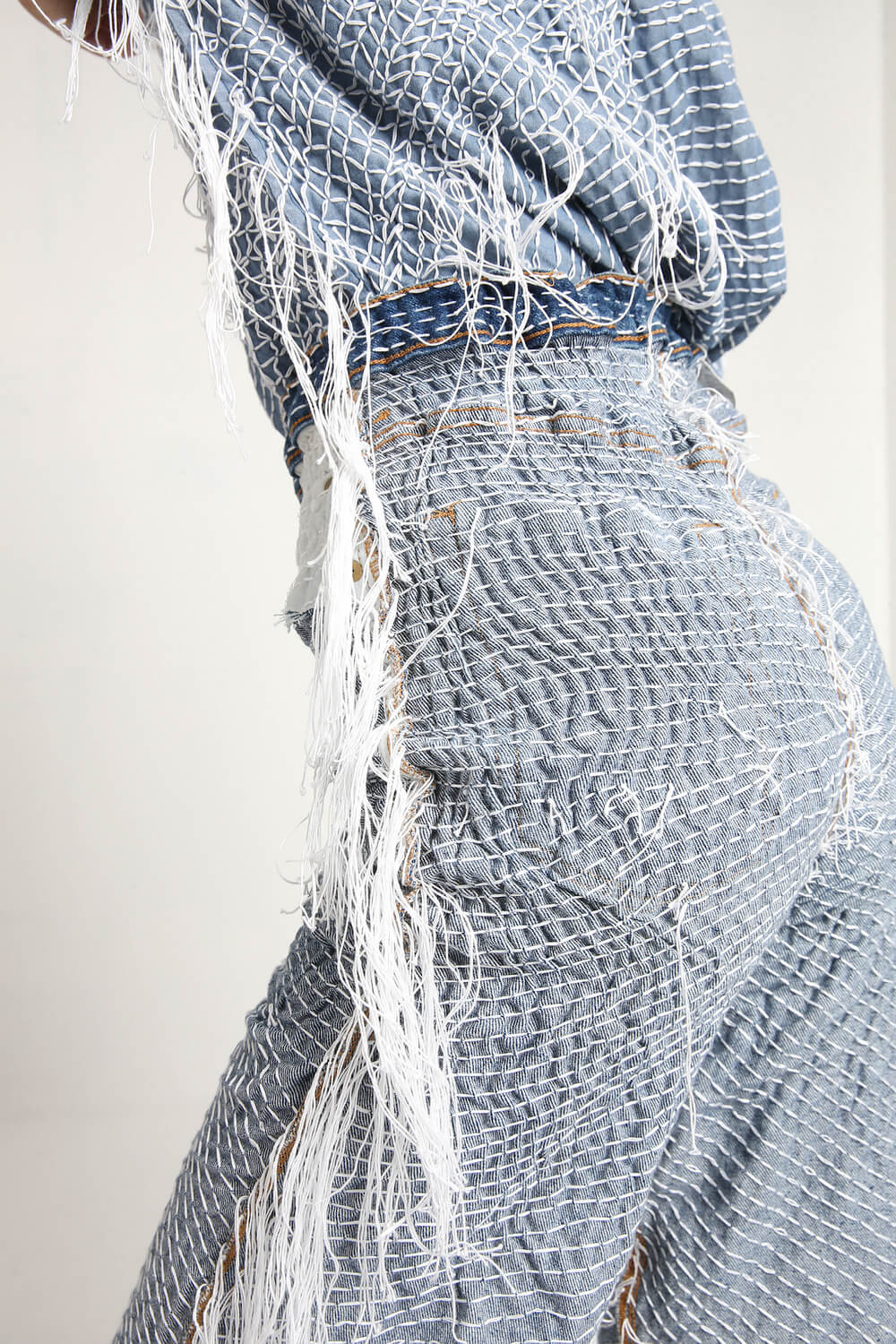
There are so many additional steps involved — sourcing second-hand garments according to very specific selection criteria, washing them, unstitching them, and then reconstructing each piece individually. Every garment is different, so the manufacturing process becomes much more complex and far less standardized. Even aspects like sizing and pattern grading have to be approached differently. It requires another way of thinking about fashion and construction altogether. Working from deadstock or second-hand materials is much more demanding than starting from new fabric, but that challenge is also what makes the process so interesting and meaningful for us.
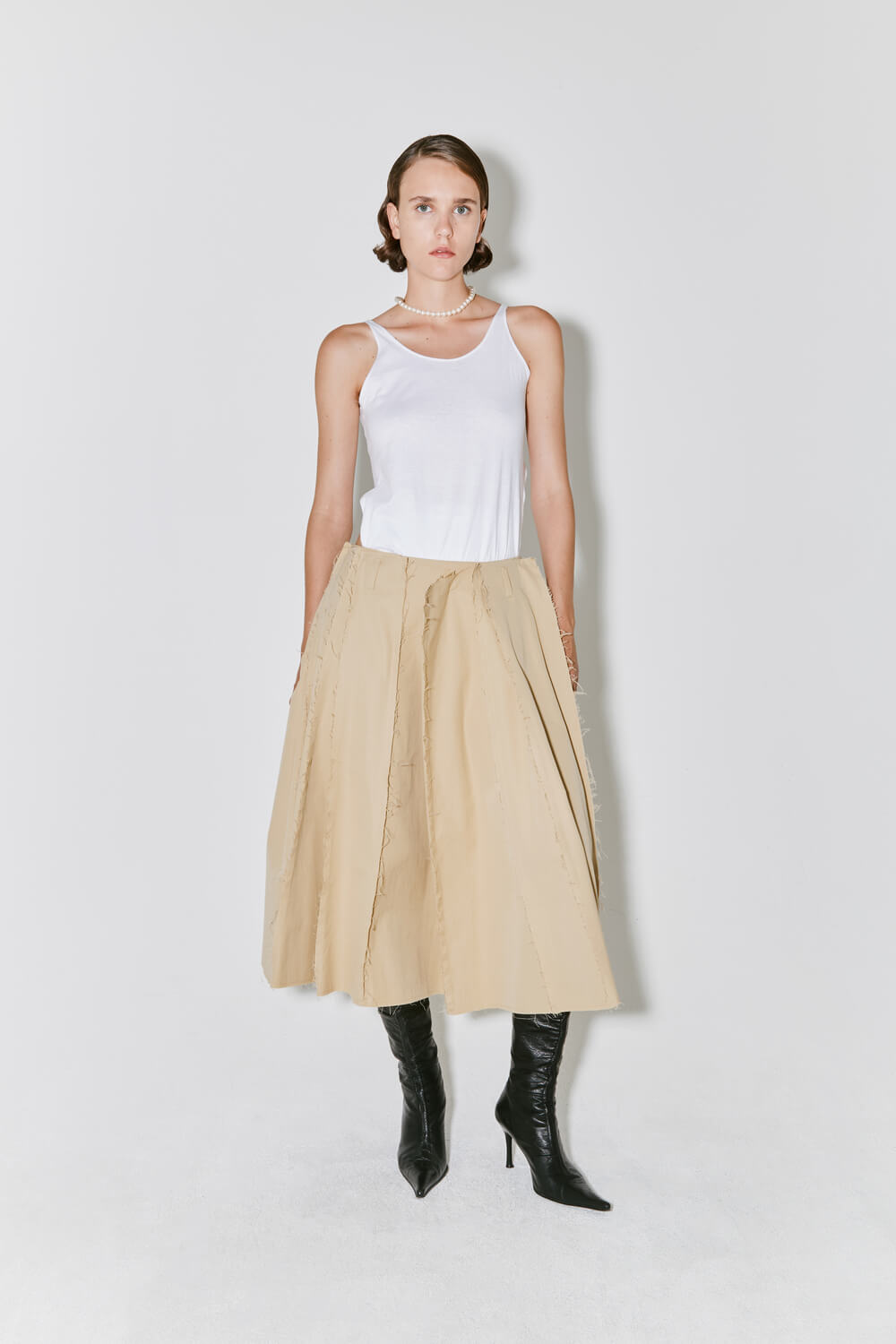
As the label grows, how do you scale production while staying true to your ethical values?
Alex: For us, staying true to our values means continuing to produce in Europe, mainly in Portugal, Bulgaria, and Italy, while sourcing most of our fabrics in Italy. Maintaining close relationships with our ateliers and suppliers is very important because it allows us to preserve both quality and transparency as the brand grows.
At the same time, we want to continue developing the upcycling aspect of Façon Jacmin as much as possible, even if it remains challenging. Upcycling is still not always fully understood — whether by customers, buyers, or the industry itself — because it requires accepting uniqueness and variation within the garments. We also want to keep working increasingly with deadstock fabrics and second-hand clothing. For us, growth is not about producing more in a conventional way, but about finding smarter and more responsible ways to create fashion while staying aligned with our creative vision and ethical values.
Belgian fashion has long had a reputation for being intellectual, subversive, and quietly radical. How do you see Façon Jacmin fitting into that legacy?
Ségolène: I think Façon Jacmin naturally fits into that Belgian fashion legacy through the way we approach clothing. Our work plays with deconstruction, trompe-l’œil, upcycling, and the contrast between sophistication and casualwear. We like to reinterpret familiar garments and challenge traditional codes, but always in a subtle and wearable way.
There is also a certain quietness in Belgian fashion that really resonates with us — the idea that clothes can be strong conceptually without being overly demonstrative. We are interested in creating pieces that feel intelligent in their construction and storytelling, while still remaining effortless and emotionally connected to the person wearing them.
Upcycling itself can also be seen as a radical gesture today. Taking existing garments and transforming them into something desirable and contemporary questions the traditional system of fashion production. In that sense, I think Façon Jacmin continues that Belgian spirit of experimentation, individuality, and thoughtful design.
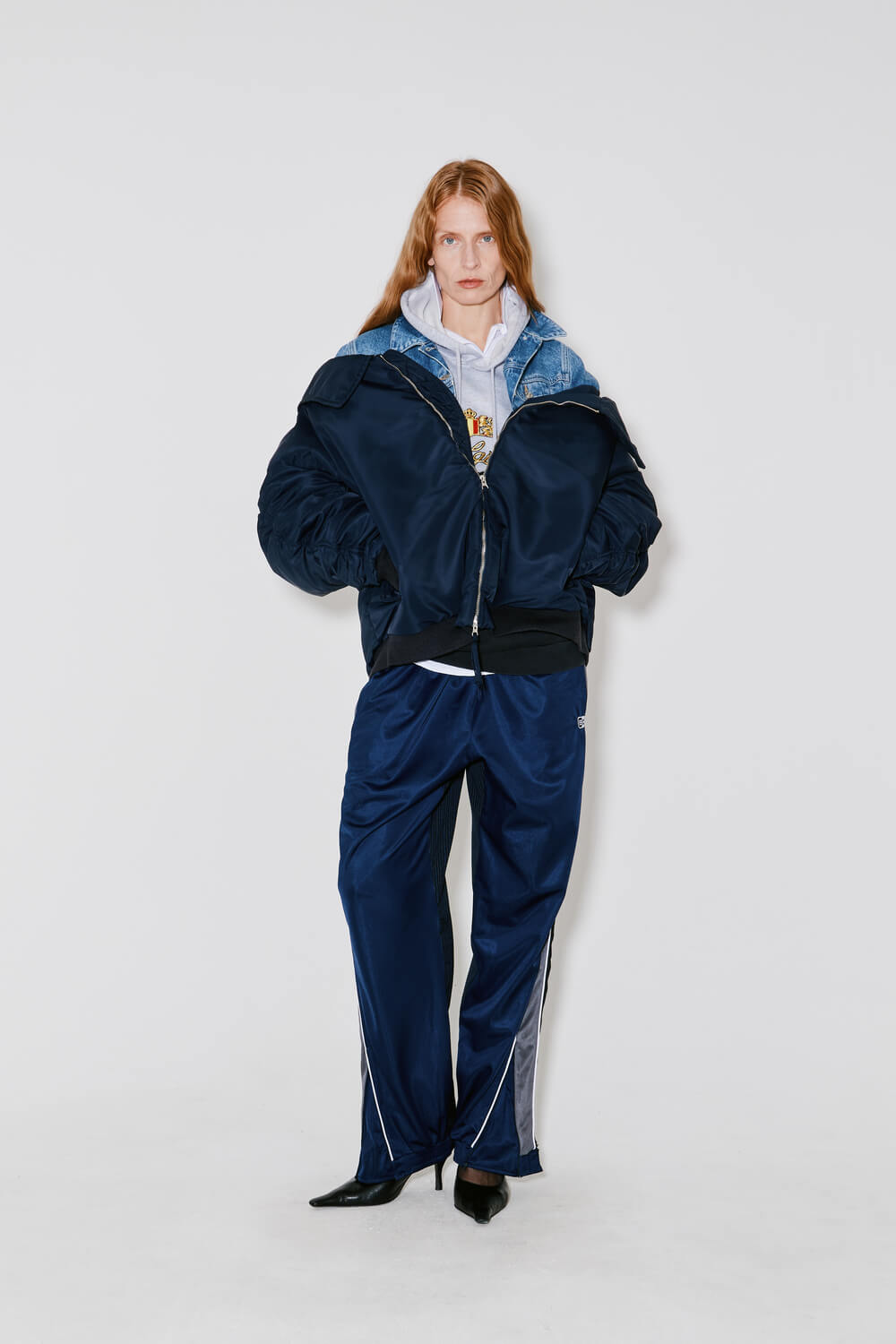
What do you think makes Belgian designers so influential on the global fashion scene?
Ségolène: I think Belgian designers have a very distinctive approach to fashion. There is often more focus on concept, construction, and emotion than on trends themselves.
There is also a certain balance between experimentation and wearability. Belgian designers are not afraid to deconstruct silhouettes, challenge proportions, or bring an intellectual dimension to clothing, while still creating pieces that feel deeply personal and relevant.
Of course, the legacy of the Antwerp Six and the famous Belgian fashion schools played a major role in shaping that international influence. They created a culture where creativity, craftsmanship, and independent thinking became essential values — and I think that spirit still defines Belgian fashion today.
Alex: I think Belgium has some of the most influential fashion schools in the world, such as La Cambre in Brussels and the Royal Academy of Fine Arts in Antwerp. Many iconic Belgian designers studied there, and those schools have played a major role in shaping the international reputation of Belgian fashion.
What makes them special is that they really encourage creativity, individuality, and conceptual thinking. Students are pushed to develop a strong personal vision rather than simply following trends. I think that freedom and experimental approach are what make Belgian designers so distinctive and influential on the global fashion scene.
You are showing at Antwerp Fashion Week next month. What can we expect, and how are you approaching the event?
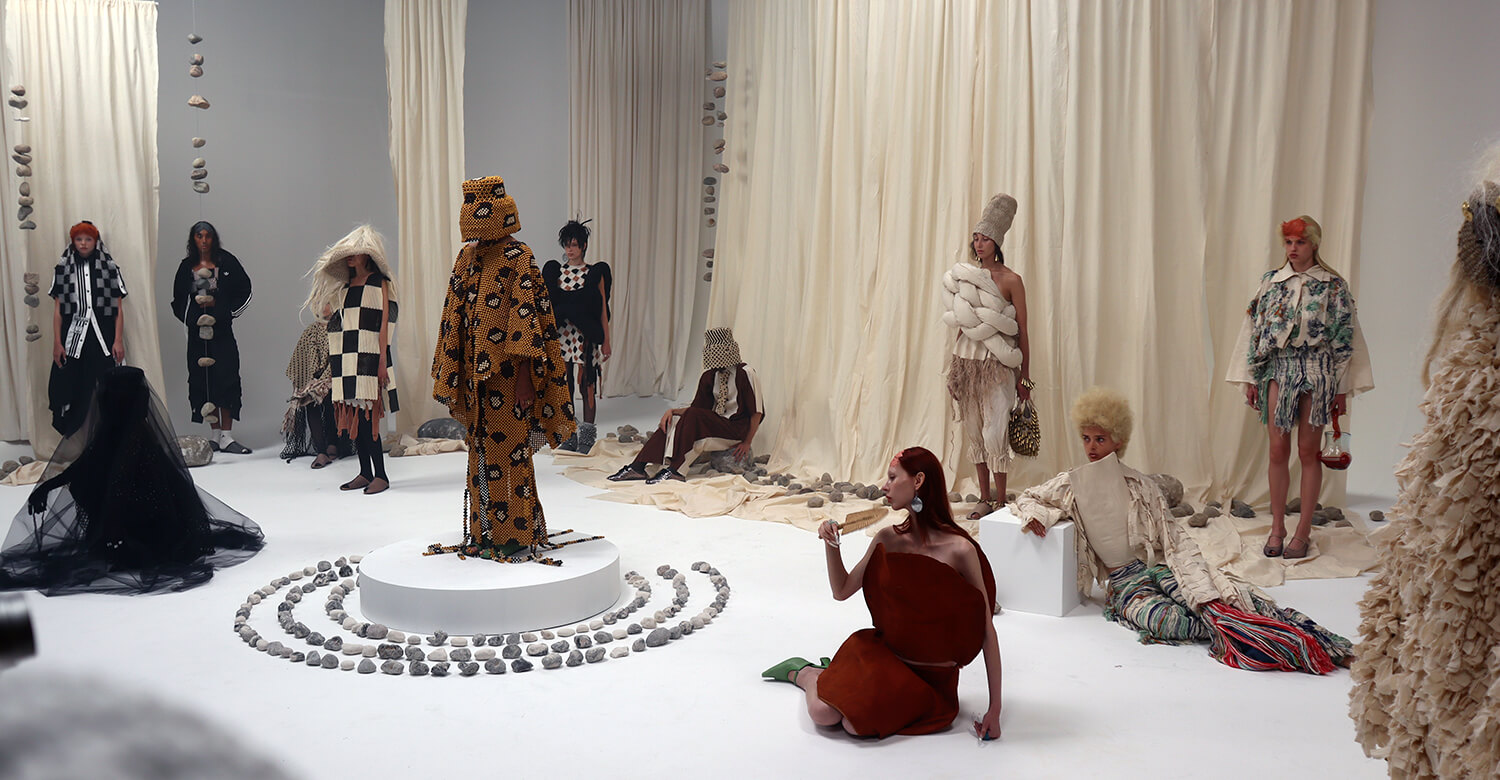
Ségolène: You can expect an atypical set design or way of showing the looks on a catwalk. We like to innovate around the traditional shows, and do something different. Also we are happy to collaborate with a very talented Belgian artist for the set design.
Antwerp is often seen as the spiritual home of avant-garde fashion. Does presenting there feel like a homecoming?
Ségolène: Yes sure, we also have our own store there and live there. Alex is designing in her atelier above the store, so Antwerp feels for sure part of FJ.
If Façon Jacmin were a Belgian cultural reference like an artist, a building, or even a dish, what would it be and why?
Alex: I would say Peach of Tuna, because it is such an unexpected and contrasting combination. The association of peach and tuna feels improbable at first, yet the result is surprisingly balanced, bold, and playful. I think Façon Jacmin has a similar approach. We like to create unexpected contrasts — mixing tailoring with casualwear, sophistication with deconstruction, or transforming existing garments into something completely new. There is always a sense of surprise, but also harmony in the final result.
Your pieces are very wearable. How do you design for women who want to make a statement without sacrificing comfort?
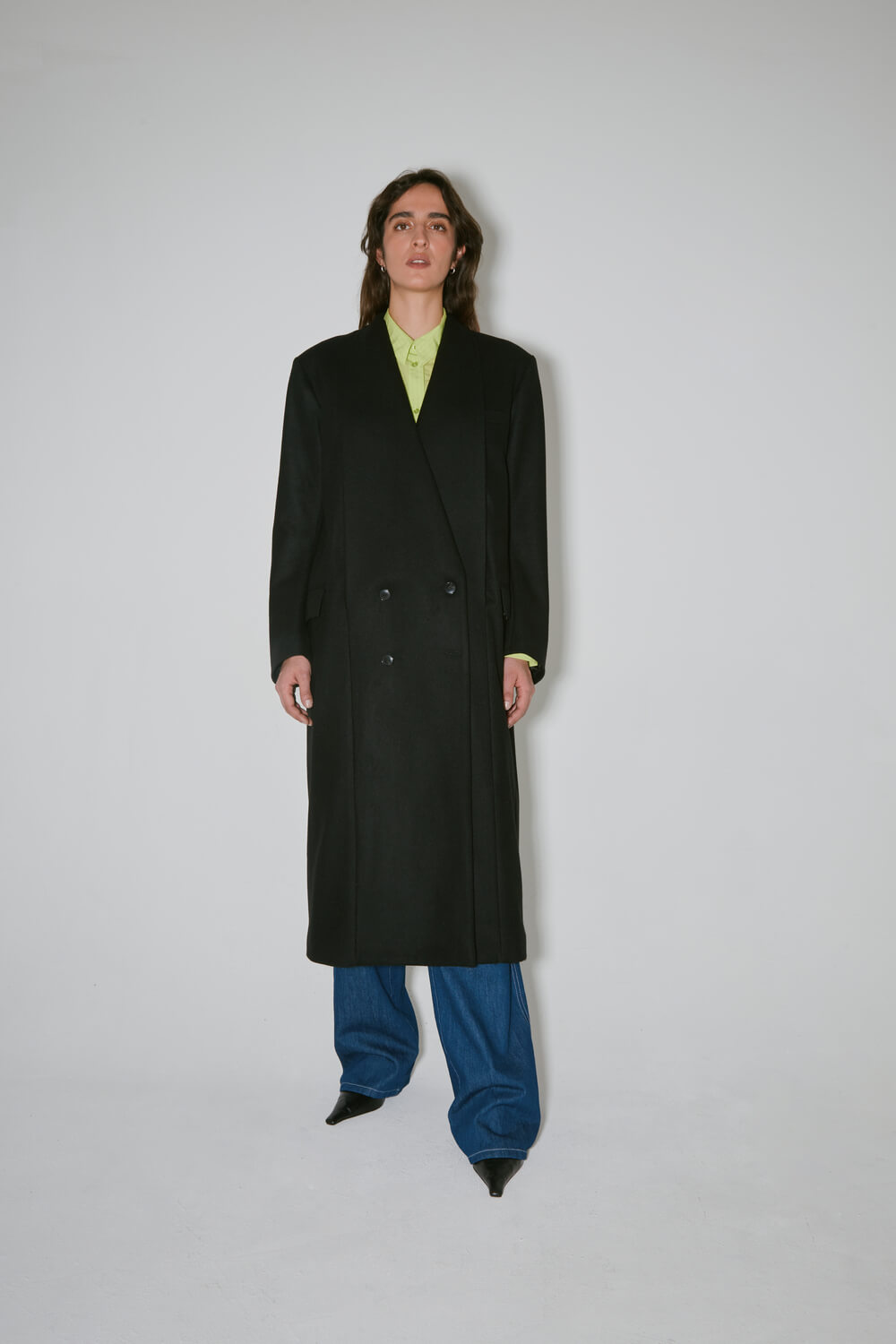
Ségolène: Exactly by starting with comfort first. For us, a piece has to feel good to wear before anything else. Then we bring in strong cuts, unexpected fabrics, and creative details — whether through trompe-l’œil effects, twisted constructions, or contrasts between tailoring and casualwear.
It is really the combination of comfort and strong design that allows women to make a statement naturally. When you feel comfortable in your clothes, confidence comes effortlessly, and that confidence becomes part of the look itself.
Alex: For us, it is really about attitude and desirability. We design pieces that bring a strong presence through the cut, the fabric, and the silhouette, while still feeling relaxed and effortless to wear.
We are always looking for the balance between statement and ease — creating clothes that feel cool, comfortable, and naturally confident at the same time. When a woman feels comfortable in what she is wearing, she carries herself differently. The confidence becomes instinctive, and that attitude becomes part of the garment itself.
Finally, what would surprise people most about the world of Façon Jacmin?
Alex: I think what would surprise people most is the way we deconstruct clothing and completely reinterpret the original function of garments. We love playing with the codes of fashion — transforming pieces and giving them a new purpose.
A skirt can become a dress, a jacket can become a bag, and garments are often designed to feel modular or convertible. There is always this idea of transformation within Façon Jacmin. We like the notion that clothing can evolve, be reimagined, and tell a different story depending on how it is worn.