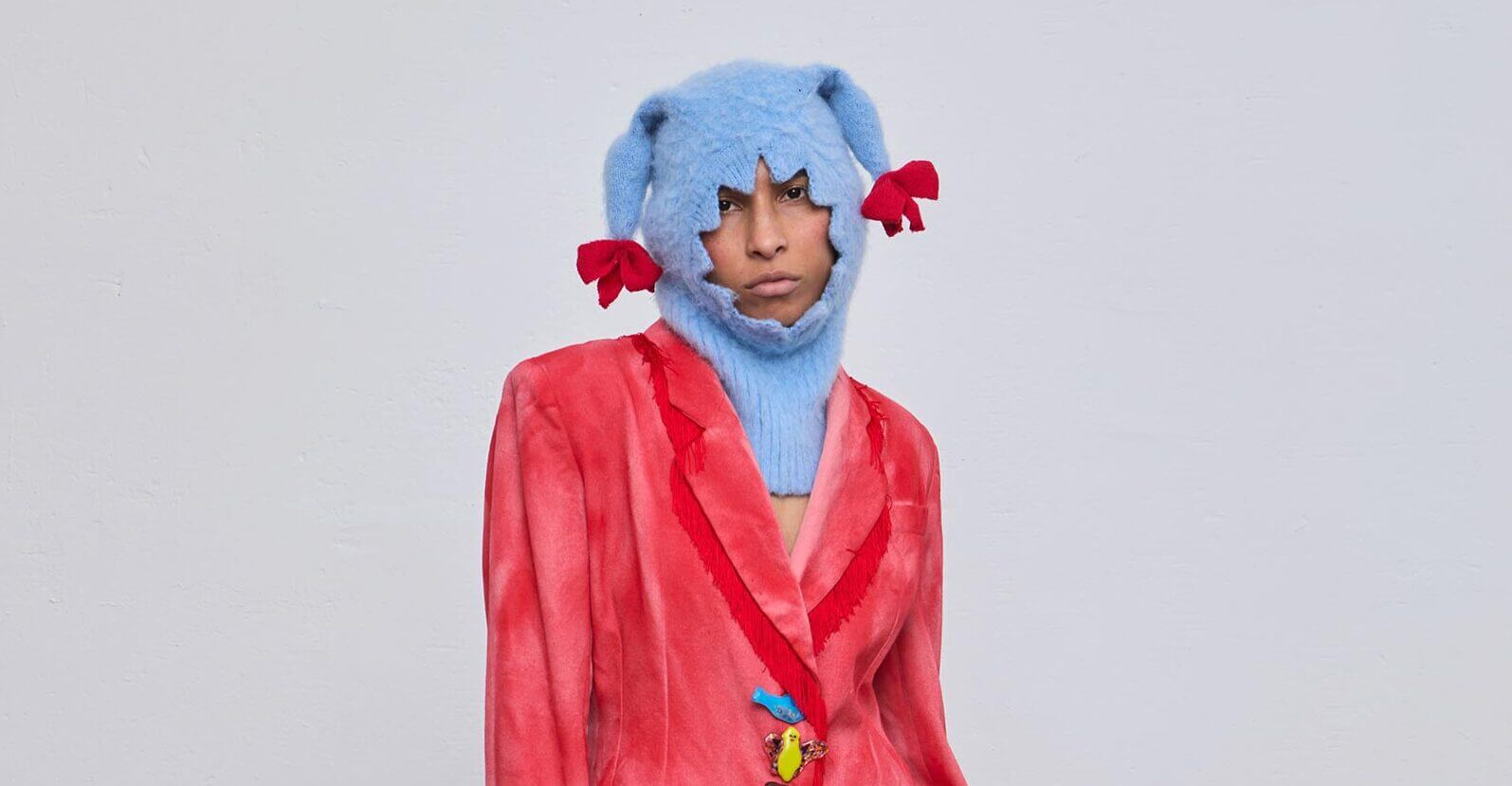
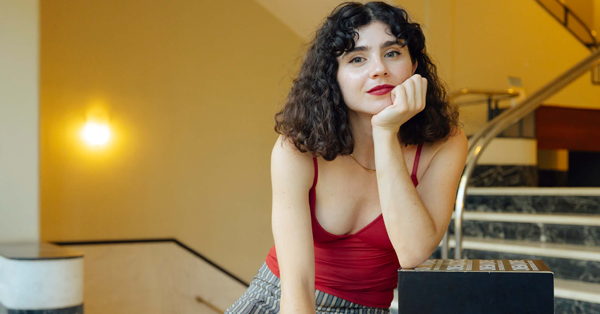

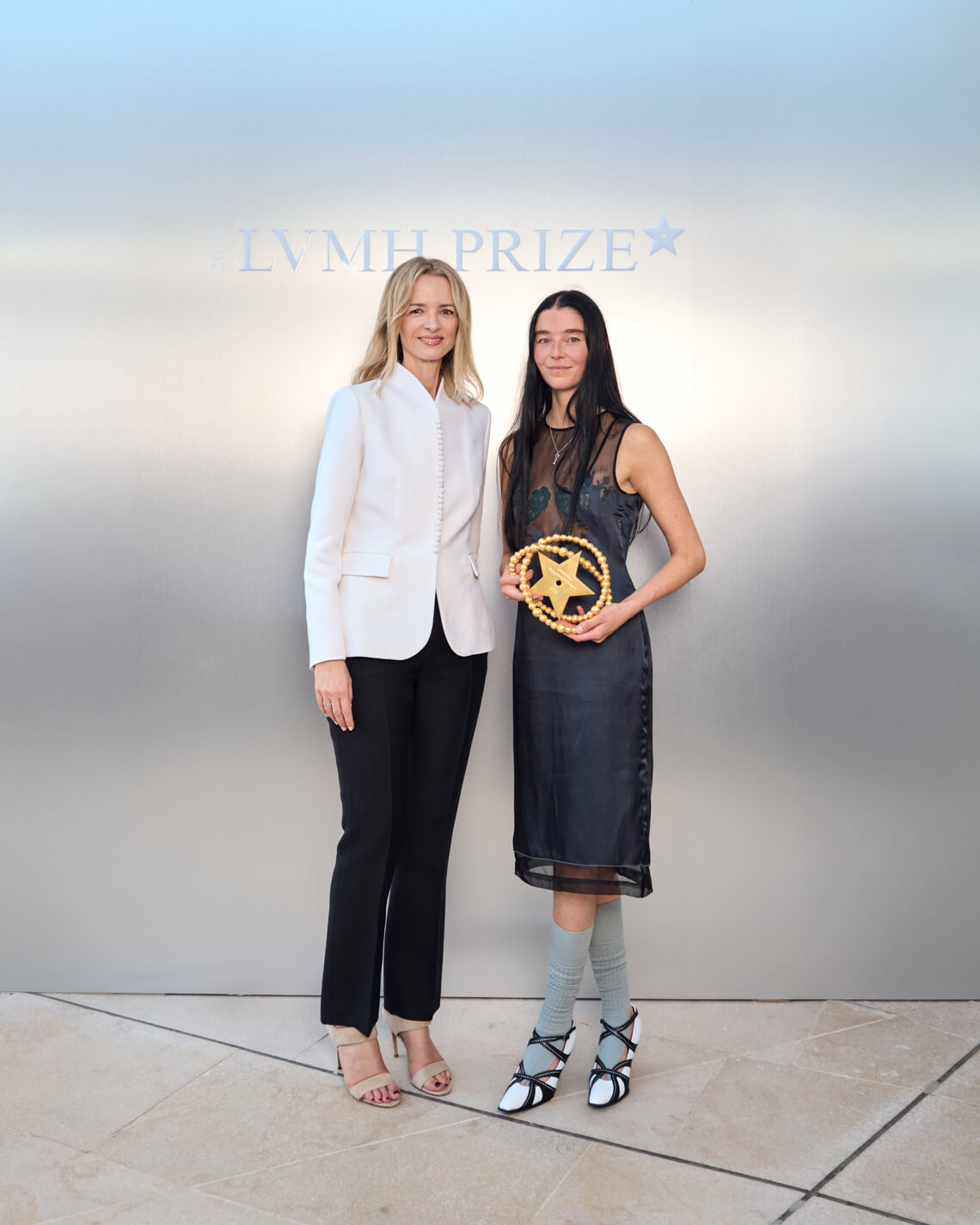
The 13th edition of the LVMH Prize for Young Fashion Designers came to a close on September 4 at the Fondation Louis Vuitton, celebrating a new generation of designers whose practices reflect the increasingly diverse ways fashion can be imagined, constructed and worn. Belgian designer Julie Kegels, 27, was awarded the 2026 LVMH Prize for her contemporary, multi-faceted wardrobe and its celebration of individuality.
Founded around the idea of supporting emerging creative voices, the LVMH Prize once again brought together a particularly heavyweight jury drawn from across the Group’s fashion houses. This year’s jury included Jonathan Anderson, Sarah Burton, Maria Grazia Chiuri, Nicolas Ghesquière, Jack McCollough and Lazaro Hernandez, Stella McCartney, Camille Miceli, Nigo, Phoebe Philo, Michael Rider and Pharrell Williams, alongside Delphine Arnault, Pietro Beccari, Jean-Paul Claverie and Sidney Toledano. Actress Urassaya Sperbund also joined the jury as a special guest.
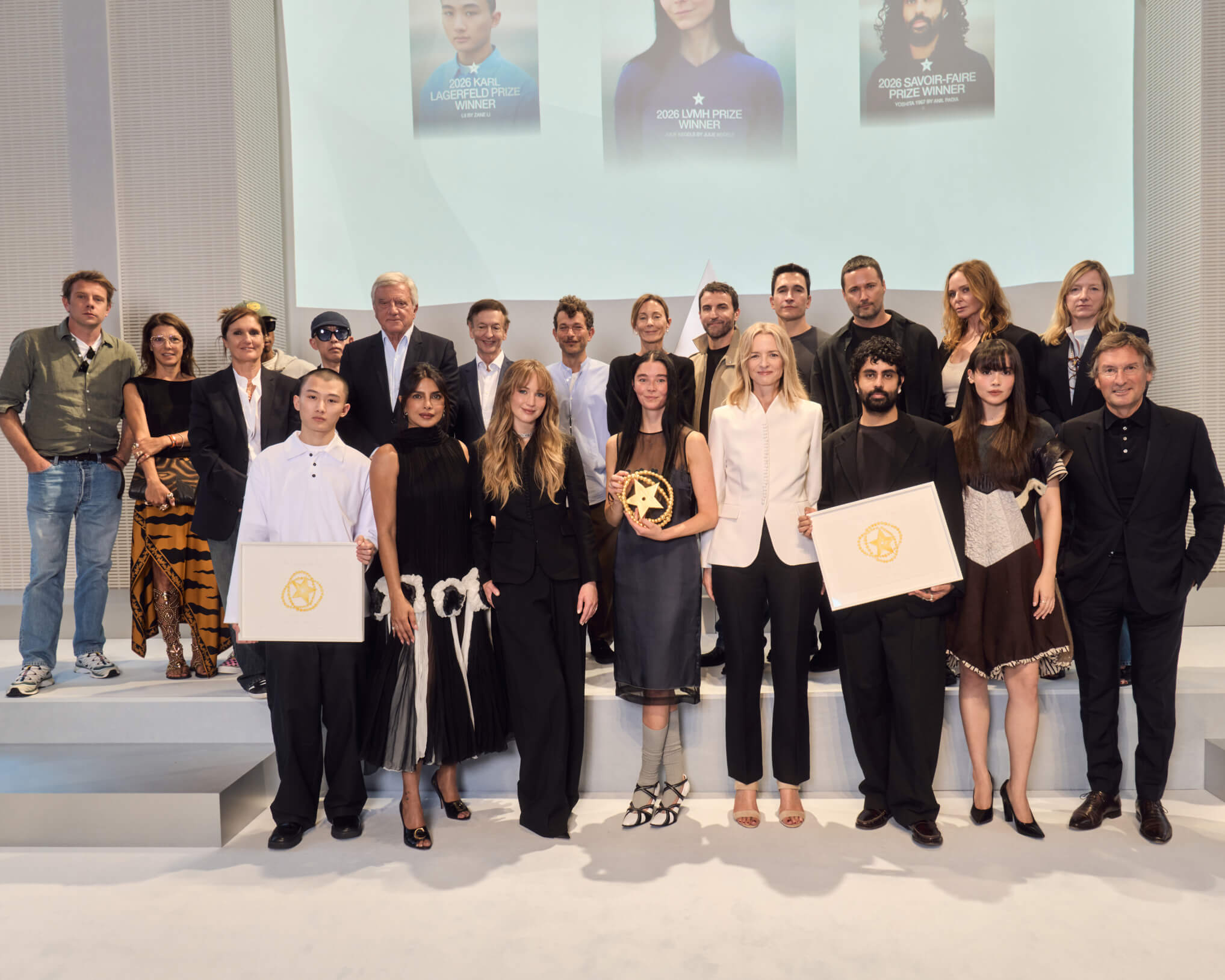 For Kegels, the recognition comes with a €400,000 endowment and a year of mentorship from LVMH experts. Her work stood out for its ability to construct a contemporary wardrobe that champions individuality, positioning her within a new generation of designers less interested in prescribing a singular way of dressing than in creating space for personal interpretation.
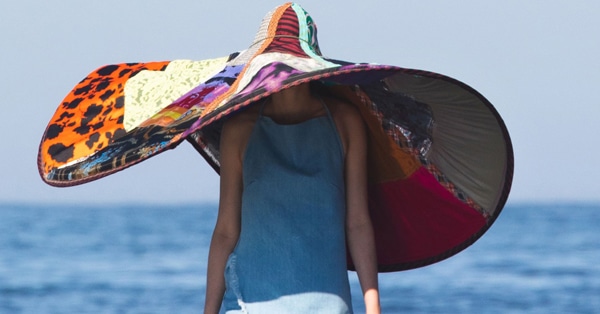
The Karl Lagerfeld Prize went to Chinese designer Zane Li, 25, founder of Lii, whose womenswear and menswear practice brings sportswear into conversation with couture. Li receives a €200,000 endowment and a year of mentorship from the LVMH Group. Meanwhile, the Savoir-Faire Prize was awarded to Kenyan designer Anil Padia, 35, for Yoshita 1967, an artisan- and community-led project centred on handiwork. Padia receives €200,000 and a year of mentorship, alongside support from LVMH Métiers d’Excellence through a collaboration with embroidery specialist Maison Vermont.
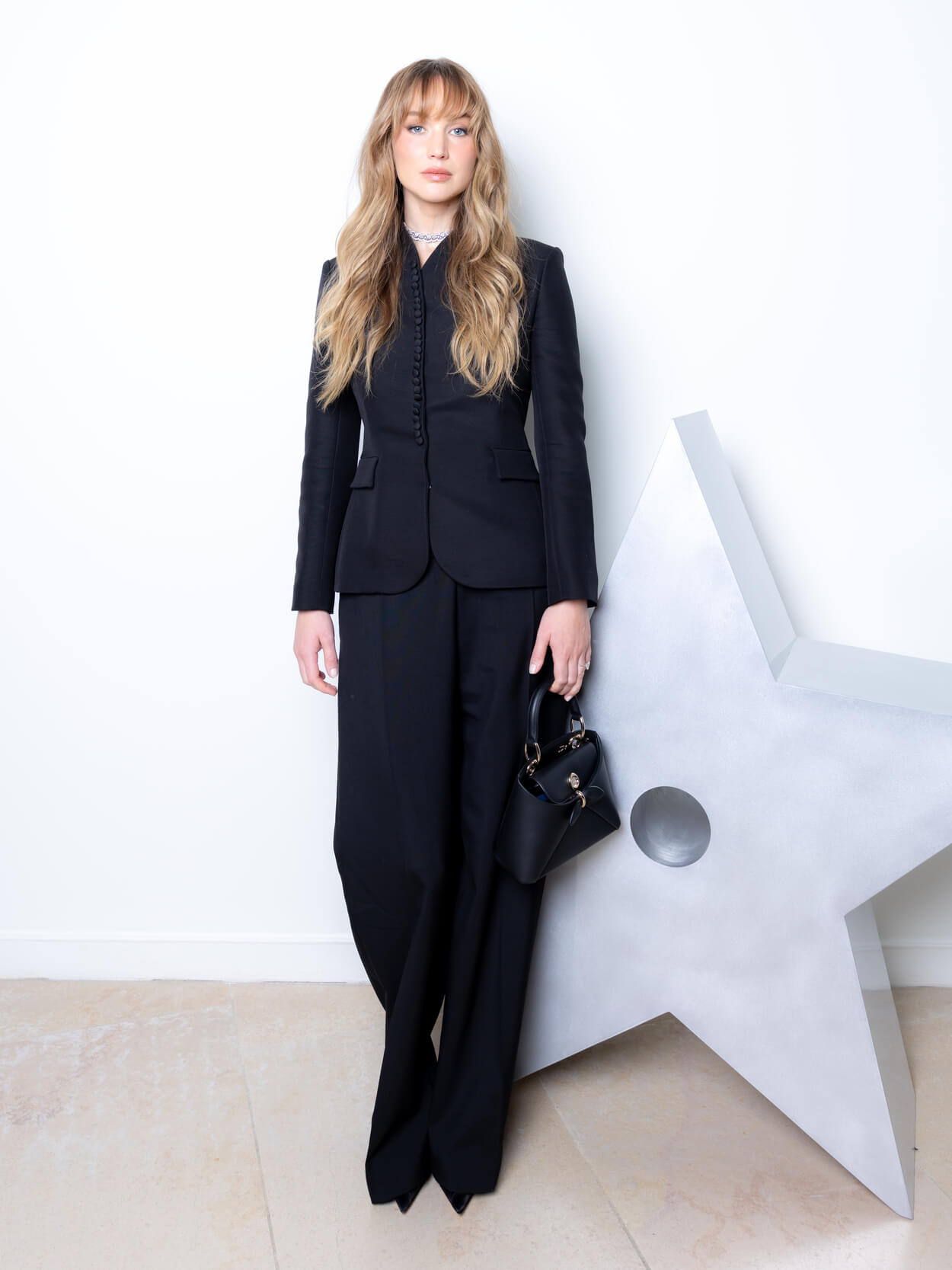
Jennifer Lawrence
Together, the three winners offer a snapshot of where young fashion is moving now: towards individuality, the collision of contrasting fashion languages and a renewed appreciation for making. Each winner will also receive a specific mentoring programme and an allowance from Nona Source, LVMH’s platform for upcycling deadstock materials from its Fashion and Leather Goods houses. Kegels receives a €20,000 fabric allowance, while Lii and Yoshita 1967 each receive €10,000.
The ceremony also recognised three recent fashion graduates through the LVMH Prize for Young Fashion Graduates: María Alborés of the Royal Academy of Fine Arts Antwerp, Candice Morin of IFM in Paris and Louis Presencer of Central Saint Martins in London. Each graduate and their respective school receives a €10,000 grant, with the three designers joining the studios of Dior womenswear, Celine menswear and Louis Vuitton men’s accessories respectively.
With its latest winners, the LVMH Prize continues to operate as both a competition and a snapshot of the creative landscape ahead. From Kegels’ celebration of individuality to Lii’s meeting of sportswear and couture and Yoshita 1967’s community-led approach to craft, the 13th edition makes clear that the future of fashion is not defined by one aesthetic. Instead, it is being shaped by designers developing their own systems of making, dressing and storytelling.