

With the upcoming exhibition at the Kunstmuseum Basel in 2026, we revisit her legacy through a concise profile that traces the gestures and ideas that reshaped postwar abstraction.
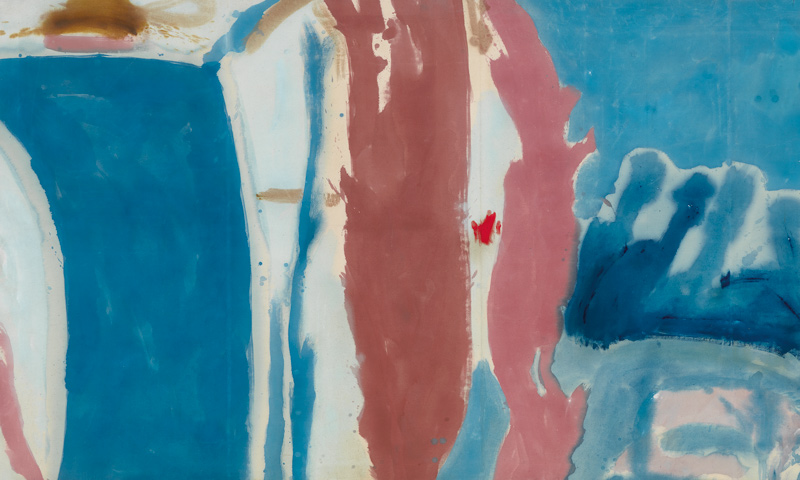
Helen Frankenthaler (1928–2011) expanded what colour could do on a canvas. Her soak stain method transformed surface into atmosphere, allowing pigment to seep, drift and settle until painting became a field of breath rather than a construction of strokes. This radical shift opened a new vocabulary within abstraction and continues to influence the way we read transparency, scale and chromatic tension, a legacy now revisited by institutions such as the Kunstmuseum Basel.
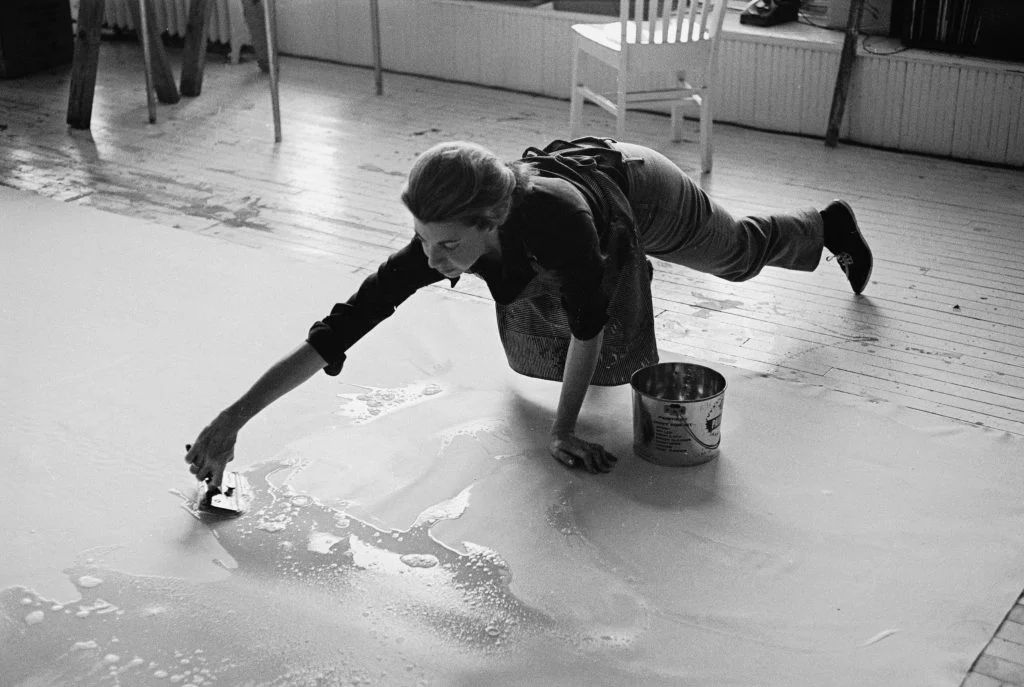
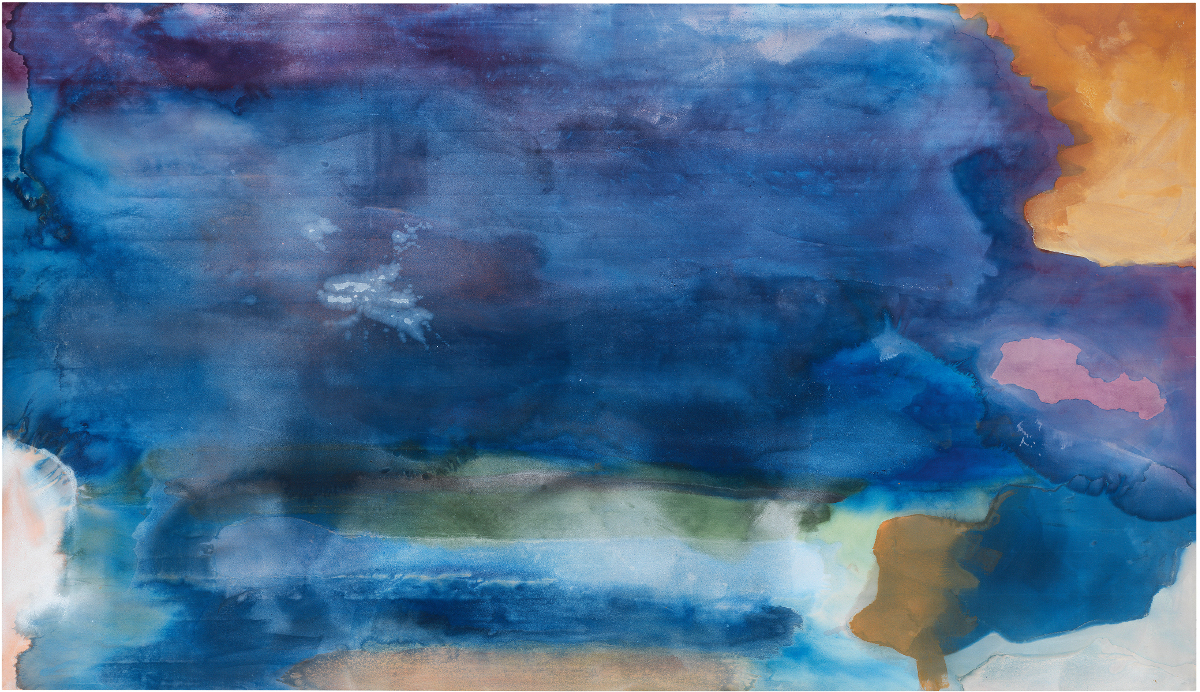
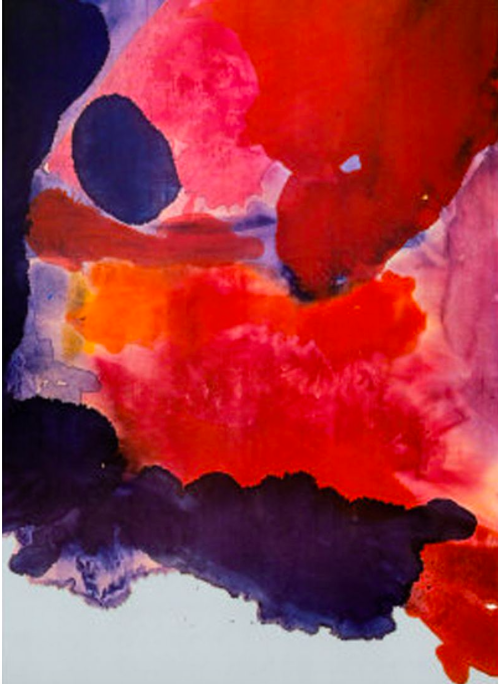
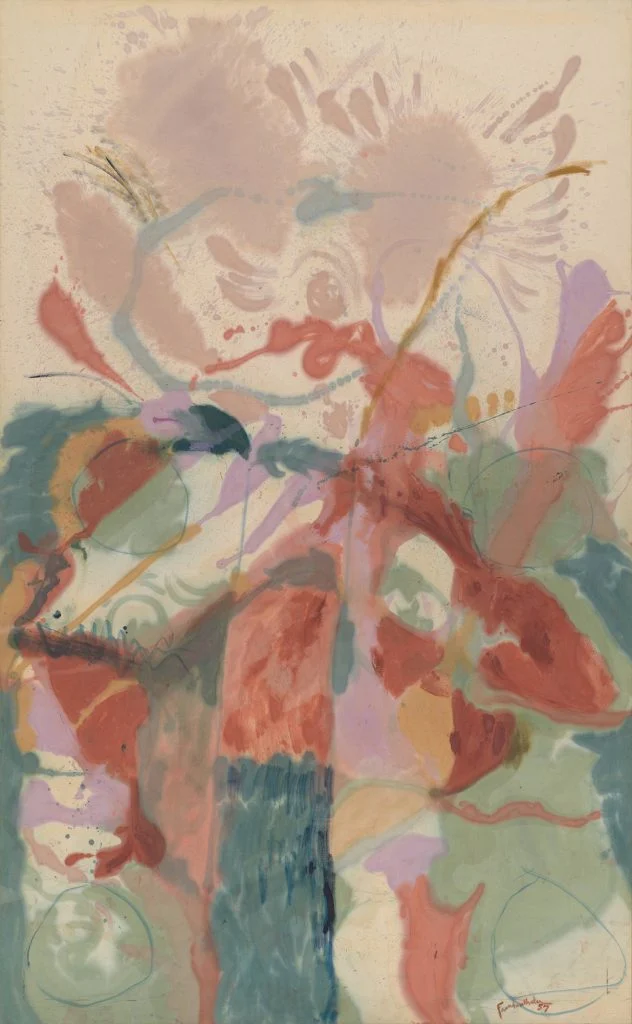
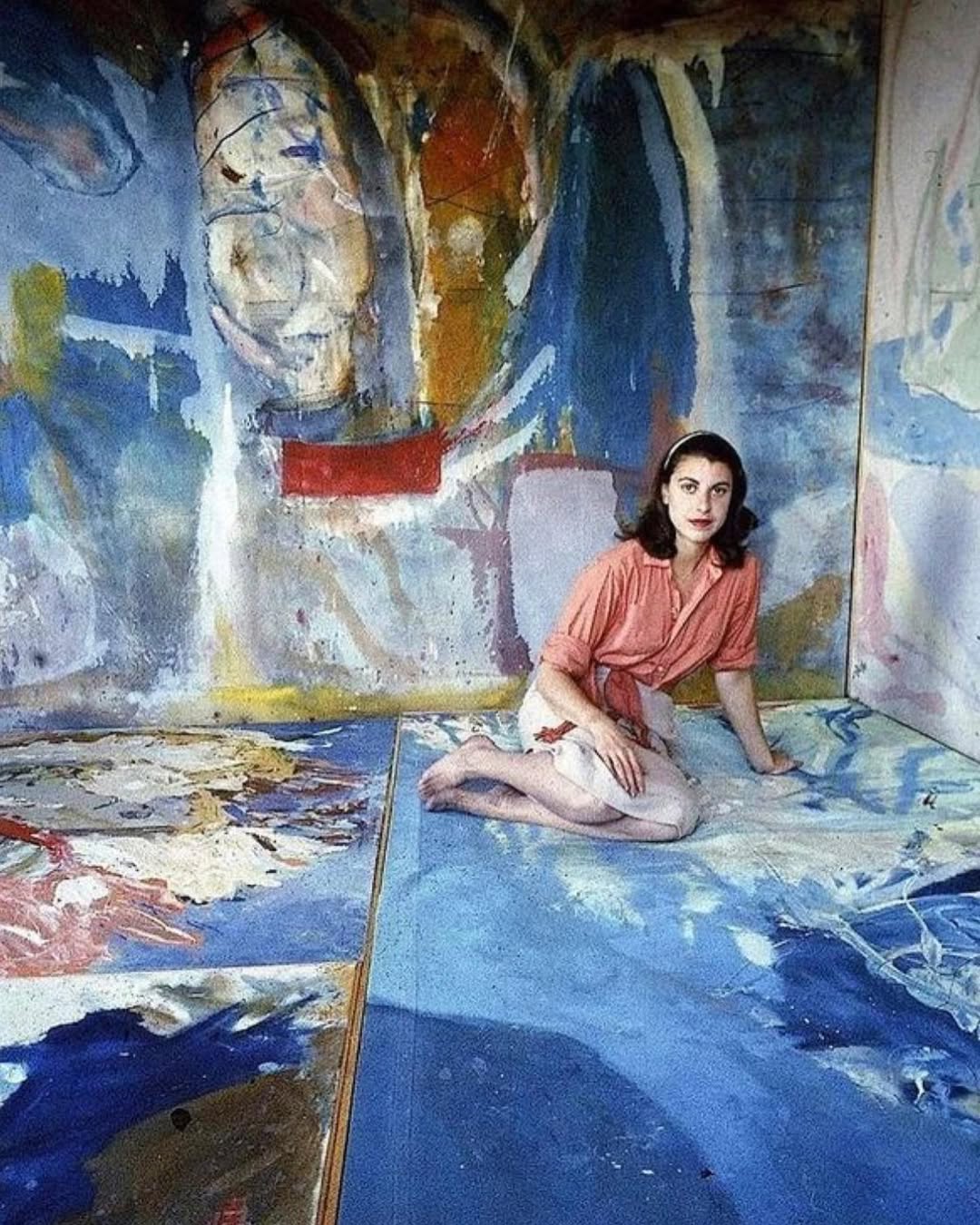
Frankenthaler altered the trajectory of abstraction at twenty three. After encountering the horizontal canvases of Jackson Pollock, she thinned pigment and poured it directly onto raw canvas laid on the floor. The surface absorbed the colour, creating a soak stain field where material and hue fused into a single pulse. This shift opened the door to Color Field painting and revealed a new chromatic language rooted in translucency and risk.
Frankenthaler’s method was intuitive yet exacting, allowing fluid movement while maintaining an internal order shaped by balance, interval and tonal contrast, a grammar that gave her canvases their distinctive lift and clarity. This sensibility was deepened by her dialogue with the past: early encounters with the structures of Picasso, Cézanne and Kandinsky, followed by travels through Europe where she studied Titian, Rubens and Monet, all of which fed directly into abstractions such as ‘Jacob’s Ladder’, where narrative sources dissolve into gesture while preserving a trace of symbolic ascent.
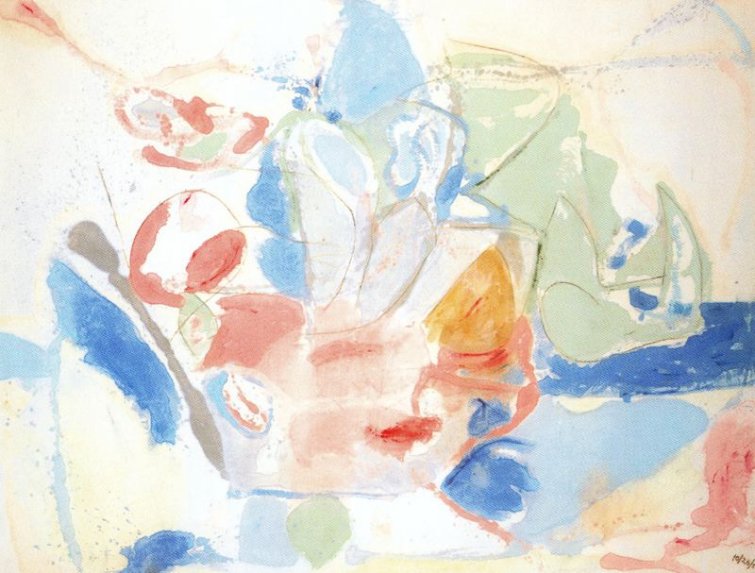
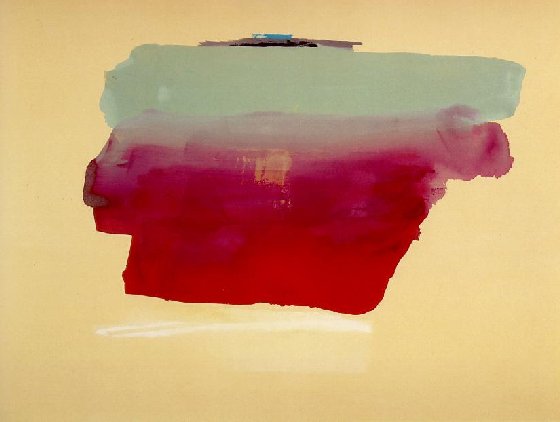
The range of her practice extended far beyond canvas, encompassing printmaking, ceramics, textiles and sculpture, each medium expanding her technical curiosity and reinforcing her belief that colour could inhabit any material. That commitment to invention shaped a legacy in which she reimagined what a painting could hold, offering a language of openness, clarity and resonance.
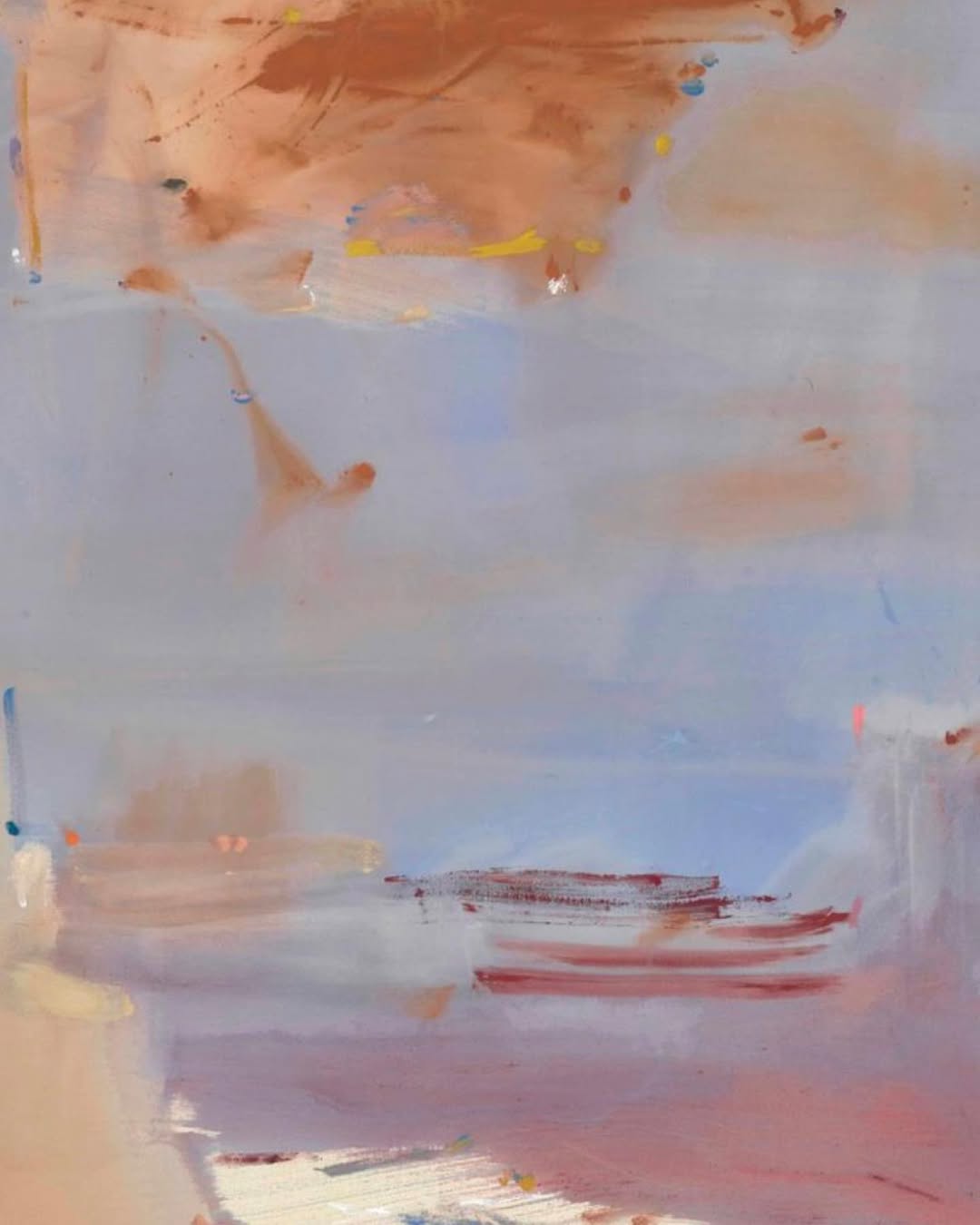
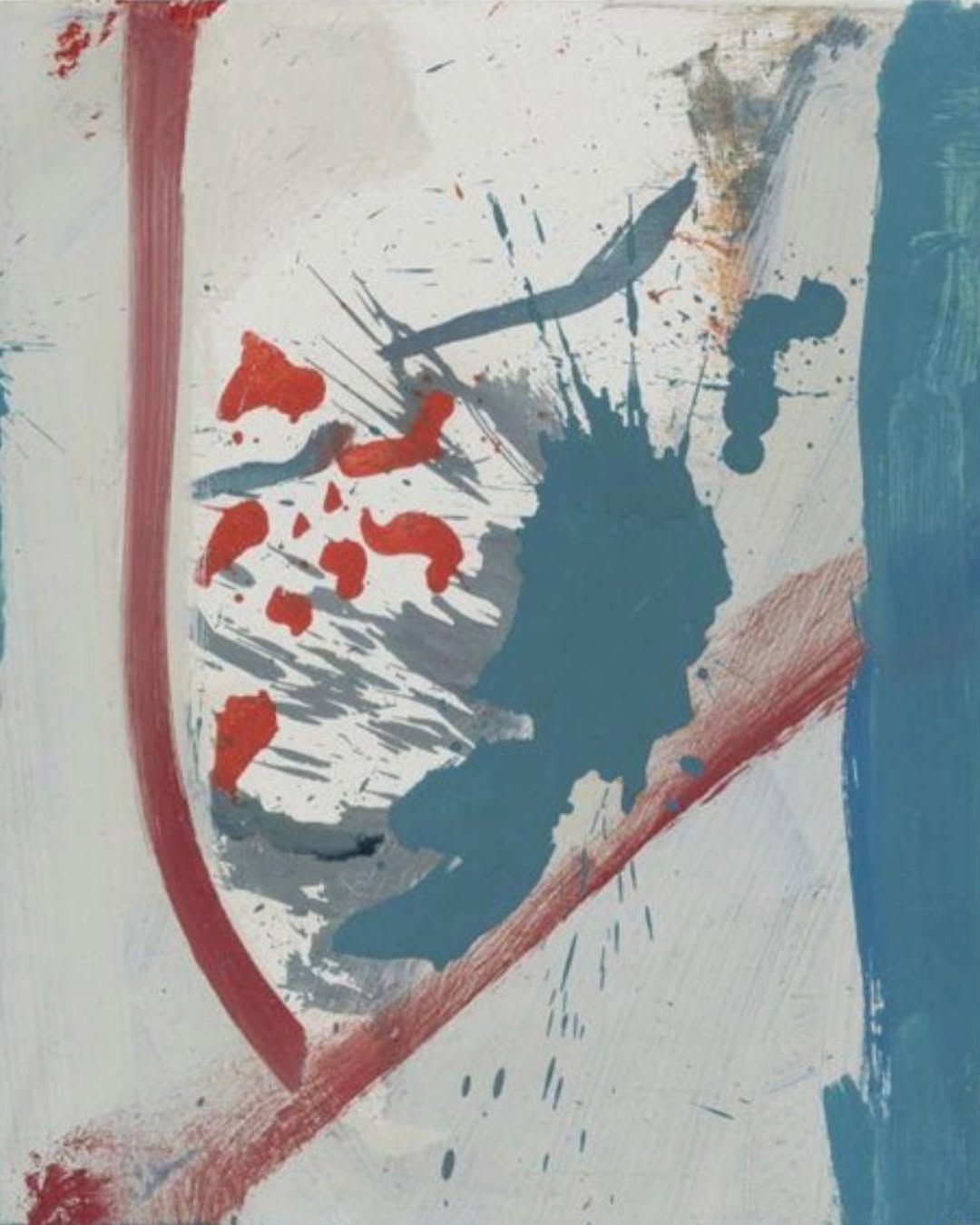
Her work takes renewed prominence in Helen Frankenthaler, the 2026 exhibition at the Kunstmuseum Basel curated by Anita Haldemann, on view from 18 April to 23 August 2026.
–
Follow us on TikTok @veinmagazine