




At London Fashion Week, KSENIASCHNAIDER enters a bold new chapter—where upcycled denim, Kyiv experimentation, and quiet rebellion collide, and workwear becomes a blueprint for thinking differently about fashion itself.
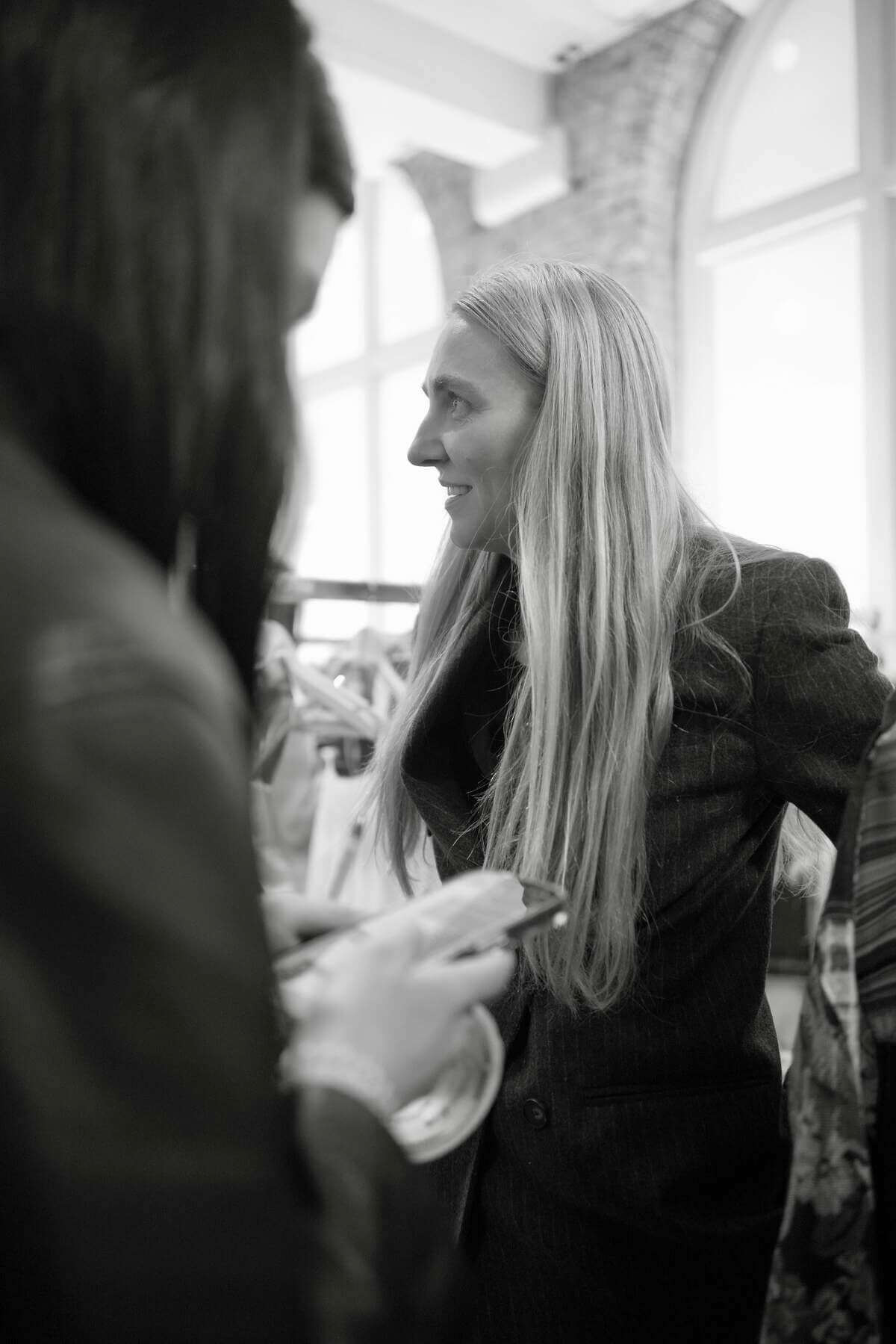
Ksenia Schnaider photographed by Dmitry Novikov
For more than thirteen years, Ksenia Schnaider has been reshaping discarded denim and redefining workwear, working alongside her partner, co-founder, and husband, Anton, who brings a graphic design background. From being selected for Vogue Italia’s The Next Green Talents to receiving the PETA Germany Vegan Fashion Award for her pioneering work in upcycled denim, her designs have been embraced by some of fashion’s most visible tastemakers, including Bella Hadid, Céline Dion, Dua Lipa, Camila Cabello, Lady Gaga, Adwoa Aboah, Monica Bellucci, along with the non-visual ones like myself who has been wearing her jeans for years, and I have to mention that they are built to last.
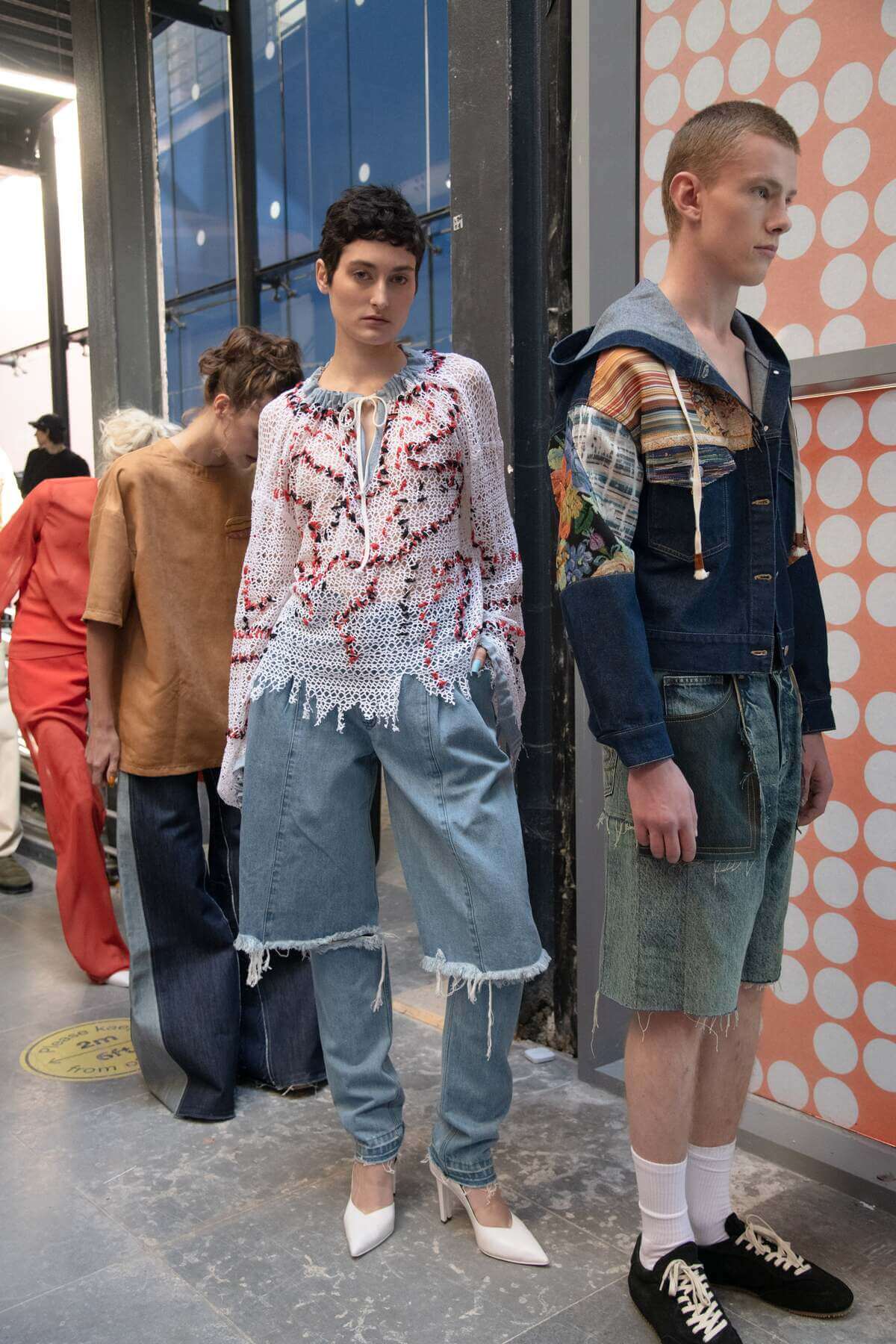
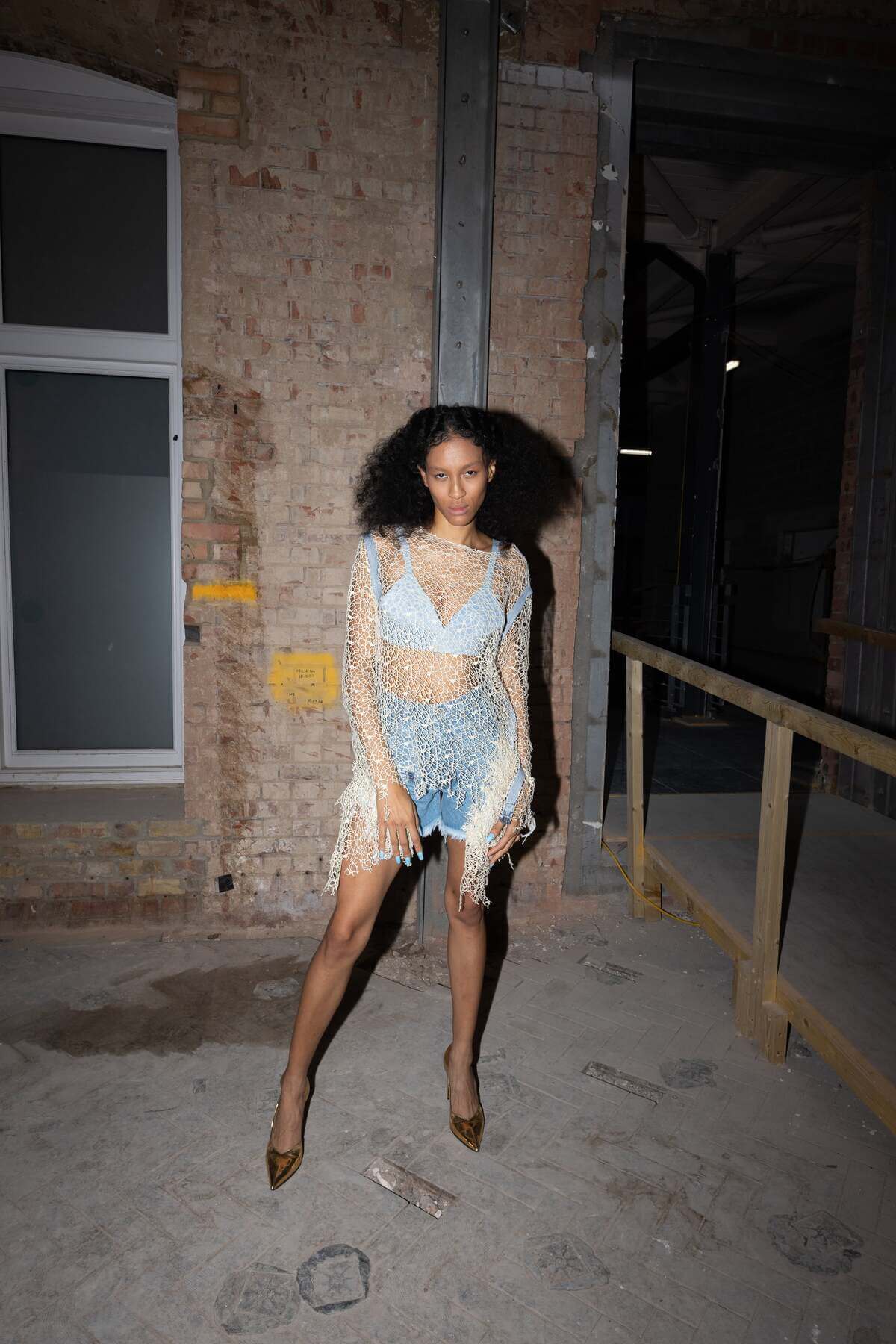
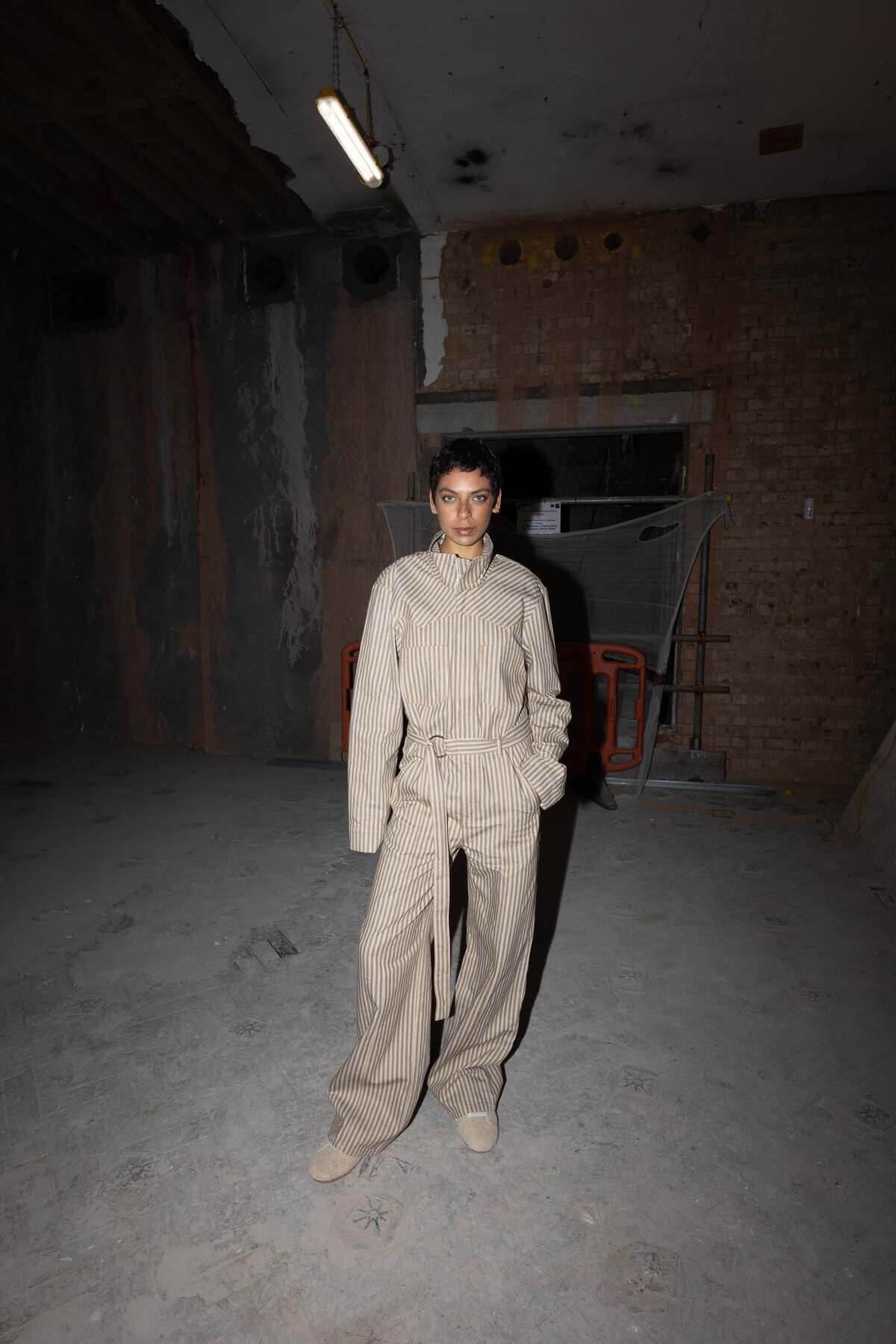
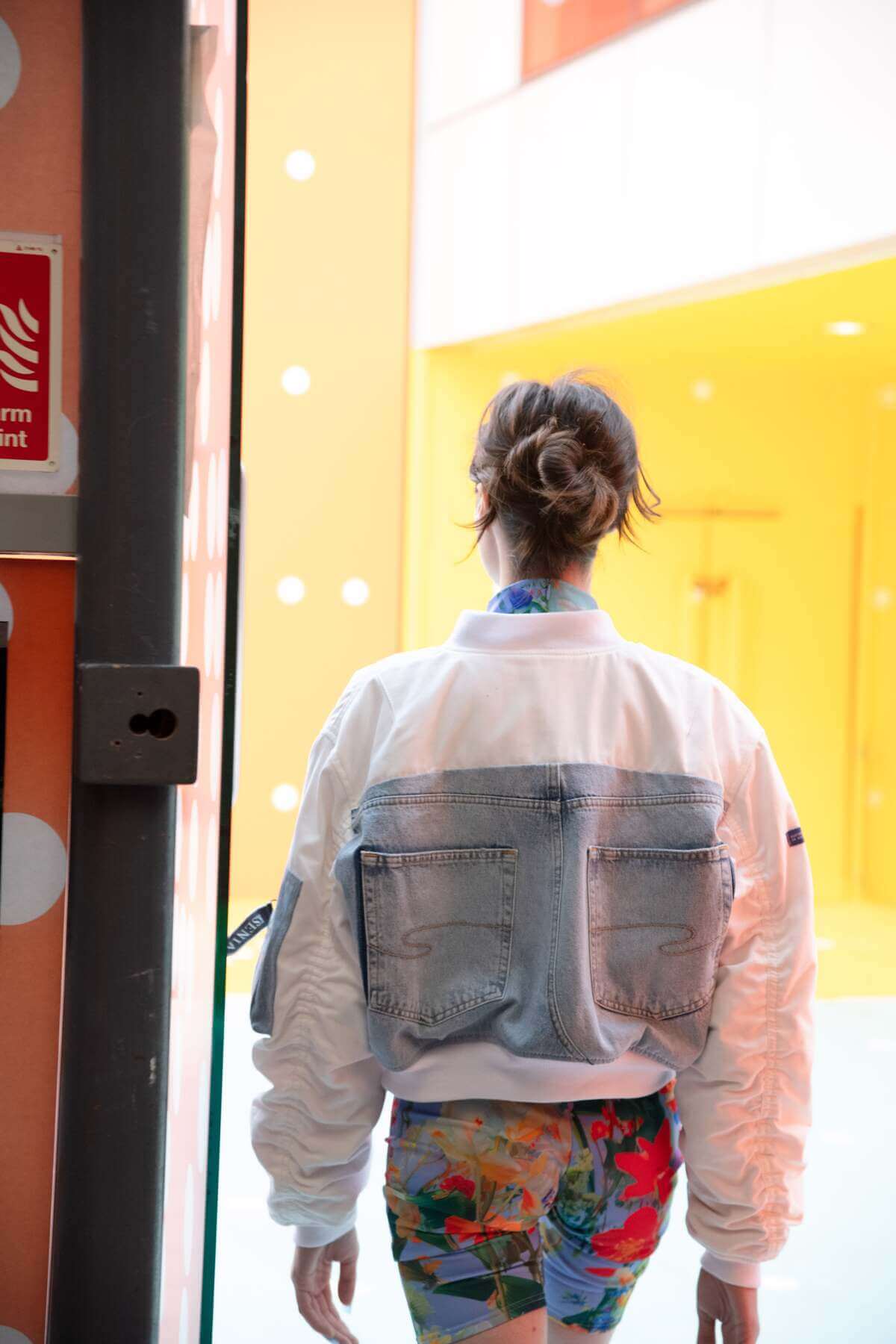
Now, KSENIASCHNAIDER has entered a new era, marking their place at London Fashion Week along with debuting a collaboration with Lee Cooper that bridges 1900s British workwear and Kyiv experimentalism that Ksenia is known for. With roots and manufacturing in Kyiv, their viral Cubic Denim line made its debut at Ukrainian Fashion Week in Kyiv last season. The range is a radically un-radical protest against the increasingly volatile and competitive world we all find ourselves in, challenging the idea of having to reframe constantly and re-imagine circumstances and instead refusing to be forced to think outside the box. Whether it’s distorted denim, eerily precise upcycled tailoring, or her now-famous Cubic silhouettes, it’s obvious that Schnaider isn’t just designing clothes but building a new mental operating system for fashion.
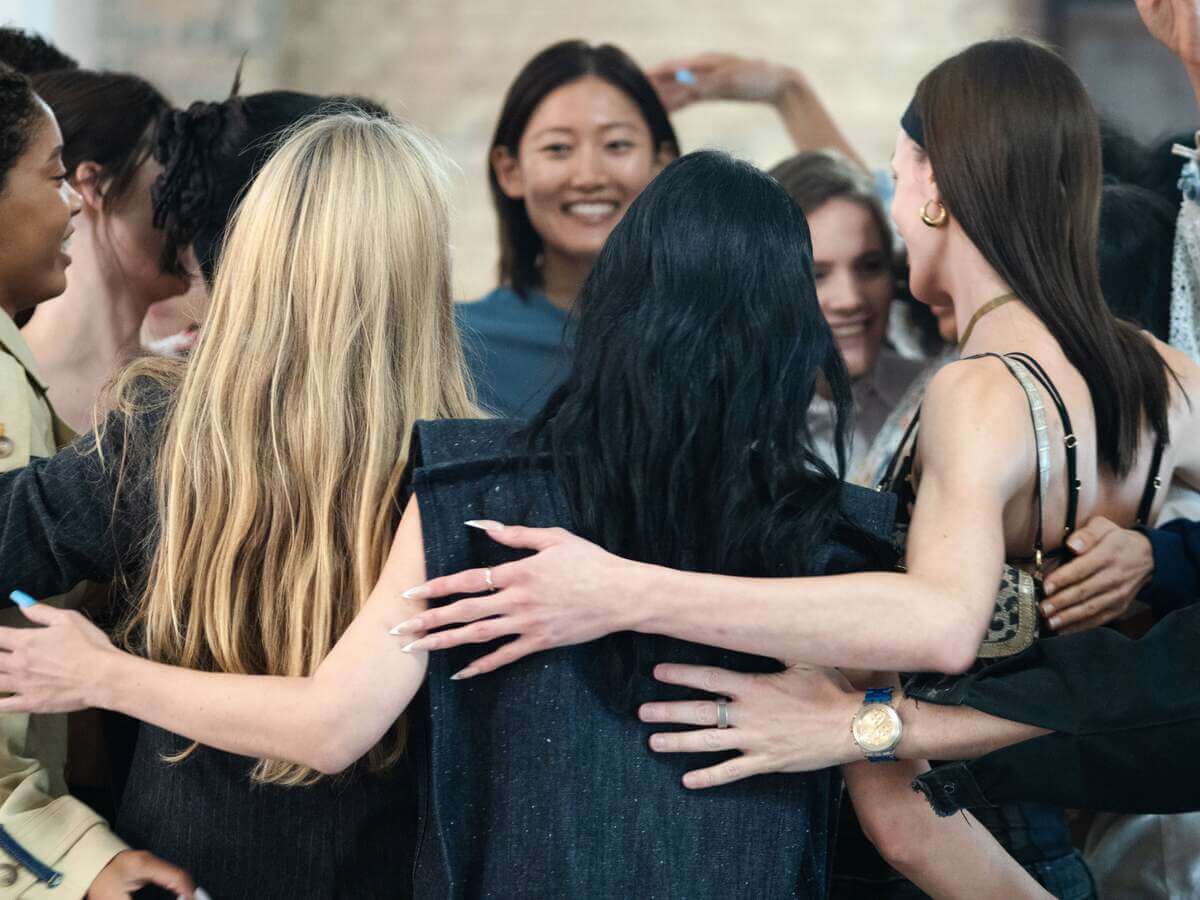
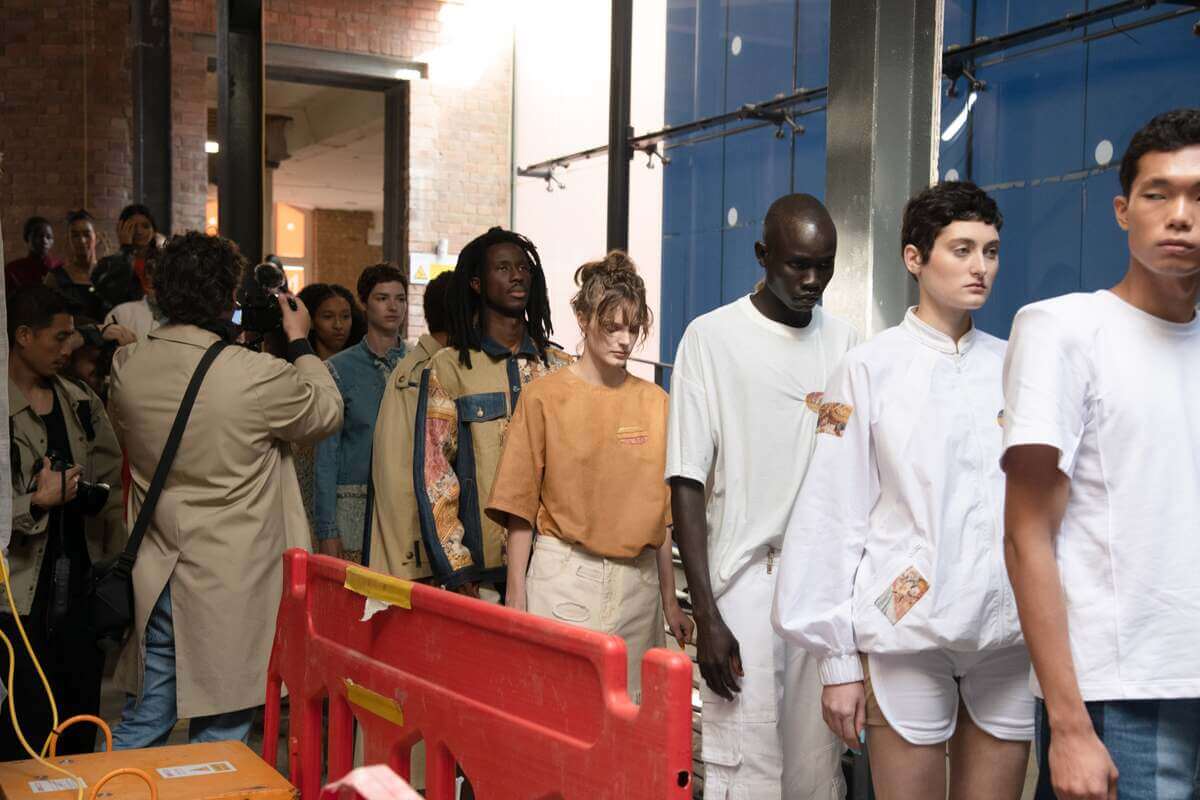
Your SS26 collection “UTC+0”, showed at London Fashion Week. Can you explain the meaning behind the title?
UTC+0 means “zero point”, the idea of a reset. We are always rethinking, recycling, and searching for new meanings. It’s also about awareness, being present, rethinking what clothing means today, and how identity is shaped through it.
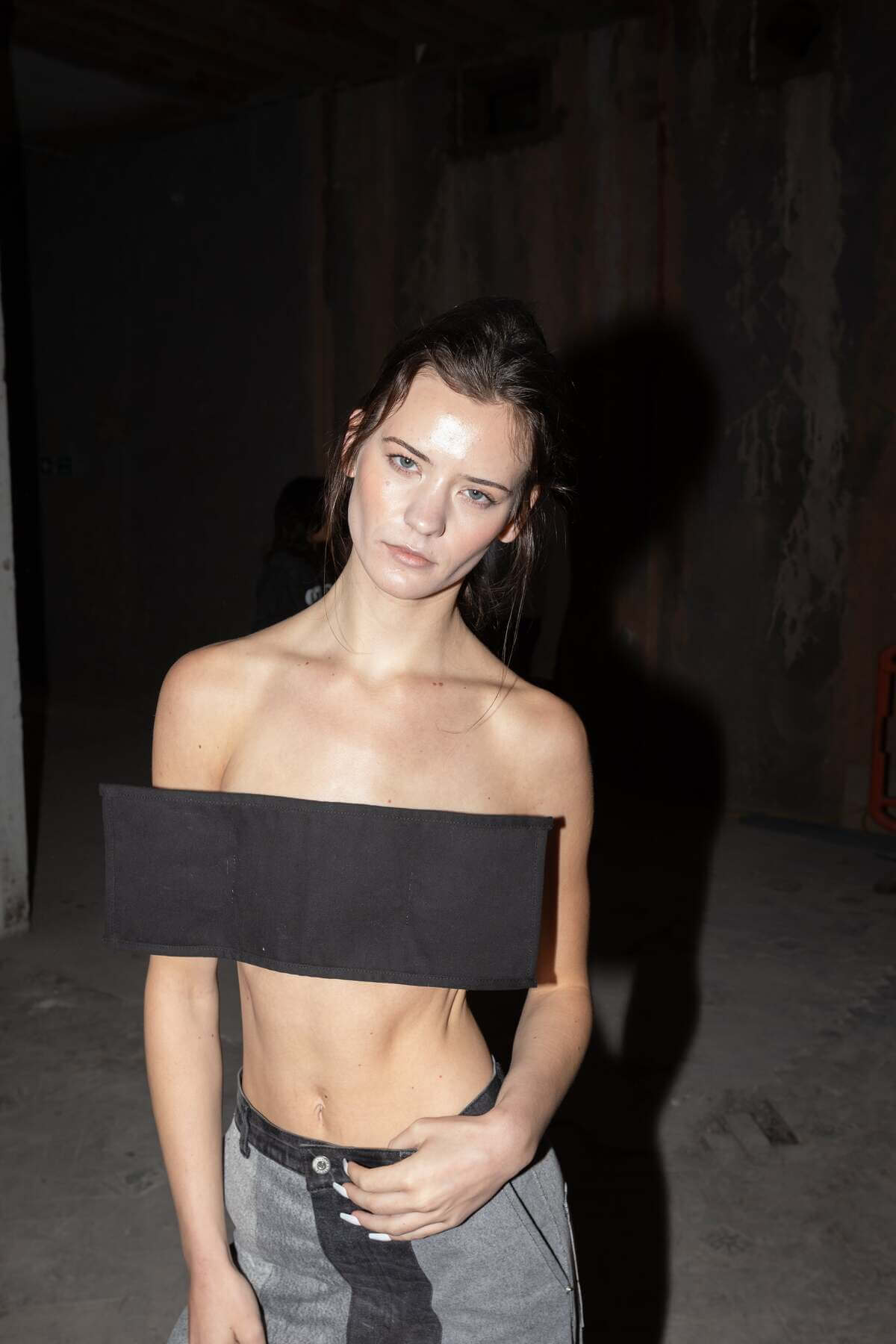
The collection draws heavily on your signature denim experimentation and also features upcycled and certified fabrics. How do you balance innovation in form with your sustainability ethos?
We never separate innovation and sustainability, they are parts of the same process. We treat new materials with the same respect as reworked ones: it’s about finding beauty within responsibility. Innovation for us isn’t about constant newness, it’s more about rethinking what already exists.
In the current climate, it feels like we are going backwards, especially with the reversal of environmental regulations across the Atlantic. I’ve been following your work for nearly a decade, have you seen any big changes in the industry in regards to sustainability and rethinking waste?
What’s changed is awareness: people finally understand that sustainability isn’t an aesthetic, it’s a responsibility. But the system itself is still slow to evolve, but it’s happening more and more.
Showing in London, especially given your roots and the ongoing situation in Ukraine, must carry particular resonance. How did the context influence your creative process, your team, and the production of the collection?
It was emotional and really tough. Doing our first independent show in London felt like both pride and responsibility, a new level for us. We worked on a very tight budget but refused to compromise: from finding the venue and building the team to managing production and even dealing with a shipment stuck at the border, we handled everything ourselves. We wanted to show that even in such challenging times, Ukrainian creatives remain strong, resilient, and present on the global stage.
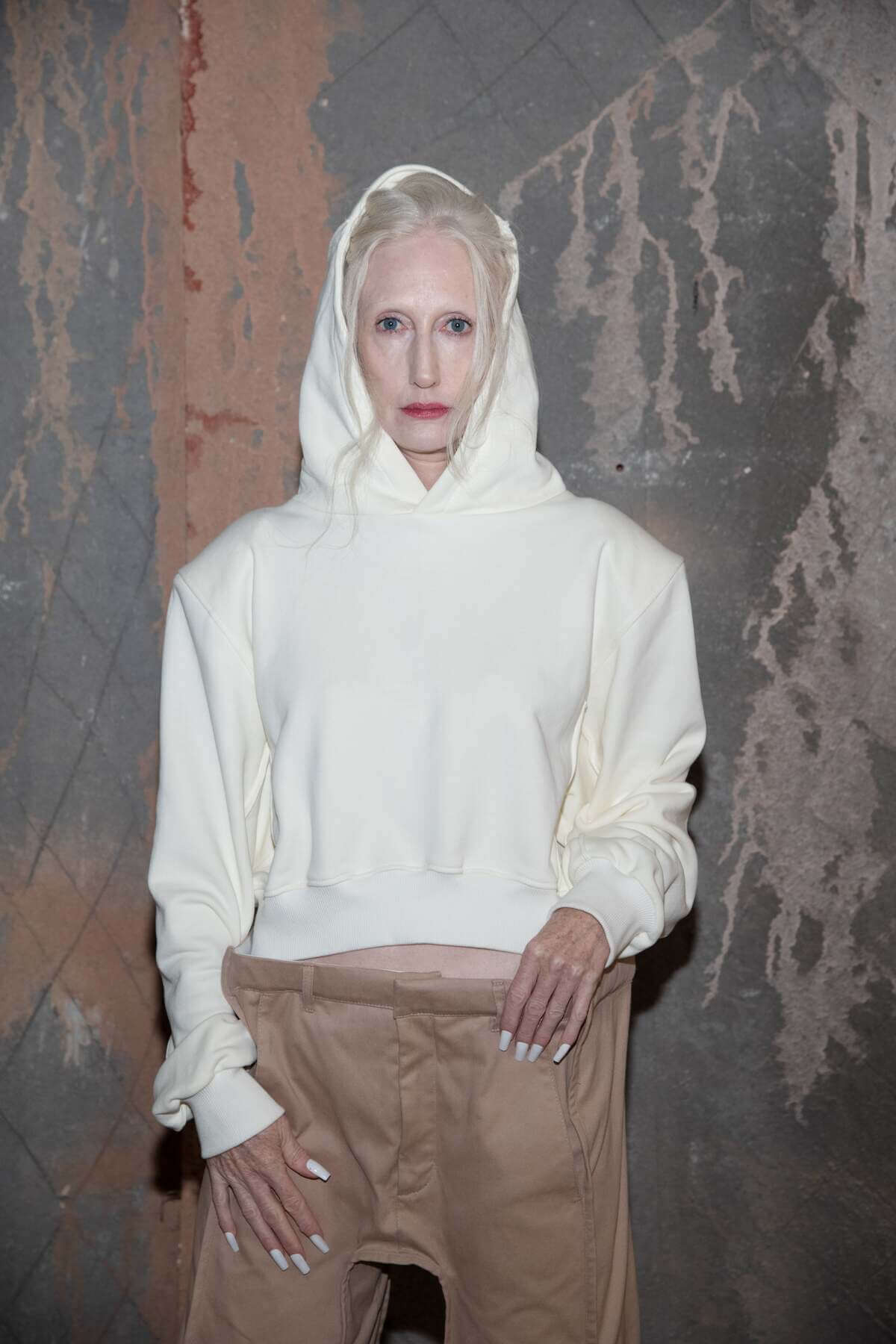
In this collection, you revisited menswear and extended into more exaggerated silhouettes, as well as deconstructed tailoring. What prompted that turn, and how do you see the relationship between menswear, womenswear and your brand’s core identity?
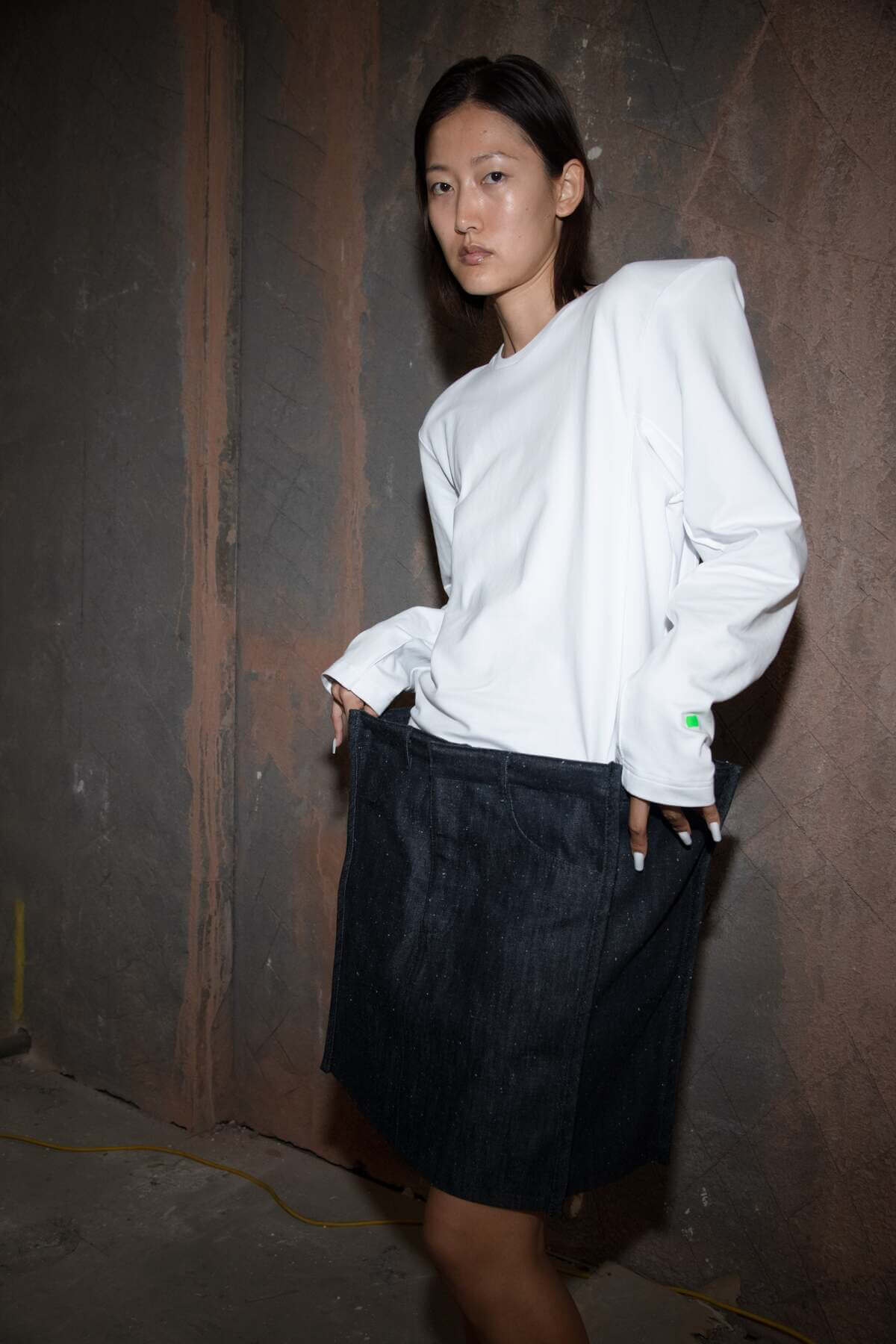
Anton is always doing a men’s line, and this season he took full creative lead. It felt natural to go back to menswear, but through our identity: less about gender, more about structure and attitude.
What were some of the major logistical or creative challenges behind the scenes, especially given production in Kyiv under current conditions?
Firstly, it teaches you resilience. We deal with power cuts, logistical delays, and a lot of uncertainty. But it makes every piece somehow “more alive”. You feel the hardest of times, the context behind it. It’s not perfect, and that’s exactly what makes it so real.
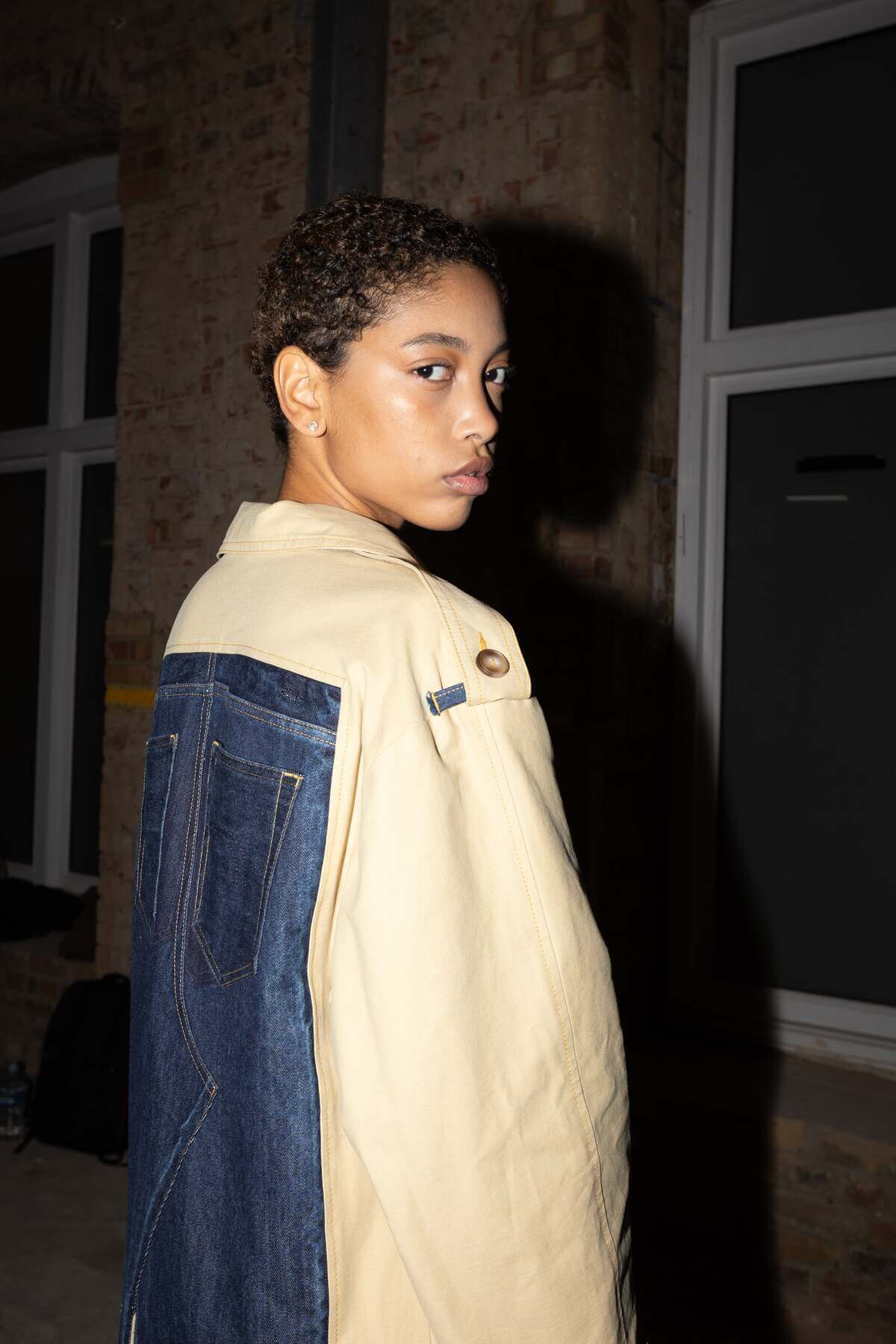
Your collaboration with Lee Cooper marks an interesting meeting point between your avant-garde, up-cycled aesthetic and Lee Cooper’s deep heritage in British denim. What was the catalyst for this collaboration, and how did the dialogue between the two brands play out?
It came very naturally. Lee Cooper has more than a century of denim history and real workwear roots. We wanted to see what happens when that tradition meets the idea of reworked, hybrid denim. It’s not just about nostalgia, it’s about giving heritage a new shape with our vision.
How did you choose which Lee Cooper heritage elements to reinterpret, and how did you approach the up-cycling in this context?
We reused Lee Cooper’s original deadstock denim, adding up-cycled details and turning archive elements into something contemporary but still true to their DNA.
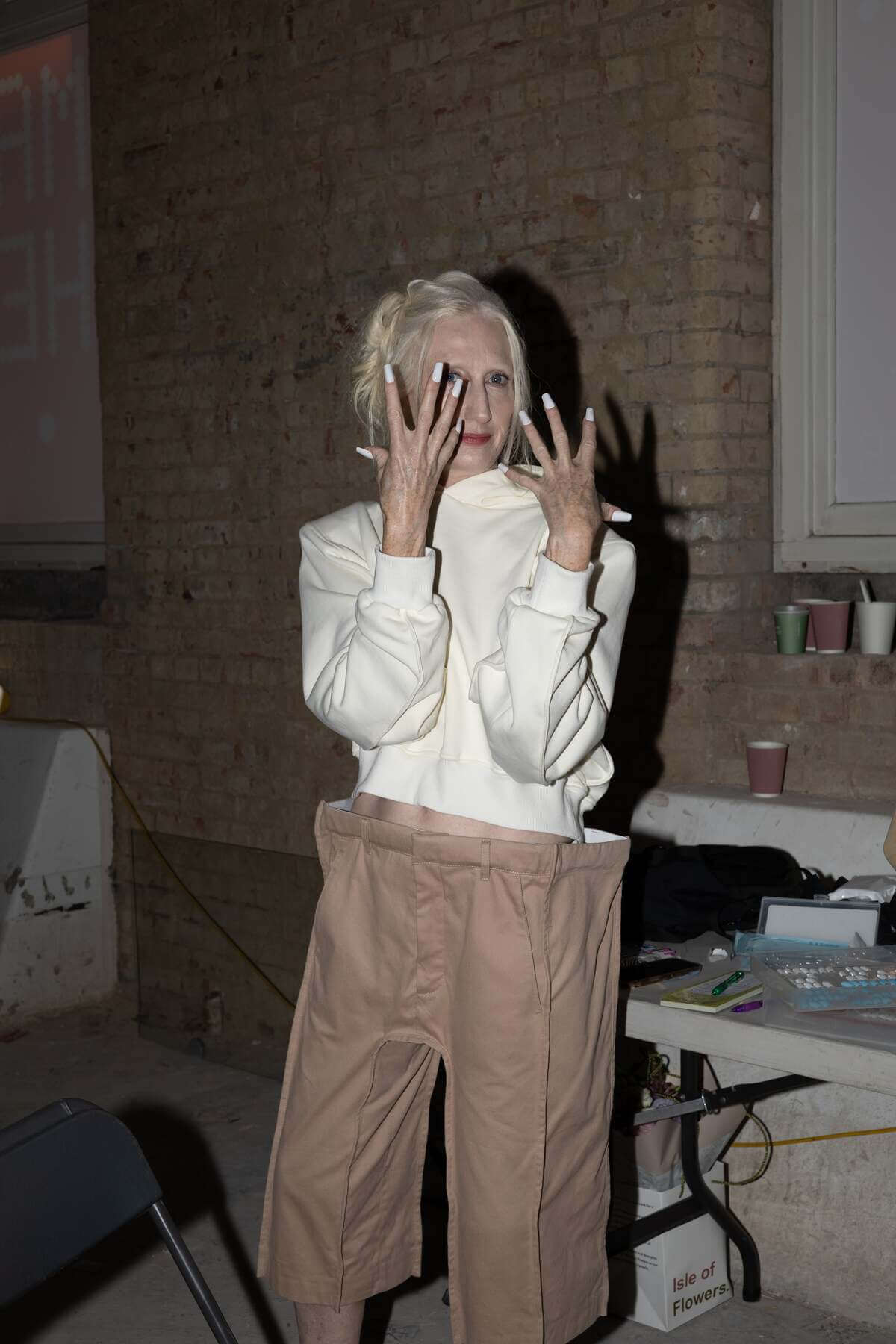
Given that both sustainability and heritage are key components of the collab, what lessons did you learn from Lee Cooper, or what did you bring to them, that will continue to inform your own brand’s solo collections?
Heritage and sustainability can go together, there’s no need to reinvent everything; sometimes, you just need to look at the past differently. And show its updated version.
There continues to be a lack of female creative directors in fashion. You co-founded the brand with your husband, Anton Schnaider, and you are both parents. It may be a clichéd question, but something many people still struggle with. How do you balance work and life?
There’s no perfect balance, I think it’s unreal. Working together helps us to understand and support each other better, both as partners and as co-creators. The brand is part of our life, we can not separate it.
Finally, what has been the most surprising lesson you’ve learned from showing at London Fashion Week and doing an international collab like this? Anything you didn’t expect?
A new context always teaches you something, this time, that limits can be creative fuel. Working within constraints like time, resources, and distance, makes you sharper. London reminded us why we started: to make things that feel honest, not perfect.
Follow us on TikTok @veinmagazine