
Fashion is about cycles, and every couple of decades we ask the same question. That is why it feels timely to revisit it as we enter 2026. Coincidentally, the last time the industry seriously asked this was around 2008, during the Great Recession, which also saw the mainstream rise of Indie Sleaze, today better known on TikTok as Millennial Optimism.
Not quite twenty years ago, we lived through the housing bubble, bank bailouts, and widespread closures that rippled across Europe. Tom Ford had already left Gucci. Britney Spears was forced into a conservatorship. Berlusconi was about to take office again. The Kardashians had just aired. The first iPhone was released. Nicolas Sarkozy married supermodel Carla Bruni, which was not on anyone’s bingo card. The kids were not okay. I know, I was there. There were two parallel realities: one where young girls wanted to be WAGs or reality TV stars, and another where they were searching for anything that felt real.
Skins
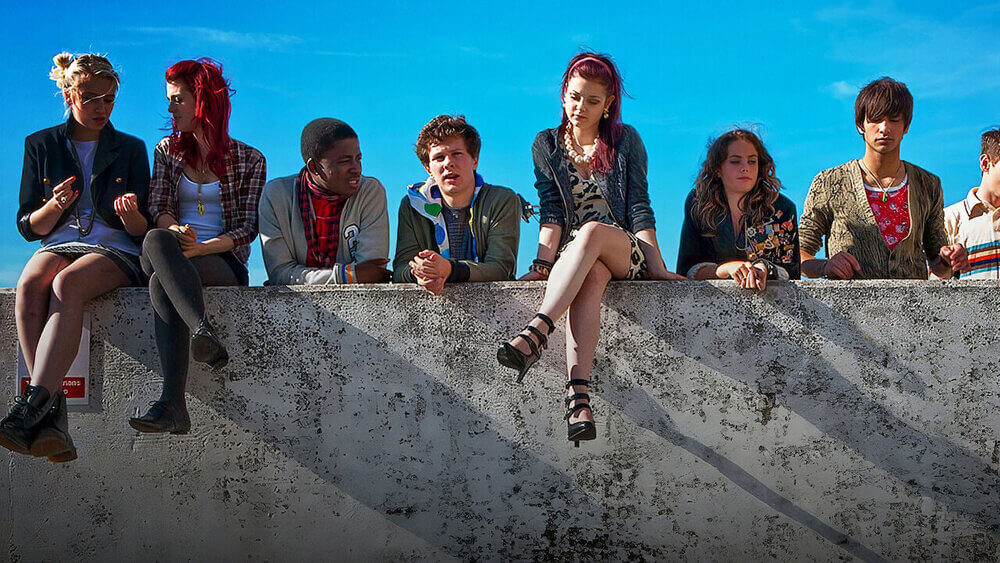
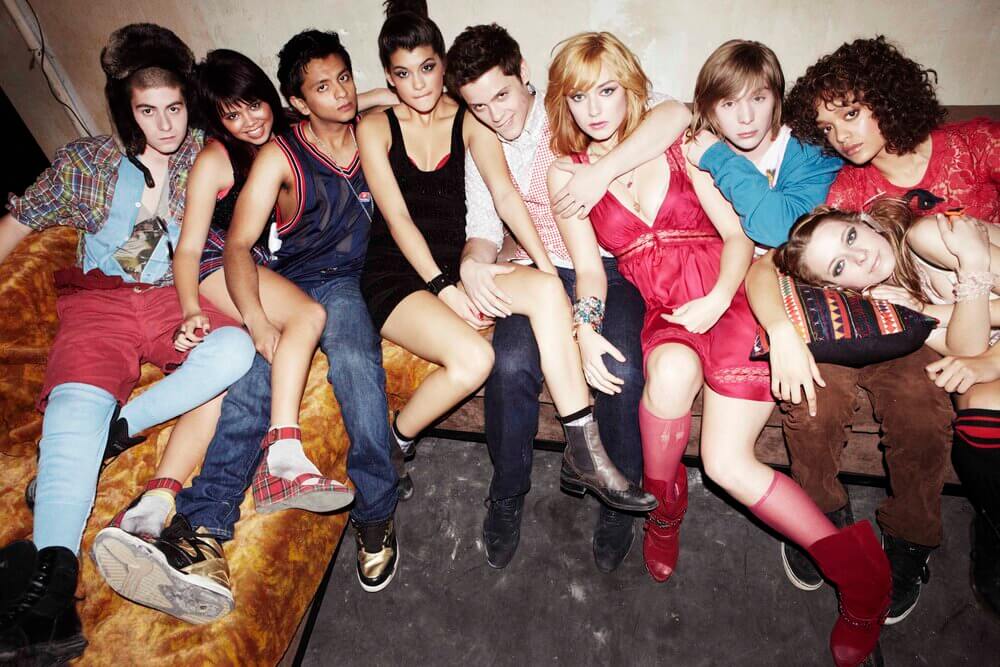
To understand that shift, we need to go back slightly earlier, to SS01, when Hedi Slimane took over Dior Homme and introduced a new male silhouette defined by extreme slim trousers. Like Christian Dior’s New Look in 1947, it trickled down to the masses. In the 50s, the poodle skirt became synonymous with carefree youth culture. Slimane’s nod to the late 60s also echoed a time of student rebellion in France and rock and roll. The look translated especially well for Millennials, particularly in Paris and in burgeoning scenes like Hackney or Bushwick. This was the rise of the hipster.
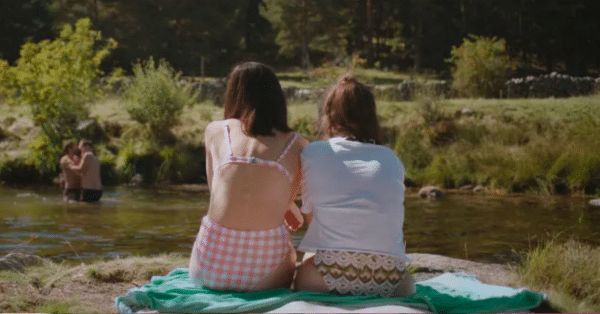
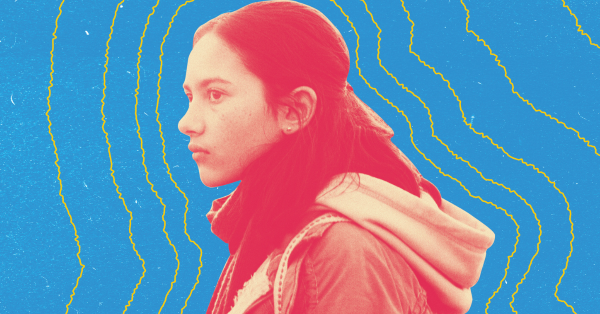
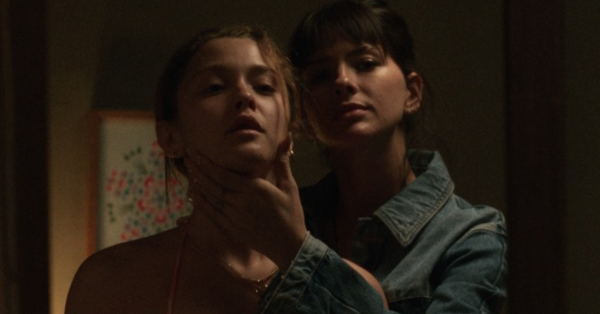
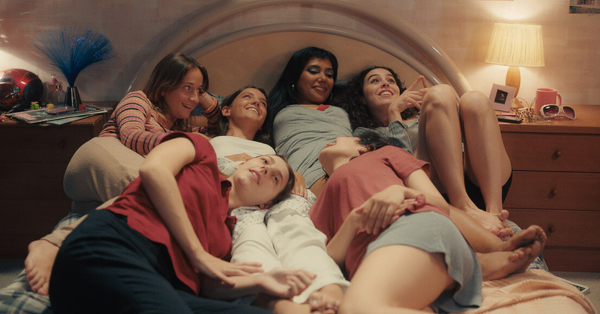
Women could be messy, from messy buns to loosely tied sweaters, smudged eyeliner, and imperfect skin. Heels were replaced by Converse or Airwalks, with a maximal commitment to comfort, especially away from the male gaze. Joy was not ironic, although fashion sometimes was. Confidence was delusional but not expected or faked. Gentrification was not yet a dirty word, and social media had not turned into doomscrolling. When the media looks back, you would think that the era was just hedonistic and horny, I’m not glamourizing it, because economically, it was a struggle, but I didn’t imagine that the wealth gap and class wars could get bigger and divide youth culture in the future.
Skins
This era began to fade with the rise of streetwear and street style as it morphed into a new hype culture, one defined by rising prices and rapid disposability. It went from hip to hype. The trickle-up effect brought jeans and hoodies onto the runway.
With hype culture came celebrities and clout, and over the past decade creatives have been priced out. Celebrities can earn as much from a campaign as from a film, but if you do not land one, can you afford to continue acting? The situation is even worse for musicians. Austerity cuts mean we may never see another McQueen, Galliano, Slimane, or even Demna. In a recent online video, journalist Sujata Assomull discussed the luxury ick, a growing perception that luxury brands have become unpleasant due to extreme price increases, declining quality, and sweatshop scandals. The bubble will burst, but which one? And who is expected to keep creating and consuming in the face of this growing sense of discomfort? If consumerism is on its way out, what will fashion look like? Will it disappear too?
Today, WAG aspirations have been replaced by Trad Wives, and reality TV faces by the Mar a Lago face, which has hijacked quiet luxury aesthetics in a performative display of fake it till you make it girl boss wealth. But like Indie Sleaze, these opposing impulses will run in parallel, locked in tension.
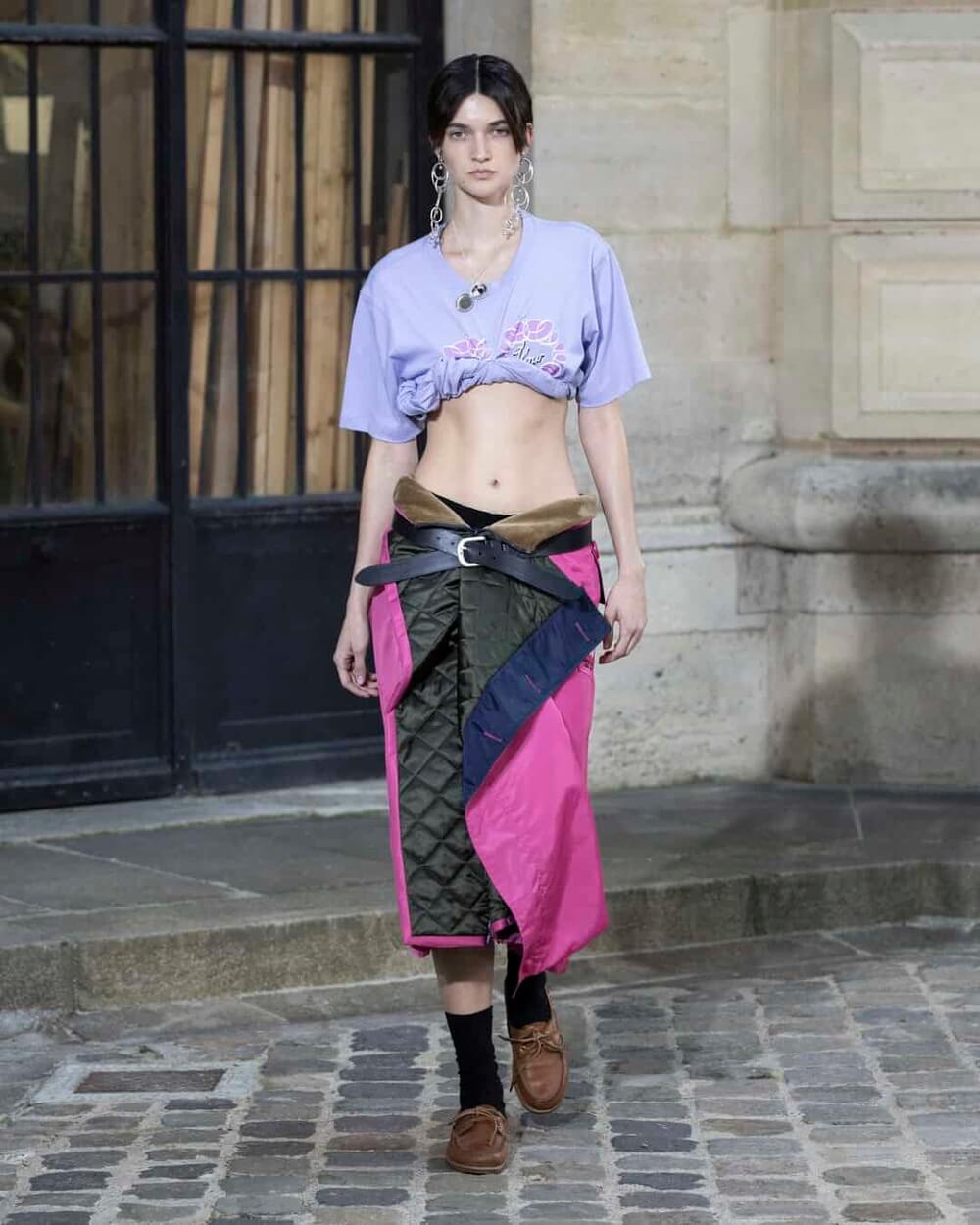
Playful references at Meryll Rogge
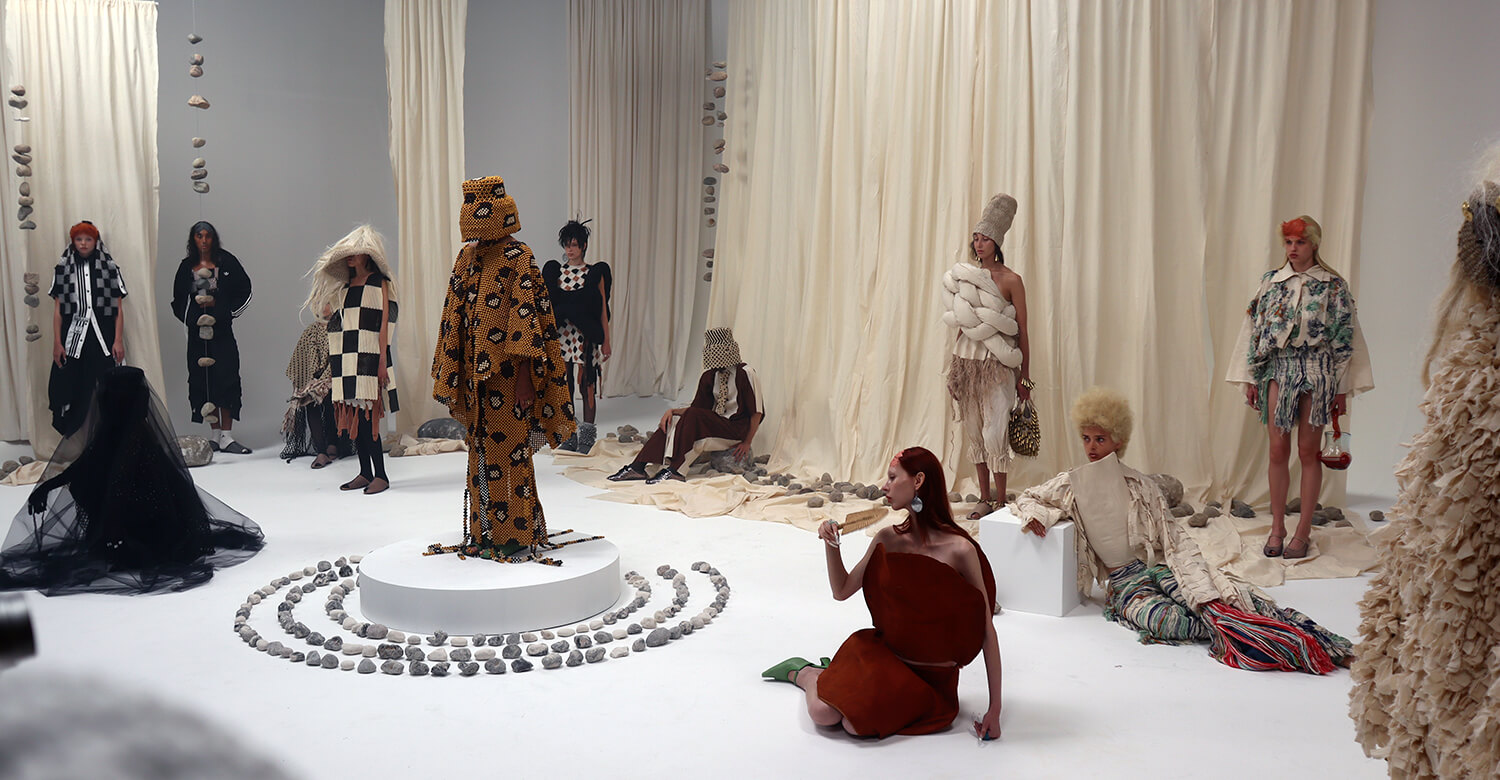
Optimism will be one of the defining macro trends. After years of aesthetic austerity, irony fatigue, and trauma-coded minimalism, 2026 signals a return to something that has been unfashionable for over a decade: earnest optimism. Millennial Optimism is not a nostalgic rerun of the early 2000s. It is a recalibrated worldview shaped by a generation that grew up online, endured economic collapse, climate anxiety, and political chaos, yet still insists on joy as resistance. Visually, this appears as unapologetic color, playful proportions, graphic accessories, whimsical, and pieces picked up on the hippie trail. In 2026, optimism becomes political, not escapist but defiant. Dressing happily is no longer unserious. It is an assertion of agency, and with it we will see a revival of DIY culture, deconstruction, and hybridization.
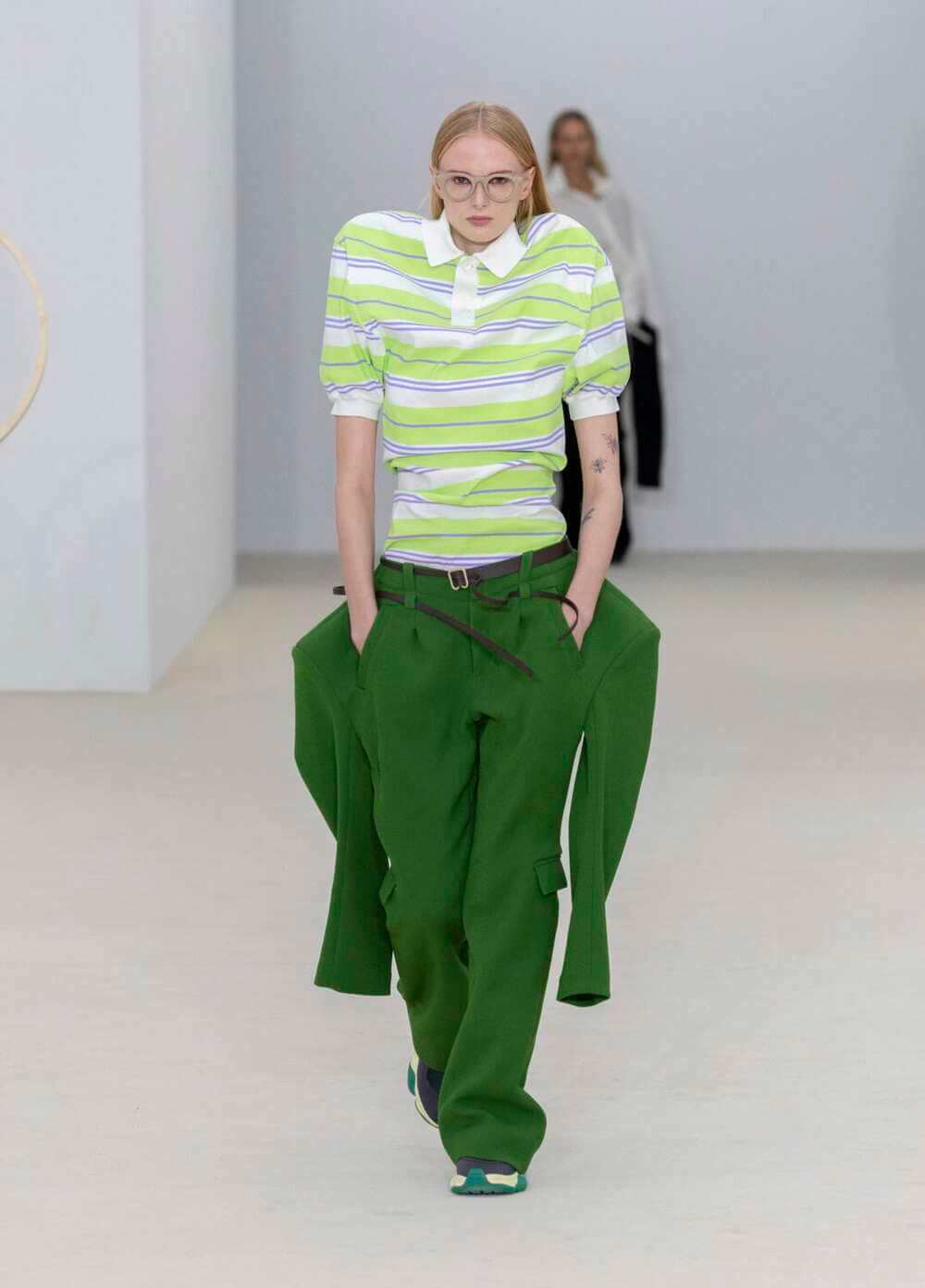
Hybridization at Issey Miyake
On the other end of the spectrum is what can only be described as Fascist Fashion with a Marie-Antoinette “Let them eat cake” air full of corsets and dresses to show off your Stepford Wife Ozempic bod. This trend reflects a global cultural hardening, marked by rising authoritarian politics, an obsession with control, nostalgia for hierarchy, and the aestheticization of power, which today might even be Karoline Leavitt’s lip fillers. But on the runway, we can also see Anti-Fascist reclaimed through severe tailoring, militaristic references, exaggerated shoulders, constrictive silhouettes, and a fetishization of uniformity. Color palettes skew rigid, dominated by black, khaki, steel grey, and blood red. The body is disciplined and contained, often masculinized regardless of gender. It is fashion as armor. Designers such as Balenciaga, Prada, and Givenchy have explored this language in recent seasons, not as endorsement, but as reflection. Fascist fashion thrives on discomfort. It mirrors society’s flirtation with order over freedom and authority over plurality. Importantly, this trend is not about literal ideology, but about the aesthetics of domination becoming culturally legible again.
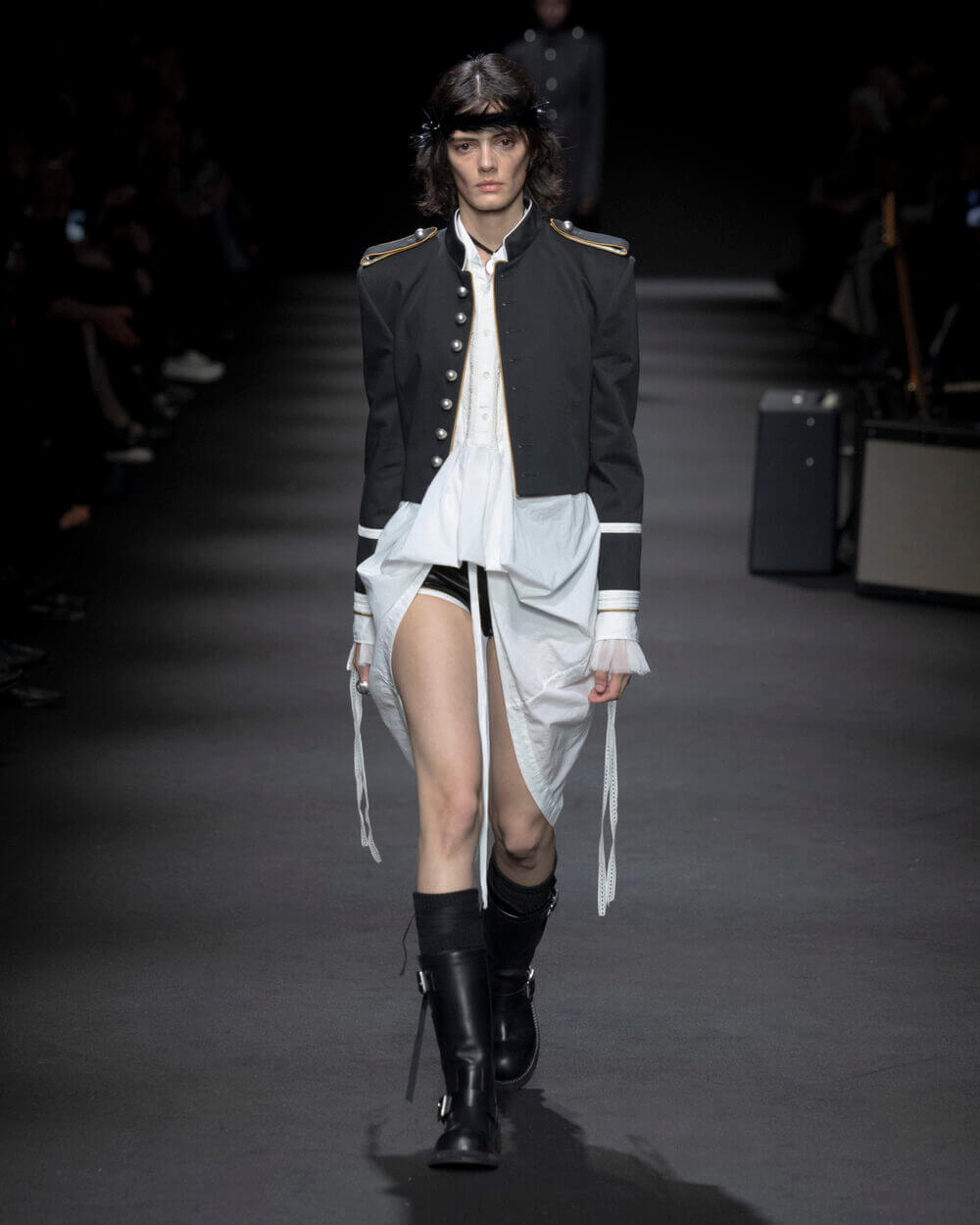
Military references at Ann Demeulemeester SS26
When critics have declared fashion dead in the past, it was often because they were not paying attention to women, minorities, the working class, students, or listening to why certain systems failed. Keeping the industry in check means remembering who makes the clothes and whether they can afford to make them at all. Most of all, joy should not be dictated by celebrities, influencers, or even the runway. Wear what makes you happy, or what you will wear to battle, because 2026 will be the year we need to start putting solutions in place and that should be something to be optimistic about.