

A photographic language where beauty is shaped through tension, not perfection.
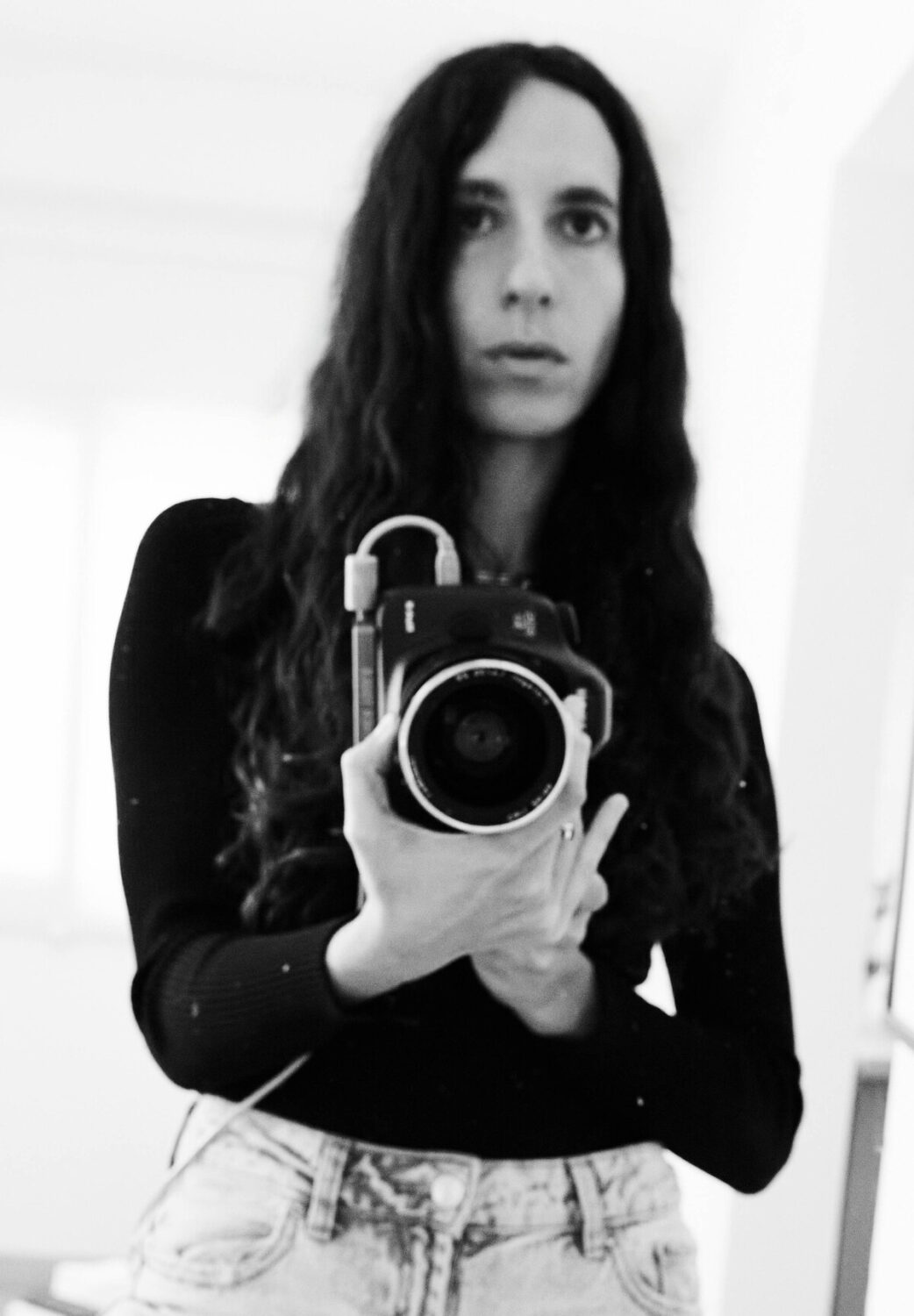
In a visual landscape increasingly defined by perfection, Paula Latimori’s work takes a quieter, more deliberate path. Her images exist in a space where beauty is not softened but shaped, where skin becomes both surface and narrative, and where tension holds more weight than excess. There is something restrained yet deeply felt in the way she constructs an image, a balance between control and instinct that gives her work its distinct presence.
With a background in film and visual arts, Latimori approaches photography as something to be built with intention. Each image feels considered but never rigid, guided by an underlying emotional impulse that gives it life. “If there’s no initial feeling, the image feels empty,” she says, a thought that runs through her practice and defines the clarity of her vision.
As her work continues to move further into the world of beauty, she remains committed to a language that is both precise and sensitive. In her hands, the minimal becomes expressive, and what is left unsaid often carries the most weight.
How did your journey into photography begin, and when did you realize you wanted to dedicate yourself to fashion and beauty?
I started from intuition, with a camera I was given when I was very young. At first, I photographed out of curiosity, driven by the need to freeze moments among family and friends.
My relationship with cinema came very early and helped refine my gaze. That’s when I understood that images could construct emotion, not just record it.
Fashion came later, when I arrived in Barcelona in 2013. I began surrounding myself with people from the industry and discovered a much freer space, where images could be interpretation rather than mere documentation. I had studied cinematography with the idea of working in film, but through that process I realized I needed a more immediate, more personal language. Photography allowed me to build a more direct, more personal vision. That’s when everything started to make sense.
Your work moves between fashion photography, beauty, and a sensitivity close to the visual arts. How would you describe your aesthetic universe?
It’s a contained but intense universe. I’m interested in the essential—what doesn’t need excess to sustain itself. I work a lot from the tension between what is clean and what is emotional. There’s a constant search for balance between control and fragility, between the sculptural and the organic. Everything is carefully thought out, but it has to feel alive.
Do you remember any early project that marked a turning point in your career?
In my case, there wasn’t a single project that marked a before and after. It’s been more of an accumulation: trial, error, and repetition. A slow construction where, over time, a natural synergy developed between my collaborators, clients, and my own perspective. I feel like I’m still in that process—searching for images that are increasingly honest, more aligned with what I want to say.
Even now, I sometimes find it hard to fully take it in. I work on large sets, with teams and major brands, but internally I remain connected to that initial intuition. That child with a camera trying to understand what she sees. Studying photography, then cinema, and working for three years at an art magazine at the beginning of my career was key. That’s where I began to recognize my sensitivity and, little by little, take responsibility for it.
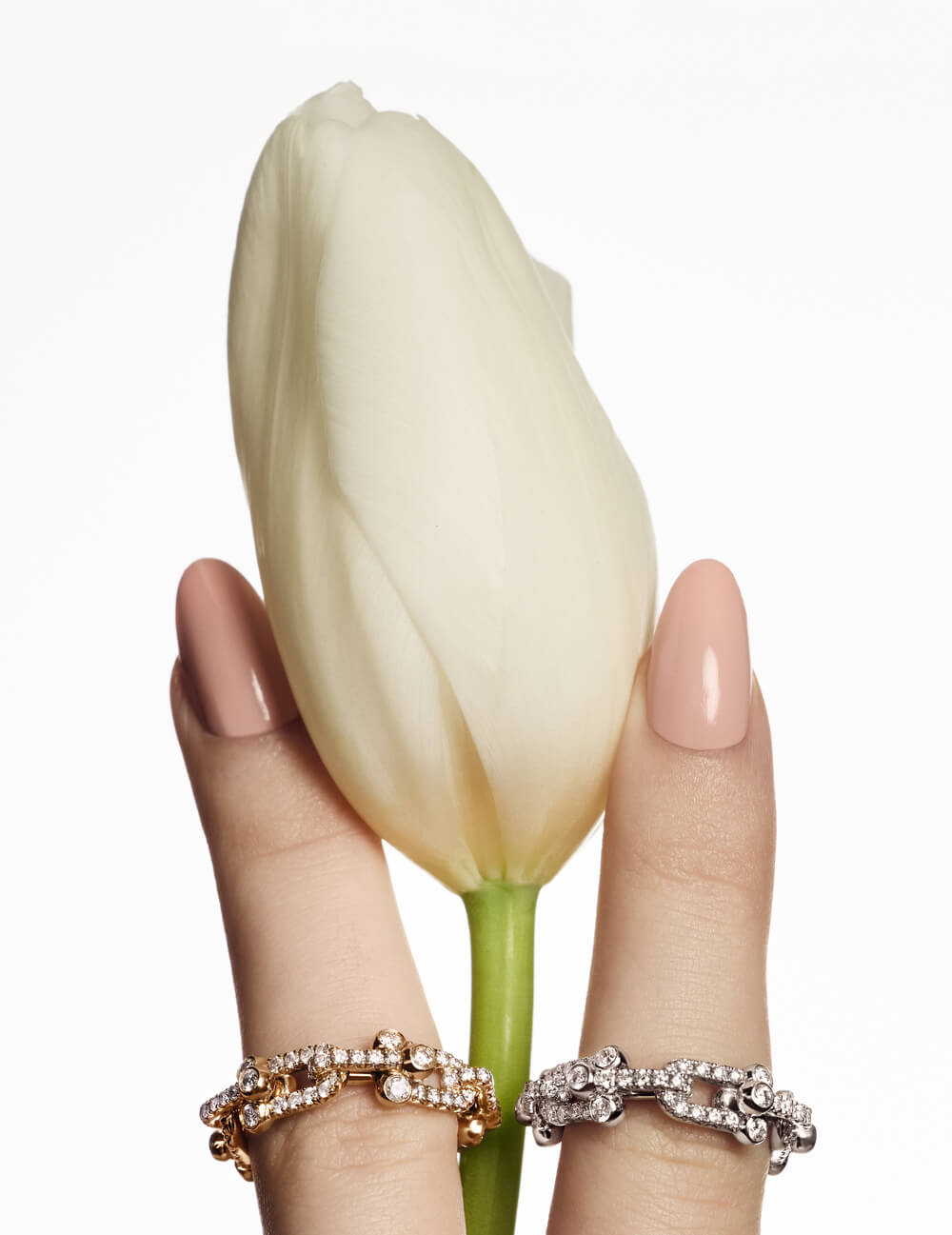
In recent years, you’ve moved closer to the world of cosmetics. What creative possibilities do you find in beauty photography?
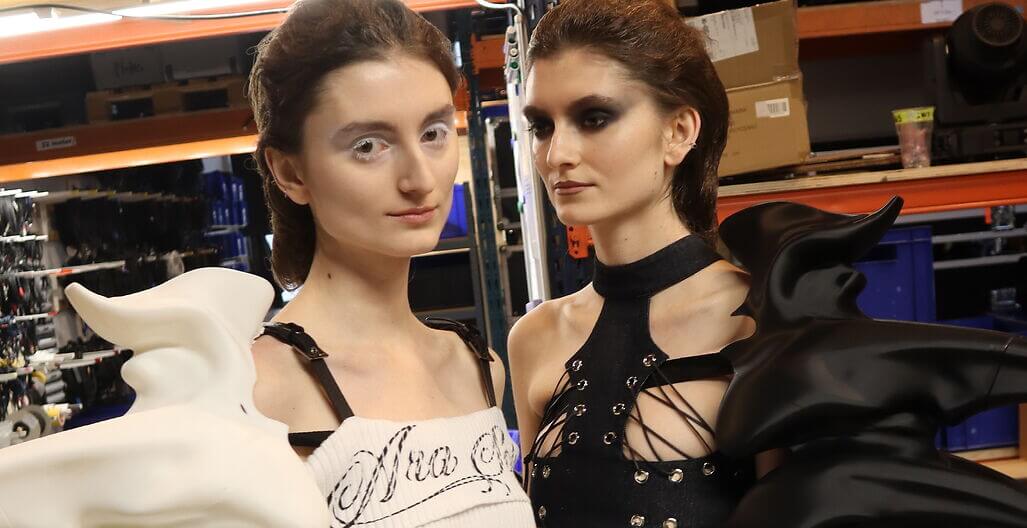
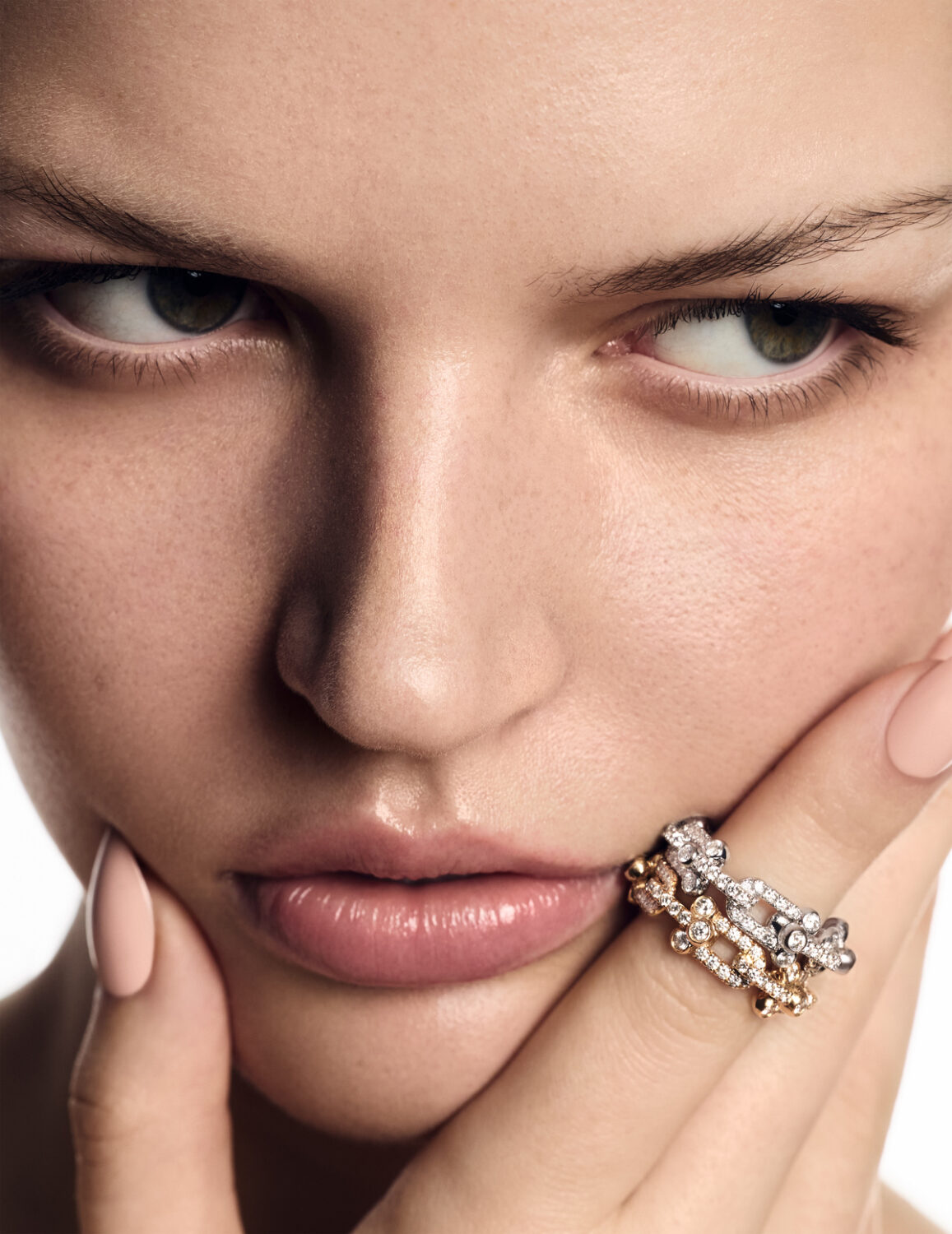
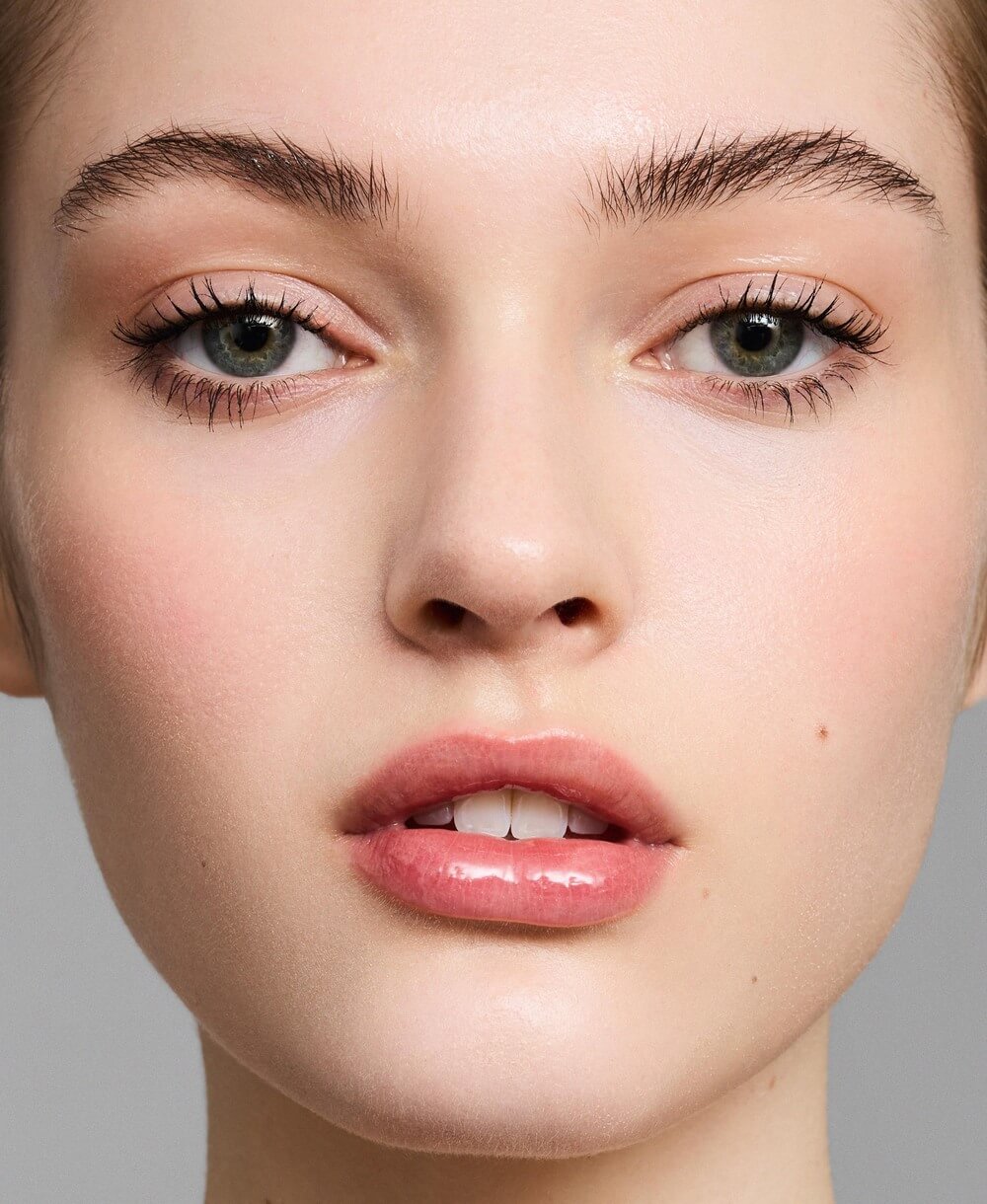
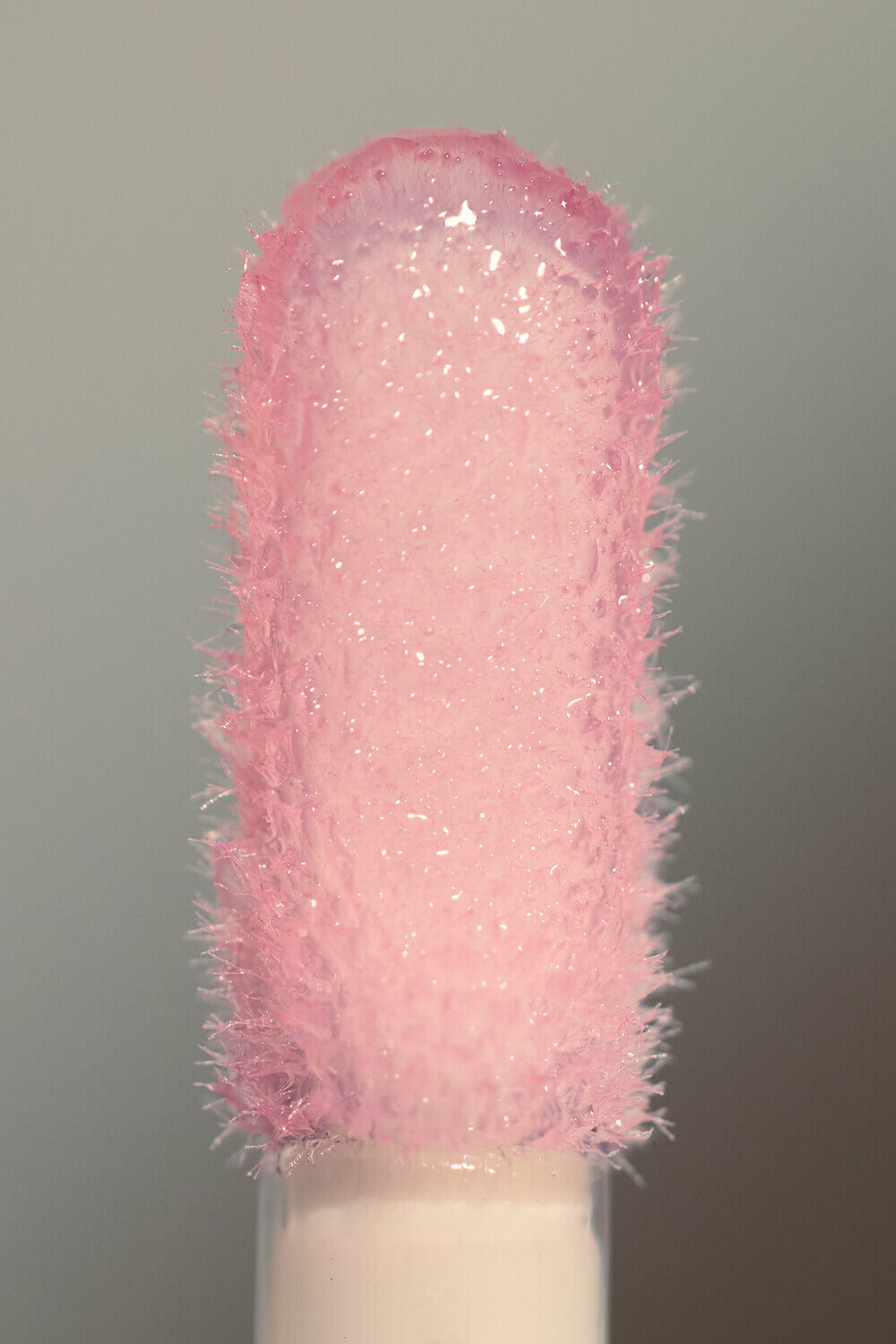
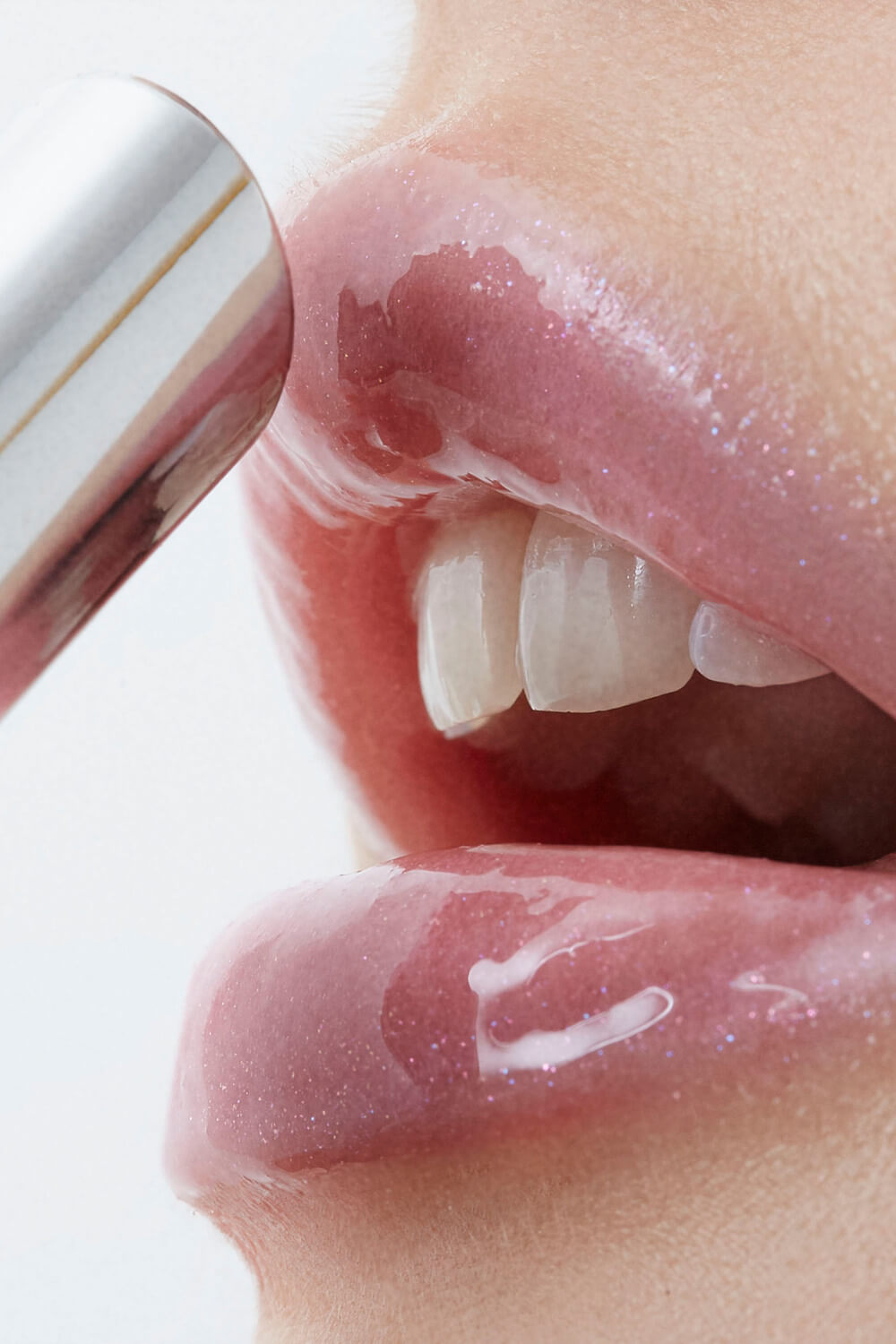
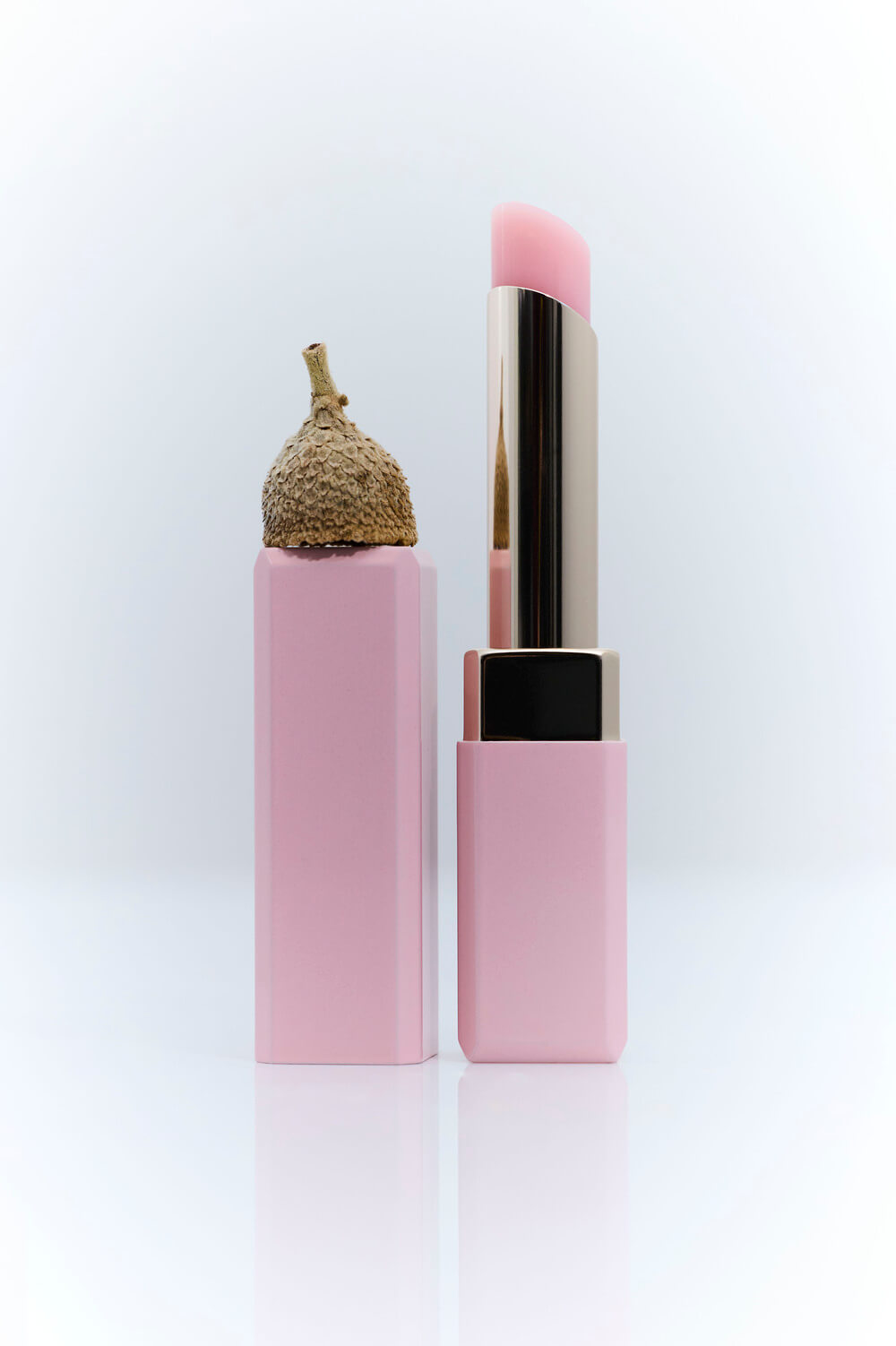
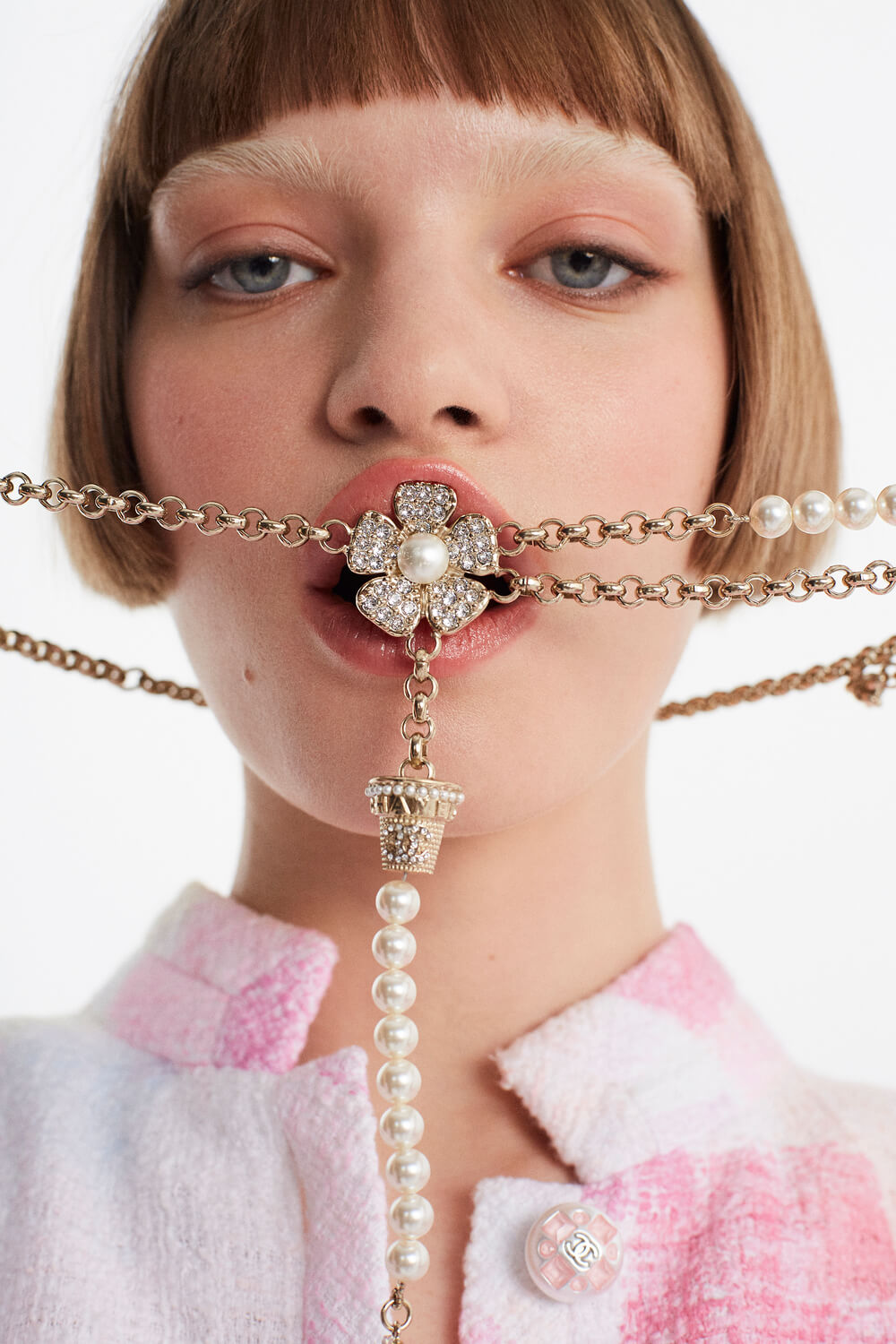
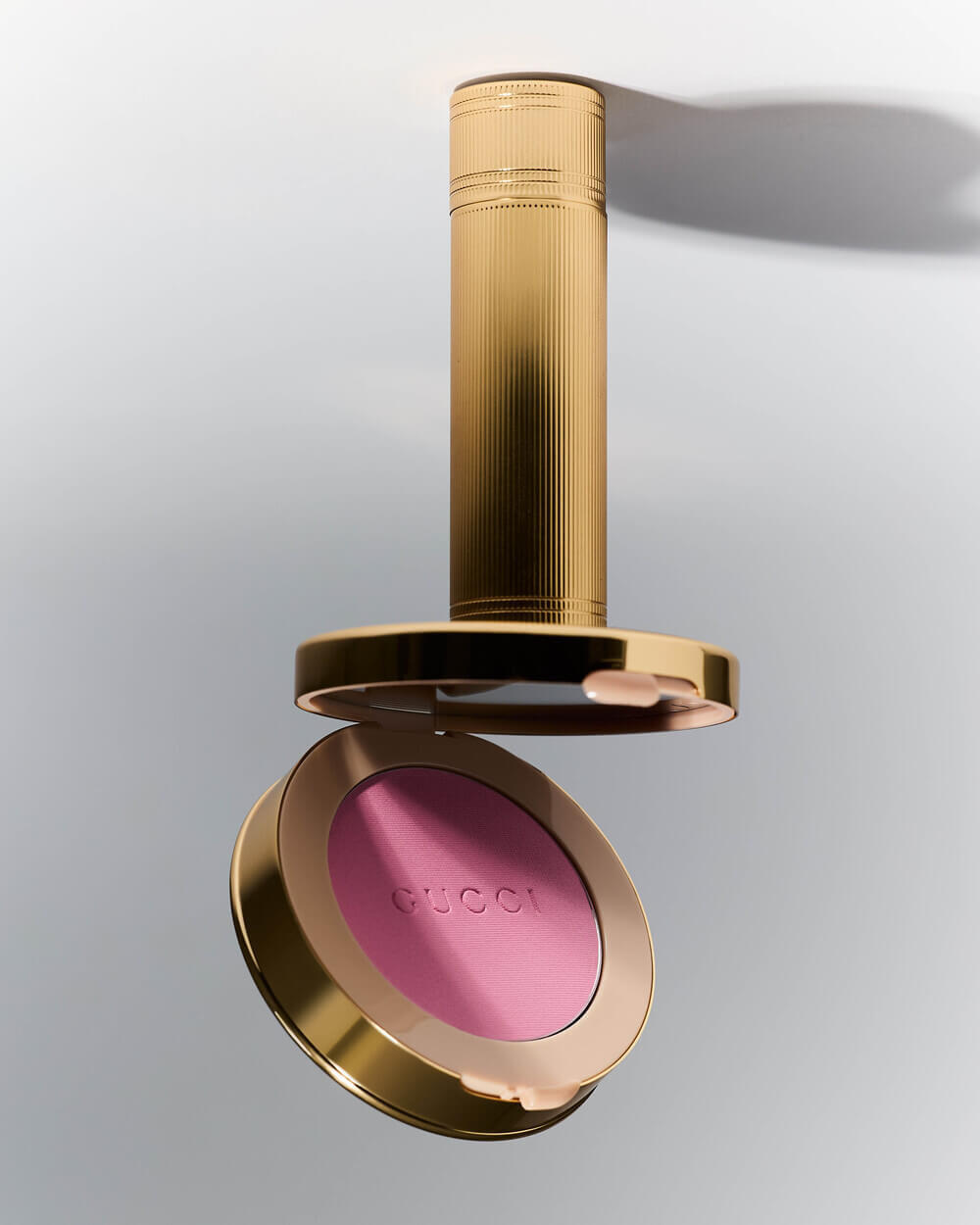
Cosmetics is a very precise field, but within that precision there’s enormous room for creativity. I’m interested in working with skin as a narrative surface, almost like a landscape. Shine, texture, color… everything can become an expressive element. It’s a space where the minimal carries a lot of weight.
Unlike fashion, beauty photography demands almost microscopic precision. How does that precision interact with your more artistic side?
For me, they’re not opposites. Precision is a tool, not a limitation. The more control you have over technique, the more space opens up for sensitivity. It’s like working with a scalpel, but to build something poetic. A well-crafted detail can be deeply emotional.
Your photographs convey a very tactile feeling. Are you interested in the viewer “feeling” the image beyond just seeing it?
Yes, completely. I’m interested in the image being perceived almost physically. That skin is not only seen, but sensed. That there’s a sense of proximity. Photography, although visual, can activate other senses if it’s well constructed.
How does an image begin for you: from a visual reference, an emotion, or a narrative concept?
It usually begins with a sensation or emotion—an impulse. Something very abstract. At first, it might be something I’ve been turning over in my head, and then it gradually takes shape and materializes through visual references, light, casting, textures. If there’s no initial emotion, the image feels empty. I need there to be an idea that goes beyond aesthetics.
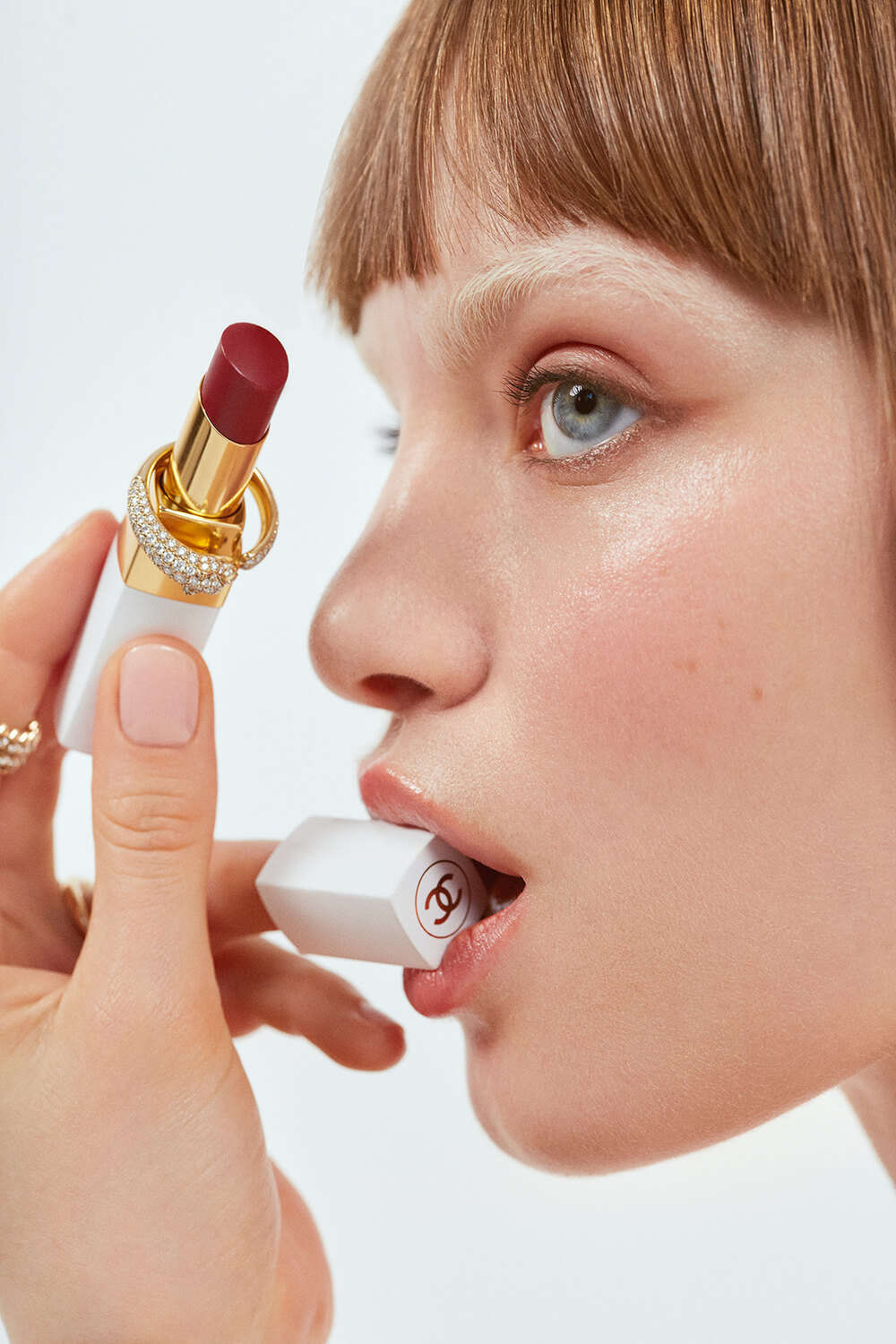
When working with cosmetic brands, how do you balance brand identity with your own vision?
I listen a lot at the beginning. Understanding precisely what the brand wants and what its language is. From there, I look for the point where my vision can enter without forcing it. The balance lies in not imposing, but also not dissolving. When it works, the image belongs to the brand, but it’s still recognizable as mine.
Even so, it’s something that’s constantly being adjusted. In commercial work, there isn’t always room to impose a vision. Some projects are more open than others.
Over time, I try to increasingly choose those that naturally align with my visual universe.
In the beauty sector, skin is often presented as perfection. Are you also interested in exploring what is real or imperfect?
Yes, very much so. Perfection can be attractive, but it can also become distant. I’m interested in small irregularities—what makes skin unique. It’s not about showing imperfection for its own sake, but about not erasing identity. Beauty naturally leans toward perfection, and that’s why I think it’s important to develop a certain awareness so as not to get lost in it. To leave space for the unexpected, for what isn’t completely controlled—especially today, in a world that increasingly creates images through a computer.
The beauty world is saturated with images. How do you find new ways of seeing within that universe? What kind of beauty interests you today?
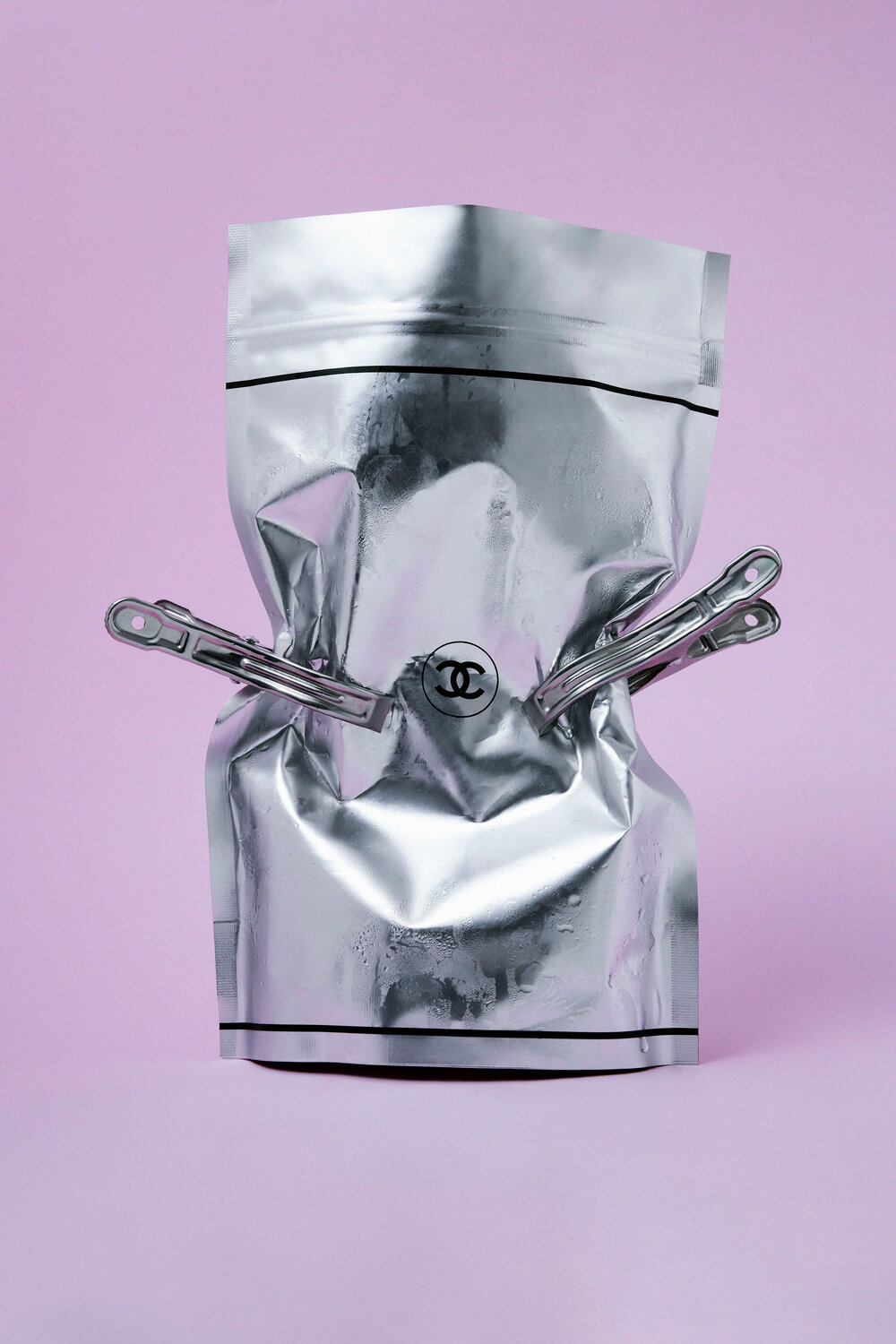
By trying to simplify. The more noise there is outside, the more valuable the essential becomes. I’m interested in a quieter, more contained kind of beauty. Less obvious. Searching for new framings, working with color differently, or even reducing elements to a minimum. Sometimes what’s new isn’t about adding, but about seeing better.
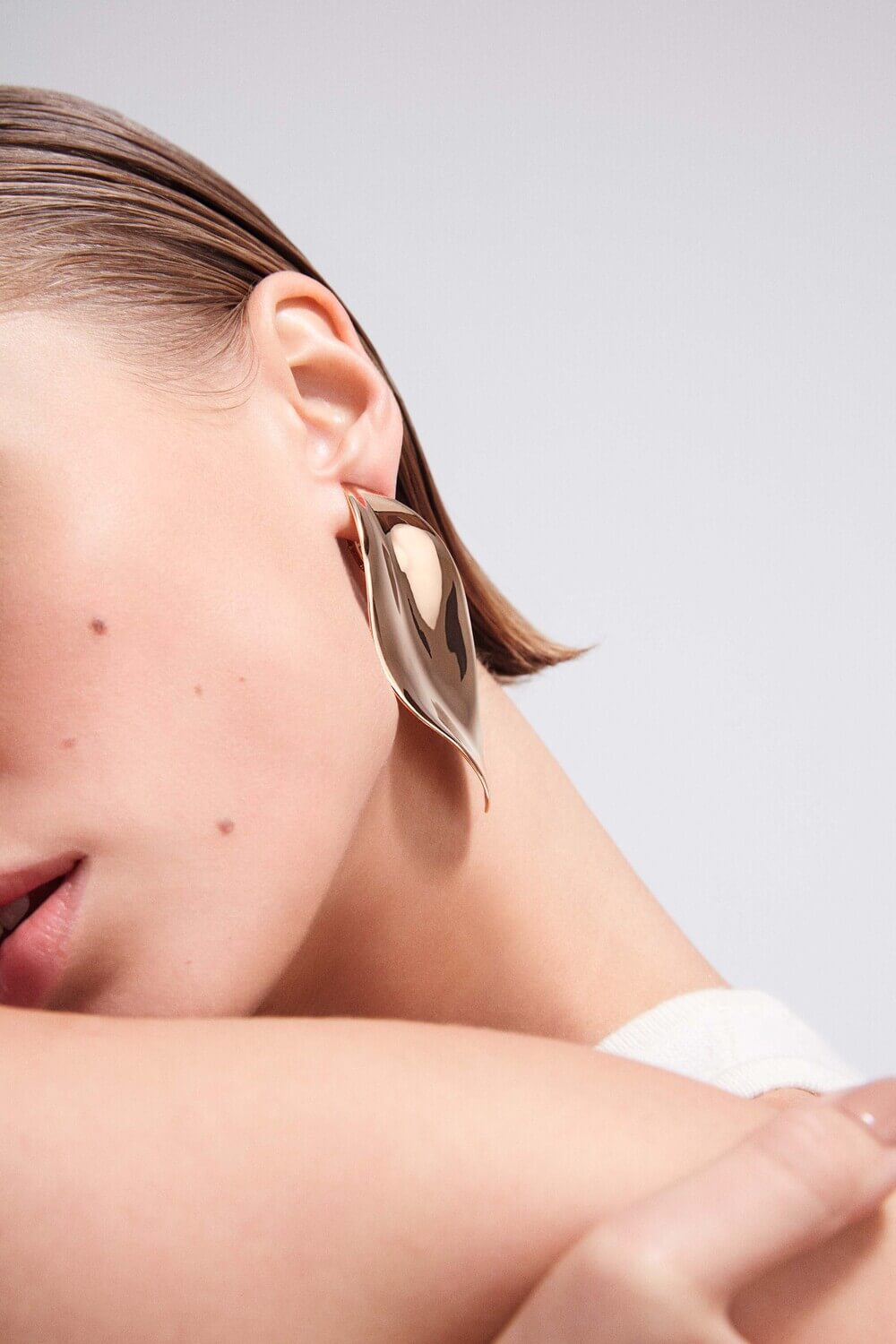
When you look at your own work, what do you hope remains with the viewer after seeing a photograph?
A feeling. Not so much a specific image, but something that lingers. It could be calm, tension, or a certain aura of mystery. If the image is remembered more for what it made you feel than for what it showed, then for me it works.
How has your way of working changed from your early projects until now?
Before, I was seeking external validation. Now the process is more internal. I work with more clarity, more intention. Also with more confidence in what I choose not to do. There’s more editing, in every sense.
In an industry that is constantly changing, how do you keep your visual curiosity alive?
By looking beyond photography. Cinema, architecture, music—and above all, nature. I live next to a natural park, and that slower rhythm helps reorganize my way of seeing. Inspiration isn’t always where you work.
I also need to leave space. Not to produce constantly. Emptiness is necessary for new ideas to emerge, and to avoid that quiet exhaustion we all know.
Follow us @VEINBEAUTY