


The scentless camellia takes its fragrance from the gardenia, reviving the myth of Gabrielle Chanel and becoming an archetype of the woman who composes her own identity.
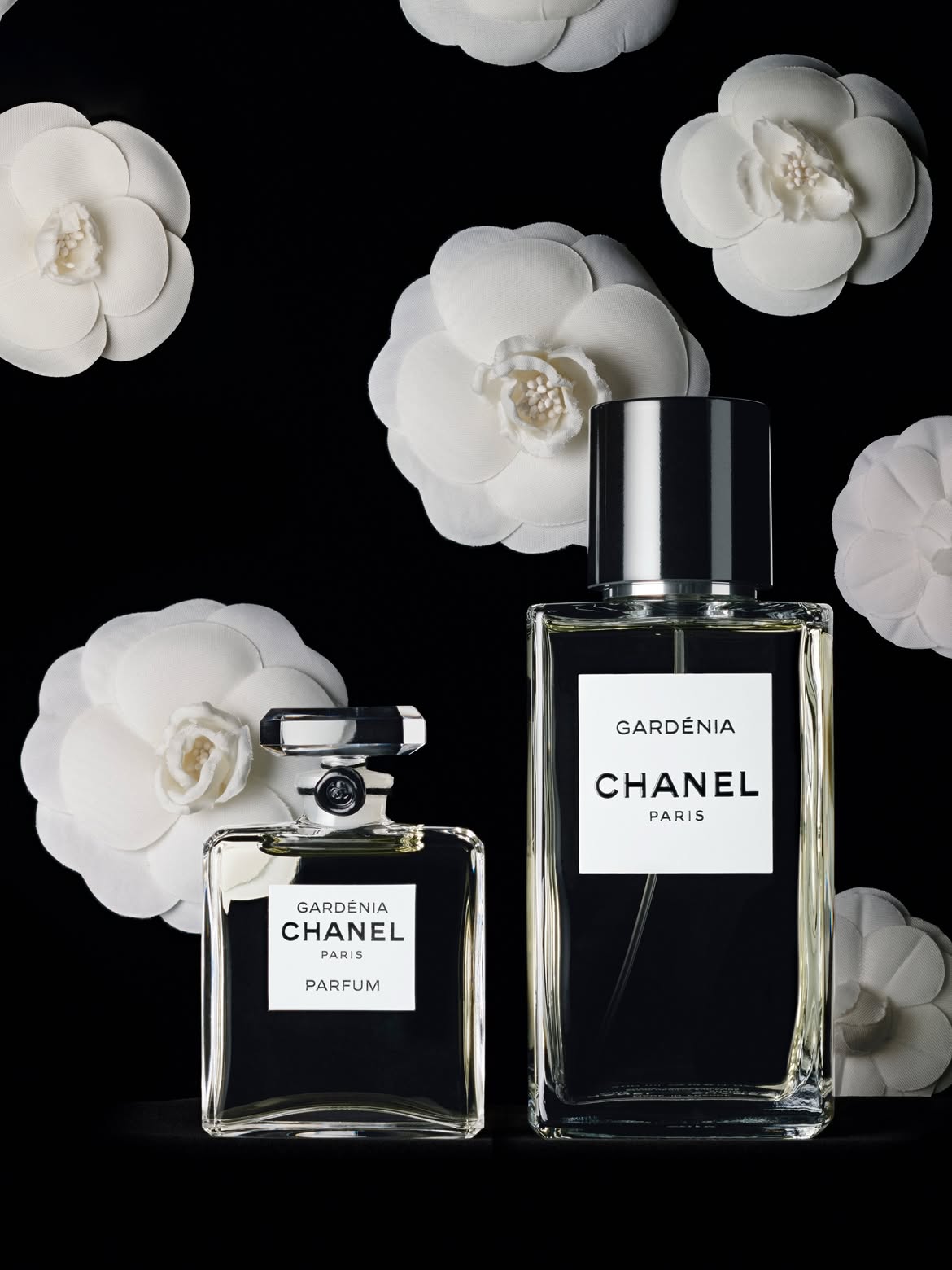
Gabrielle Chanel wanted to translate her favourite flower, the white camellia, into a fragrance, despite its lack of scent. In 1925, she asked perfumer Ernest Beaux to give an olfactory identity to this recurring emblem of her creations. ‘Gardénia’ became the imaginary representation of the camellia and introduced perfume into the visual language of CHANEL.
The composition takes the gardenia as its olfactory reference. An accord of jasmine, tuberose and ylang ylang, illuminated by orange blossom, imagines a possible aroma for the camellia. The fragrance adds an invisible dimension to a flower previously recognised by its colour, geometry and presence throughout the house’s designs.
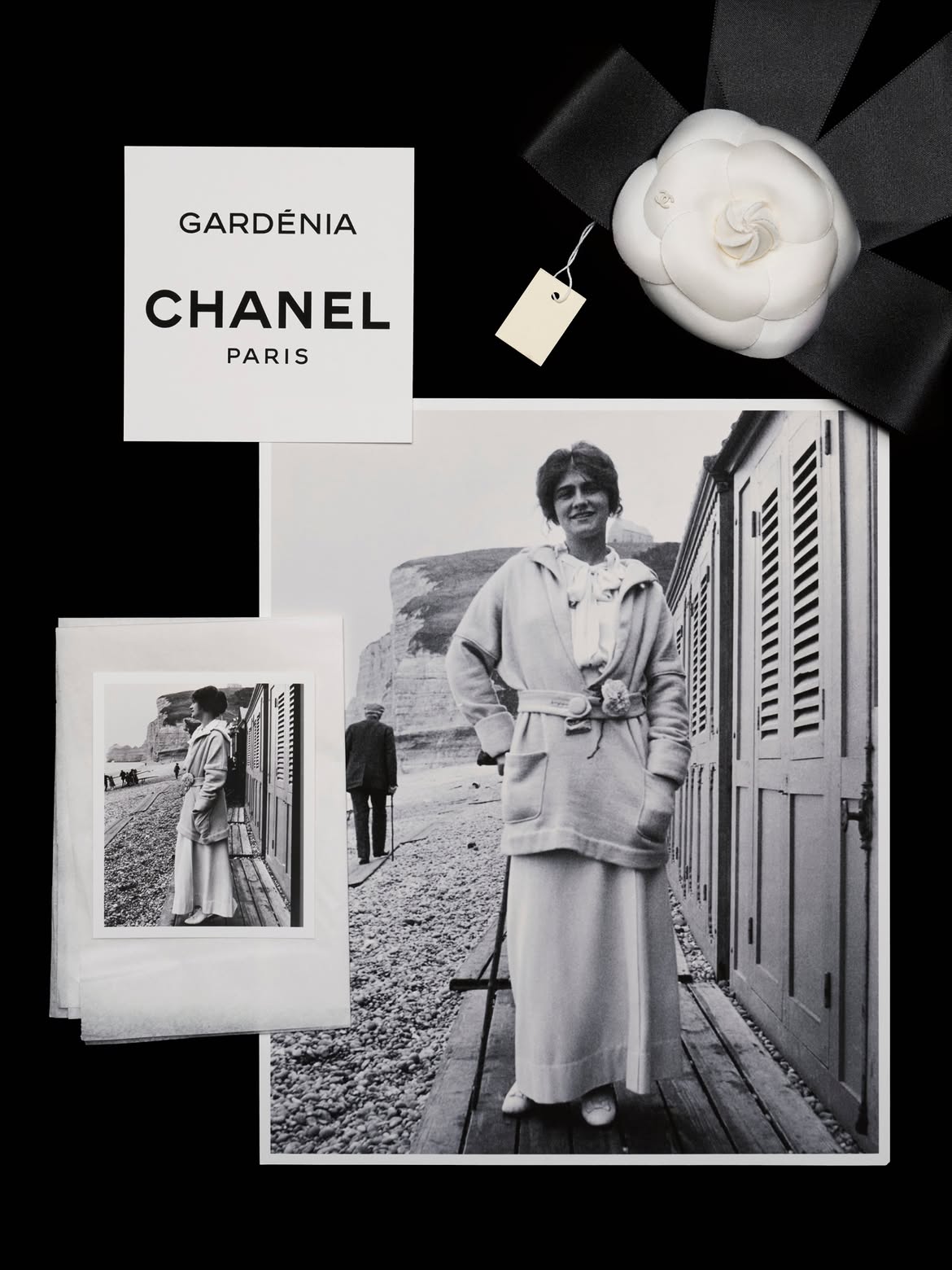
This process also recalls the way Gabrielle Chanel constructed her public identity. She incorporated tweed and sailor shirts from the masculine wardrobe, established her own business and developed a lifestyle shaped by work, independence and aesthetic choices. Existing elements acquired a different meaning when she selected, combined and placed them within her personal vocabulary.
A century later, the camellia can be read as a feminine archetype for the present. It has no predetermined olfactory identity and acquires one through the qualities it draws from another flower. This opens a contemporary reading of identity as something composed from references, experiences, inherited symbols and personal decisions.
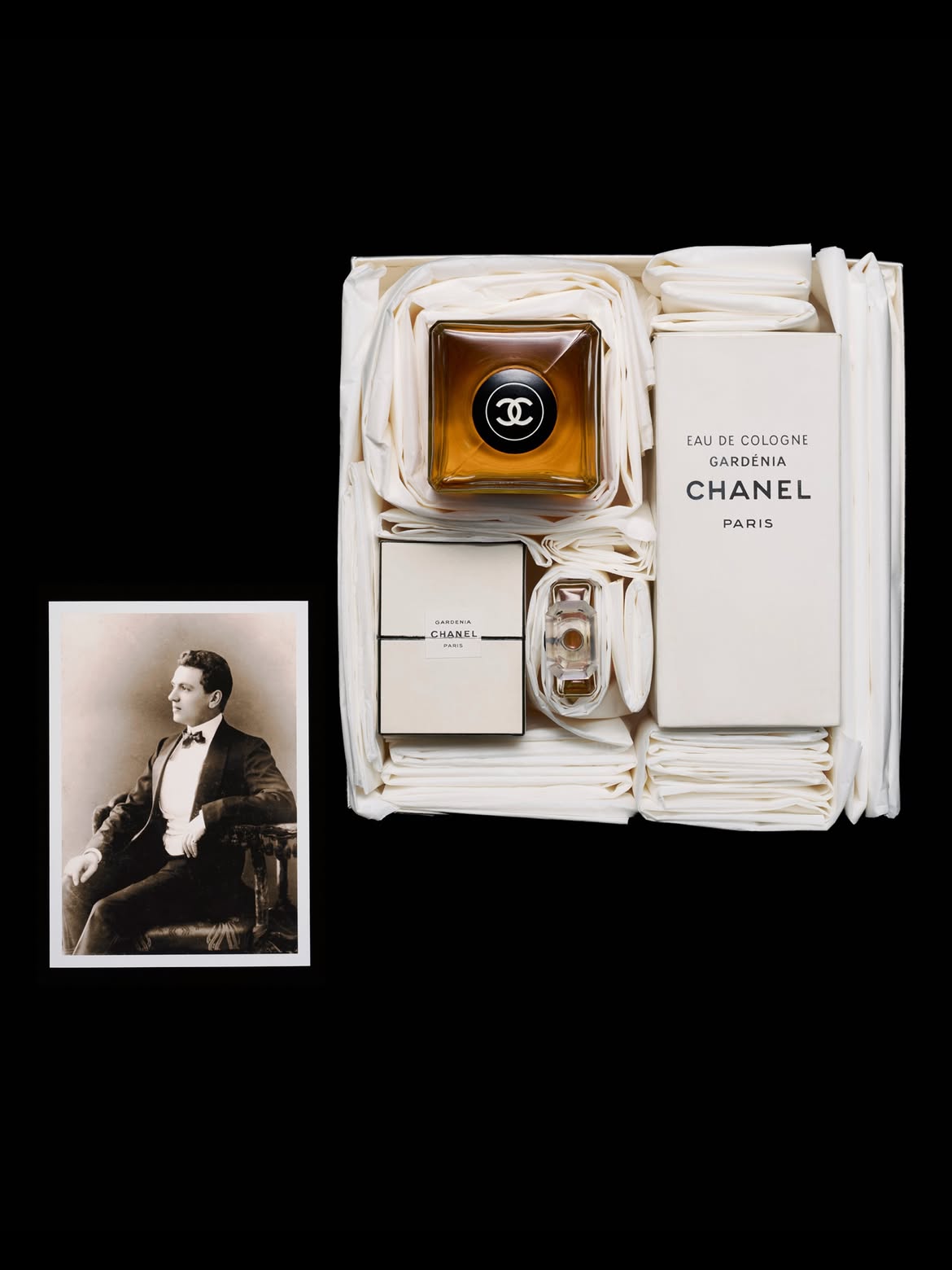
‘Gardénia’ condenses that idea into a perfume. The camellia receives a new attribute and incorporates it into its own mythology. Through this gesture, the fragrance connects Chanel’s biography with a woman who actively decides which codes to adopt, reinterpret and make part of her identity.
–
Follow us on Instagram @veinbeauty