


The Cuban artist turned displacement into a search for connection through the body and nature. Tate Modern revisits that journey in ‘Ana Mendieta’, an exhibition shaped by landscape, ritual and transformation.
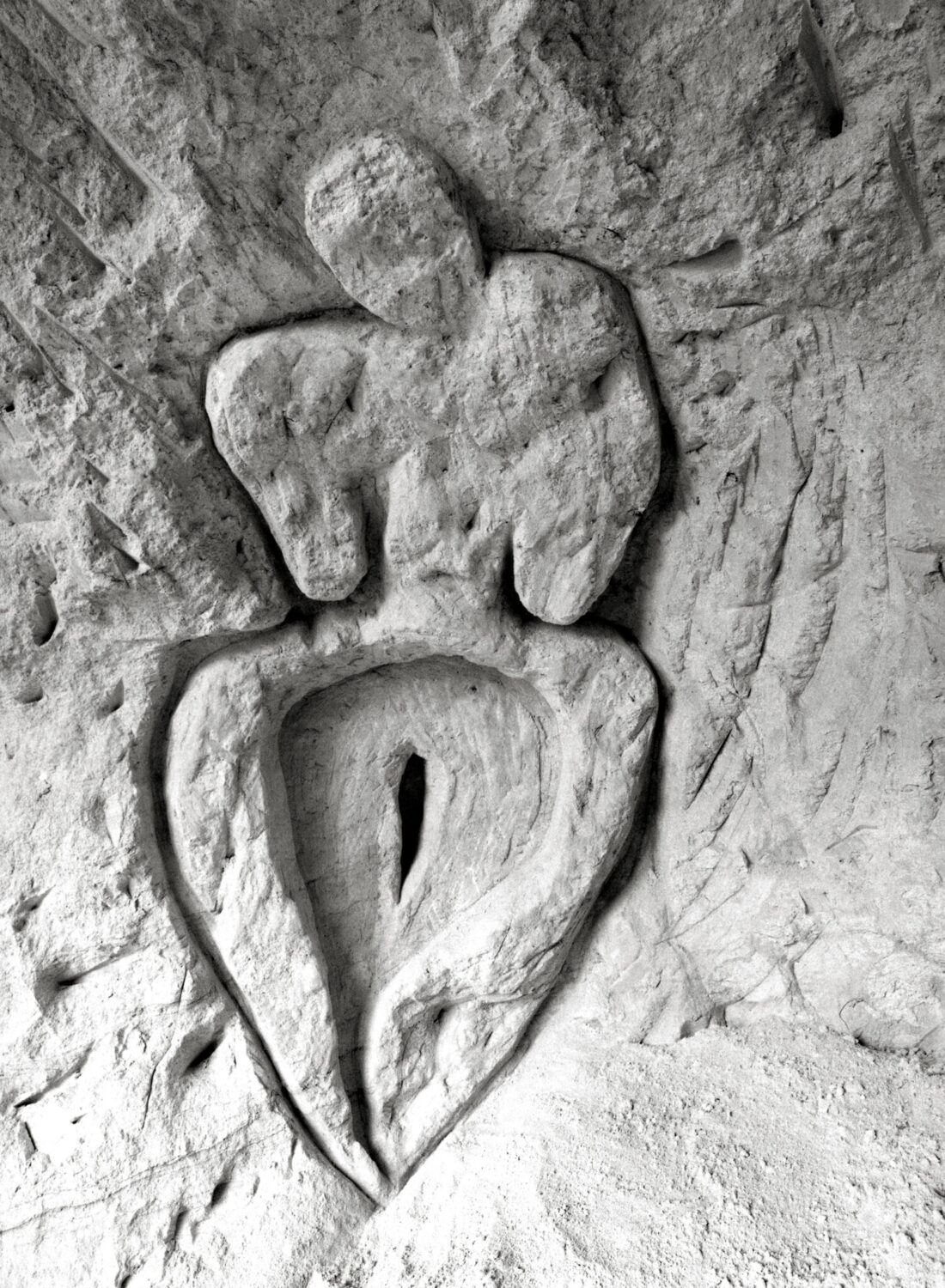
Silueta Series, 1976
The Cave, The Grove, The River, Sacred Grounds and, finally, The Threshold form a symbolic thread through ‘Ana Mendieta’, the major exhibition curated by Valentine Umansky, Michael Wellen and Elsa Collinson at Tate Modern. Bringing together more than 120 works by the cuban artist, it maps recurring ideas around origin, belonging, nature, ritual and transformation.
Born in Havana in 1948, Mendieta was sent to the United States with her sister at twelve through Operation Pedro Pan, separating her from her family and Cuba. Displacement became closely connected to her search for origin and connection. In ‘Silueta Series’, begun in 1973, her body enters the landscape or survives as a trace made from earth, flowers, blood, fire and water.
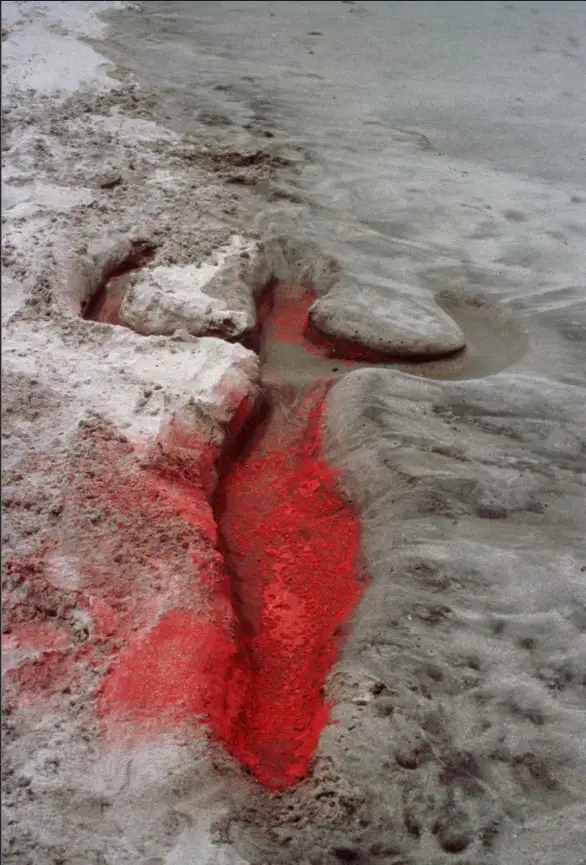
Imagen de Yagul, 1973
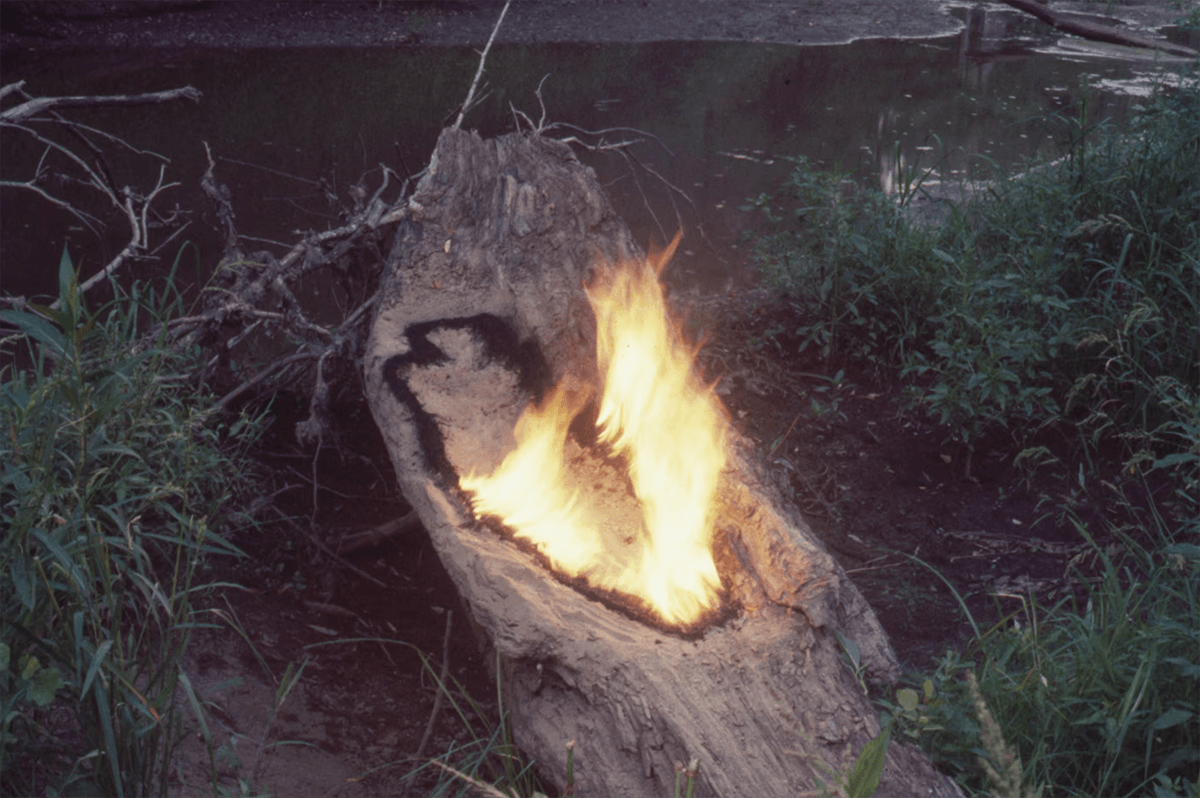
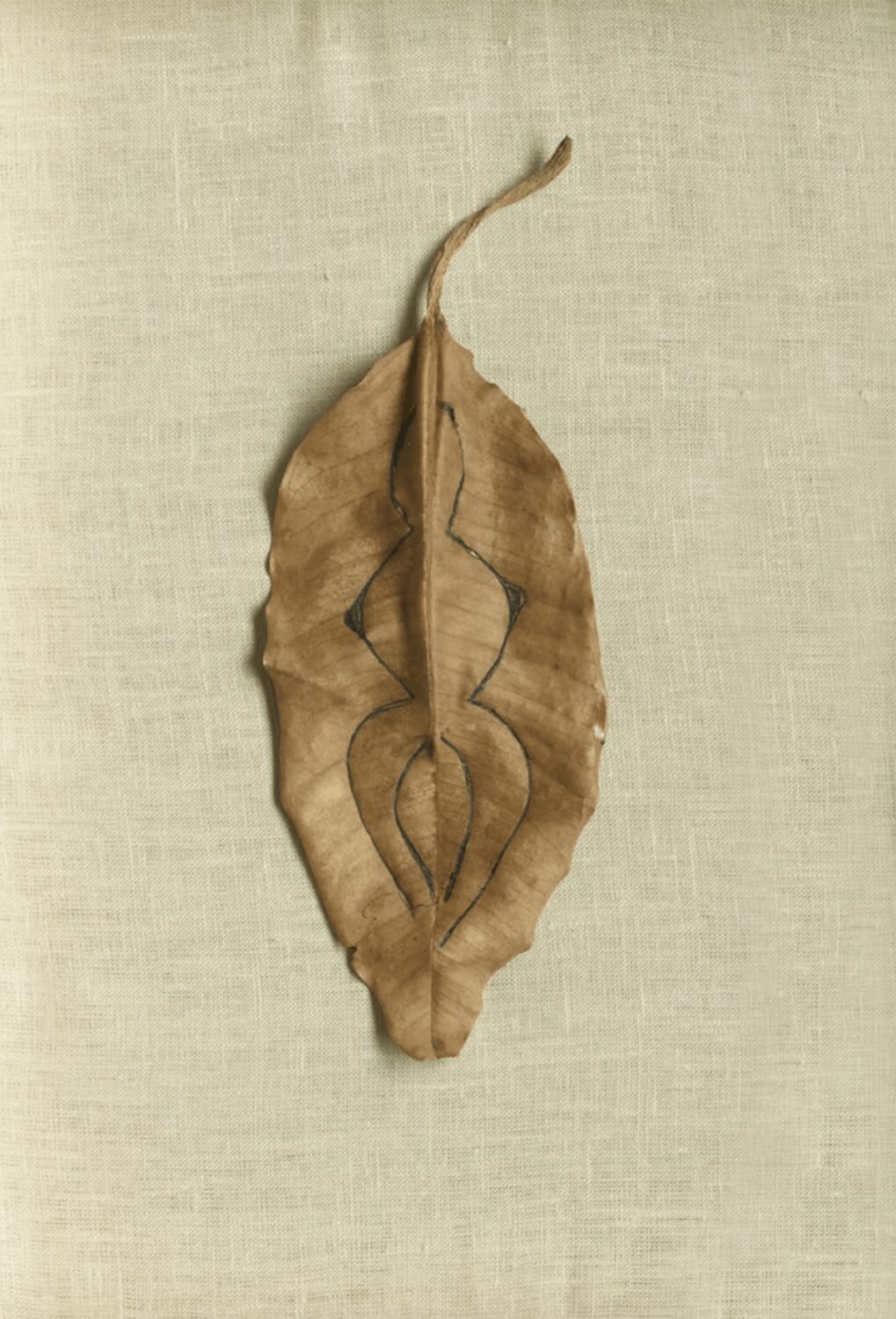
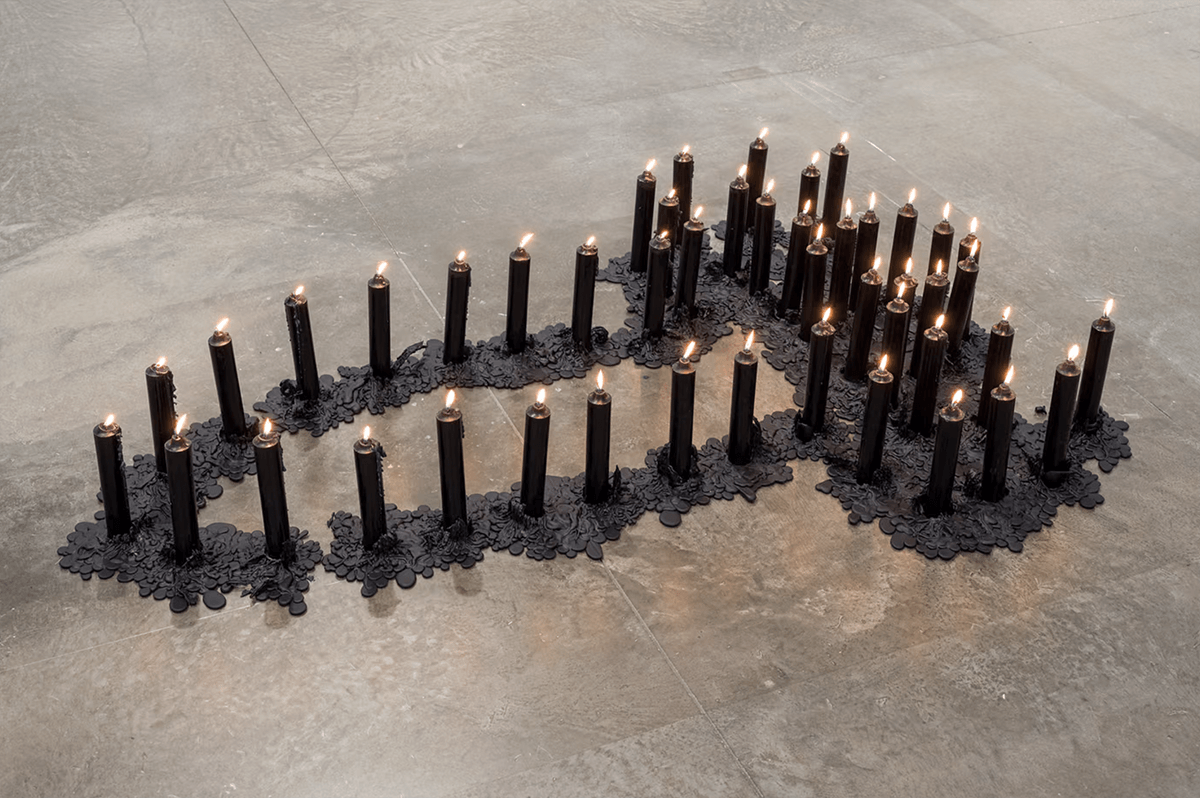 Ñañigo Burial, 1976
Each symbolic place gives those relationships another form. The Cave returns to Cuba through ‘Rupestrian Sculptures’, carved into limestone and informed by Taíno imagery. The Grove follows the encounter between body and vegetation, from the ‘Siluetas’ to ‘La Jungla (Totem Grove)’. The River introduces water as a link to origin through ‘Ochún’, connecting the shores of Florida and Cuba. Sacred Grounds brings ritual forward through ‘Ñañigo Burial’ and the Afro Cuban references that run through her practice.
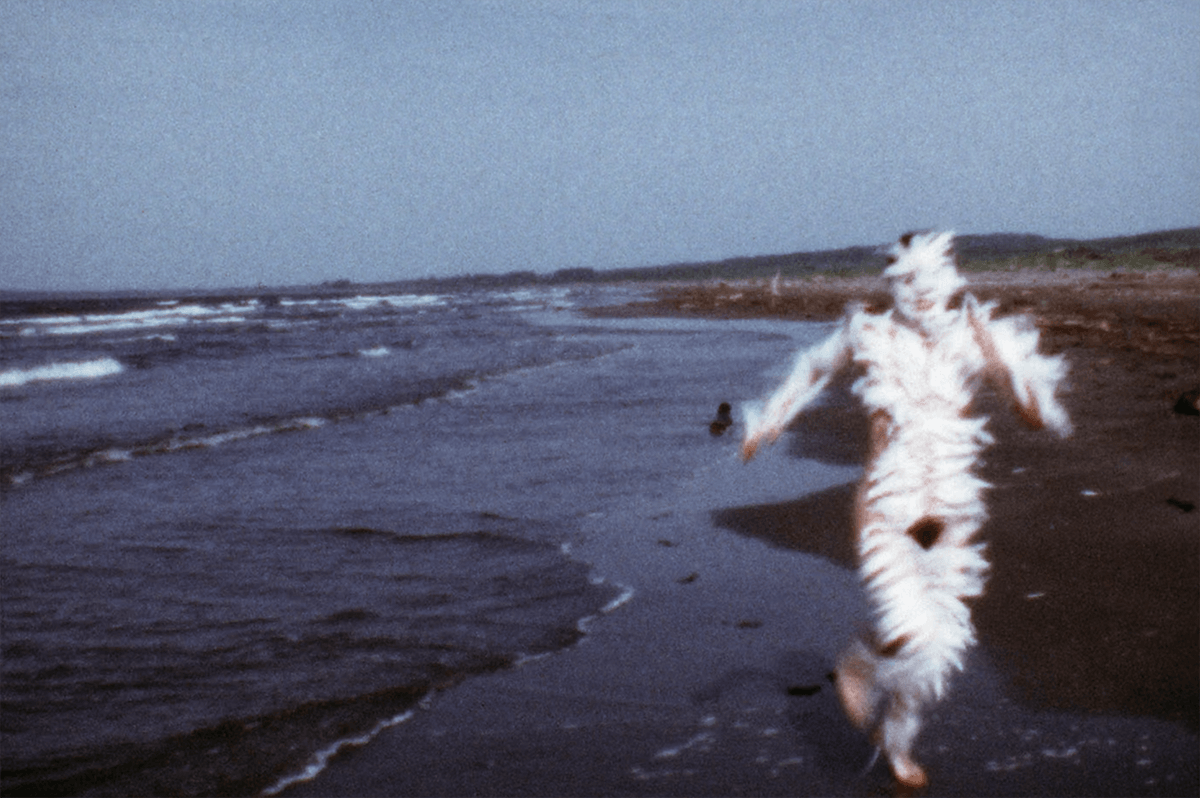
Bird run, 1974
The Threshold focuses on transformation. In ‘Untitled (Facial Cosmetic Variations)’, Mendieta alters her appearance; in ‘Bird Run’, feathers transform her body; while her later sculptures in Rome give more durable form to earlier ephemeral gestures. The journey opens onto an idea of belonging built through meaningful places, nature and creative rituals that give shape to new bonds.
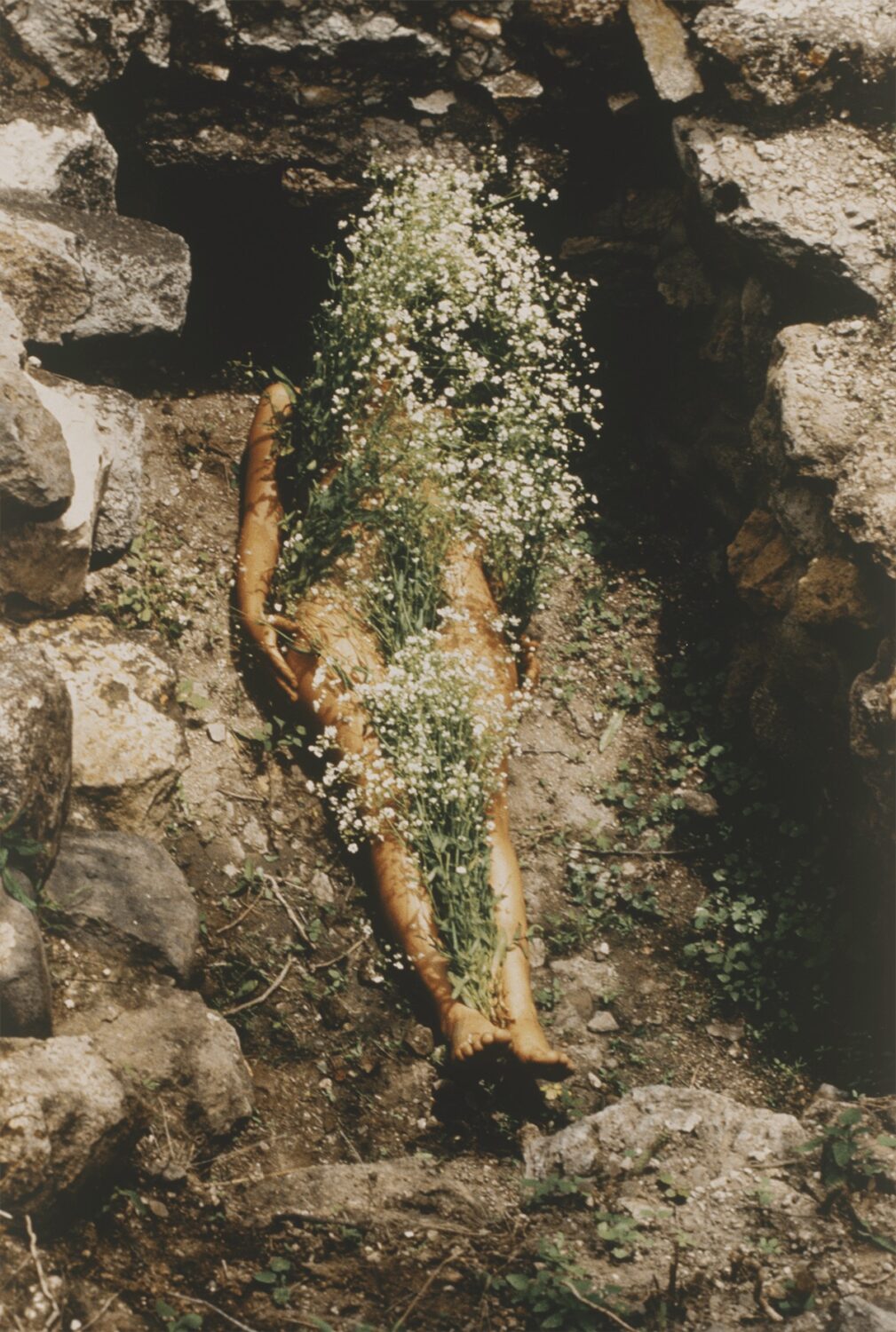
Silueta Series 1976
–
Follow us on TikTok @veinmagazine