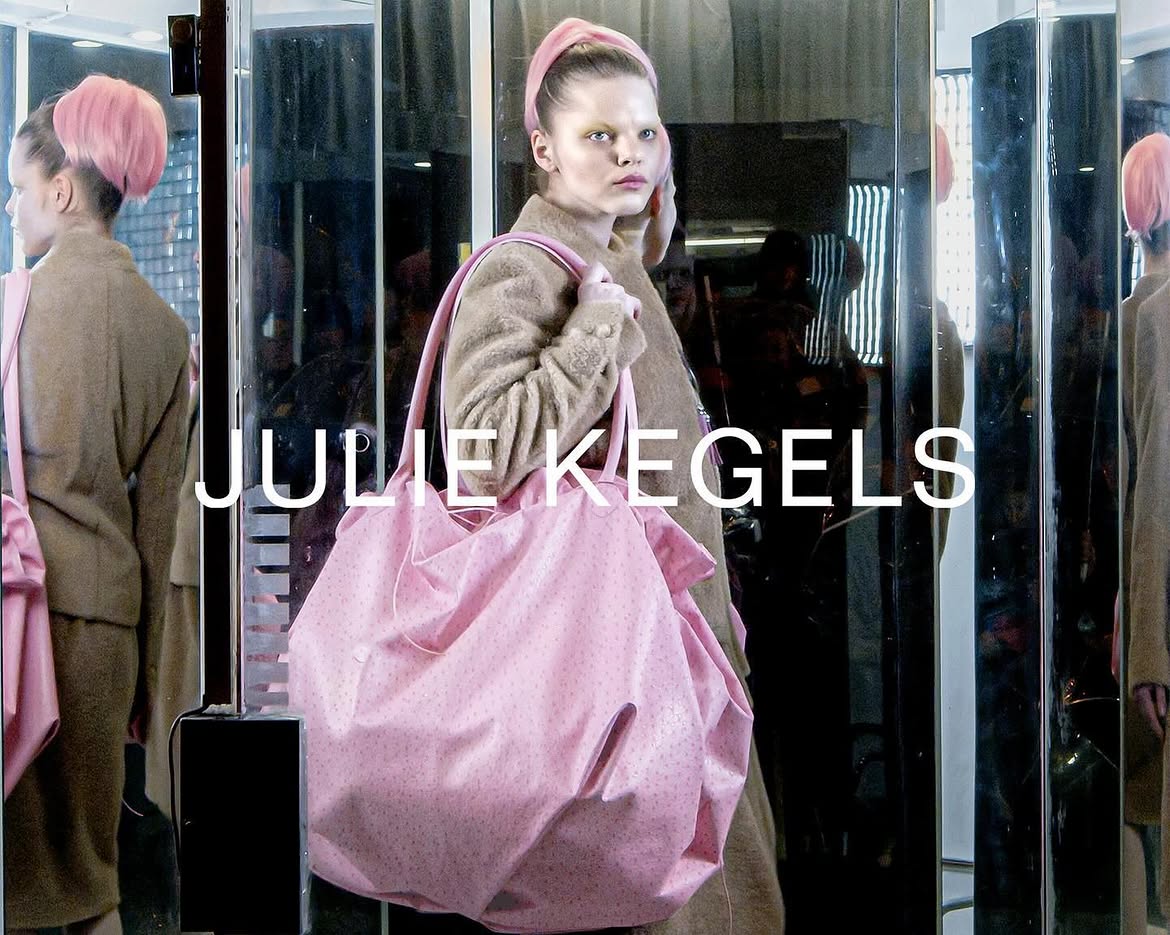
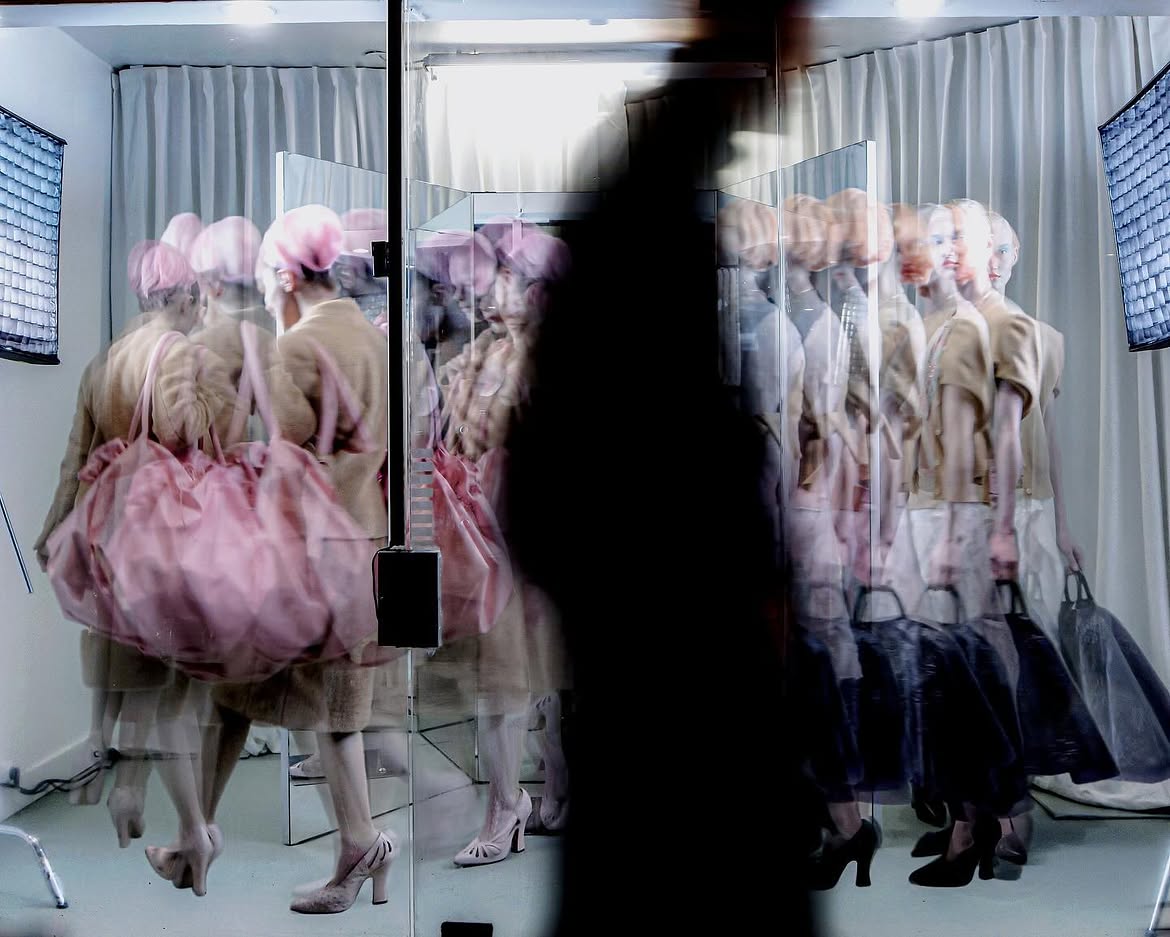
Inspired by Judy Chicago’s ‘The Dinner Party’, Julie Kegels began her career exploring women through contradiction, multiplicity and shifting identities. As she wins the 2026 LVMH Prize, we revisit the mutable female archetypes behind her five collections.
Julie Kegels
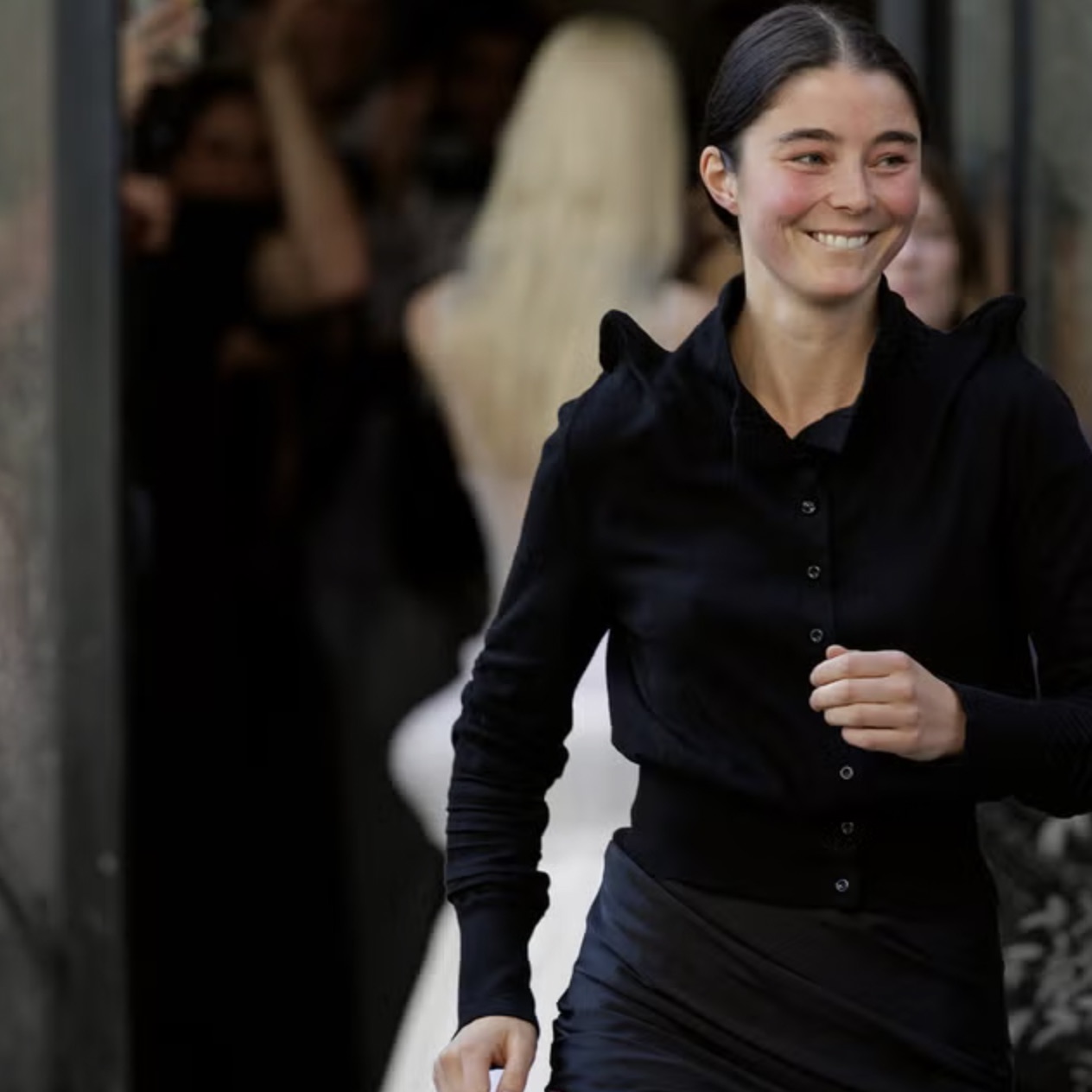
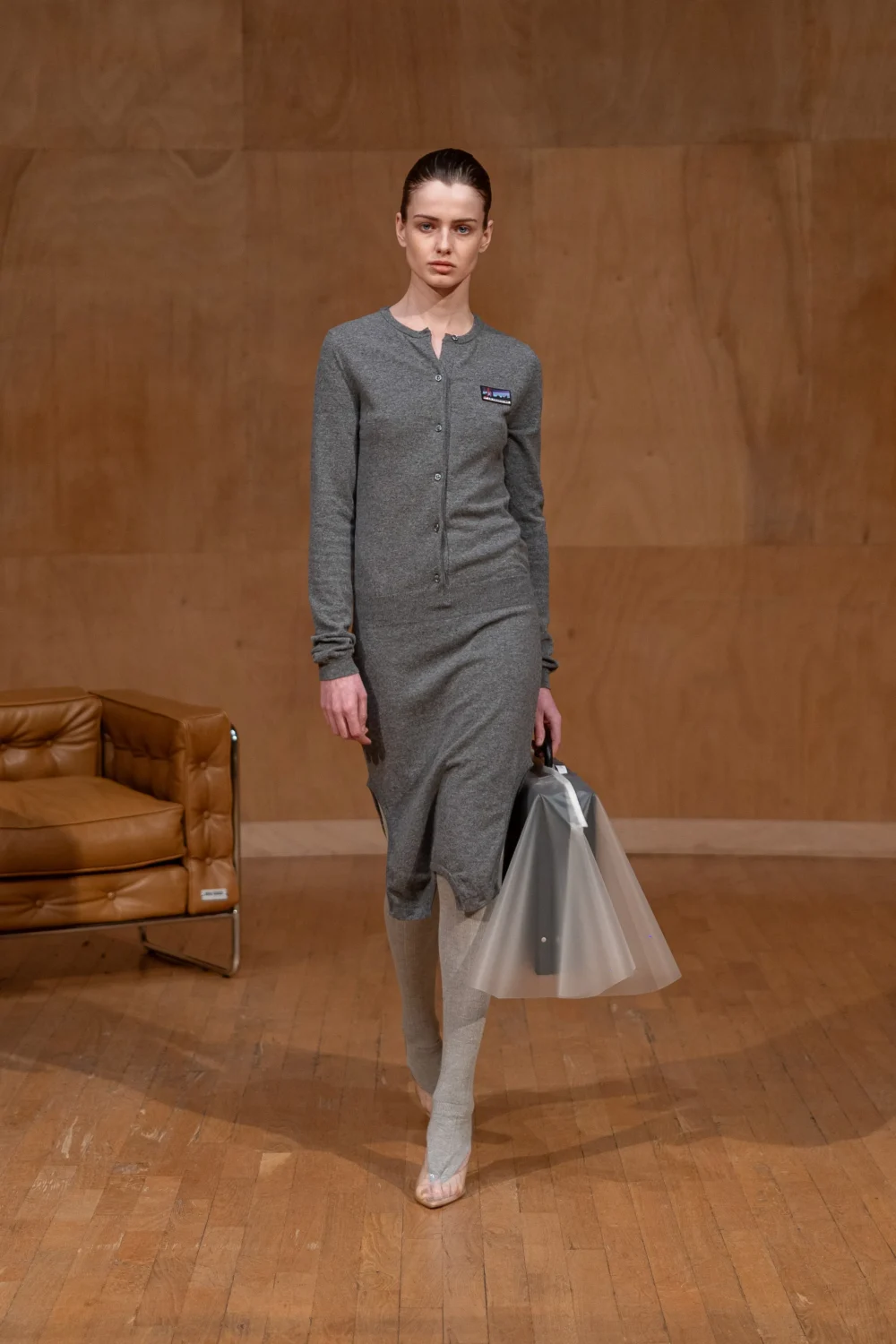
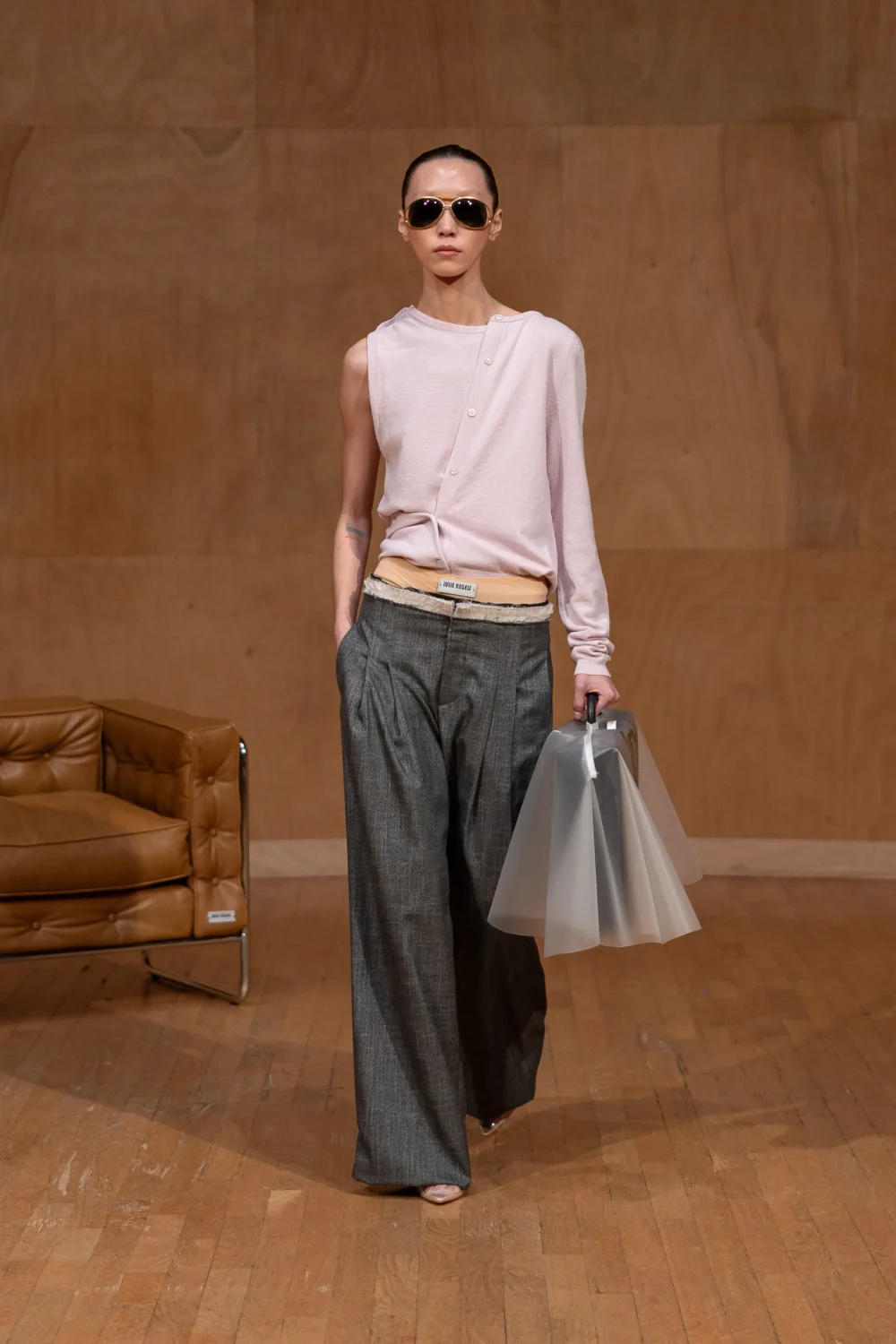
A meteoric rise has taken Belgian designer Julie Kegels from independent presentations in Paris in 2024 to international distribution, Vogue Runway and the official Paris Fashion Week calendar. Yesterday, we reported on her latest milestone: winning the 2026 LVMH Prize. “A woman is never just one thing. She moves through different identities during the day, and all of those versions exist at the same time,” she once declared. Across five collections, Kegels has translated that idea into different female characters. Here, we trace them one by one.
’50/50′: refusing to become one thing
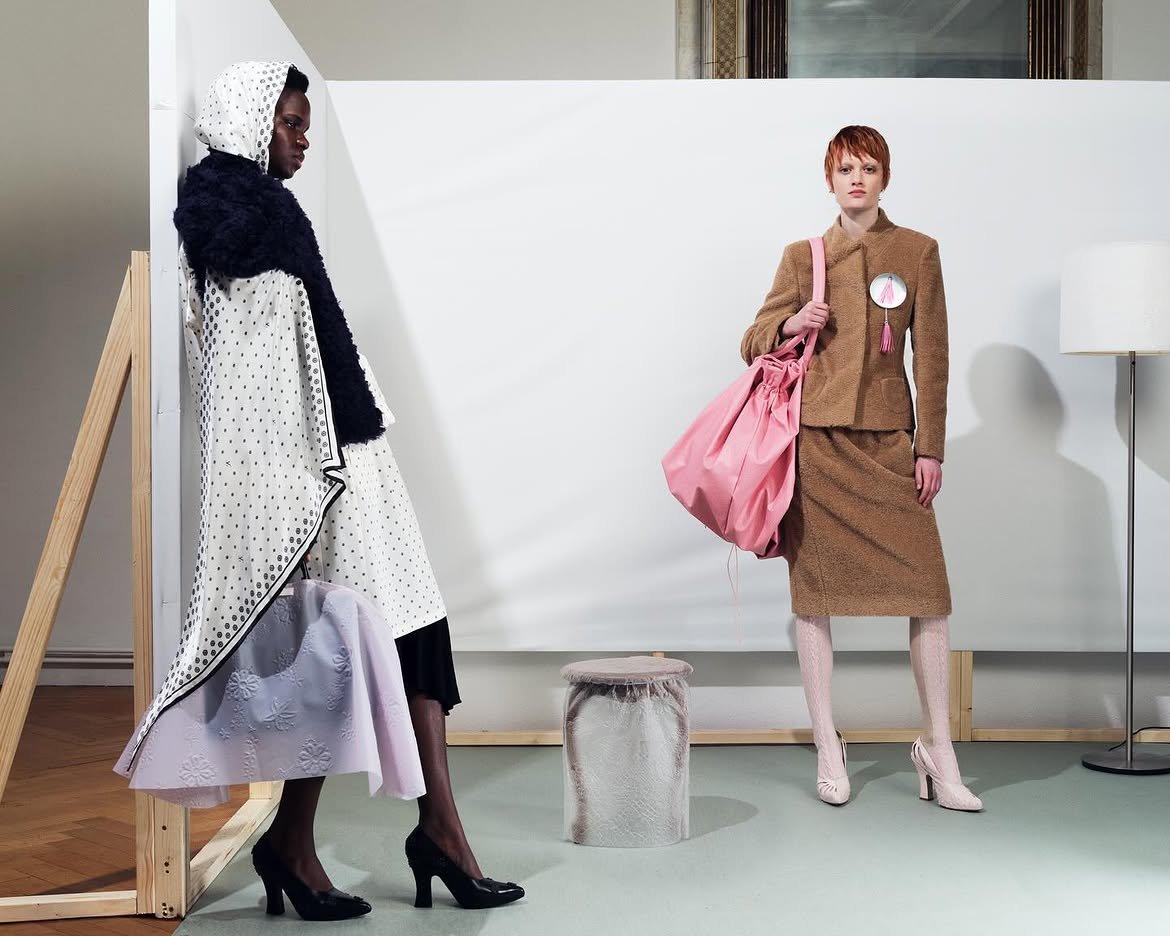
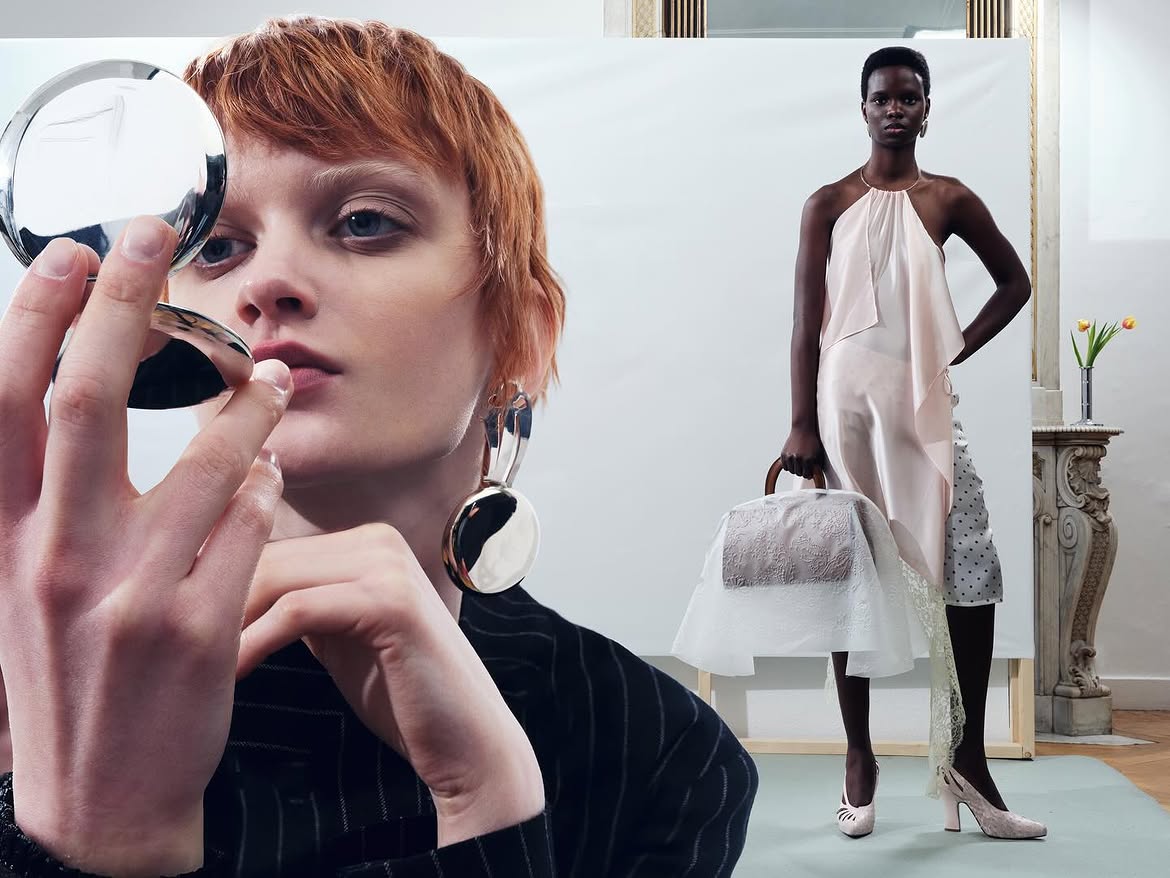
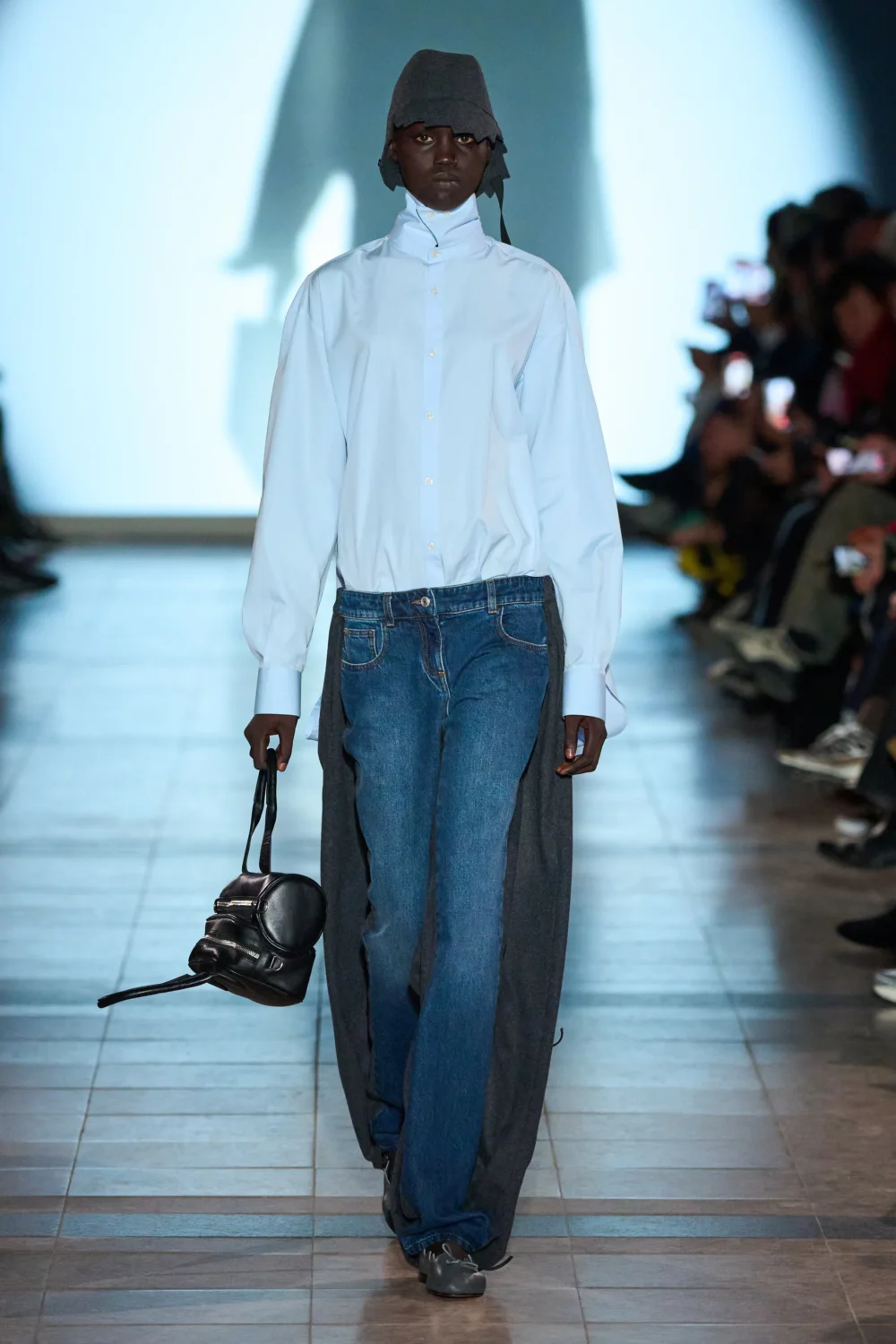
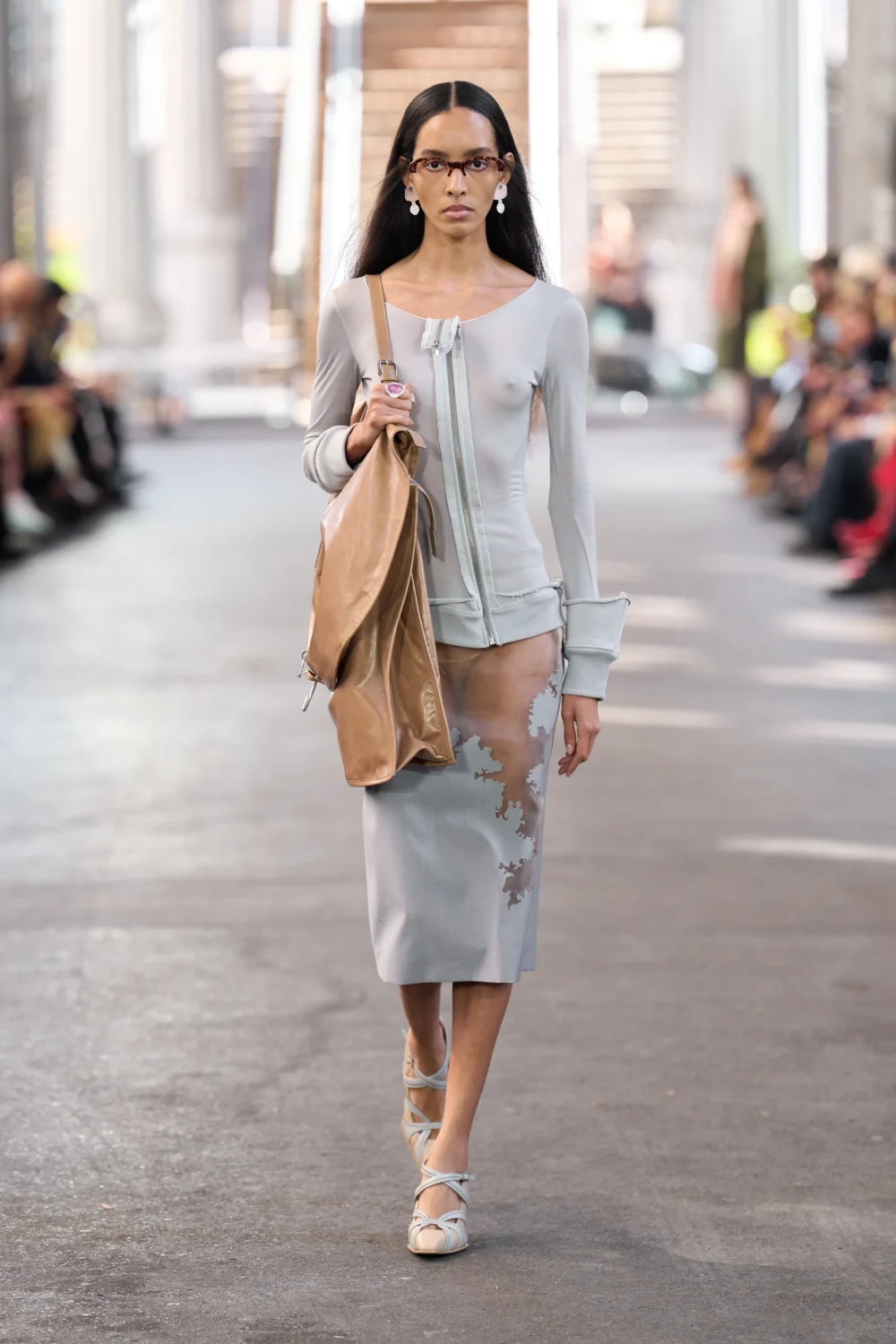
A garment can tell one story from the front and another from behind. That premise shaped Kegels’ FW24/25 debut, with contrasting constructions that shifted character according to the angle and traditional lace reworked through thermoforming. From the outset, a single female archetype was never enough.
/
‘A Pool Will Do.’: crossing between different selves
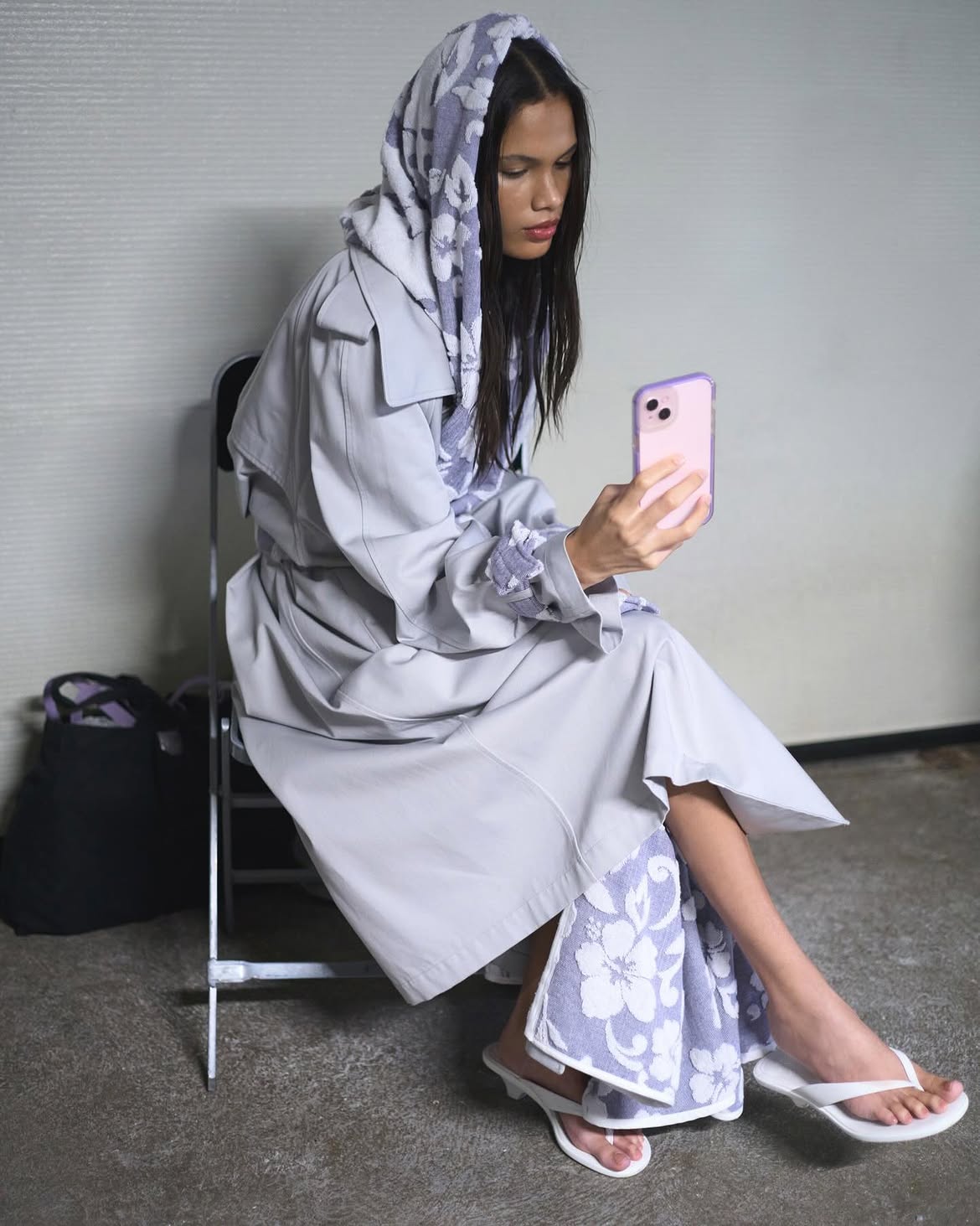
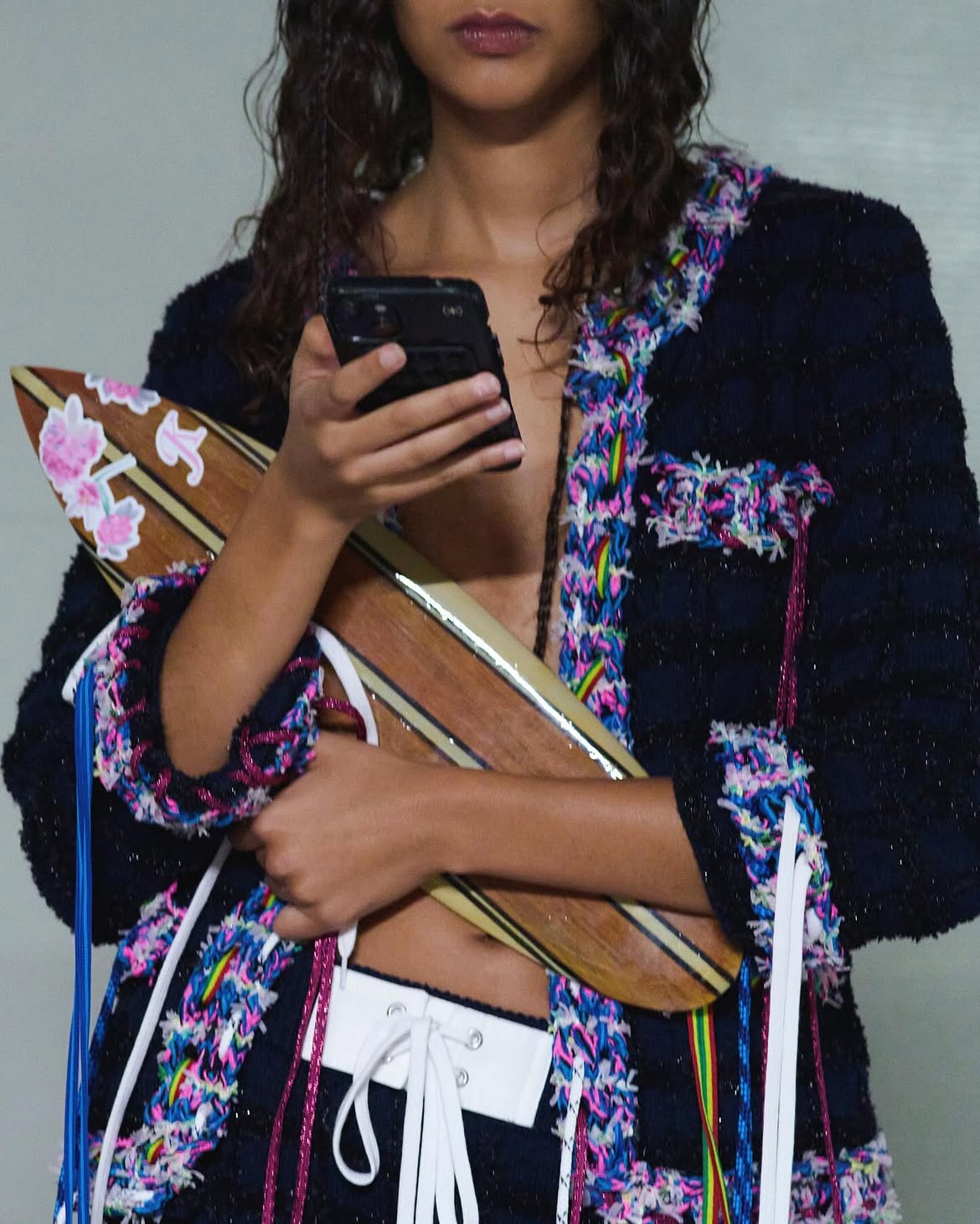
What happens when an elegant Parisian meets a Malibu surfer? Inspired by a trip to California, Kegels built SS25 around that encounter, bringing tailoring and tweed together with swimwear, scuba references and Hawaiian prints. Two apparently opposing identities could inhabit the same wardrobe.
/
‘Dresscode’: success is also a performance
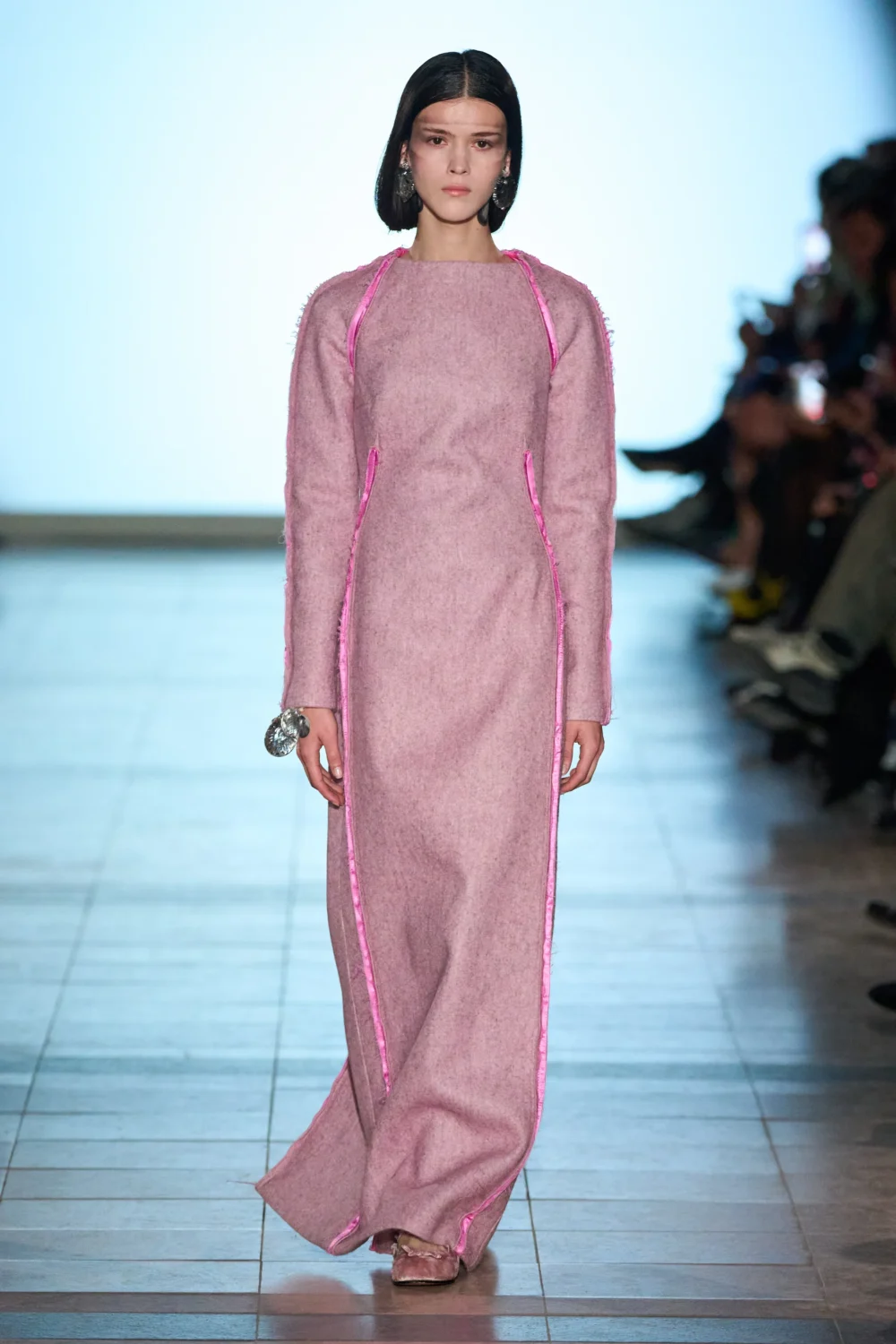
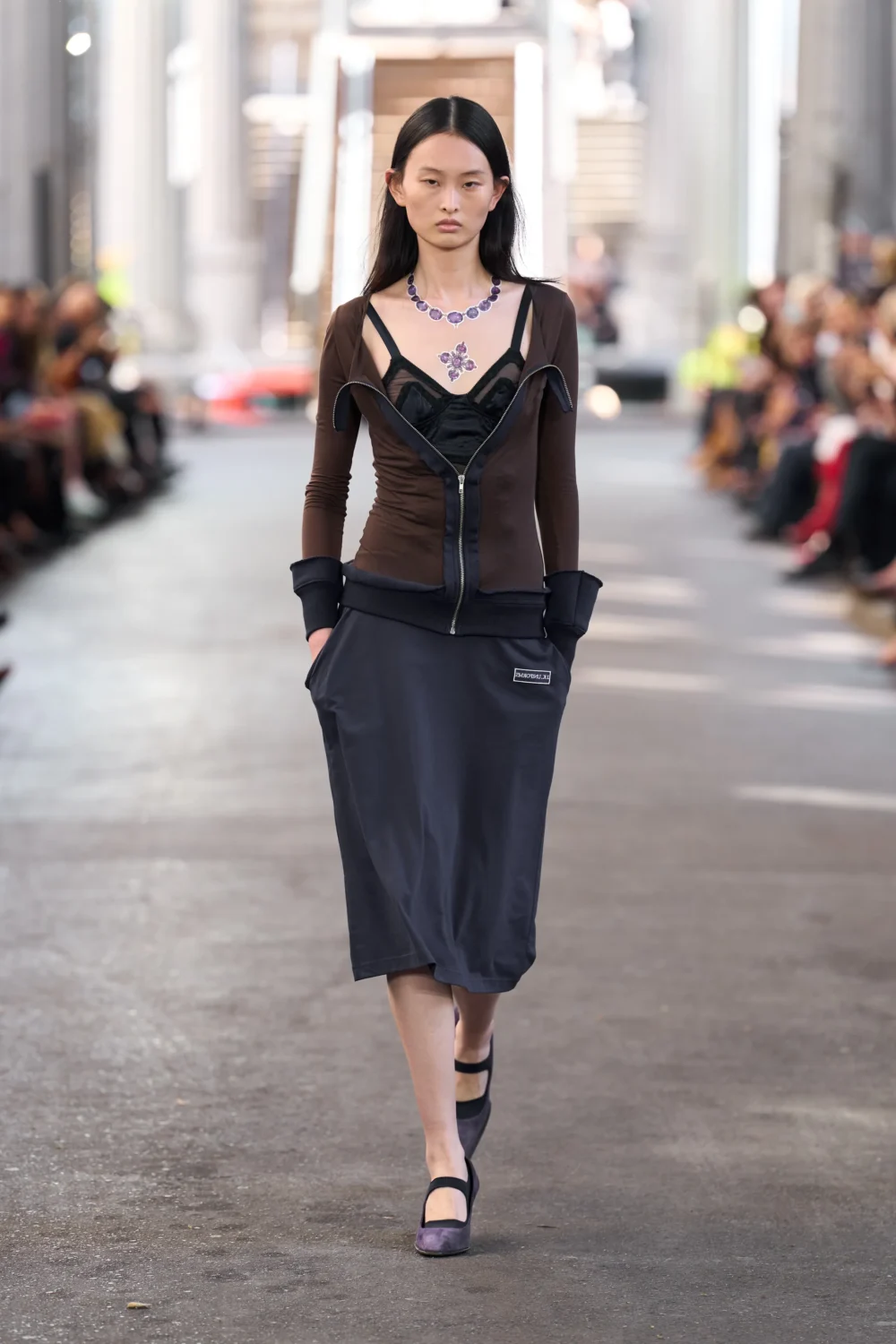
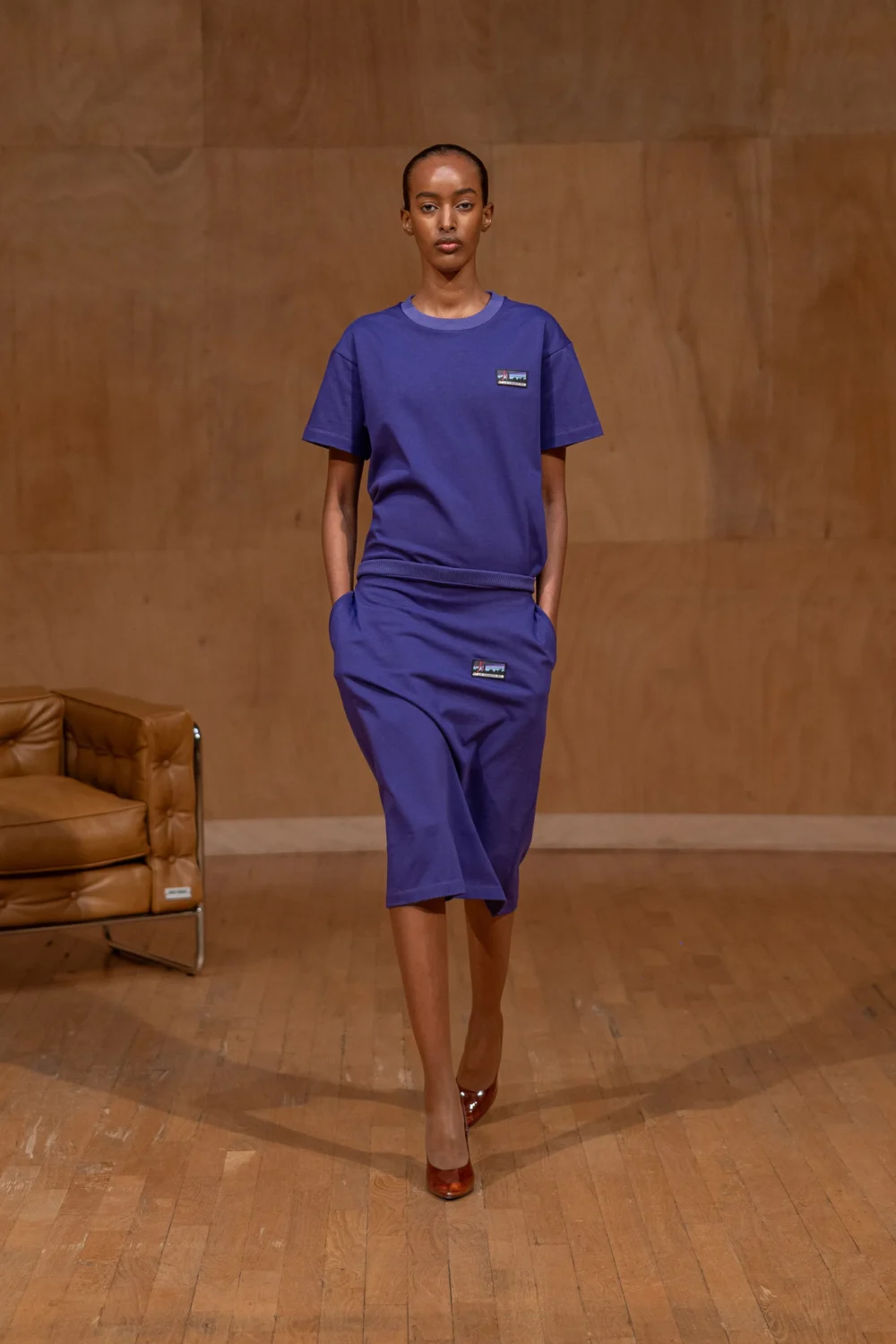
Judith Price’s 1980 ‘Executive Style: Achieving Success Through Good Taste and Design’ became a way of examining the codes women navigate at work. For FW25/26, office furniture, wood and upholstery entered the clothes, framing professional identity as something learned and performed.
/
‘Quick Change’: transformation as agency
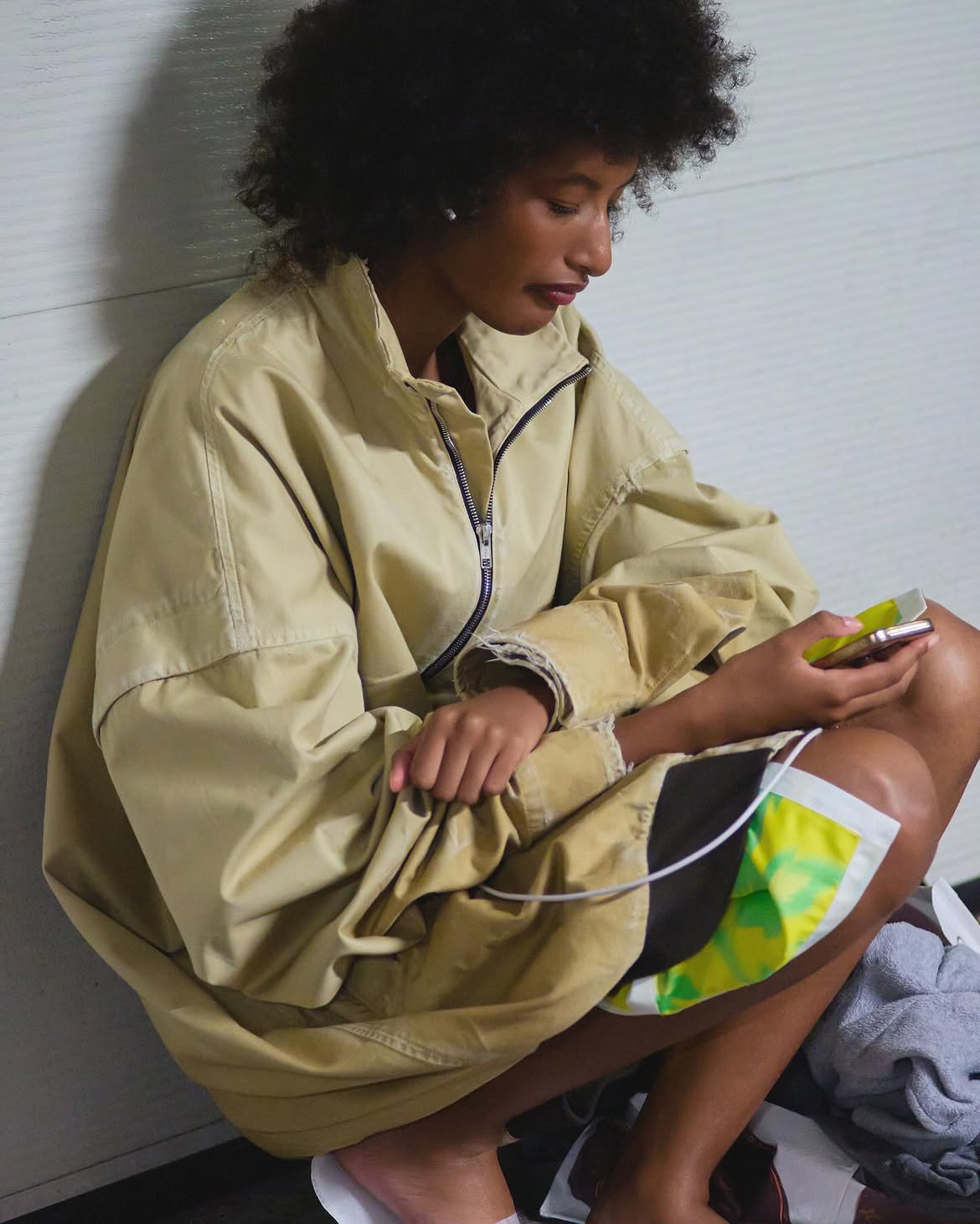
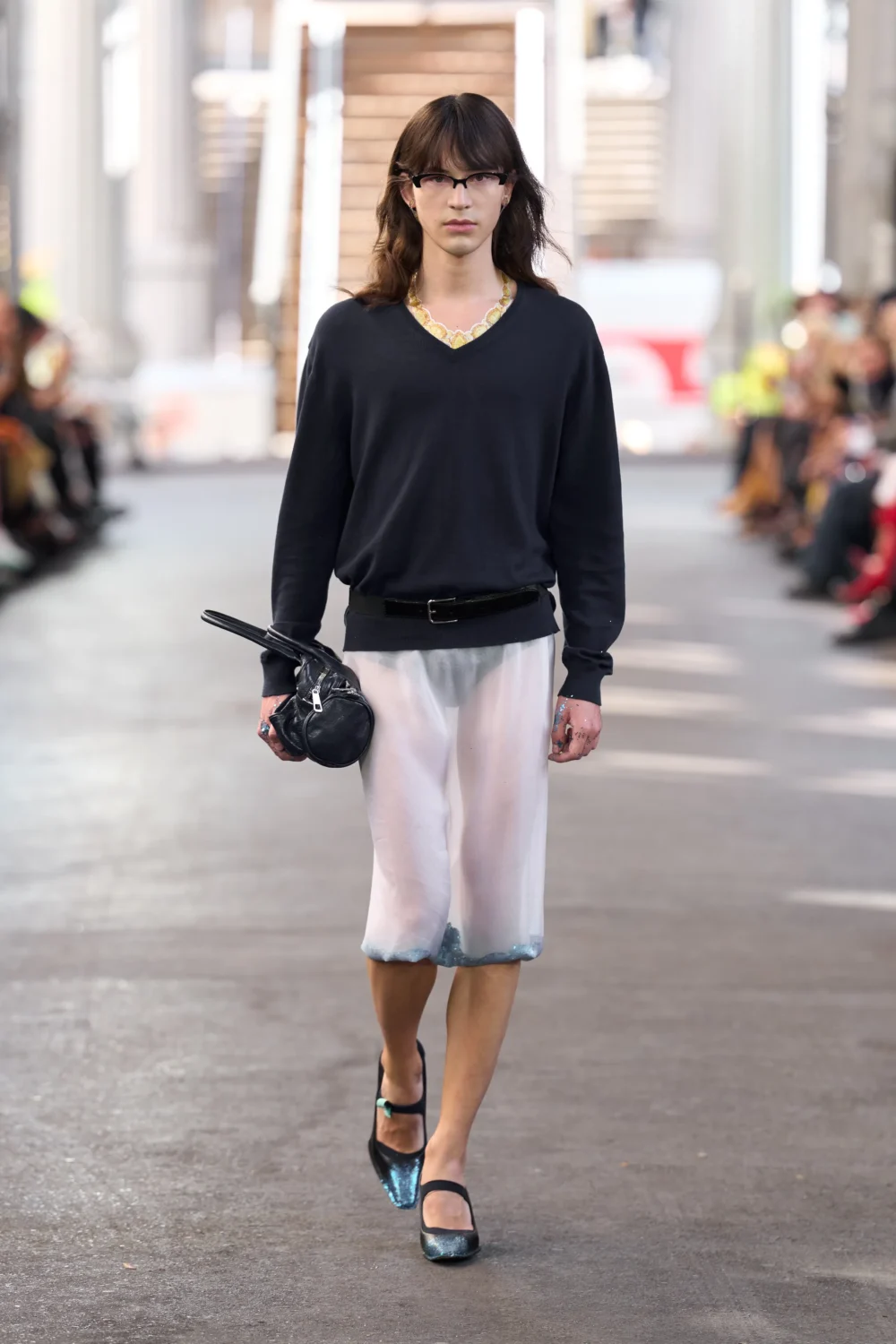
“Change, change, change.” Three words saved in Kegels’ phone became the starting point for SS26. Magicians’ manuals and quick change techniques informed transformable garments and hidden layers, while repurposed sheets, badly dried shirts, glitter and make up stains made room for messiness and imperfection.
/
‘Face Value’: protecting what remains unseen
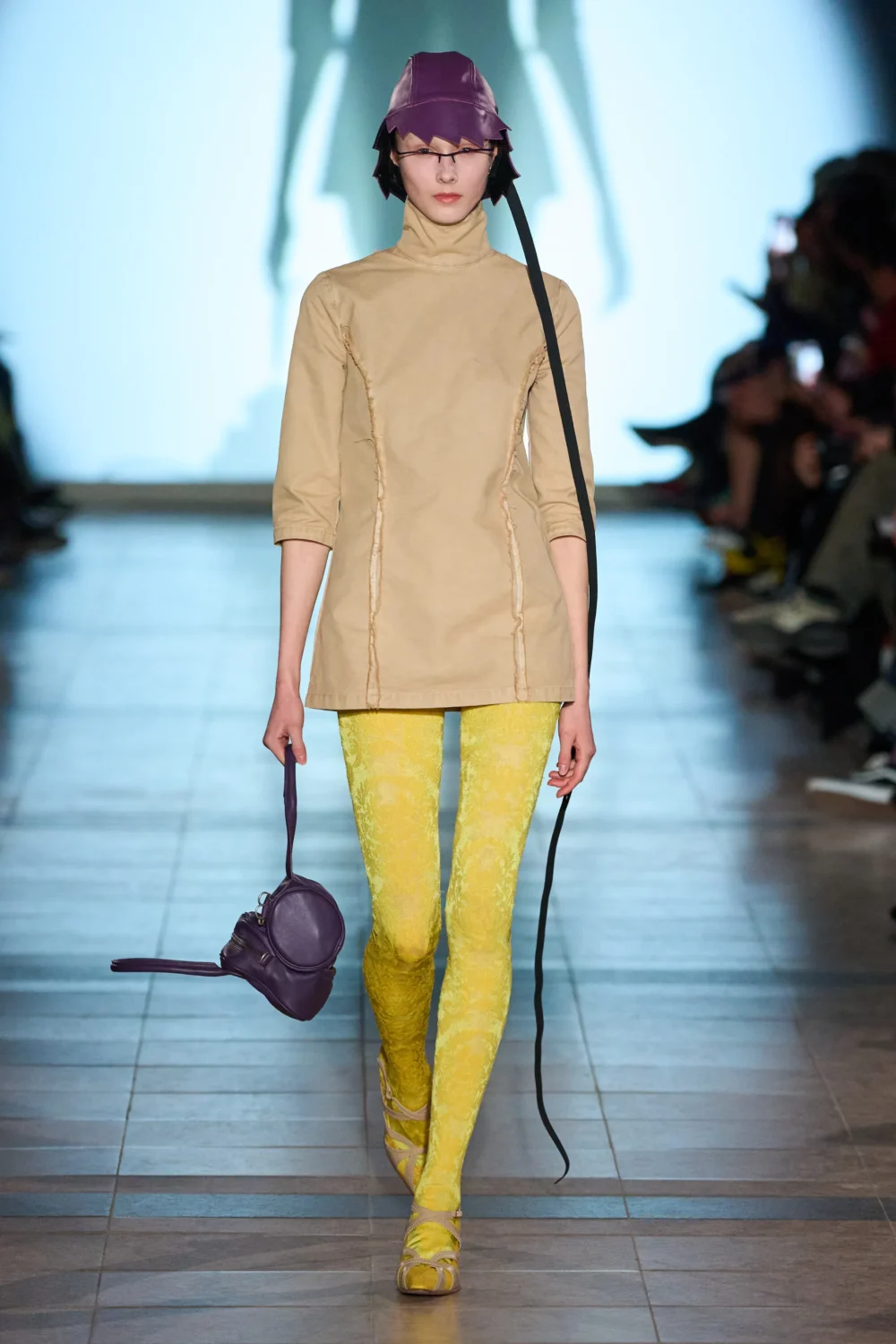
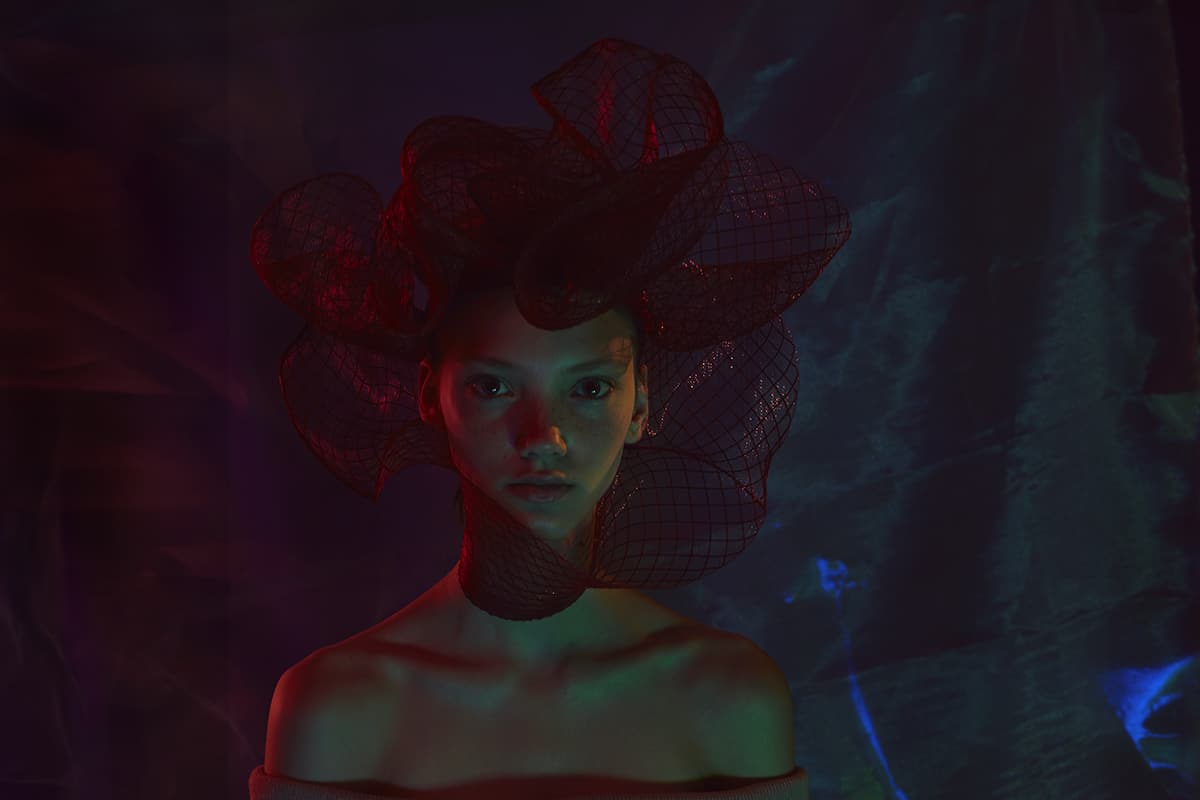
“Everything is visible.” For FW26/27, Kegels explored the boundary between public image and private self. Inspired by Andy Warhol’s reflections on aura, distorted silhouettes and projected shadows turned clothing into a means of shielding what we choose to keep private.
/
Fashion remains a deeply conservative industry, but its narratives can still introduce other female possibilities into the cultural imagination, even in softened or commercially contained forms. After five collections, it will be interesting to see how far Julie Kegels continues to push and rearticulate these possible female identities as her own position within the industry grows.
Arisha fotografiada por Elena Claverol con estilismo de Ángela Ibáñez en una historia llena de sobras y fantasía, con piezas de marcas nacionales como Habey Club, Teresa Helbig, Aldomartins, Rita Row o Kling en exclusiva para #VEINDIGITAL
Ana Peinado, fotografiada por Ana Alcocer con estilismo de María Pinto, nos propone vestir la mente dejando el cuerpo a la vista con esta historia para #VEINDIGITAL.
«Este momento es una oportunidad para sumergirme en mis inquietudes y hacerme muchas preguntas. Es hora de crecer. De eso se trata estar con una misma, ¿verdad?»
Vermeer, Rembrandt, Dou nos enseñaban a mujeres con gallinas, sirviendo leche, tejiendo… Beatriz Tafaner te enseña a una mujer teniendo dilemas con las anticonceptivas o apropiándose de la palabra PUTA en su último editorial para #VEINDIGITAL
No, no me hace falta que me expliques lo que ya sé. Todo lo que me pasa, me pasa por segunda vez. Elvira fotografiada por Scott Salinger con estilismos de Oscar Visitación para #VEINDIGITAL
El próximo número impreso de VEIN MAGAZINE está a punto de salir. Mientras, os dejamos disfrutar de un adelanto, con esta historia de Berta Pfirsich y LOEWE Paula’s Ibiza