

First introduced by Yves Saint Laurent in Paris in 1966 as part of his Autumn/Winter Pop Art collection, Le Smoking was a classic tuxedo reimagined for women, featuring a black wool or satin dinner jacket paired with trousers finished with a satin side stripe. We often forget that the press response to Le Smoking was far from enthusiastic when it debuted. At a time when eveningwear was still largely defined by dresses, Saint Laurent challenged established conventions, becoming the first fashion designer since Coco Chanel to present trousers as an option for women.
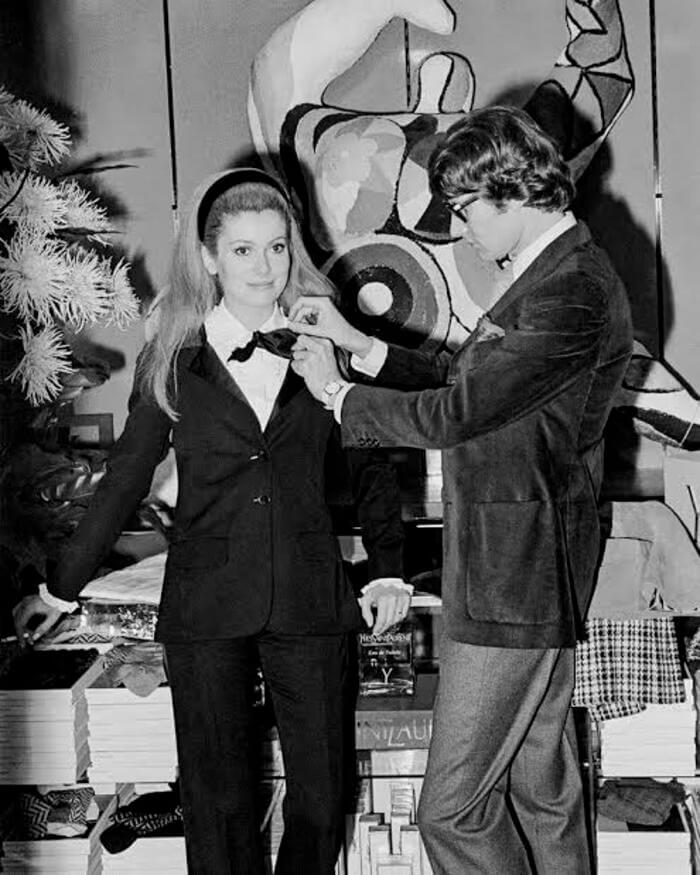
Catherine Deneuve 1966
Yet a number of influential women, including Bianca Jagger, Liza Minnelli, Charlotte Rampling, Catherine Deneuve and Nan Kempner, embraced the controversial silhouette. Their adoption of the look helped bring it into wider public consciousness, illustrating how fashion can travel from the wardrobes of cultural figures into everyday life. What began as a challenge to the conventions of eveningwear gradually became an enduring symbol of women’s independence and self-expression. The impact extended throughout the 1970s, when it became closely associated with a generation of women.
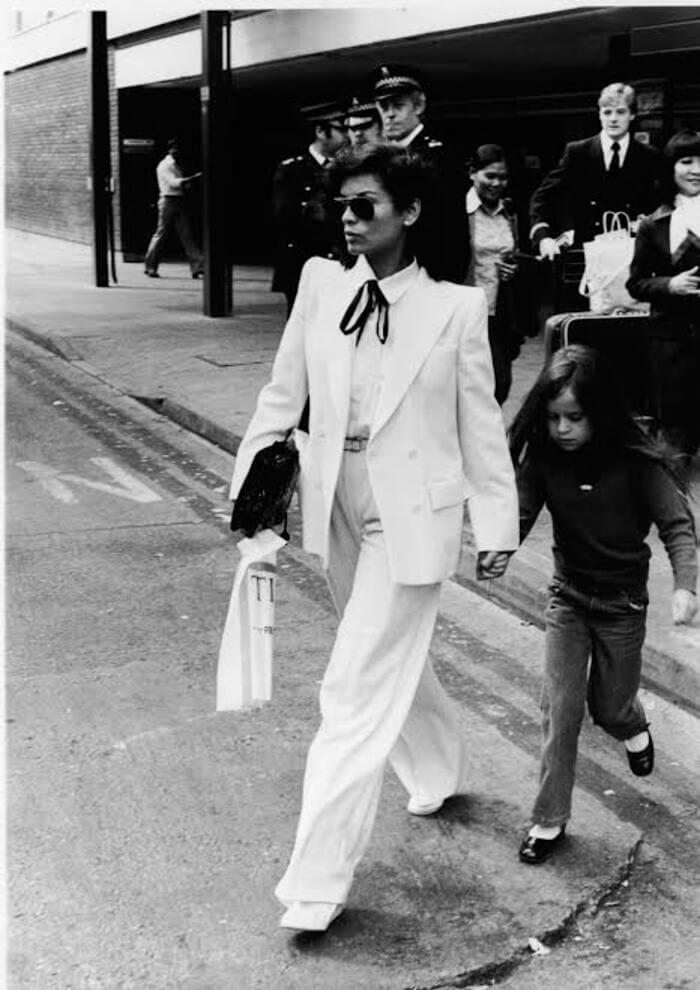
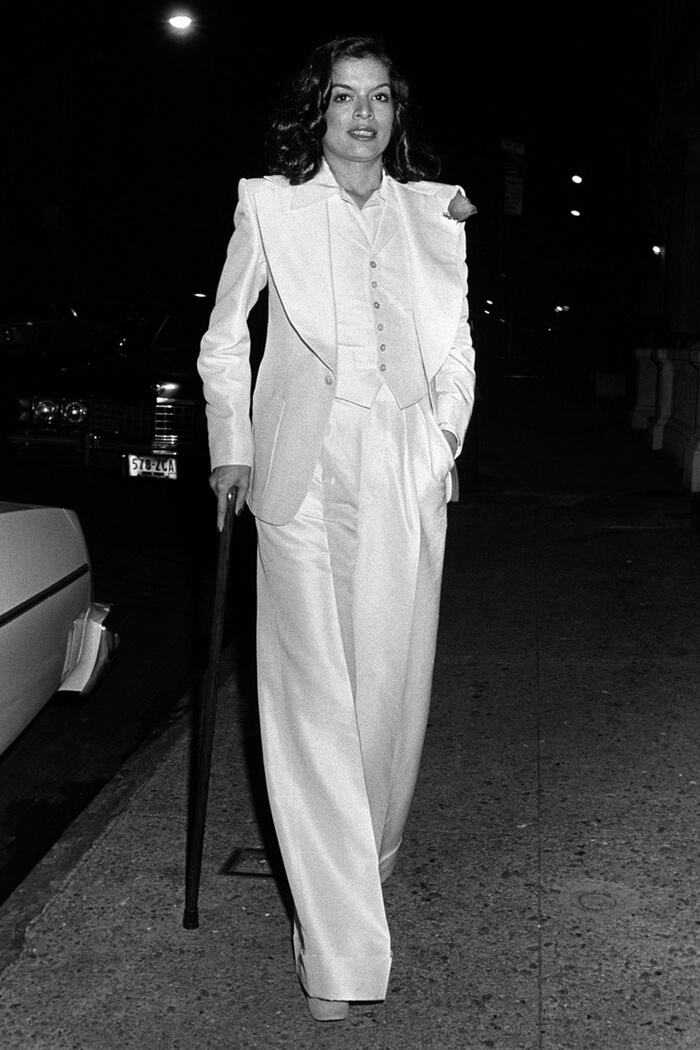
Bianca Jagger 1979
More than a new silhouette, Le Smoking represented a radical shift in the way women could dress, borrowing from the codes of masculine tailoring to create a new expression of femininity that was confident, sensual and independent. Helmut Newton’s editorial image for French Vogue in 1975 helped the look hit the tipping point for the mainstream market due to the popularity and beauty of the iconic photograph making an early example in fashion of a photo going “viral”.
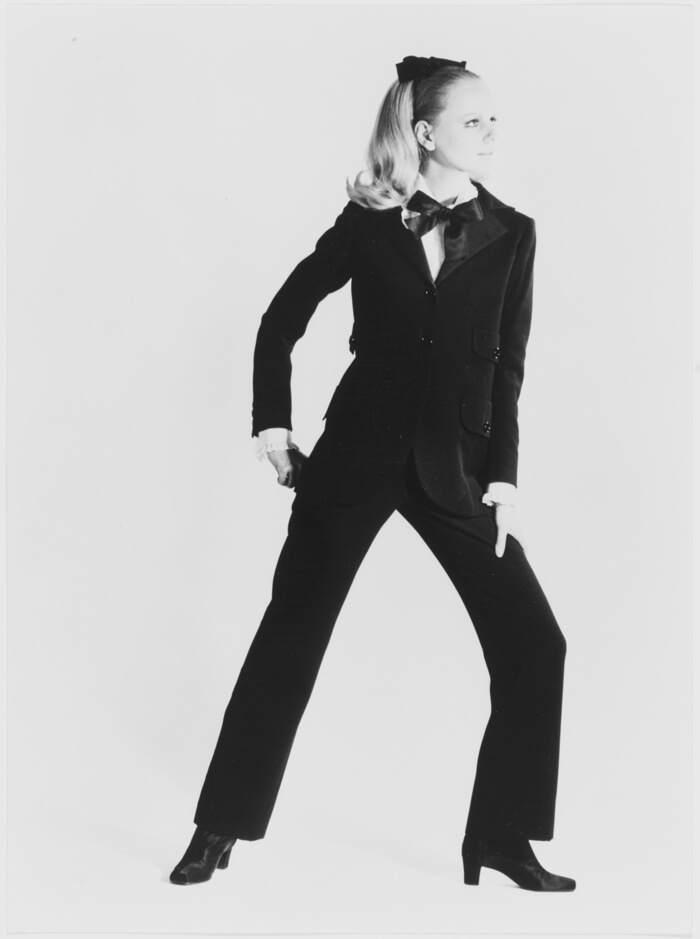
First smoking 1966
During the 1980s, Le Smoking entered a new phase of interpretation. This decade was characterized by ambition, corporate culture, and the growing visibility of women in positions of professional power, what came to be known as “power dressing” with structured jackets and pronounced shoulders. Saint Laurent’s tuxedo fitted naturally into this cultural environment. Its masculine references were no longer interpreted solely as an act of rebellion but could also communicate authority, status, and confidence. The design evolved through variations in proportion, fabric and construction, while retaining its distinctive identity. This shift was significant as it demonstrated that women could adopt the visual language of authority without necessarily abandoning their femininity.
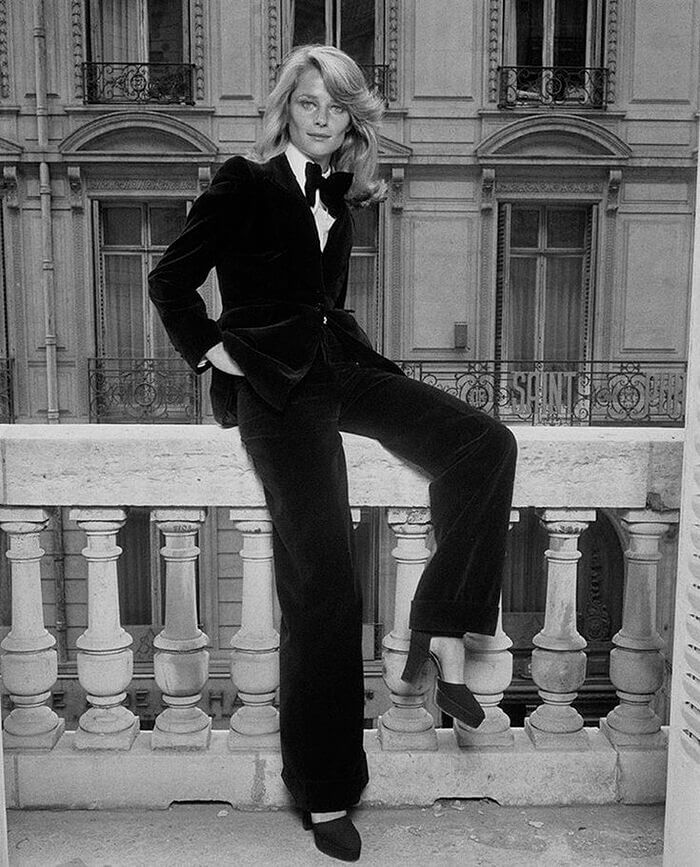
Charlotte Rampling le smoking
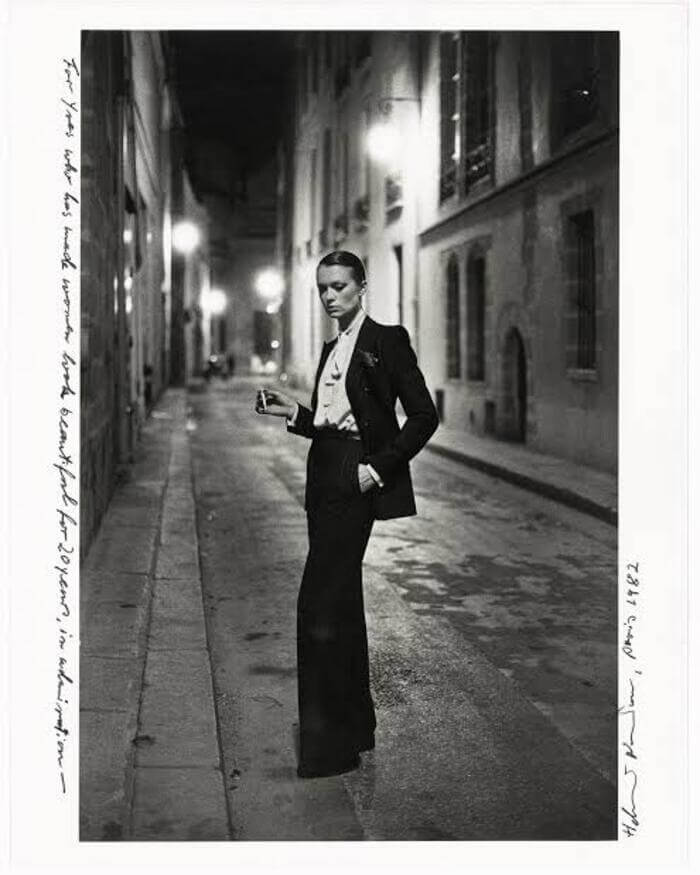
Helmut Newton 1975 Vogue France
The 1990s brought a different aesthetic direction as it embraced minimalism and a relaxed approach to tailoring. Le Smoking became less dependent on making an overt statement and more closely connected to the quality of its design, setting itself apart from blazers which had by now become wardrobe staples for women. During the 90s, Yves Saint Laurent remained actively involved in fashion, although his role within his own business began to change. In 1998, he transferred responsibility for the ready-to-wear collections, choosing instead to concentrate on haute couture. Following his retirement in 2002, the tuxedo became an enduring part of the fashion house’s heritage, continuing to be reinterpreted by successive creative directors, including Tom Ford, Stefano Pilati, Hedi Slimane and Anthony Vaccarello. Throughout his career, Saint Laurent repeatedly returned to Le Smoking, reinforcing its importance as a defining expression of his creative identity.
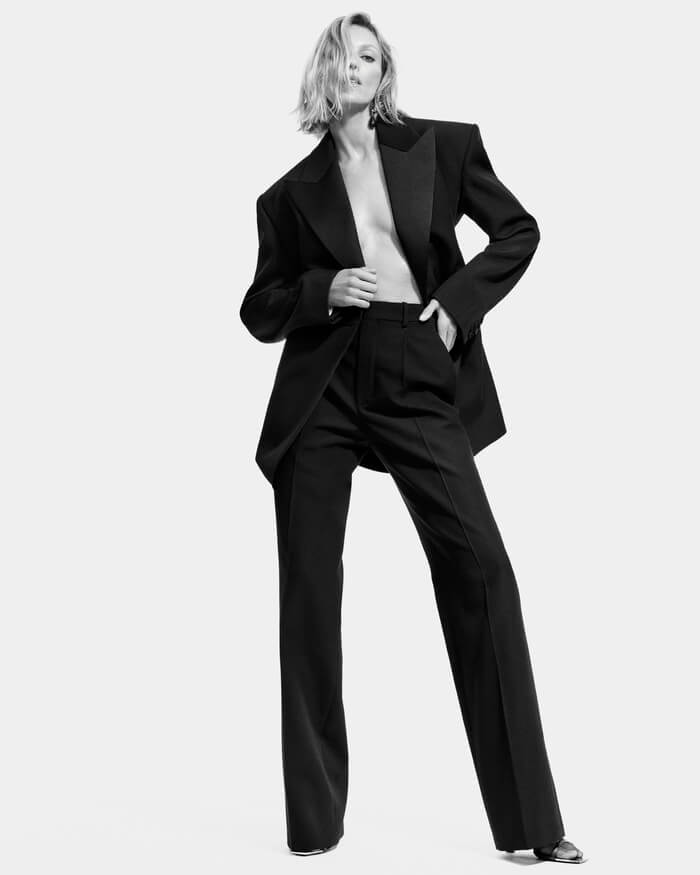
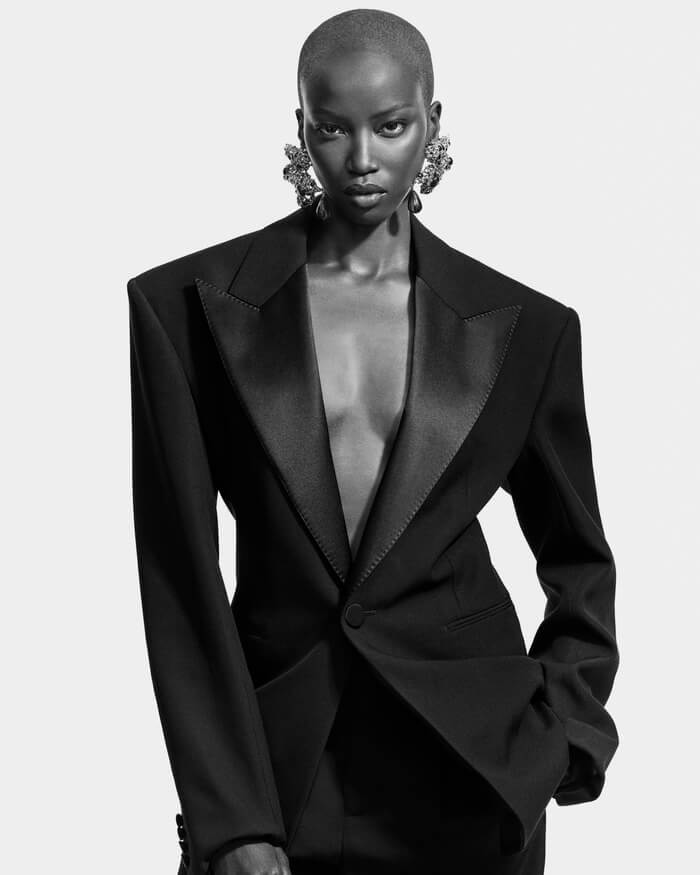
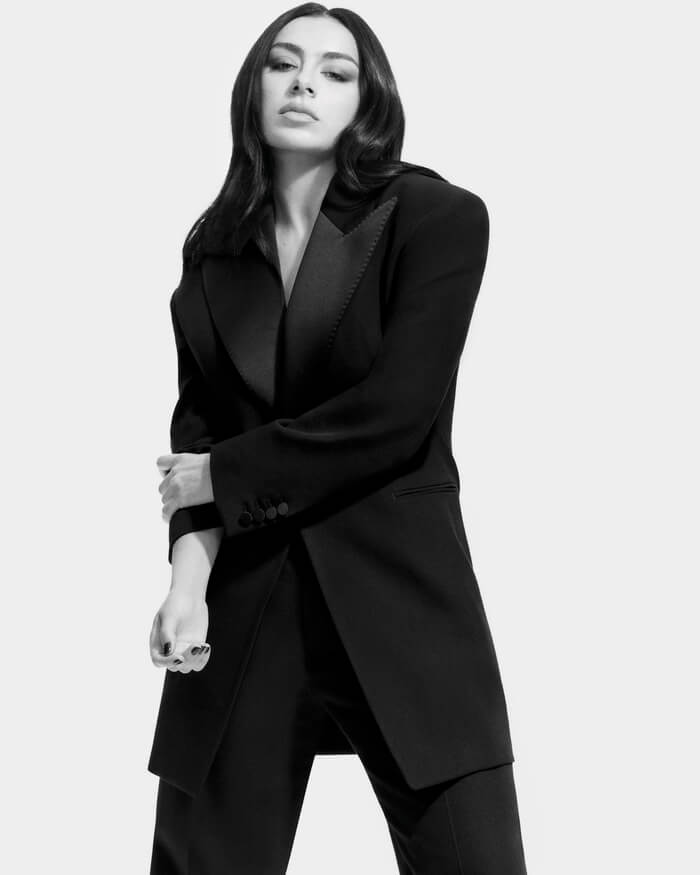
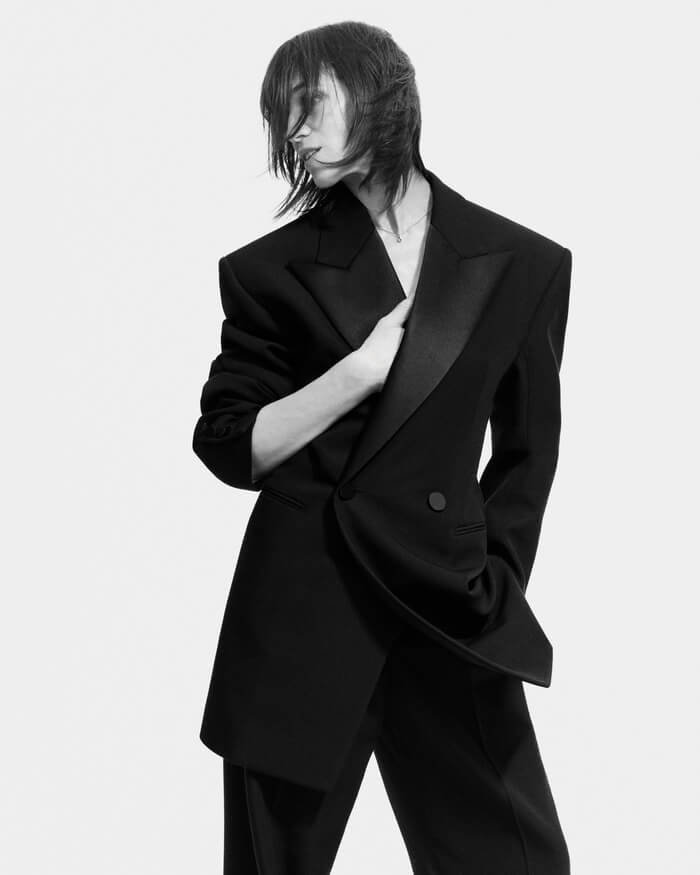
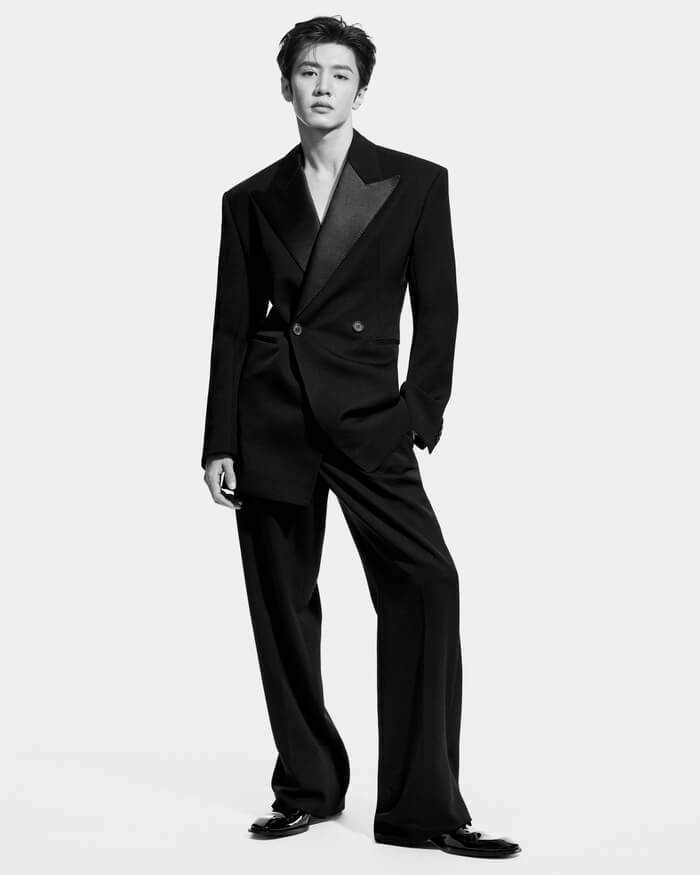
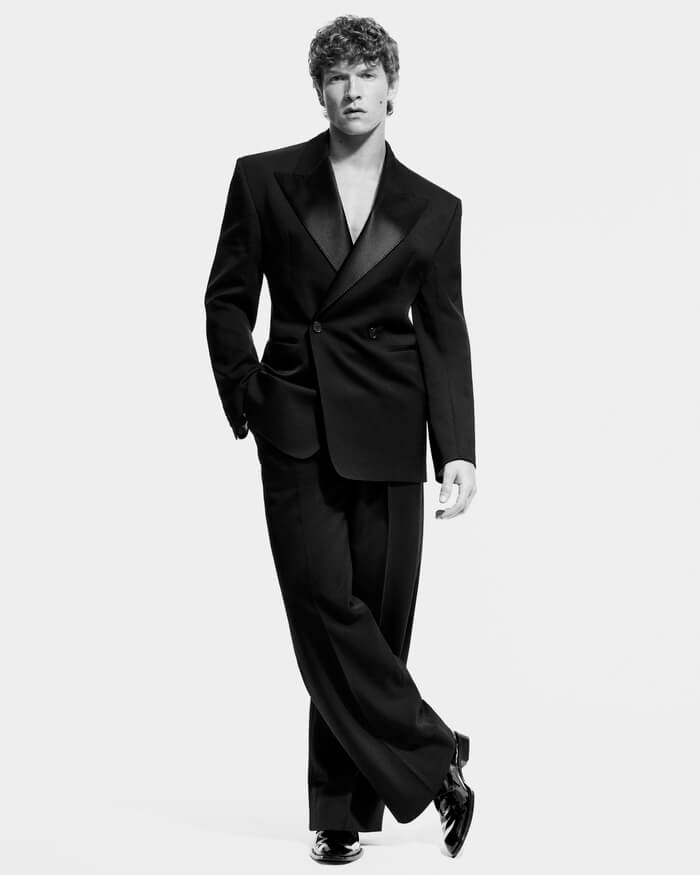
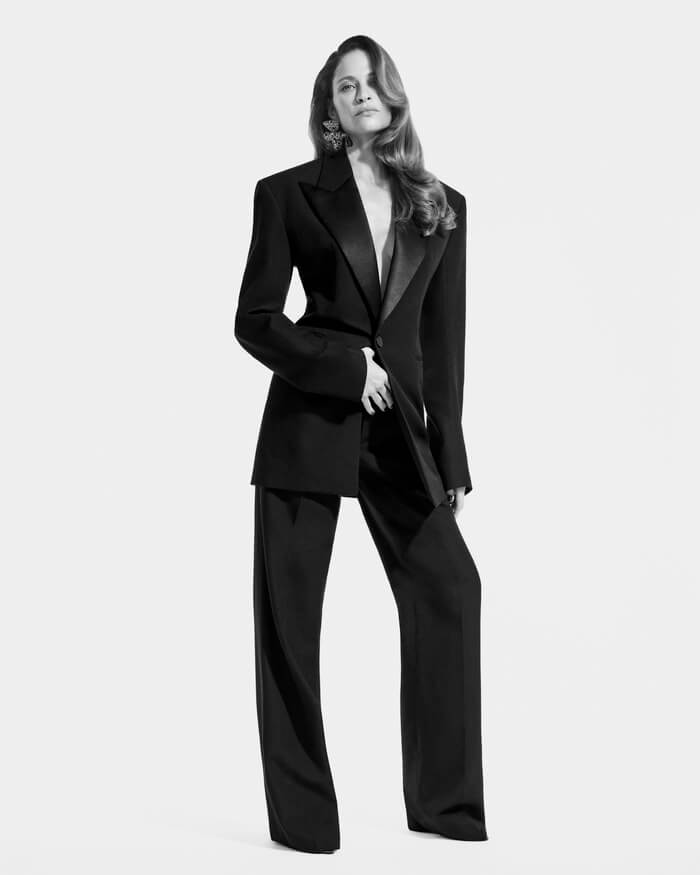
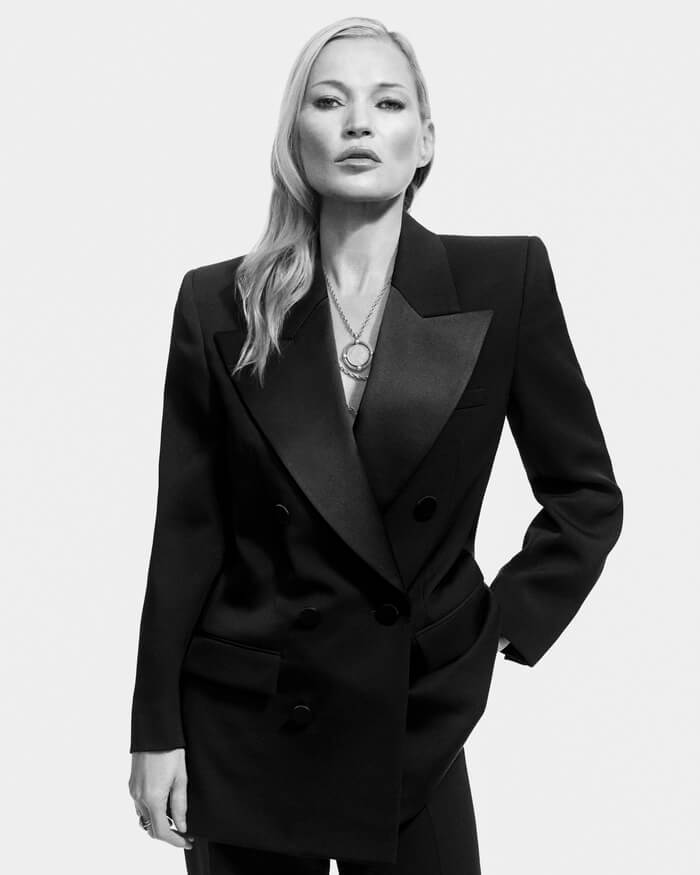
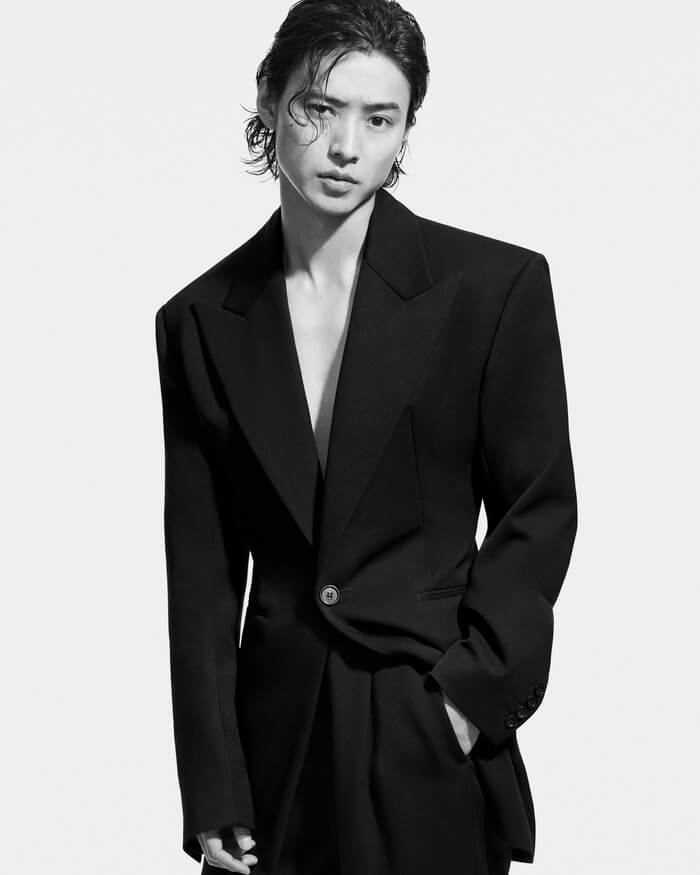
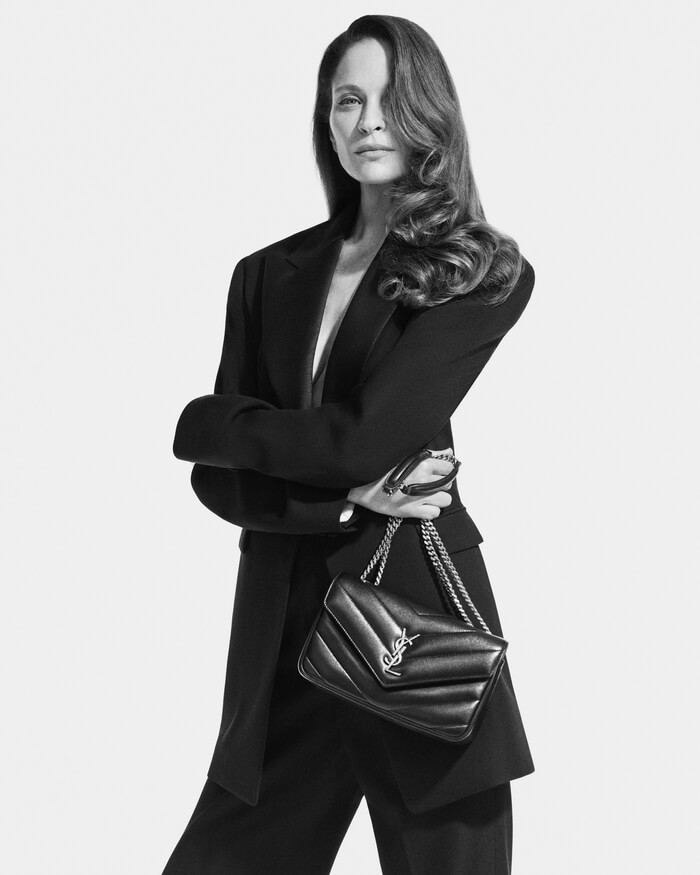
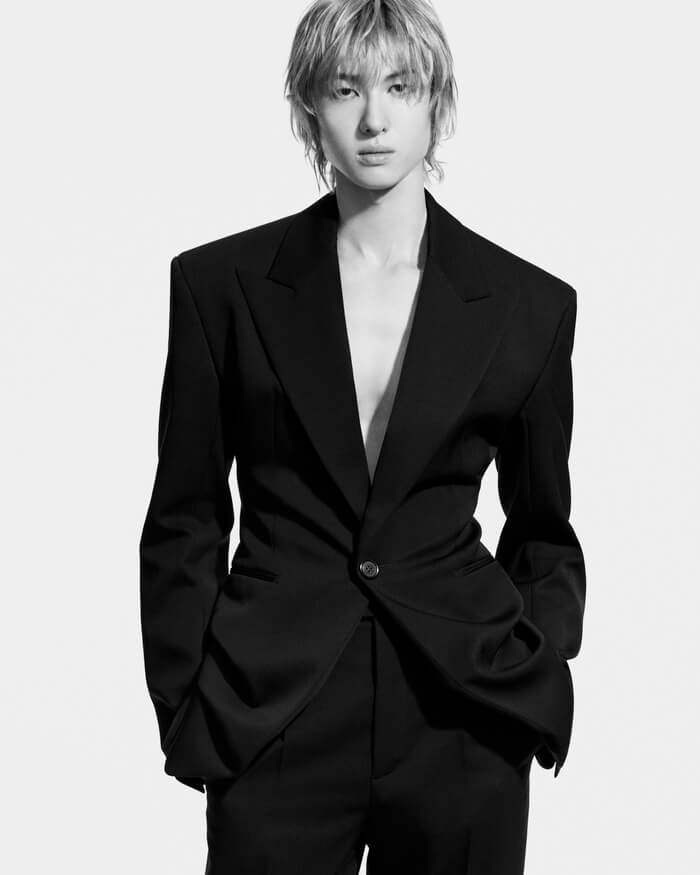
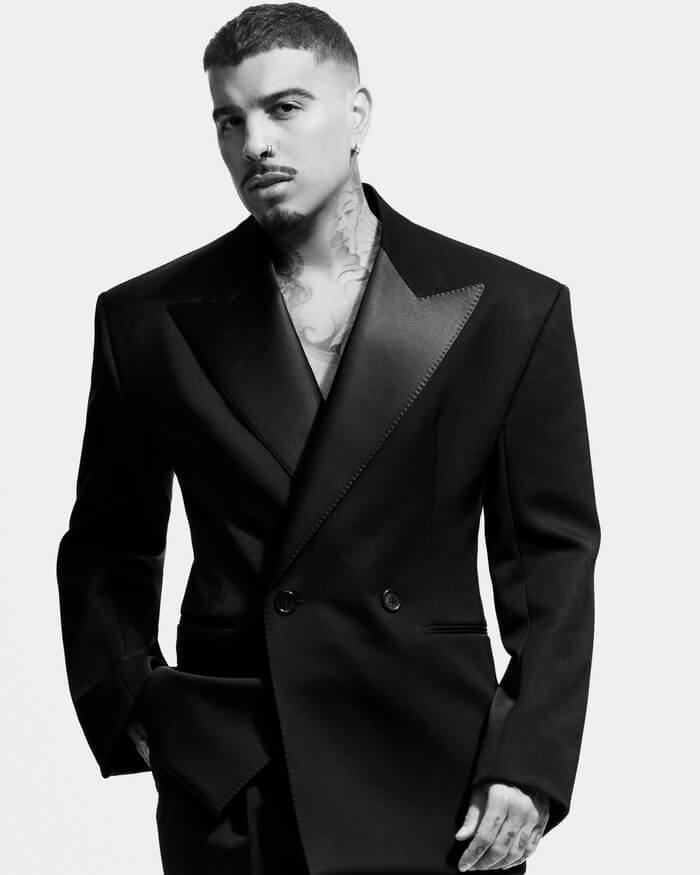
To celebrate the 60th anniversary of Le Smoking, Saint Laurent is bringing its production back to Atelier de Confection Saint Laurent in France from 2027, where it will be crafted for both women and men using traditional French tailoring techniques. This initiative reinforces the brand’s commitment to preserving its heritage of craftsmanship, from the precision of the cut to the construction and hand-finished details.
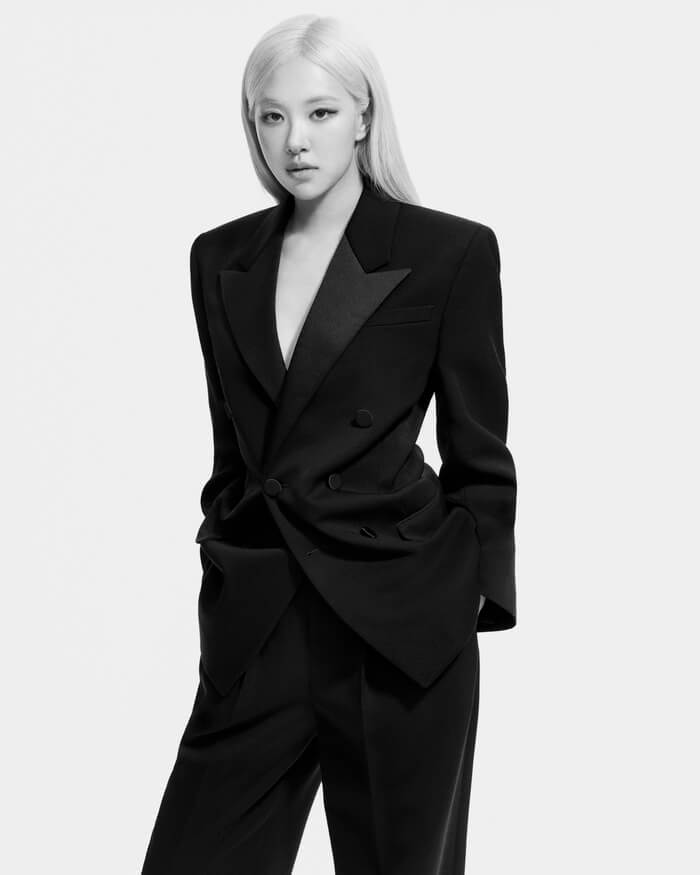
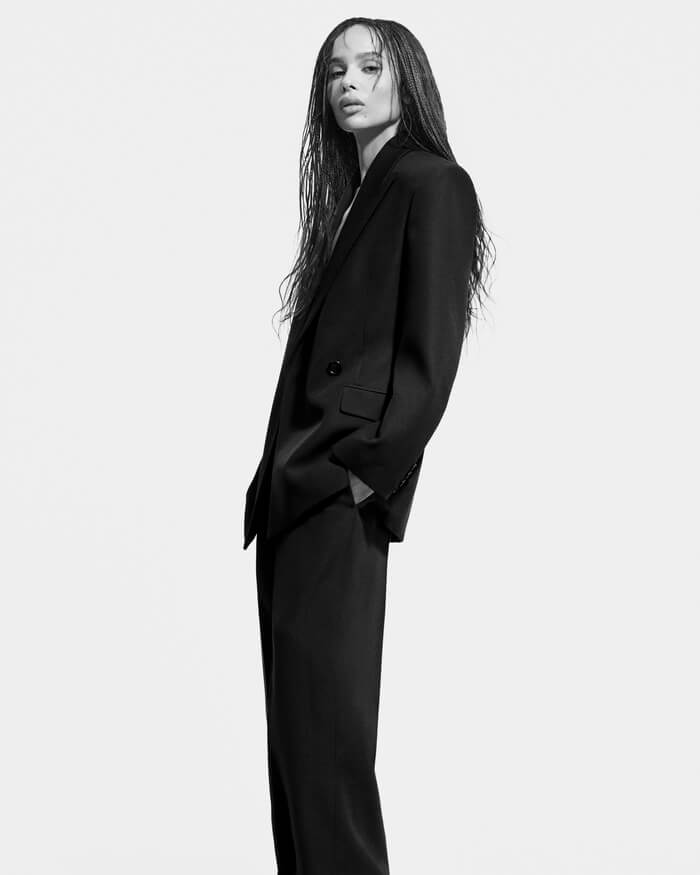
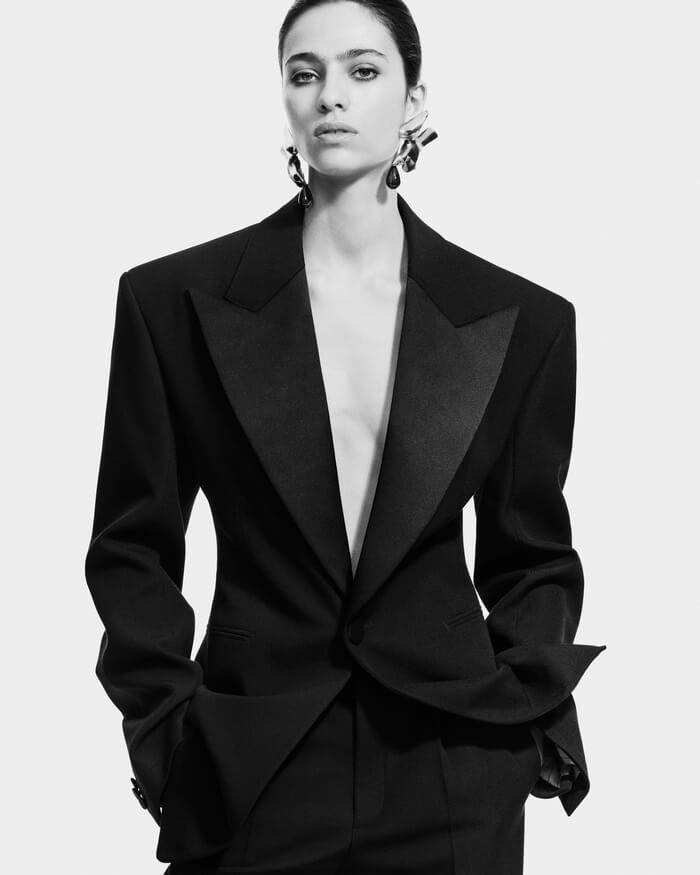
Photographed by Mark Kean, the Winter 2026 anniversary campaign pays tribute to the tuxedo through a diverse cast of personalities, including Kate Moss, Zoë Kravitz, Charlotte Gainsbourg, Anok Yai and ROSÉ, reflecting the many interpretations of the Saint Laurent spirit. Six decades after its debut, Le Smoking remains far more than an iconic piece of fashion history.
Follow us @veinmagazine @veinbeauty