
After two years away, Stine Goya returns with Before, a vivid meditation on uncertainty, creativity, and the world just before it changes. Inspired by 1913, colour becomes both rebellion and refuge, reminding us to find our light and keep walking.
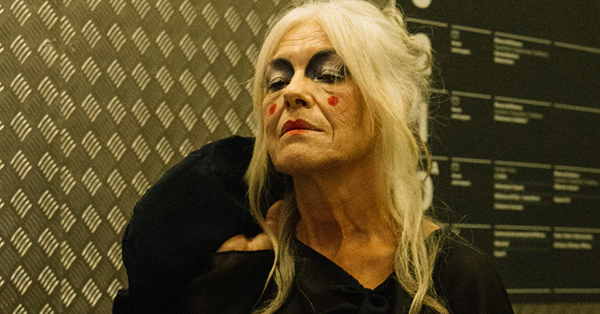
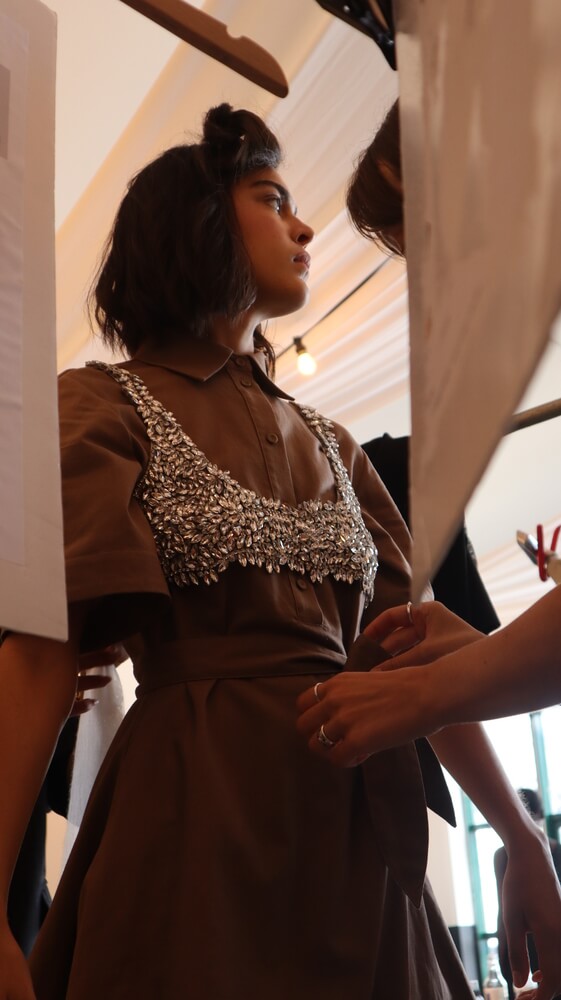
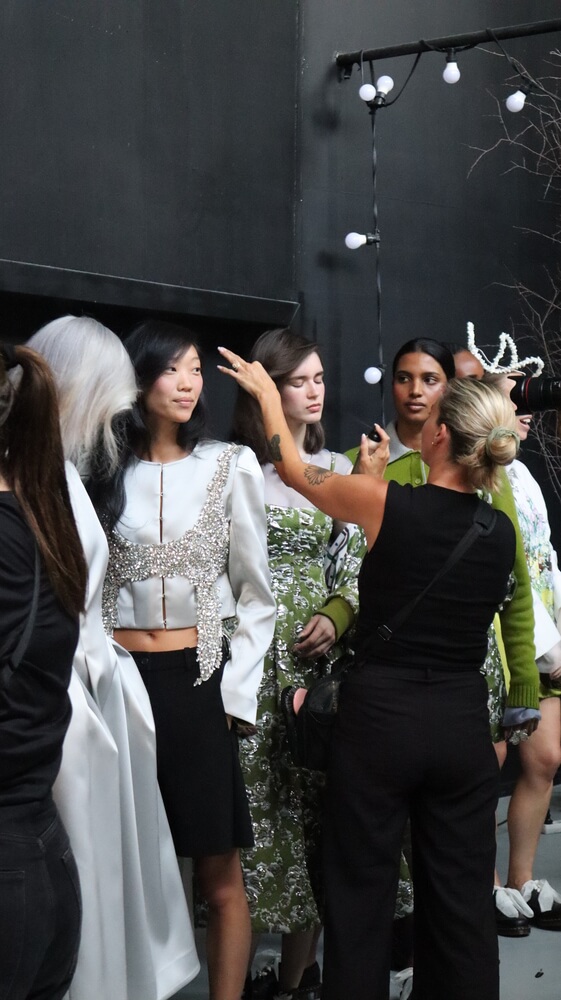
“Find the center, find your light and keep walking…” Toniah Pedersen was explaining in a clear, raised voice, and complete silence fell around her. From that very first moment, the preparation for the show immersed me in the collection.
It is actually the first time in two years that Stine Goya has presented a collection. They say it is better not to do a fashion show unless you have something to say, and here, that message was beautifully narrated through colour, textile and pattern structure.
Looking into the inspiration behind the collection, that intention becomes even clearer.
And fashion needed colour.
“I read Florian Illies’ book 1913 about the last year Europe’s artists lived as if there were no tomorrow – in the middle of a clash between isms and new ways of expressing themselves. I was struck by how that mood mirrors now: a world full of change, where it is hard to know what is true, where AI is shaking our sense of reality, and where so much seems to be out of balance. It feels like we are standing on the edge of major change – the kind we cannot yet fully grasp, much like the artists of 1913 could not grasp what was coming.” — Stine Goya
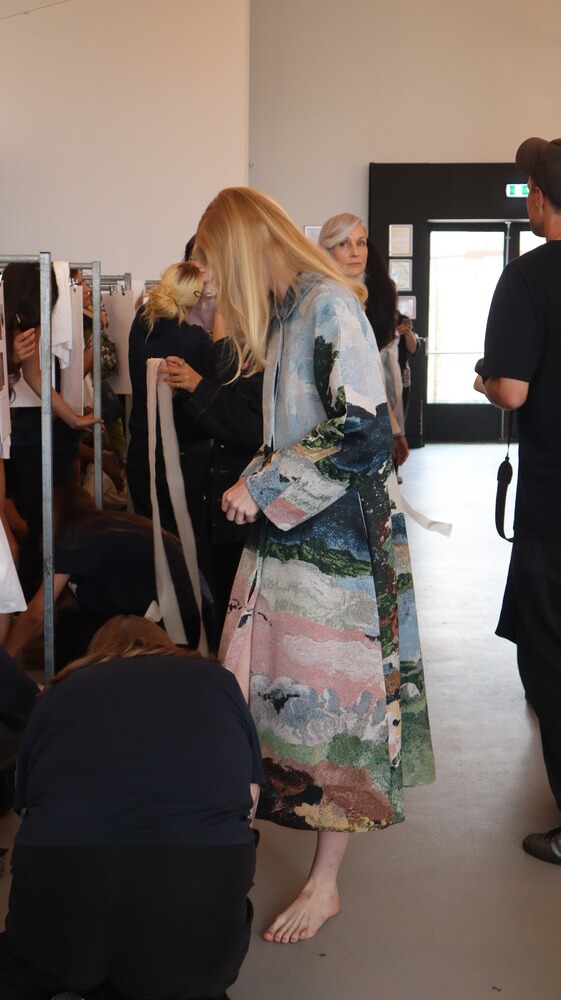
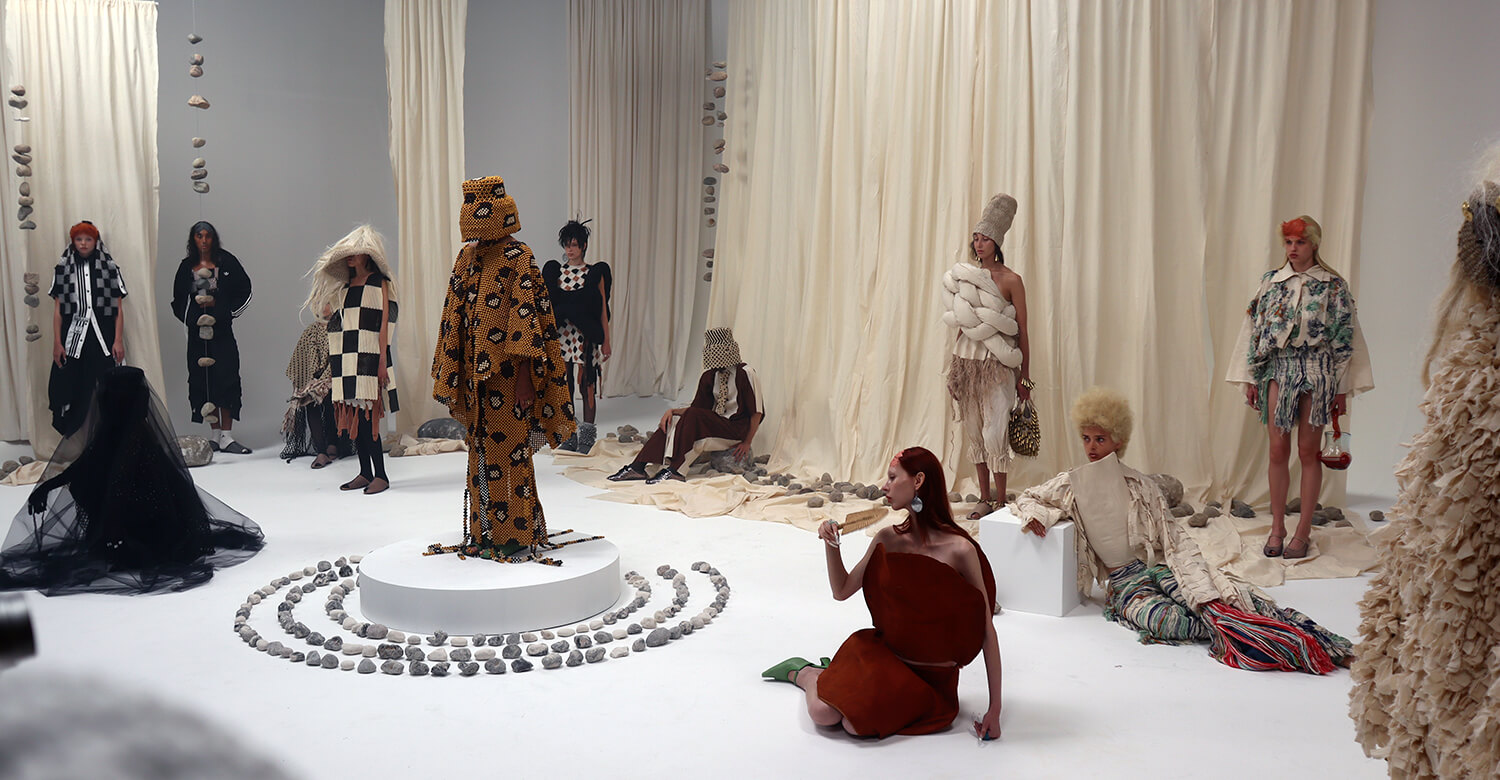
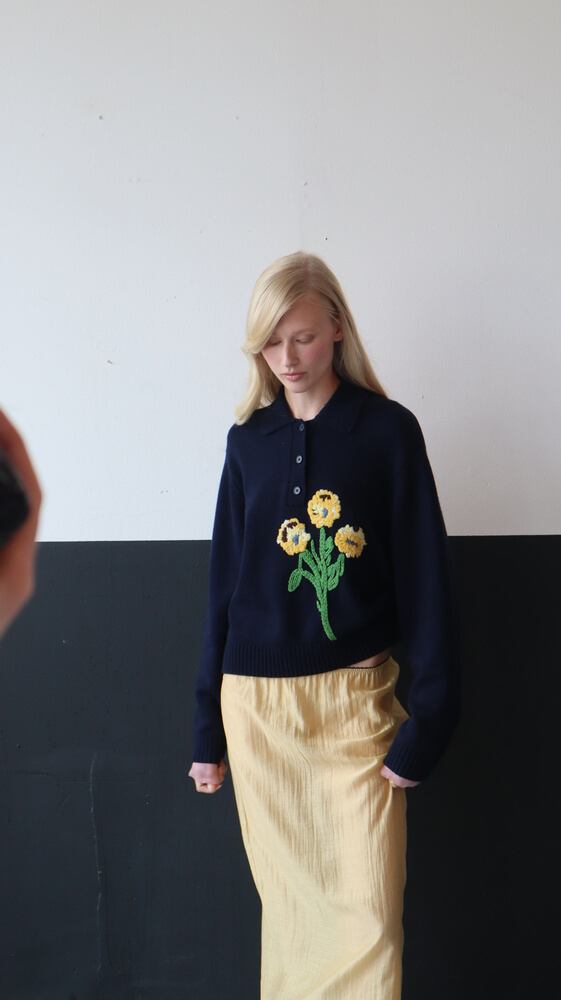
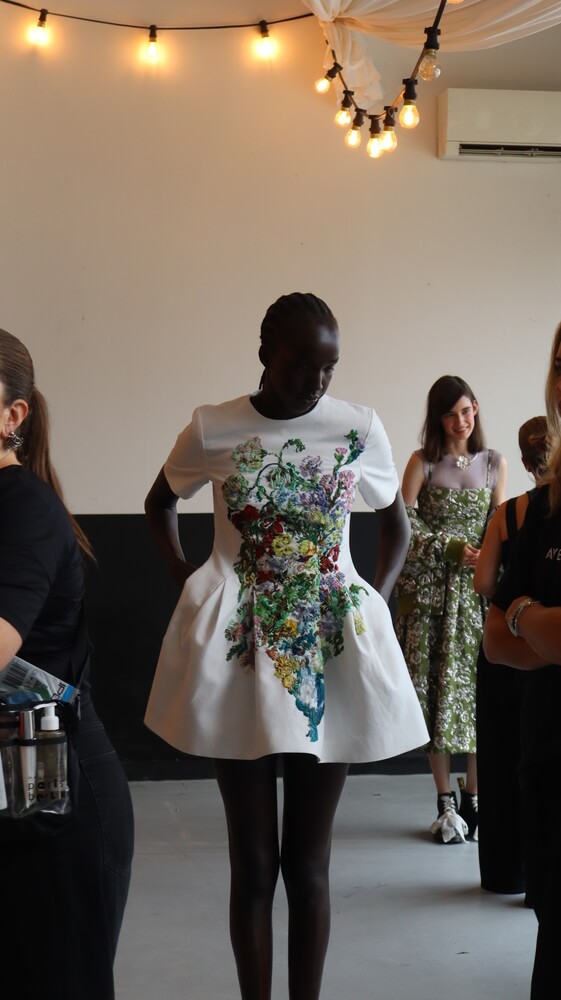
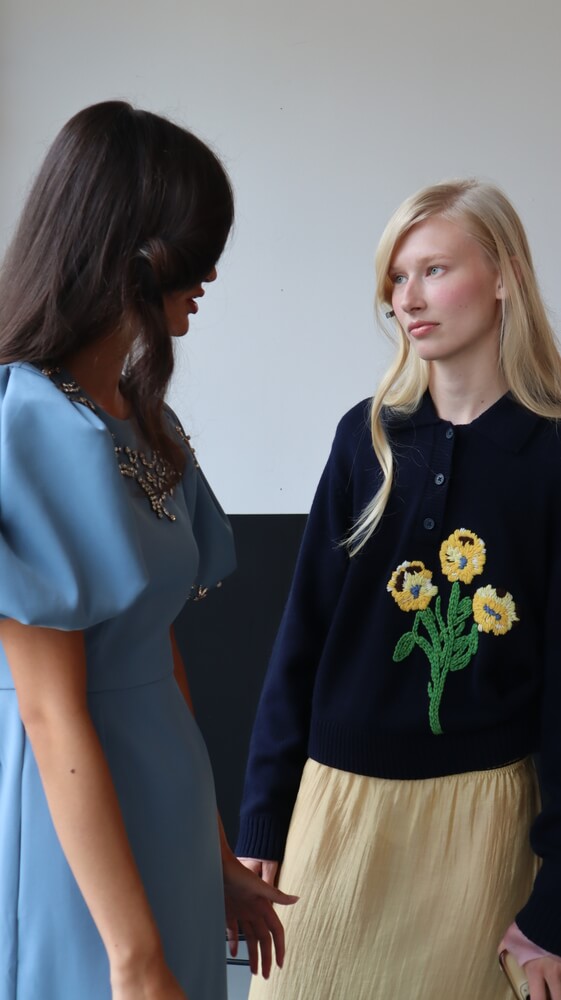
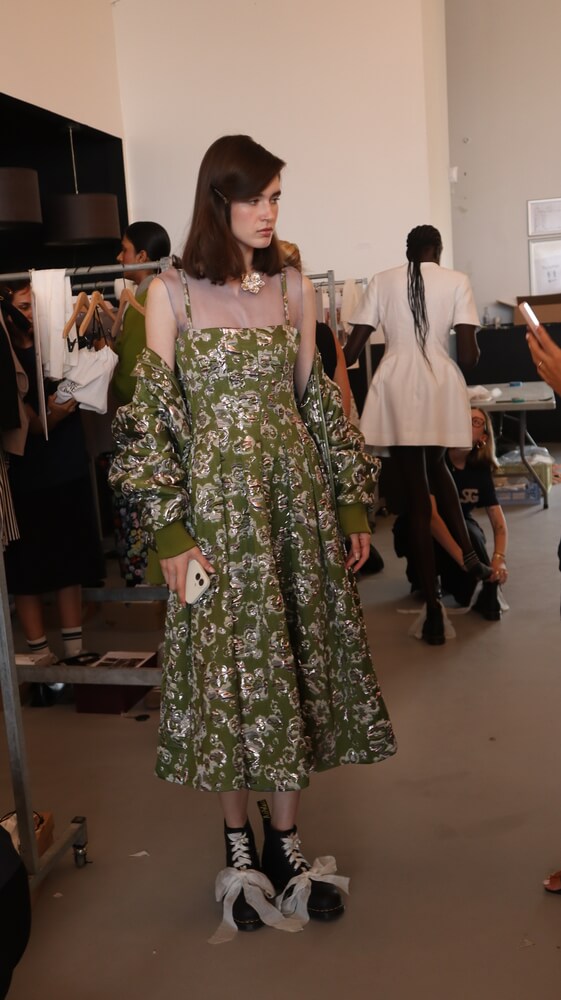
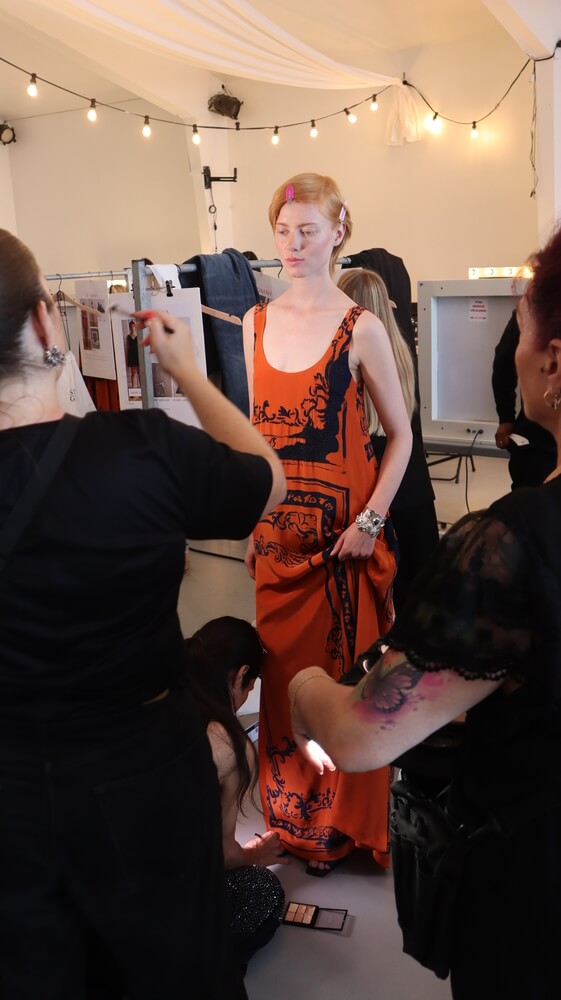
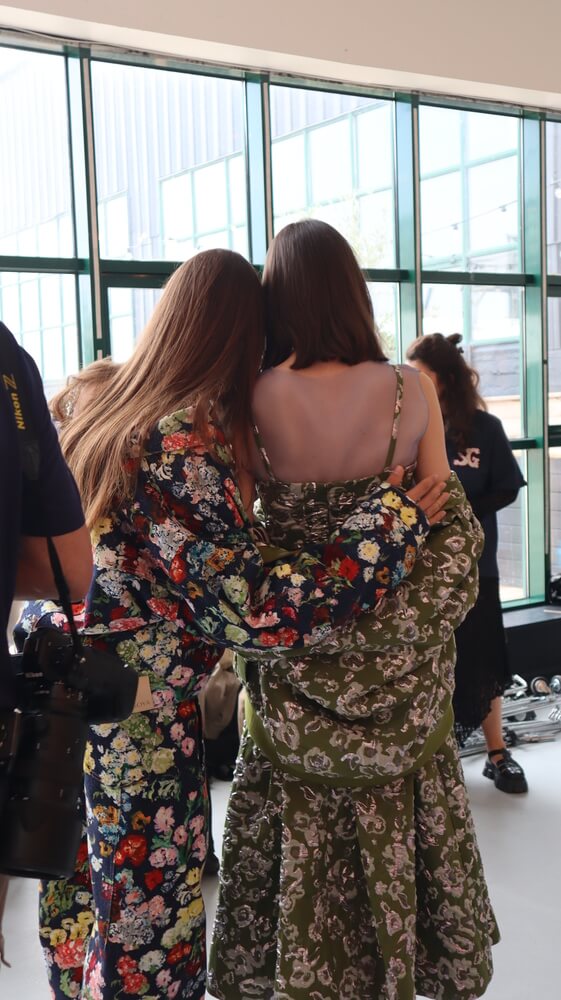
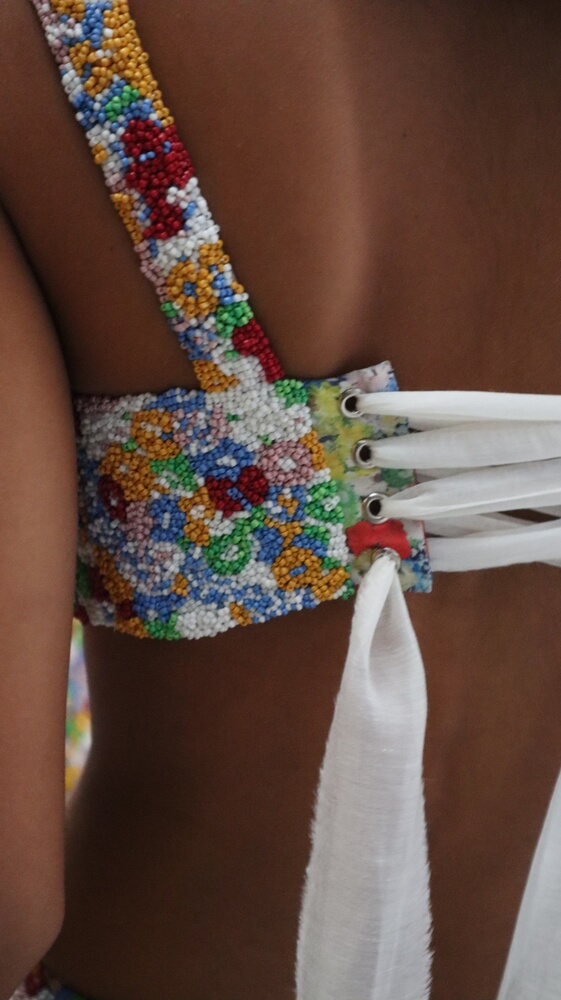
From there, the clothes begin to make sense almost as fragments of that uncertainty. Flowers appear first in two dimensions, through print, before escaping into a third: built from beads almost like paintings, or woven into jacquards with large rose silhouettes. Expressionist imagery spreads across coats and other garments too, blurring the boundary between clothing and canvas.
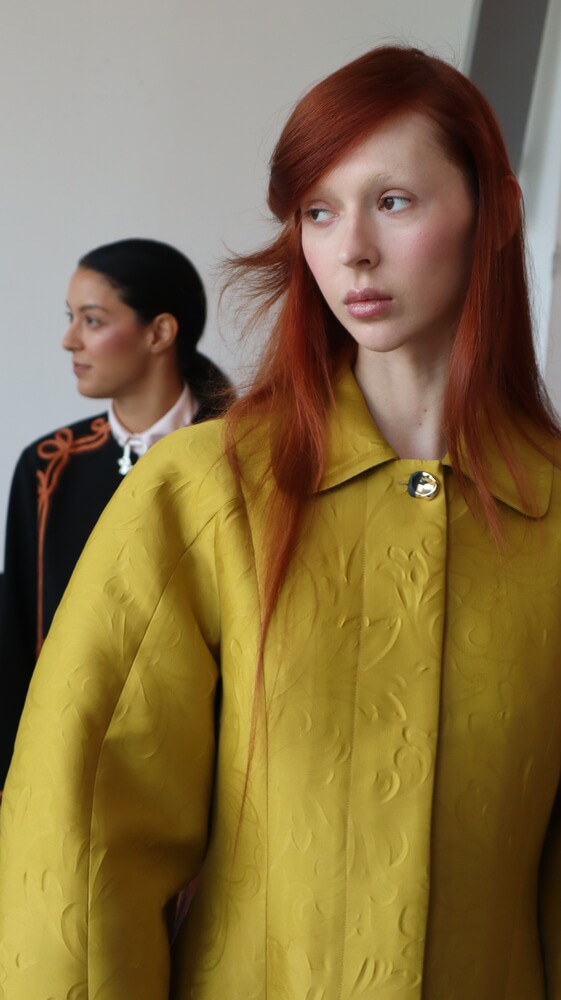
The conversation with the past continues through fabric. Brocade, so often dismissed as antiquated, is not used here as an exercise in nostalgia, but as a material capable of saying something new. It appears selectively: a short brocade skirt softened by the simplicity of a knit, or jacquard translated into oversized jackets that remain easy to wear yet carry a certain boldness. There is something compelling in returning to textiles we have left behind, not to recreate another era, but to ask what they can become now.
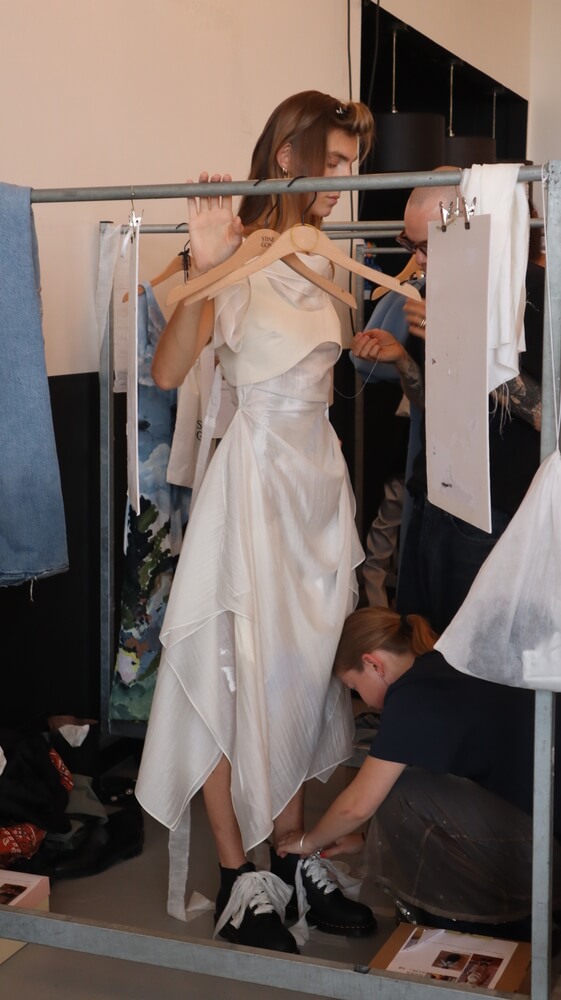
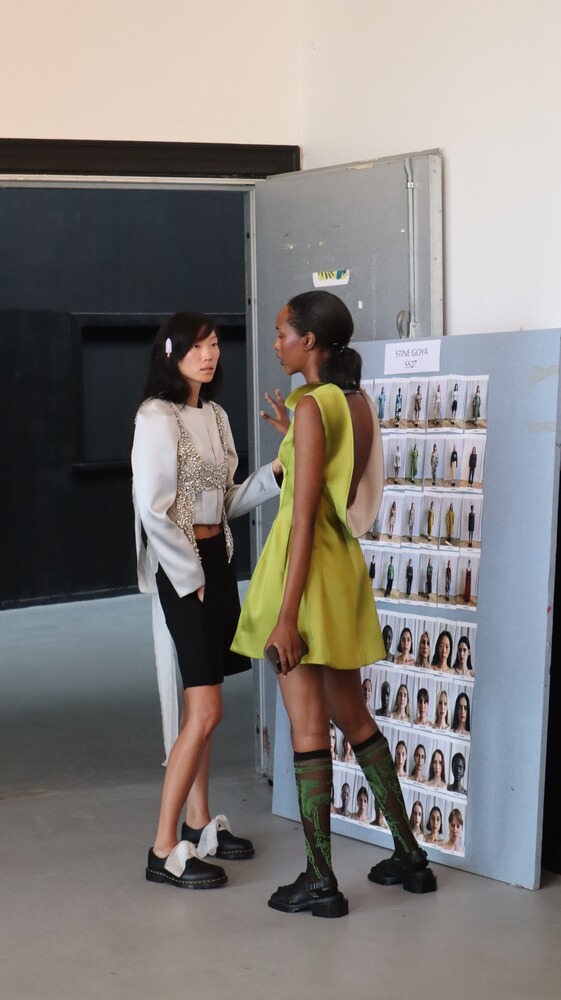
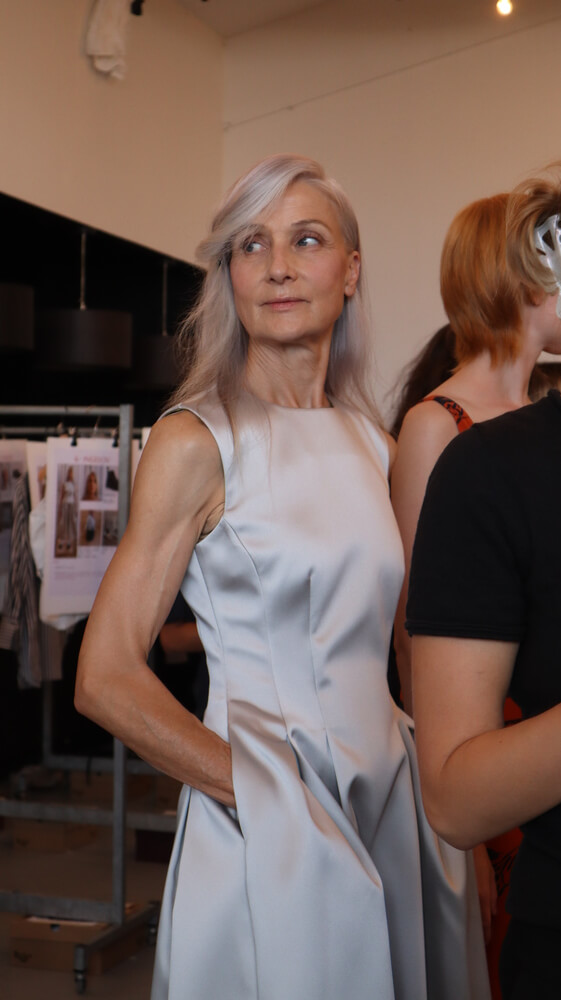
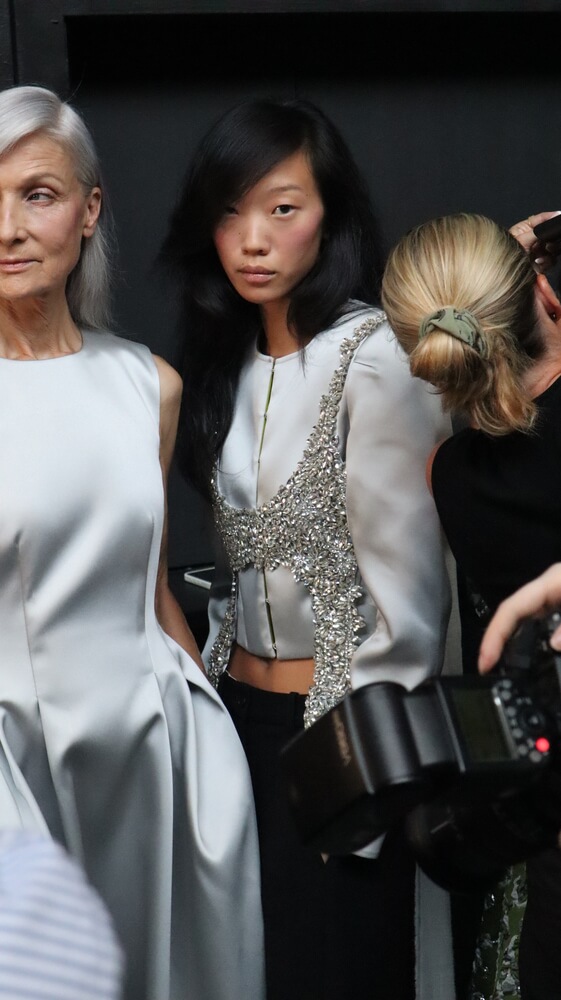
Construction follows the same logic. Rather than restricting the body, the silhouettes leave room for movement while holding onto femininity. Inverted box pleats, sculptural back necklines and multi-panelled skirts give the dresses an almost architectural volume, while defined collars and cuffs bring moments of control. Whimsical silver, pistachio green, blue and red seem to light up the aseptic space, as though the clothes themselves were supplying the atmosphere the room refused to give them.
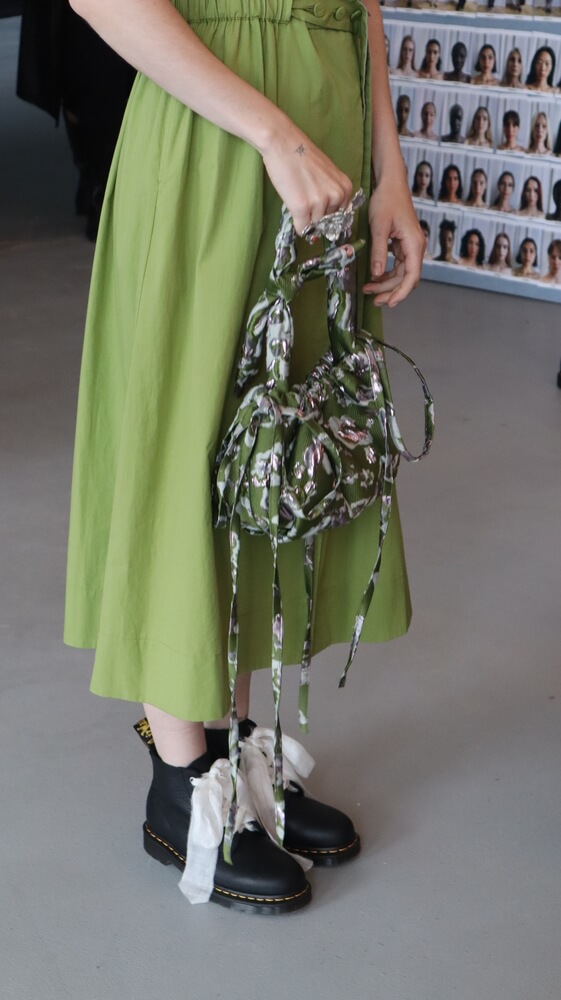
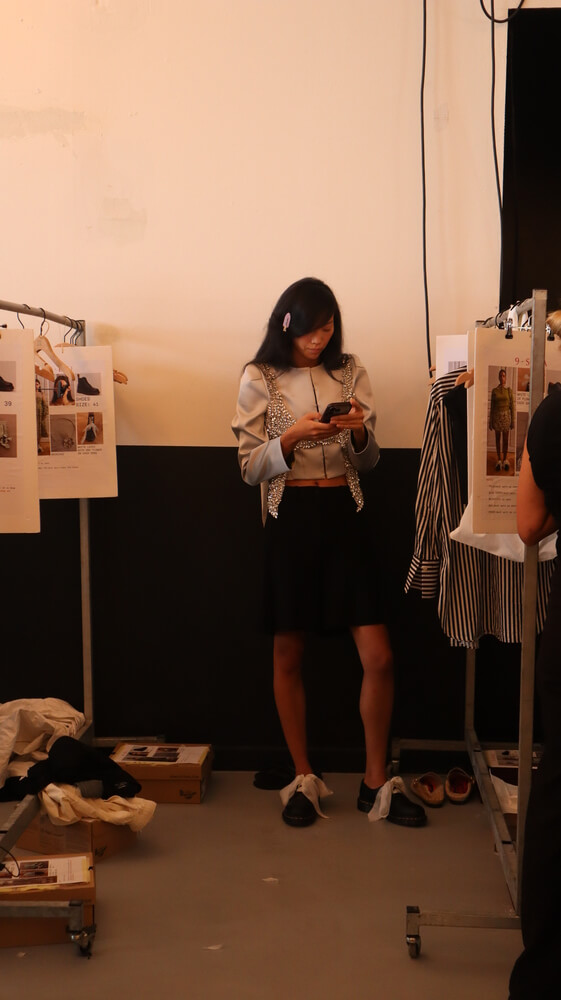
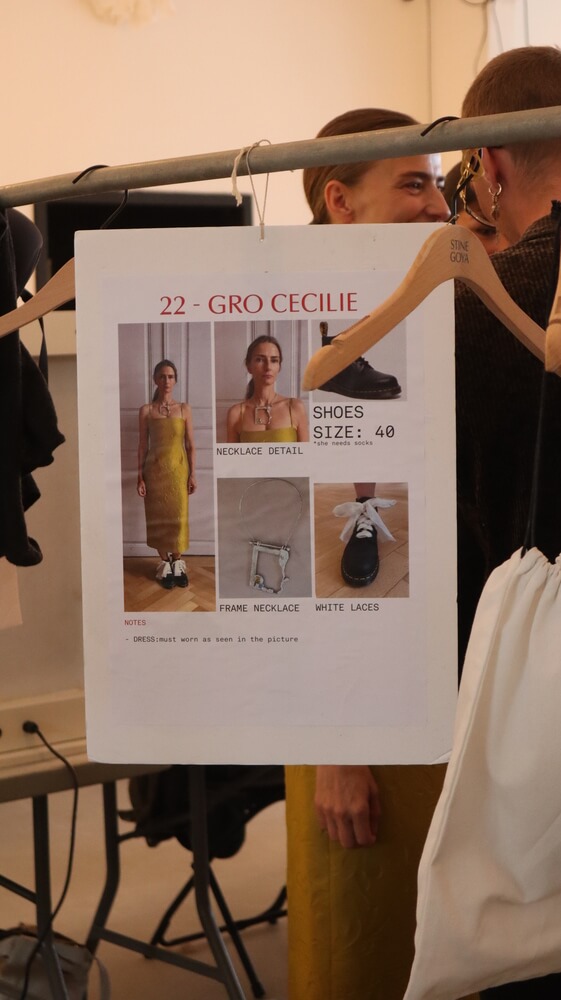
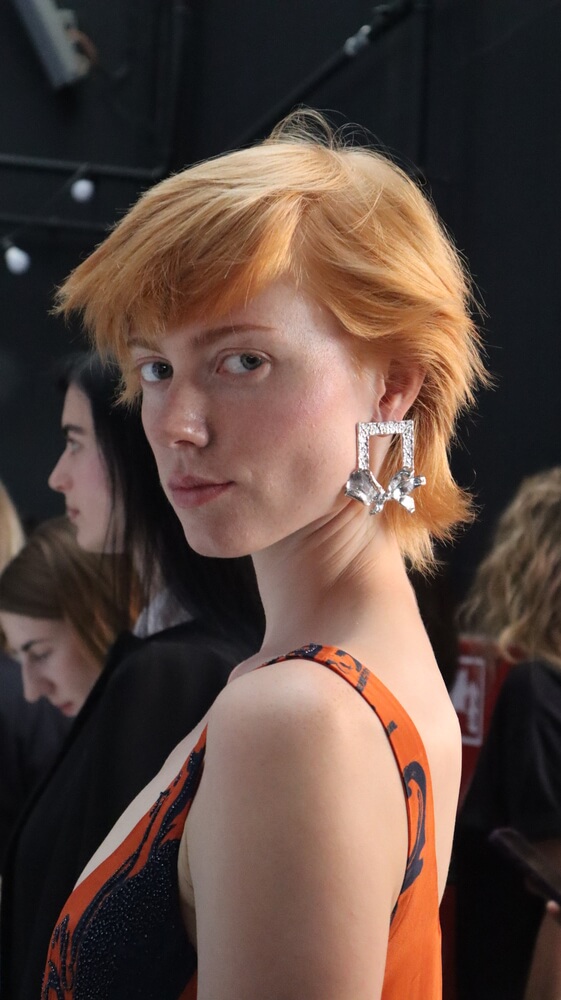
Against all that colour and structure, the styling acts almost as a pause. Black ankle boots, white organza ribbons and small silver jewels temper the visual intensity, while recurring floral details quietly bring us back to the collection’s central imagery.
Before is an ode to artistic exchange, shared imagination, and the belief that the future is not fixed but imagined together.
Even the setting seems to participate in that idea. The collection looks back to 1913, and the show unfolds in Terminal 13. Whether deliberate or coincidental, the resonance is difficult to ignore. A terminal is already a place of transition — somewhere between departure and arrival — and Before occupies a similar space: suspended between what we recognise and what has not yet revealed itself.
More significantly, the presence of artists from different disciplines becomes essential to fully contextualise the world described in 1913, a moment in which painters, writers, performers and thinkers did not create in isolation, but constantly influenced, challenged and fed into one another’s work. That same sense of artistic cross-pollination runs through the show. Toniah Pedersen becomes part of the atmosphere, while Teflon Bunny opens with a live inline-skating performance, creating a space where fashion enters into conversation with movement, performance and other forms of expression. The seating was arranged in concentric circles on either side, with the audience facing inward — an ingenious way of accommodating more guests while simultaneously creating the sense of a contained bubble, almost on the verge of bursting.
And so, after all this uncertainty we are experiencing right now. About AI, about reality, about standing at the edge of something we cannot yet name. The words heard before the show began return with a different weight. The uncertainty remains, but perhaps that was never the point. The advice is simpler:
«Find the center, find your light and keep walking…»
Text and photography by Ionela Bona for VEIN MAGAZINE