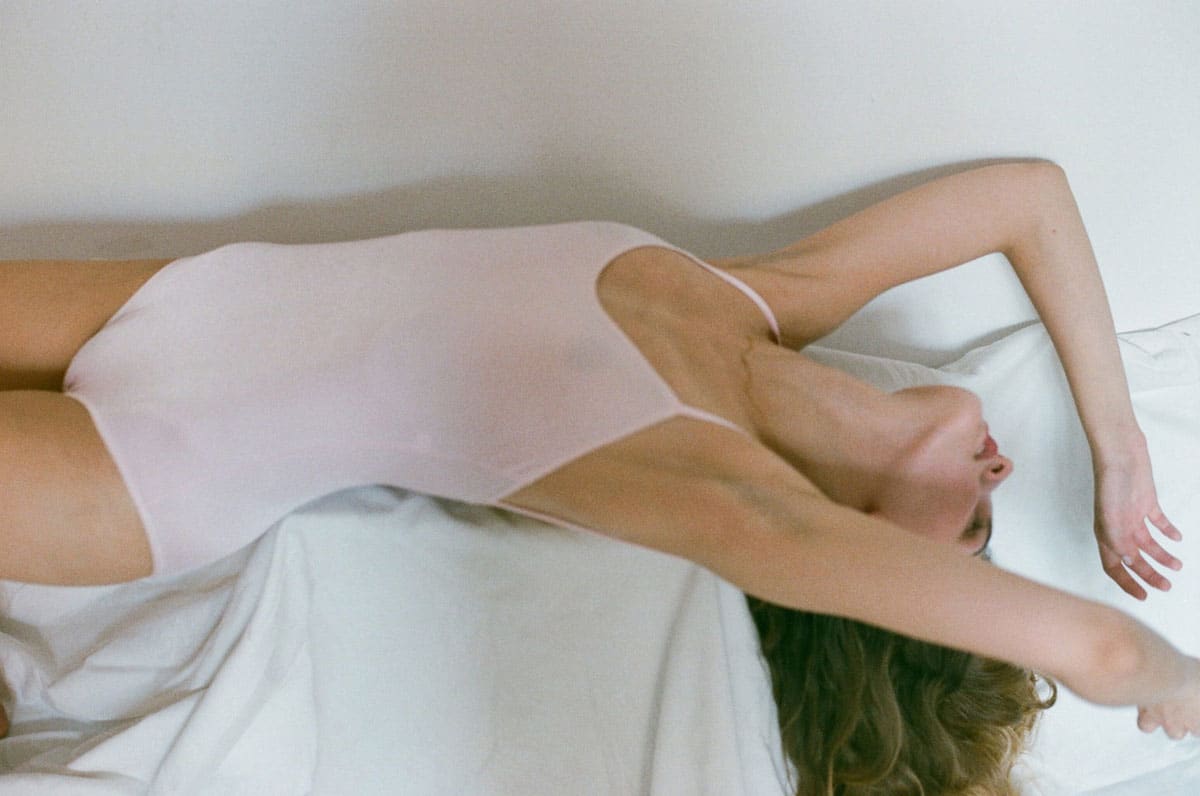

German-born, Paris-based photographer Louise Reinke’s work arrives at a moment when the presence of female photographers is reshaping how intimacy, power, and the gaze are constructed in contemporary image-making. Outside of her fine-art photography, Reinke is known for her portraits, having captured musicians and bridged the worlds of art and pop through the same intimate lens. Her approach refuses spectacle in favor of emotional truth, aligning with a wider movement of women artists who are reclaiming authorship over how bodies, tenderness, and interior worlds are represented. In doing so, Louise contributes to a visual language that resists objectification and centers lived experience, offering an alternative to the historically masculinized traditions of travel and documentary photography.
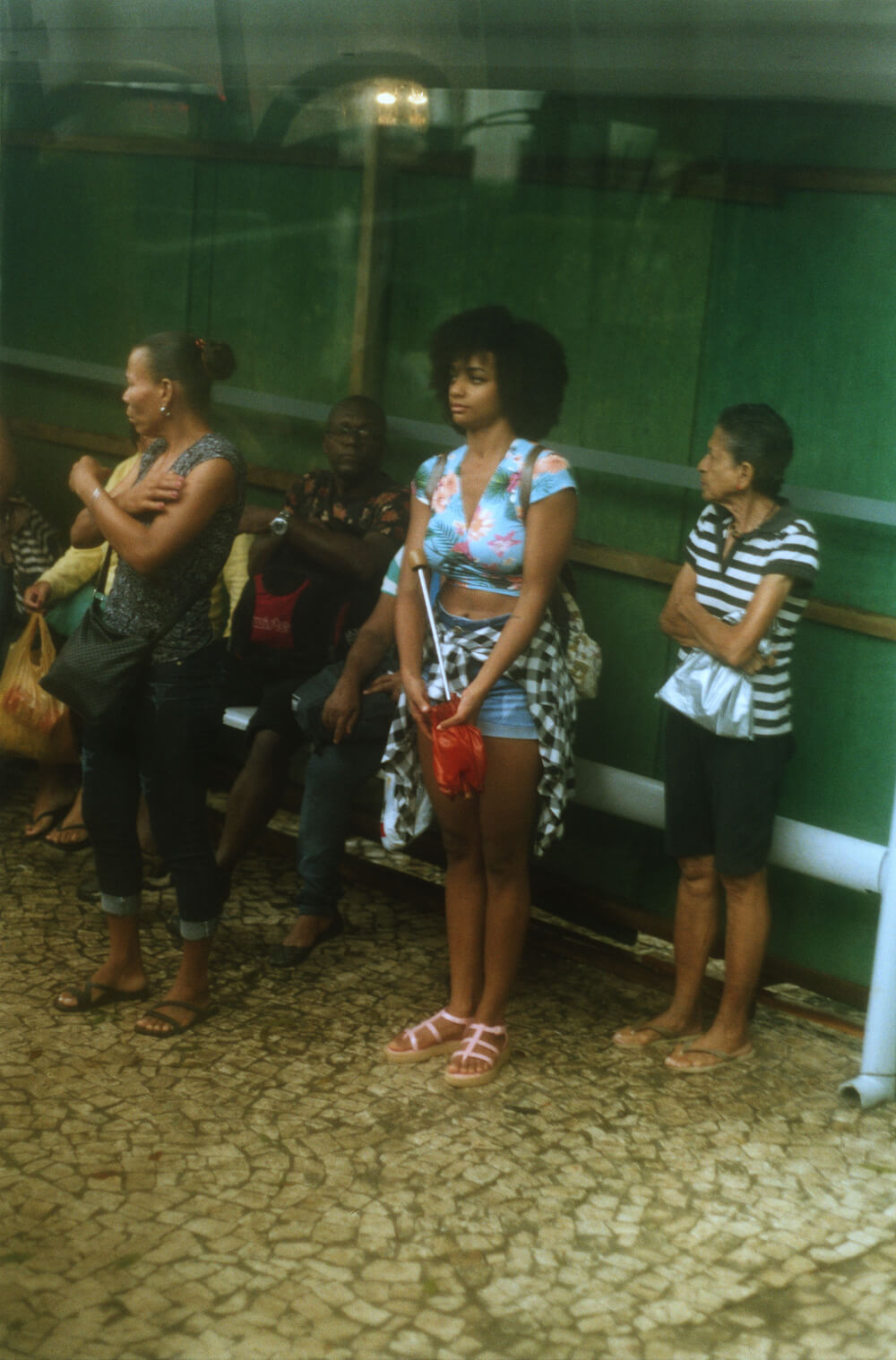
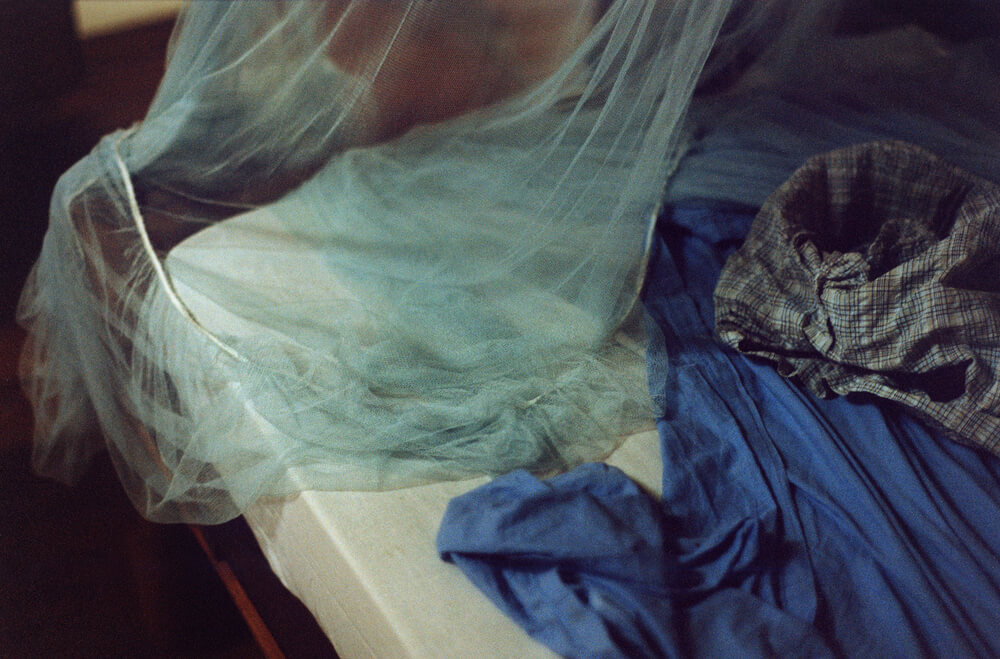
The decision to shoot the entire project on analog film is central to the book’s emotional gravity. In an era of infinite digital images, film introduces slowness, risk, and irreversibility, demanding presence from both artist and subject. Grain, light leaks, and soft focus become part of the narrative rather than imperfections to erase.
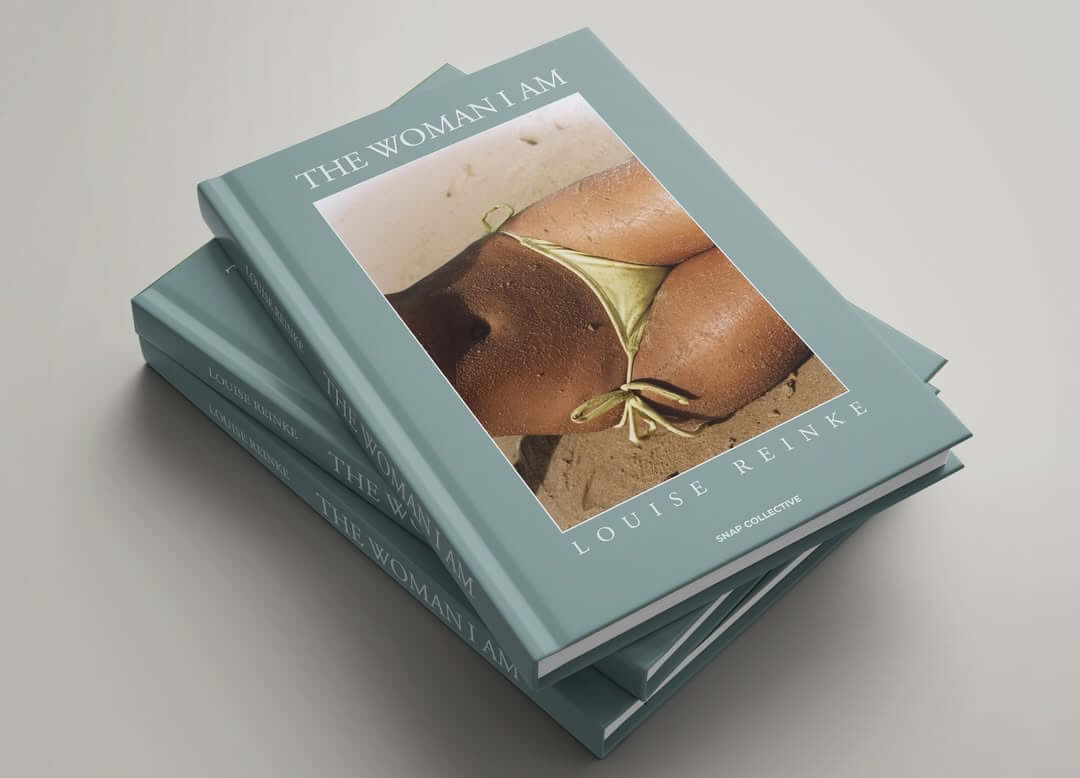
I’ve known you for nearly a decade in and outside of work. It is hard not to mention that we were both there for each other as we became mothers. The title is powerful and personal: The Woman I Am. How does this book reflect who you are today, especially as you started this before motherhood?
I’ve enjoyed the part of us becoming mothers around the same time so much! My book The Woman I Am reflects me on many levels as it leads up to who I am today, the woman I wanted to be, caring and creative. The book gave me an idea of what motherhood may feel like. Through meeting so many different women on my journey, I could feel into the beat of life and understand what universal love feels and looks like.
Why did you decide to do a book now? Why is it important?
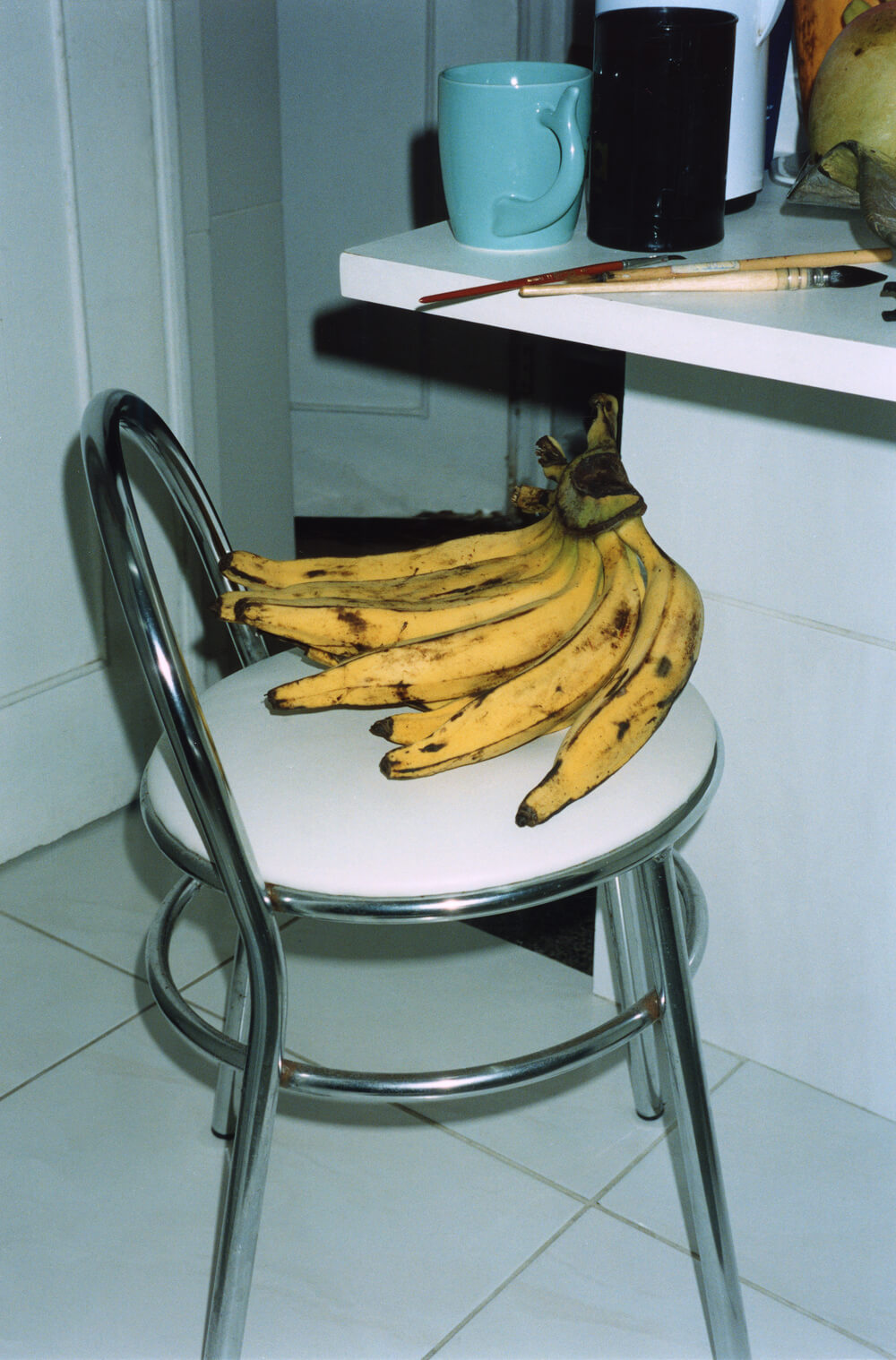
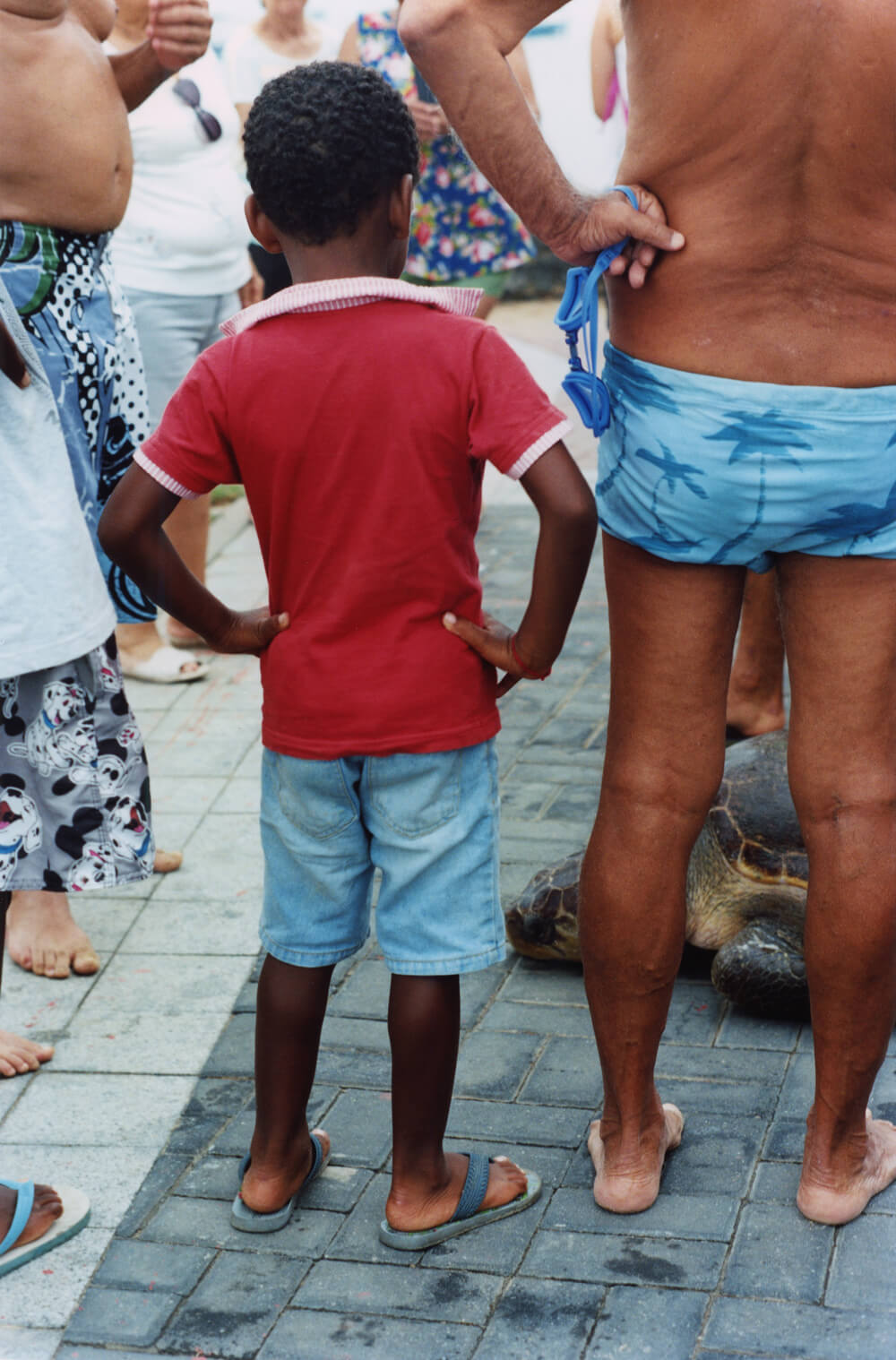
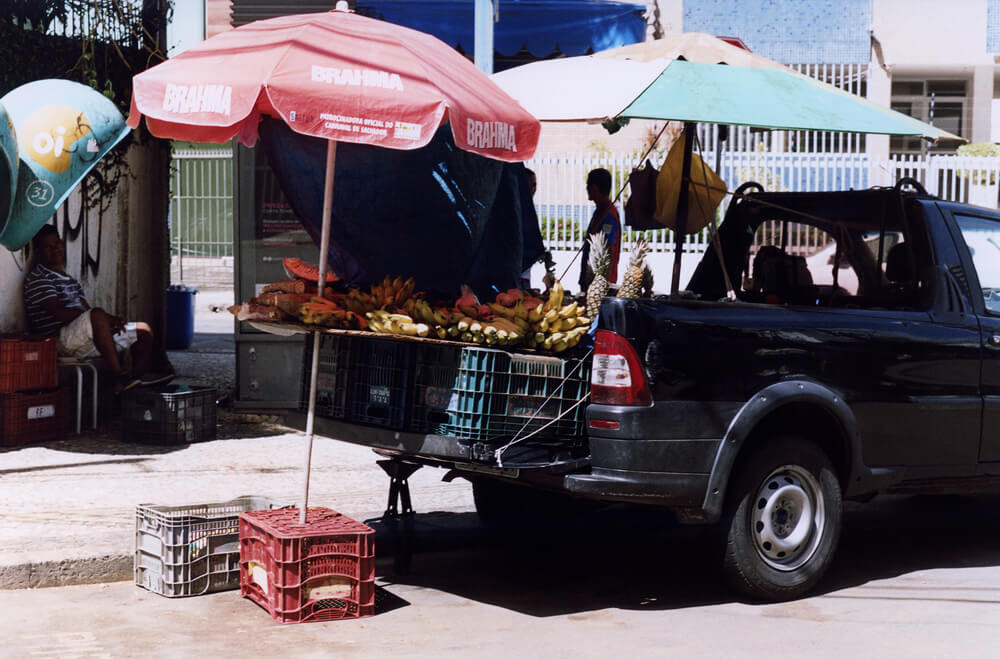
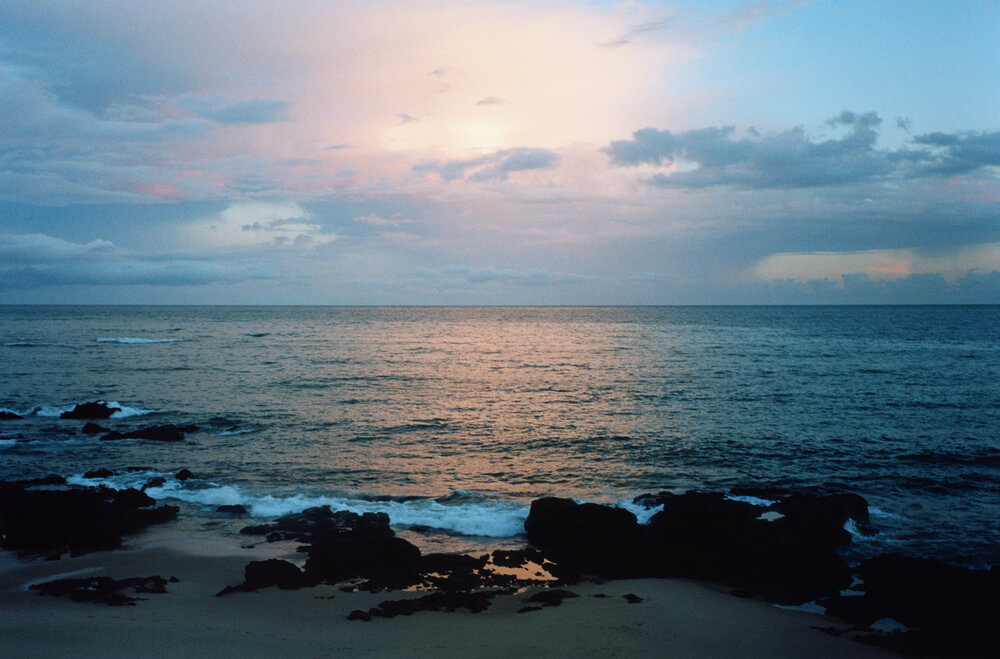
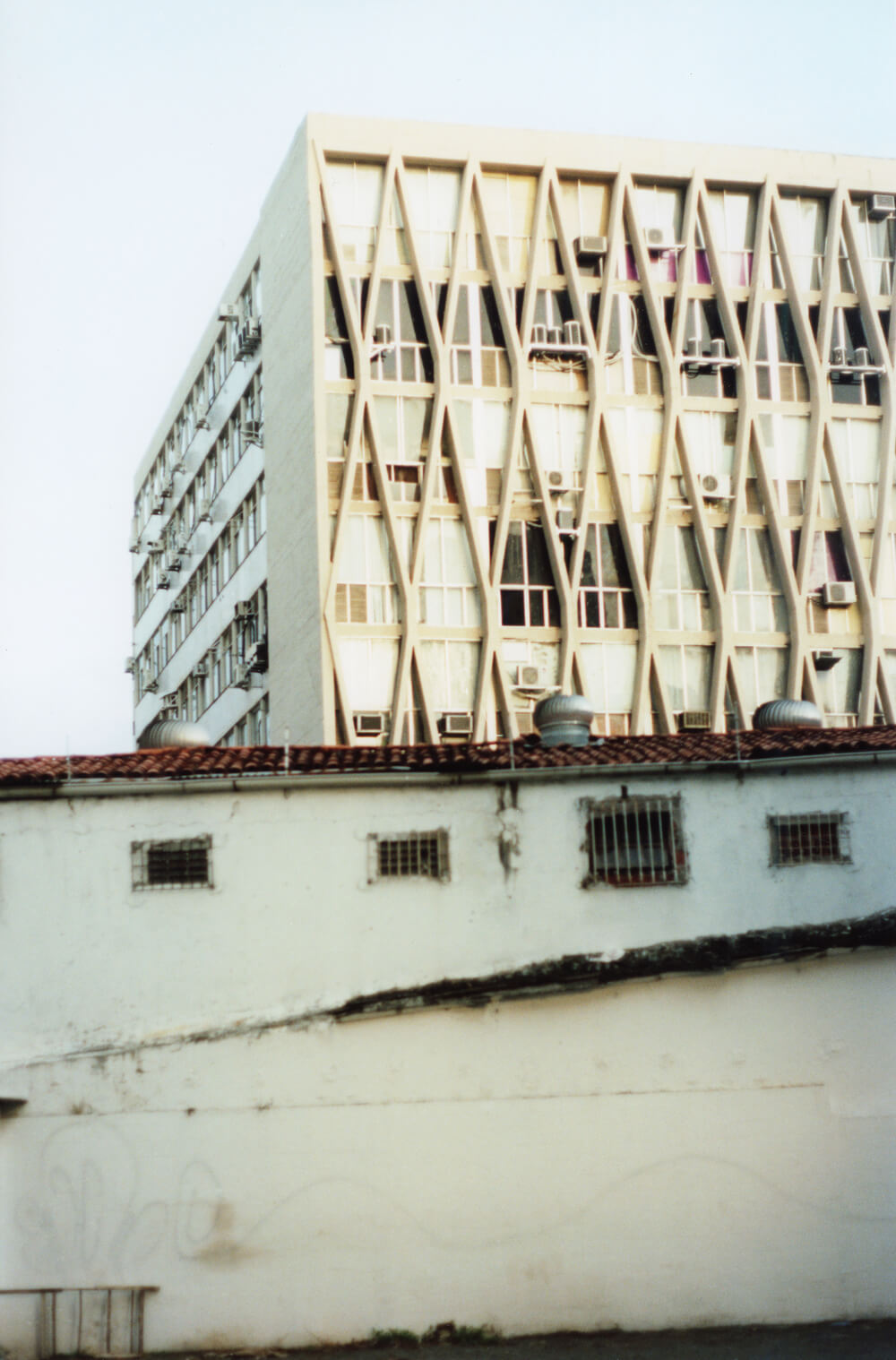
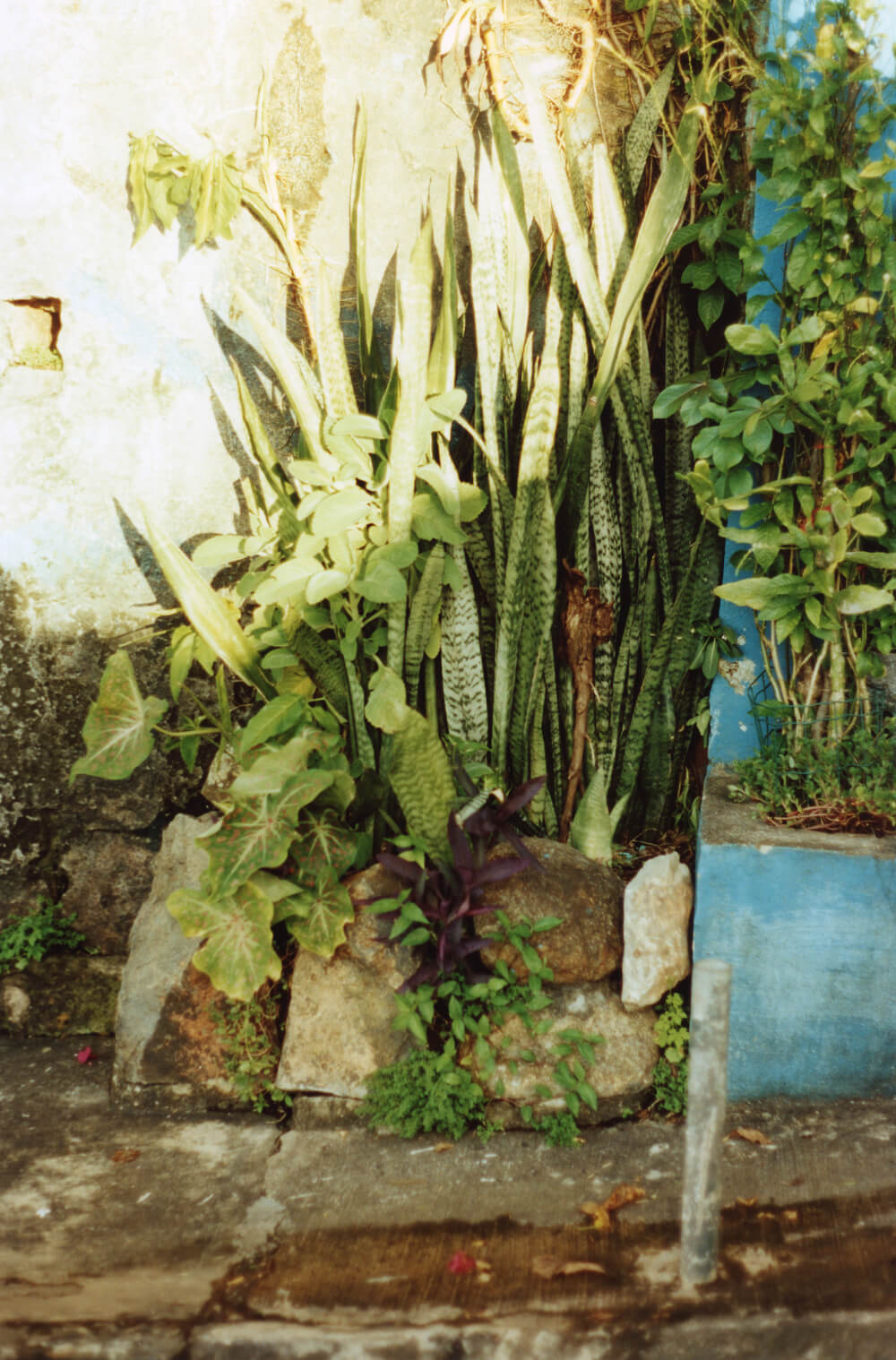
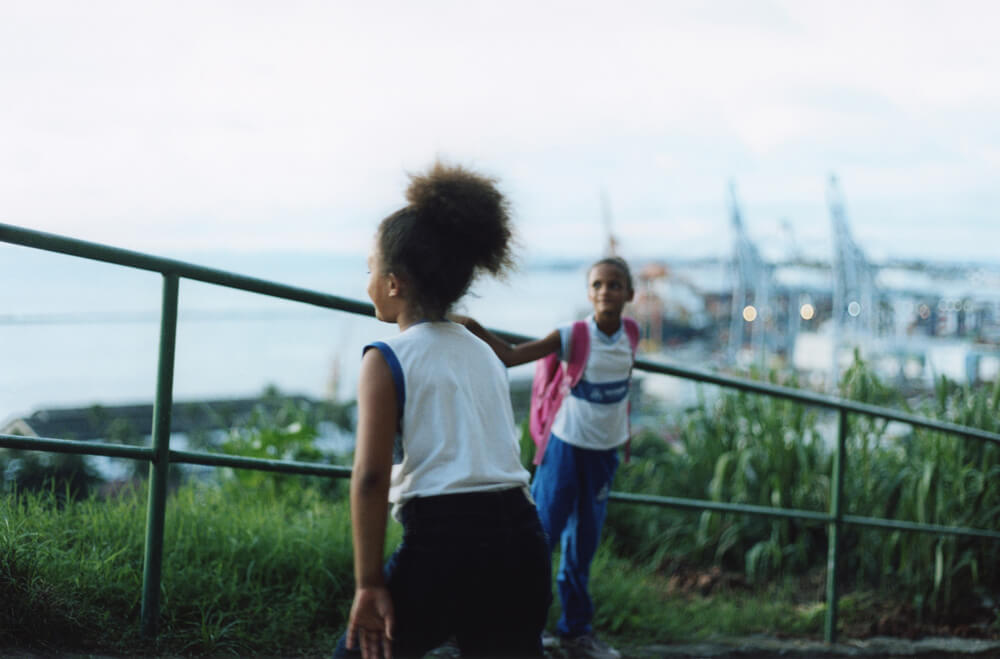
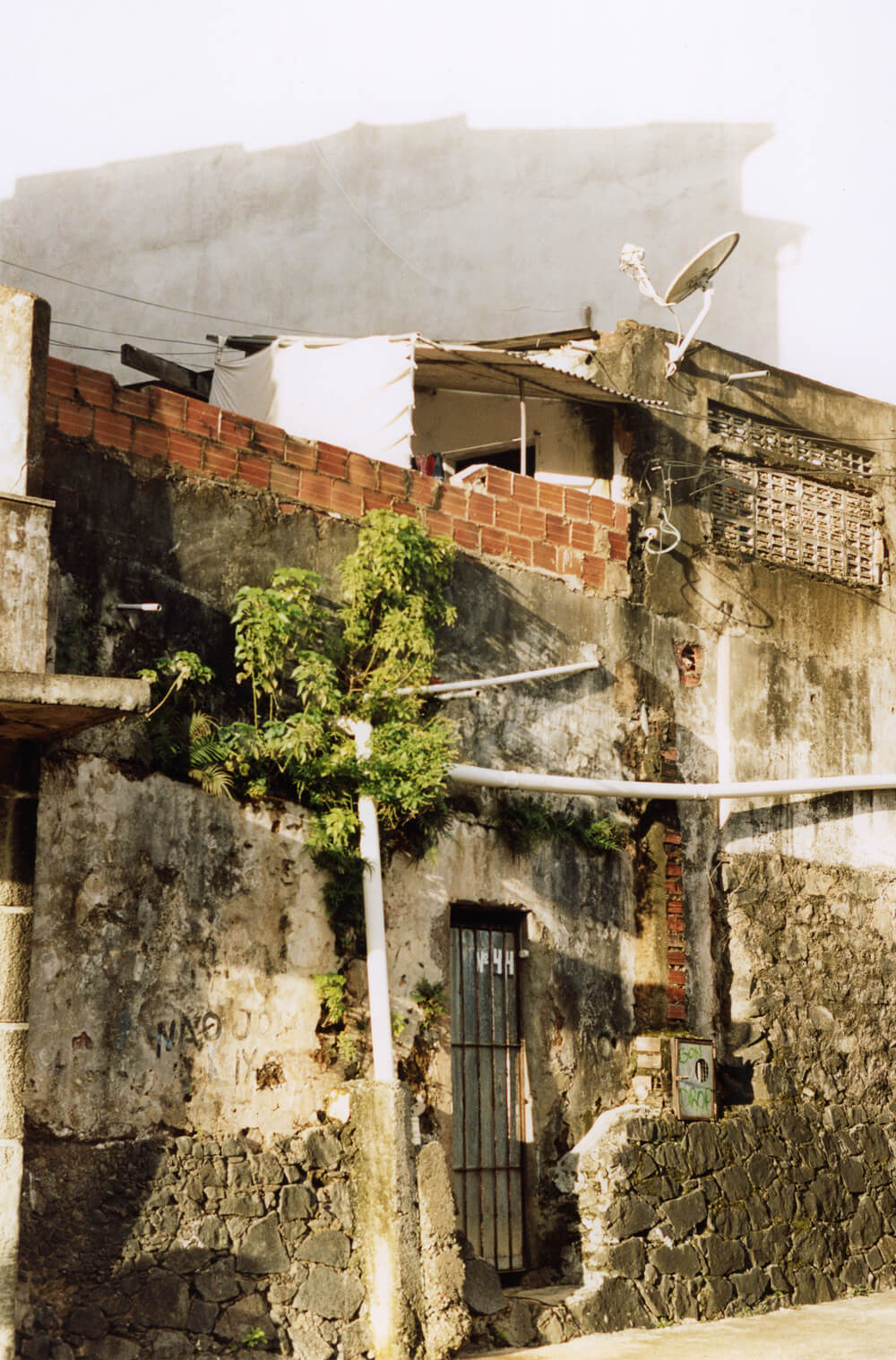
It has always been my dream to publish a book, and I am very grateful to Snap Collective for giving me the chance to put my voice out there. The images from my first trip to Brazil can only be understood when seen together in a book. To truly grasp the atmosphere, they need to unfold like a movie. It’s not about a single decisive moment, but about allowing each image to breathe within a larger rhythm. A book becomes the perfect space for that, an object that gathers these fragments of time and lets them coexist. Now feels crucial. Since I began documenting my journey, the world has started to turn backwards on many levels. The pandemic reshaped borders; wars reignited; walls went up again, all the opposite of what our generation once hoped for. I grew up with Greenpeace magazines, ideals of gender equality, and the promise that saving the planet would unite us. Instead, we face the erosion of human rights and an overflow of low-quality goods and information.
Did you always envision this project as a book, or did it evolve into one over time?
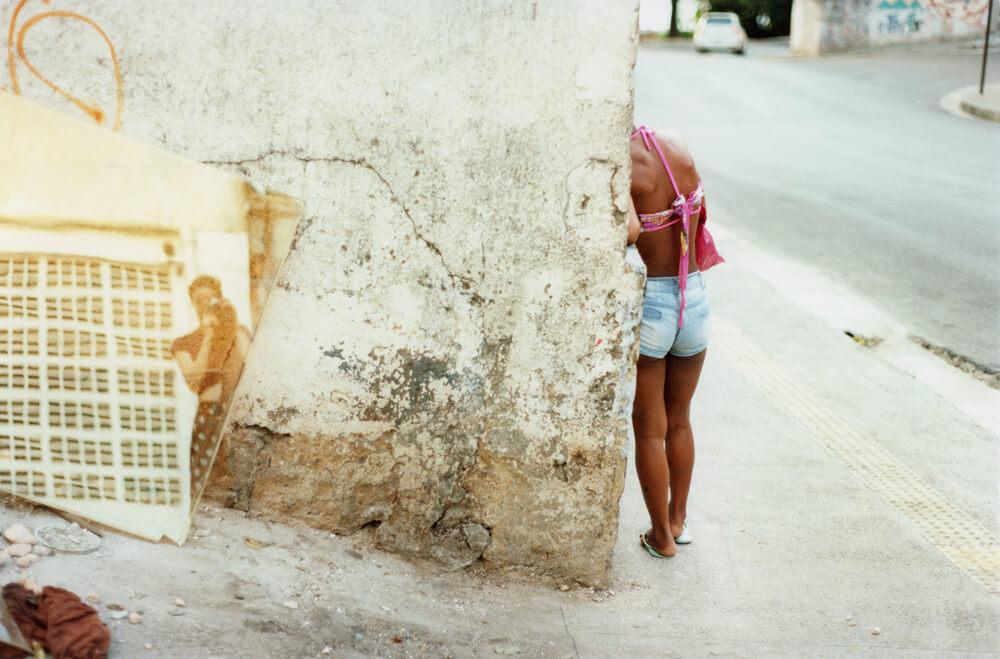
Yes, I’ve prepared the travel with the idea of making a book, but its shape had yet to be determined. As a former expat from Egypt and Malaysia, I am fearless regarding meeting strangers and love to discover a culture all on my own to unravel its secrets and see the vulnerability of beauty through the act of photographing.
Brazil was my destination to go to as I’ve been published in Brazilian magazines for years through my friend who used to be a stylist, Igi Ayedun. She’s also in the book!
We have worked on several fashion projects together before and shot many familiar faces like Jack Antonoff, Kali Uchis, Jillian Rose Banks, and Zara Larsson. Many people might only know you for fashion and portraits. How do you see The Woman I Am as part of the larger body of your work?
True, I enjoyed photographing all these stars, and I think the fun was mutual. I hold the sessions close to my heart, and for some, I hope to cross paths again rather soon! The Woman I Am is like notes from the melody of my photography style. Feelings, colours, and composition are my tools to show what touched me. Although I am fond of photographing reality, I find a lot of abstraction in reality and how emotions and stories are intertwined in an image.
Your work is aligned with a wider movement of women artists who are reclaiming authorship over their bodies. What were you looking for in the women you chose to portray?
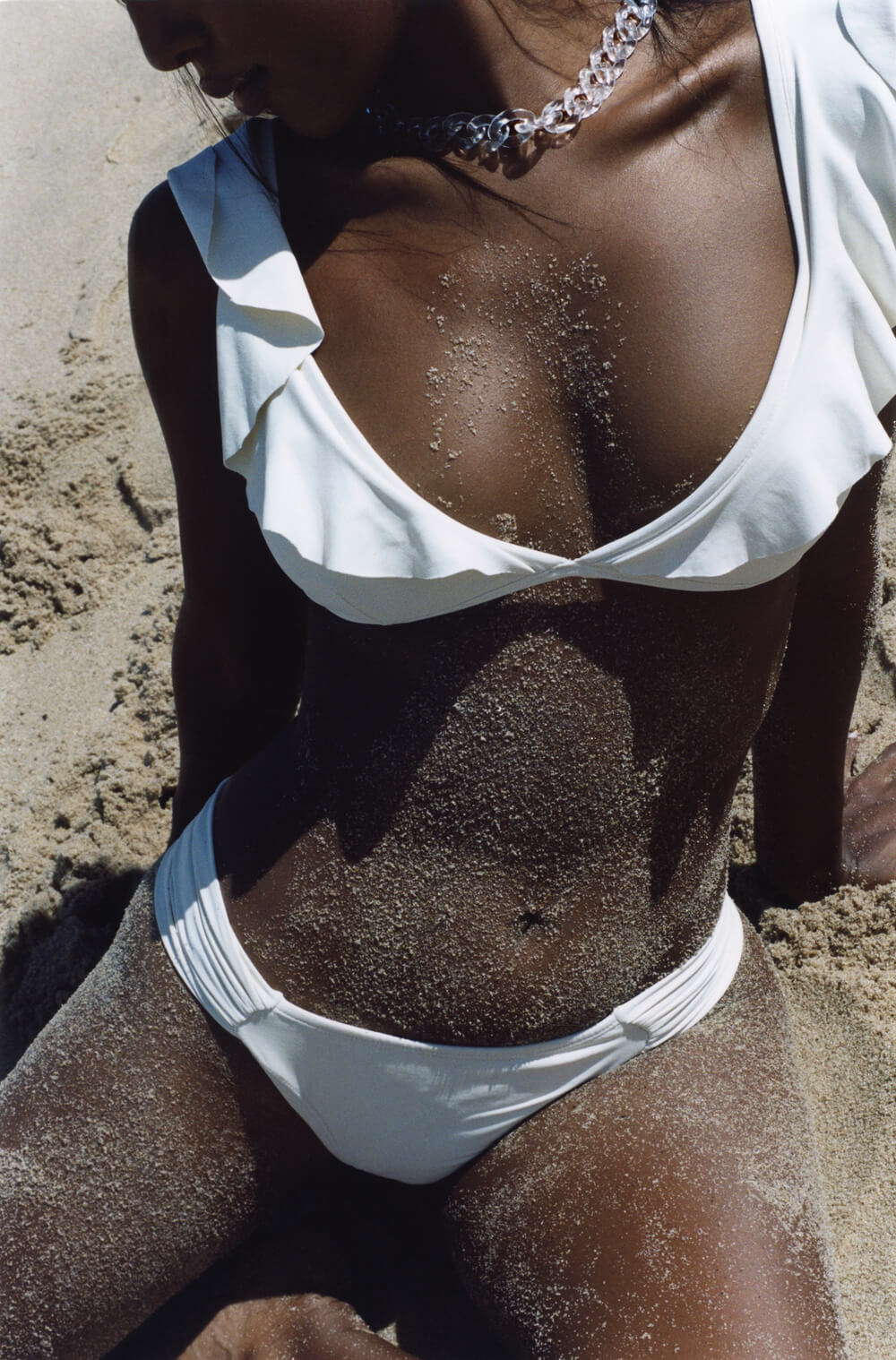
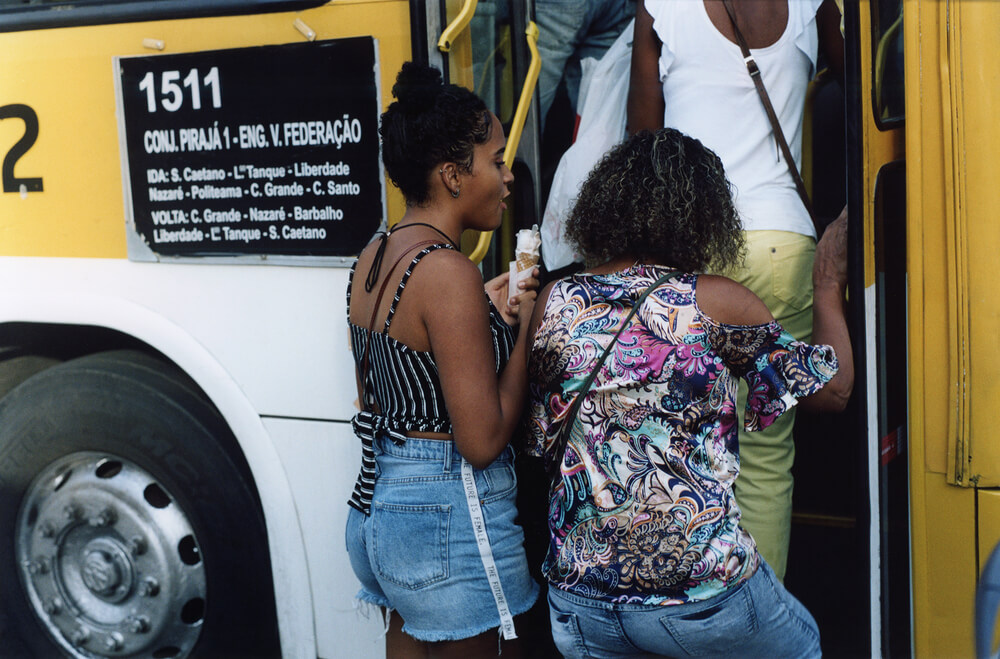
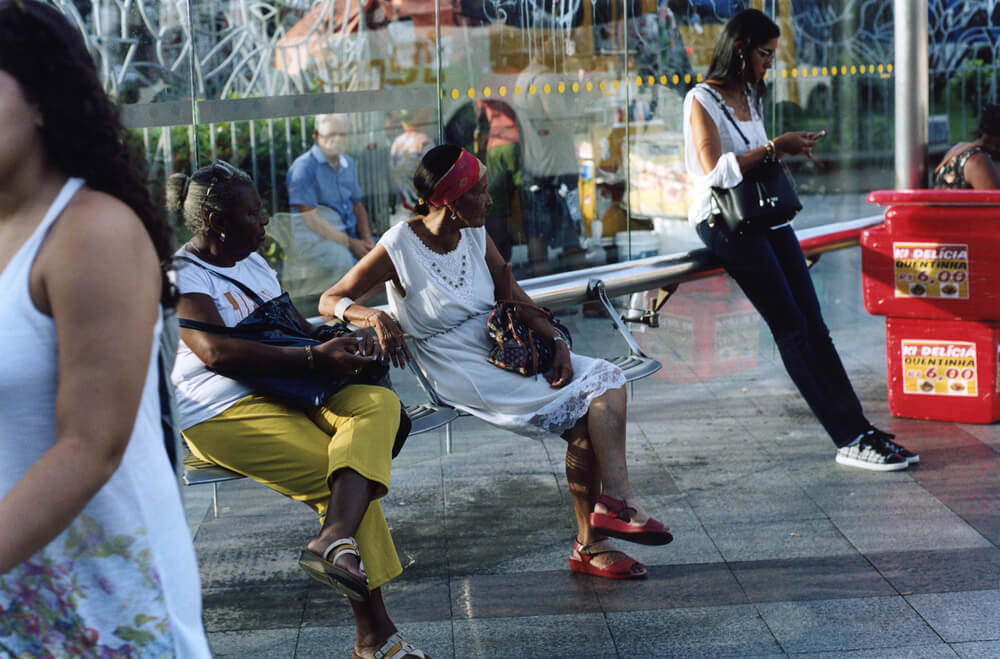
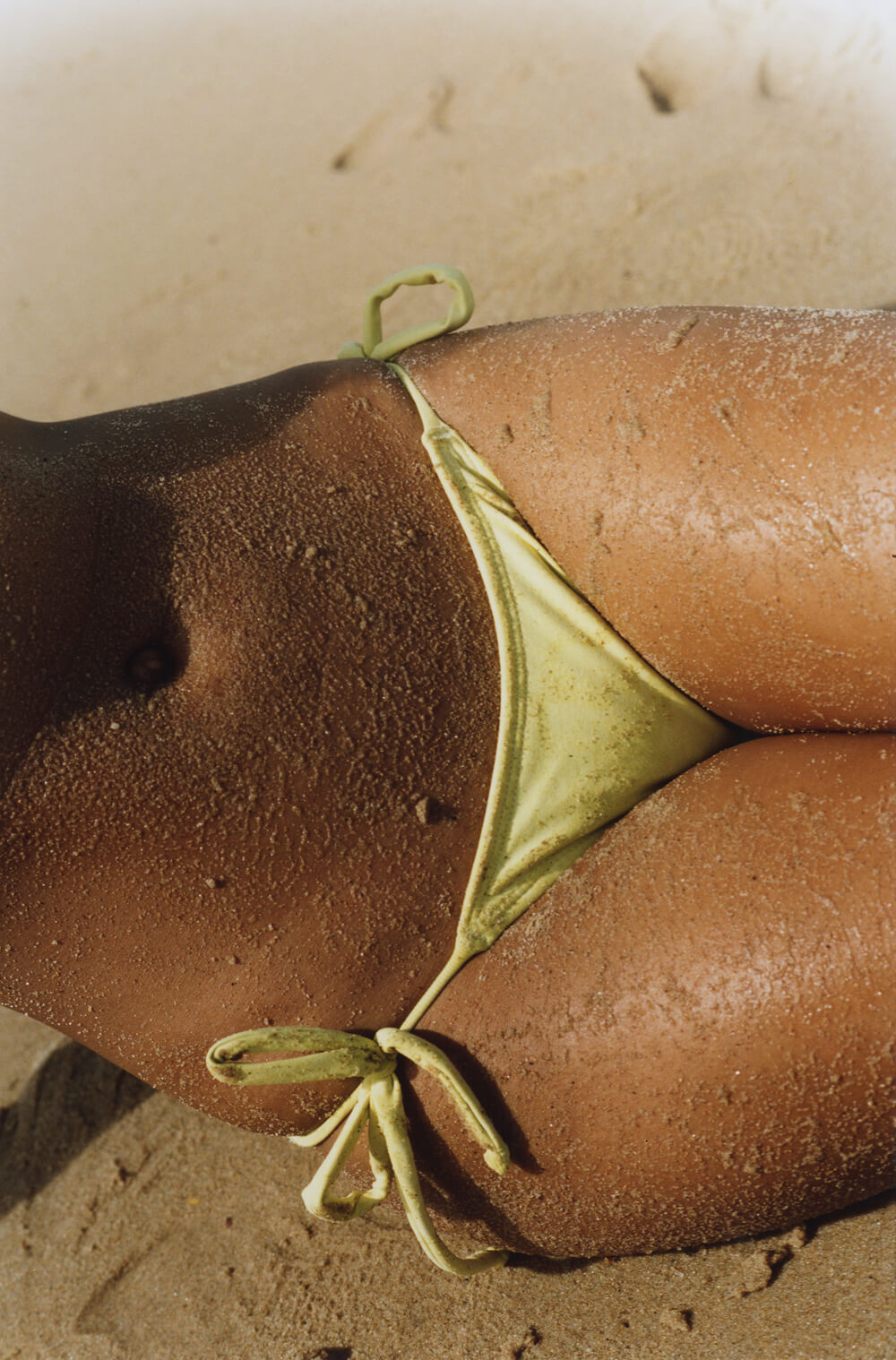
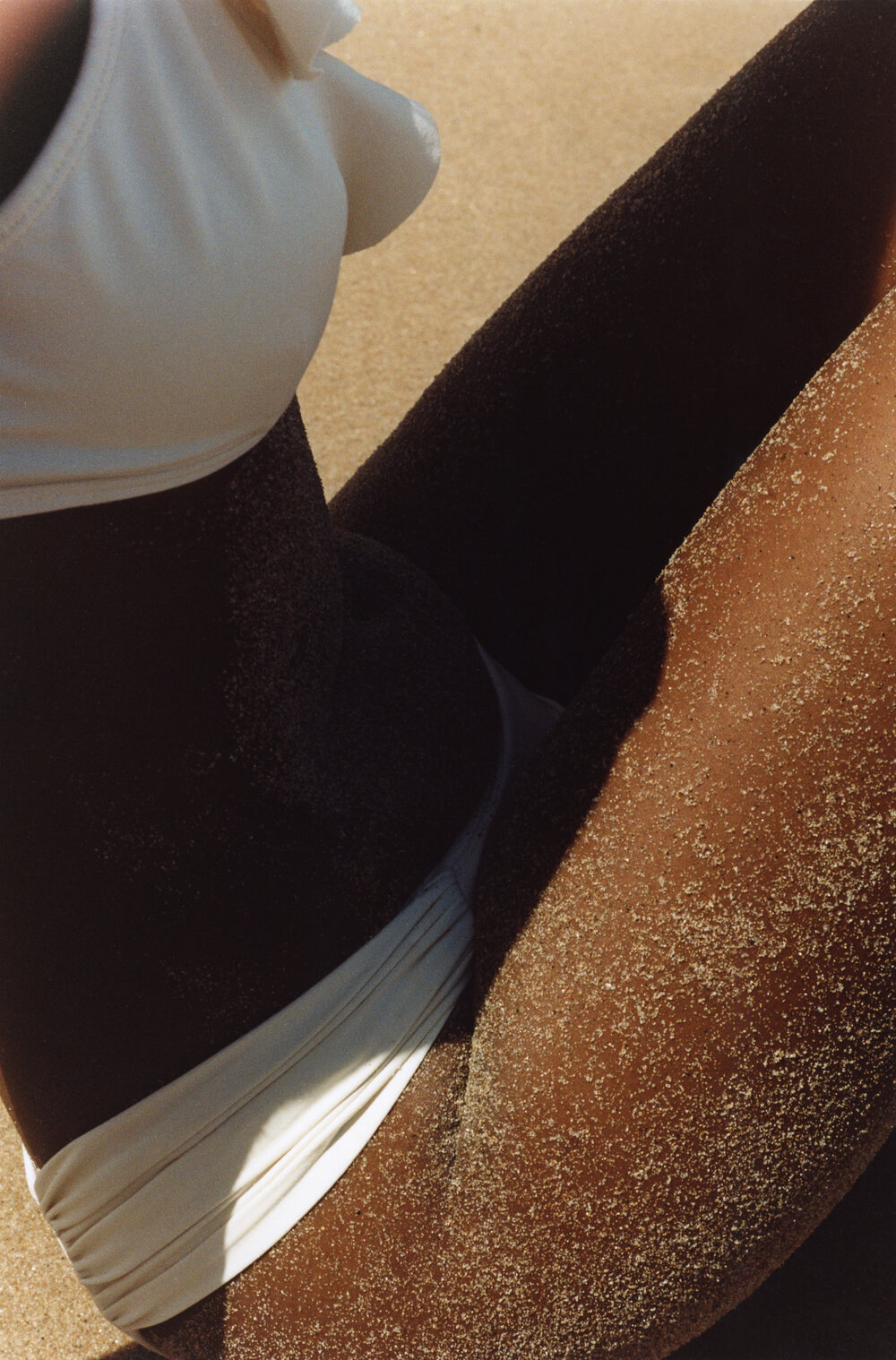
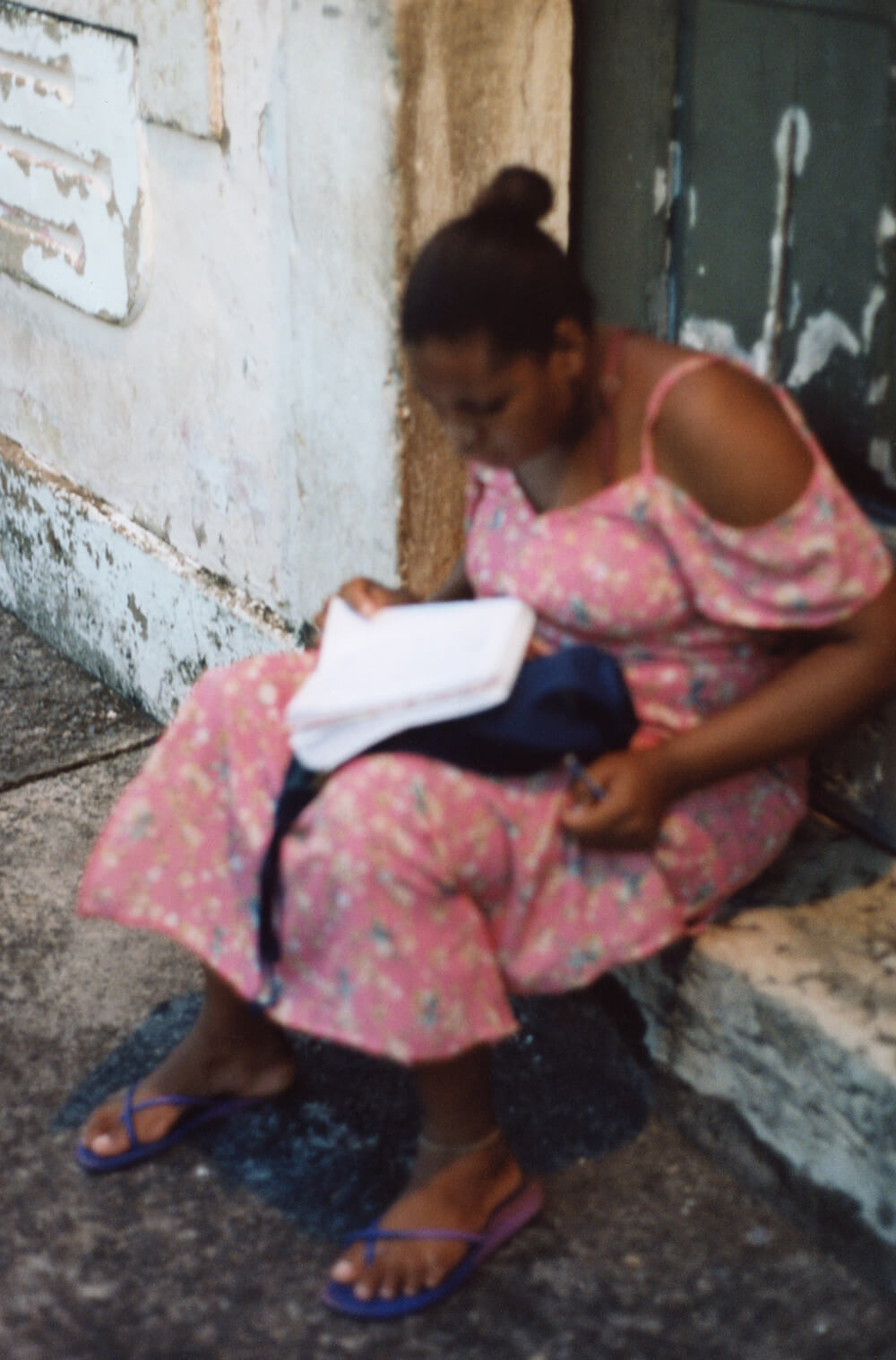
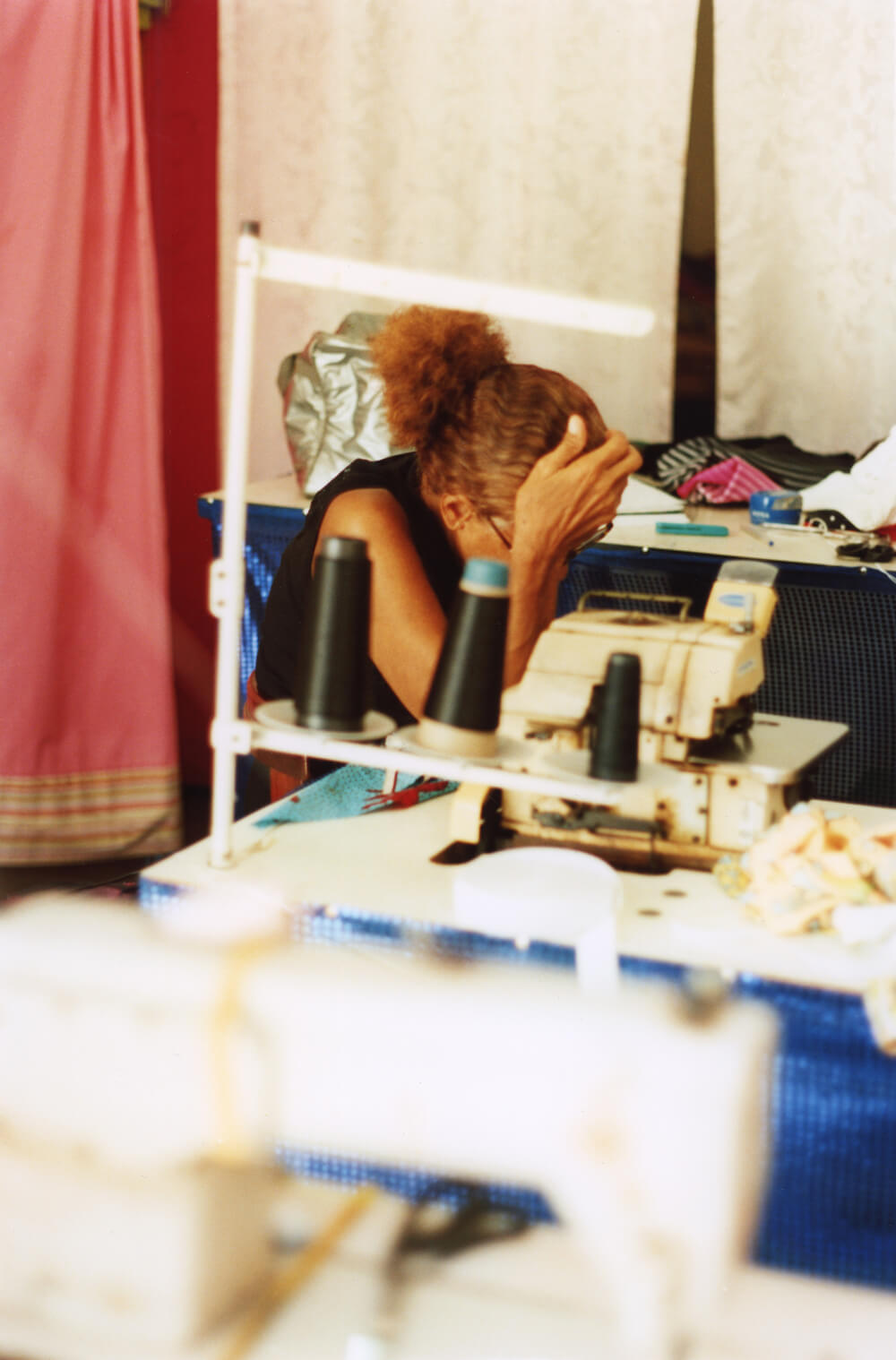
In many ways, I am surprised how women got there in the first place, losing the authorship over their bodies. I am addressing women now, because we need to work together, understand each other’s needs and emotions in order to be effective in the way we communicate. Some women I portrayed I met fleetingly in the streets, others were my hosts, all of them mothers by the way, some became or were already friends, and for the scenes at the beach I’ve chosen two models – to be able to dive into an experimental image making – but mostly I wanted to seek the natural spirit of Brazilian women. Show how body confident they are, of course, but also transpire the eco spirit in fashion and beauty products, which you can find a lot as well.
Many photographers say their subjects shape the work as much as they do. How collaborative was the process for you?
The people I photograph take a great part in it, that is for sure, and I let my subject know my appreciation for their efforts. Still, I am quite directive: I know the exact feeling I want to evoke, before I create an image or catch a situation. As funny as this may sound. I look at life as if I were shooting a Super 8 film: moving with my subjects, creating within my surroundings, jumping onto the train of life like a videographer. I don’t want to miss a bit, and then I catch the moment I want in a photograph.
Sadly, photography is still very male-dominated. There is a part of me that wonders if it’s more about affordability and the way men navigate business. What was the most challenging part of creating The Woman I Am?
Right, men tend to work in a certain way where they are able to cover up their emotions, at least until they retire. When men are together, their force multiplies, whereas women may tend to stay on their individual planets; whereas I see all the potential men have too. As a woman, I once believed patriarchy couldn’t limit me. I was the firstborn, and I chose a profession traditionally reserved for men. But I see now how those limits persist. We are still often perceived through our capacity to attract a man who will “stand behind” us. Yet, to bear children, or to choose not to, is one of the most powerful acts of self-realization. It shouldn’t feel confining, but expansive. Womanhood is a realm one may enter or not, its strength comes from the possibility of choice itself.
Finally, what do you hope people take away when they look through the book?
Do you mean apart from saying, OMG, she’s got it? 🙂 I wish for the people who look at my book to confront their femininity and to give it the place and the power it deserves. I would love to hear someone say, «Your book carried me away; it’s somewhat unusual, or I feel different now, thank you.
The Woman I Am is available for pre-order at snap-collective.com