
NYFW February 2026 proved that ready to wear can be reflective, restless, and quietly insurgent all at once.
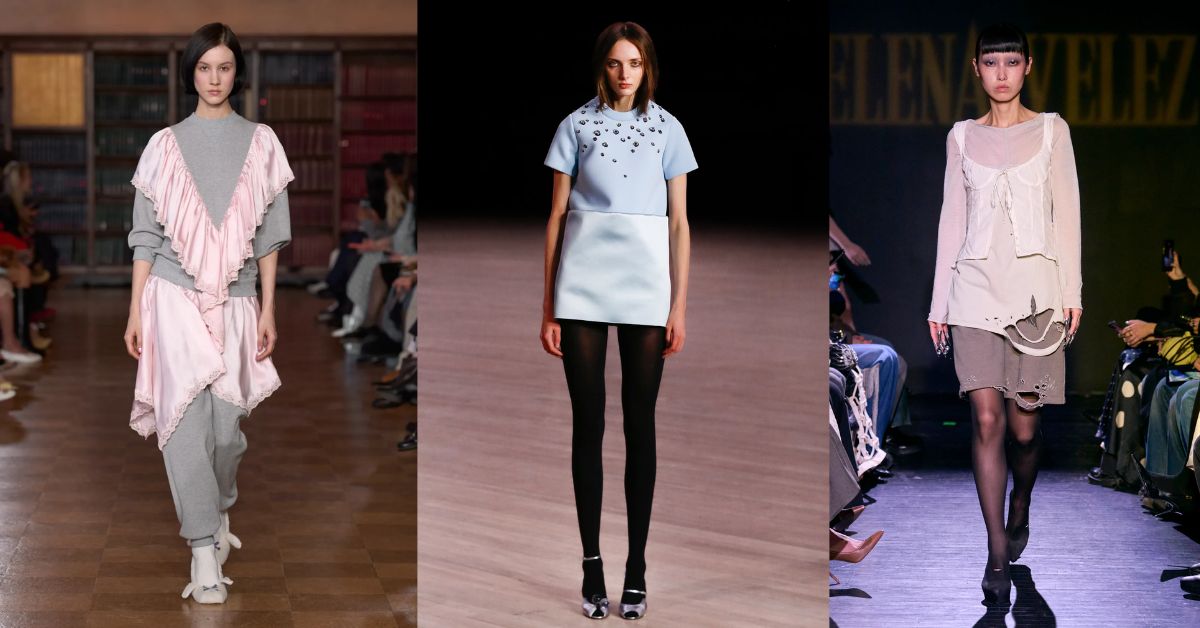
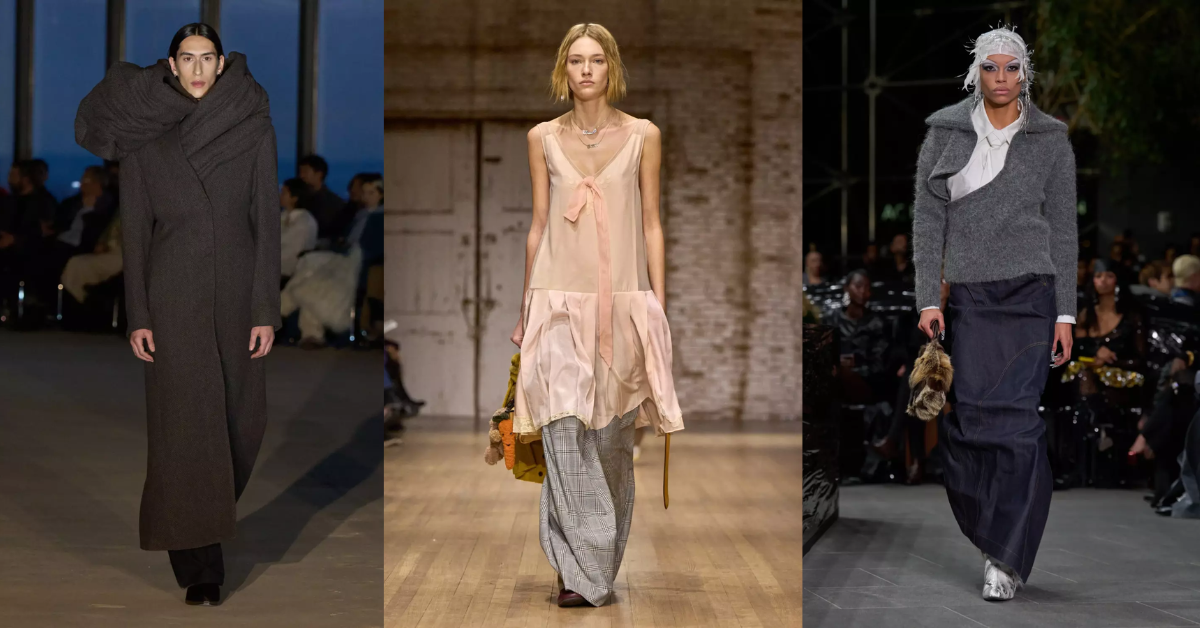
Sandy Liang / Marc Jacobs / Elena Velez
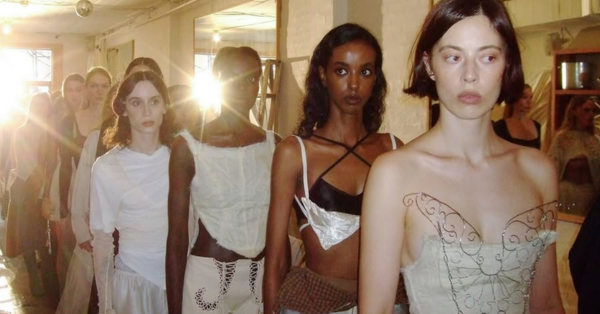
This season, New York Fashion Week felt less like a parade of trends and more like a series of conversations between past and present, digital and physical, spectacle and subtlety. From Marc Jacobs’ archival introspection to Sandy Liang’s playful nostalgia, designers negotiated memory, identity, and the politics of everyday dressing with remarkable clarity. Downtown provocateurs like Eckhaus Latta and Diotima reminded us that texture, craft, and conceptual rigor still matter, while Calvin Klein and Elena Velez explored restraint and tension in ways that made minimalism feel radical again. Across the board, silhouettes, materials, and gestures became vessels for commentary, not just statements of style, but reflections on what it means to inhabit a body, a culture, and a moment right now.
MARC JACOBS
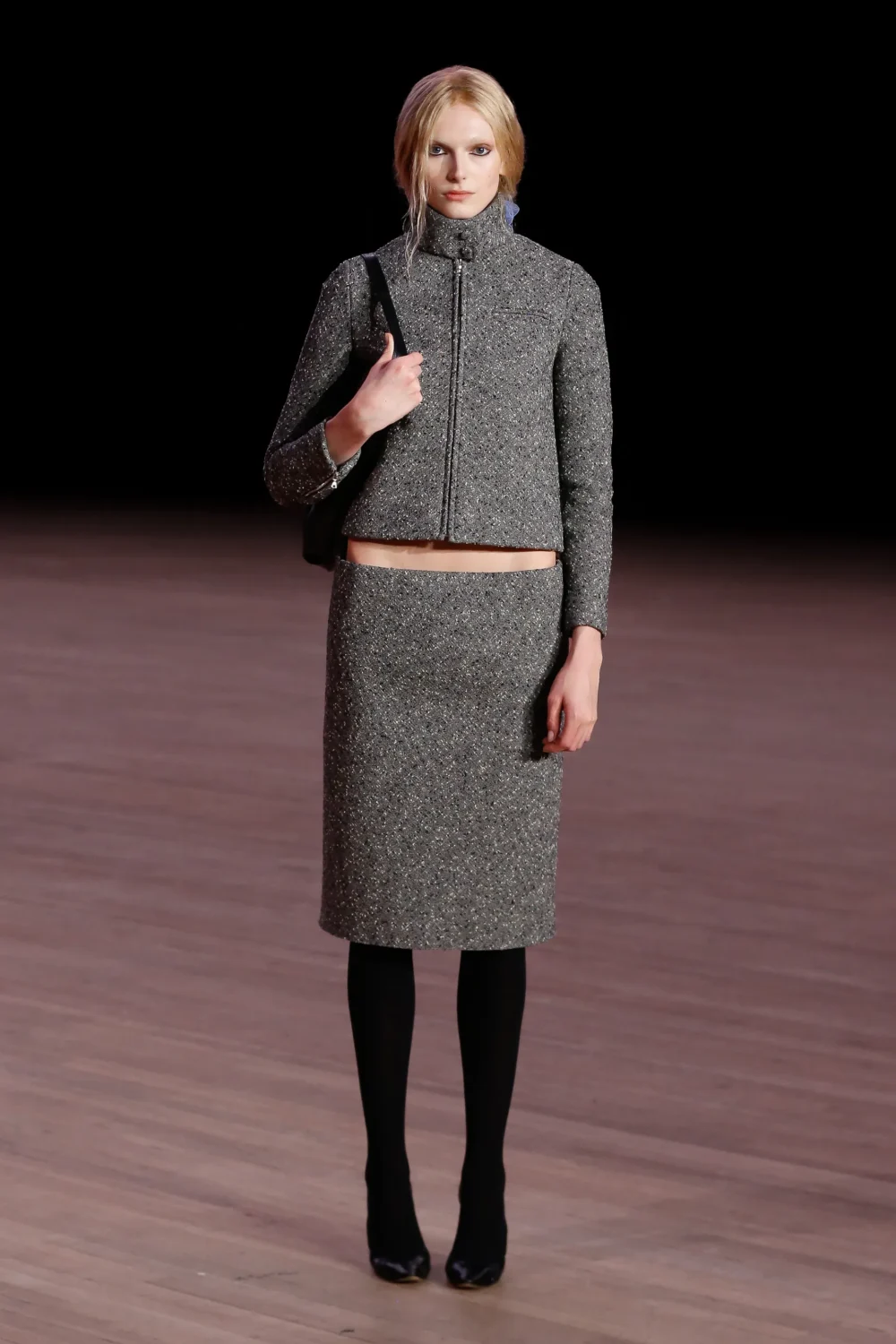
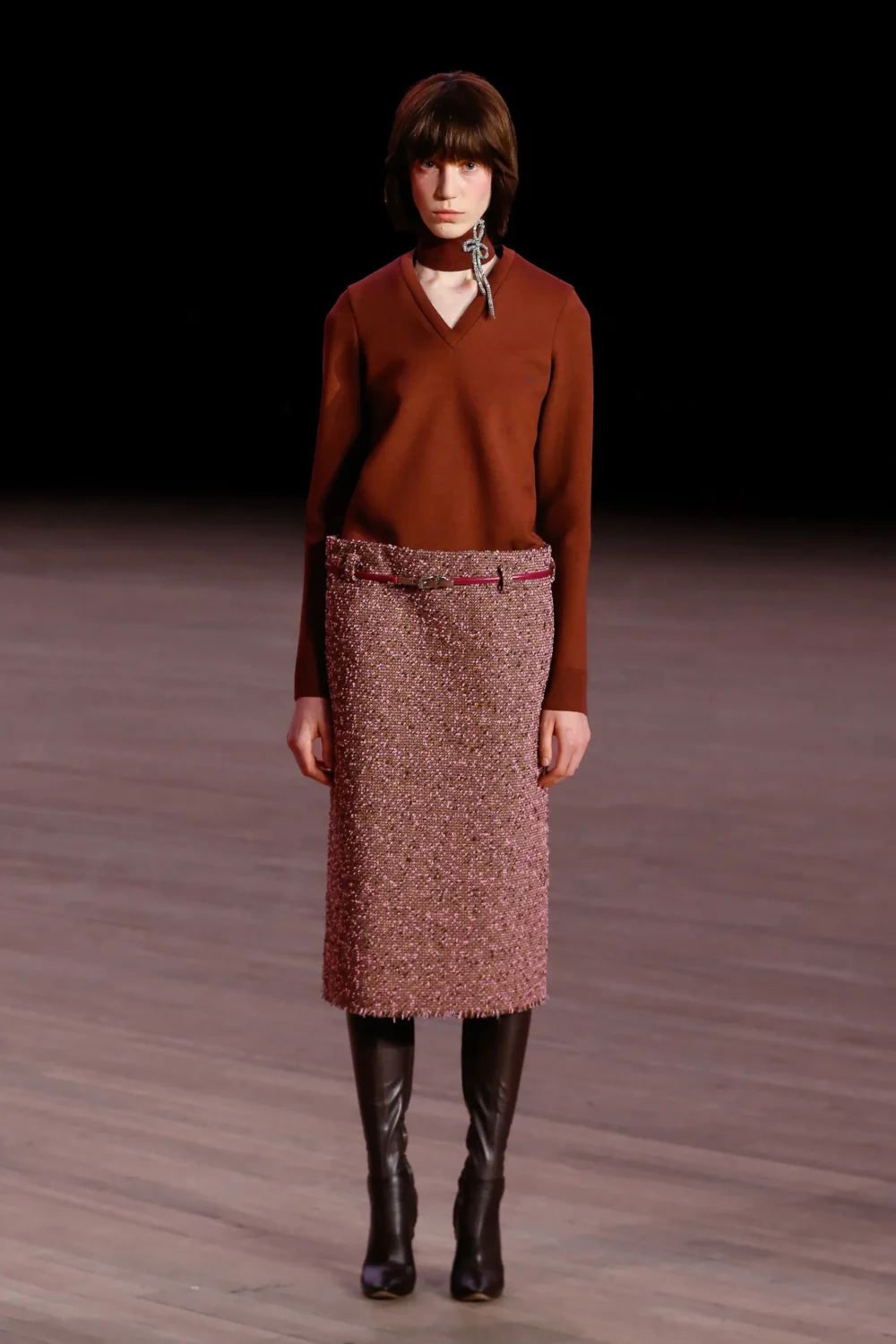
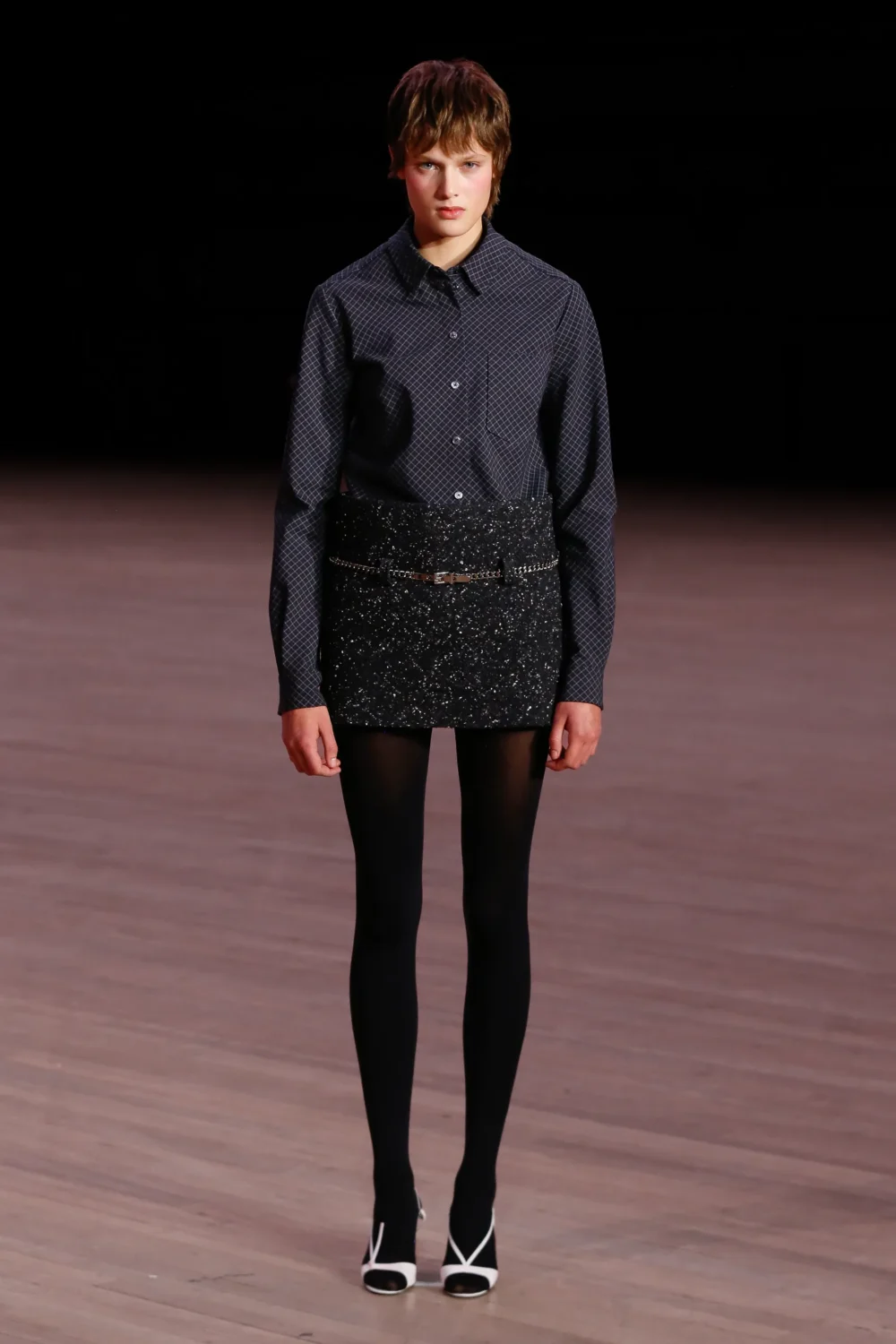
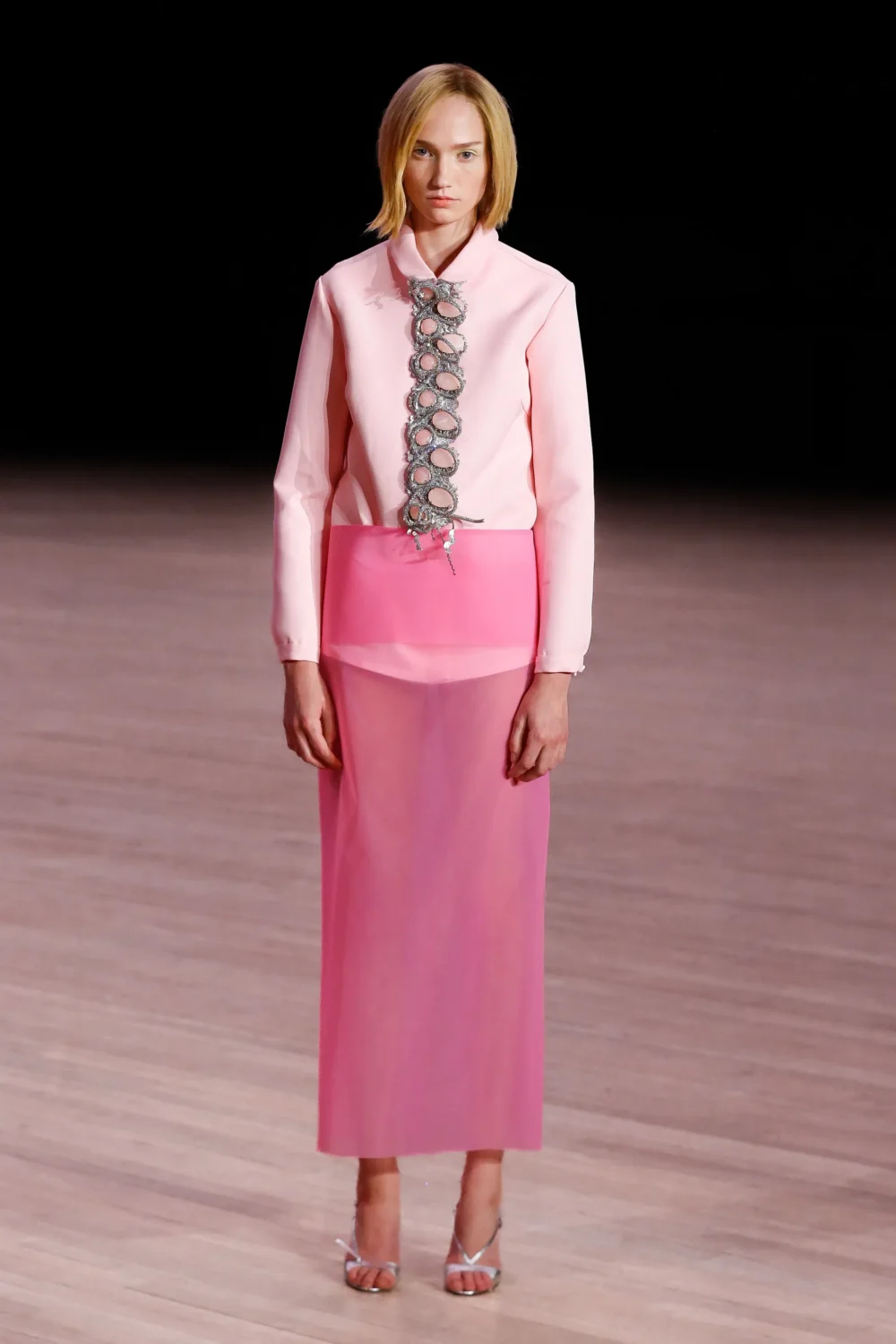
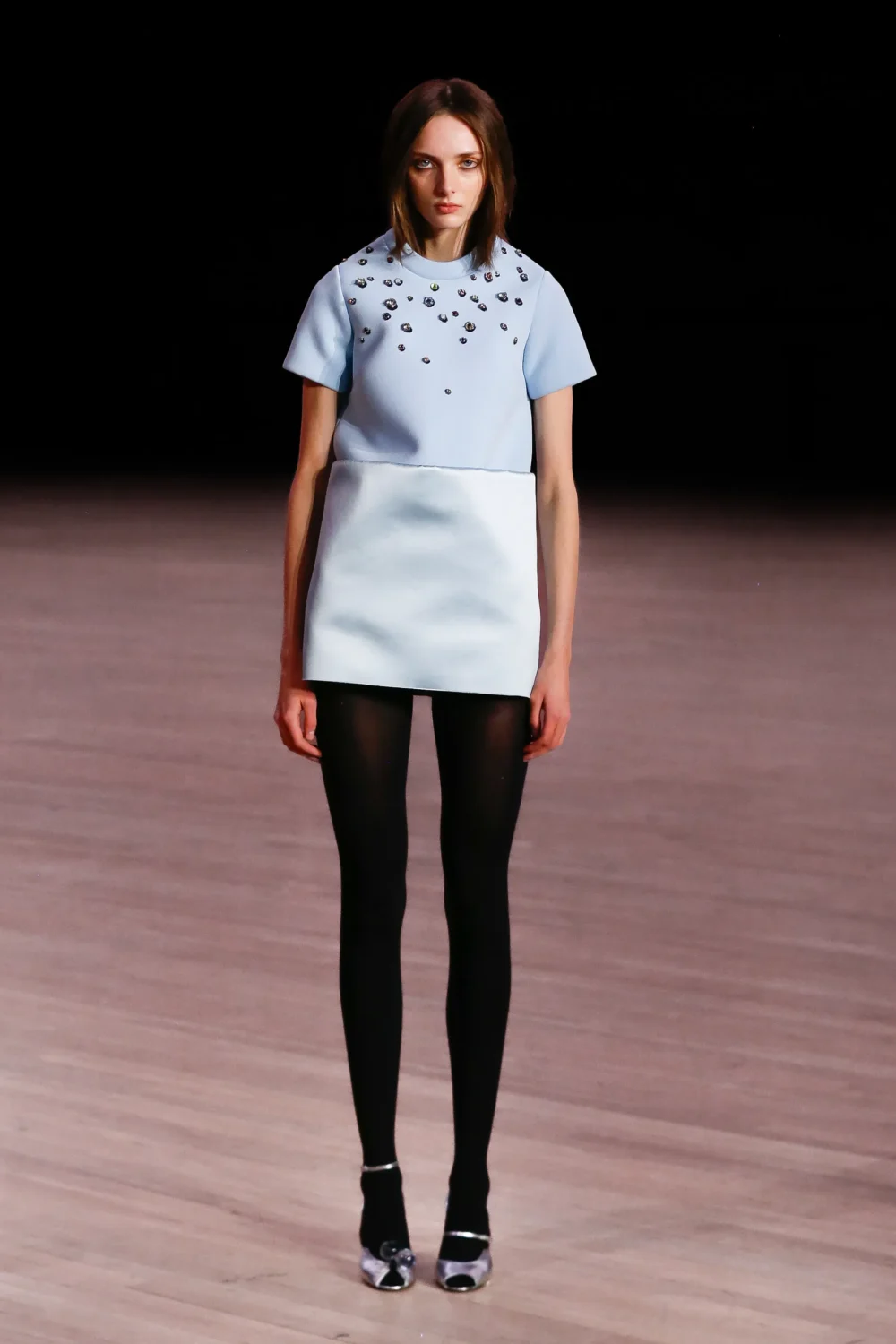
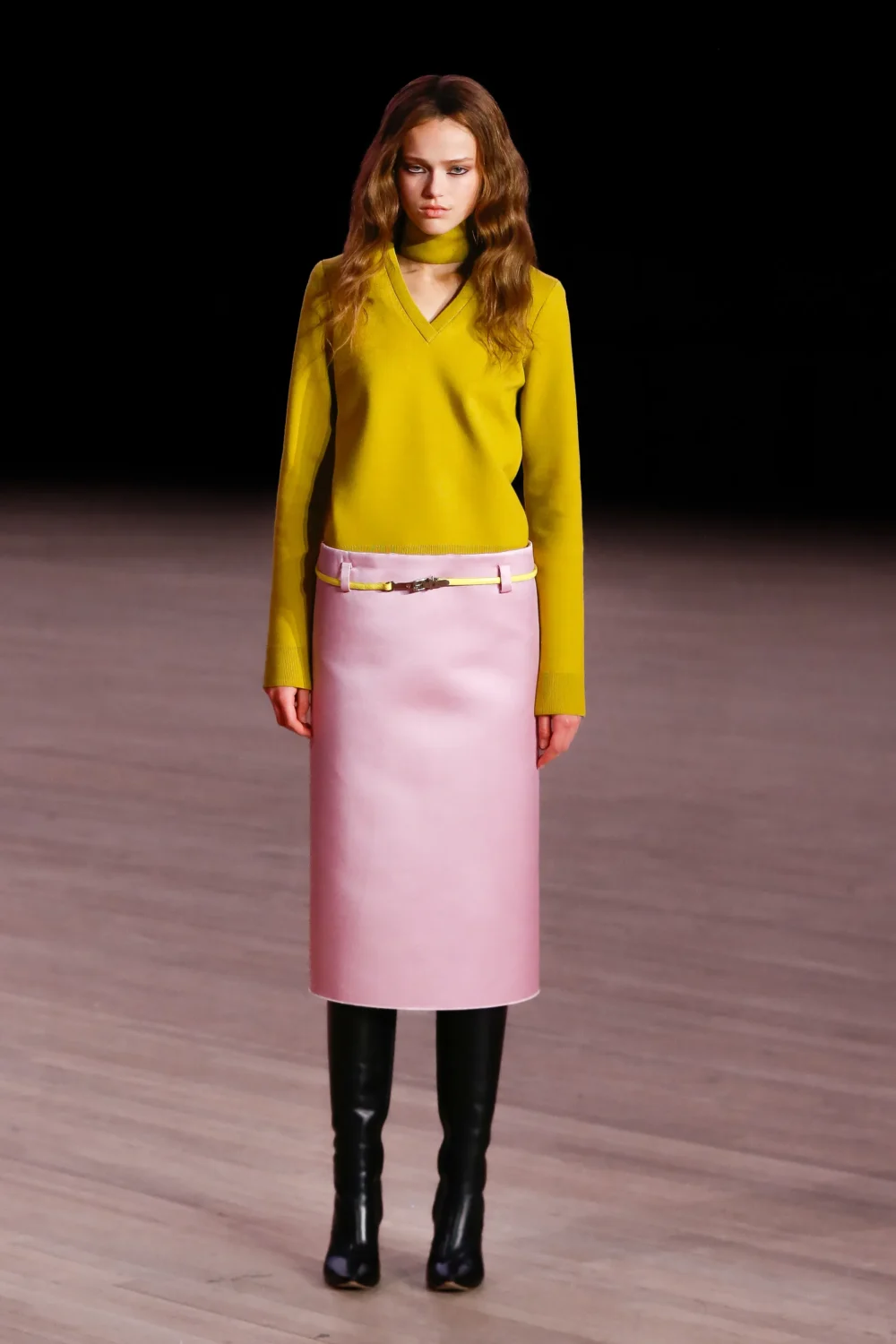
Nostalgia arrived with precision on the Marc Jacobs runway. He revisited the codes that built his reputation, from grunge defiance to uptown polish and warped doll proportions, all filtered through a sharper lens. Subtle echoes of Prada appeared in the severity of tailoring and nods to Comme des Garçons in the distortion of volume, yet the collection never felt like homage. Instead, it hovered in that distinctly Jacobs space: pretty but perverse, polished but faintly off. In a season leaning heavily in wearability, it was a reminder that American fashion can still afford to be introspective and a little strange.
ELENA VELEZ
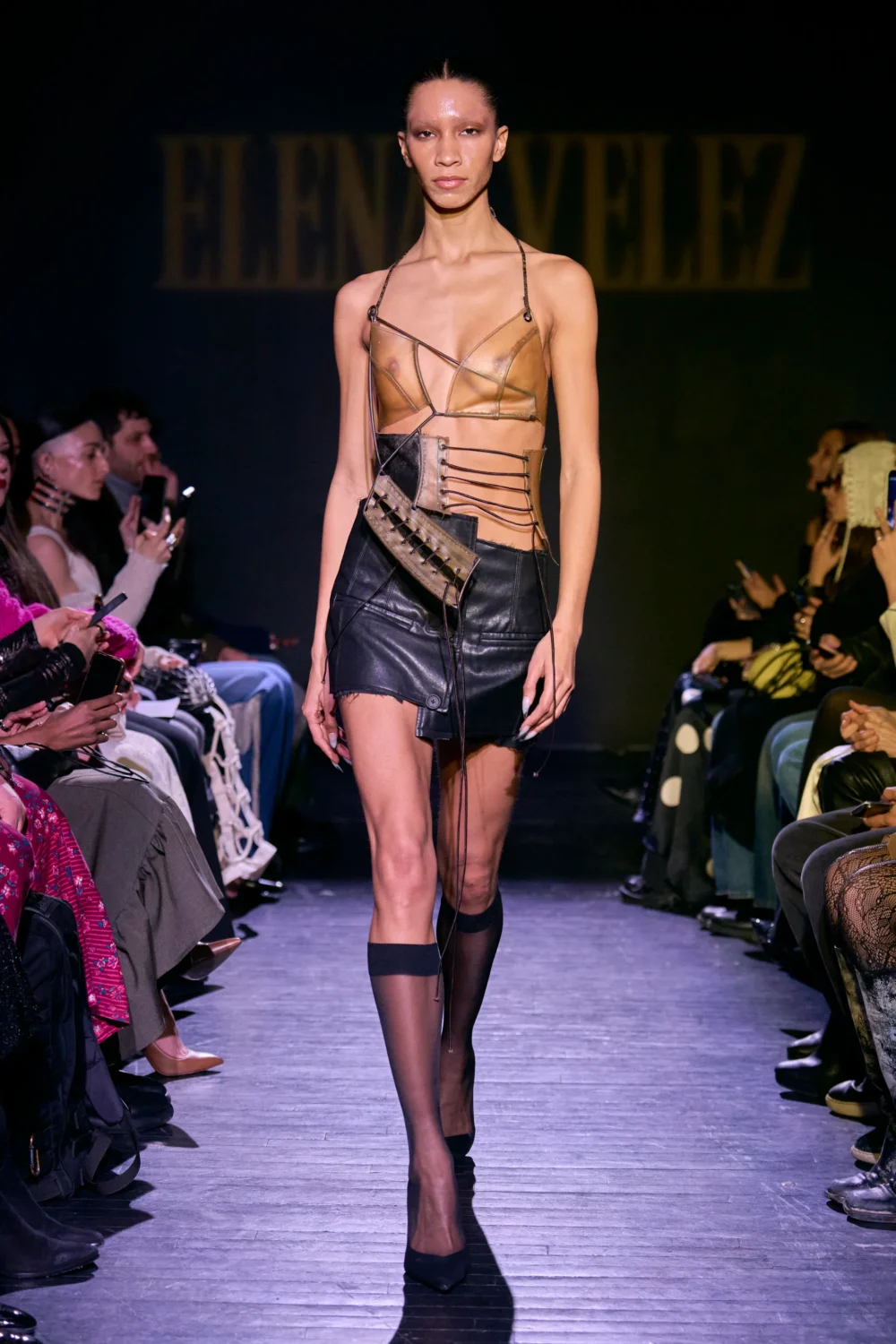
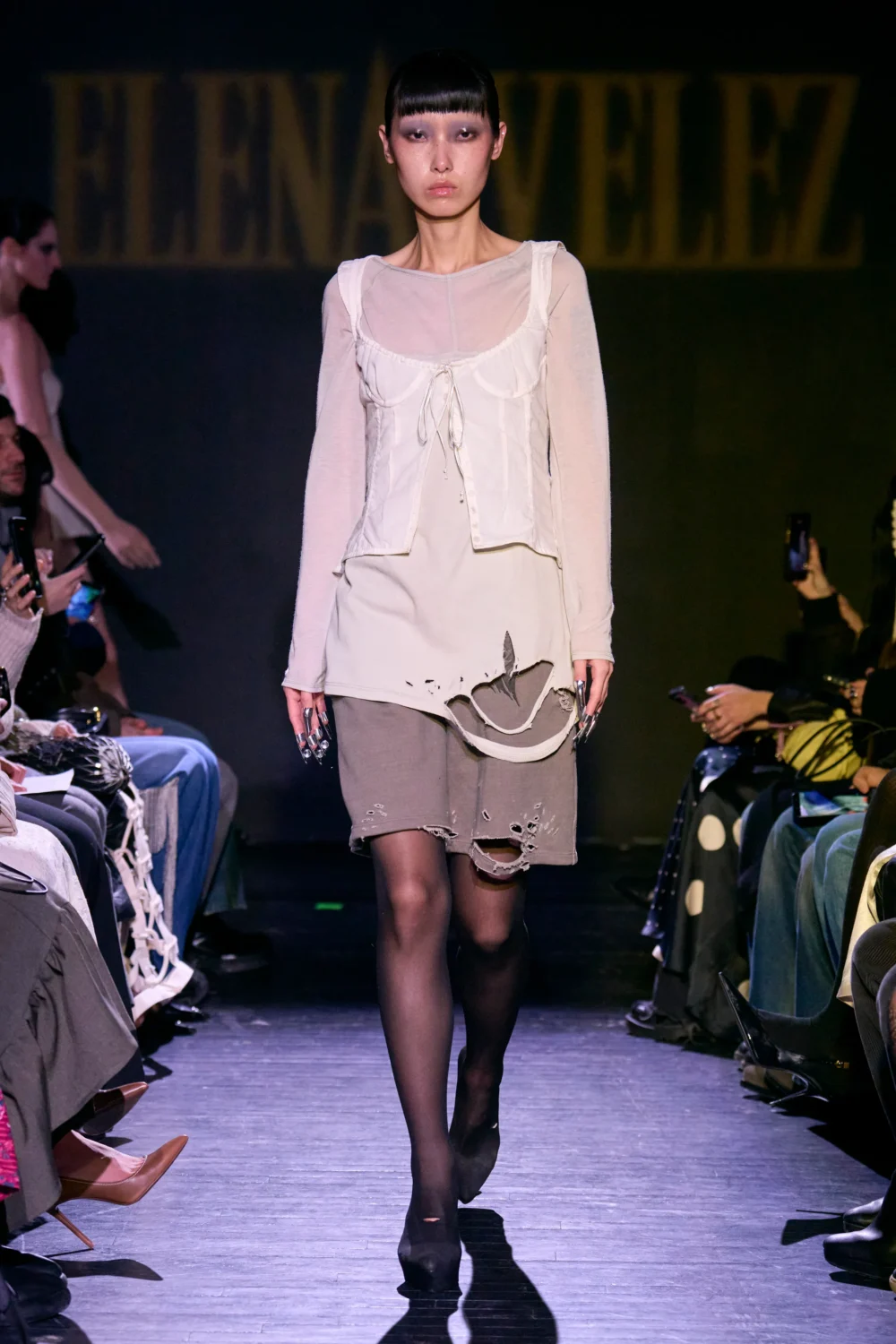
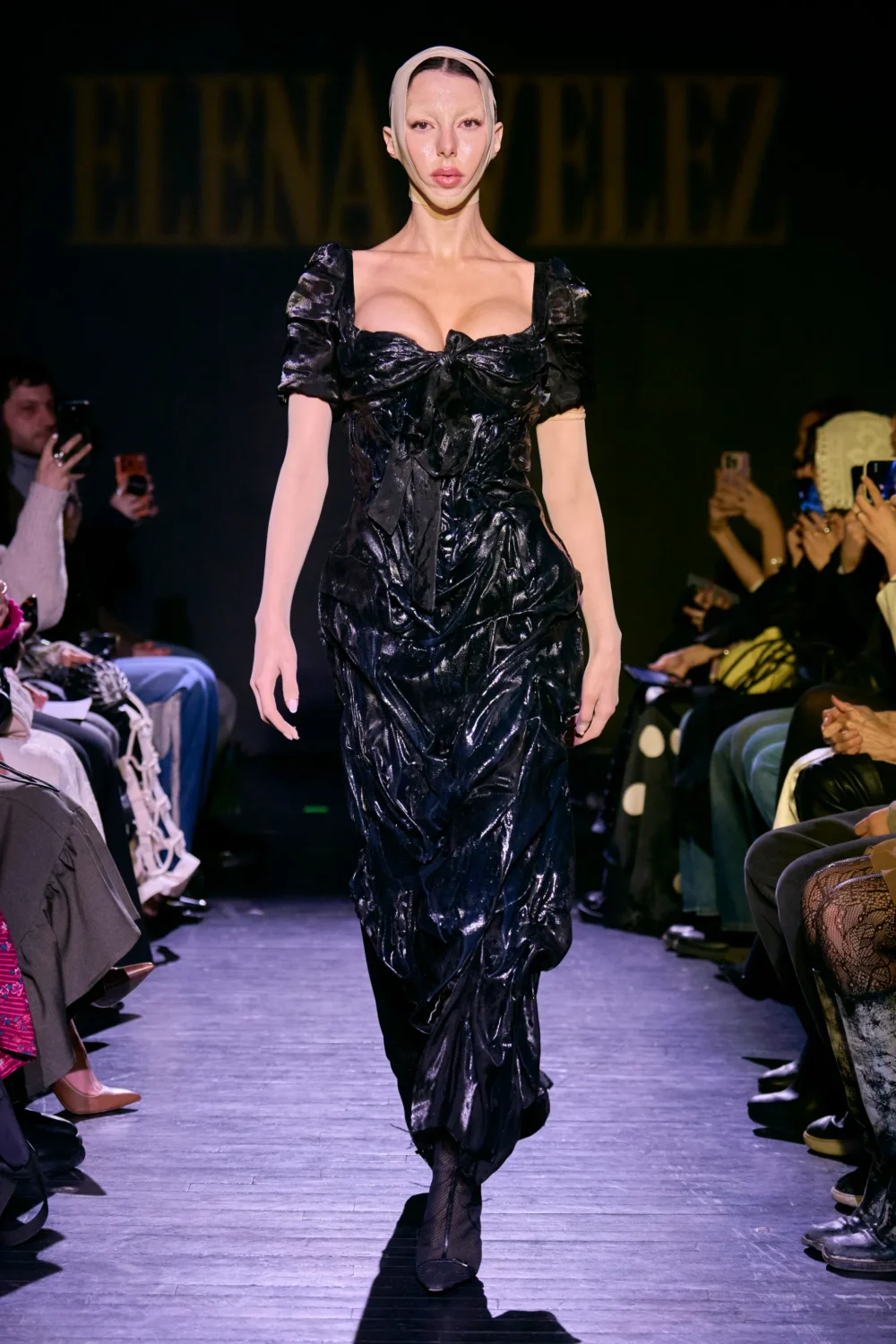
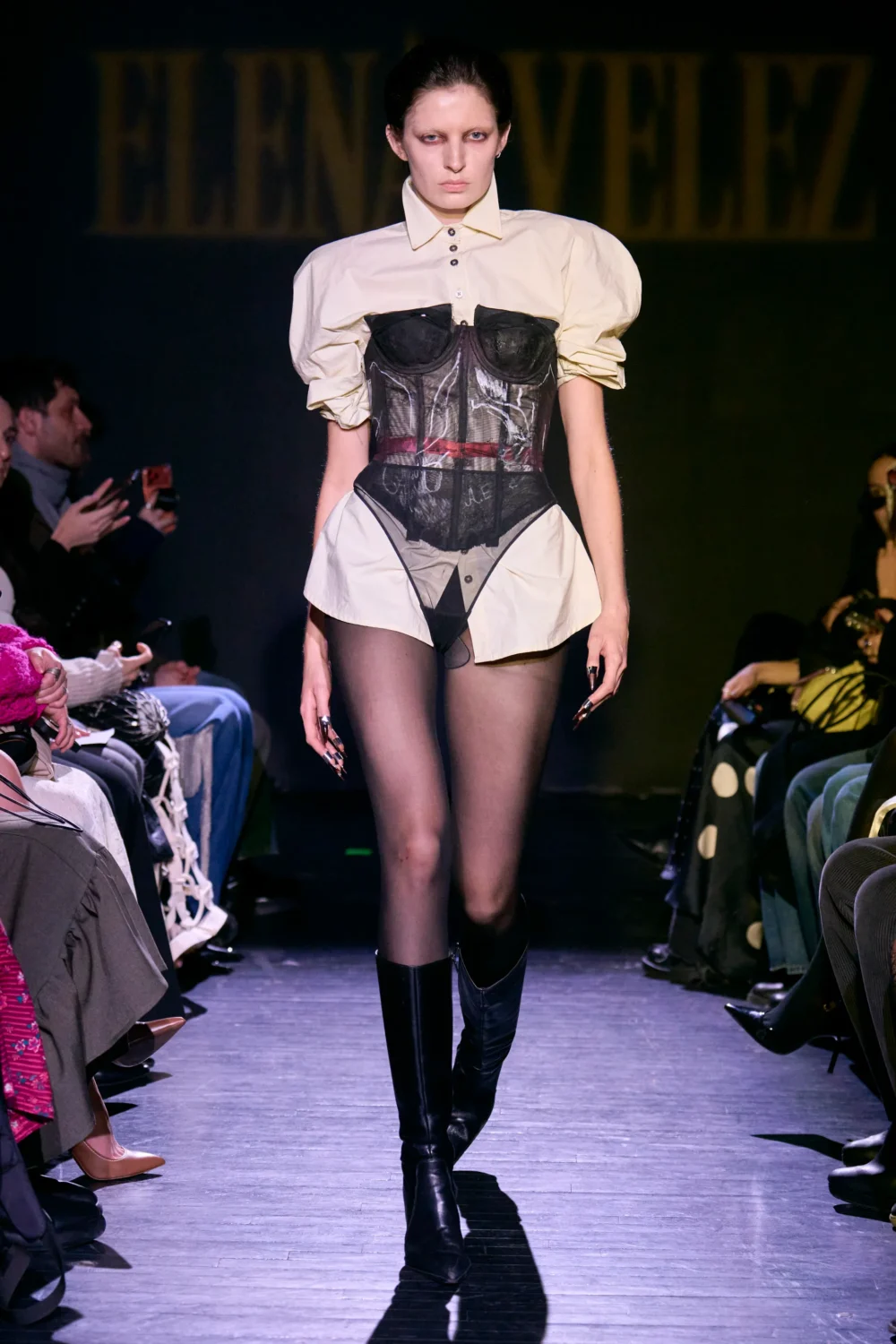
The atmosphere shifted into performance art with Elena Velez’ FW26/27 offering. Her collection explored the uneasy terrain between romantic distortion and digital self-optimization, juxtaposing distressed fabrics with eerily polished forms. Models moved like avatars in a social media consciousness experiment, with every seam and silhouette questioning the algorithms shaping identity and desire. Bold in intent and polarizing in execution, the show anchored itself in conversation long after the lights dimmed.
ECKHAUS LATTA
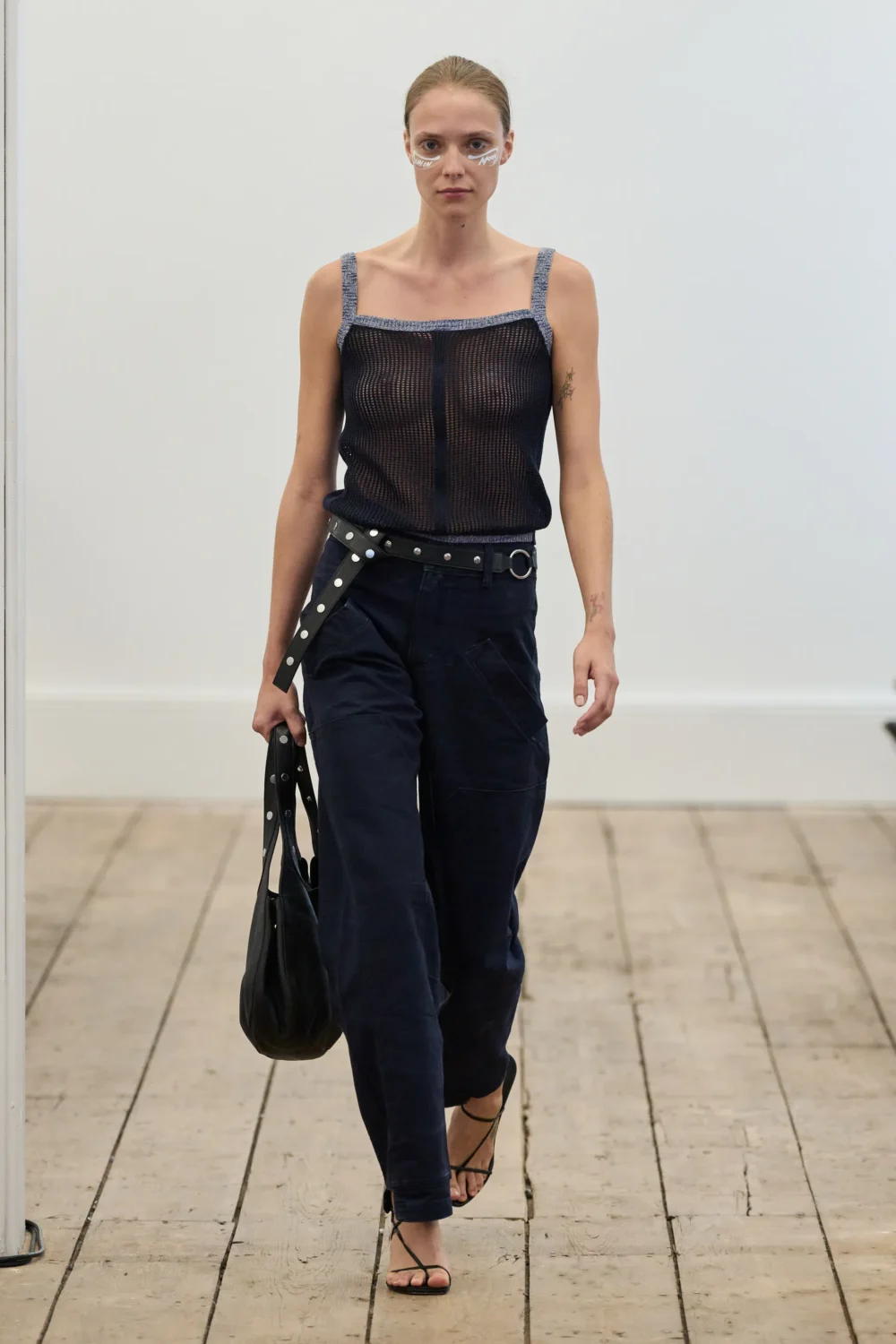
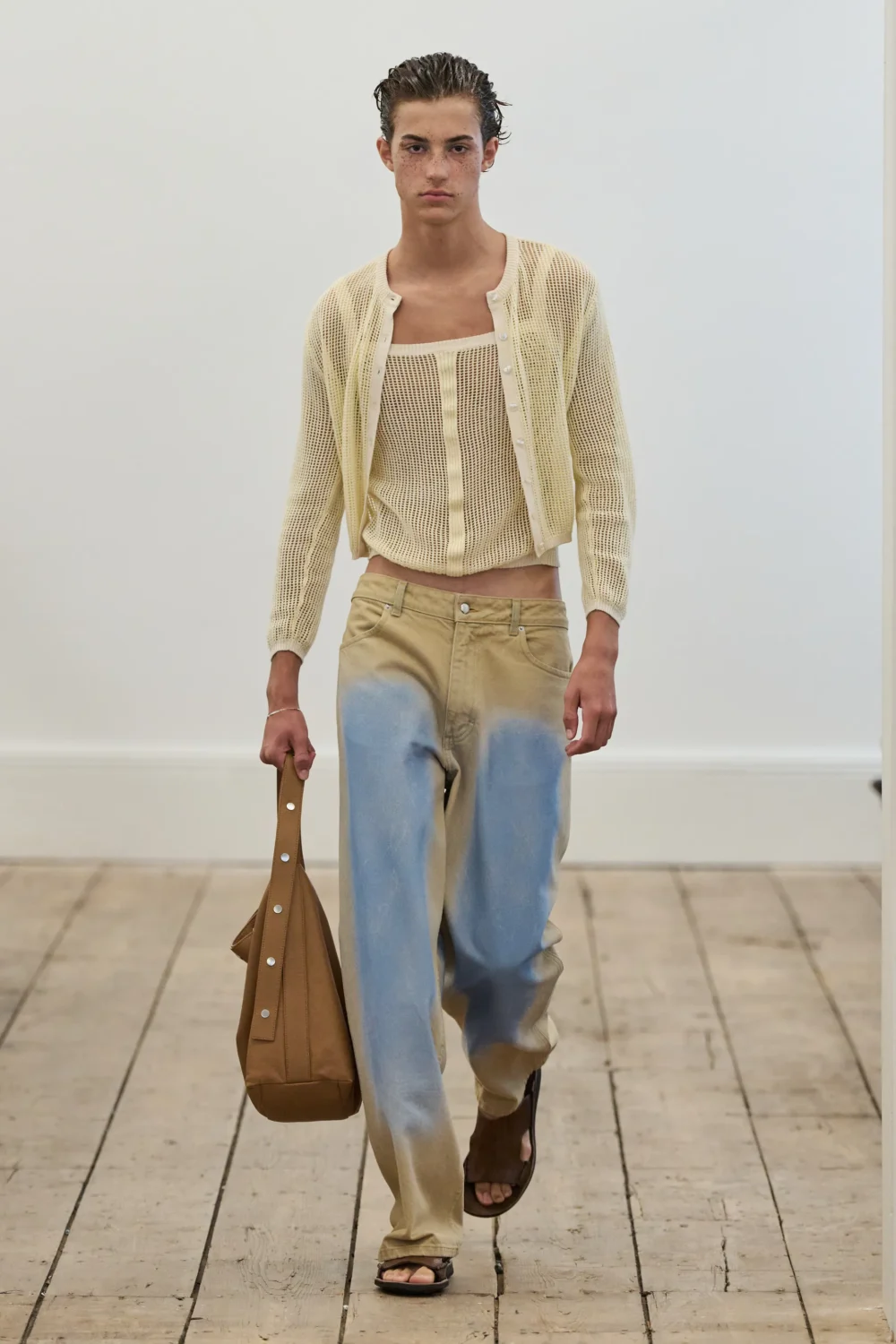
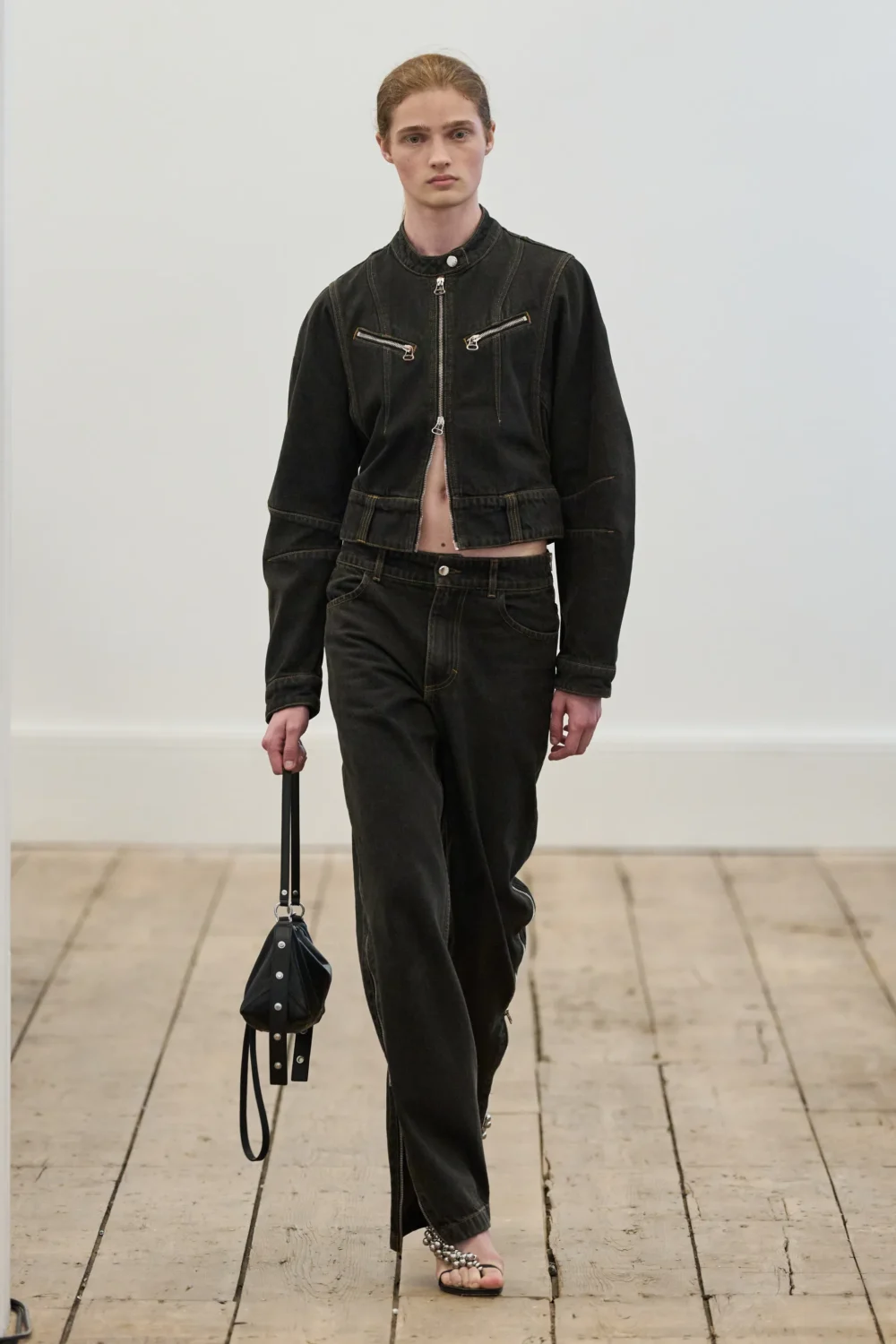
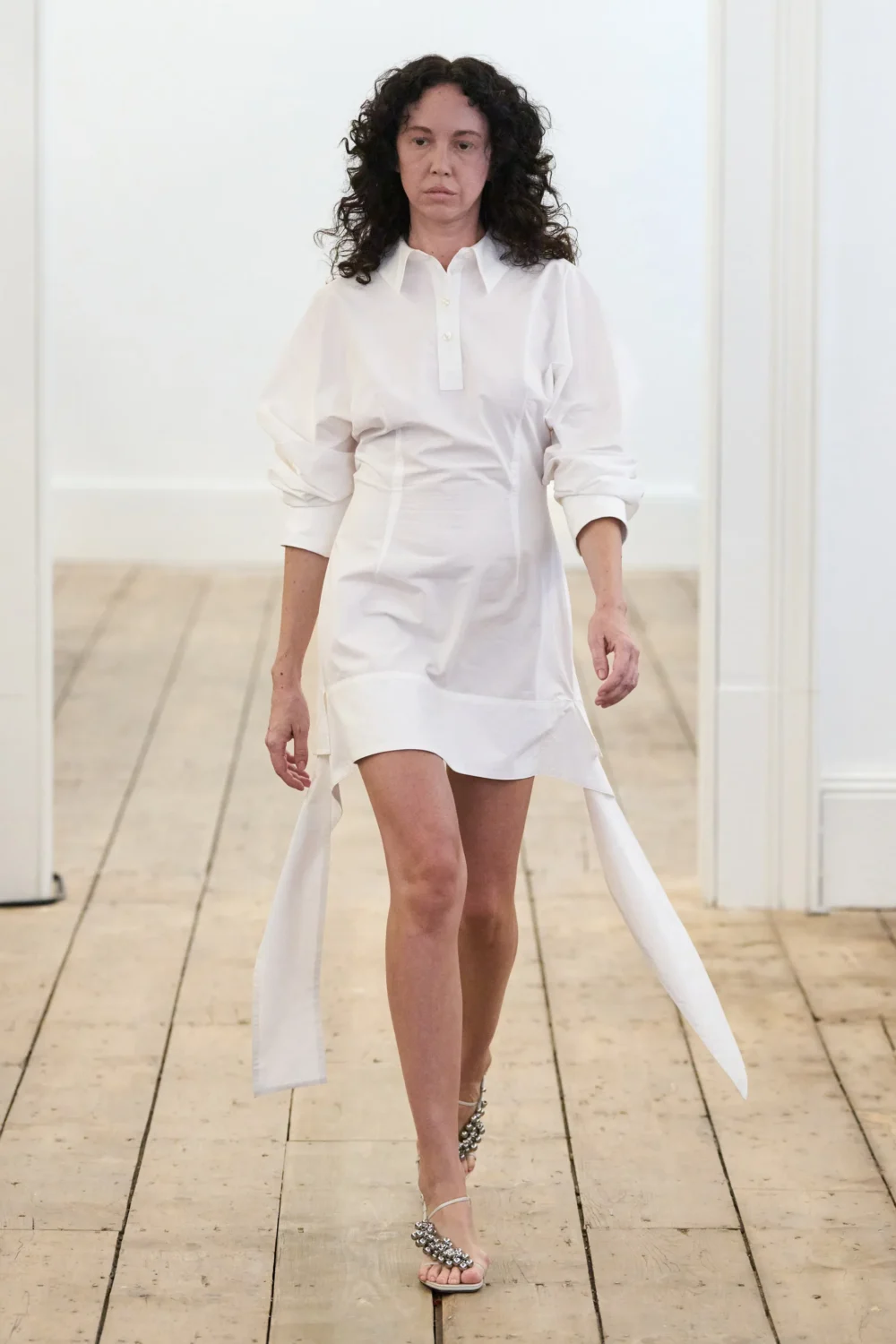
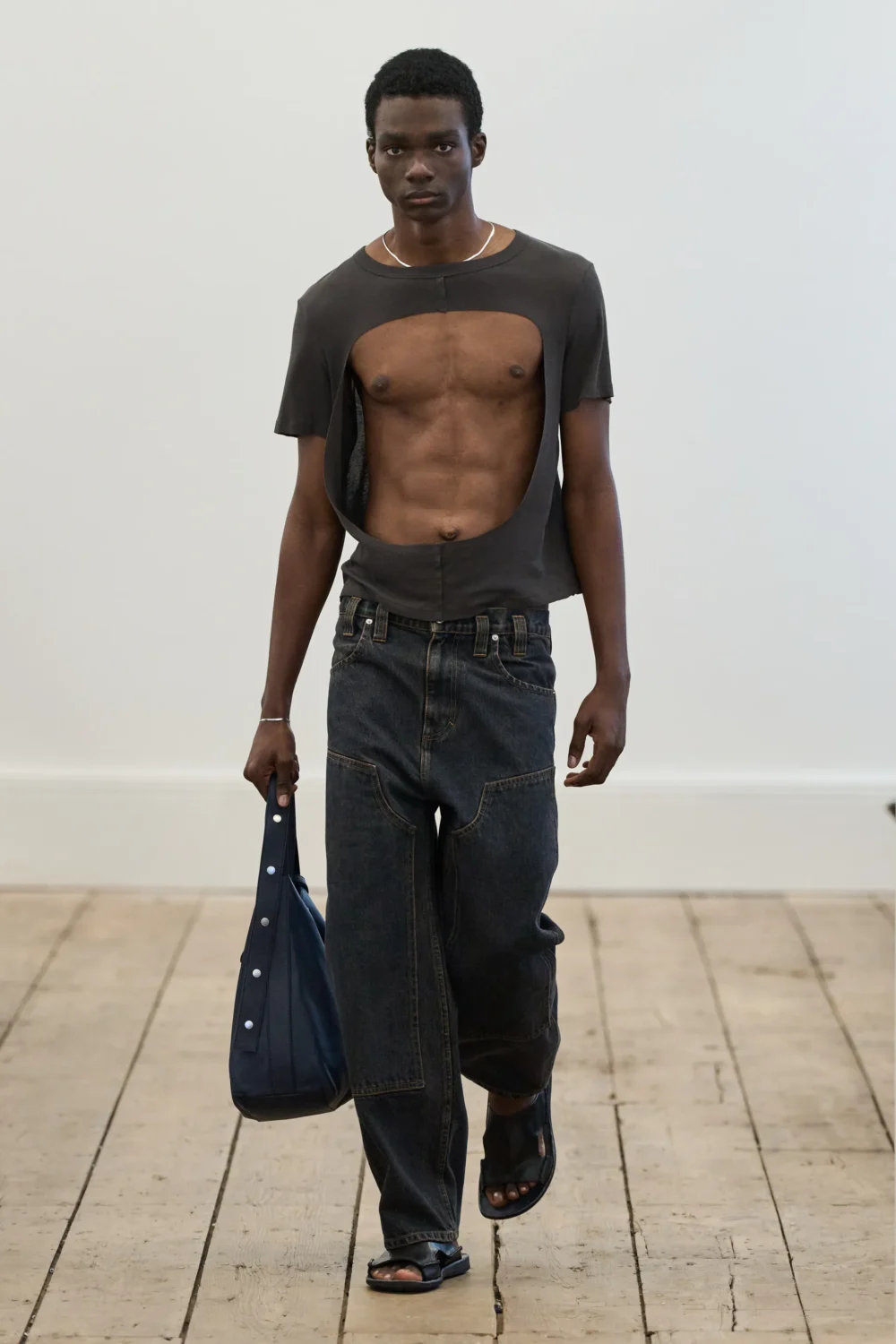
Downtown cool was recalibrated by Eckhaus Latta this season. Denim clung and peeled away, jersey cutouts hinted at exposure, and shearling balanced luxe and utilitarian with moments of refinement in satin slips and tailored leather. The collection oscillated between off-duty wardrobe classics and quiet rebellion, affirming that Mike Eckhaus and Zoe Latta can still make real clothes feel uncannily particular to now.
SANDY LIANG
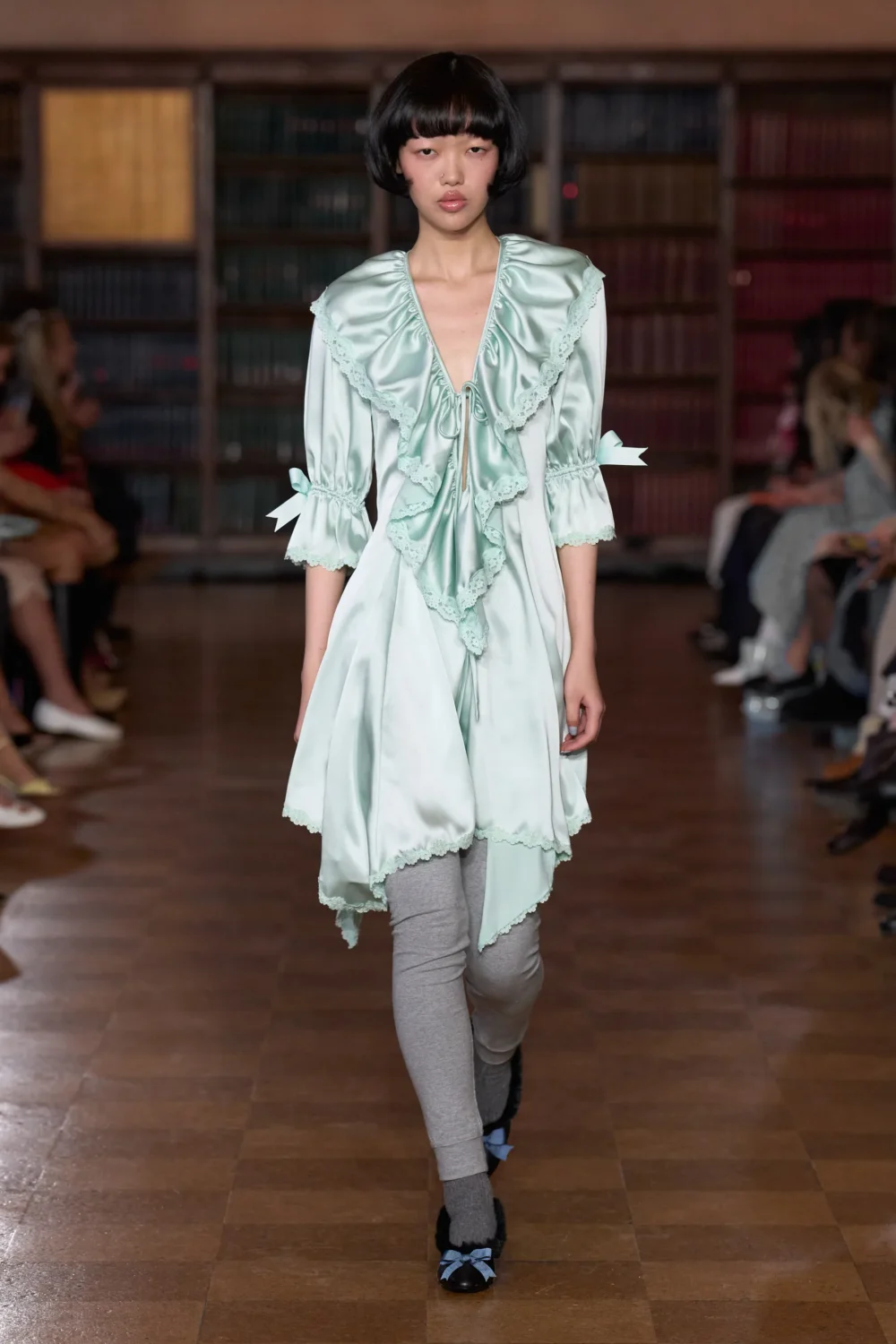
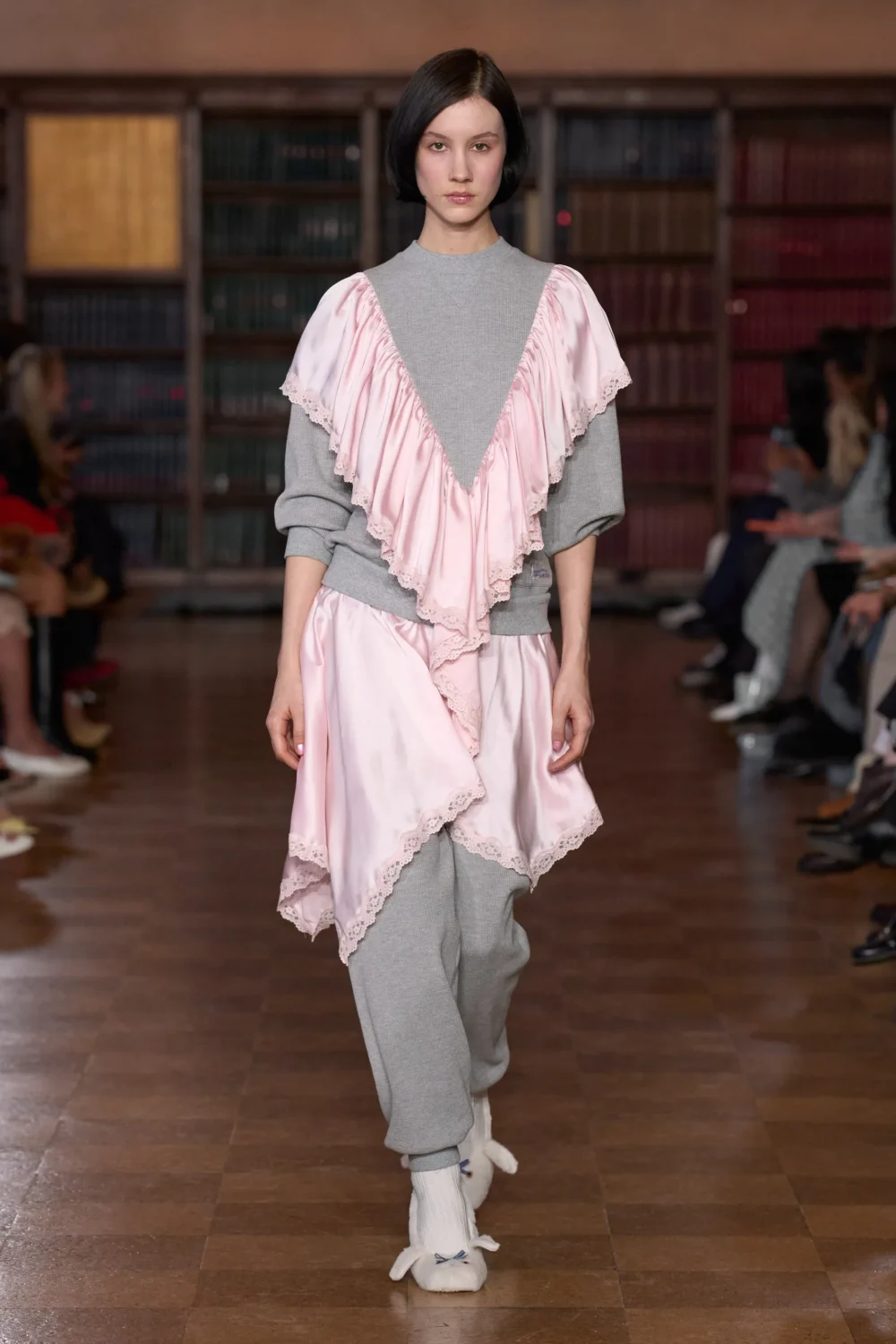
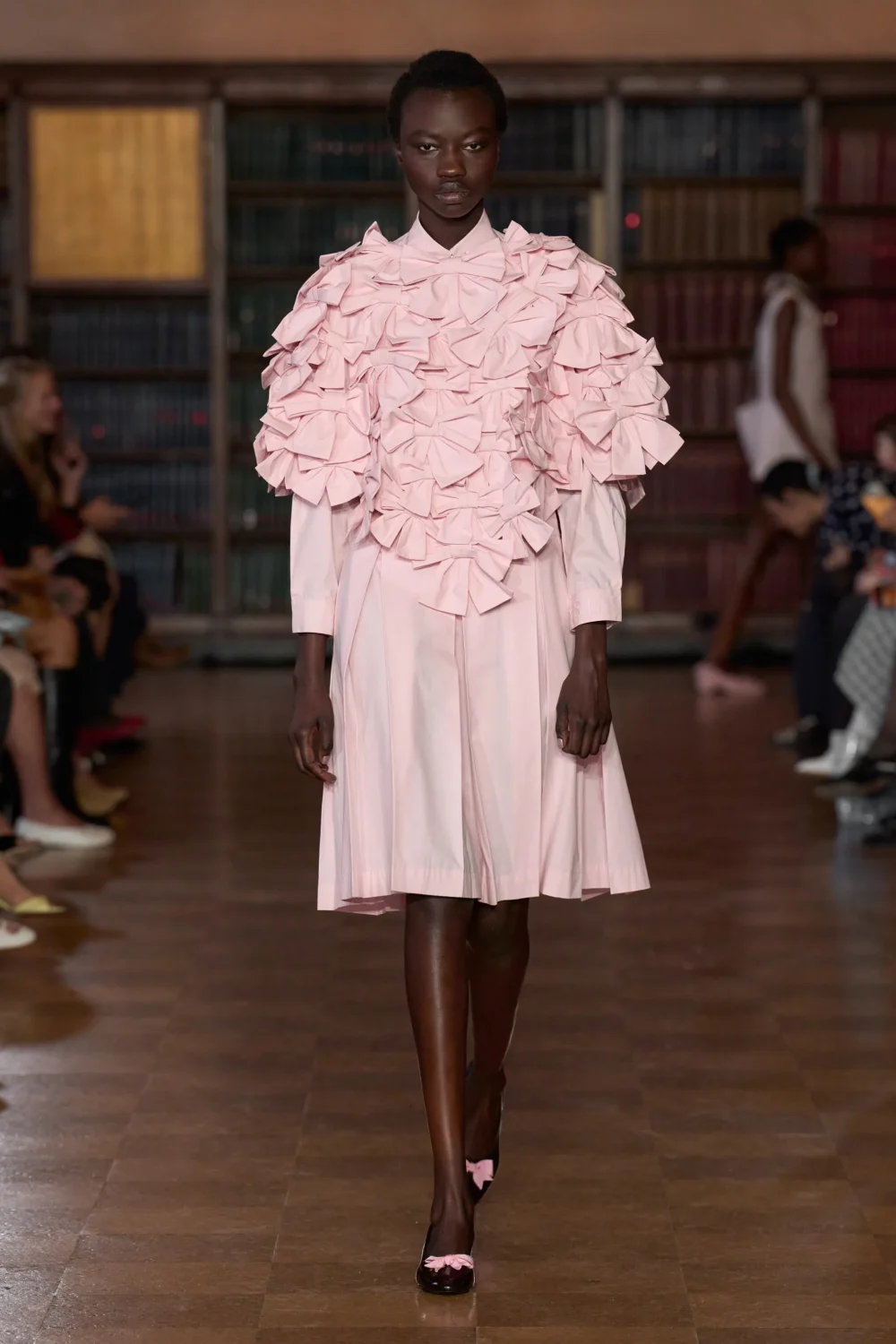
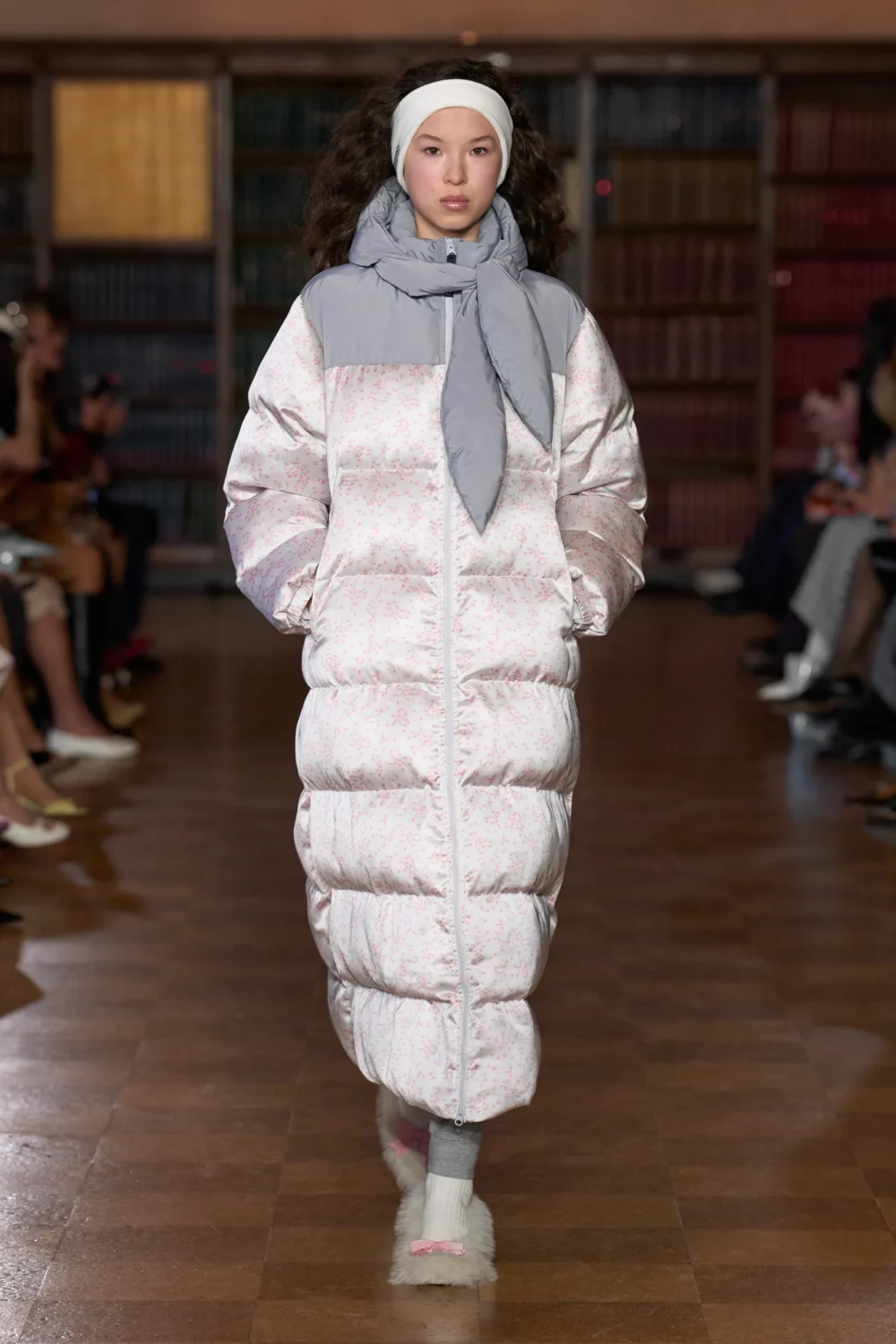
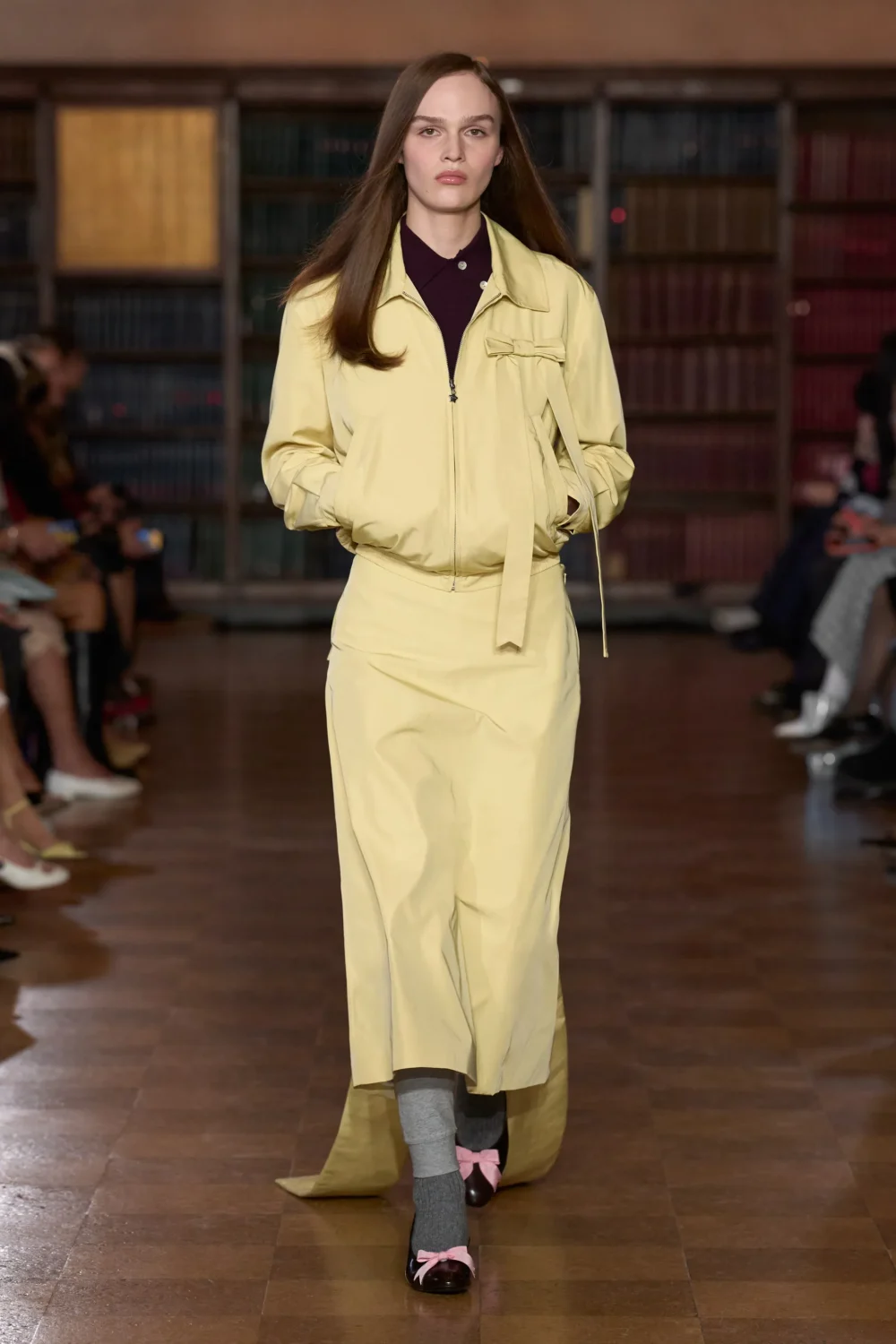
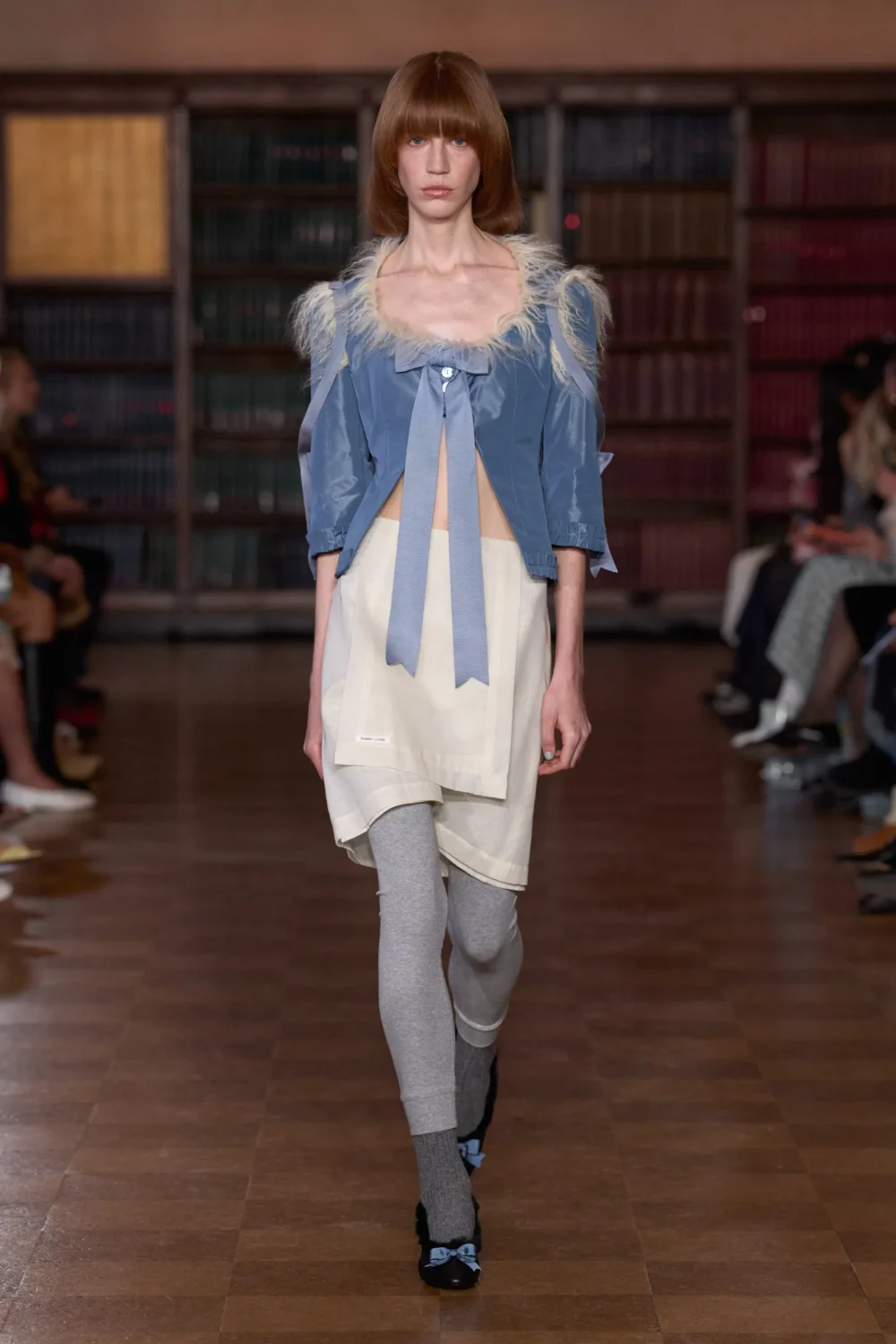
Sandy Liang embraced nostalgia with a playful practicality. Drawing inspiration from Sofia Coppola’s Marie Antoinette and Kiki’s Delivery Service, her pieces looked like the wardrobe of someone who grew up saving fabrics, ribbons, and memories, then translated that interior life into clothes that function in a New York winter. Pastel satin bows, quilted jackets, and pajama-inspired co-ords balanced fantasy with function. The silhouettes were playful without feeling costume-like, reminding viewers why the Sandy Liang girl remains a downtown archetype rather than a passing trend.
DIOTIMA
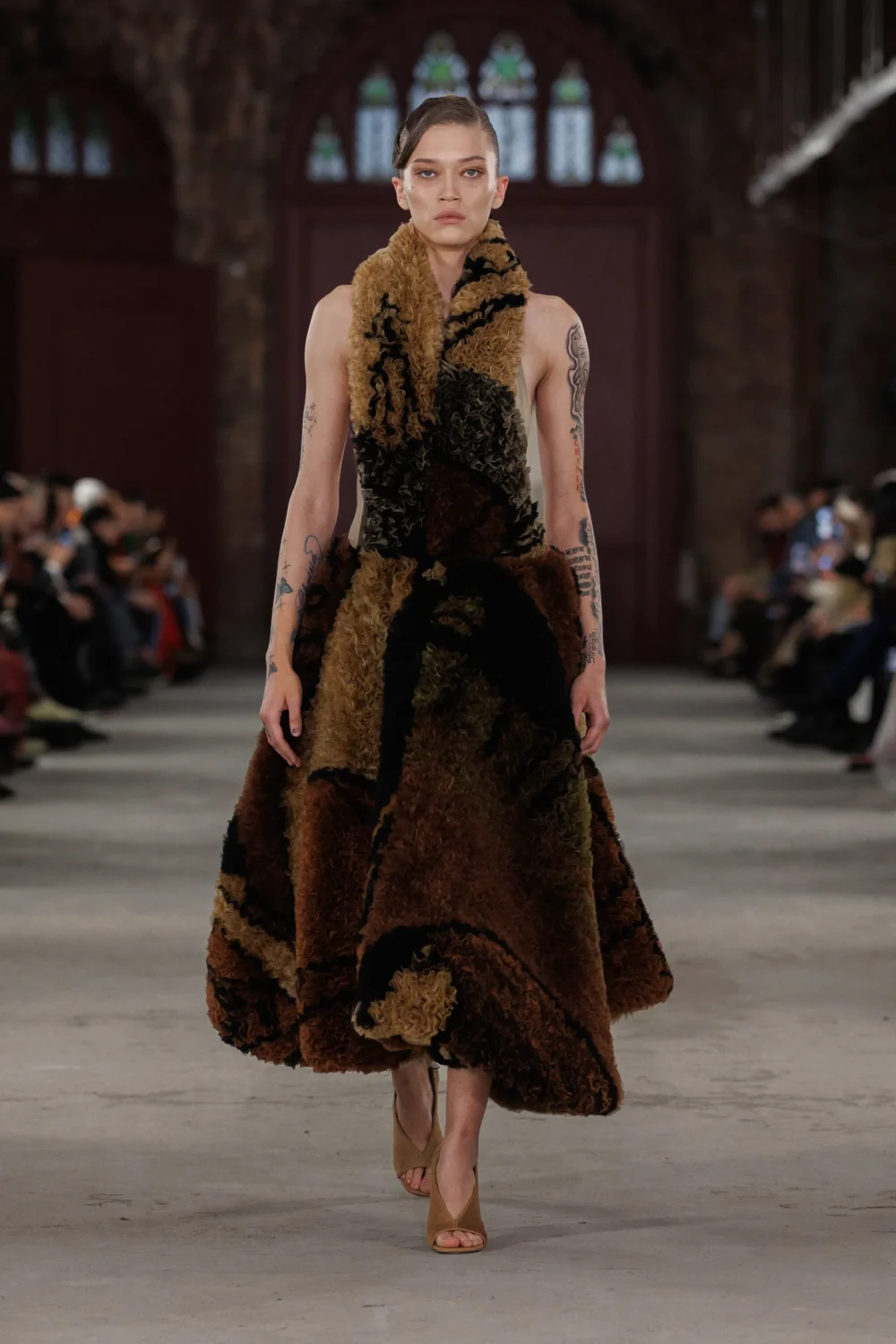
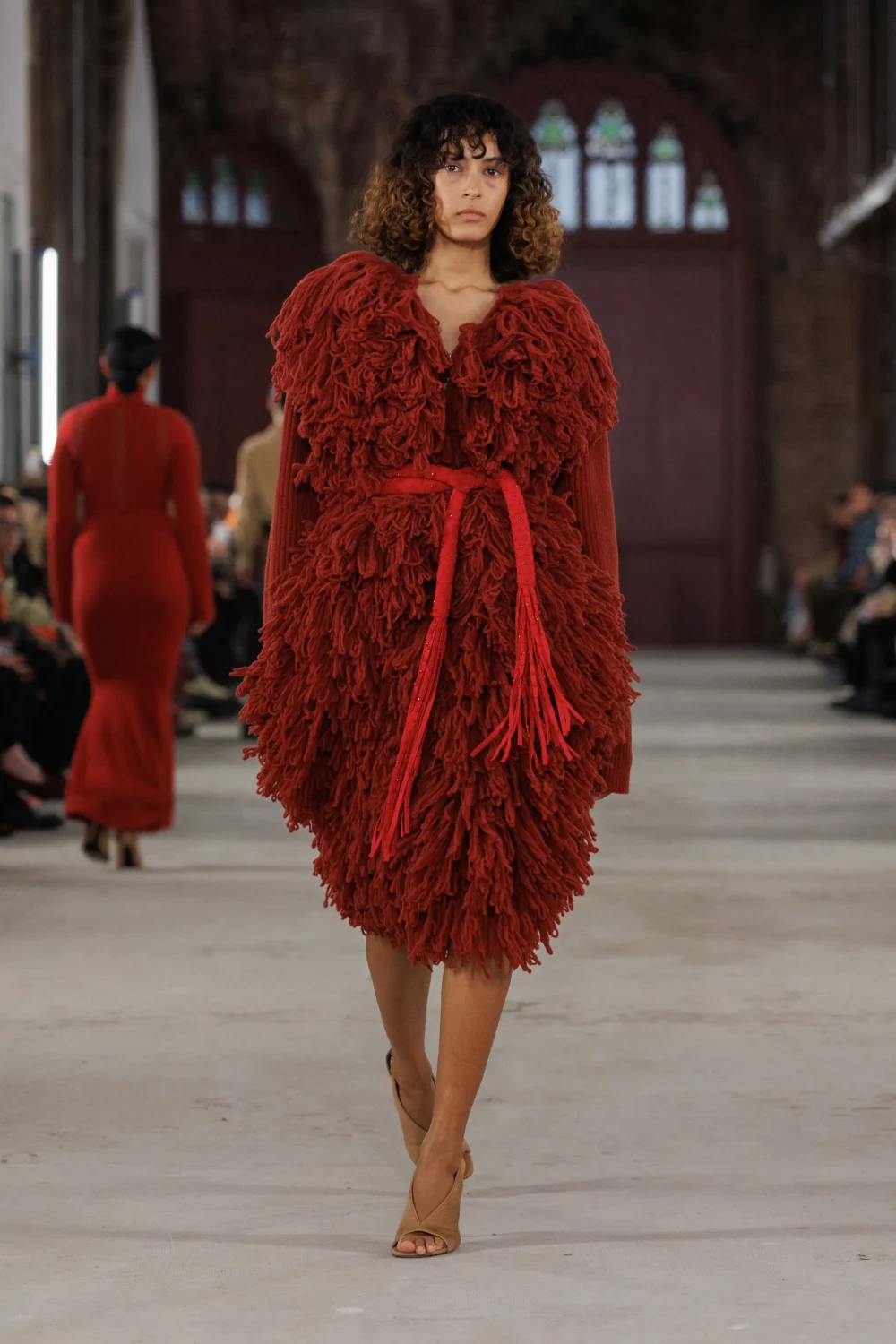
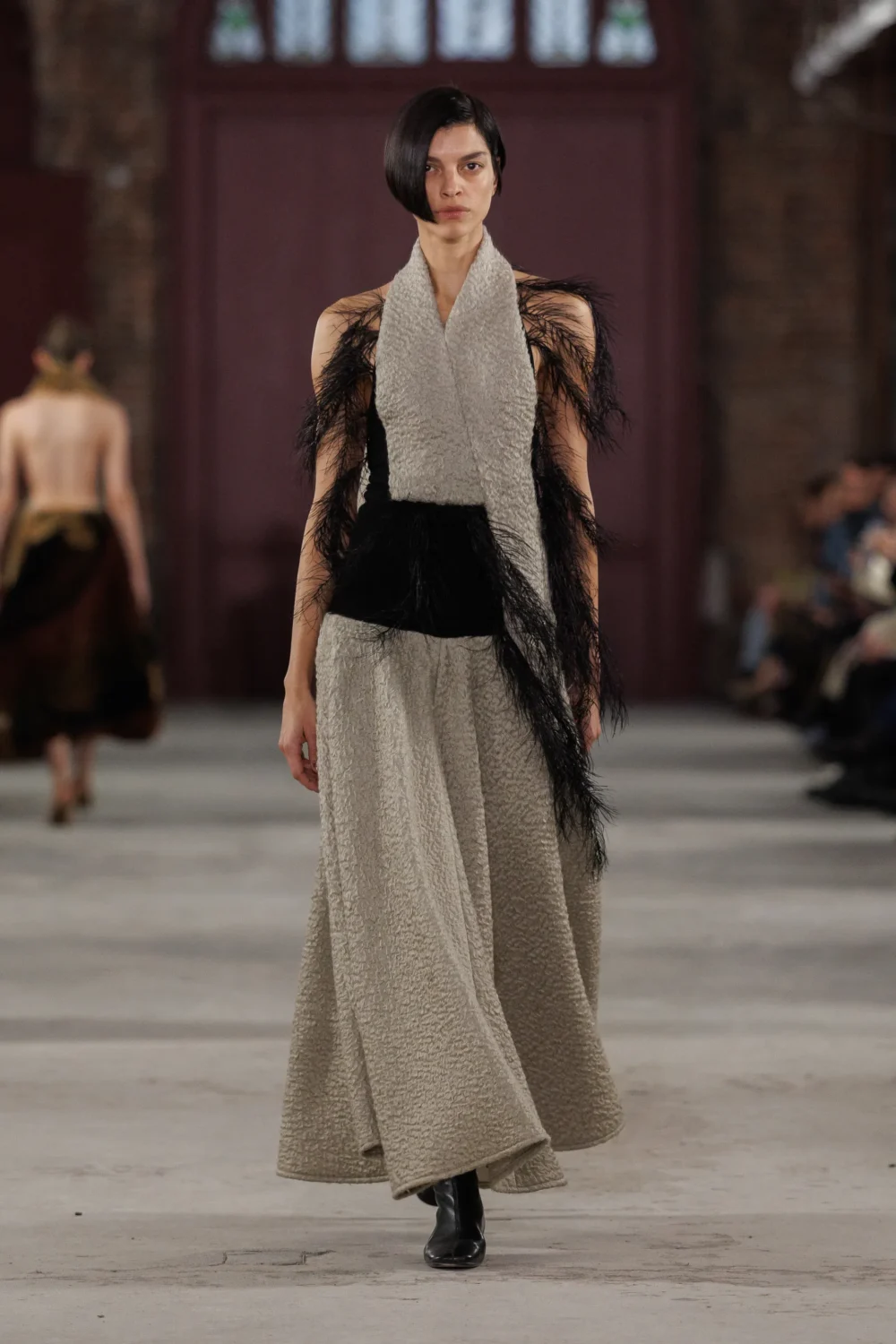
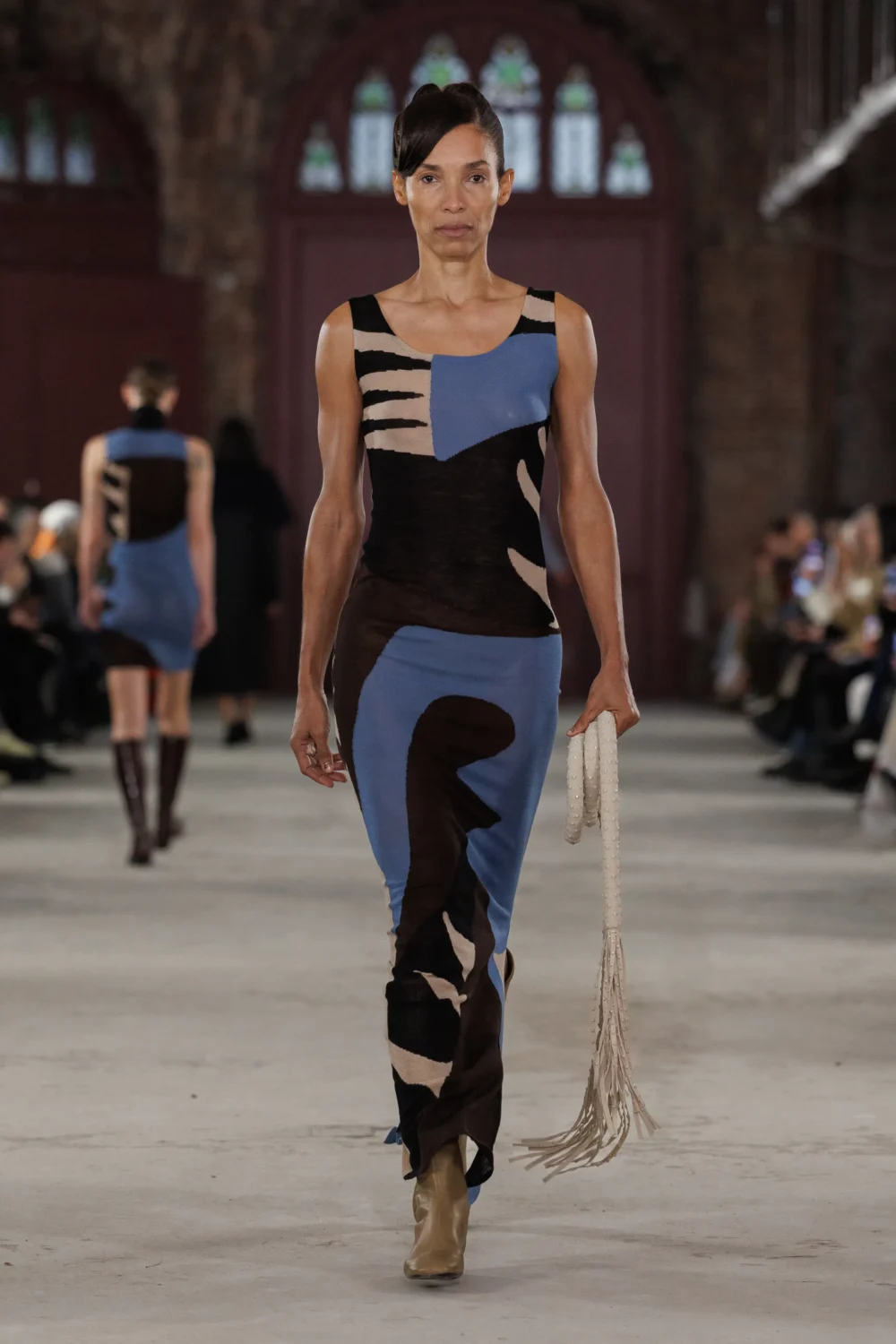
A quiet revolt unfolded in Diotima’s Fall/Winter 2026 collection. Rachel Scott anchored the show in the mythic “femme cheval,” a figure of strength and resistance, rendered in organza intarsia, Gobelin jacquards, and knitwear that flirted with translucence and armor. Exaggerated equestrian tailoring, elongated columns, and tactile outerwear rejected passive prettiness and insisted on bodies that carry history and conviction. Craft became part of the politics, involving refugee artisans and centering ethics alongside aesthetics, making the runway as much a statement of cultural agency as a fashion show.
CALVIN KLEIN
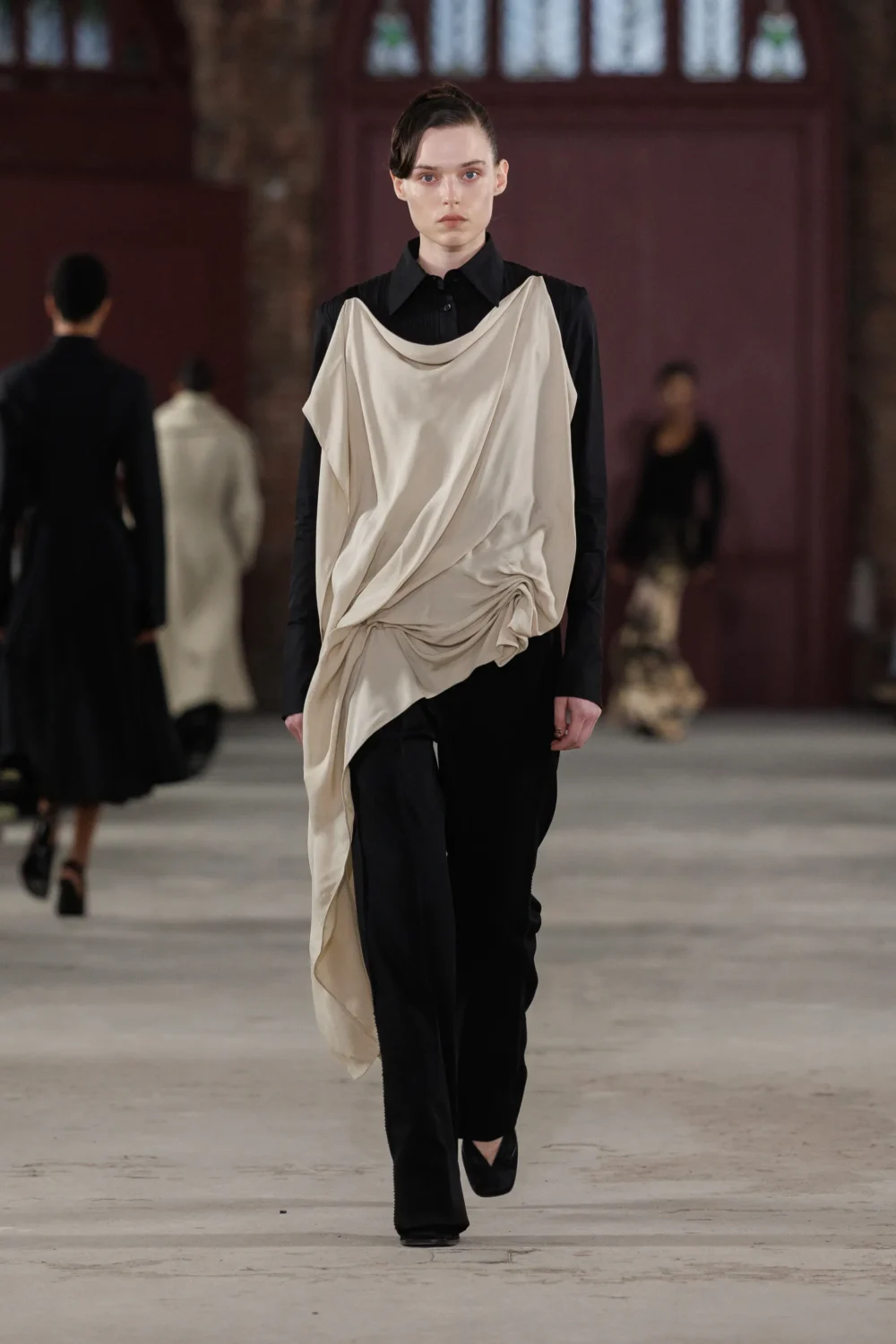
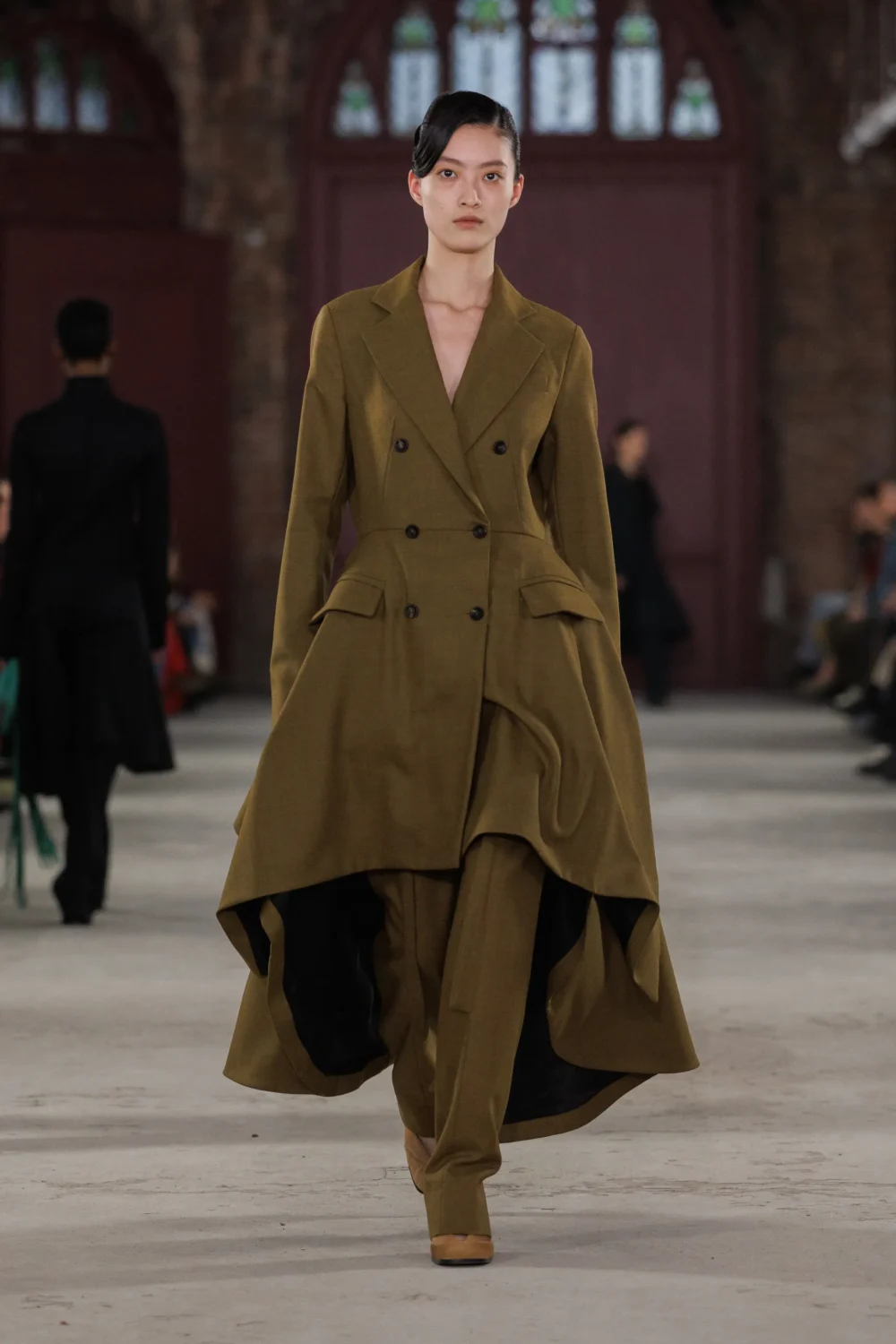
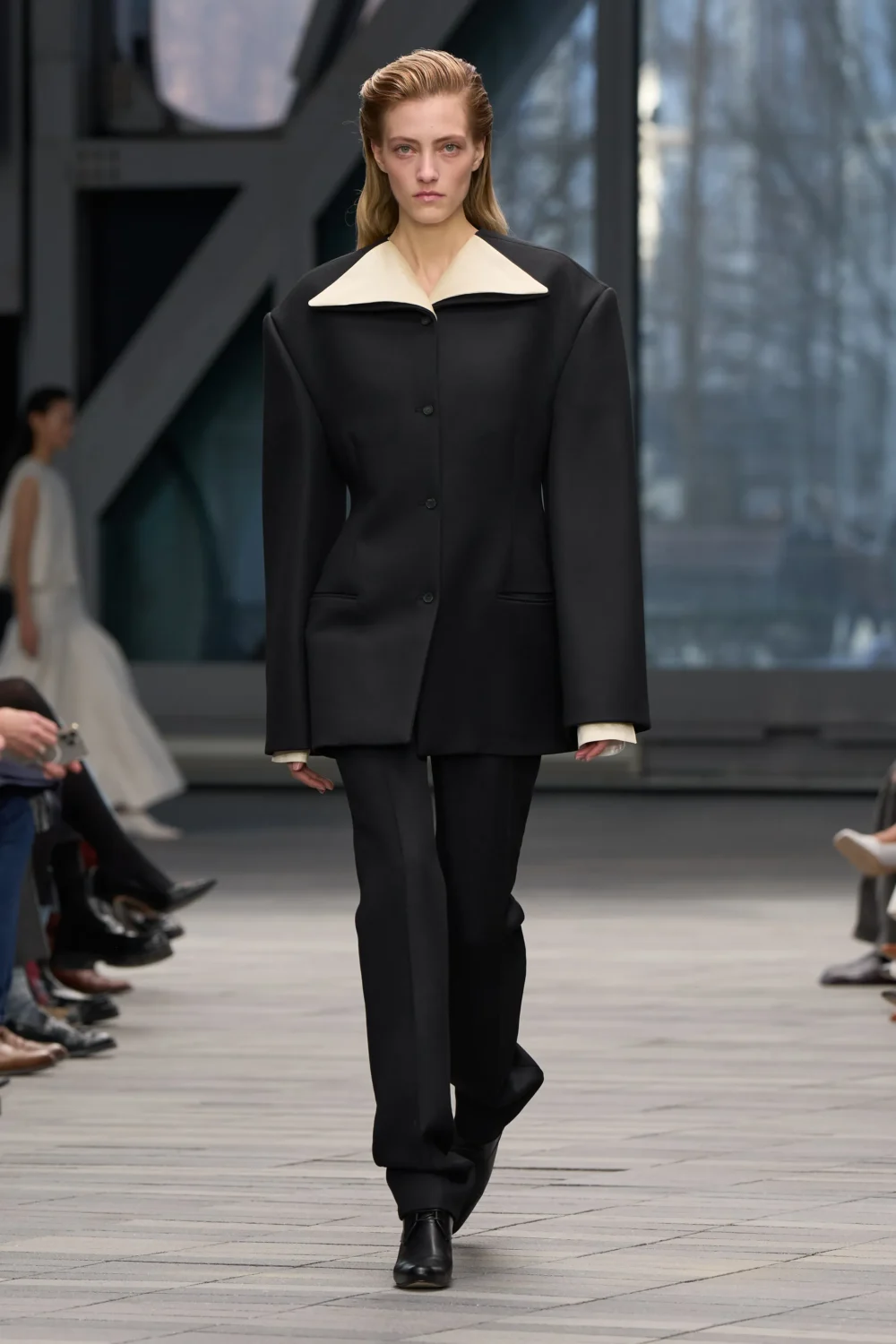
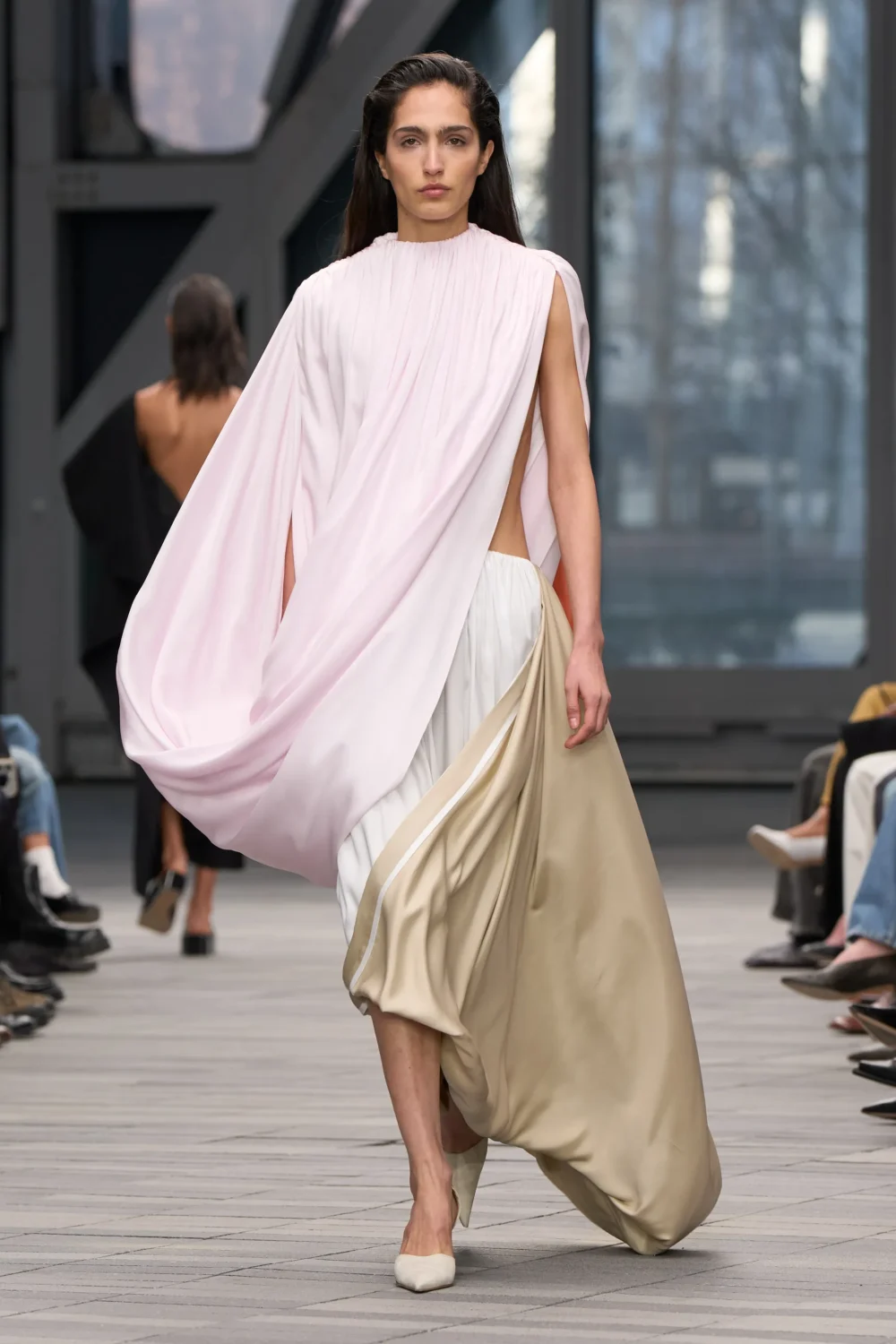
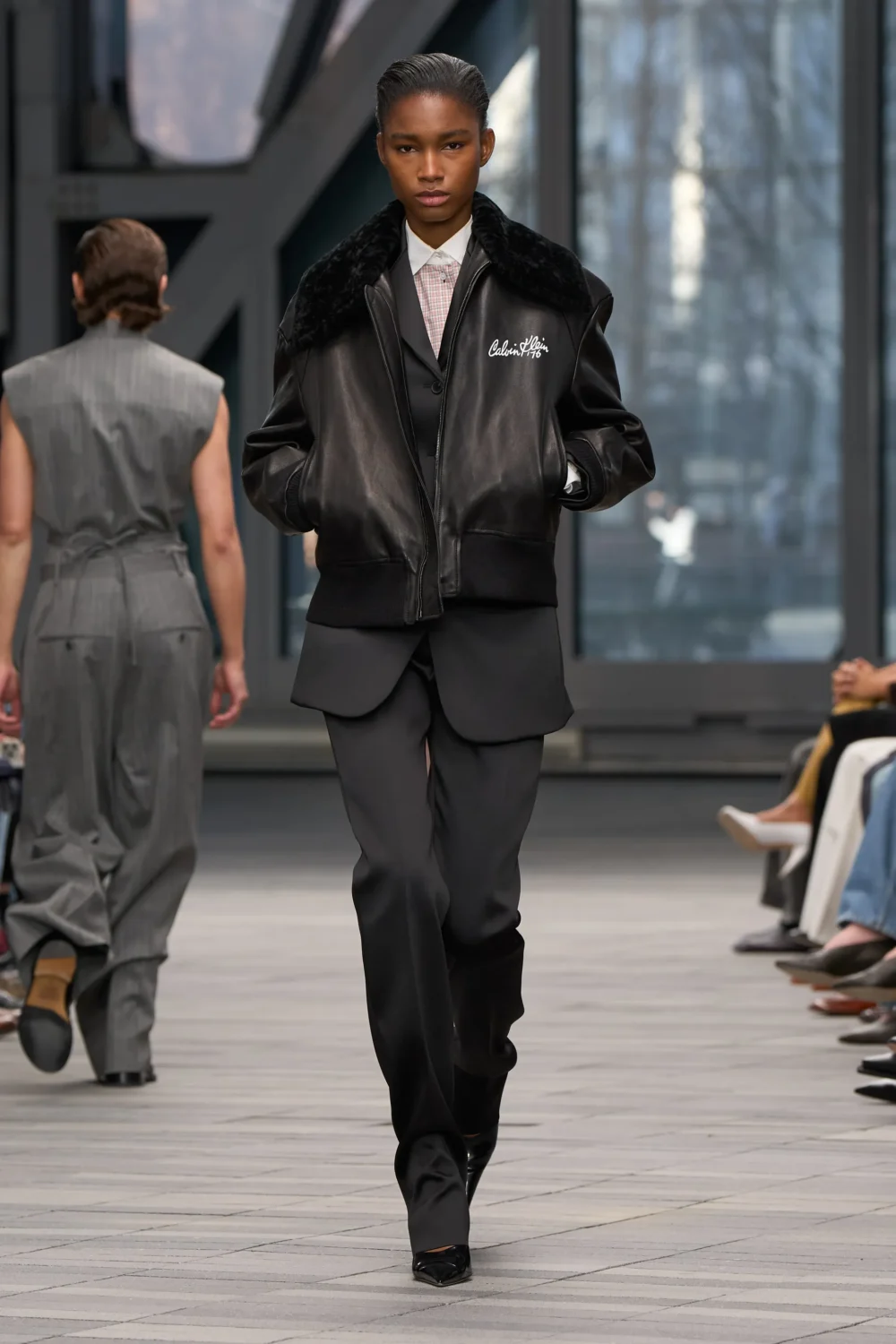
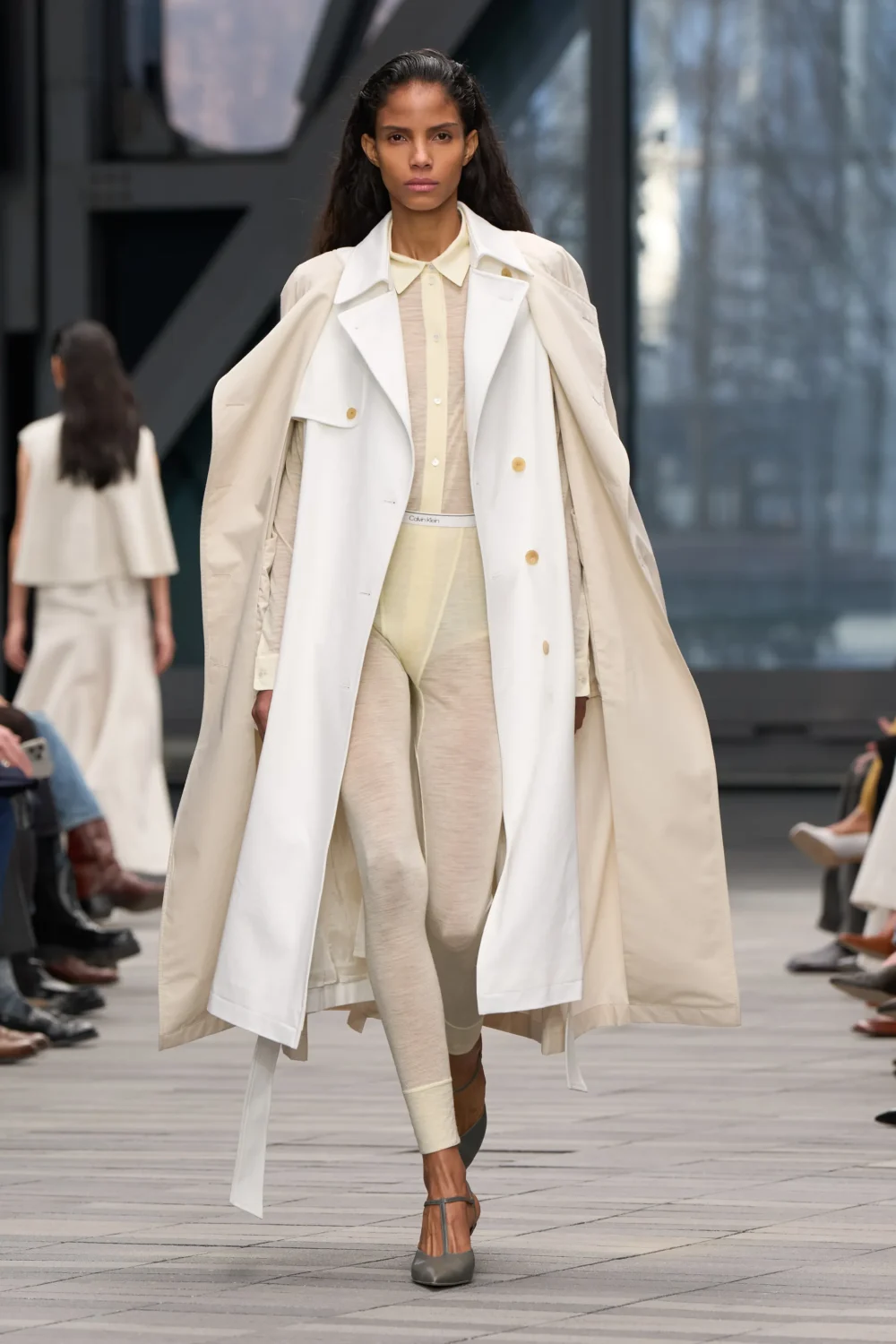
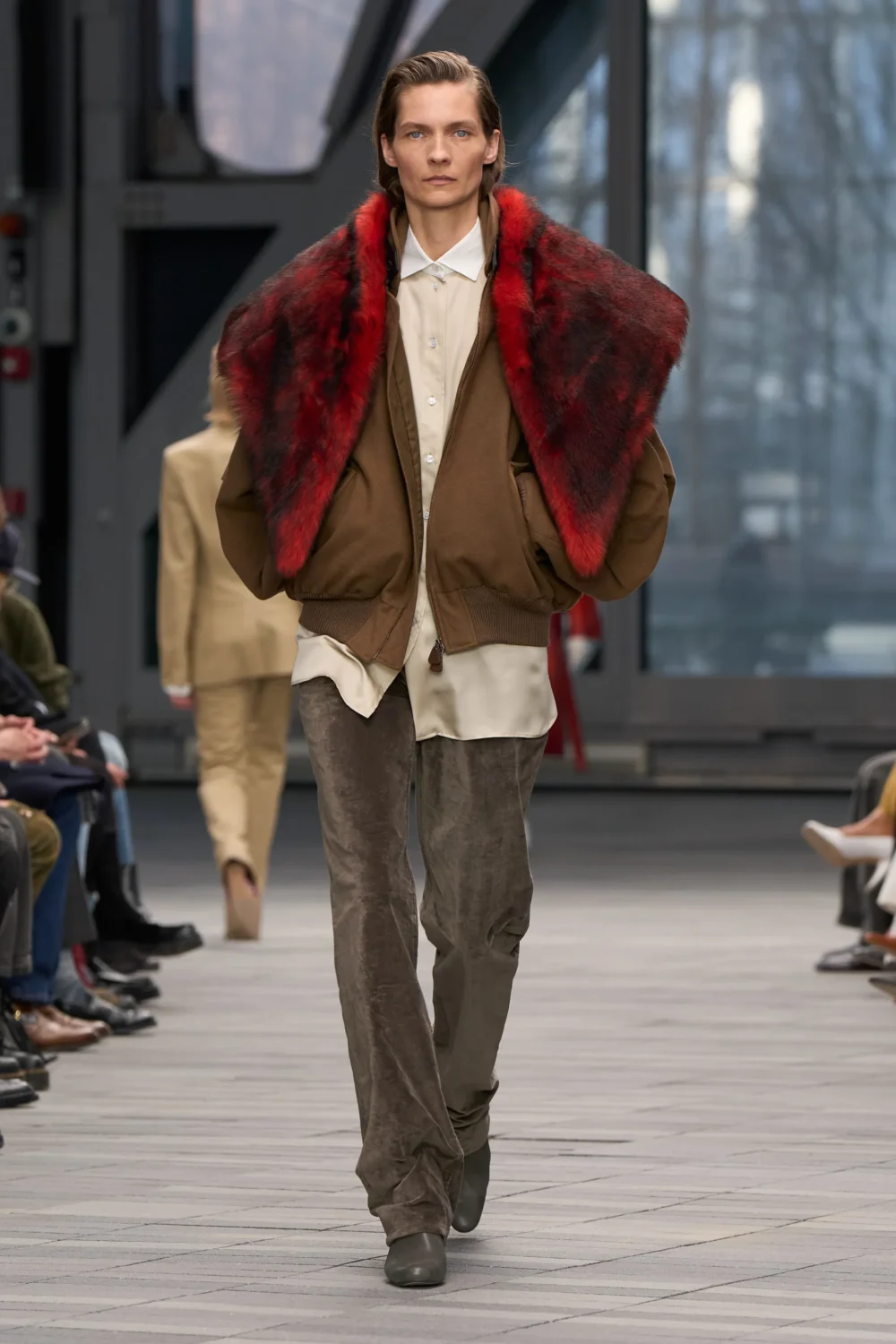
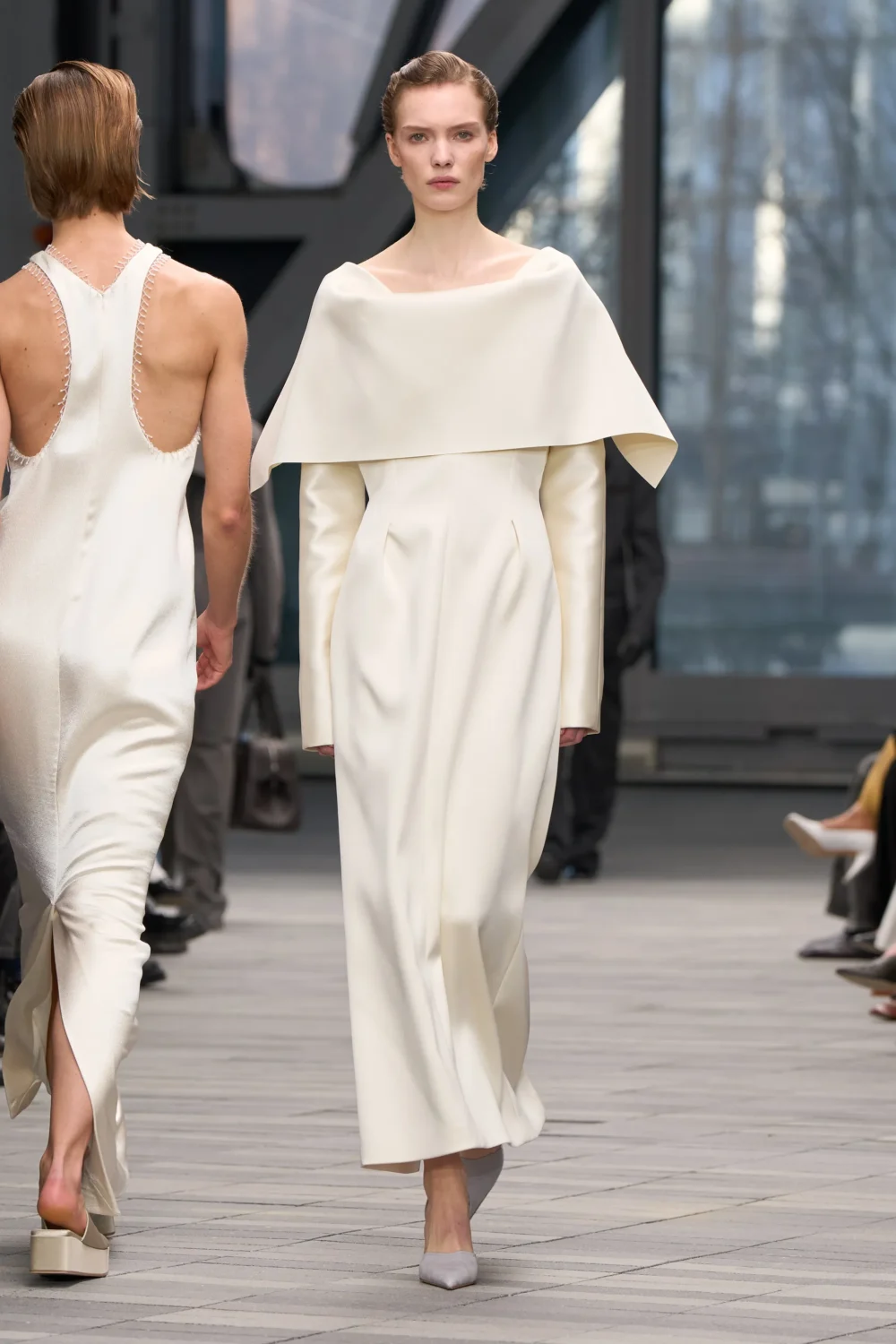
Minimalism was made radical again in Calvin Klein’s third chapter under Veronica Leoni. Lean suiting and long coats in charcoal, camel, and chalk nodded to the archive without pastiche. Sheer layers and precision cutouts suggested controlled flirtation rather than overt eroticism. Exacting proportions gave way to moments that teased what lay beneath, a tension closer to Helmut Lang’s quiet cool than a literal revival of underwear lore. In a season focused on clarity and craft, the show proved that minimalism, when carefully calibrated, still has power.
–
Follow us on TikTok @veinmagazine