
A conversation with Grete Henriette: with Hysteria in Tartarus, armour meets intimacy. Where chainmail, corsetry, and performance blur power, vulnerability, and the body itself.
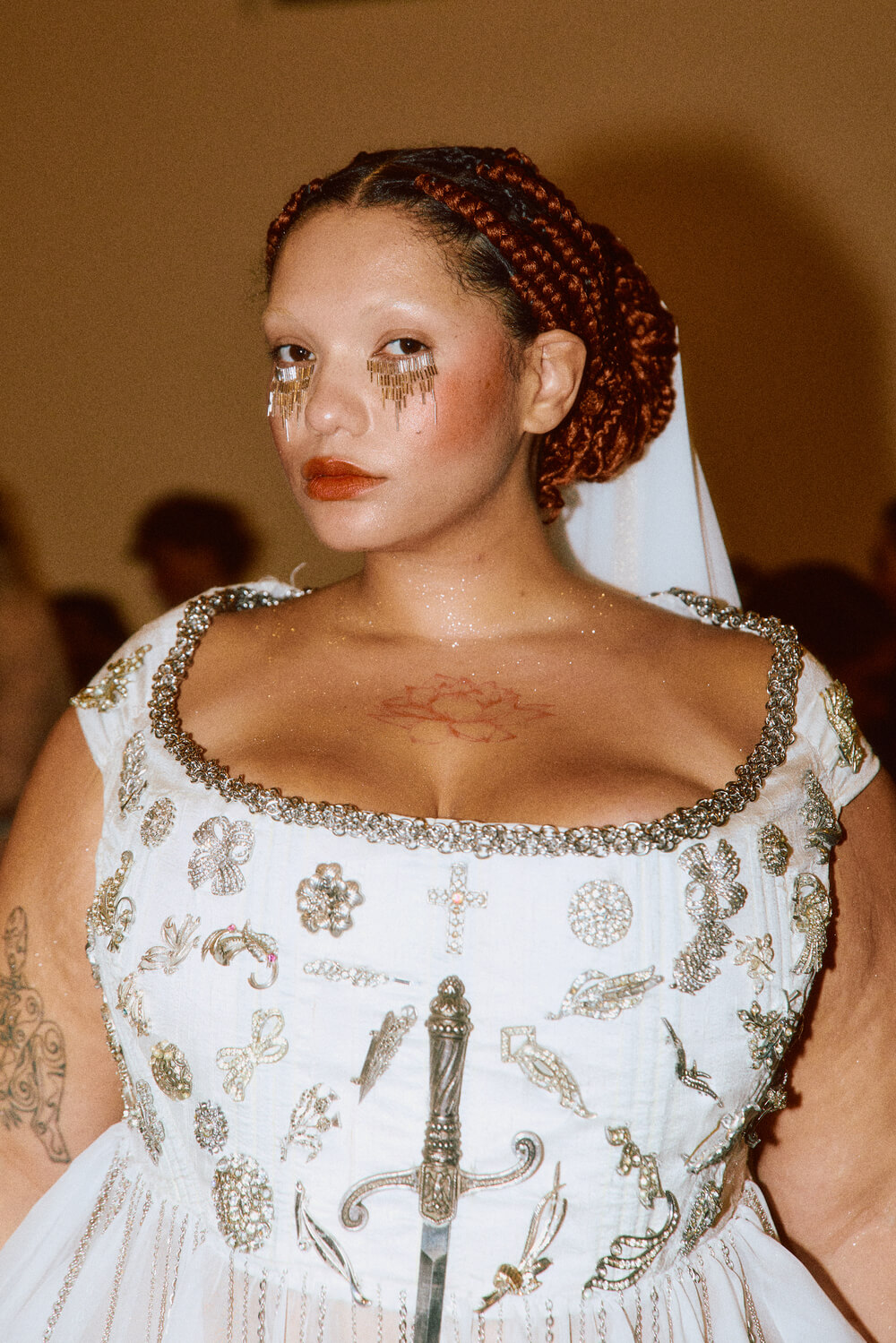
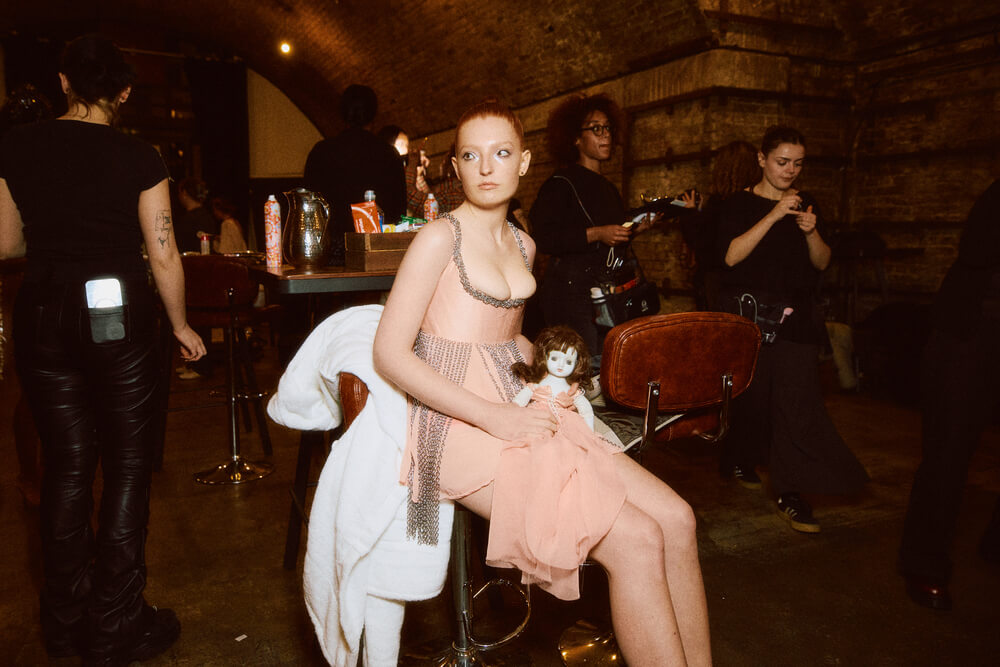
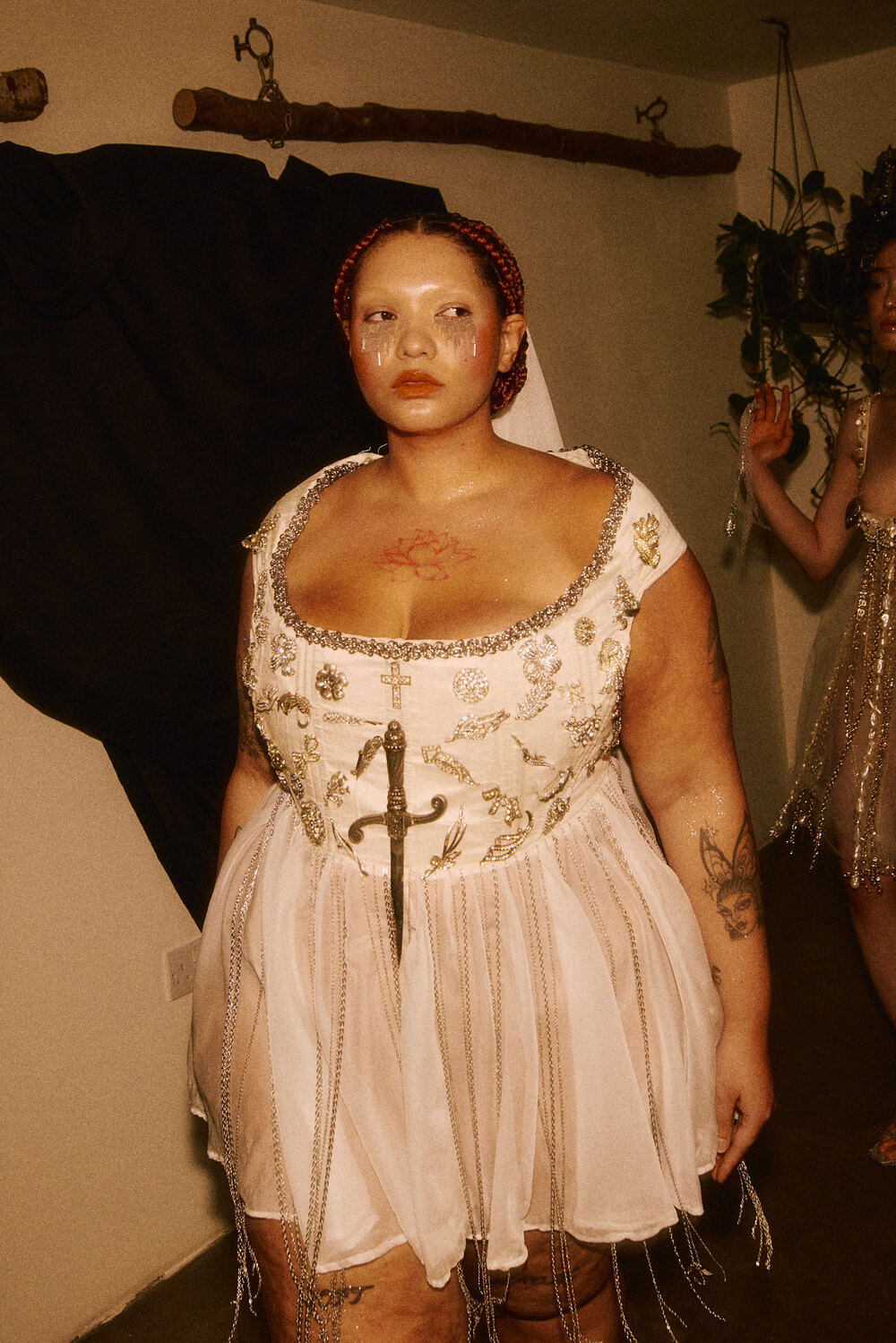
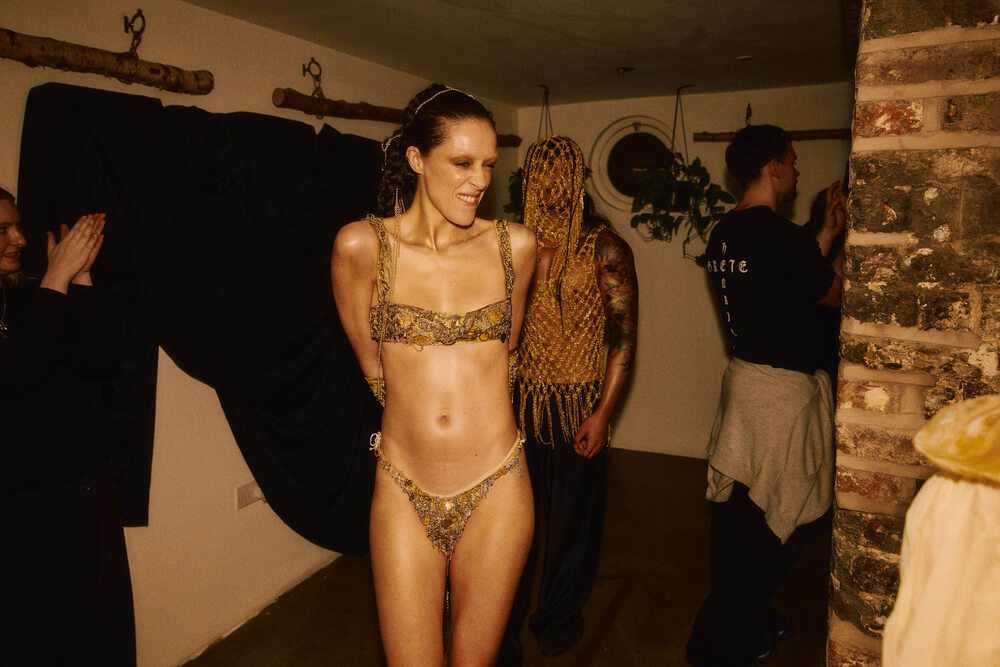
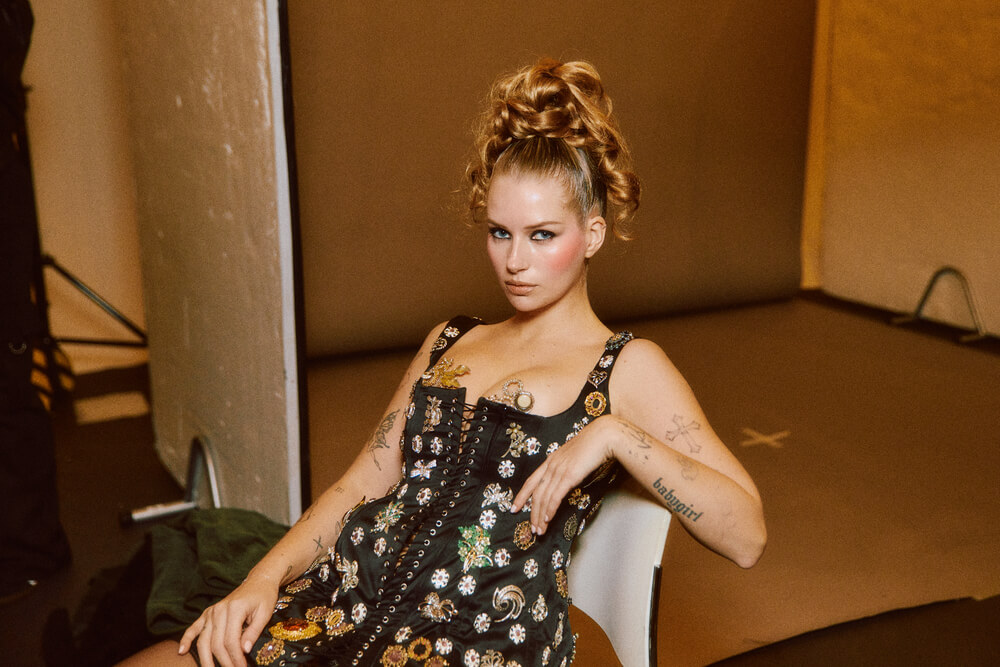
London-based designer Grete Henriette has built a reputation for designs that fuse theatricality with meticulous detail. Her work often explores themes of armour, ritual, and the body as canvas, blending historical references with a contemporary, sometimes subversive, edge. Her latest collection was presented a slow, performance-led runway where models moved deliberately through the space beneath a central sculpture resembling molten wax, which included a rare runway appearance by Lottie Moss with a front row featuring SAY NOW, Bambie Thug, and Lola Brooke.
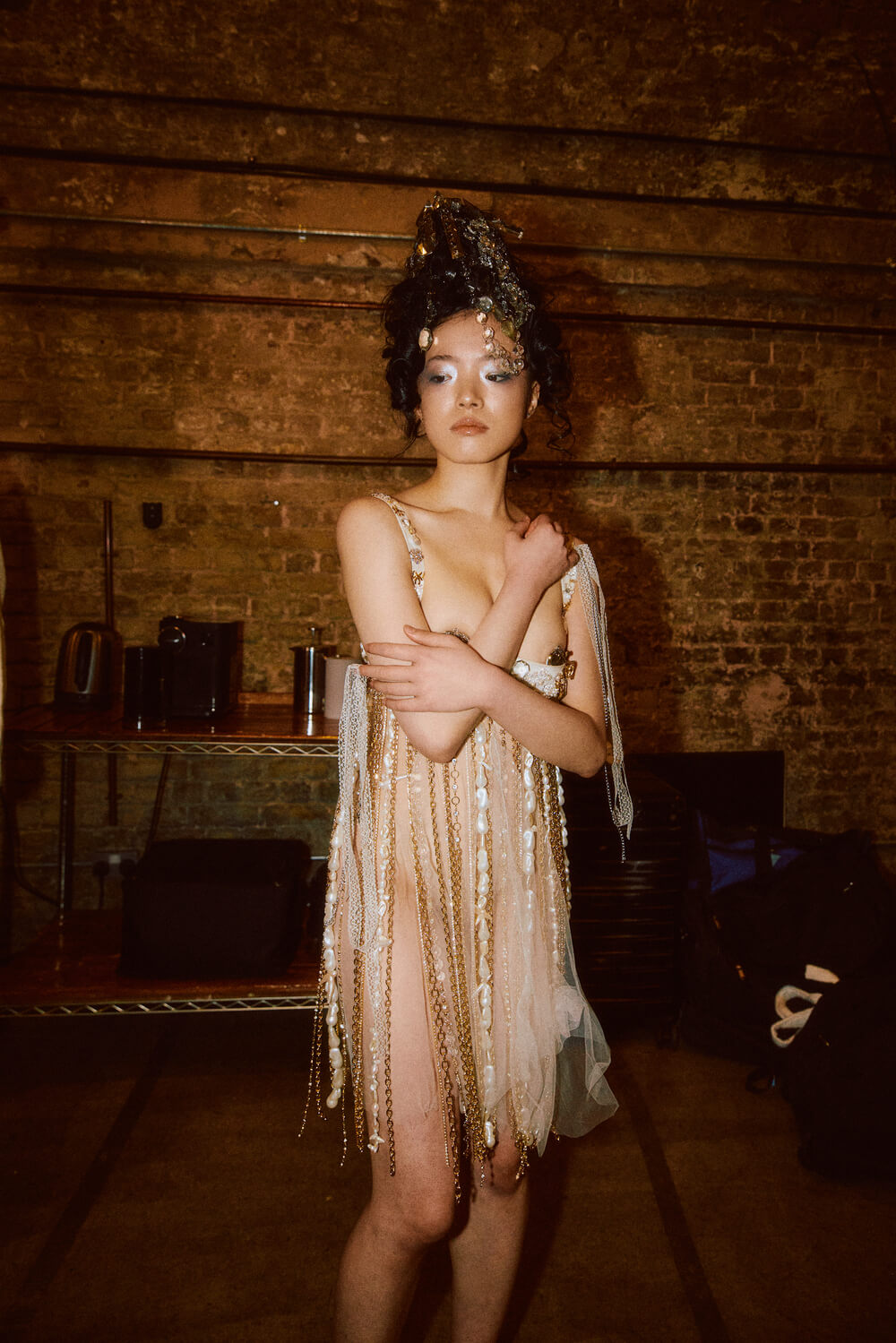
From hand-embroidered silk to antique corsetry techniques, underscoring Henriette’s commitment to craft even within a surreal, performance-driven setting. Henriette discusses with us her inspirations, what it means forging a career in the fashionscape today, and the meticulous artistry behind Hysteria.
You just showed at London Fashion Week with your collection Hysteria in Tartarus. I would like to start with what first drew you to fashion and how did your background shape the designer you are?
I’ve always used the way I dress to express myself, and have been making designs, jewelry, and small sculptures since I was very young. I come from a theatre and performance background. While studying acting, I realized my deeper interest in garment making and history of dress . I’d spend hours in the costume department exploring.
So many big designers came out of London Fashion Week from Galiano, McQueen to Jonathan Anderson. Did you feel pressure presenting in London, a city known for incubating radical designers?
Definitely. Last season I showed independently, that helped take the pressure off and gave me confidence. In another hand, I think LFW felt the safest for me to present my collection, not only do I have my support system here – I believe LFW is the most inclusive and supportive of upcoming talent. It feels exciting to be part of this new wave of young designers bringing something new and fresh to fashion. This makes me feel safe in my practice because I’m surrounded by young designers experiencing a lot of the same hardships I deal with.
There is a generational shift from the above designers to you. Did you feel fashion was always open to you, or did you have to carve out your own space within it?
To be honest, I didn’t always feel supported by the fashion industry. It’s hard! When you don’t have the support needed to break into these spaces it feels like a constant fight trying to prove yourself, but I feel pretty happy about the support systems I’ve built around me. Over the years I’ve surrounded myself with creatives who believe in me and what I contribute to this space and it feels rewarding to have these people I admire be part of my journey.
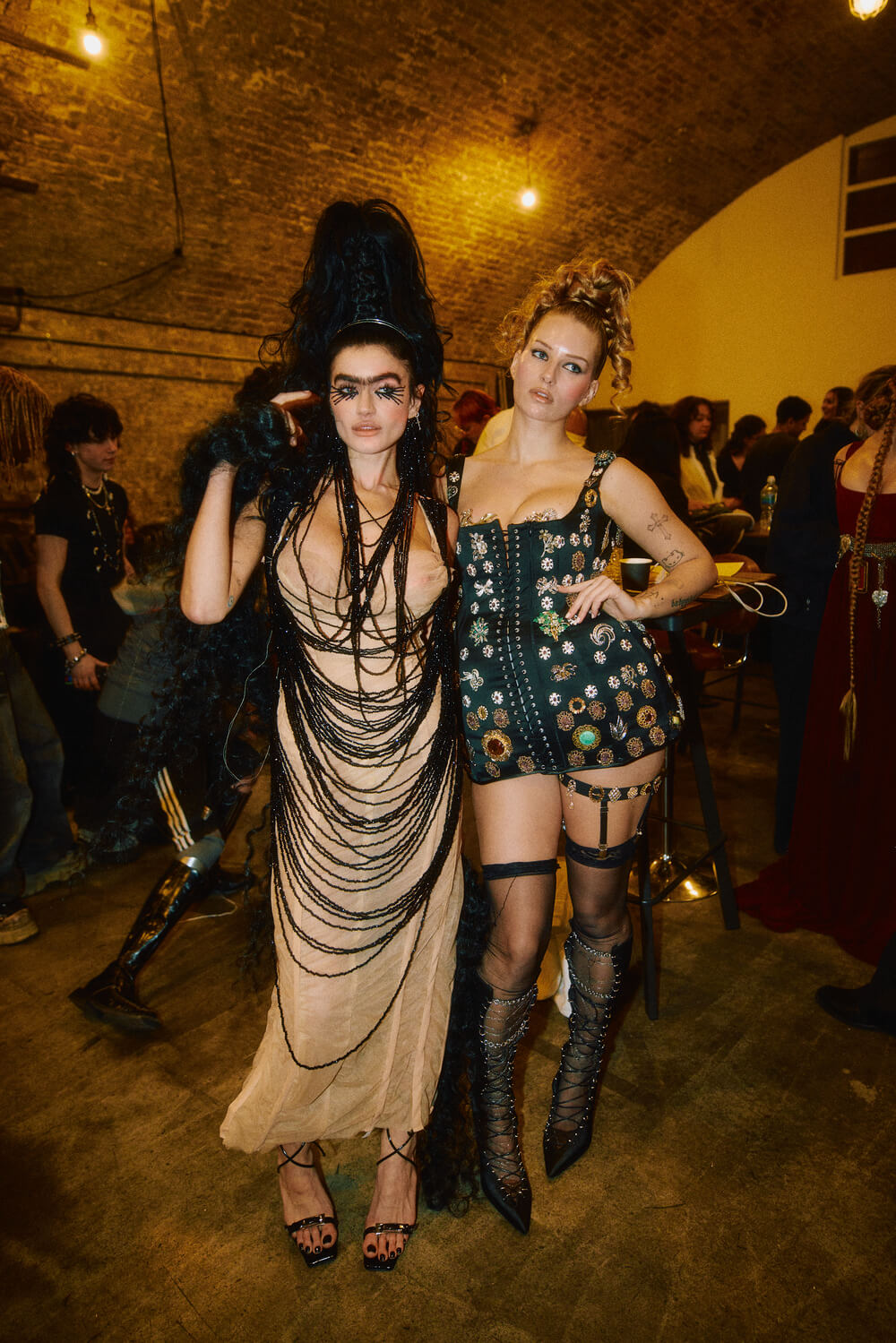
Lottie Moss walked your show, was there a particular woman, real or imagined, who anchored the collection?
A big focus of this collection was always the misfit and the unexpected. Runway shows have always included the same faces and championed the same characters over and over. That to me doesn’t feel exciting, I’m much more thrilled to see something unexpected on the runway. With Lottie specifically I think she represents a new kind of model and what I love about her is how she is unapologetically herself. She’s a powerful woman, but it was also her personality that won me over.
Do you feel the industry genuinely supports women designers, or is that narrative overstated?
I think it’s sort of ironic how an industry whose biggest consumer is women is still run by men? It’s important to acknowledge that most creative directors are white men that come from privileged backgrounds but there’s also so many inspiring women in this industry. And even though their voices might not be as loud, those are the people I choose to listen to.
What were the earliest themes or obsessions in your work that still resonate in your practice now?
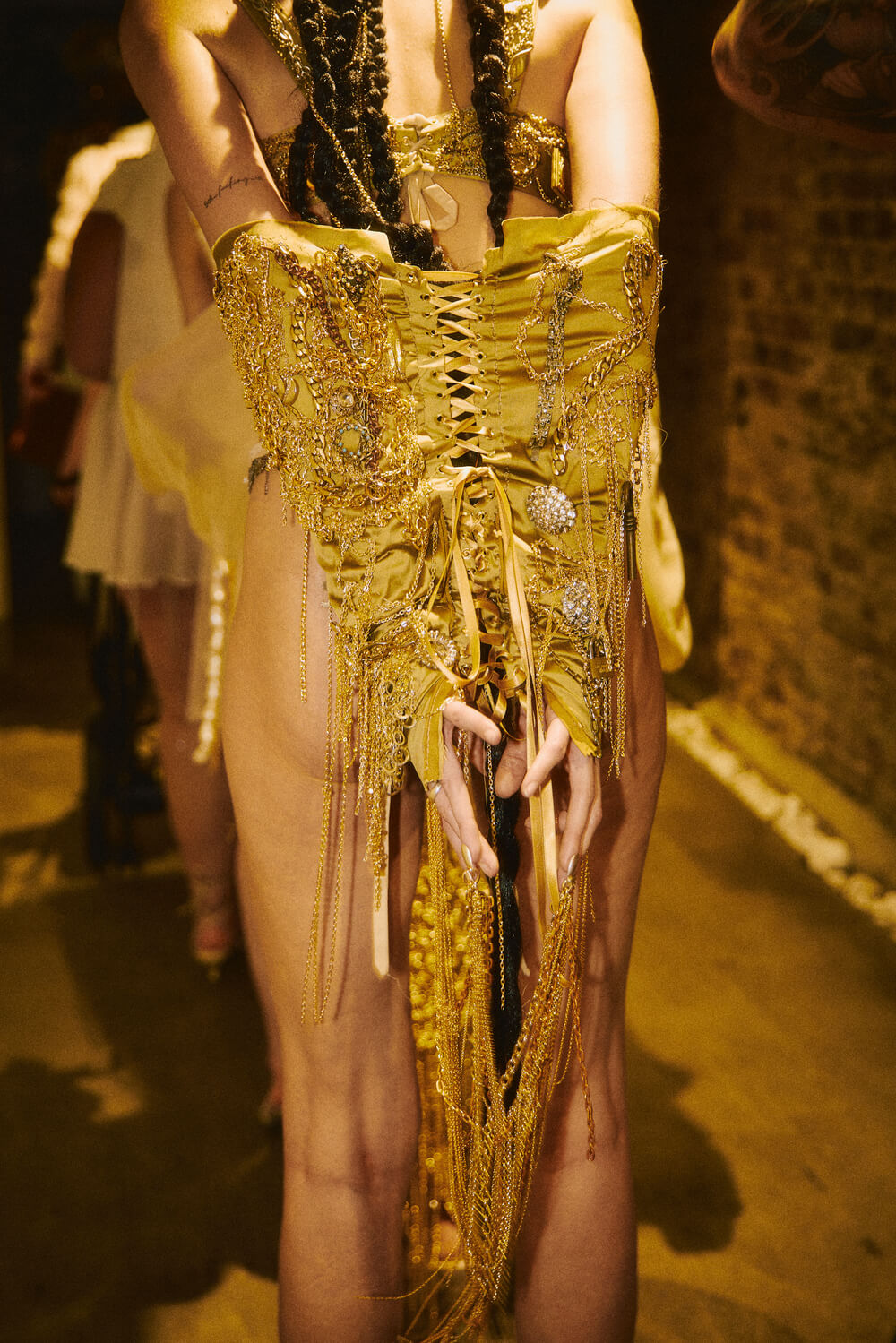
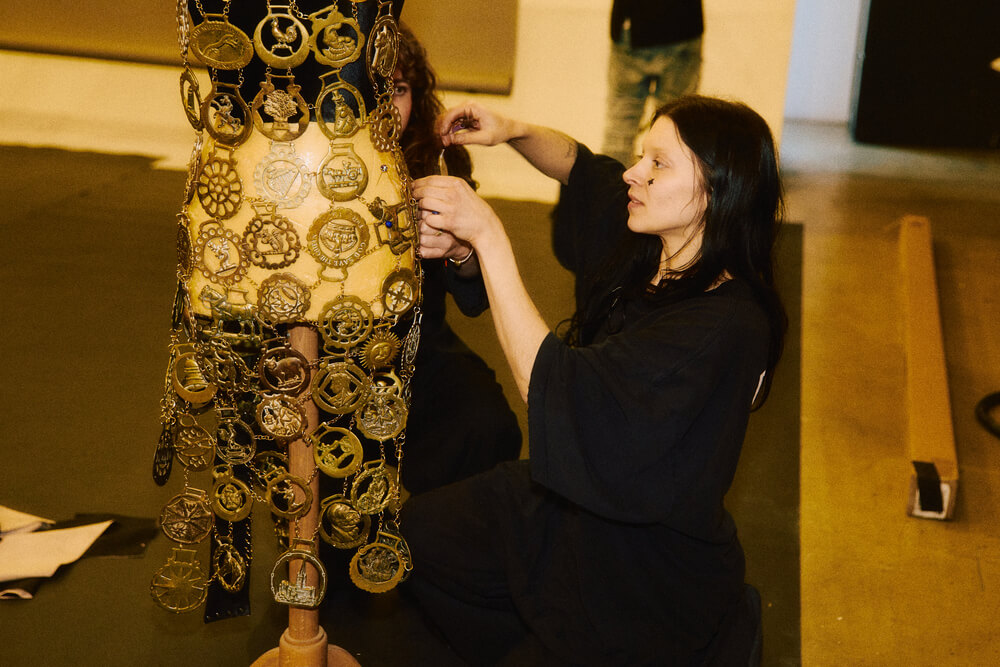
My practice has always been about materiality. I’m a collector at heart and just love trinkets! I think this has always been a huge influence in my practice and pushed me to think outside the limitations of fabric.
I love to be playful when creating and this has always kept me excited about creating again and again.
What does power dressing mean to you in 2026?
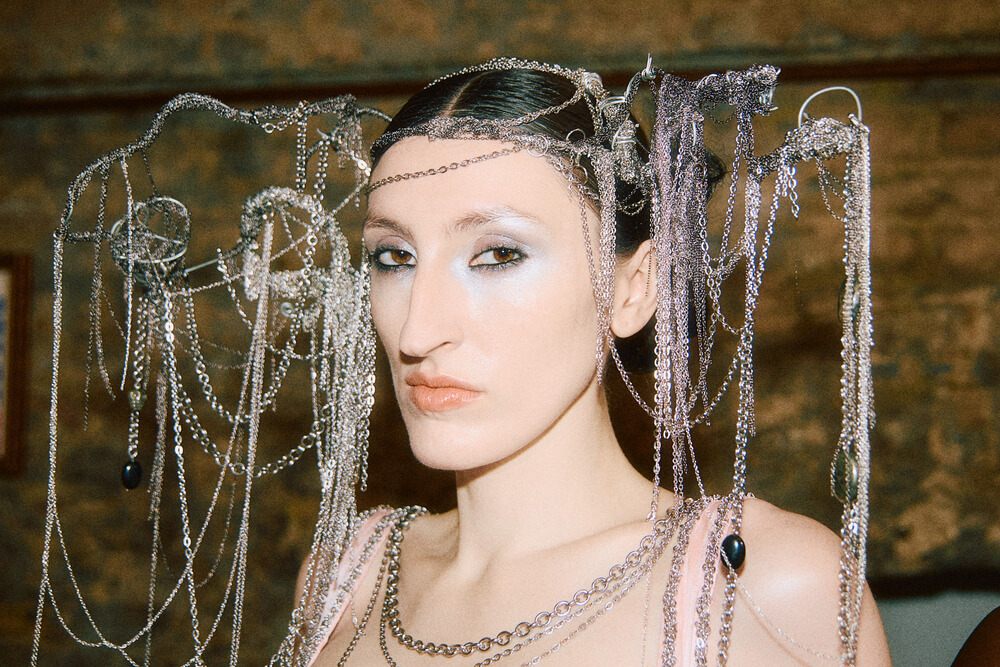
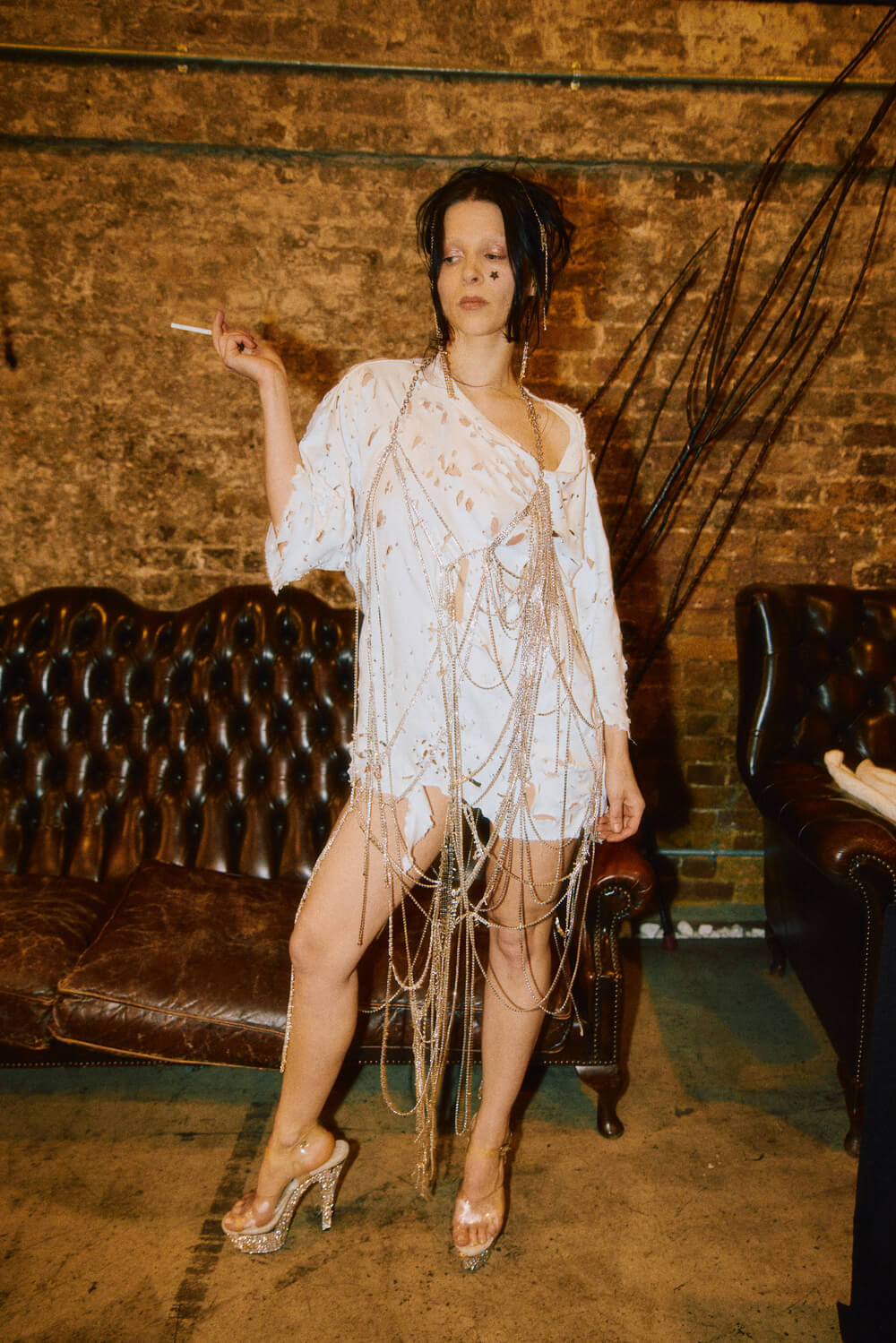
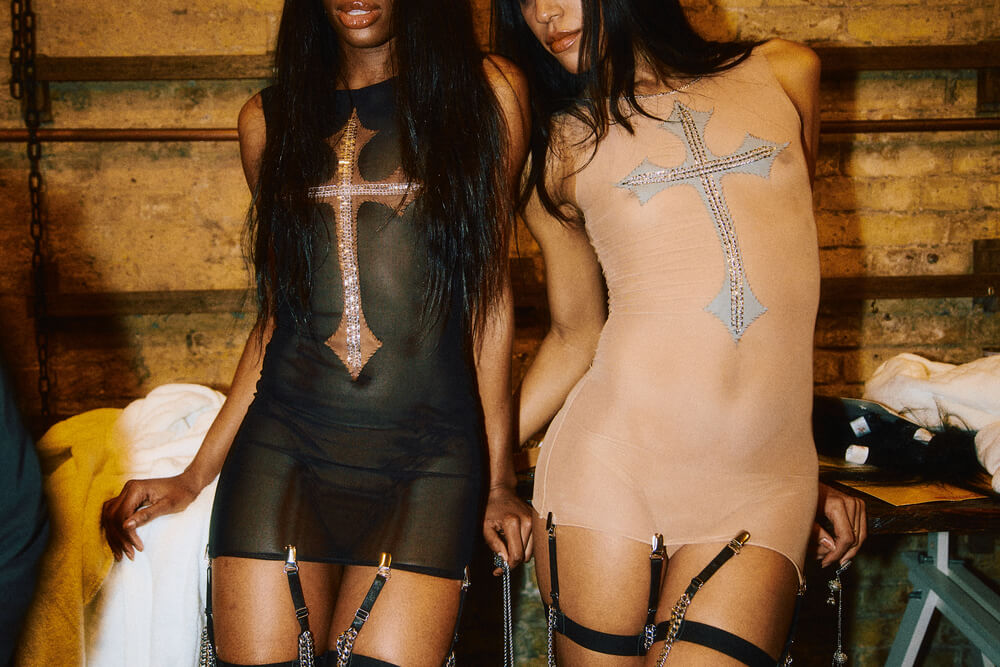
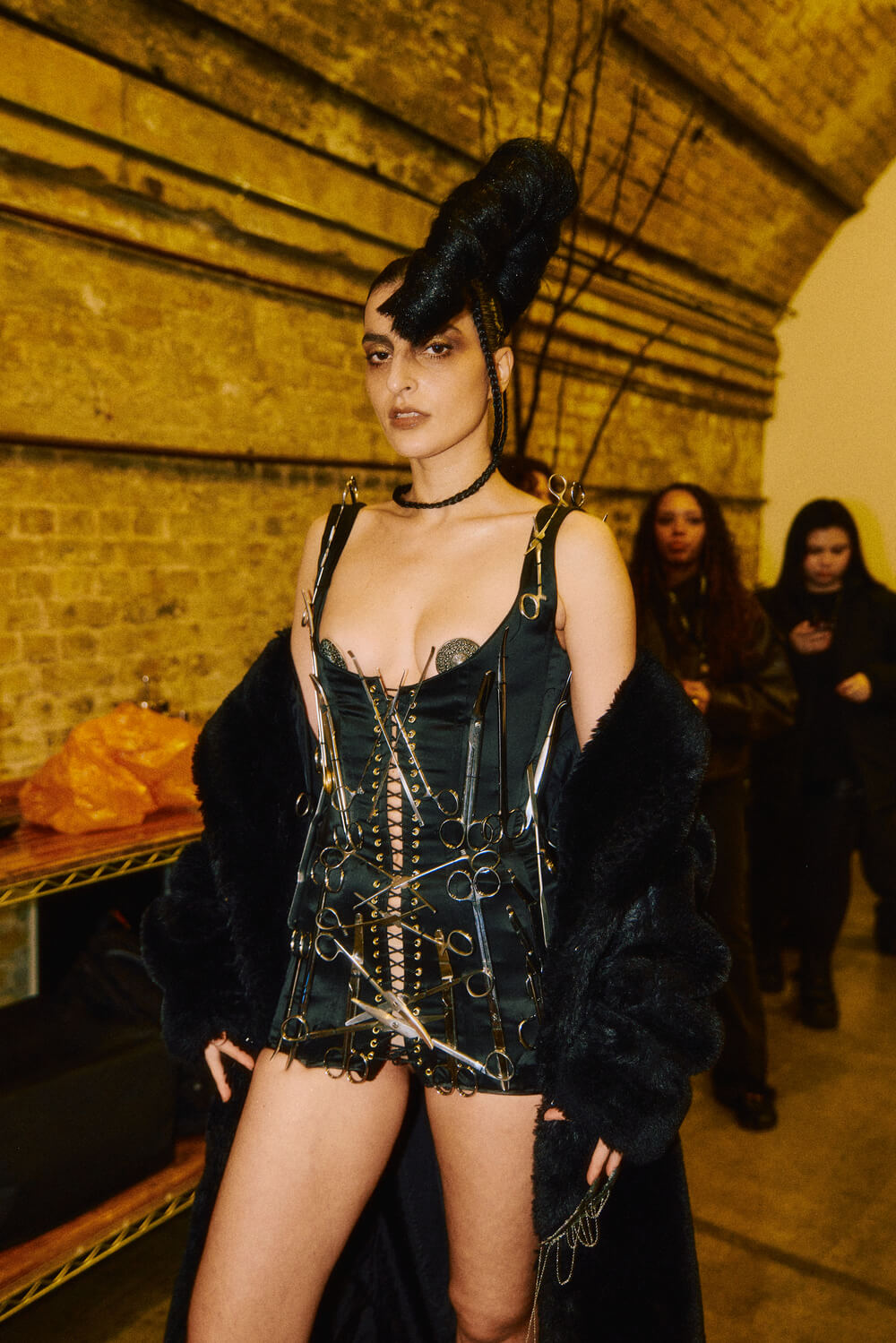
It’s all about feeling like your most confident self, right? Dressing is such an act of expression and your first introduction to the world. My collection really championed the softness of femineity but veiled through the protection of metals and chains. In a way I think my clothes work like an armour and this feels empowering to me.
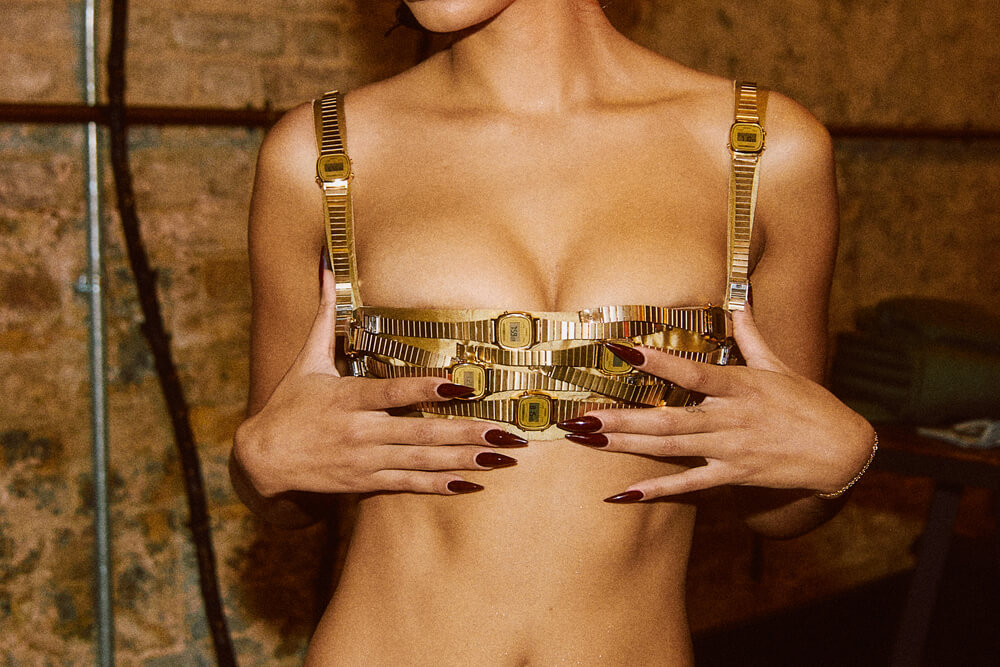
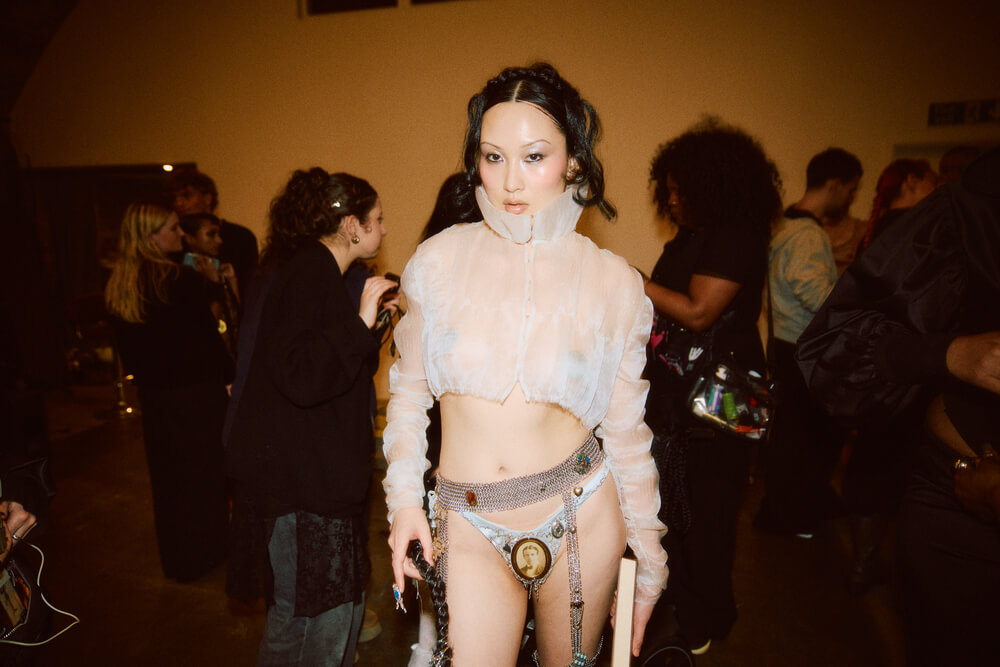
Your FW26 collection saw a Casio Vintage collaboration featuring a bra, garter belt, and stacked wrist pieces constructed entirely from Casio watches. How did the idea originate?
It was an easy collaboration to be honest. I think growing up a Casio watch was something always present – it’s such a classic and chic item and we’re all familiar with it. I wanted to take this familiarity and transform it through my lens. How do I want to see women wear a Casio watch in 2026? That was the question I asked myself and from there we landed on look 15.
Why lingerie as the format for this collaboration?
A watch on the wrist feels so inherently masculine to me, but a Casio watch is much more dainty and delicate. I think this juxtaposition served to inform the direction of my design. Lingerie feels sexy and seductive and I don’t think this is what a wrist watch represents. For me it was really about combining two opposing ideas and bringing them together to a design that felt inherently me.
Finally, if someone were to trace a line from your student work to this FW26 moment, what thread has remained unbroken?
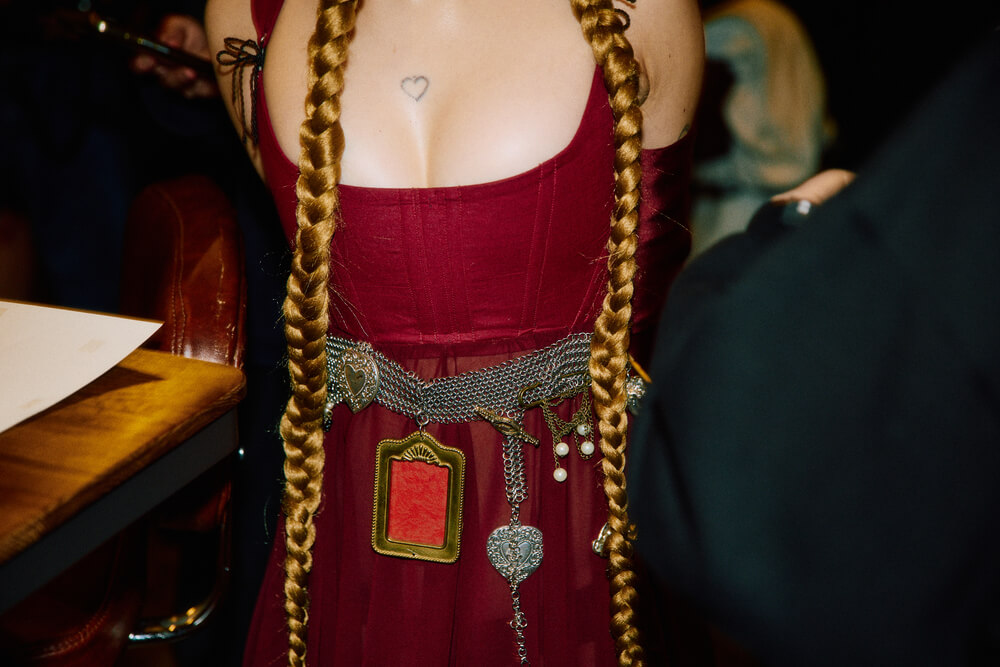
It’s the chainmail, for sure. The process is so meditative to me and I really enjoy losing myself in the linking of metal hoops. My favourite part has been to discover new ways to interpret this material and watch it evolve since my days as a student. I think student Grete would be proud.
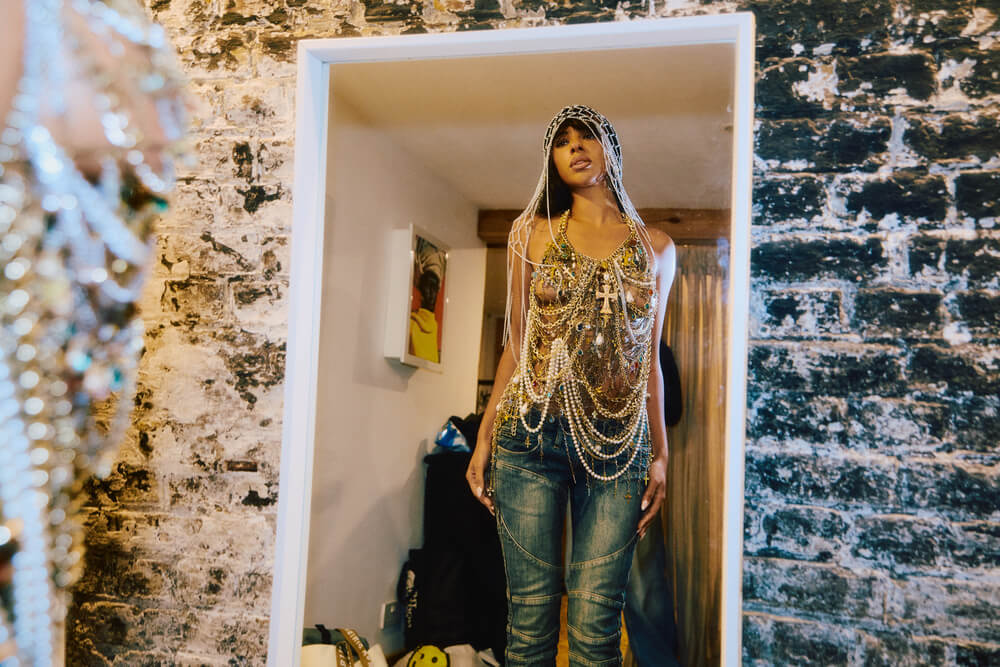
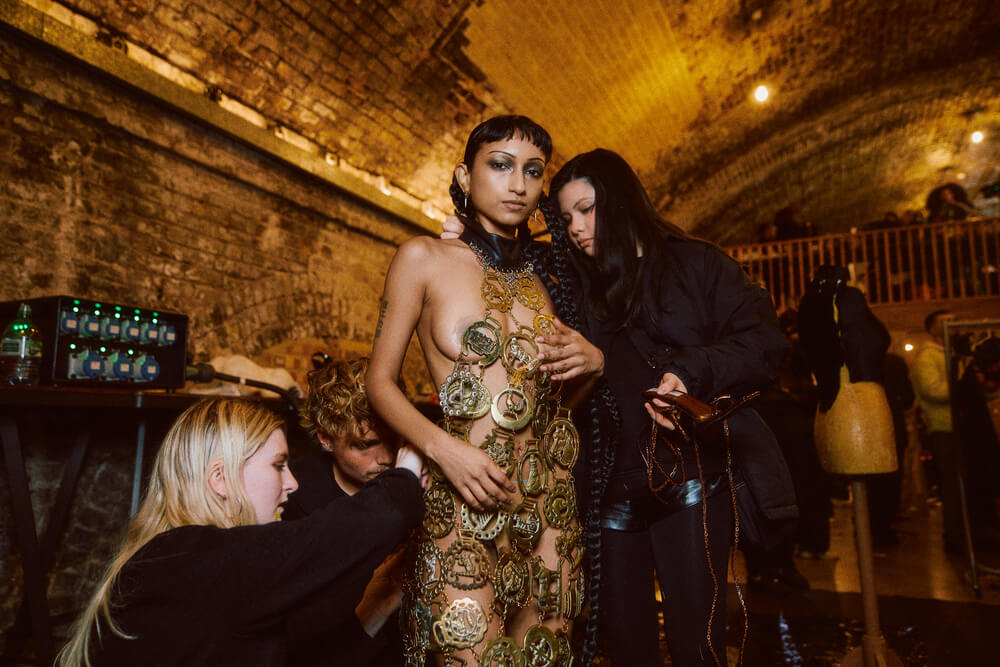
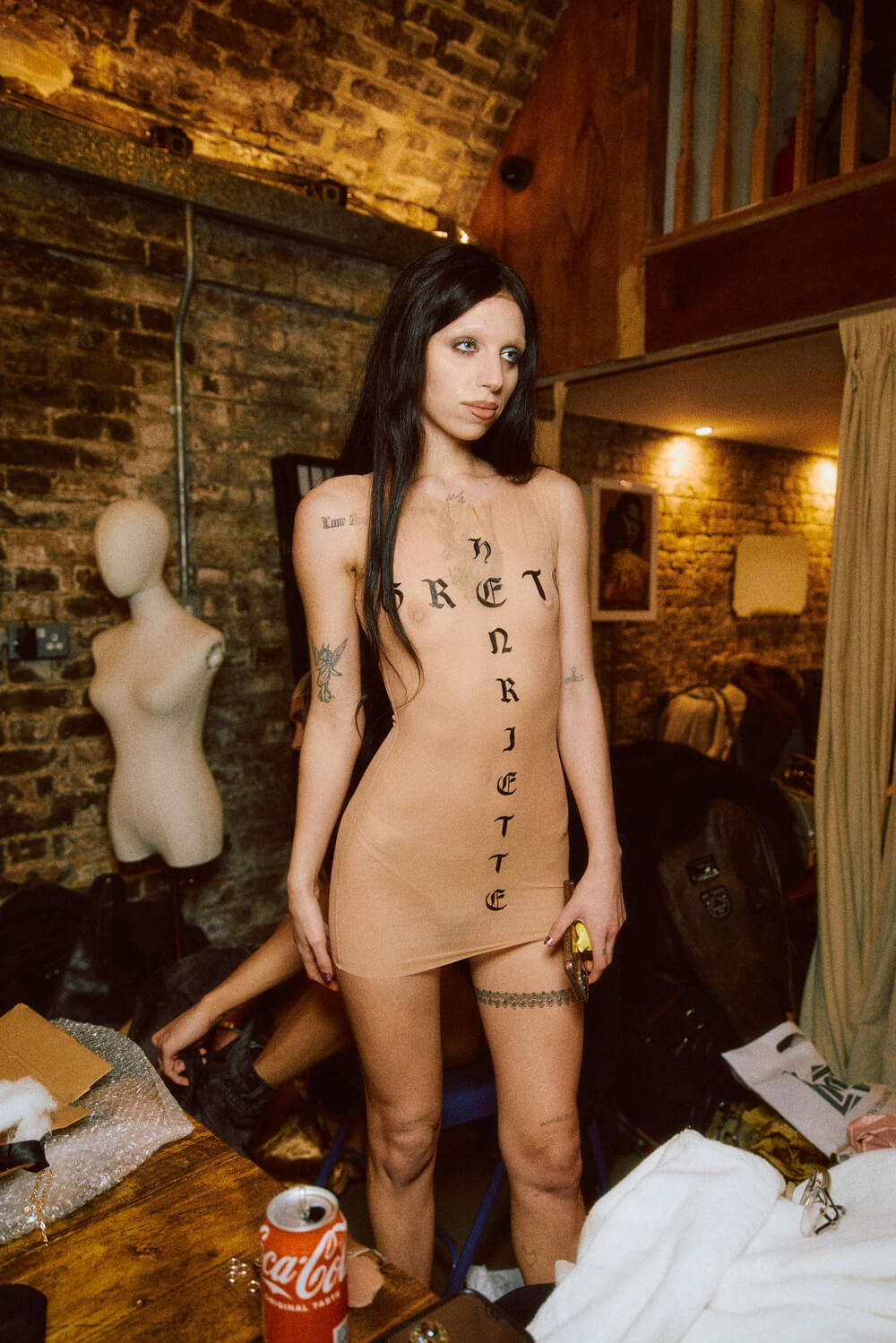
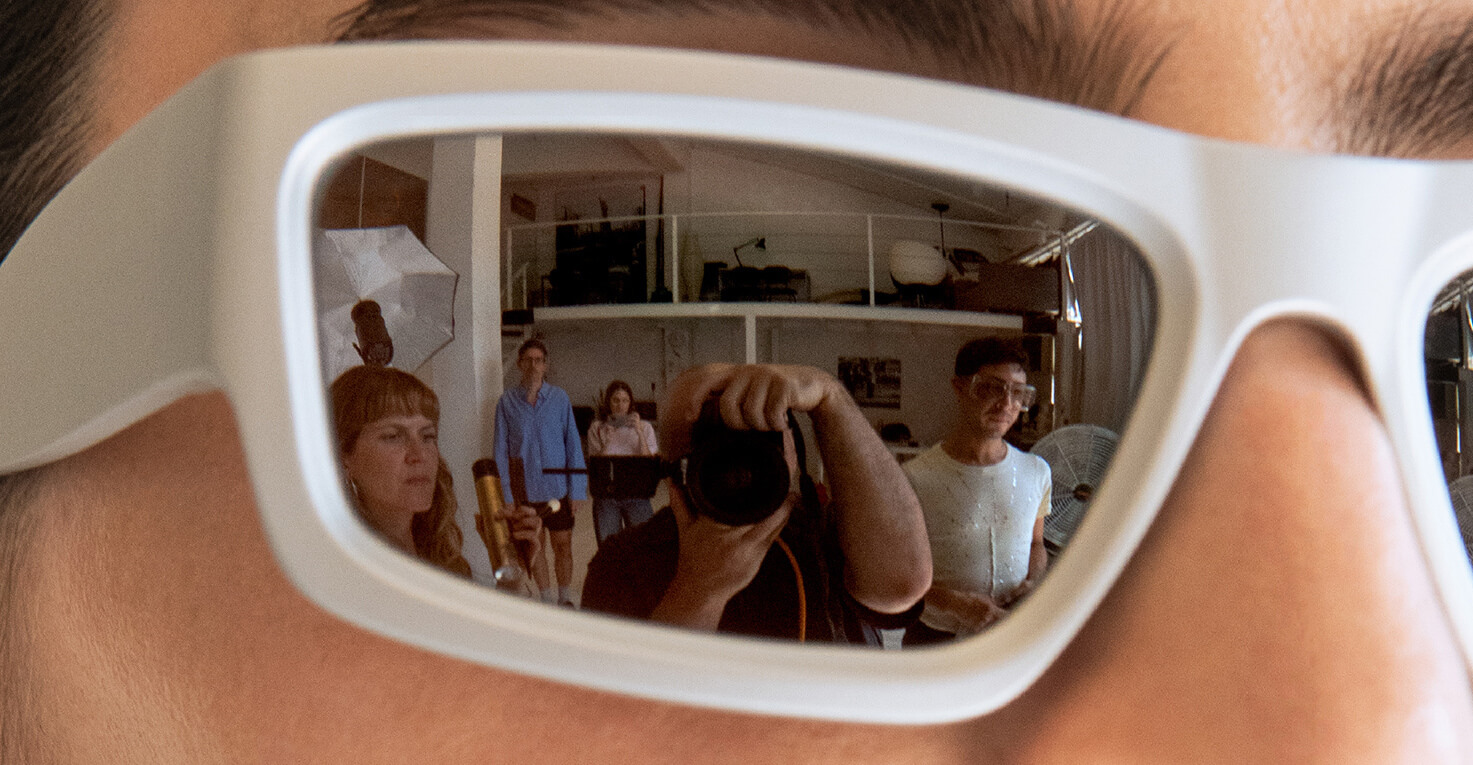
Backstage photography by Ravin Shanmugarajan