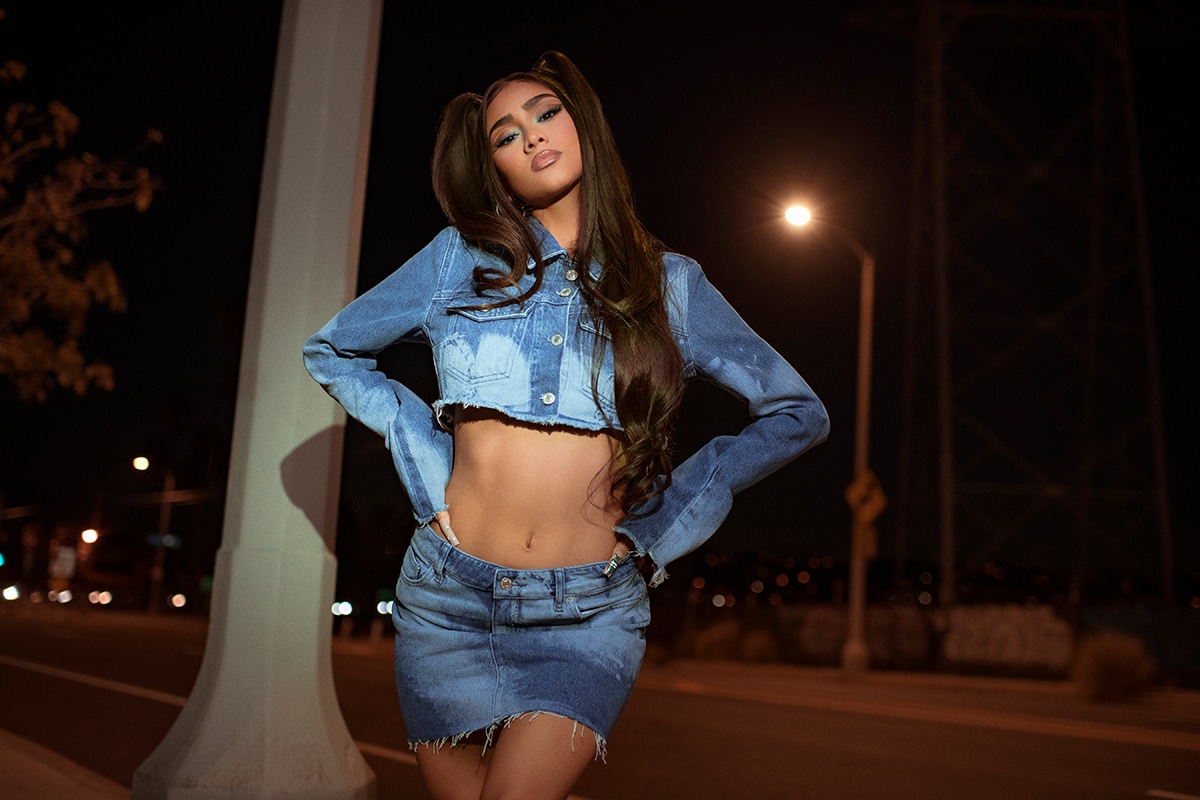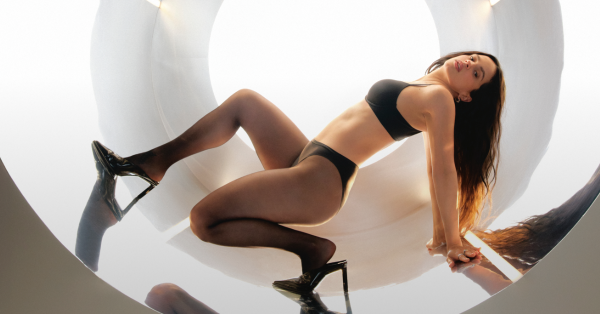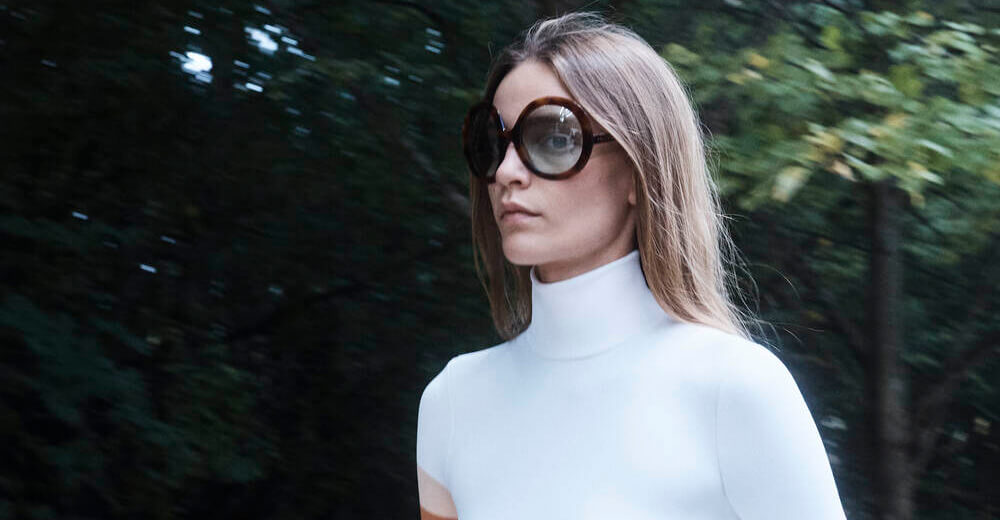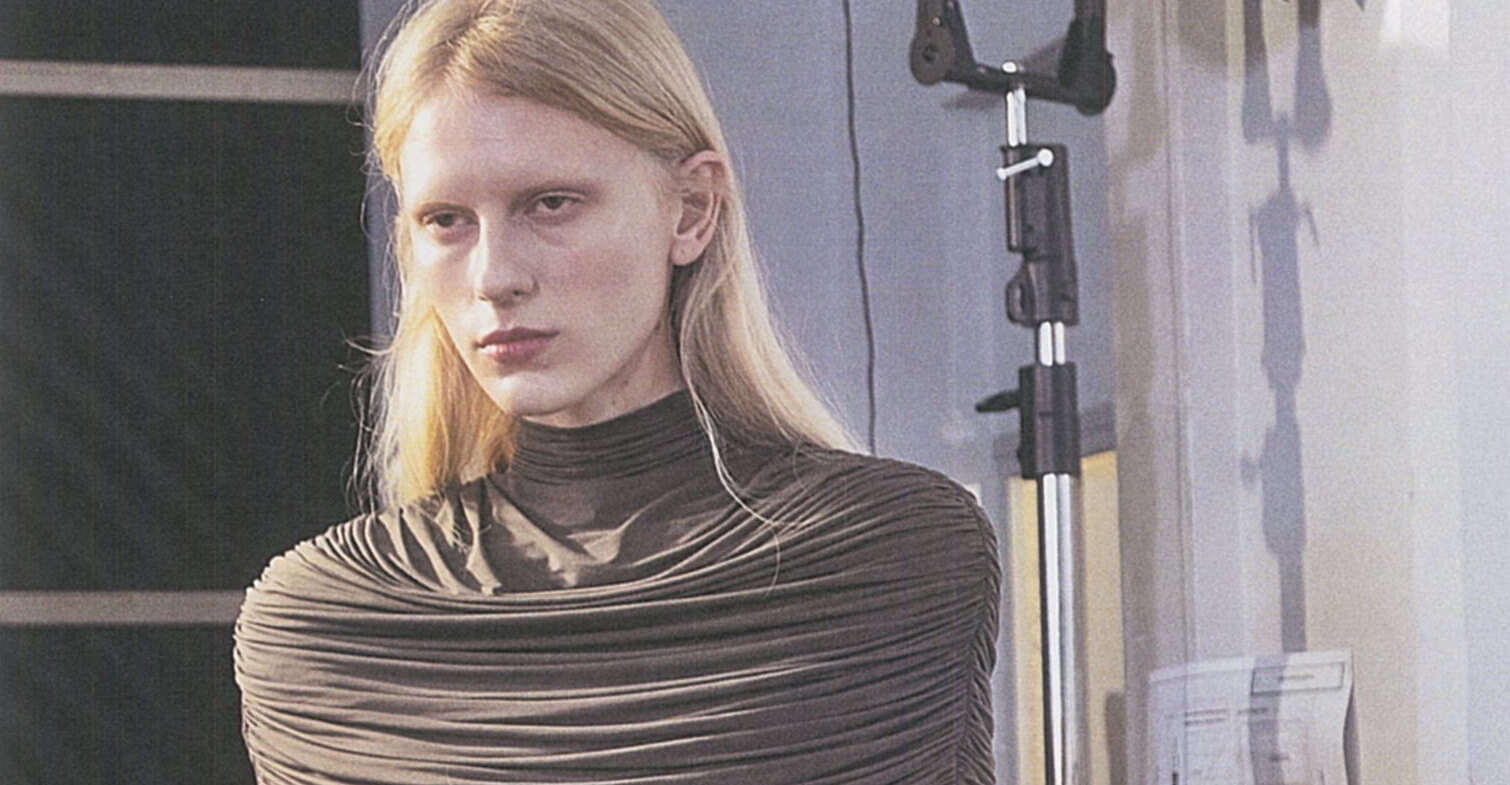
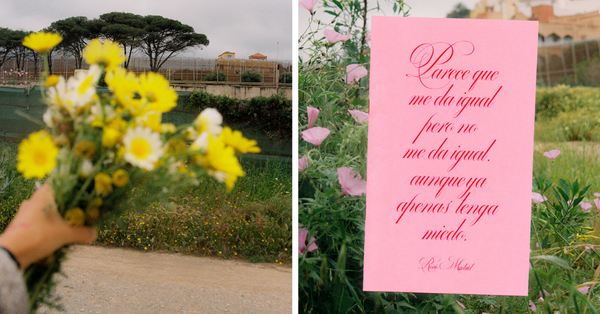
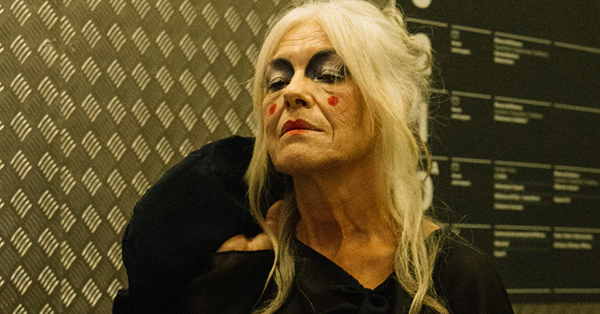
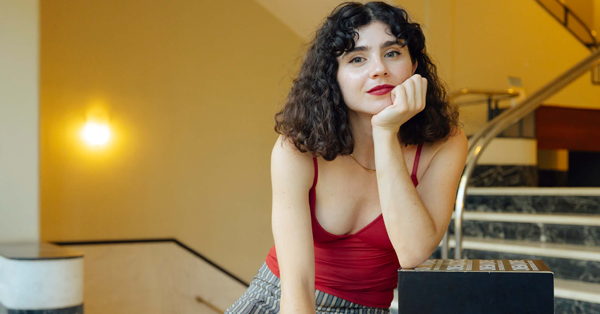
A conversation with Charlotte Cardin. On Take Me Back, the Canadian singer-songwriter looks to the past with clarity, transforming memory, longing, and growth into something beautifully cinematic.
More than a decade ago, I met Charlotte Cardin in a bar called Le Savy, tucked away in Paris’s elegant 8th arrondissement. She was drinking white wine, sharing a bowl of chips, and giving one of her first interviews in France. Neither of us was French, yet I remember feeling that we were connected by something quintessentially Parisian: a shared appreciation for the French art de vivre. The conversation was easy, warm, and genuine. It was one of those simple moments that stay with you long after they are gone.
At the time, Charlotte was a promising young artist still finding her voice. Today, she is one of Canada’s most successful musical exports and one of the most admired artists on the Francophone music scene. Her acclaimed album 99 Nightscemented her place among the most compelling singer-songwriters of her generation, captivating audiences with its honesty, elegance, and emotional depth. More than ten years later, she is entering an exciting new chapter. Back in the studio and preparing the release of a new album later this year, she continues to evolve while remaining true to the qualities that first set her apart: vulnerability, sophistication, and authenticity.
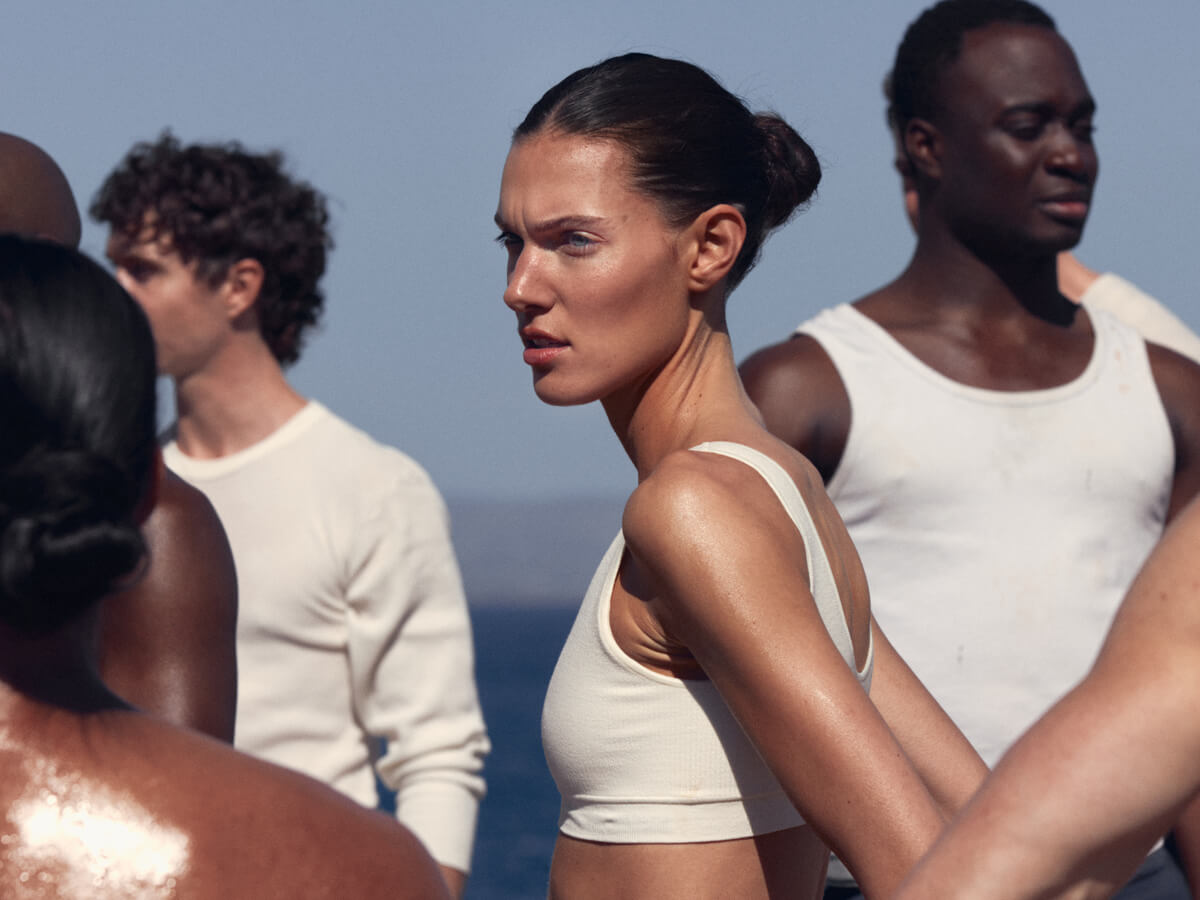
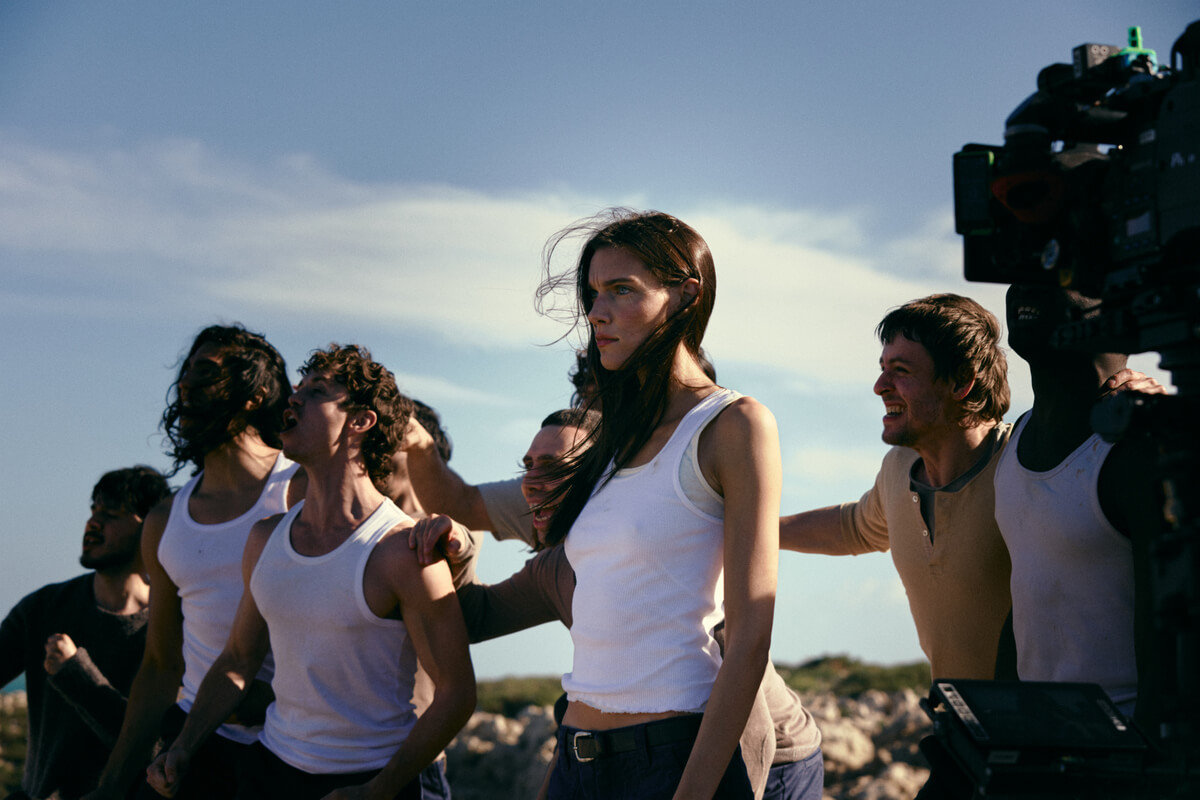
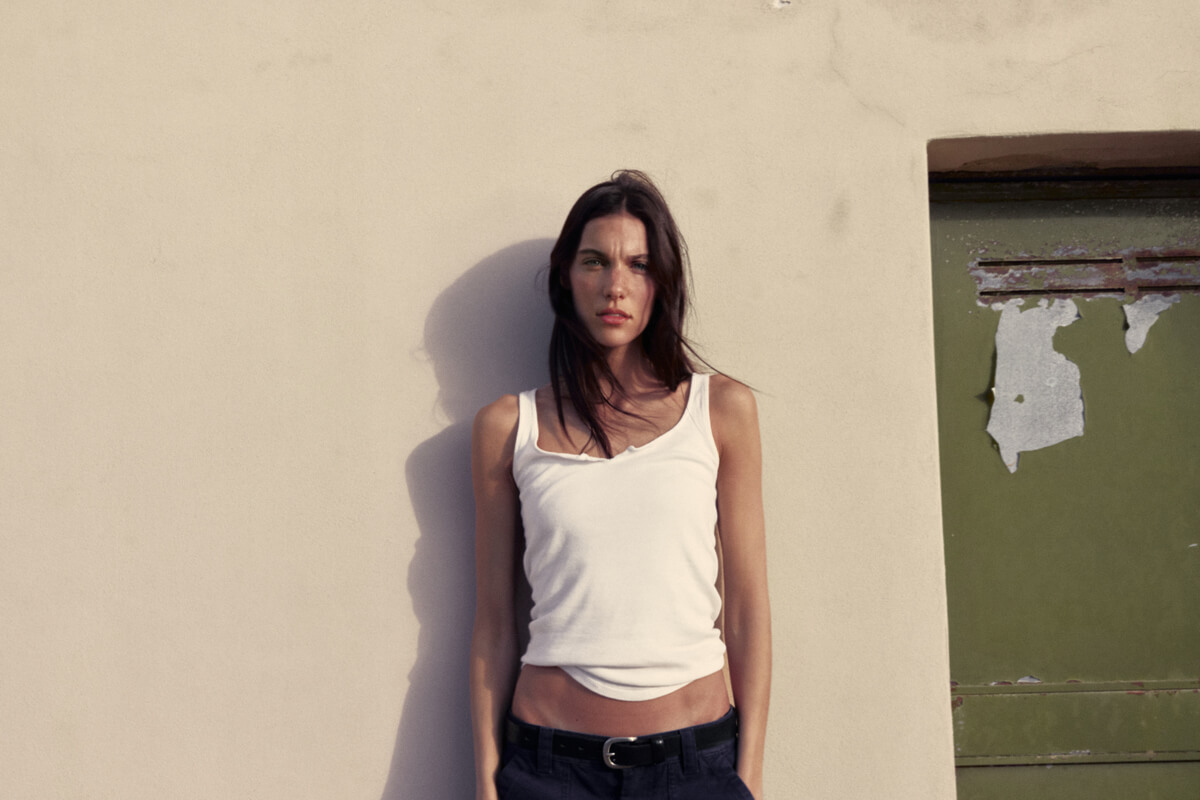
We caught up with Charlotte on the occasion of the release of her new single, Take Me Back, accompanied by a beautifully cinematic video directed by Vincent René-Lortie that perfectly captures the song’s nostalgic spirit and emotional intensity. The track offers another glimpse into the next phase of her artistic journey, blending her signature elegance with a renewed sense of freedom and self-discovery. What strikes me most, however, is that beyond the success, the sold-out venues, and the millions of listeners, Charlotte has retained something precious: a rare sincerity. The young woman I met in that Parisian bar has become a major artist, yet she still carries the same warmth and grace that made that first encounter so memorable.
It’s been a long time since we last met, back then, you hadn’t even released your first album yet. Since then, so much has happened in both your life and your career. Your music has become hugely successful in France, and your songs have resonated with a wide audience. How do you handle this level of success?
As you mentioned, I’ve been releasing music for many years now, and throughout that journey I’ve had the opportunity to connect with audiences in different markets and build my fanbase organically. Over time, I’ve also grown as a songwriter and learned to develop my sound.
When my song Feel Good started getting significant airplay on French radio, I felt ready for that moment. I felt mature enough, both personally and artistically, for my music to reach a larger audience because those connections had been built gradually over the years.
I’m constantly learning about the music industry, about my art, and about myself as an artist. I’m grateful that my music is reaching more people, and it’s incredibly rewarding to see so many years of hard work paying off in such a beautiful way.
Many artists feel a certain amount of pressure when they experience a sudden rise in popularity. Do you feel that kind of pressure now that your music is reaching a much wider audience?
I think about it from time to time, but honestly, my audience gives me a great deal of creative freedom. They understand when I want to explore new ideas or experiment with different sounds, and they genuinely support that side of me. That’s something I’m incredibly grateful for.
I don’t feel that the success of Feel Good has added any pressure. If anything, it has taken some pressure off because people connected with the song so naturally and authentically. It motivates me to keep enjoying the creative process and to continue making music that feels honest and true to who I am as an artist.
Paris and France have become an important part of your life. I remember that the last time we met, you told me how important it was for you to learn about and understand French culture. In what ways has France influenced you as an artist?
Paris is an endless source of inspiration. Even something as simple as walking from my apartment to a café can spark new ideas. I see beautiful people, unfamiliar faces, stunning architecture, there’s inspiration everywhere you look.
I’ve also always been a fan of French music. I grew up listening to artists such as Joe Dassin and Charles Aznavour, and later I discovered Daft Punk and the whole French Touch movement. Living in Paris has had a profound impact on my artistic journey. It has influenced both my creative life and the way I approach making music today.
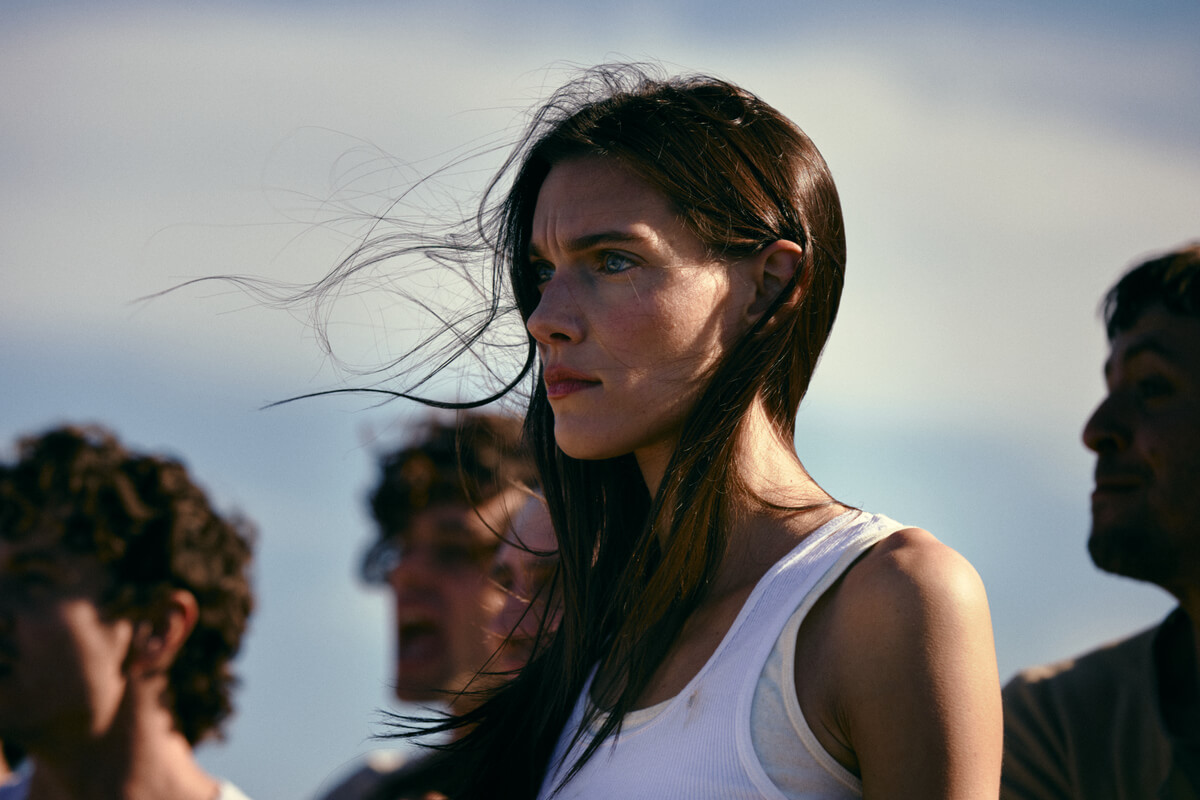
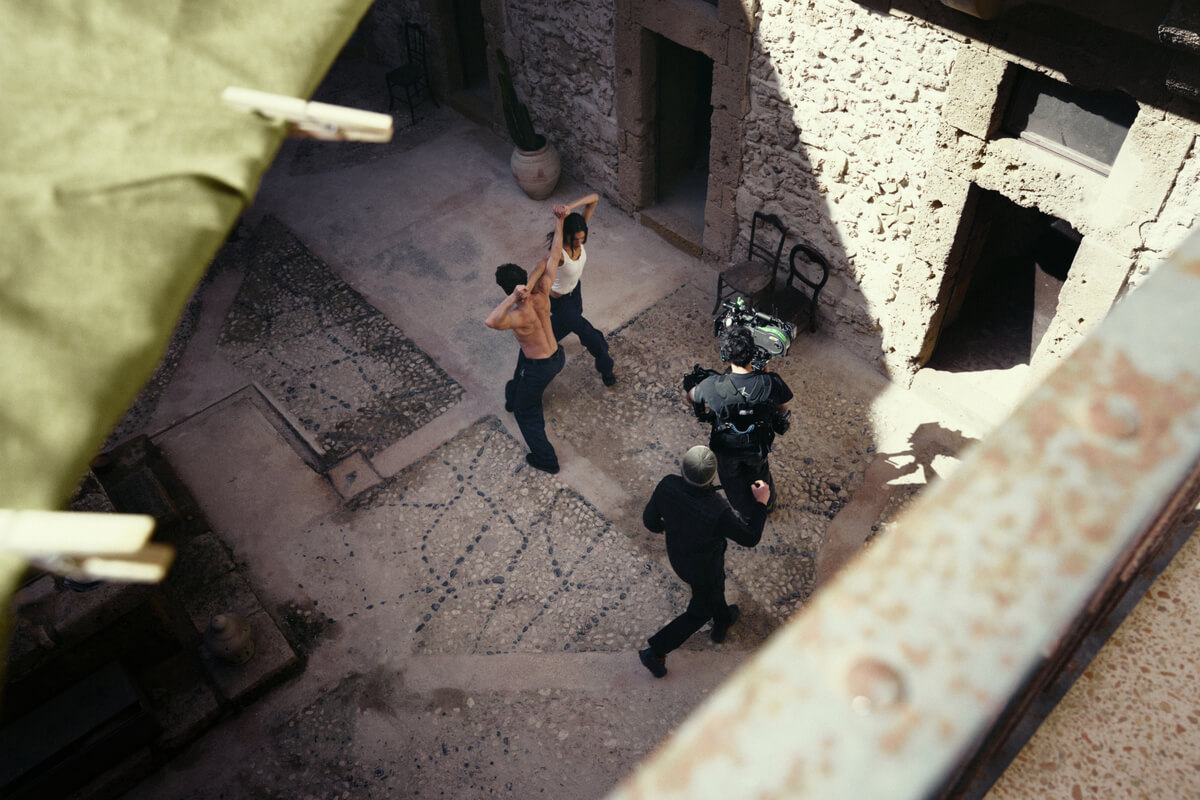
One thing that stands out about your recent work is its strong visual storytelling. At a time when content is often consumed in short, fast-paced formats on social media, you’ve chosen a more cinematic approach. How important are cinema and visual storytelling in your creative process?
When I was writing the music for this album, I wanted to explore storytelling in a different way. Growing up, I was a huge fan of long-form music videos and artists who created entire visual worlds around their music. I’ve always loved the idea that visuals can deepen the meaning of a song and add another layer to the experience.
Social media often gives people just one perspective on an artist, but I wanted to go further than that. That’s why we created these visual pieces and short films around the songs. They allowed me to tell stories in a richer, more immersive way and build a stronger emotional connection with the music.
For my previous album, 99 Nights, we didn’t make traditional music videos. Instead, we created a series of visualizers that complemented the songs and captured the spirit of the project. With this album, I wanted to push that visual storytelling even further and create something more cinematic and narrative-driven.
This upcoming album feels quite different from your previous work. How did the creative process compare to that of your first album?
Finishing my first album and then taking it on tour was an incredible experience. After that chapter came to an end, I spent a lot of time reflecting on what I wanted the next one to look like and where I wanted to go creatively.
The process of making this album was much more gradual. We would work intensely for a few weeks, then step away from it and come back later with fresh perspectives. That rhythm gave me the opportunity to live, gather new experiences, and write from a different place emotionally and creatively. As a result, the songs had more time to breathe, evolve, and find their final form.
I still love the idea of disappearing into the countryside for a few months and making an album from start to finish in one focused stretch, and maybe I’ll do that one day. But for this project, I really enjoyed the slower pace. In many ways, the album became a reflection of everything I’ve experienced and learned over the past few years.
Dance has become a much more prominent part of your performances and visual projects. What does it bring to your artistic expression?
I was dancing long before I started performing music professionally, so movement has always been an important part of how I express myself. It offers a different way of telling stories and communicating emotions that words sometimes can’t fully capture.
For songs like Tant Pis Pour Elle, dance gave me a whole new vocabulary to explore and express certain feelings. It’s been incredibly rewarding to reconnect with that side of myself and incorporate more physical expression into my work. I love the way movement can add another layer of meaning to a song and create a deeper emotional connection with the audience.
Céline Dion has announced a remarkable comeback. There have been rumours that her team reached out to you about writing songs for her. How do you feel about that?
Yes, there were some conversations, but I’m not sure it ultimately worked out because I may not have been heading in the exact musical direction they were looking for at the time.
That said, I’m a huge fan of Céline Dion, and I’m incredibly happy to see her back. In fact, I already have tickets to see her perform.
She has been a major source of inspiration throughout my life. She’s had such a profound influence on me as an artist. Collaborating with Céline would honestly be a dream come true, and I would be honoured to have the opportunity one day.
One last question. I know you’re a wine lover, what’s your favorite place in Paris to enjoy a good glass of wine?
I would definitely say Le Dauphin. One of my friends is the sommelier there, and it’s a place I always enjoy going back to. The wine selection is fantastic, and the food is absolutely incredible. It’s one of my favorite spots in Paris.
Images by Aime-Elle @aime.elleee
Follow us @veinmagazine