
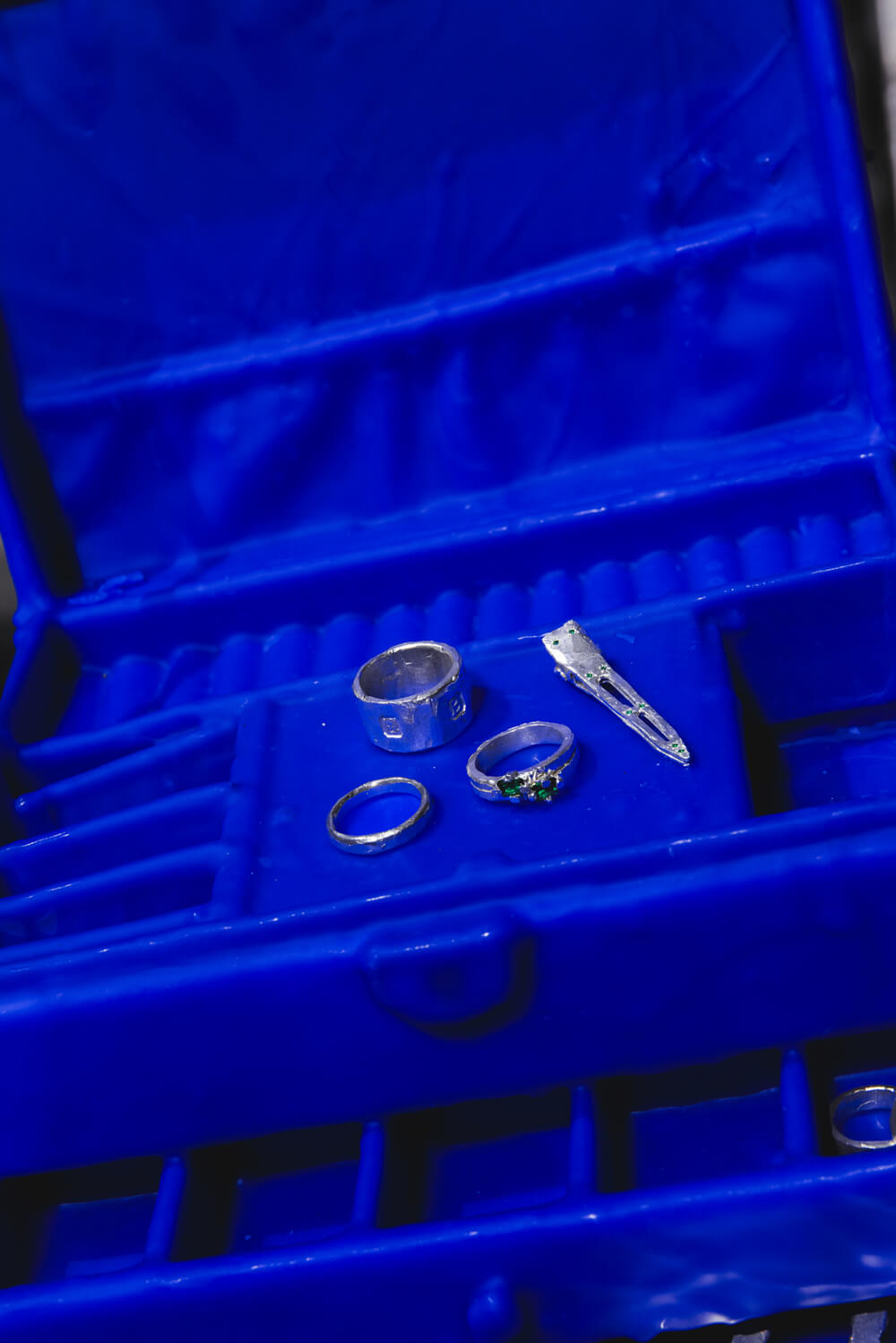
There is something strange about jewellery that looks as though it has already lived a life. In a market obsessed with perfection, polish and the promise of something new, The Ouze seems more interested in what happens when things begin to show their age. Rings are left rough, stones refuse to conform, and fingerprints become part of the final design. Founded by Toby Vernon, the London-based studio has built its identity around the beauty of imperfection, treating precious metals less as symbols of status than as materials to experiment with.
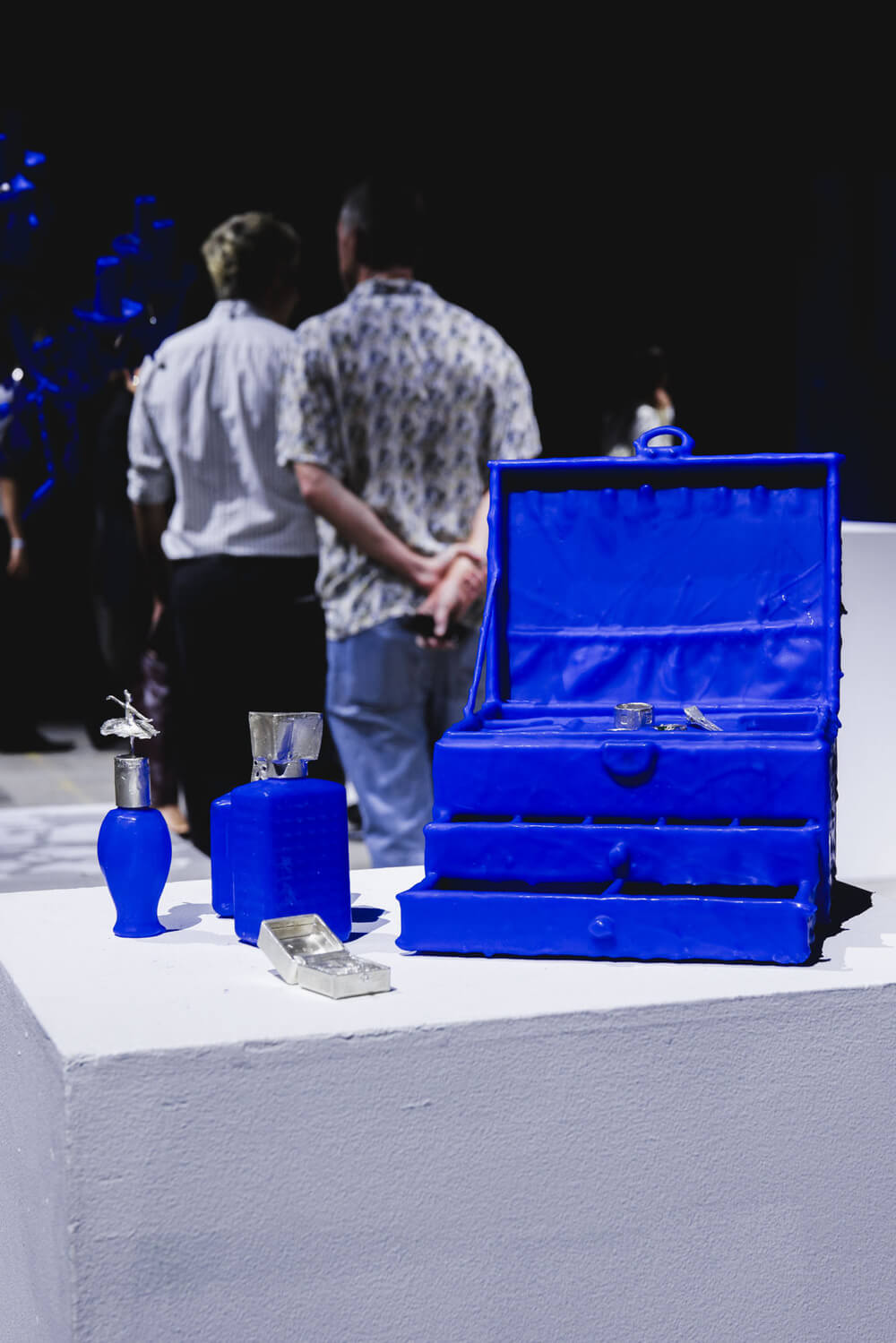
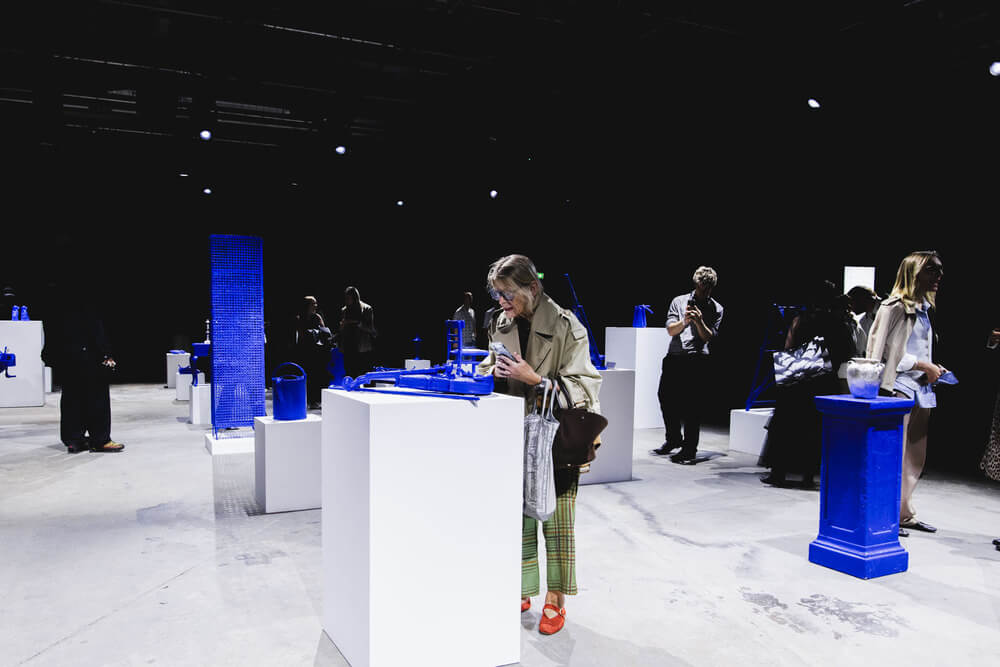
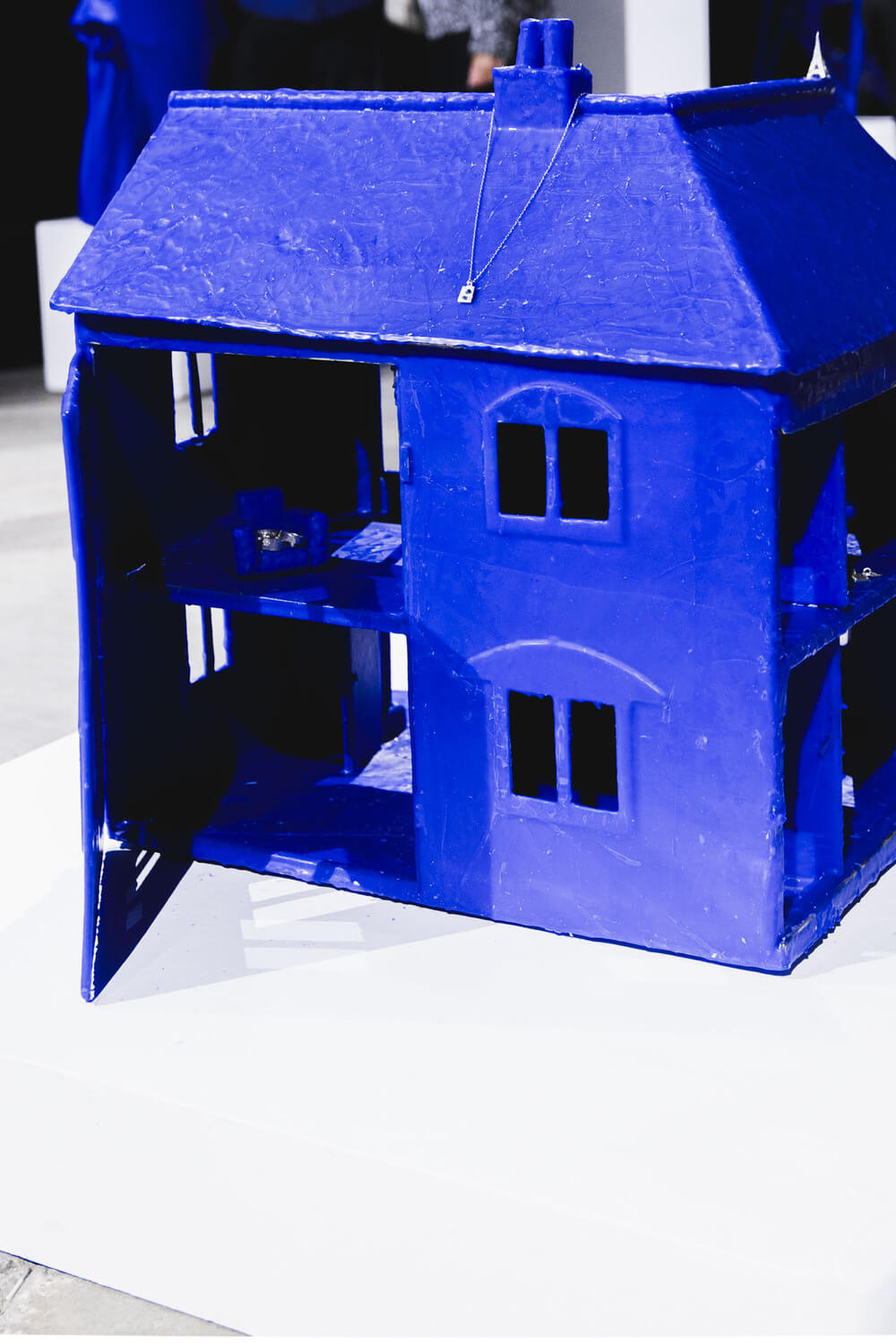
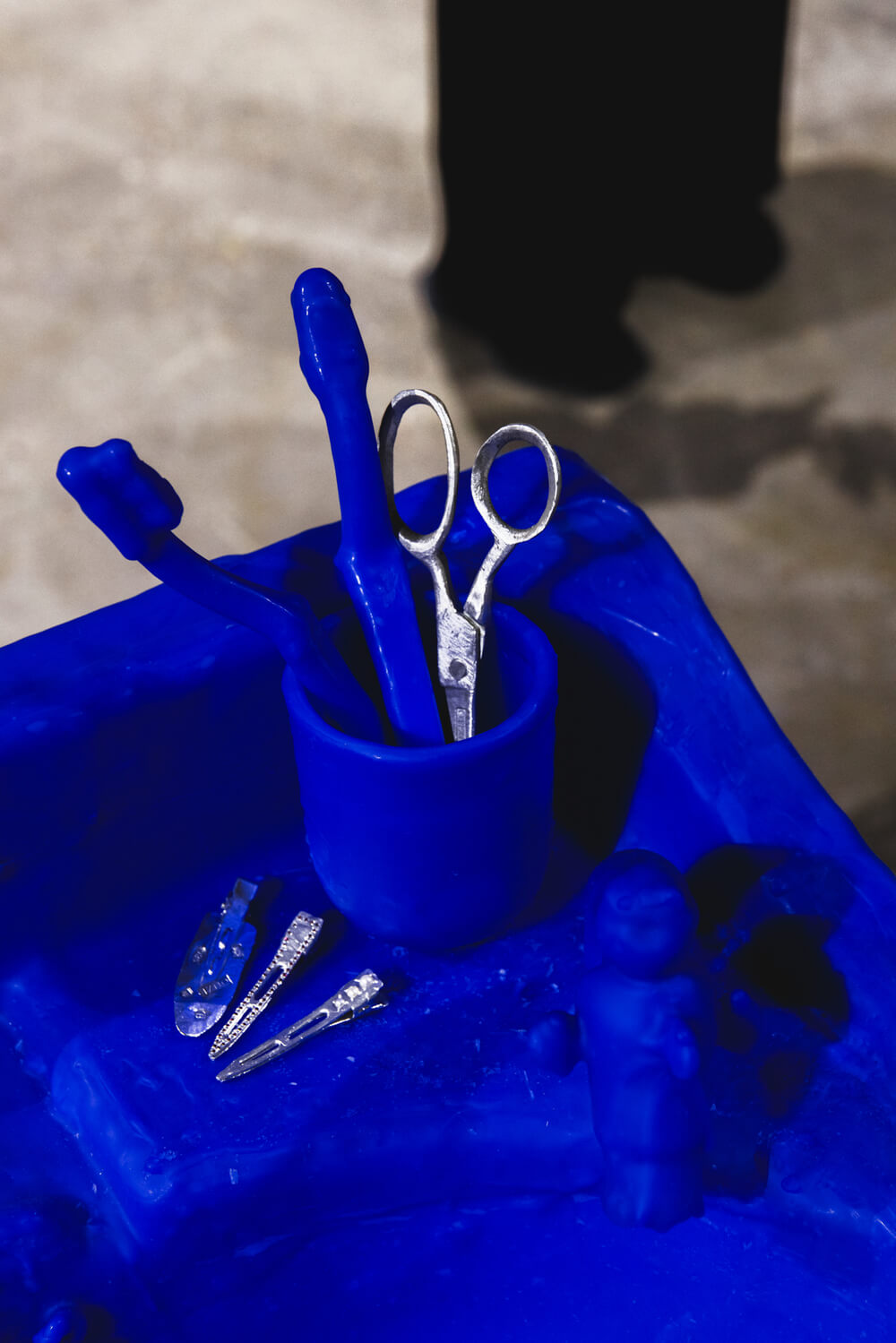
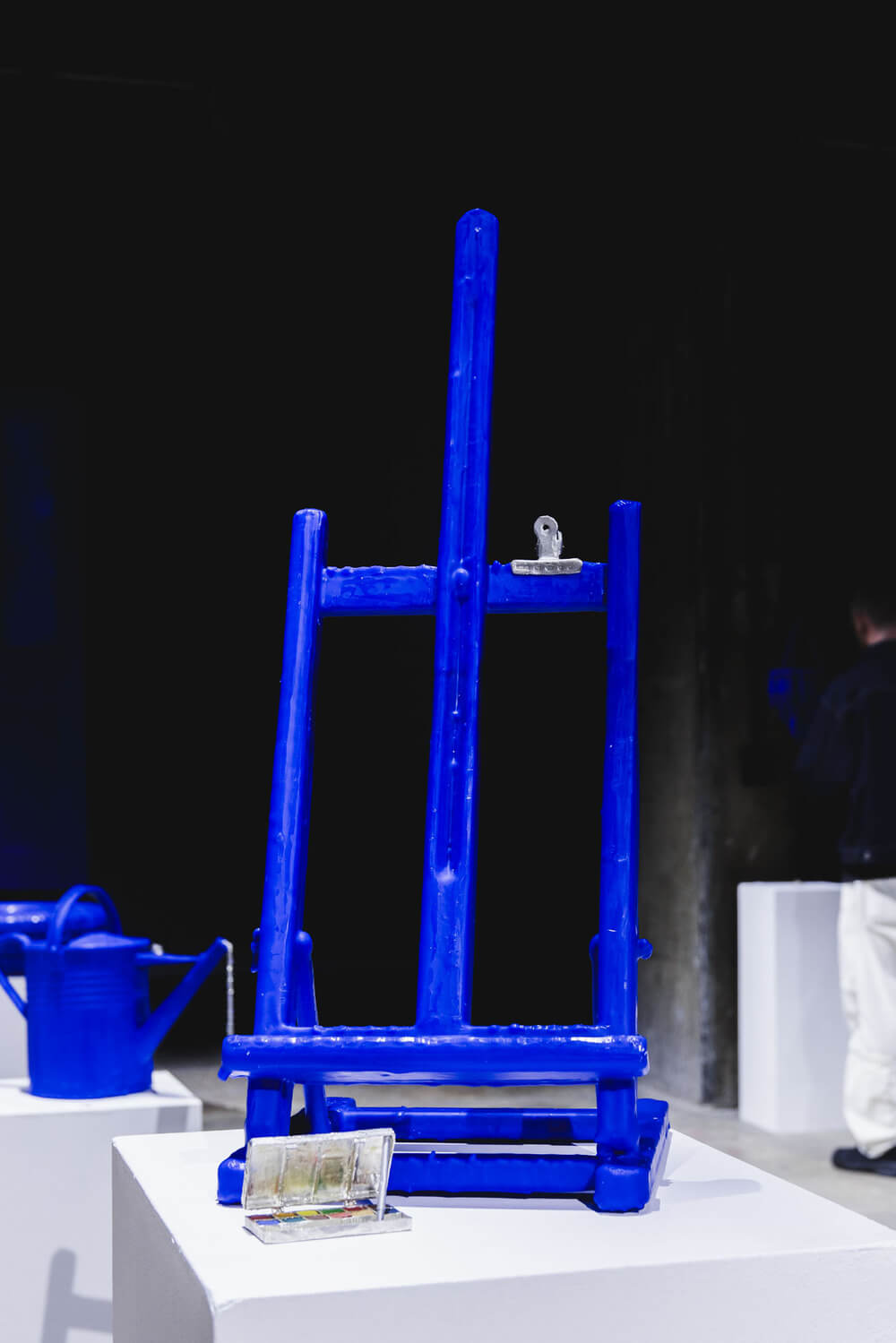
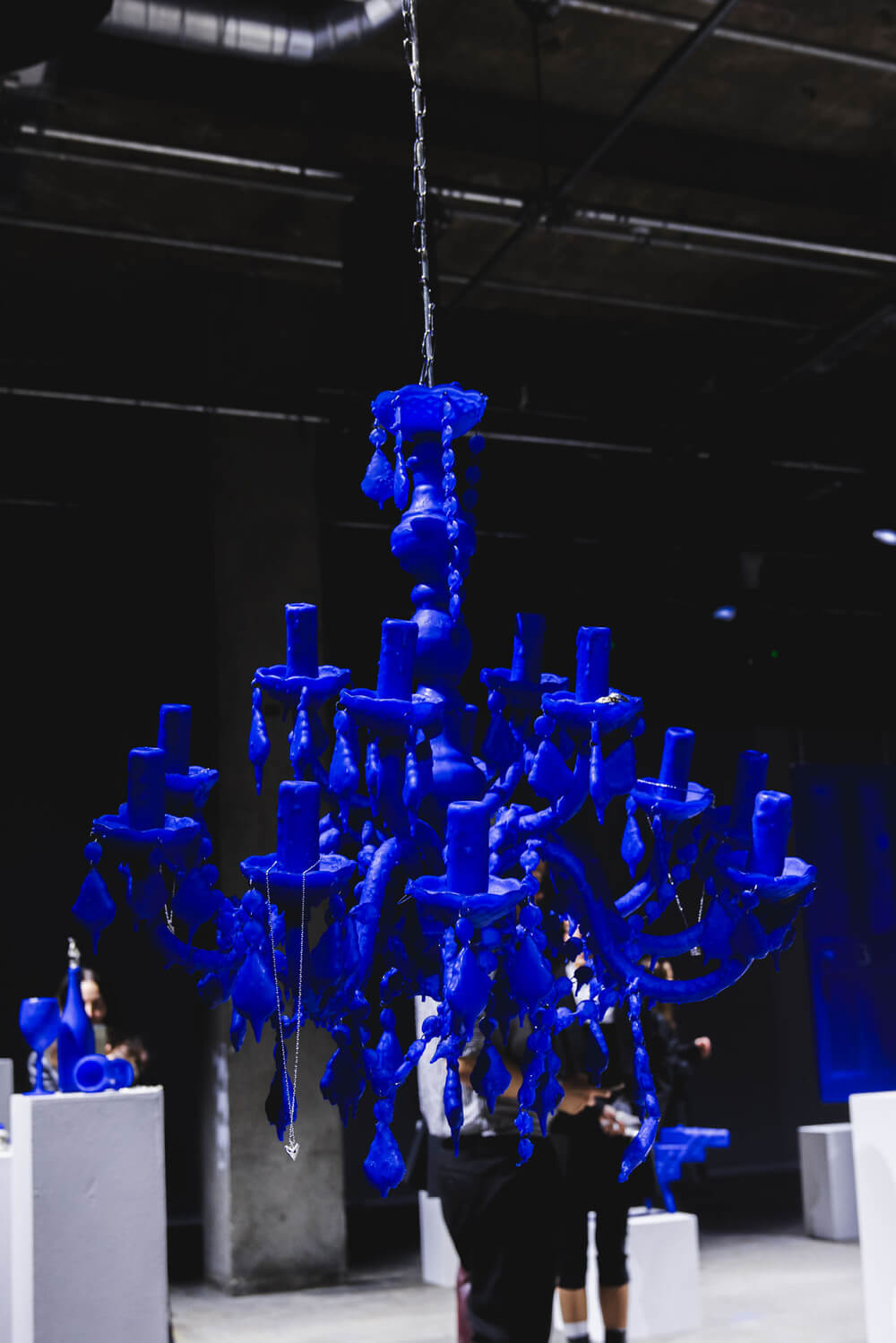
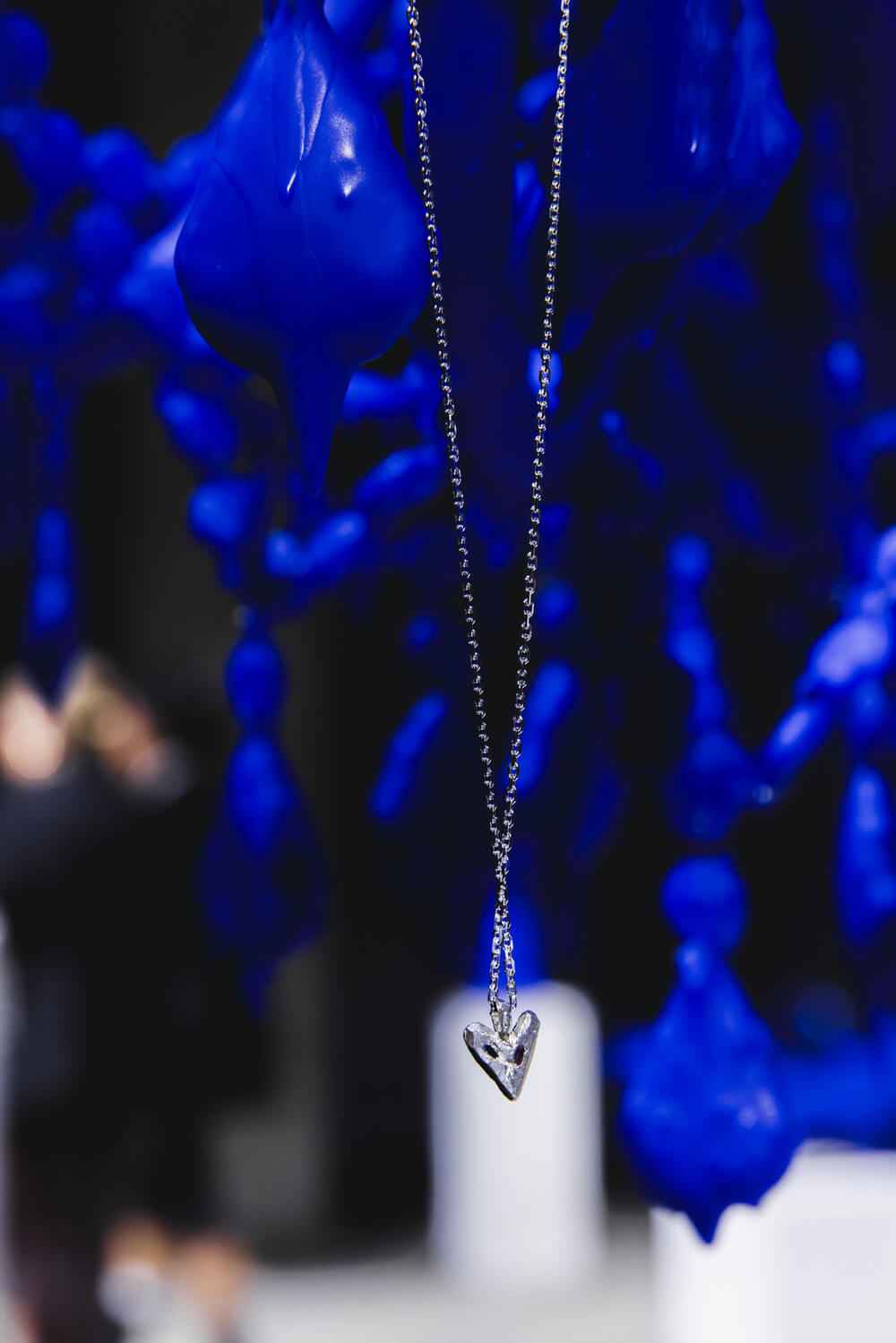
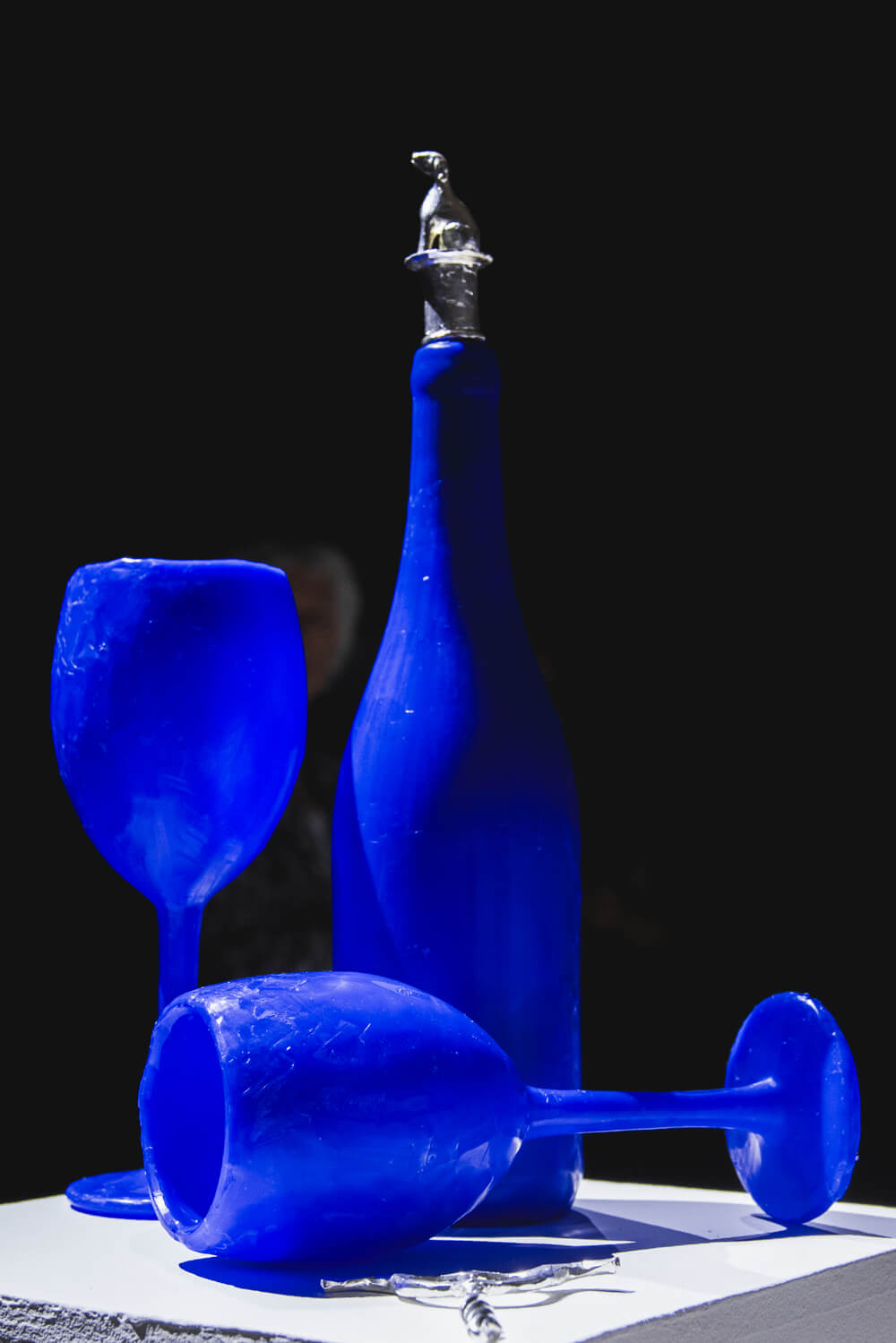
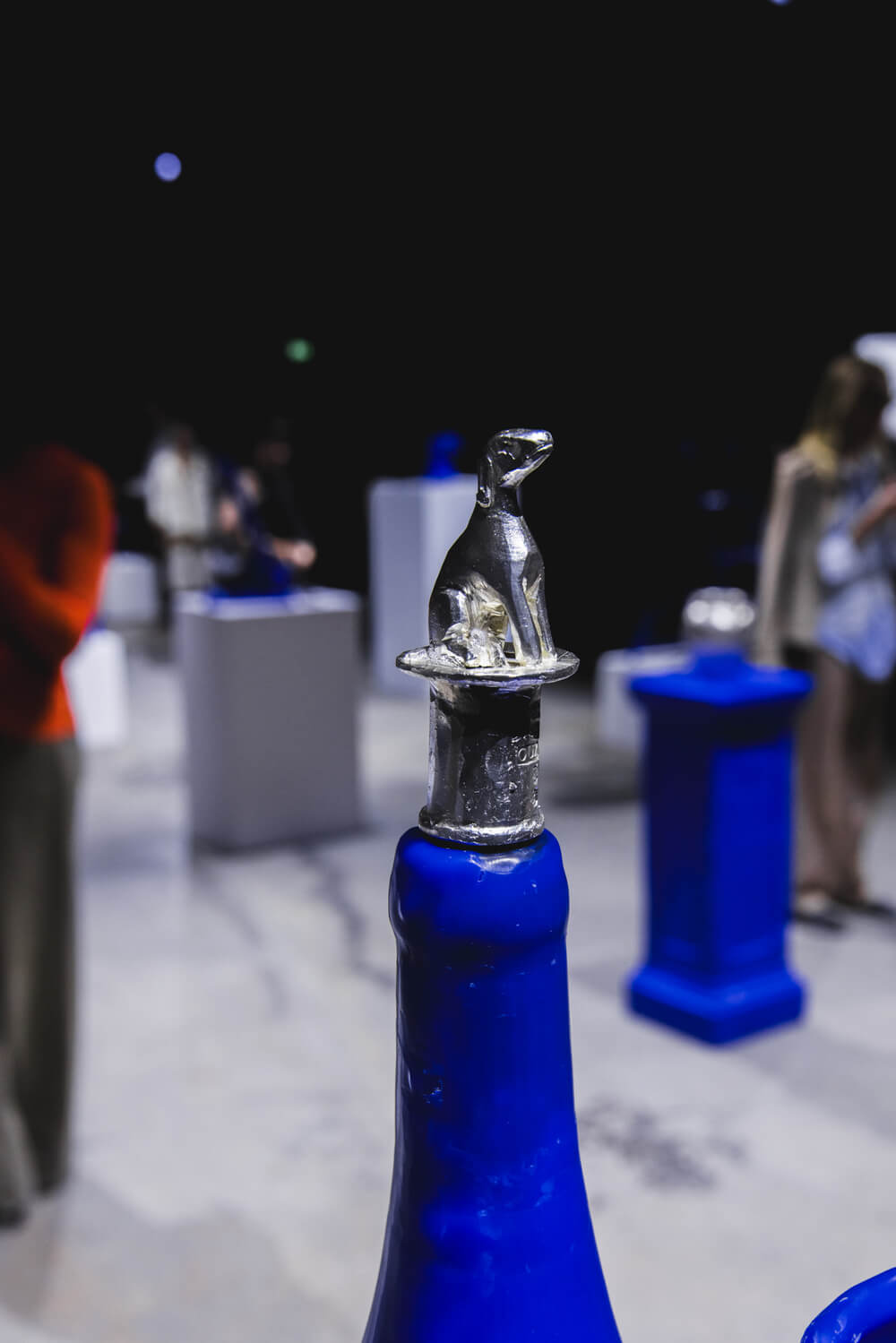
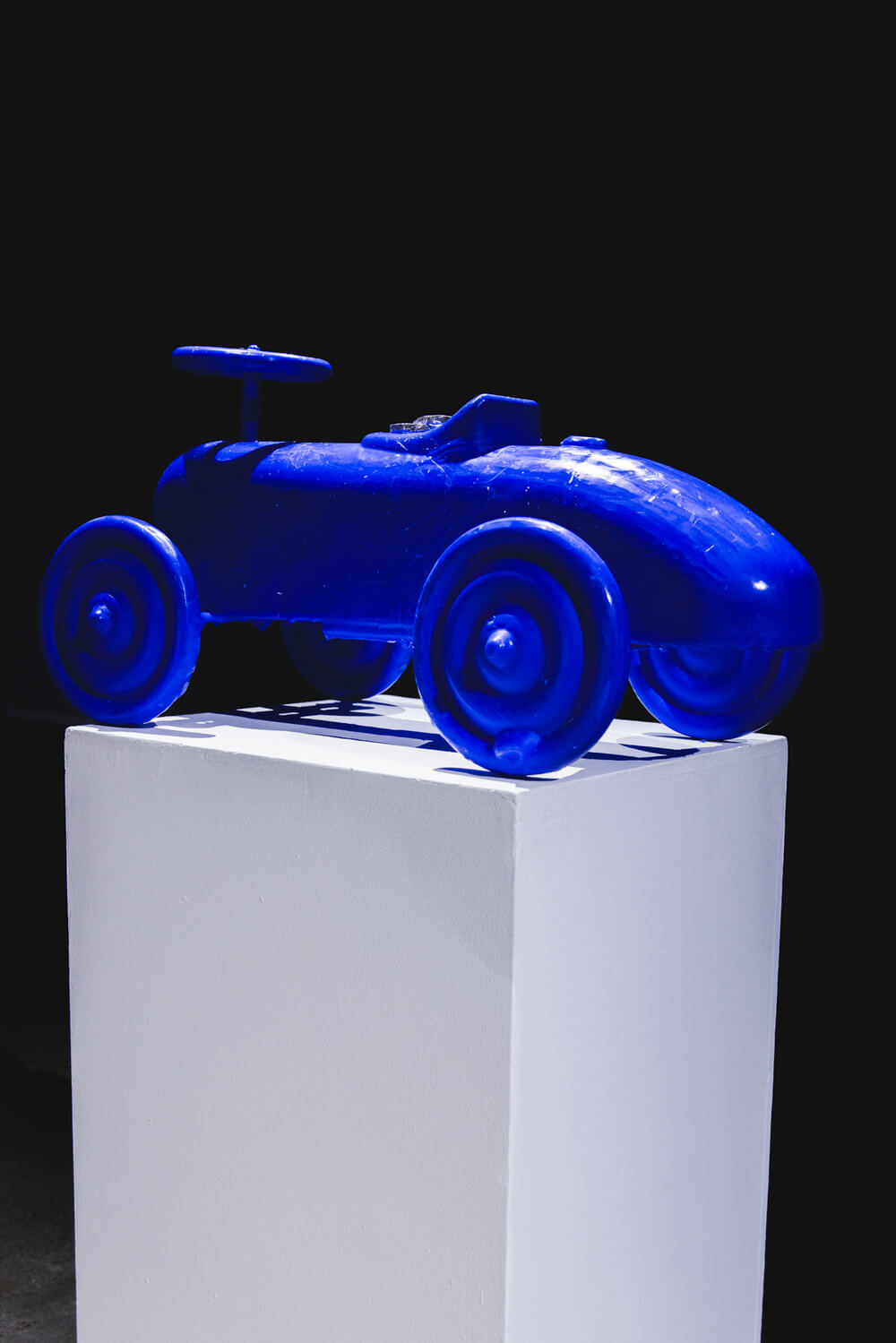
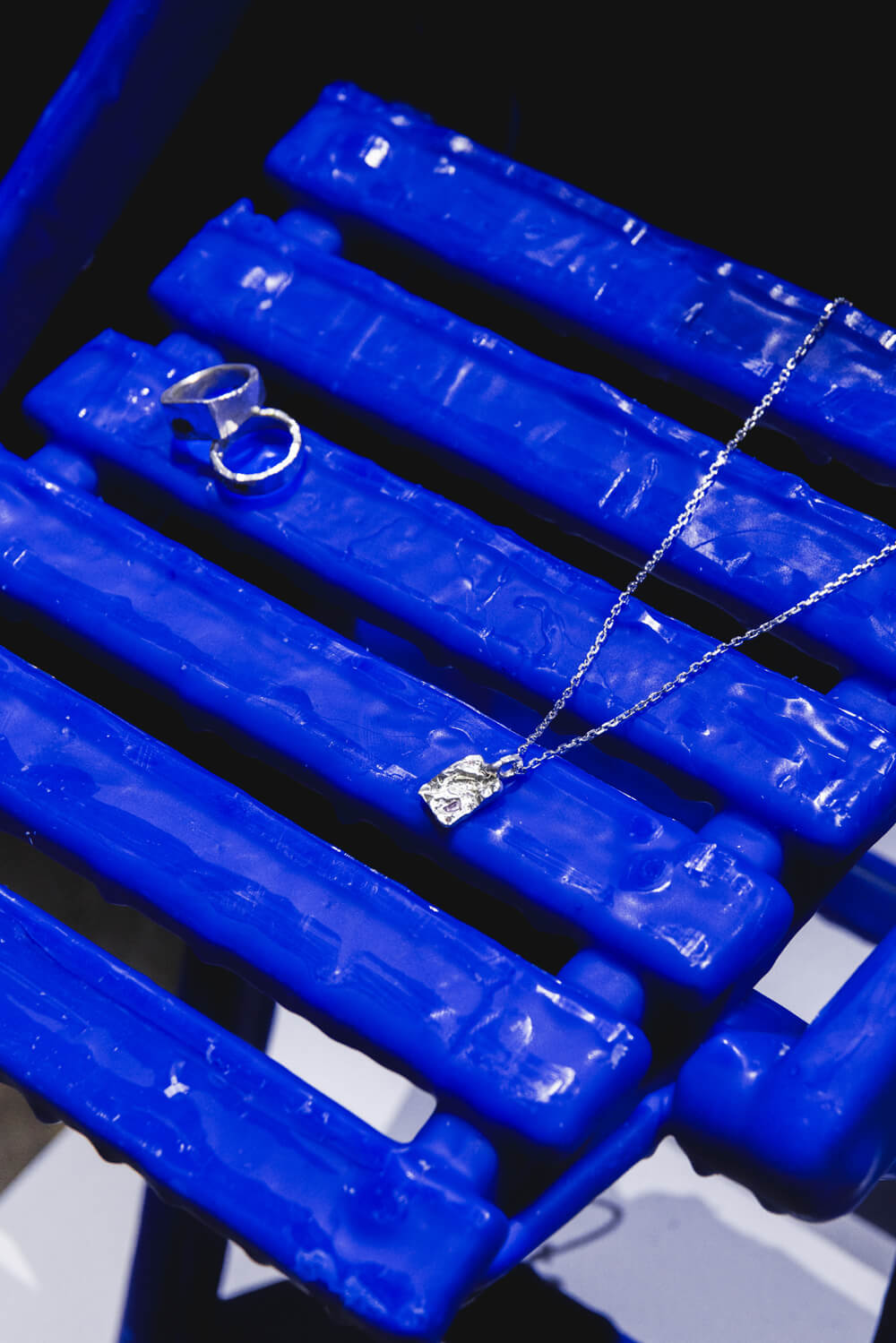
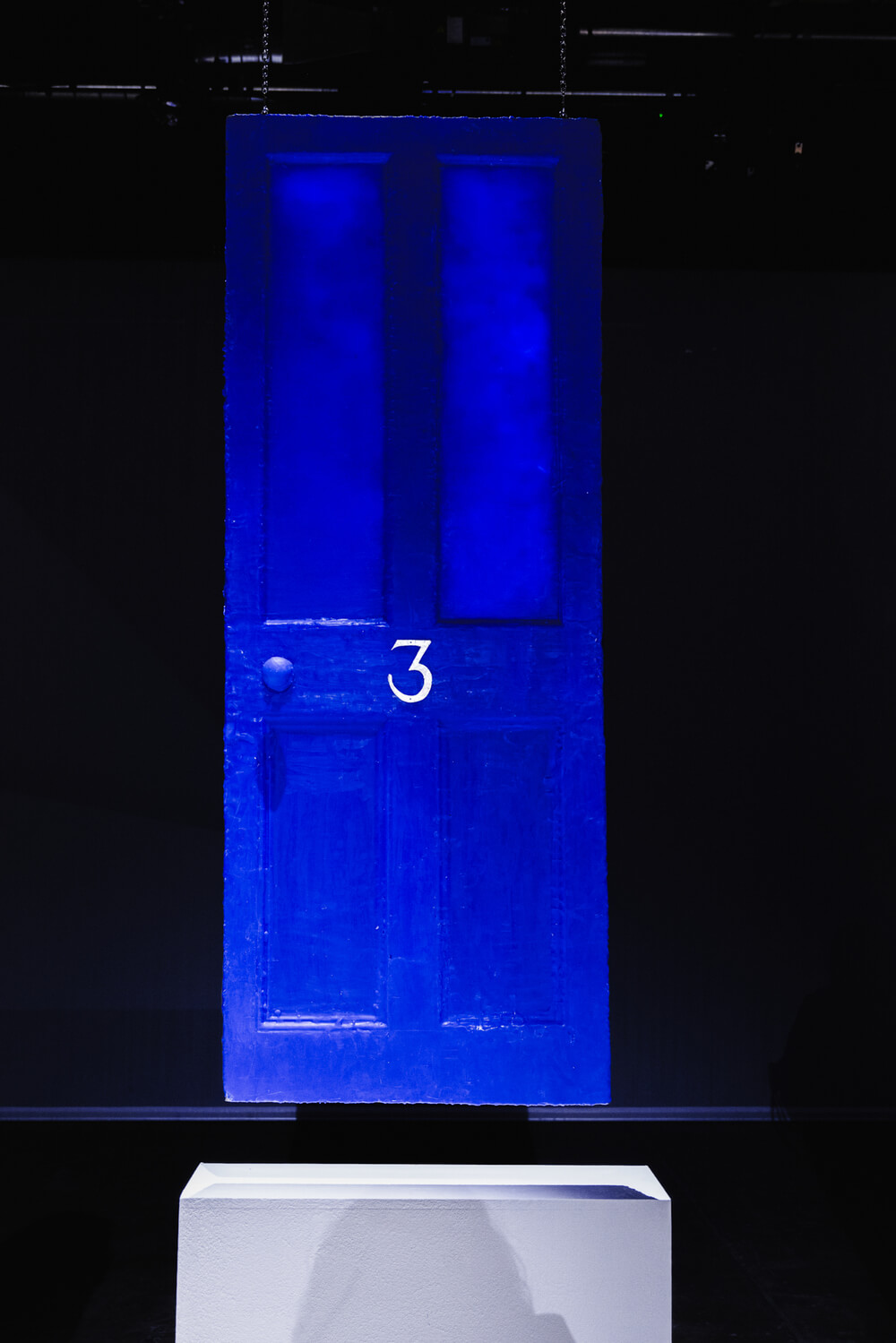
In 2025, The Ouze received the British Fashion Council’s NEWGEN grant, opening up new possibilities for a brand that has never been particularly interested in staying in its lane. For its third London Fashion Week showcase, Vernon turns to blue wax as a space for experimentation, presenting objects that hint at the studio’s future ambitions, from jewellery to furniture. Before these ideas are cast into permanent metal forms, they exist in a state of possibility, where scale can be distorted and the boundaries of preciousness questioned.
We spoke to Vernon about trusting the process, building a brand without losing its instinct, and why sometimes the most interesting thing an object can do is become something else.
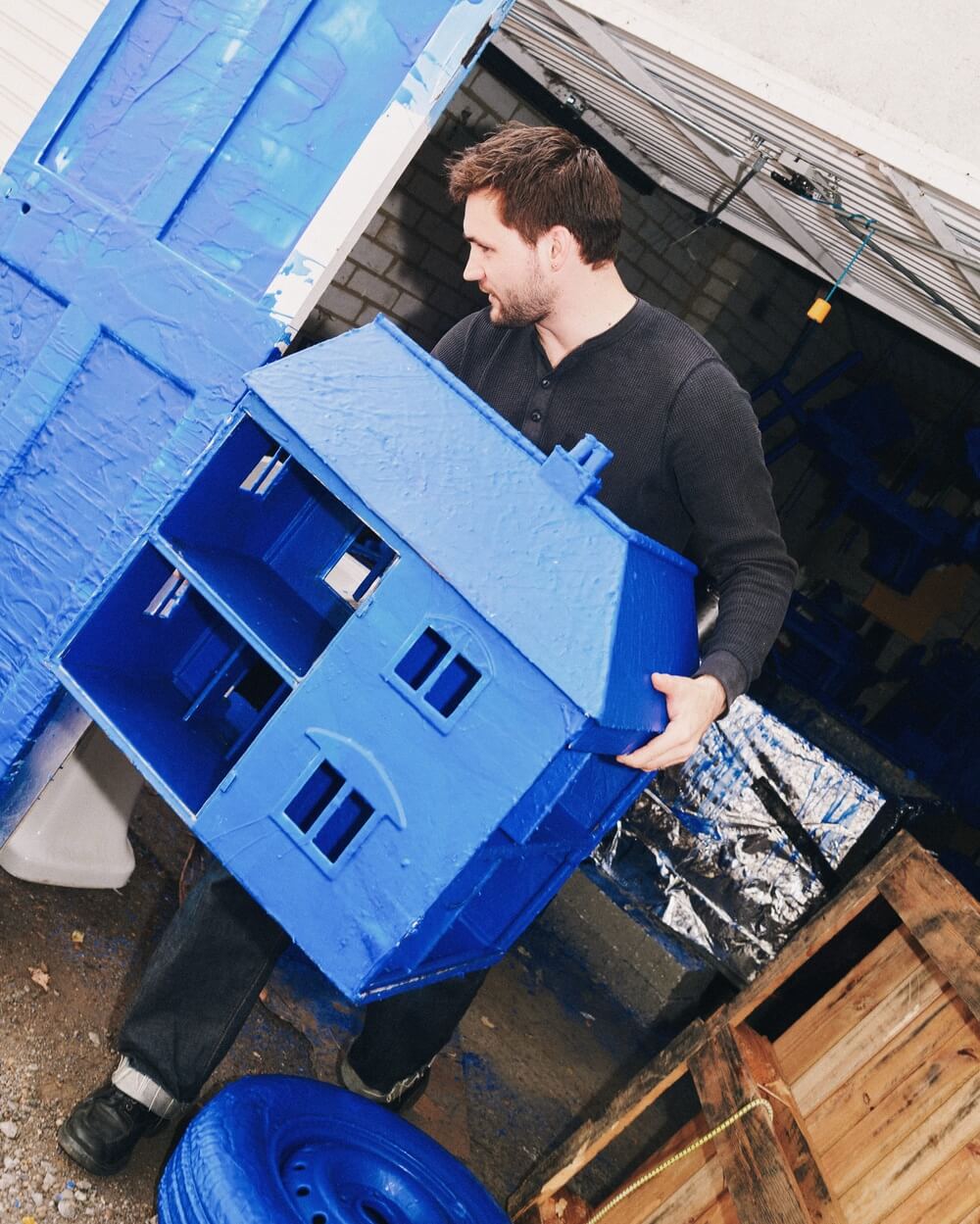
Toby Vernon. Image from Instagram
What can you tell us about the collection you’re presenting this season? What is the world you wanted to build around it?
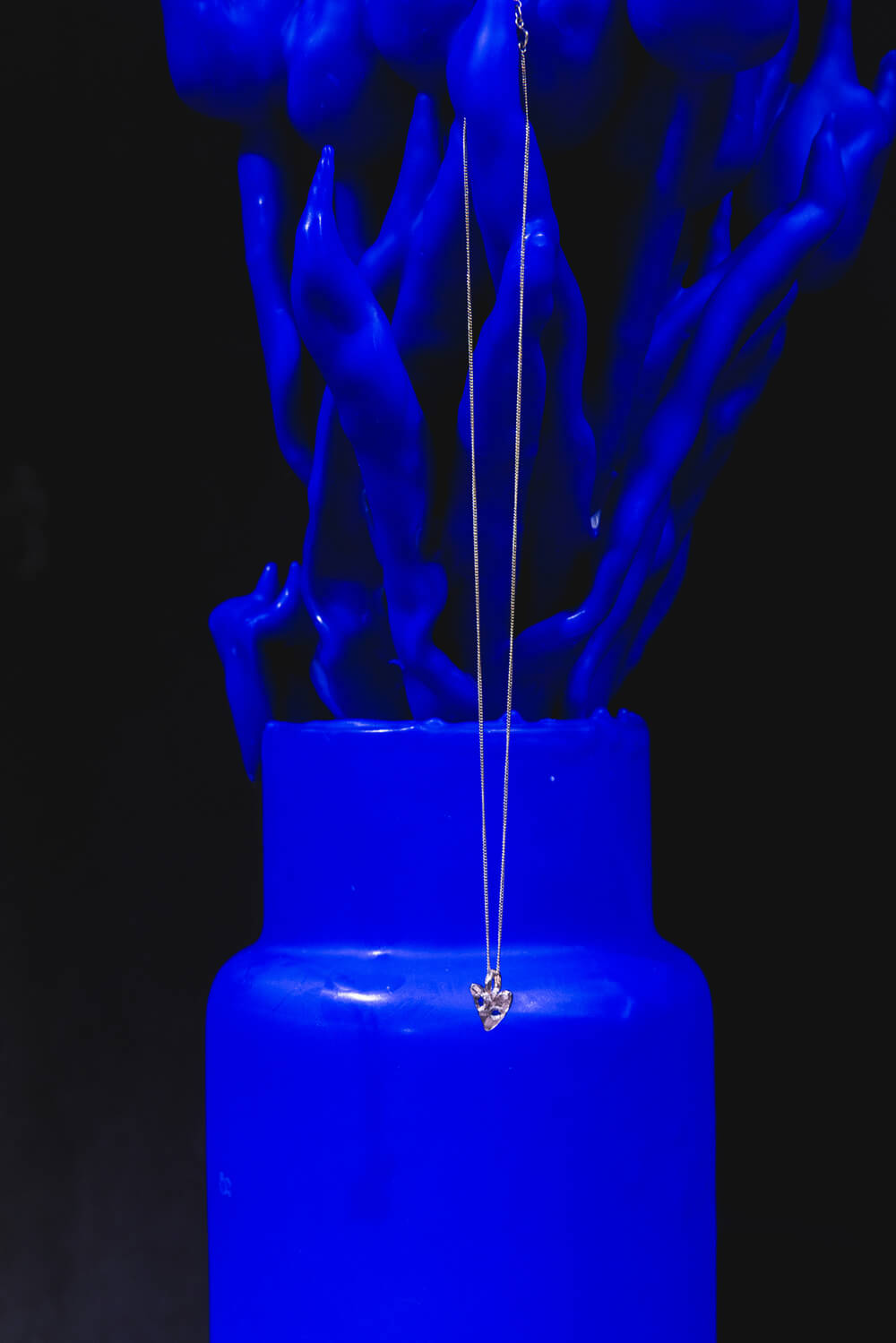
The focus is on objects, and more specifically, homeware, with vases, candlesticks and door numbers made in silver. The inspiration behind this was to expand our jewellery and precious metal offering into other areas of lifestyle and decor, making it a greater part of everyday life.
When you start a new collection, do you begin with an idea, a material, a shape, or simply the urge to make something?
It always changes. Often, there’s one idea that gets explored in many different ways whilst keeping it within the boundaries of the brand. From that, new shapes and silhouettes appear. We sample a lot, maybe too much, but I don’t think half of those experiments ever make it out of the studio or get photographed. As the materials are always the same, it’s fun finding ways to link things through the Ouze lens and process.
Is there a particular piece in this collection that feels like the key to understanding collection?
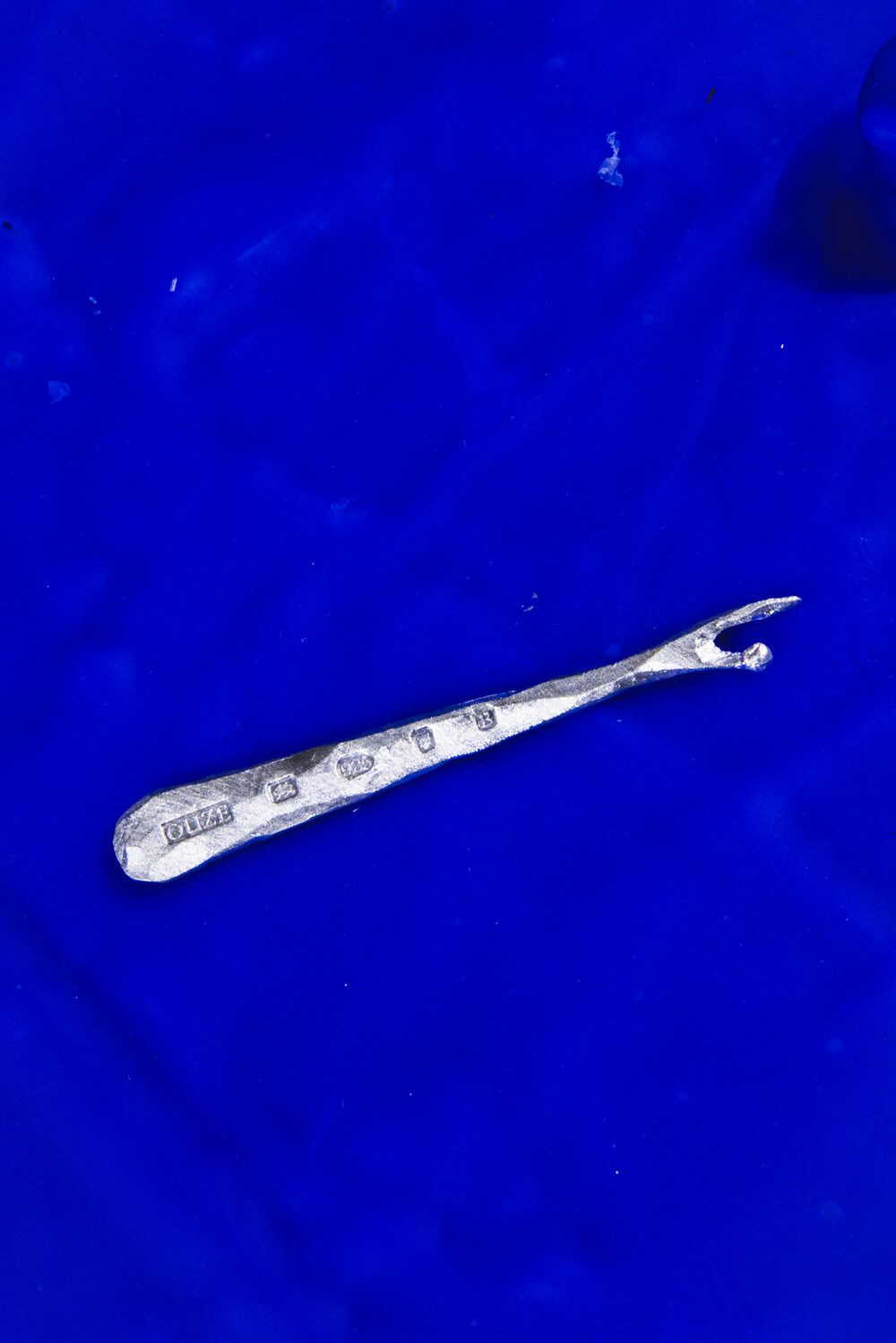
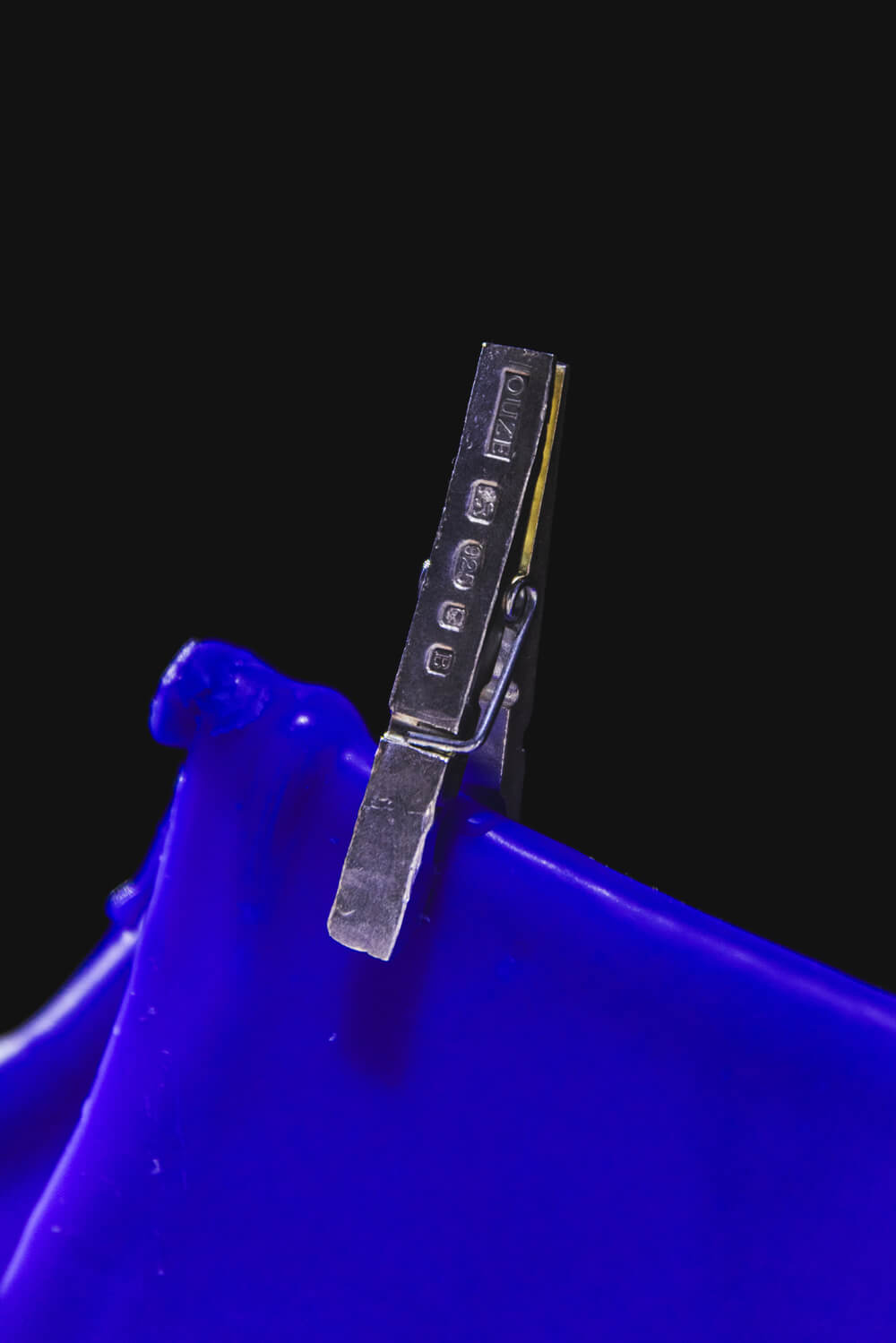
The clothing peg, although I originally made it five years ago, still feels very relevant to the brand I’m trying to create. Subverting objects through material, giving them a new value and function.
Your pieces often feel almost like artefacts, as if they have existed before we encounter them. How do you create that sense of history in something newly made?
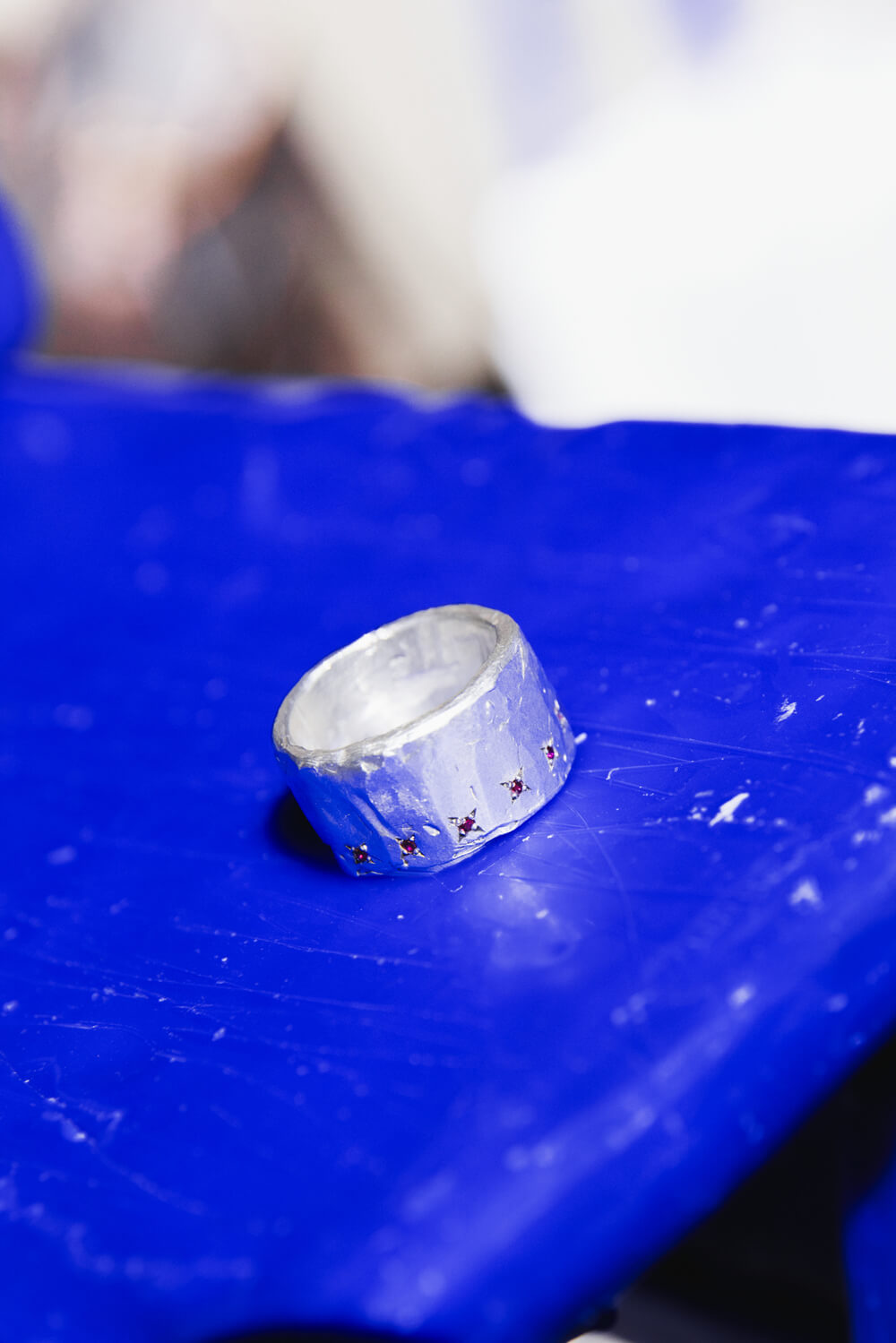
Leaving pieces raw and textured, as though they had already been weathered by age and wear, was really at the heart of the brand. This was the kind of jewellery I wanted to make and wear from the beginning. The 700-year-old heritage of hallmarking also feels like a link to a rich history.
How much of the final form is planned, and how much comes from what happens while you’re actually working with the material?
There is only so much you can plan, and that’s what’s exciting. From the wax carving to the casting, the appearance and weight can change quite a lot. Through experience, I have a good idea of what things will look like, but it’s always exciting opening a fresh bag of castings to see if the stones have stayed in place, what textures have been left, etc. It’s exciting, and it’s why the process is so important.
You’ve spoken about the directness and honesty of making things by hand. Has your relationship with that process changed as The Ouze has grown from something you started at home into a six-person studio?
Absolutely, as a business evolves, roles adapt to what needs to be done. I try to work with people who are more skilled than me in areas that require the most attention. As the founder, I initially tried to do everything, but it’s impossible to scale that way, and it’s actually not very fun. Focused roles are the way forward, as hard as it is to let go and trust others. So, I’ve learnt to let go.
Jewellery is usually thought of as something precious and polished. You seem interested in making it feel a little more raw, almost archaeological. What attracts you to that tension?
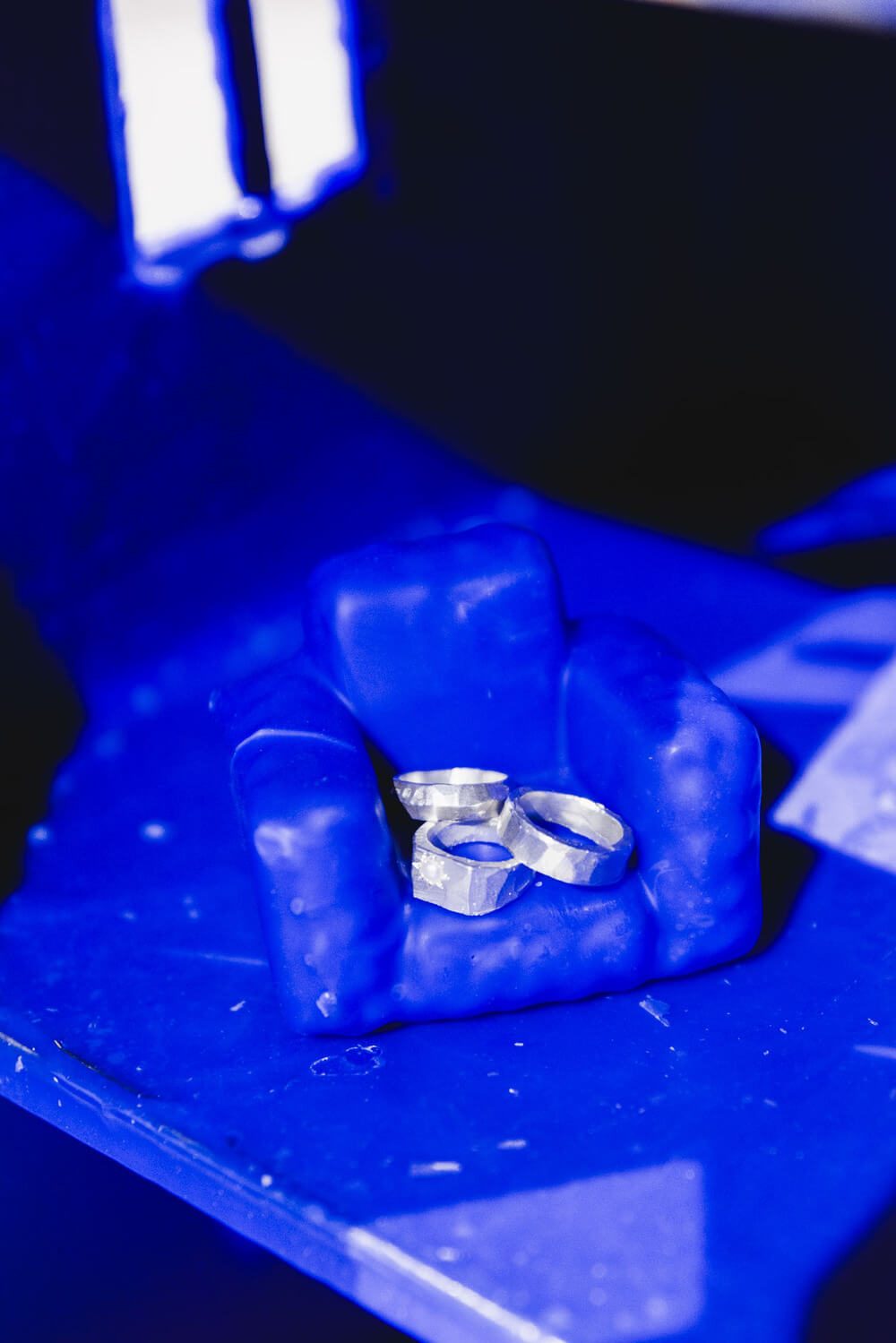
It makes this precious thing wearable and desirable. I don’t want a boring, flat, shiny ring that looks like all the other rings on offer for men. I want to create something with character, something that looks handmade because it is.
The Ouze has expanded into objects such as candlesticks, chess sets and hair clips. What makes something feel like an “Ouze object” to you, regardless of what category it belongs to?
I am still figuring this out. It doesn’t necessarily have to make sense in metal. Often, it’s about subverting the object’s material and freezing it into something new, whilst also honouring its previous form.
Do you think you would have started The Ouze if lockdown hadn’t happened?
I honestly don’t know. I probably would have stayed in Paris, continued interning and returned to university as normal. I’m sure I would have tried to start something else, something more fashion-focused.
Your materials are recycled and your stones are chosen for individuality rather than conformity. What have you learned about materials by refusing to make everything perfectly uniform?
I am amazed by how unique natural stones are. The range of colours you get from a sapphire that has formed underground over millions of years is incredible. They are so special, and I don’t think I will ever get bored of them.
You originally studied fashion design. What does jewellery allow you to express that clothing doesn’t?
Jewellery never comes off. It has to go with every outfit, and it’s timeless. The meaning behind certain pieces, whether they’re for a birthday, a special occasion or a wedding, can be so significant. Jewellery can symbolise so much, and it’s amazing to be a part of that.
Who would you love to see wearing The Ouze? And is there anyone who has worn your pieces already that felt particularly special or meaningful to you?
I made some custom pieces for Brad Pitt for his role in F1 The Movie. At first, I thought the email was a scam. The costume designer referred to him as BP on WhatsApp, which was pretty surreal. He didn’t end up wearing the pieces, but Damson Idris did.
How did you get into the world of jewellery?
It’s a combination of things. I’d collect externally hallmarked jewellery at markets in Brighton, and I was always drawn to weathered pieces from long ago. I loved dating the hallmarks and seeing all the imperfections, imagining the life the jewellery had lived.
I was intrigued by jewellery making but didn’t give it a go until I was back at my parents’ house in Lewes during the first lockdown. I was in my year out; I’d just left Paris after an internship with Kenzo and had seven months before returning to university to make my final collection. During that time, I was experimenting with lots of different handcrafts that I could incorporate into my work. I did beading, macramé, tufting, and then discovered the lost-wax process, which involves carving 3D positive moulds and then casting them in precious metal.
At the time, there wasn’t really anything on the market that I liked, so I immediately started making these heavy, rough pieces with raw sapphires buried inside. From the very first ring, I was hooked, and I still produce those same pieces today.
You received the BFC NEWGEN grant in 2025. Has having that kind of institutional recognition changed anything in the way you work or see the brand?
Through my studies, I learnt a lot about the BFC and the designers who came through NEWGEN, like Craig Green and Kiko Kostadinov, who inspired my pursuit of fashion design in the first place. So, to now be a part of that is incredible. The recognition is a huge confidence boost and really allows me to experiment further, with the backing and approval of the BFC.
The biggest change is creating presentations at London Fashion Week. As a jewellery brand, it’s challenging to come up with ways to fill a room and display my work. It’s hard to see the brand any differently. Of course, it’s no longer in my spare room in Brighton, and I have full-time employees, but it’s still all the same tools and materials I worked with from the beginning; there’s just much more of it being made.
I try not to think about it too much. There’s a lot happening, and it’s never not exciting. I feel very lucky.
What’s one question about The Ouze you’re slightly bored of answering?
None at all. I love talking about my brand and am very proud of it.
What do you want someone to discover in The Ouze that they might not notice at first glance?
Everything is made within a two-mile radius in London, from the studio to the workshops around it, keeping the process as local as possible.
What do you hope people will say about The Ouze ten years from now?
I would hope that people see The Ouze as a frontrunner in innovation and creativity, and use the brand as an example and reference point for what it means to be a jewellery brand.
Photography by Ángela Ibáñez for VEIN MAGAZINE