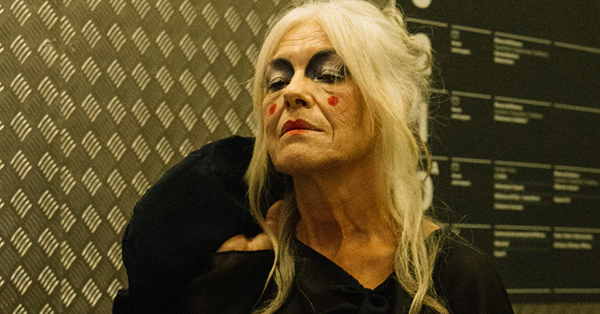
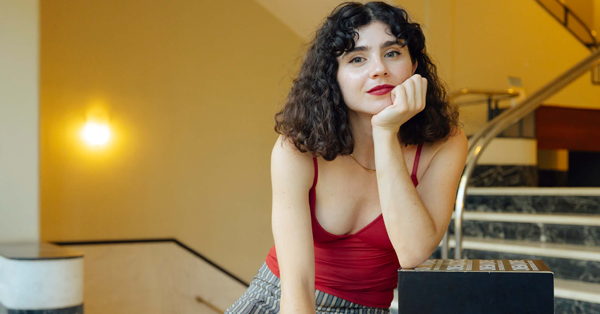


‘I’m So Happy You Are Here’ brings together 28 Japanese women photographers, offering a perspective on seven decades of social change and evolving representations of women.
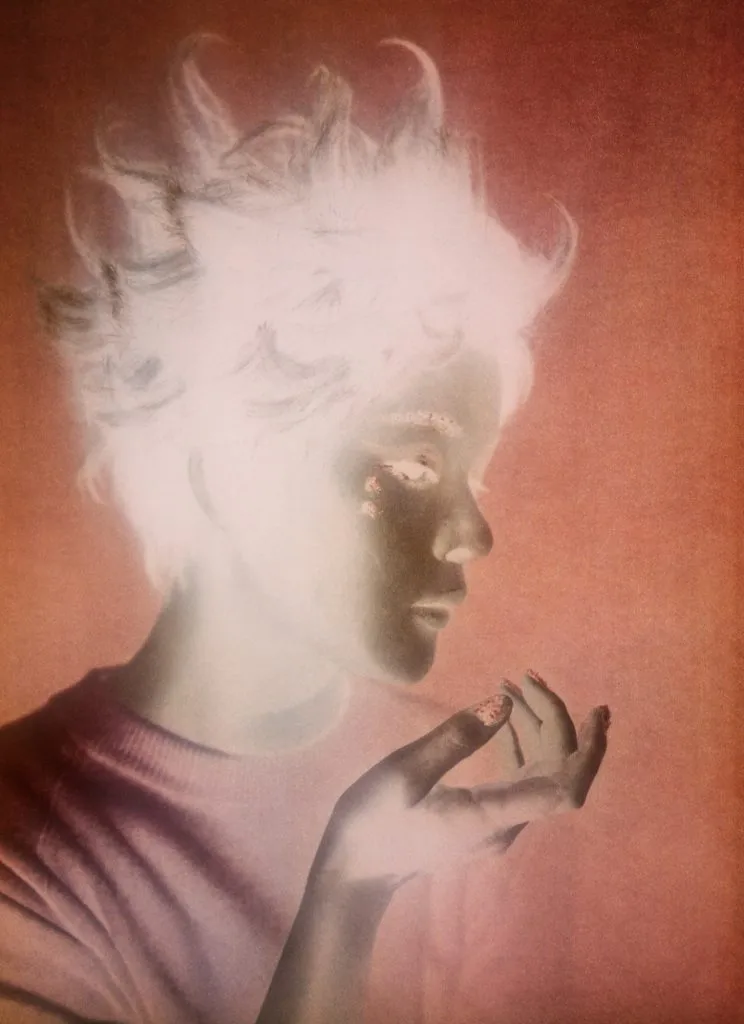
‘Ophelia’ (1960), Imai Hisae
Who gets to look, and who becomes the subject of an image? Throughout the history of photography, these positions have reflected broader relationships of gender, power and representation. In Japan, successive generations of women photographers have challenged established visual conventions by turning their cameras towards working women, intimate relationships, sexuality, family life and their own bodies. Their images also register the profound social and cultural changes that have shaped the country since the 1950s.
These perspectives come together in ‘I’m So Happy You Are Here: Japanese Women Photographers from the 1950s to Now’, presented at the International Center of Photography (ICP) in New York from October 15, 2026, to January 11, 2027. Curated by Pauline Vermare, Lesley A. Martin and Takeuchi Mariko, in partnership with Aperture, the exhibition offers an opportunity to trace this evolving history through our own selection of photographers and works.
Women, work and postwar realities
Tokiwa Toyoko documented women’s lives during Japan’s postwar reconstruction. Her photobook ‘Kiken na Adabana’ (1957) portrayed sex workers, female wrestlers and women entering traditionally male professions, revealing the social inequalities and changing expectations of the period.
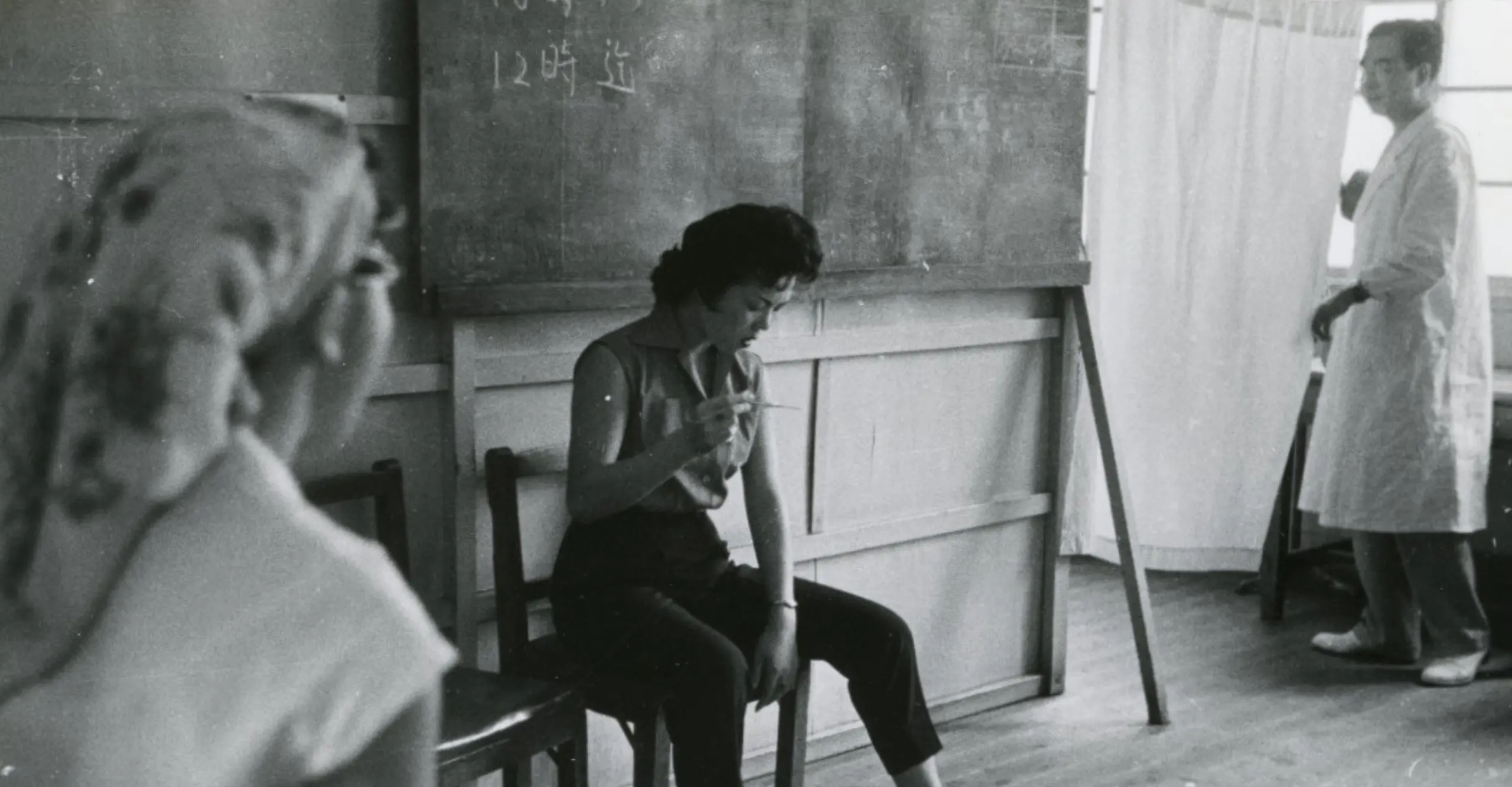
‘Kiken na Adabana (Dangerous Poisonous Flowers)’ (1957), Tokiwa Toyoko
Two decades later, Ishikawa Mao explored sexuality, race and the American military presence in Okinawa. In ‘Akabanaa (Red Flower)’ (1975–1977), she photographed women working in bars frequented by African American servicemen, capturing their relationships, friendships and everyday experiences against the backdrop of Okinawa’s continuing military occupation.
Memory and abstraction from the Seventies
Photography became a means of exploring personal memory, social conflict and new forms of visual expression. Watanabe Hitomi documented the student protests of the late 1960s, while Nishimura Tamiko captured fleeting encounters and ordinary scenes in her travels, as seen in ‘Zoku (My Journey II)’ (1978).
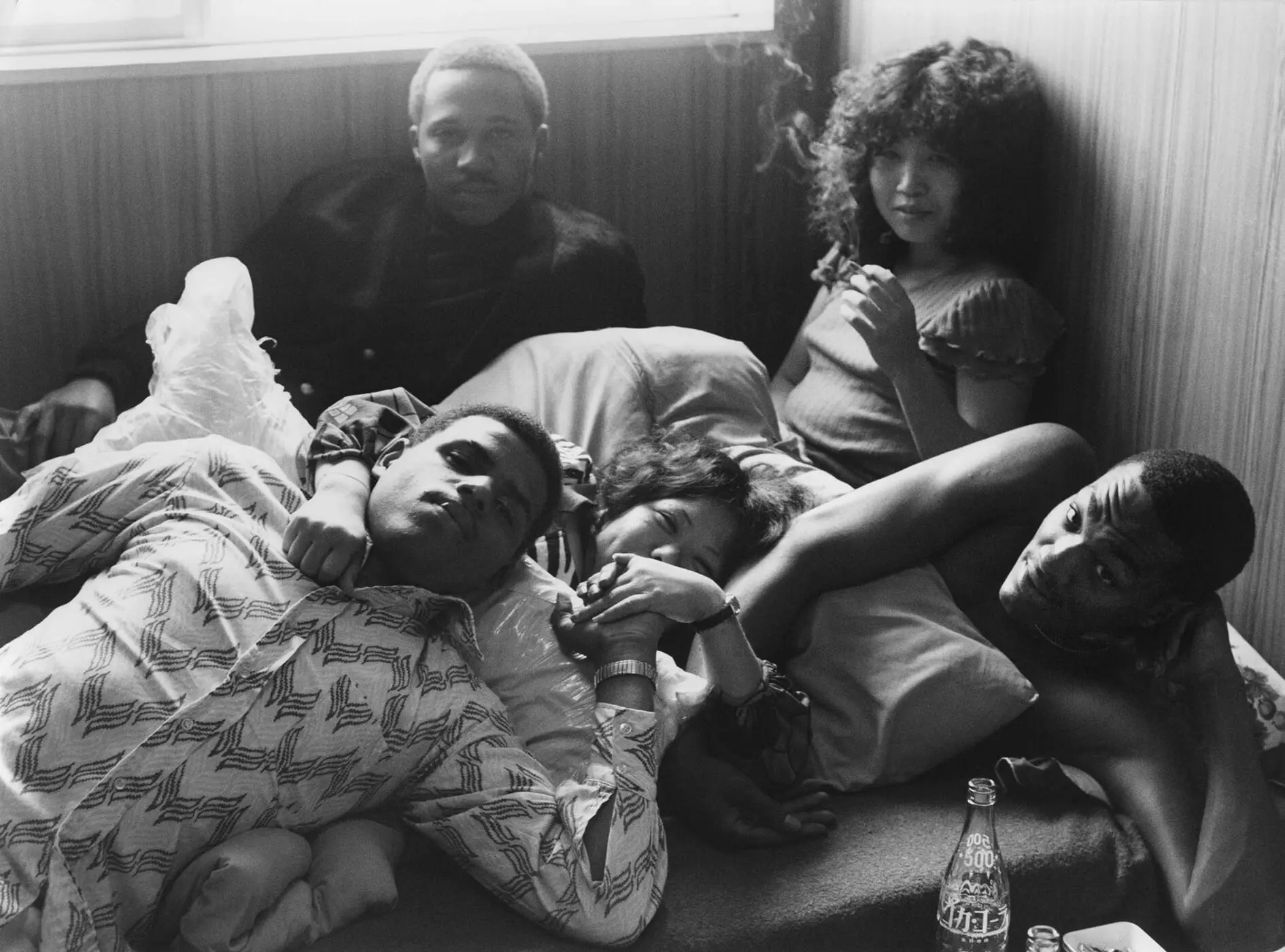
‘Akabanaa (Red Flower)’ (1975–1977), Ishikawa Mao 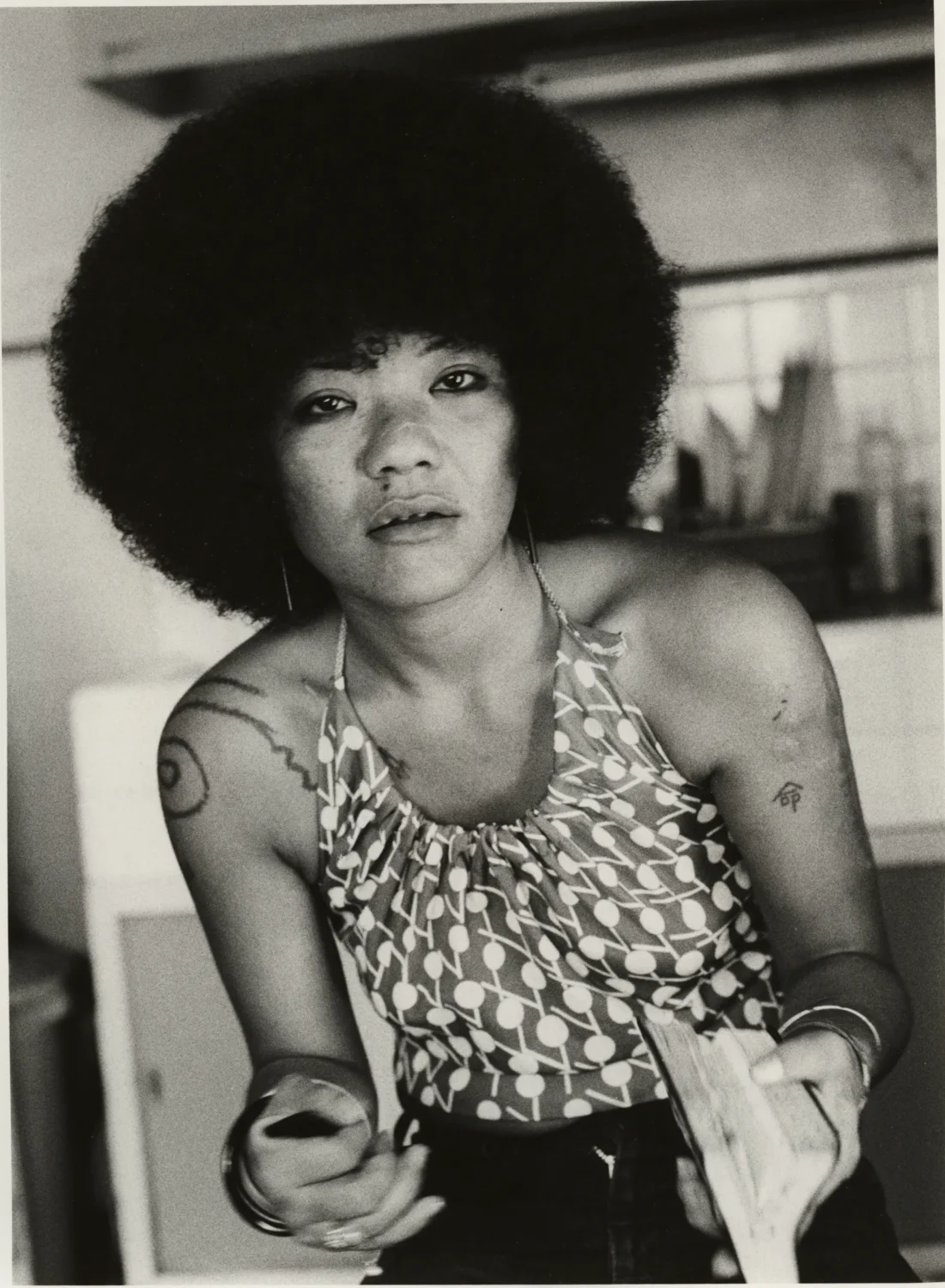
‘Mitaka, Tokyo’, from ‘Zoku (My Journey II)’ (1978), Nishimura Tamiko
Ishiuchi Miyako explored the relationship between memory and place in ‘Yokosuka Story’ (1976–1977), photographing the city where she grew up and the traces of its American military presence. Meanwhile, Yamazawa Eiko pushed photography towards abstraction through experiments with colour and composition, exemplified by ‘What I Am Doing No. 77’ (1986). Together, their work reveals an expanding photographic language, moving between documentary observation, personal experience and formal experimentation.
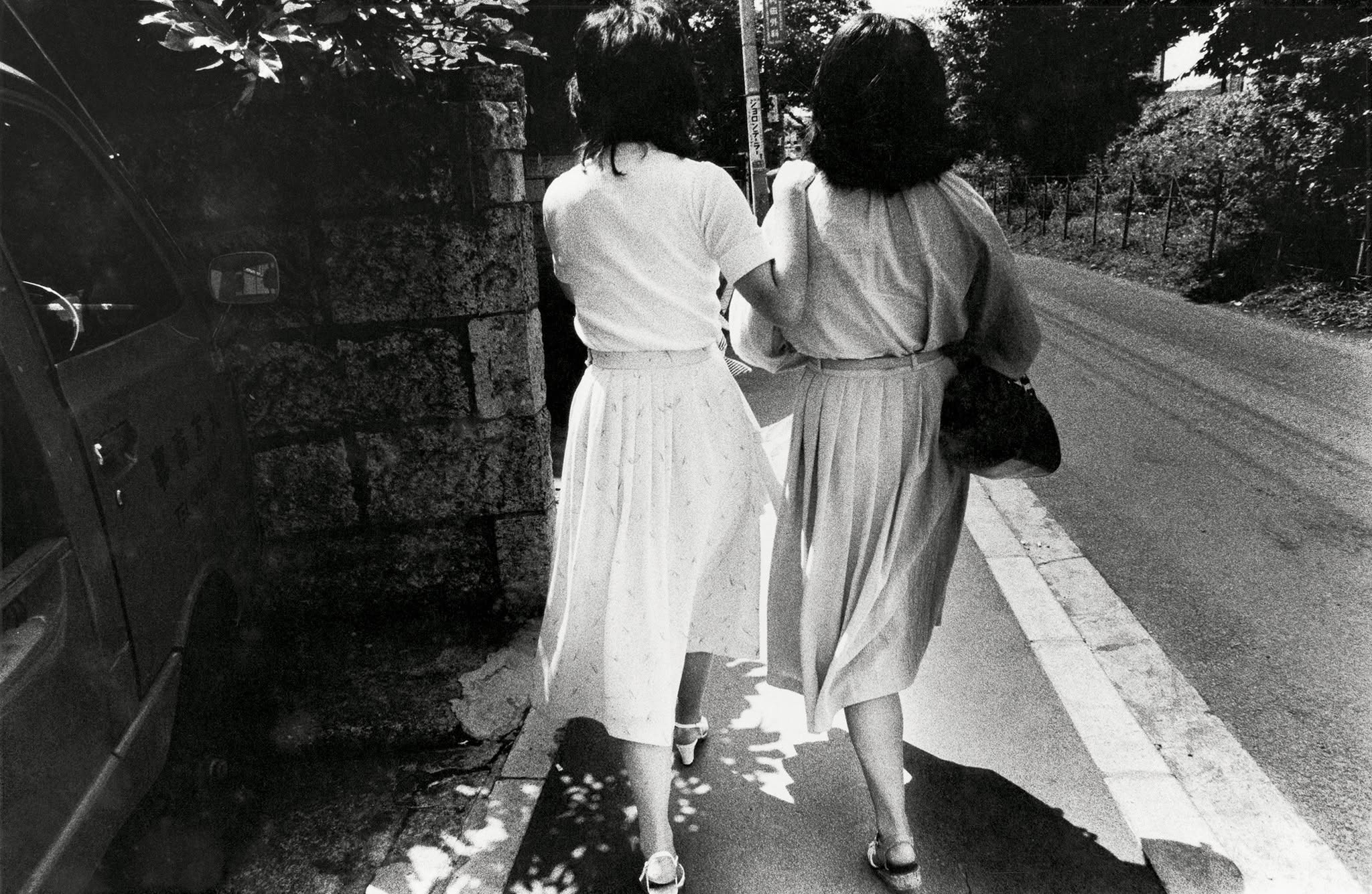
‘Mitaka, Tokyo’, from ‘Zoku (My Journey II)’ (1978), Nishimura Tamiko
Identity and self-representation at the turn of the millennium
The camera became an increasingly personal space for a generation of Japanese women photographers exploring identity, intimacy and the freedom to represent themselves. Associated with Onnanoko Shashin, or ‘Girly Photo’, Hiromix captured the spontaneity of youth culture, while Nagashima Yurie challenged conventions surrounding family, nudity and domestic life.
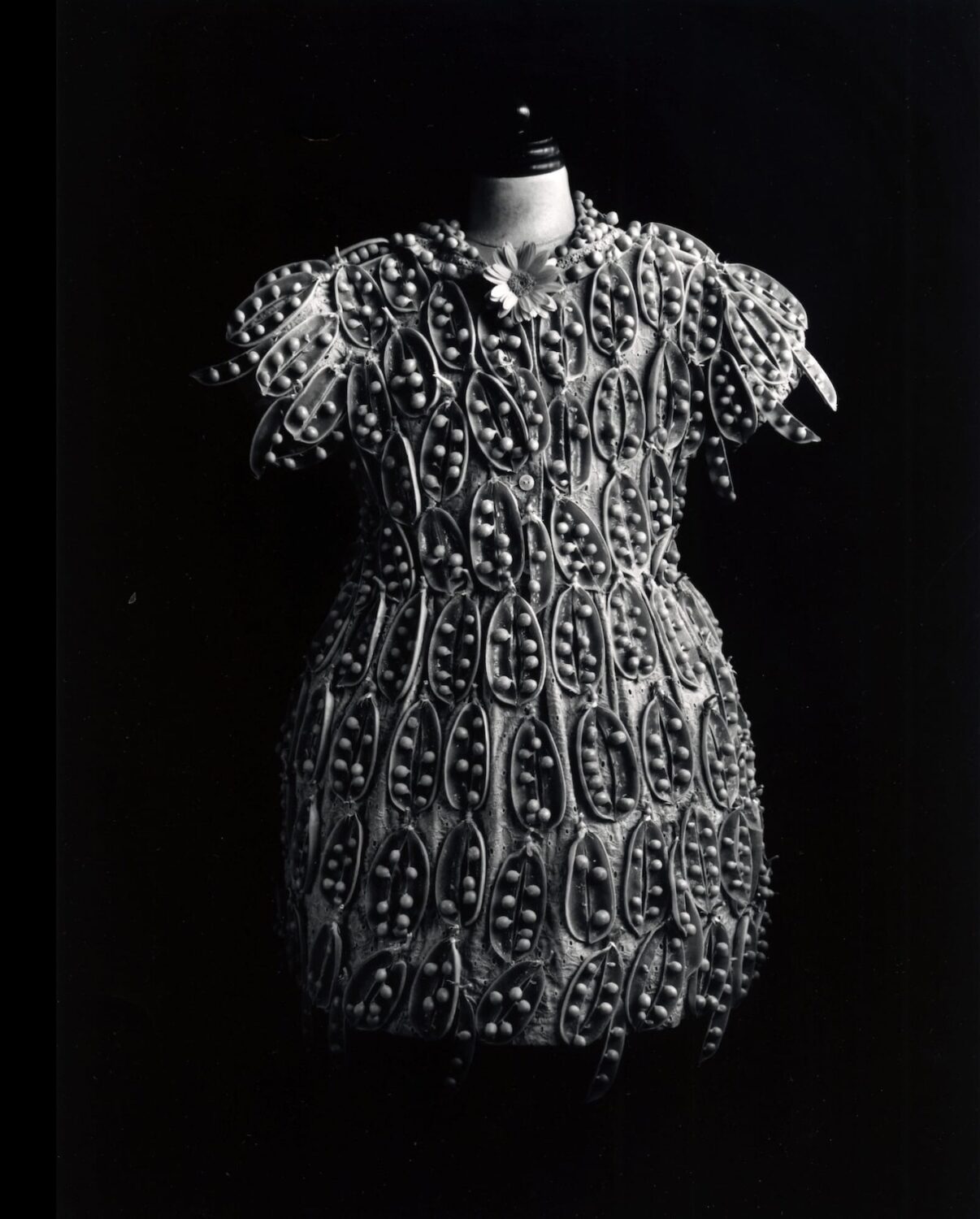 ‘Peas + Dress’ (1994), Kon Michiko
Other artists approached these questions from different perspectives. Hara Mikiko found unexpected intimacy in everyday encounters, while Nomura Sakiko explored desire through male nudes in works such as ‘Blue Water’ (1997). Through the meticulously staged scenes of her ‘Elevator Girl’ series, Yanagi Miwa examined the roles and expectations imposed on women in contemporary Japanese society.
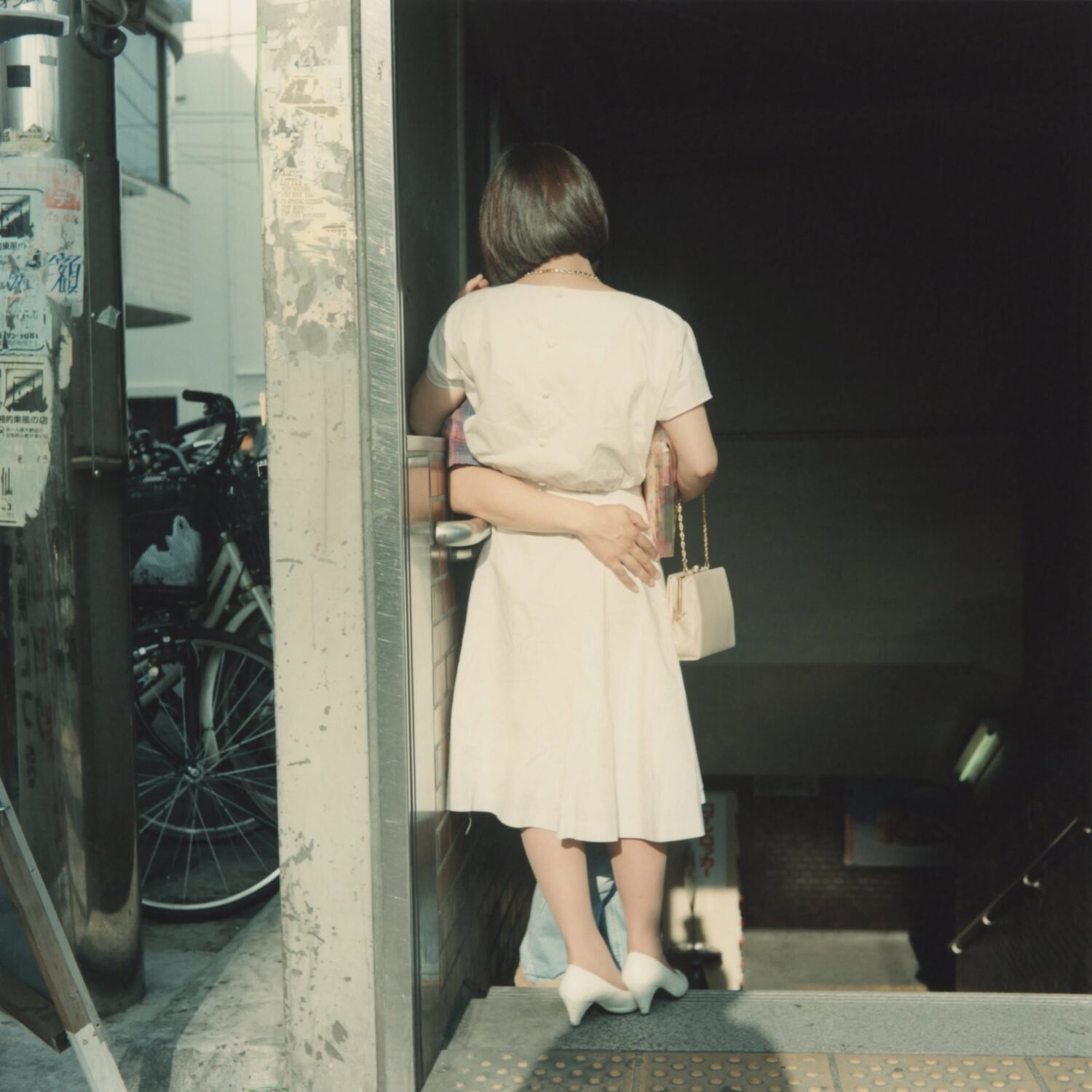
‘Untitled’ (1996), Hara Mikiko.
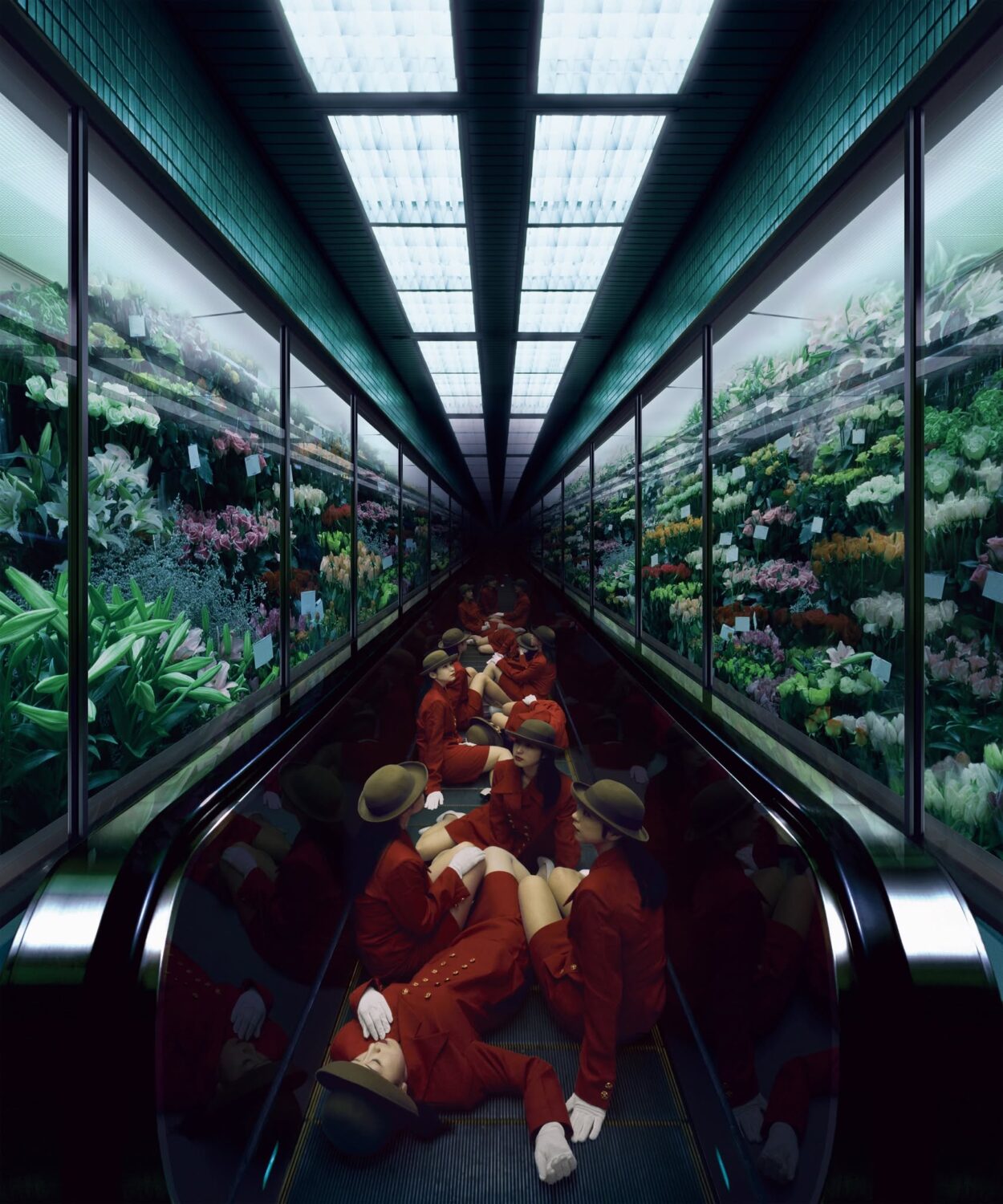
‘Elevator Girl House 1F’, from ‘Elevator Girl’ (1997), Yanagi Miwa
Contemporary Visions and Photographic Experimentation
The beginning of the twenty-first century opened new possibilities for exploring perception, identity and the photographic medium. Kawauchi Rinko captures fleeting moments and subtle changes in light in ‘the eyes, the ears’ (2004) and ‘Illuminance’ (2009), while Ninagawa Mika explores saturated colours and popular culture through elaborate compositions.
The body and the materiality of photography also become central to artistic experimentation. Katayama Mari combines self-portraiture, prosthetics and handmade objects to examine identity and beauty. Tawada Yuki manipulates photographic surfaces, while Kunié Sugiura explores the relationship between photography and painting in works such as ‘Joint-jointed’ (2020).
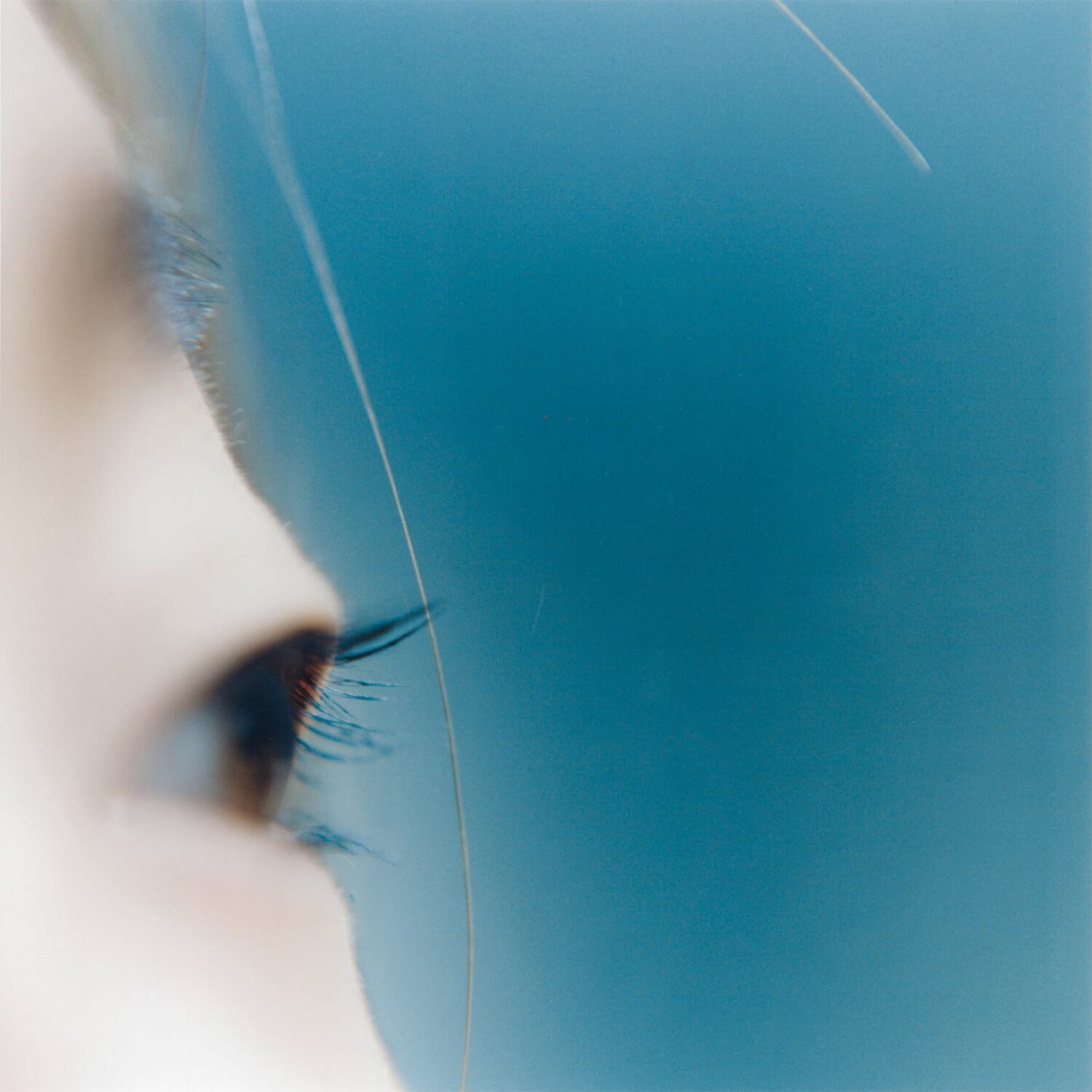
‘Untitled’, from ‘the eyes, the ears’ (2004), Kawauchi Rinko. Courtesy of the artist and Aperture
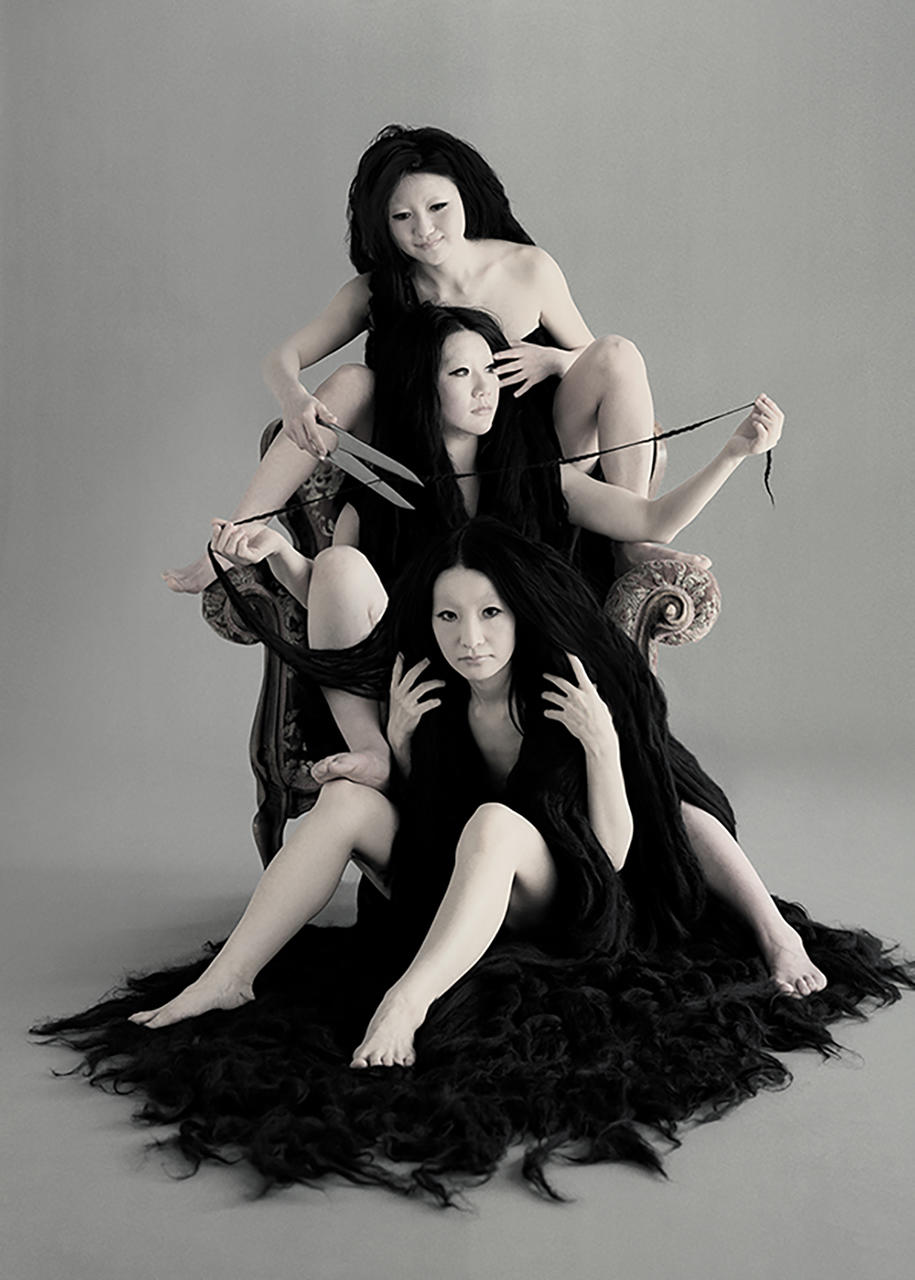
‘The Three Fates’ (2008), Yanagi Miwa
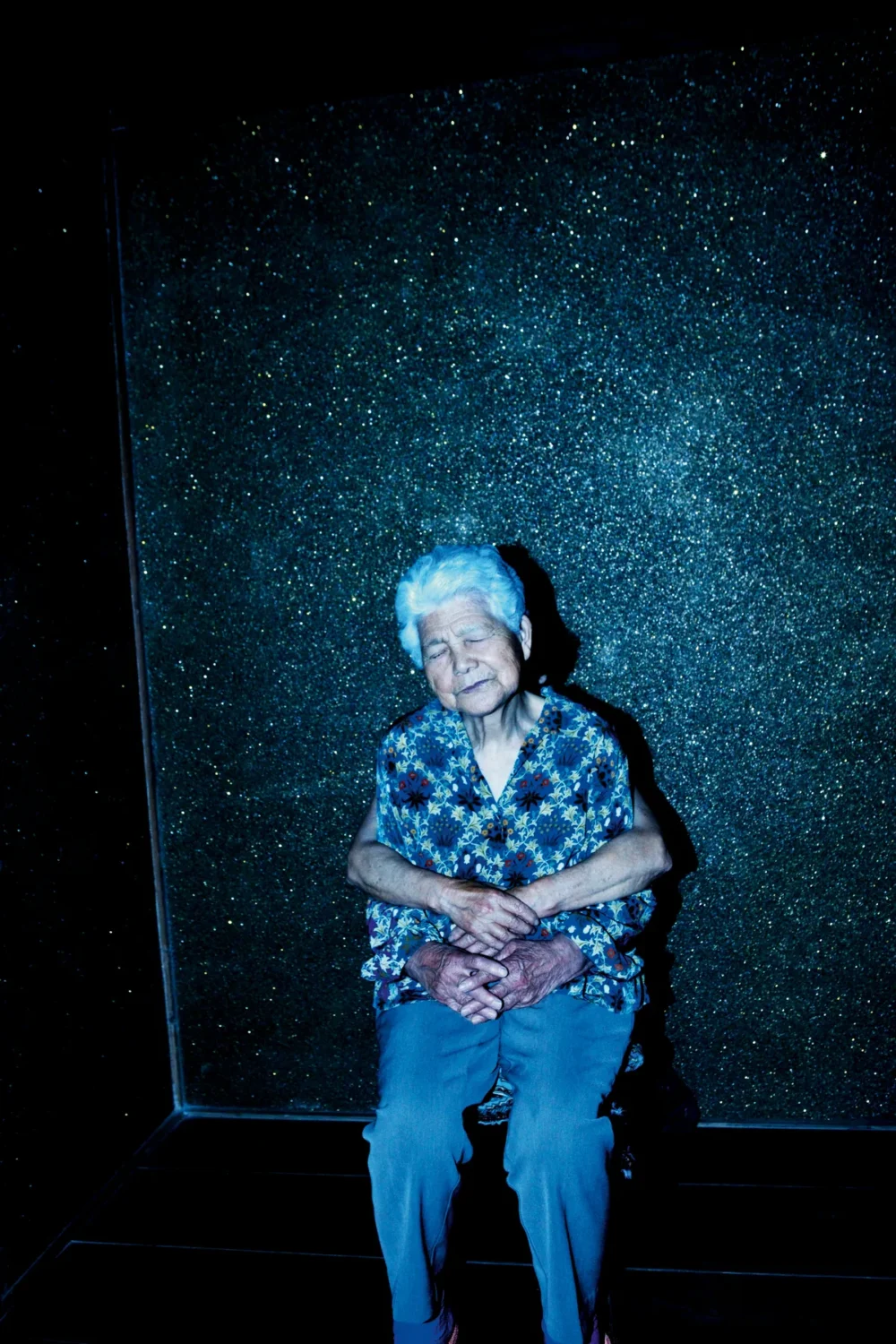
‘Okāsan no yasashii te (Mother’s Gentle Hands)’, from ‘Rasen kaigan (Spiral Coast)’ (2009), Shiga Lieko
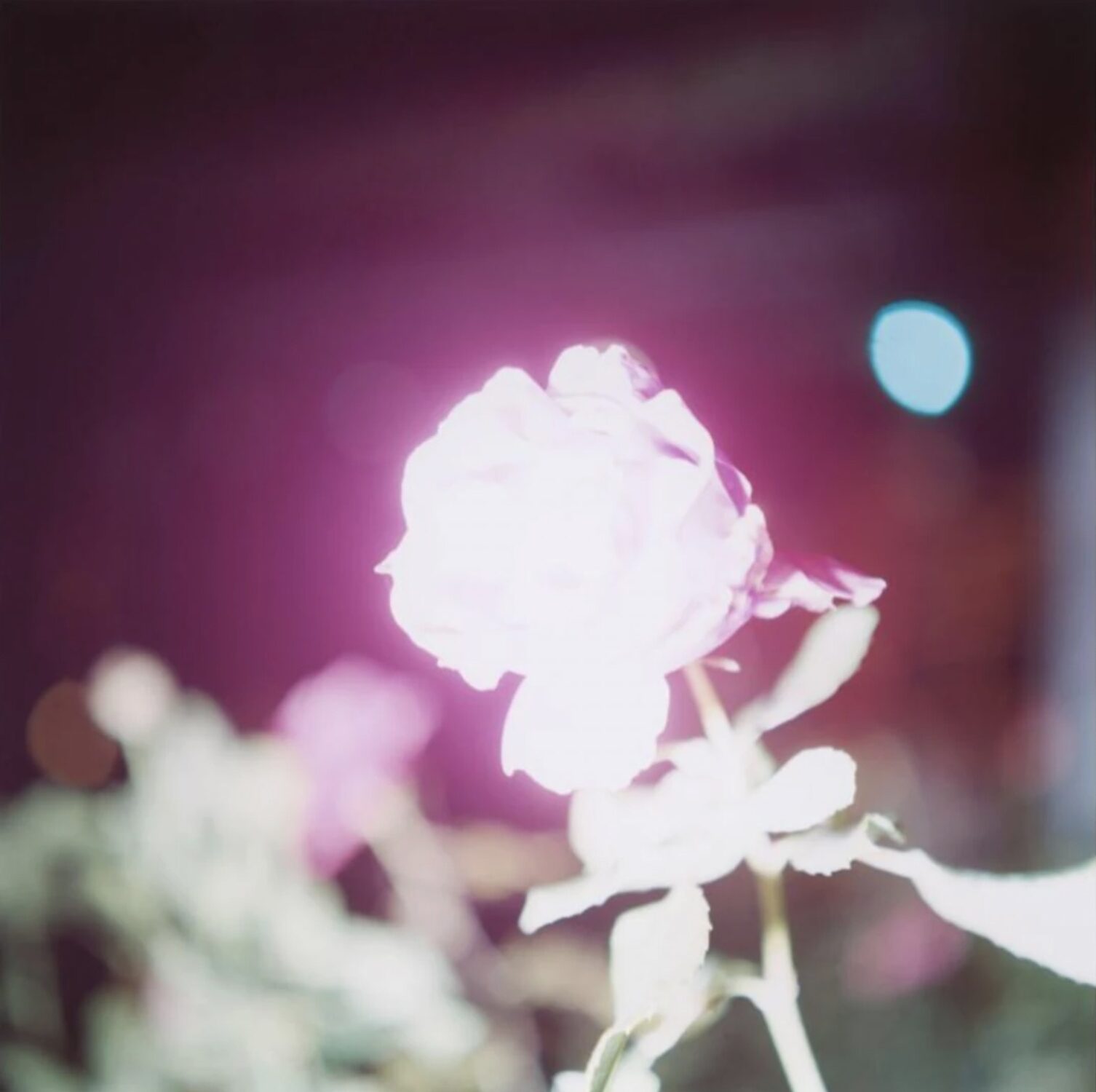
‘Untitled’, from ‘Illuminance’ (2009), Kawauchi Rinko
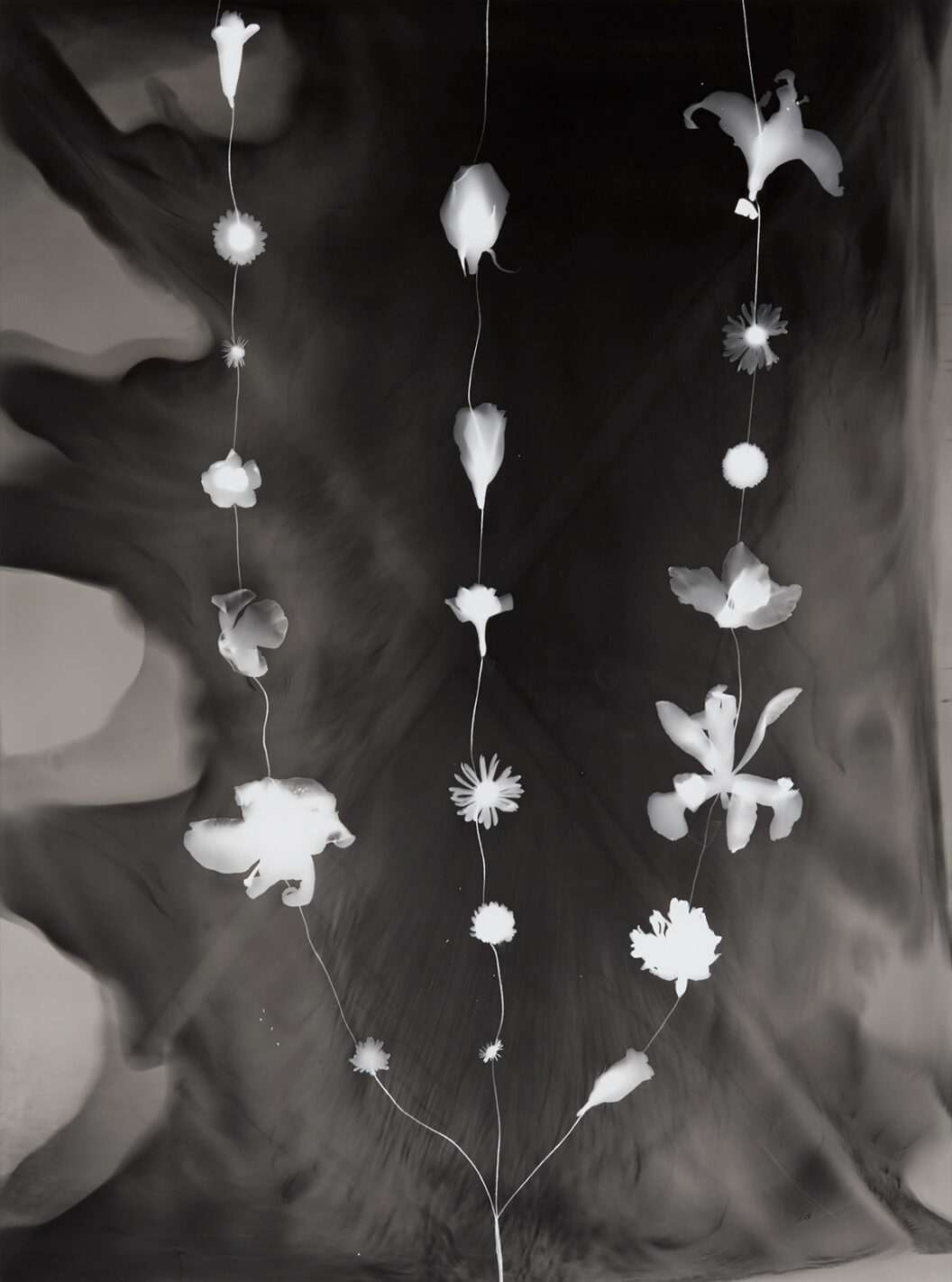
‘Joint-jointed’ (2020), Kunié Sugiura
Accompanied by an Aperture publication, ‘I’m So Happy You Are Here: Japanese Women Photographers from the 1950s to Now’ is on view at the International Center of Photography in New York until January 11, 2027, offering a broader perspective on Japanese photographic history and the women who have shaped it.
—
Follow us on Instagram @veinmagazine