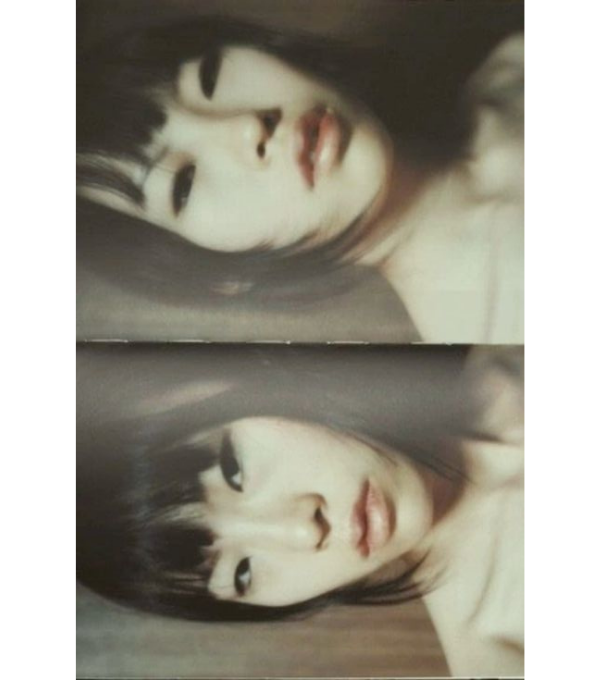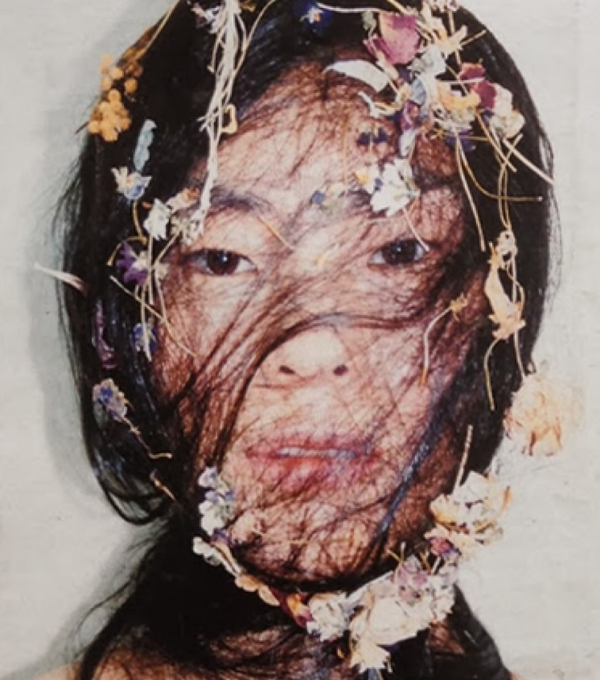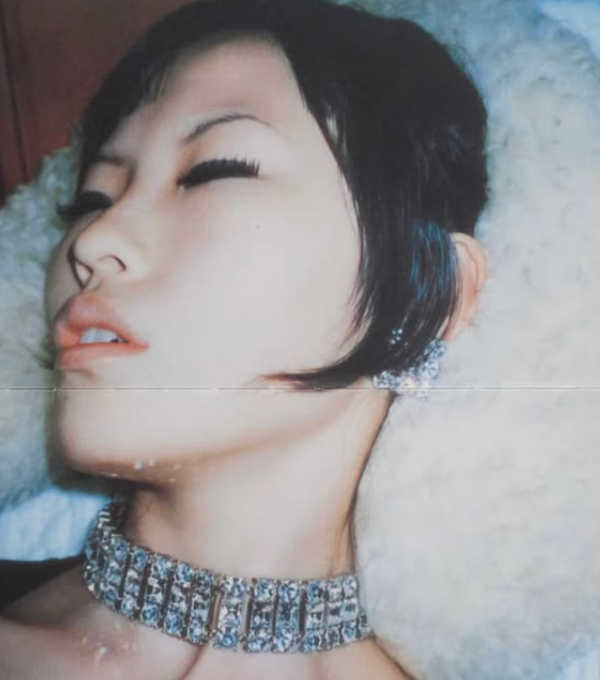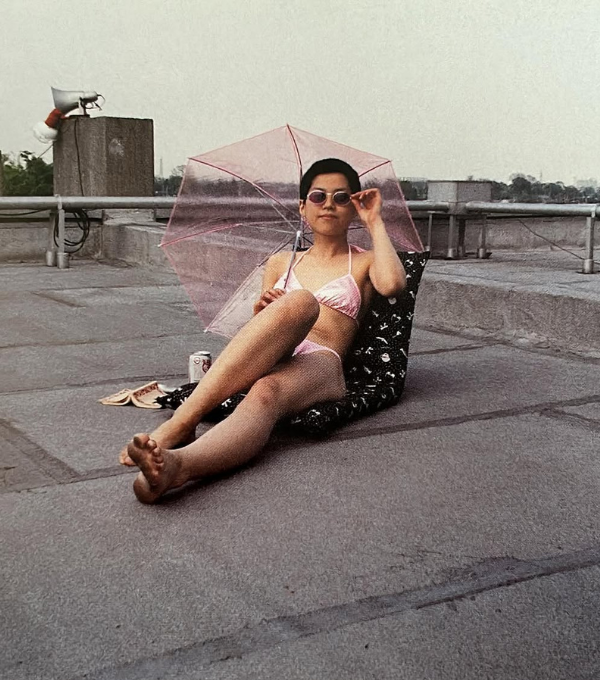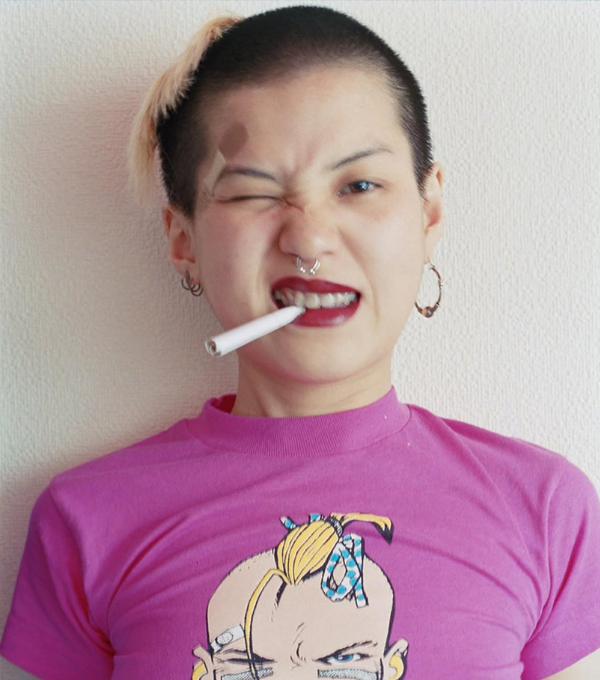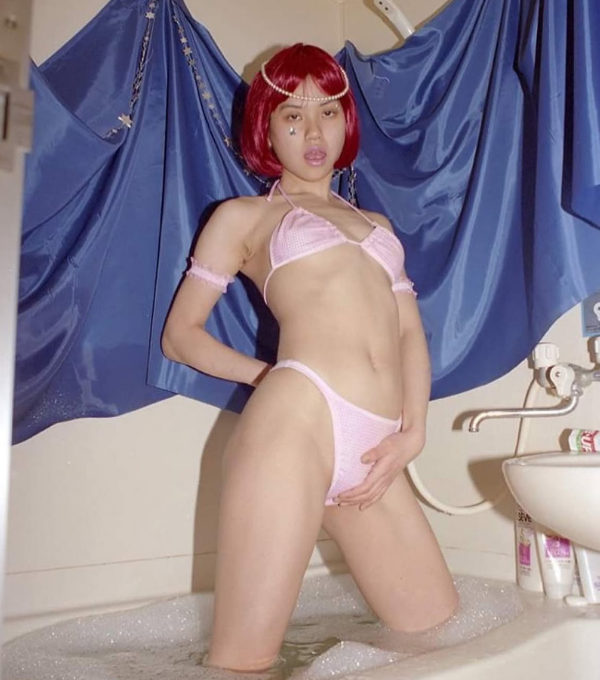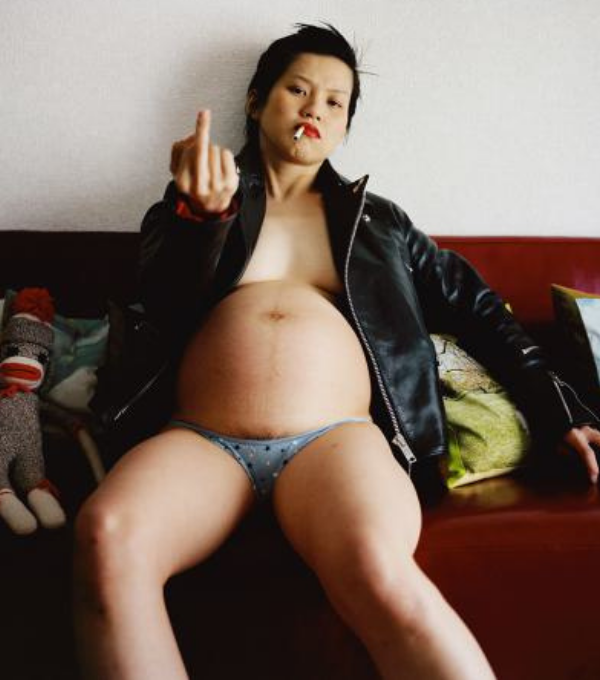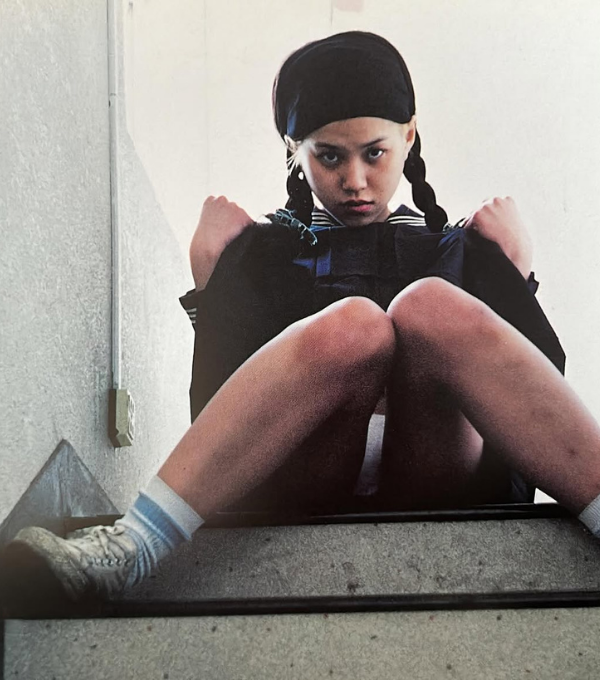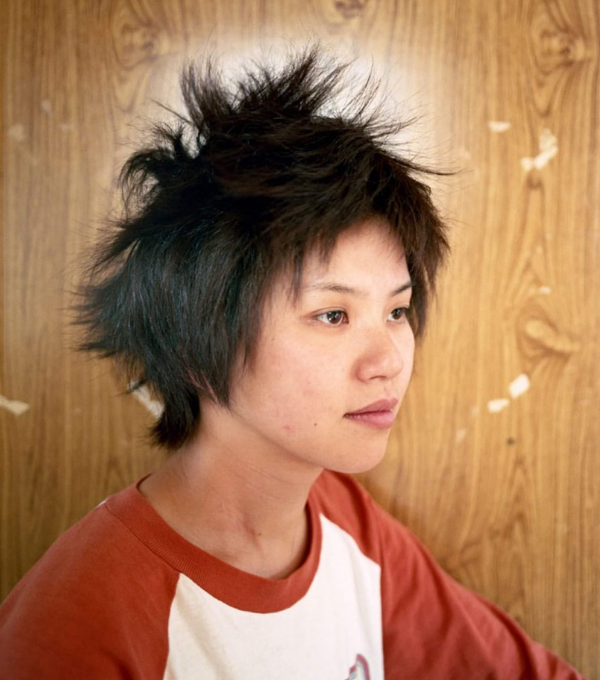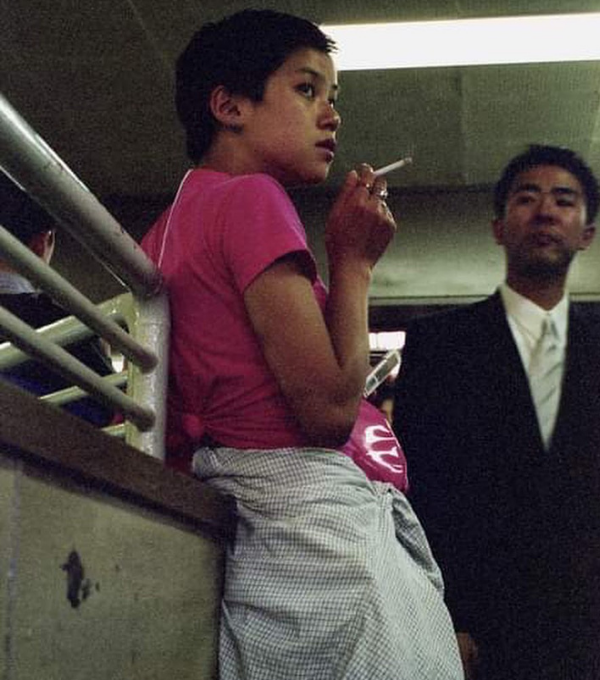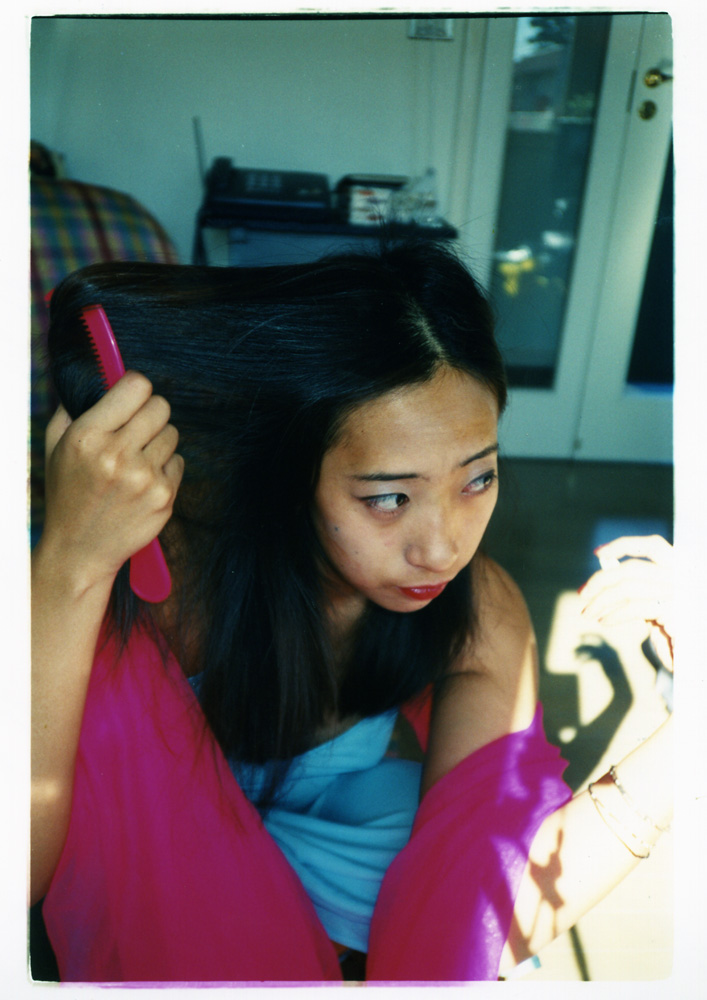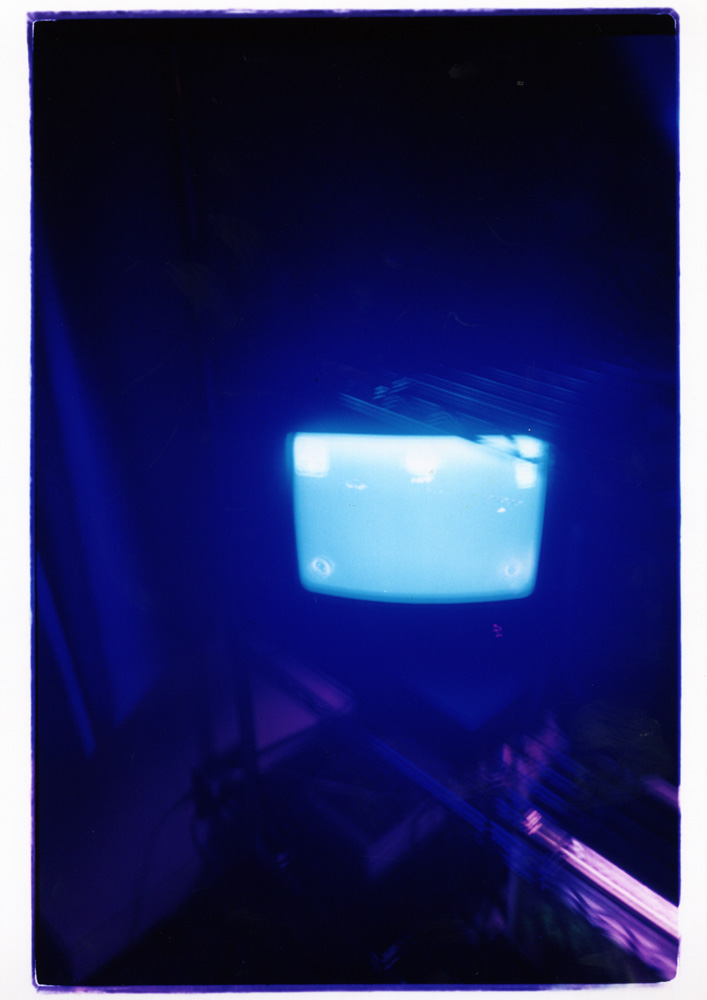



With compact cameras and autobiographical subjects, Hiromix, Yurie Nagashima and Mika Ninagawa disrupted photography. By bringing private life, youth culture and female experience into the frame, they reshaped ideas of artistic value and authorship.

Hiromix
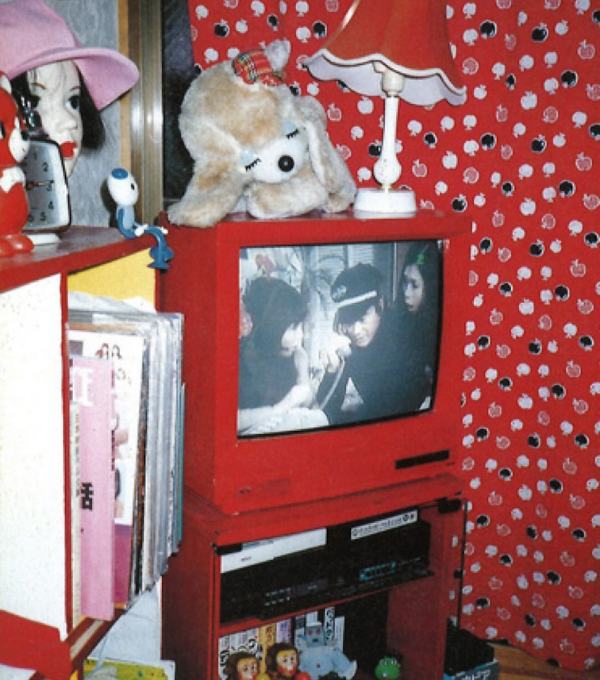
Bedrooms, friends, naked bodies, family relationships, nights out and ordinary encounters became photographic material. At a time when photography was still strongly shaped by professional hierarchies, technical authority and established ideas of what deserved artistic attention, compact cameras opened another route: immediate, accessible and closely connected to lived experience. Before social media made documenting everyday life ubiquitous, turning one’s own world into a public visual language carried a very different kind of disruption.
Hiromix, Yurie Nagashima and Mika Ninagawa became the most visible names associated with this moment, alongside photographers such as Rinko Kawauchi, Rika Noguchi, Maki Miyashita and Aiko Nakano. Together, they formed part of a broader emergence of young women using photography to approach everyday life, identity and personal experience from increasingly individual positions.
Critics grouped this phenomenon under Onnanoko Shashin, usually translated as ‘Girly Photo’. The term gave visibility to a new generation while also collapsing markedly different practices into a category defined by youth and gender. What appeared as a specifically feminine phenomenon was also part of a broader transformation of contemporary photography: who could make images, what deserved to be photographed and what could constitute artistic value.
Hiromix
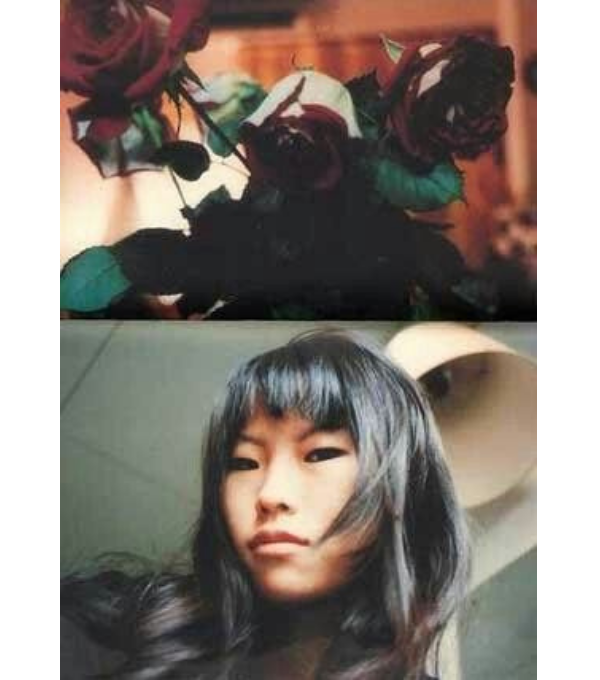
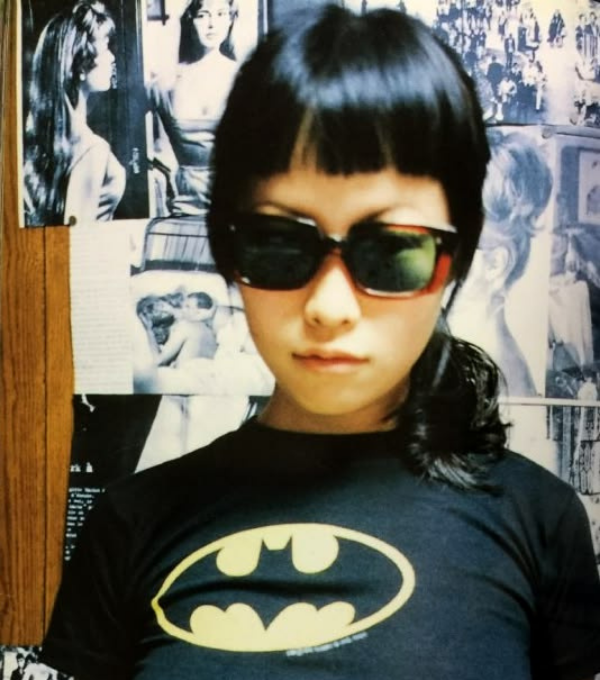
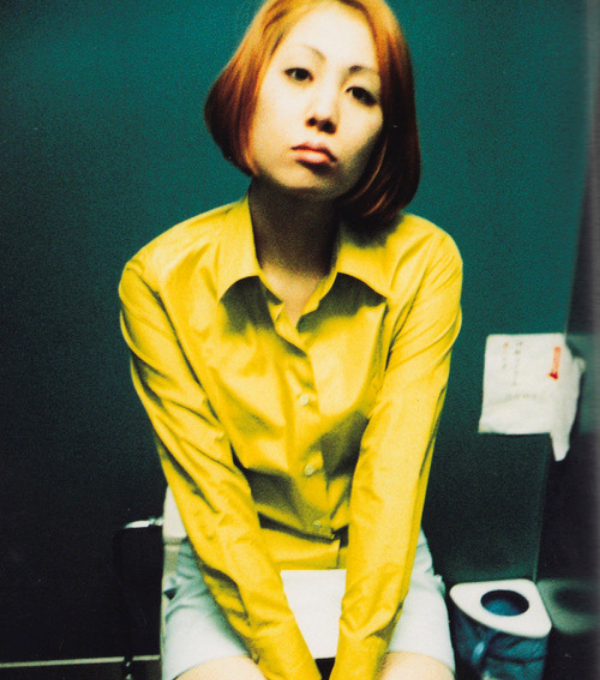
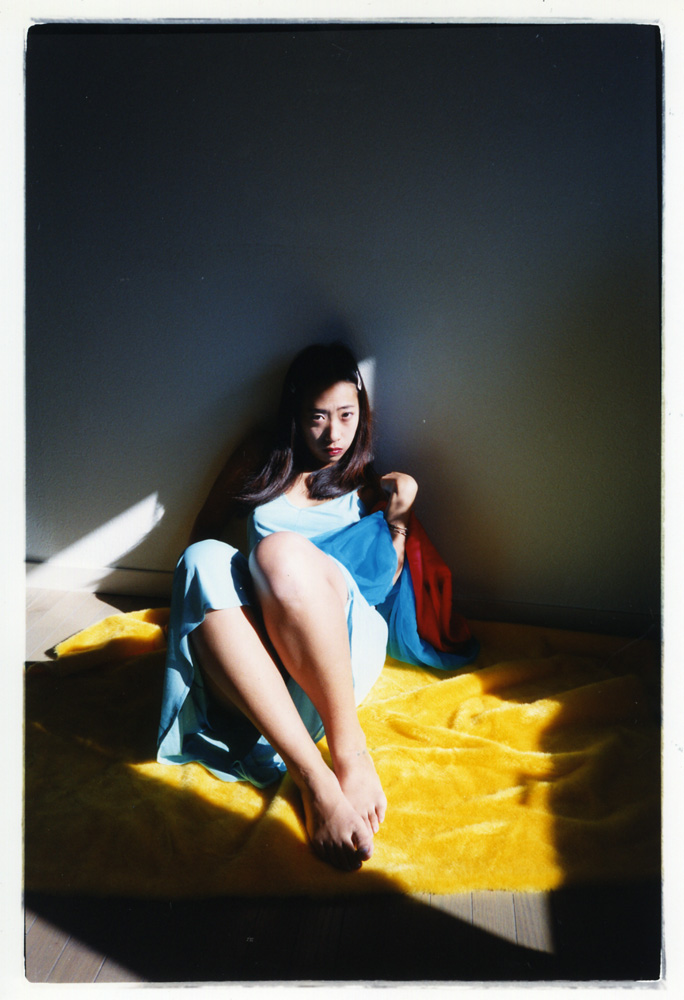
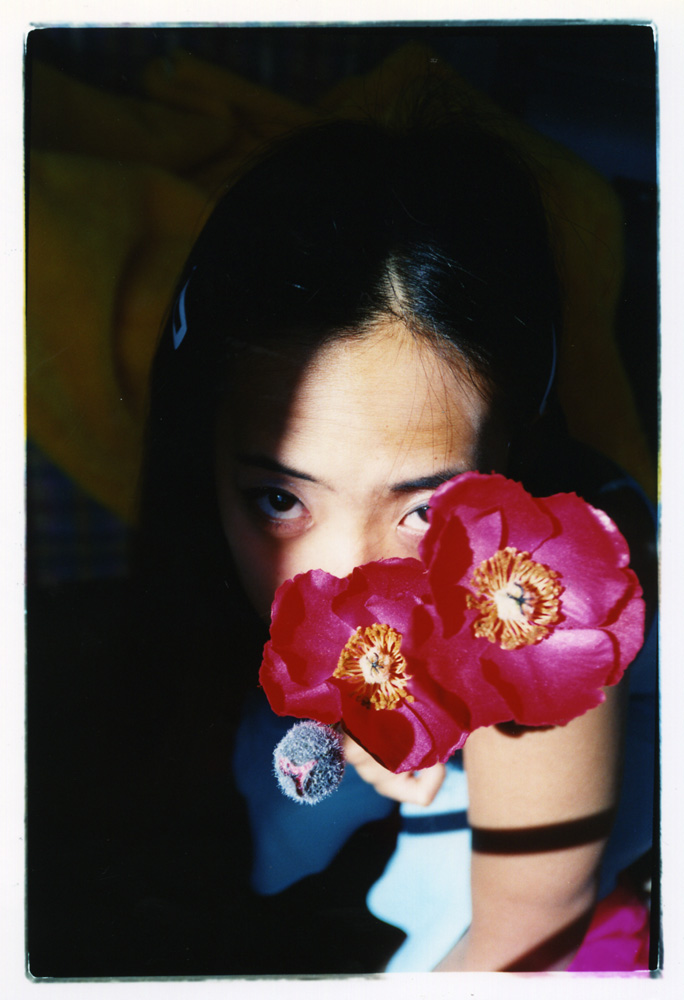
Still in high school, Hiromix won Canon’s New Cosmos of Photography Grand Prize in 1995 with ‘Seventeen Girl Days’. Friends, love, rock music, streets and the anxiety of growing up appeared with the immediacy of a visual diary, turning teenage life into photographic material. Her first book, ‘Girls Blue’, followed in 1996 and became an unusual commercial success for a photography book, helping propel the ‘Girly Photo’ phenomenon.
‘Hiromix’, published by Steidl in 1998, brought her work to a wider international audience, while ‘Hiromix Works’ earned her the Kimura Ihei Photography Award in 2001. Across these projects, her snapshots found value in moments that might otherwise have remained private or unnoticed.