

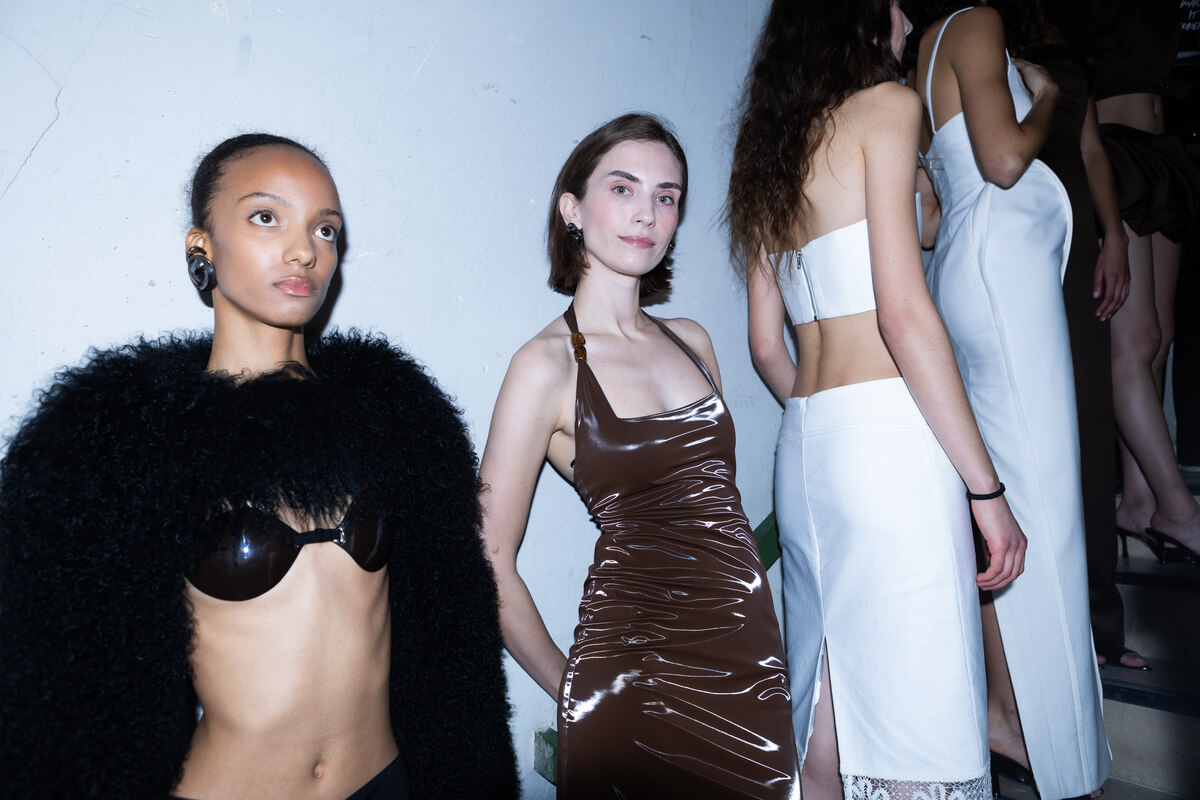
With ANNUAL 26, Juan Carlos Pajares marks ten years of JCPAJARES at Mercedes-Benz Fashion Week Madrid through a collection shaped by renewal, where the flower emerges as both gesture and narrative.
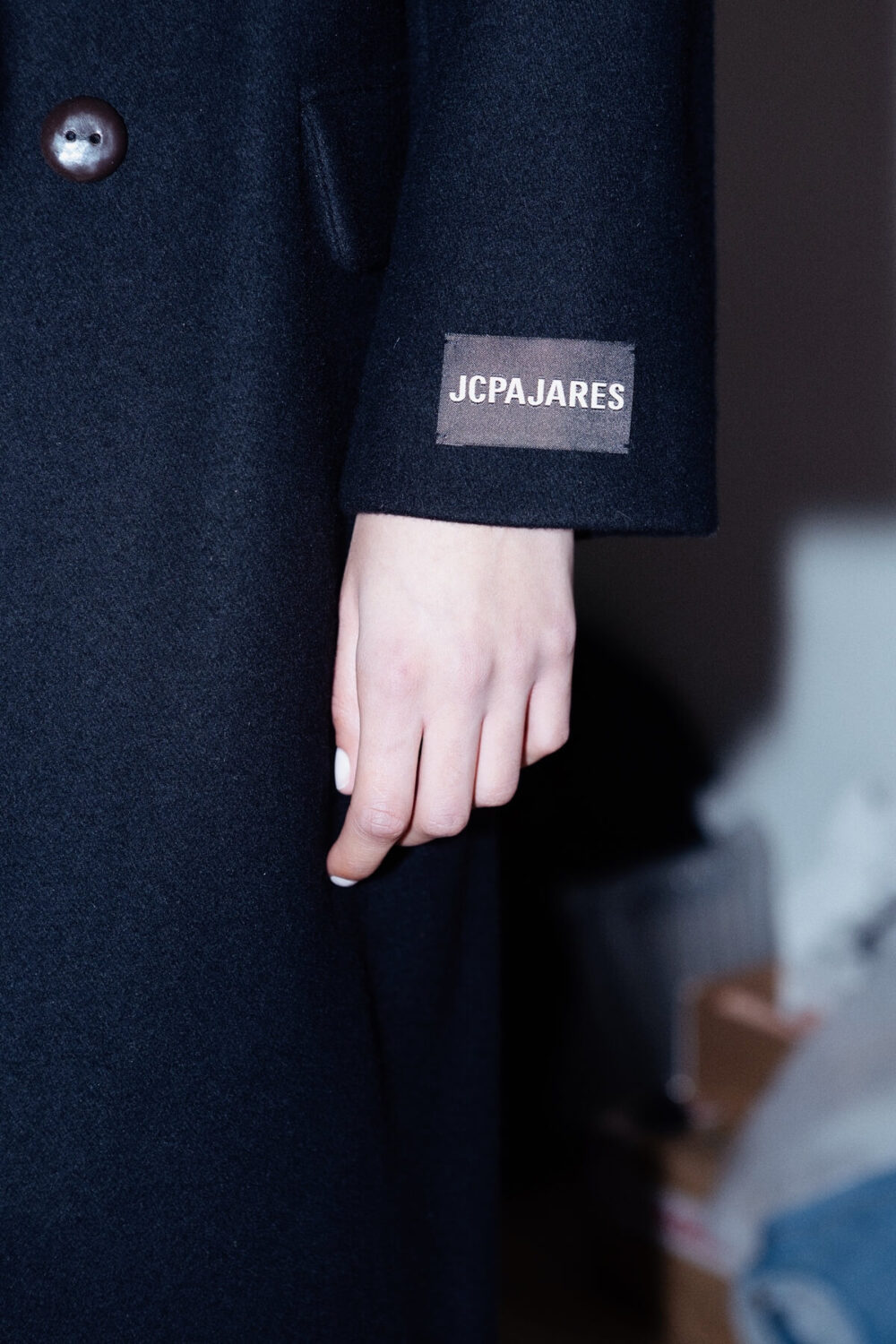
After a decade building the universe of JCPAJARES, Juan Carlos Pajares presents ANNUAL 26 as a moment of transition. Shown at Mercedes-Benz Fashion Week Madrid, the collection reflects a more introspective approach, where instinct and experience begin to align with greater clarity.
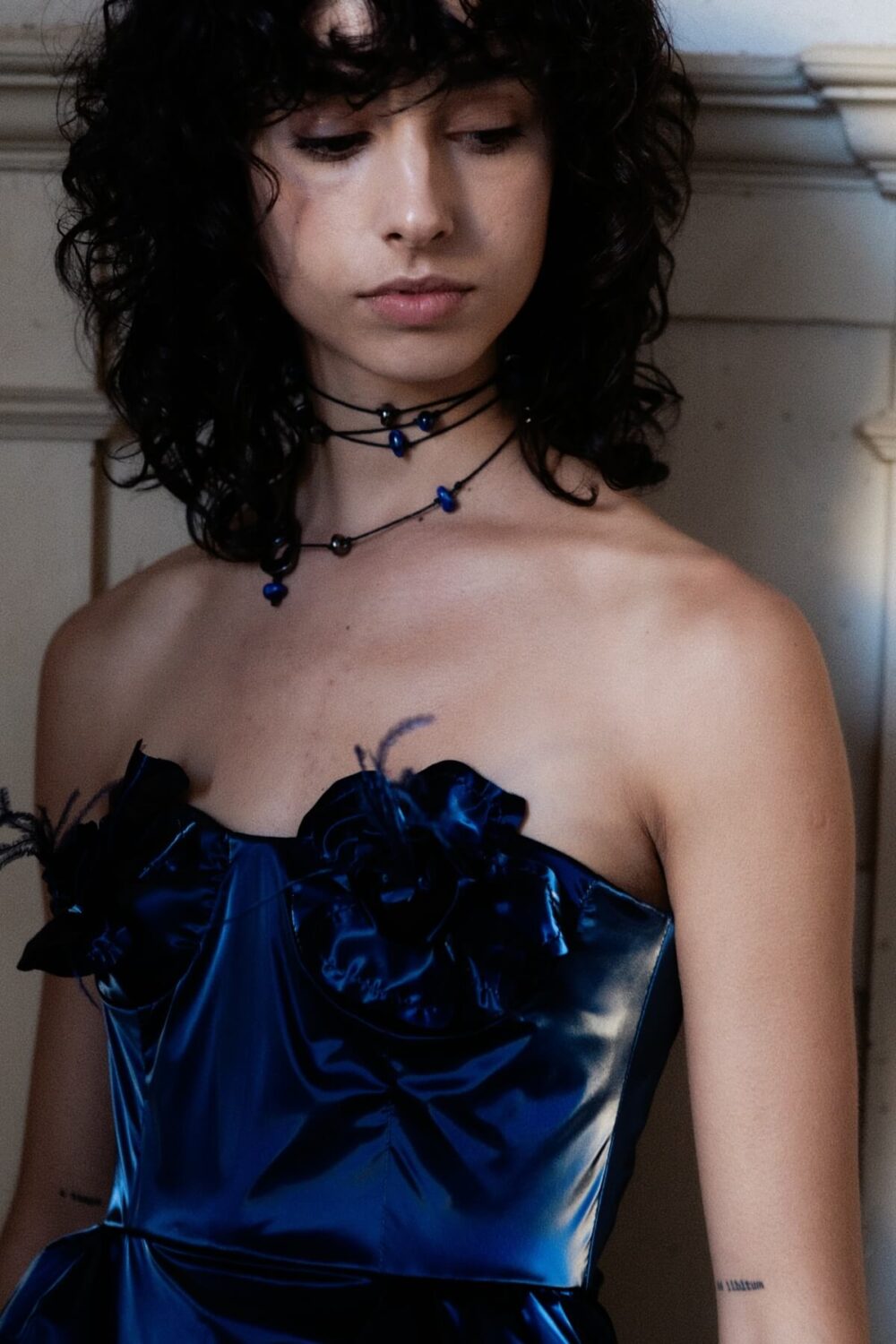
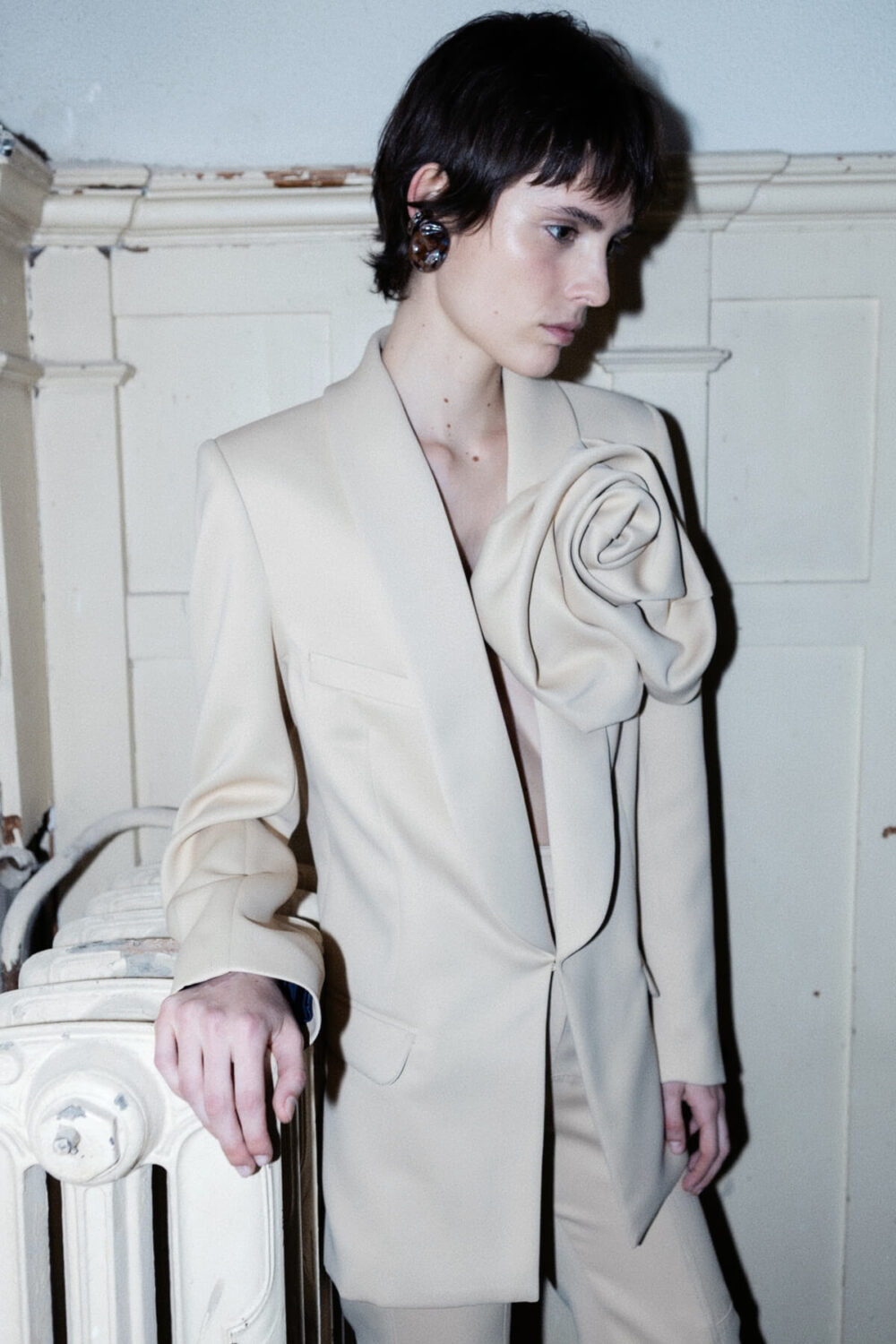
At the centre of this new chapter is the flower. What began as a detail in a bridal look gradually expanded into a defining motif, connected to personal references such as the anthurium and to a sense of accumulated signs guiding the creative direction. The symbol resonates with the idea of renewal, marking ten years as a turning point and opening a new cycle for the brand.
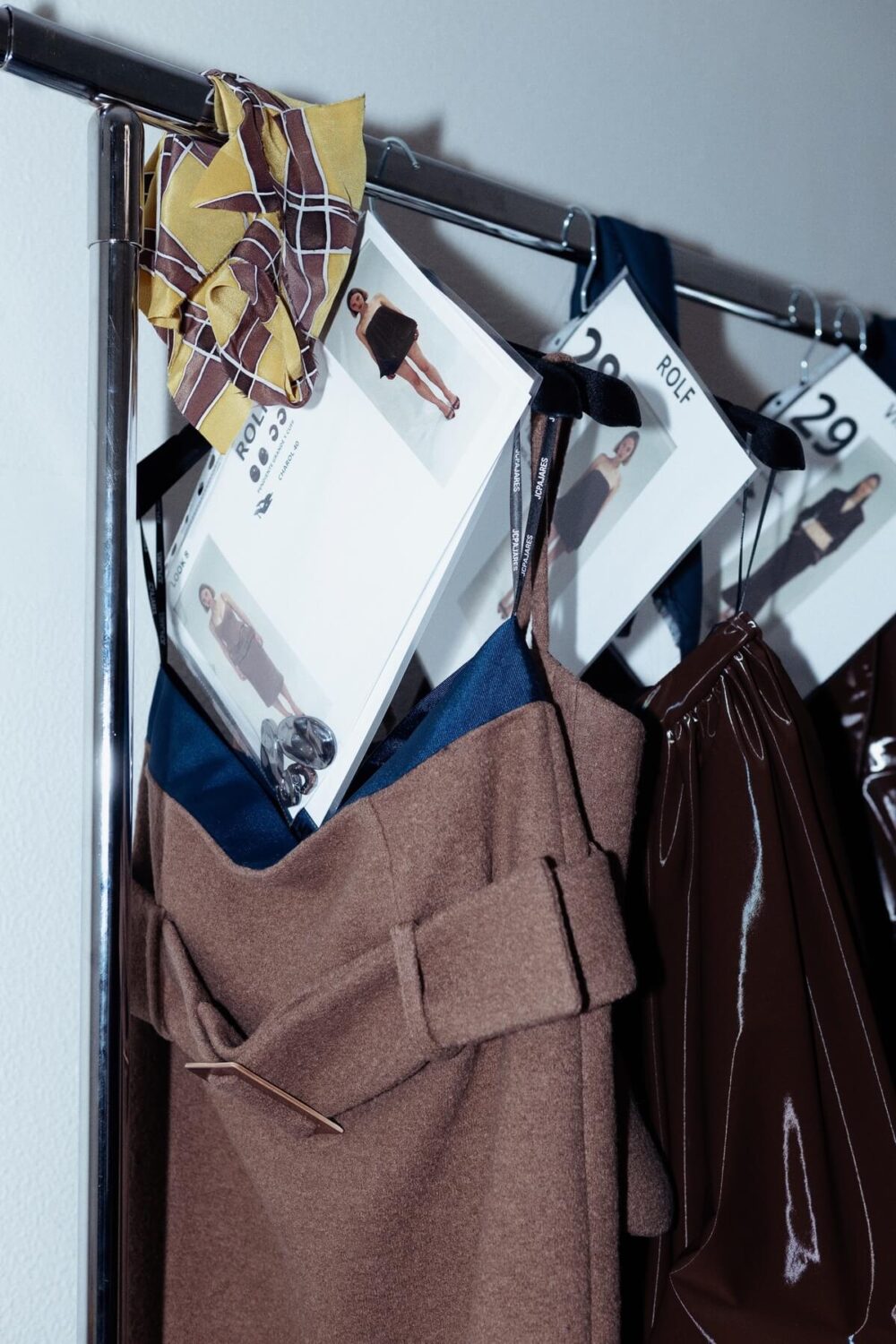
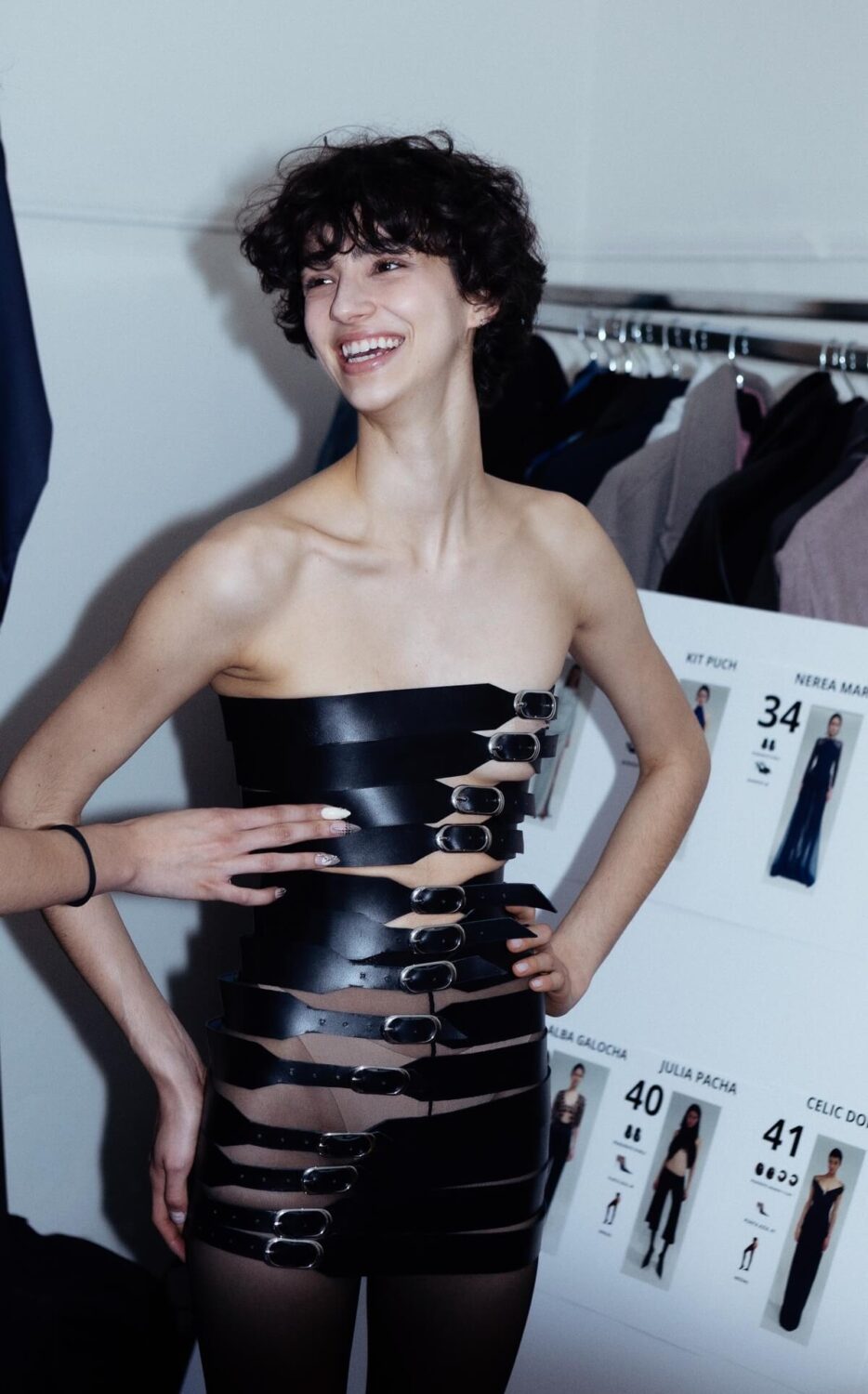
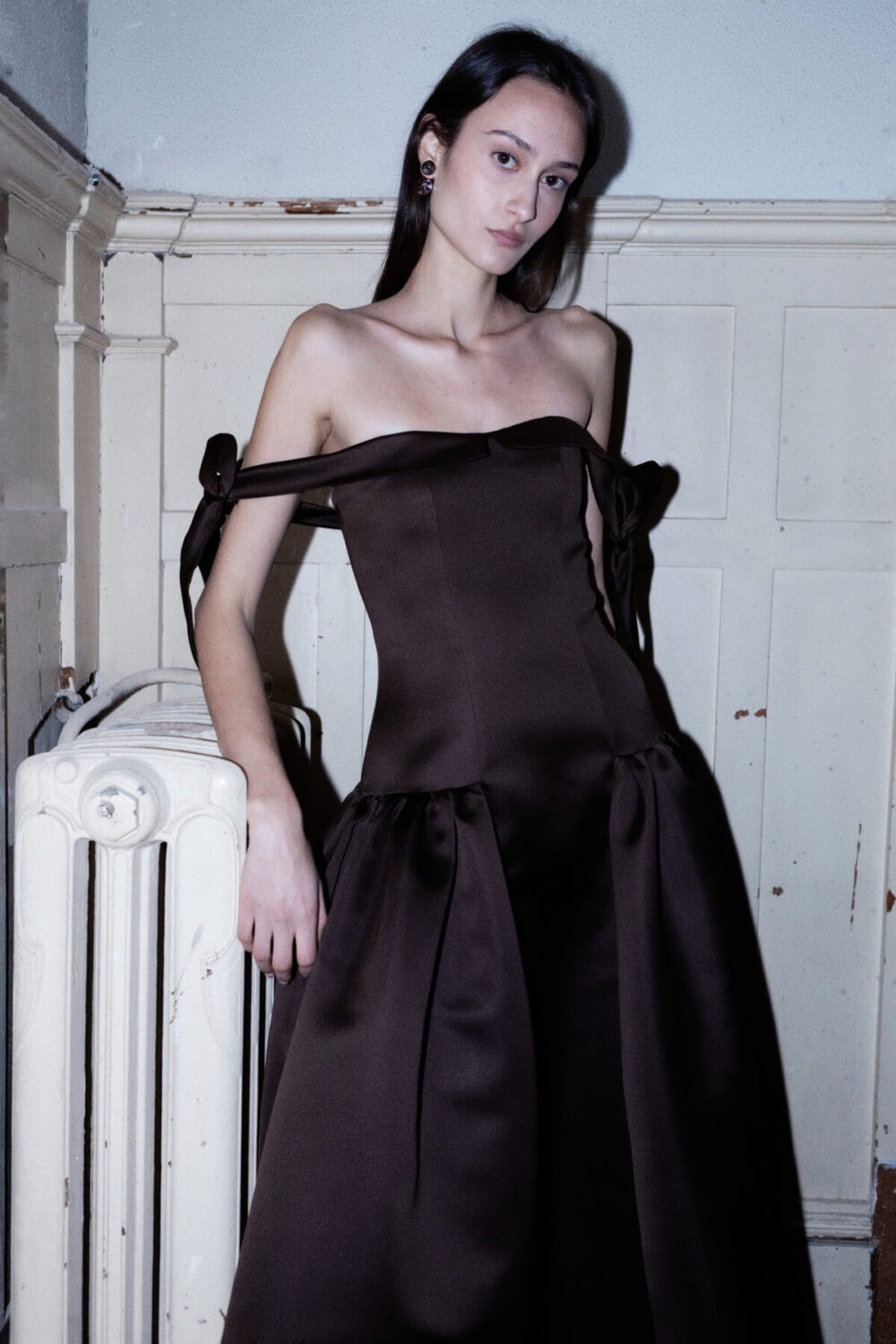
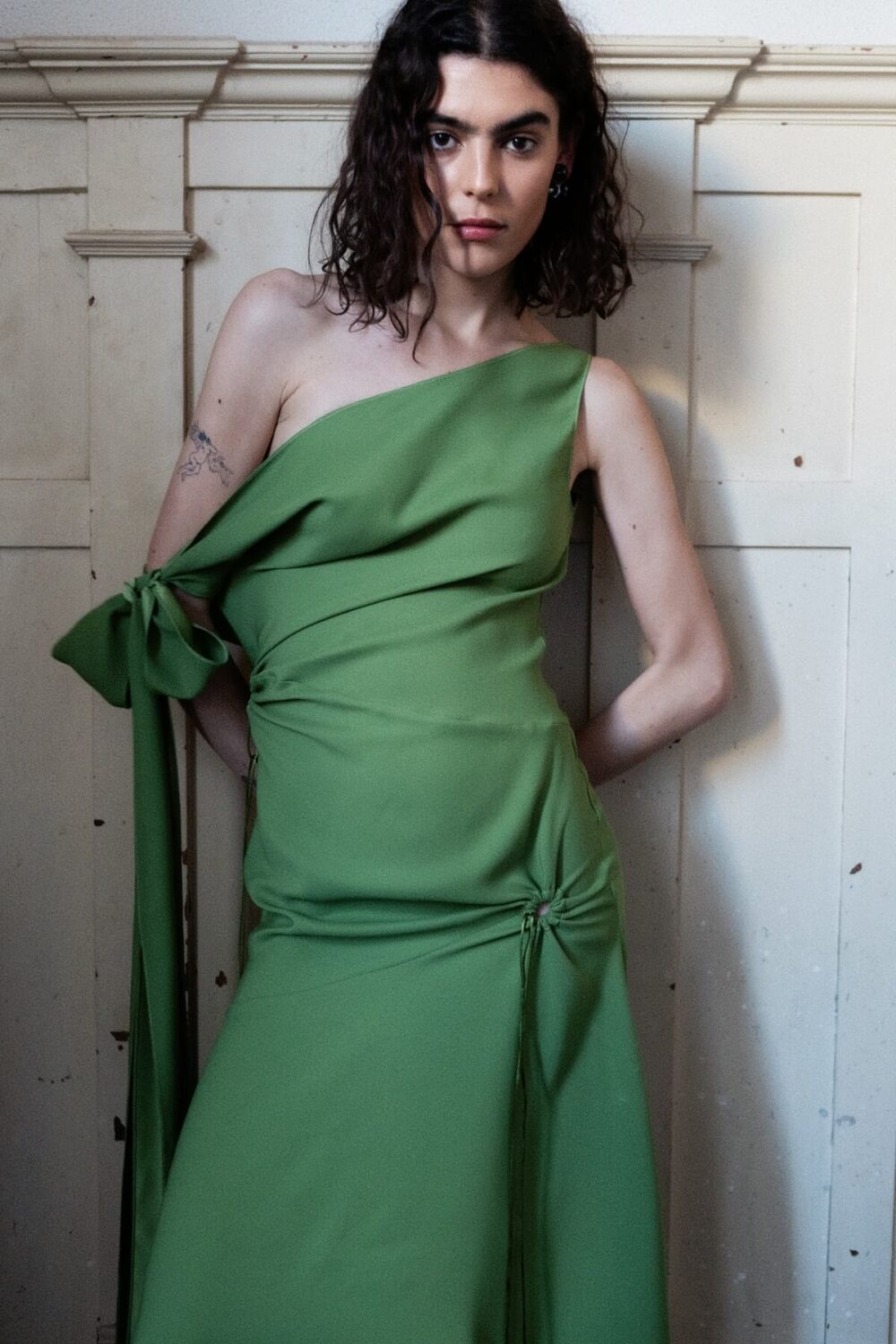
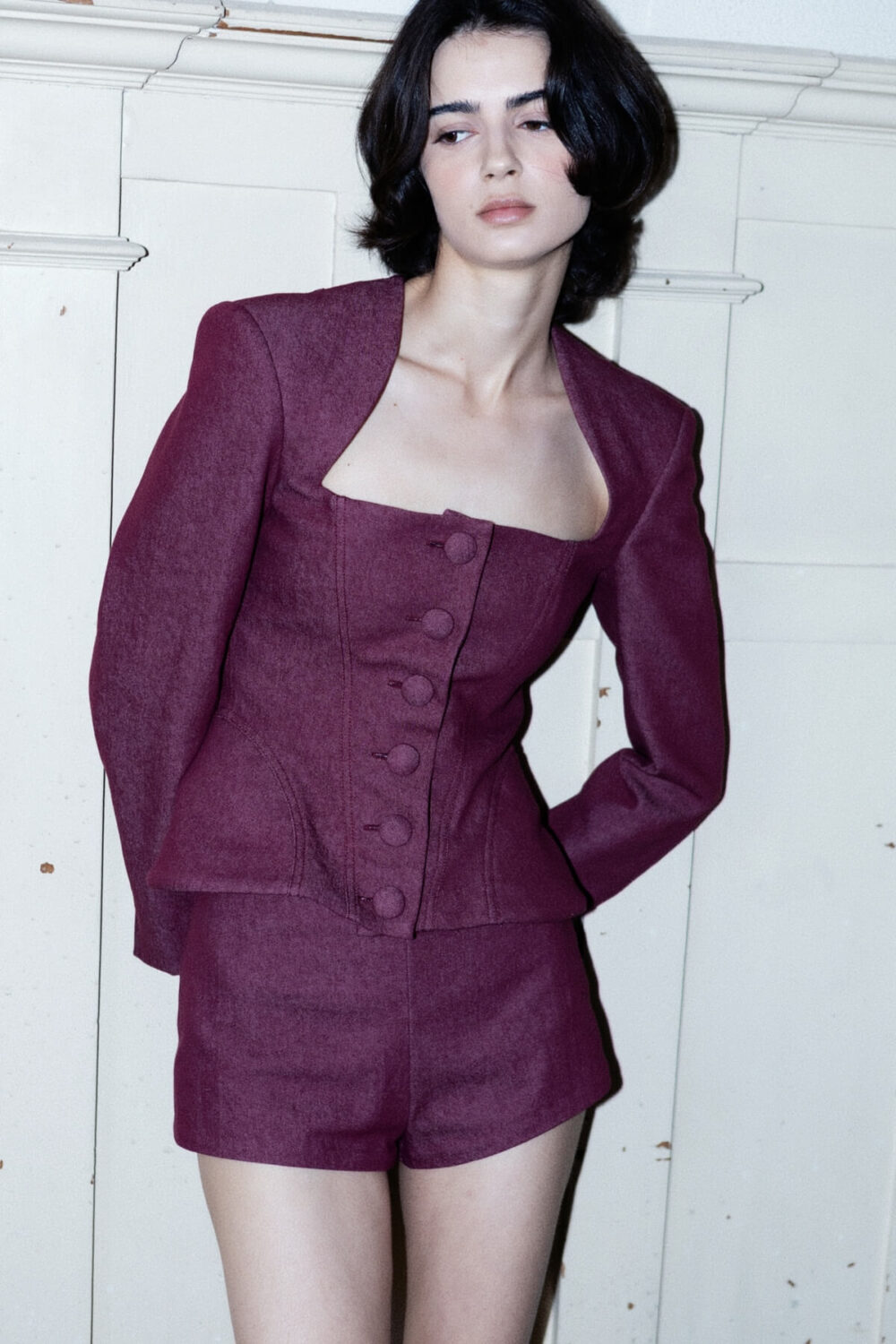
This narrative extends into the material language of the collection, where craftsmanship plays a key role. Techniques developed with artisans from Castilla-La Mancha coexist with more experimental gestures, including the integration of ceramics into garments. ANNUAL 26 moves between structure and fluidity, balancing precise tailoring with softer volumes.
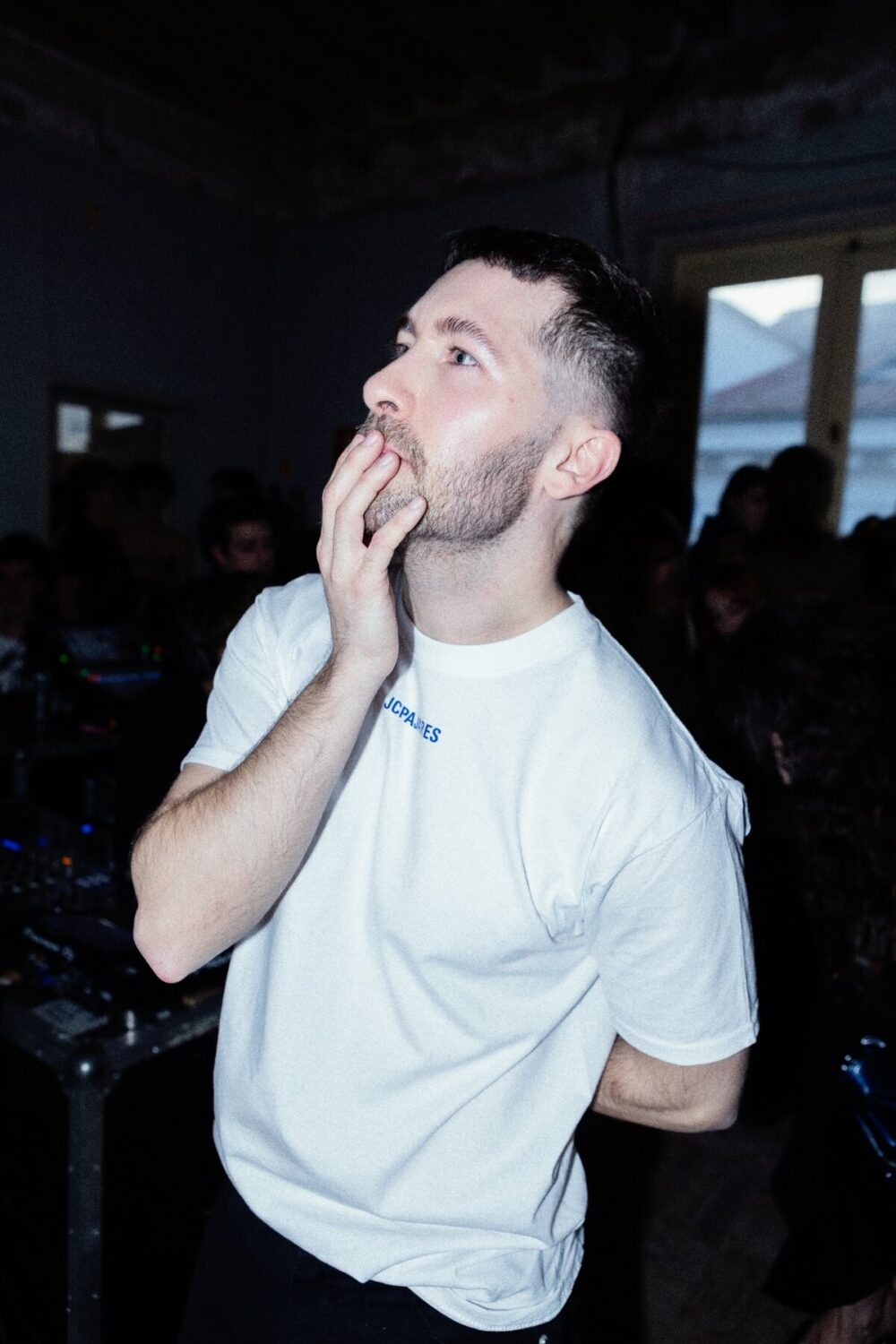
Ten years after founding JCPAJARES, you present ANNUAL 26 as a collection that looks forward while acknowledging the path behind you. How have you experienced this anniversary, and where does this collection sit within your trajectory as a designer?
Honestly, I approached this collection like any other, but with a much more nostalgic and thoughtful perspective. I didn’t want to put extra pressure on it, but I’m very happy with the result. I think it’s a beautiful collection, much darker than usual. I believe I’ve found a balance between my own DNA and that of my customer. I’m genuinely very satisfied.
A recurring floral motif runs through the collection, evoking renewal and the opening of a new chapter. When did this idea first emerge in the creative process, and why did it feel right for this moment in the brand’s history?
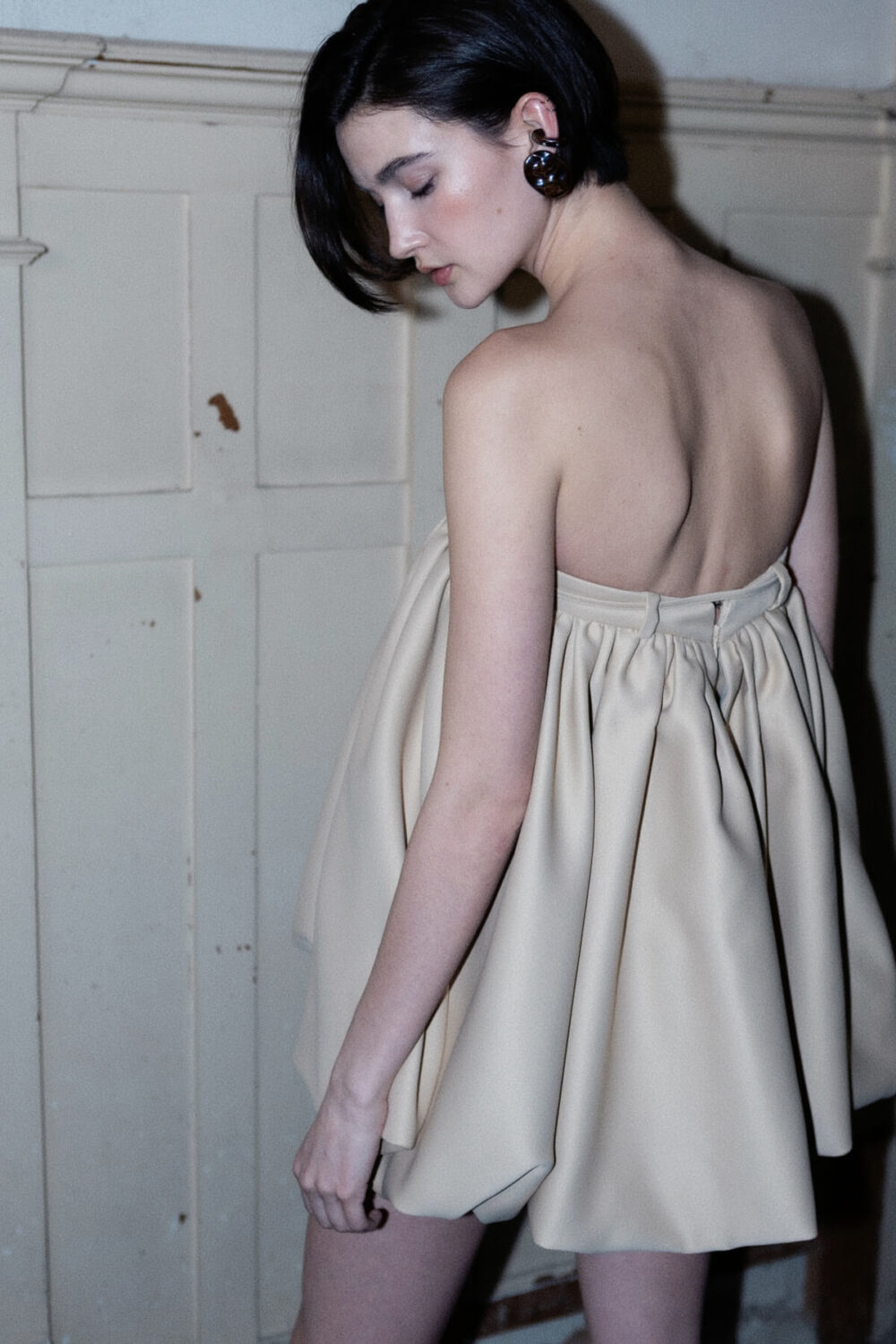
The idea of the flower came from a wedding dress we made. We recently launched JCPAJARES Bridal, and we created a kind of oversized skirt with a flower, and I loved that moment. I was also very obsessed with the anthurium, and it all felt like a series of signs, everything led me there. From that point on, the flower became a symbol. I haven’t traditionally worked much with balloon skirts or voluminous silhouettes, yet this collection includes some of those elements. So it all developed naturally. And above all, ten years is a turning point. It may not seem like it, because I still feel very young, but suddenly I think, wow, it’s been ten years.
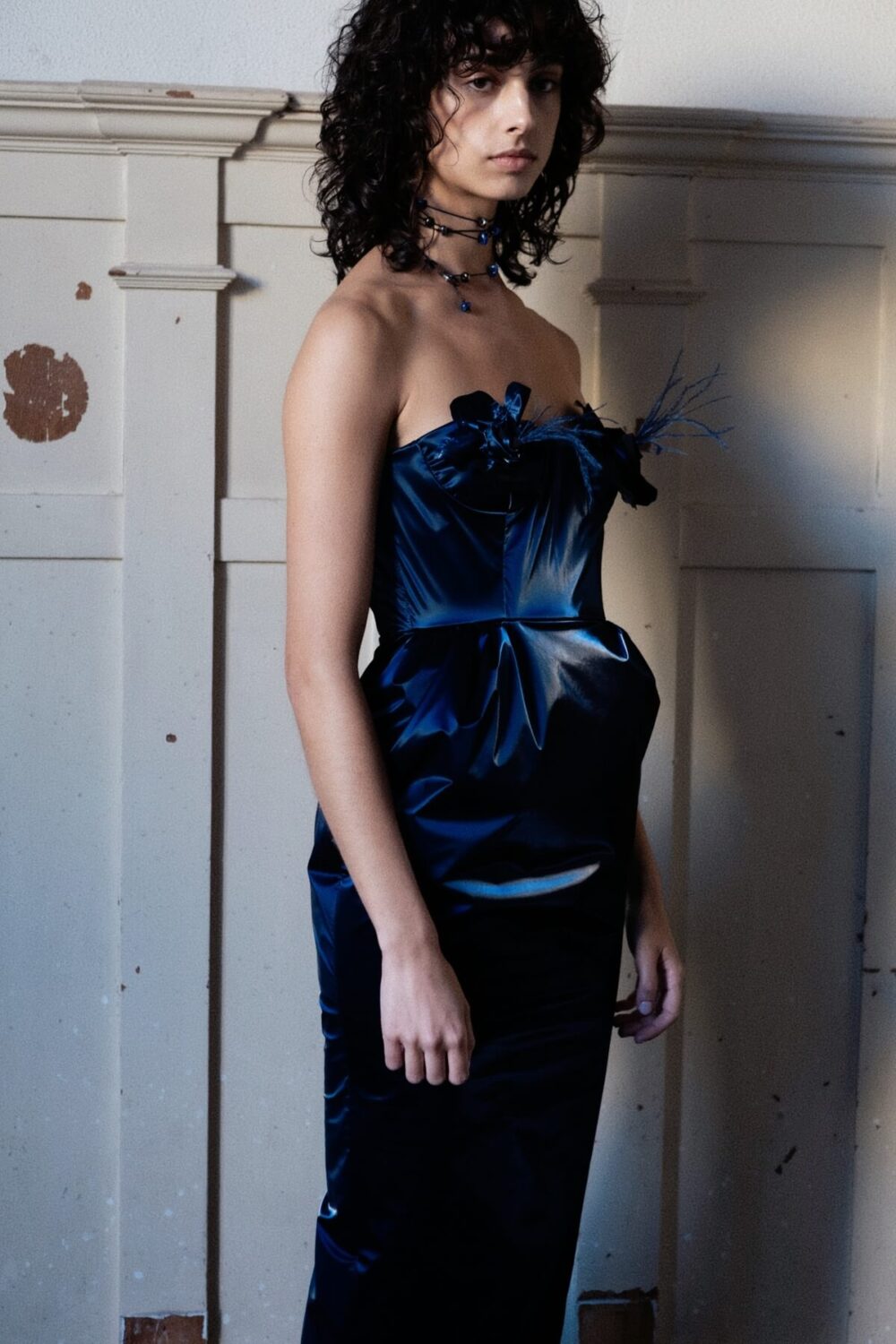
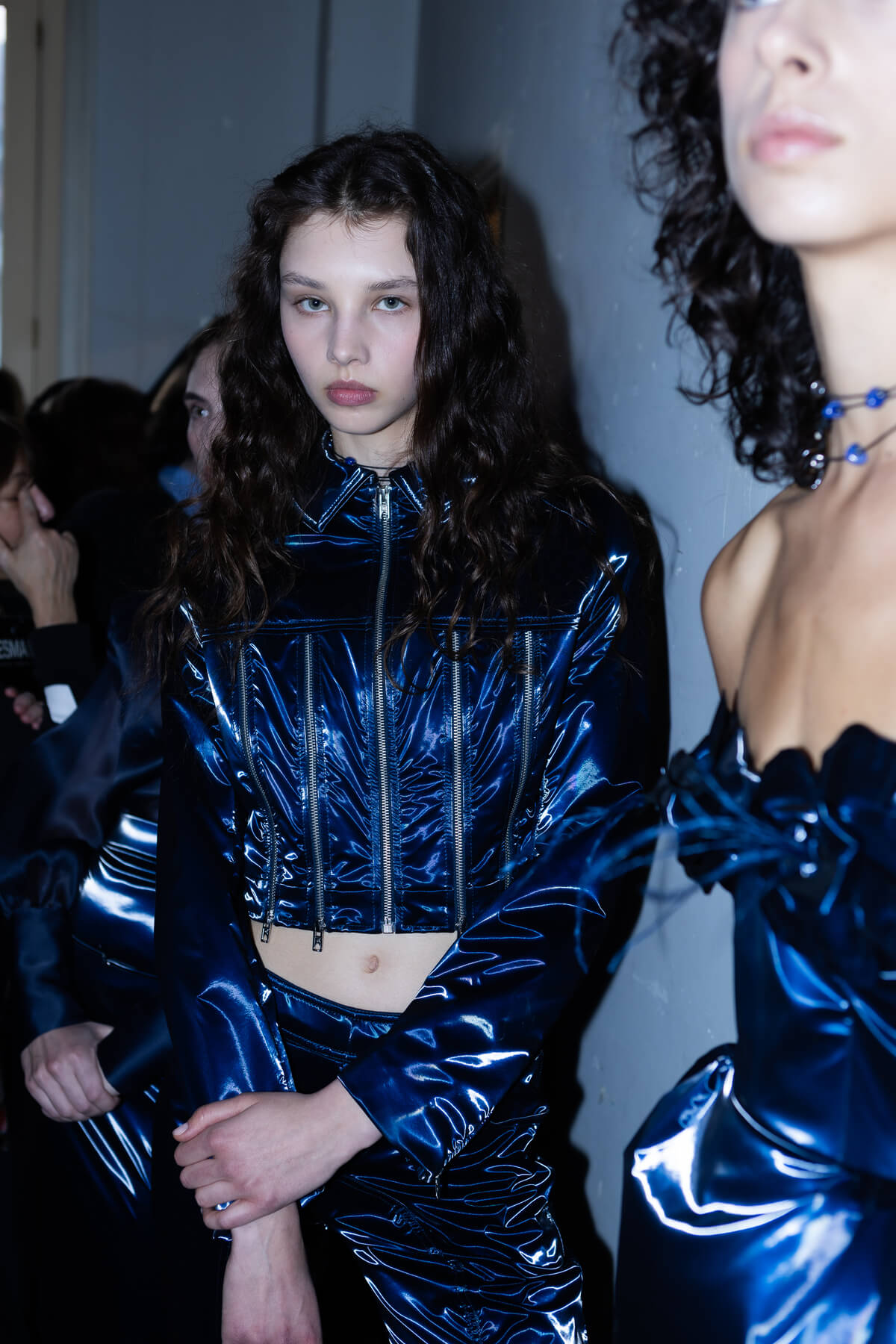
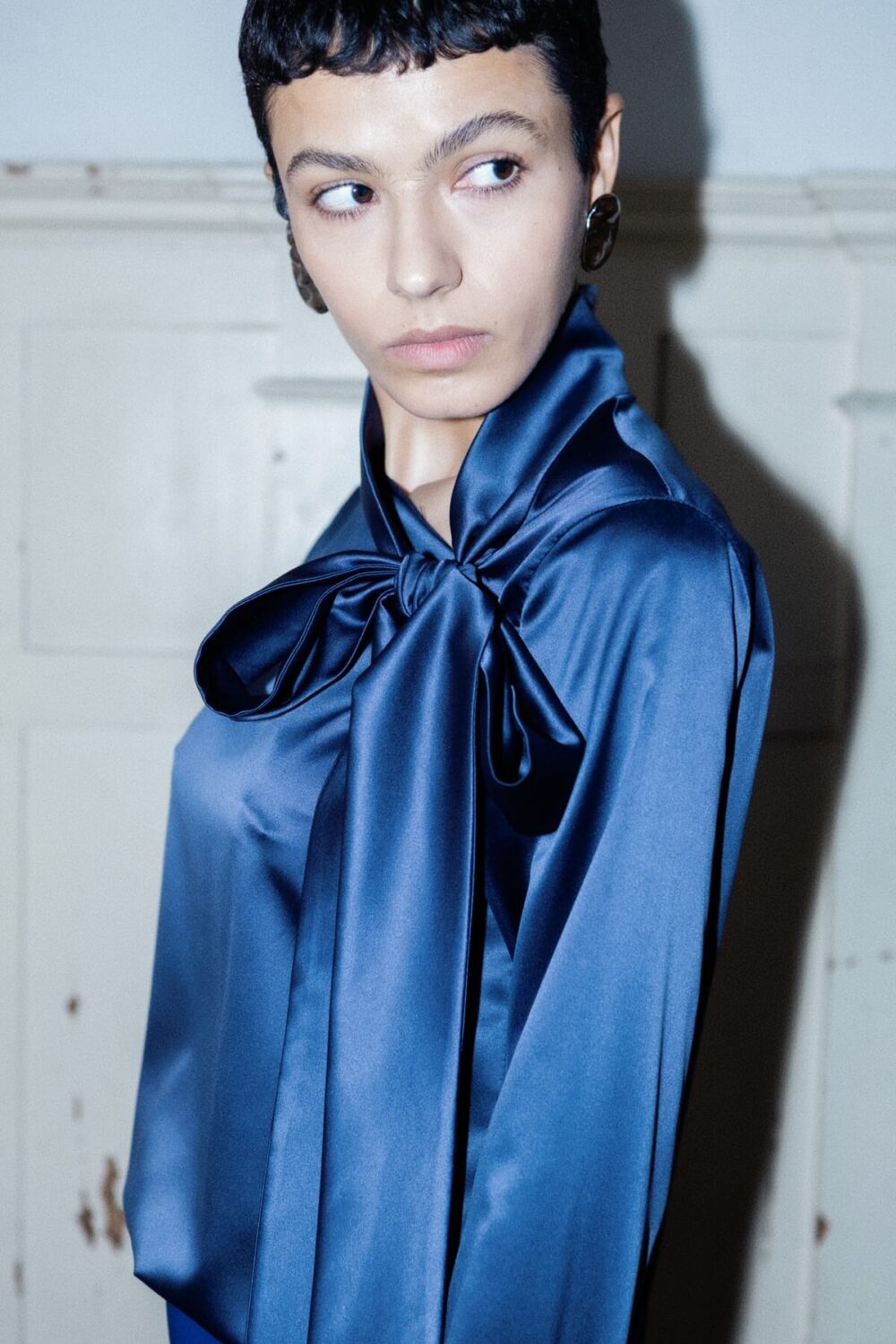
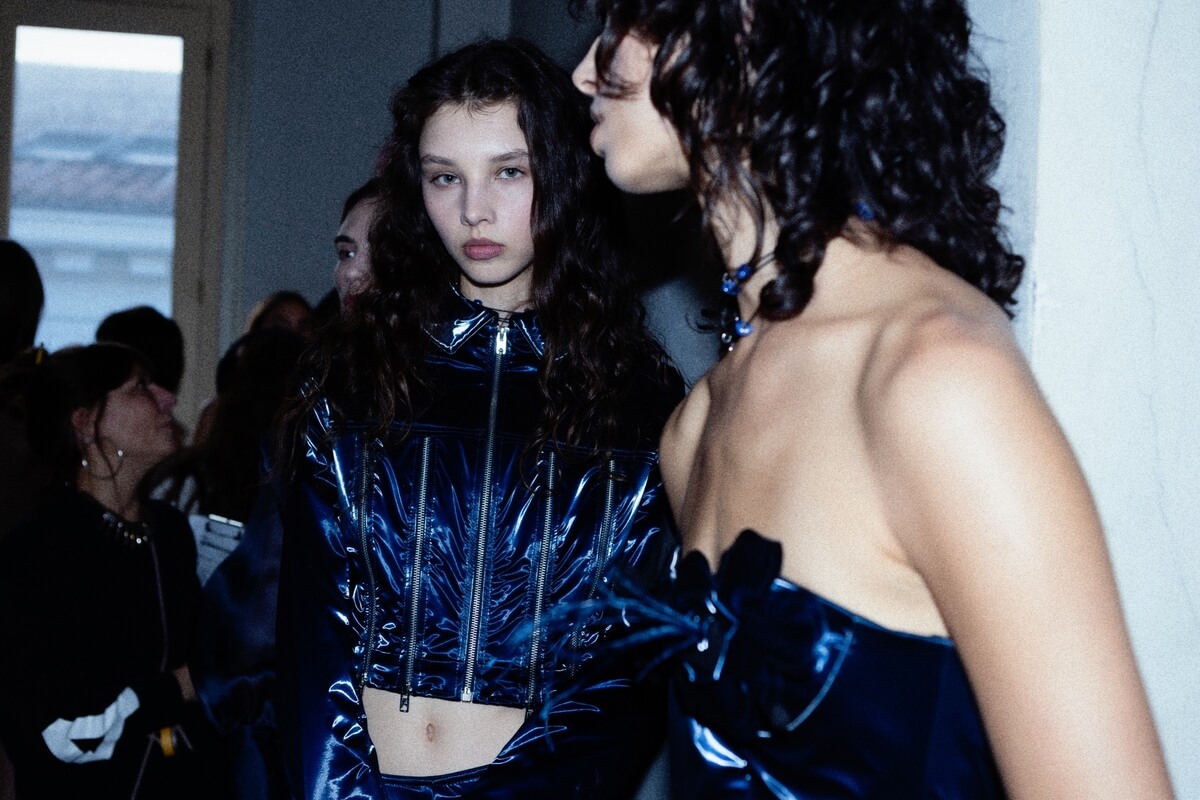
Blue runs throughout the collection in multiple shades, from navy to Klein blue. What role does this color play in shaping the atmosphere of ANNUAL 26?
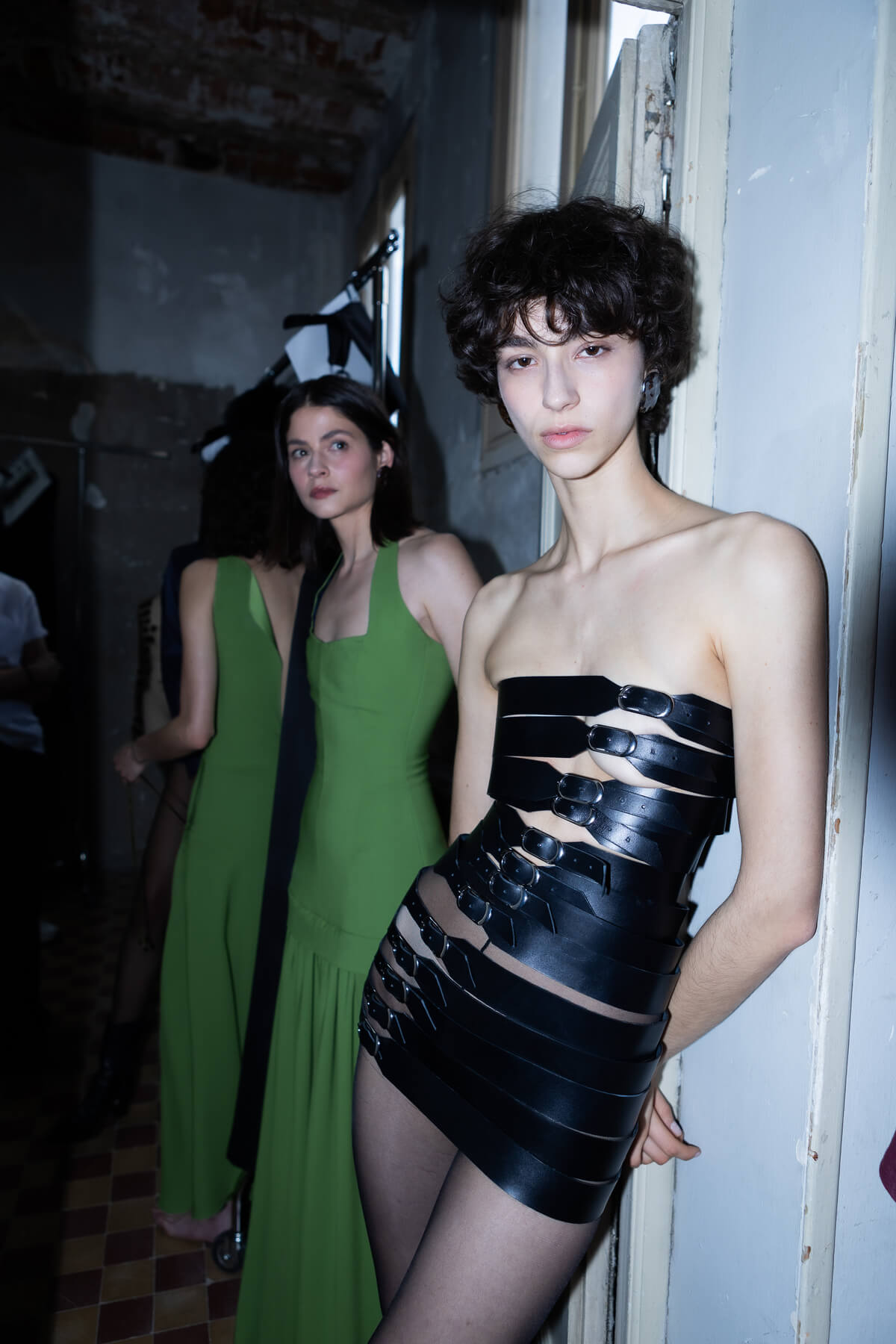
There are actually many more colors, although I started with blue. It later evolved into a lot of black, brown, touches of pistachio green, white, grey, and burgundy, but everything revolves around blue. Klein blue is the brand’s signature color; it’s my favorite, the one that represents me most. It reflects the brand and, of course, the entire graphic identity of our tenth anniversary.
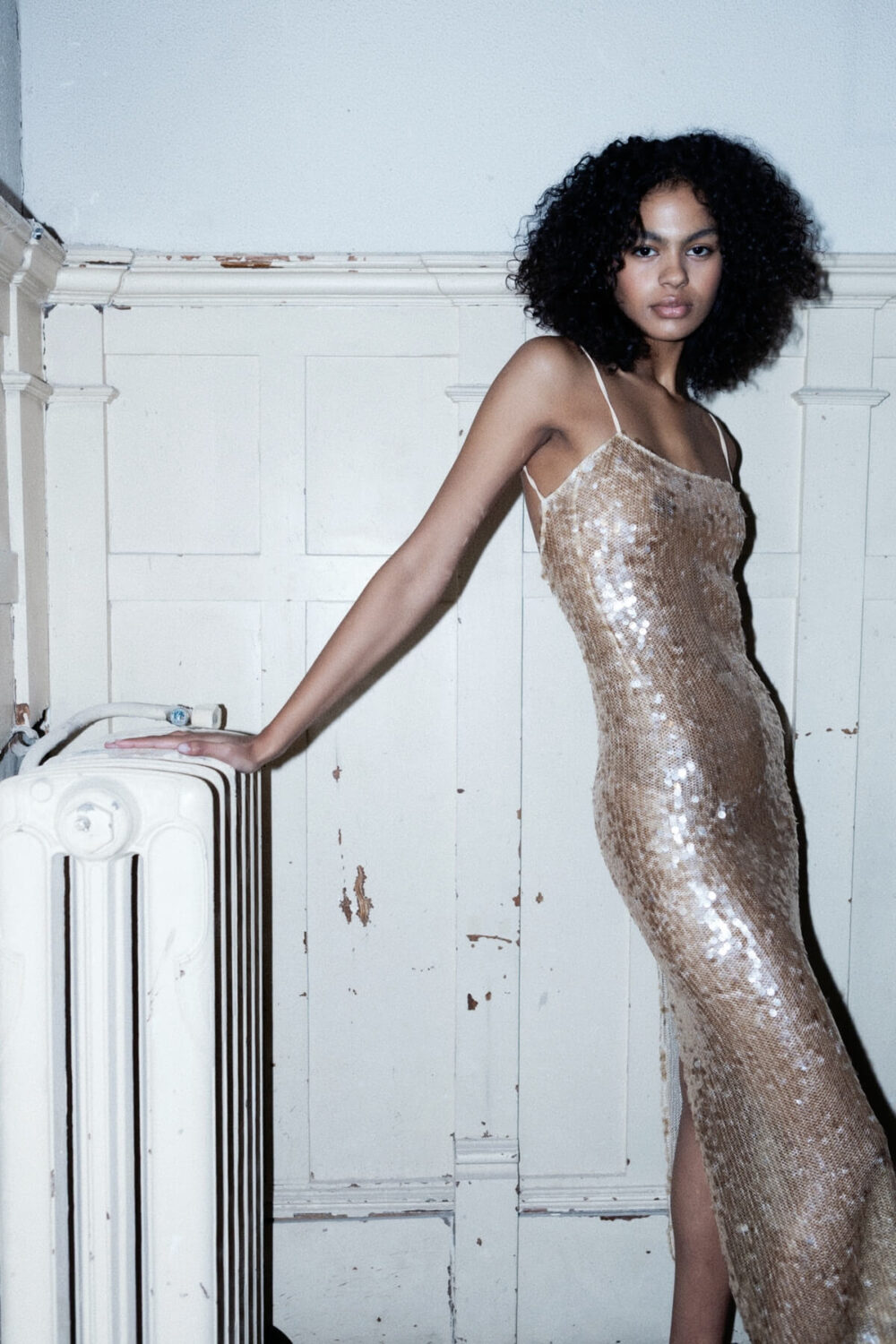
Silhouettes constantly shift between fitted and expansive, with very short garments appearing alongside pieces that reach the ankle or the floor. What interests you about working with these contrasts in scale and proportion?
These are things that emerge naturally. I create intuitively, I don’t do it deliberately, you know? It’s organic. I also like to offer many different garment typologies, and depending on the mood, I vary lengths and proportions.
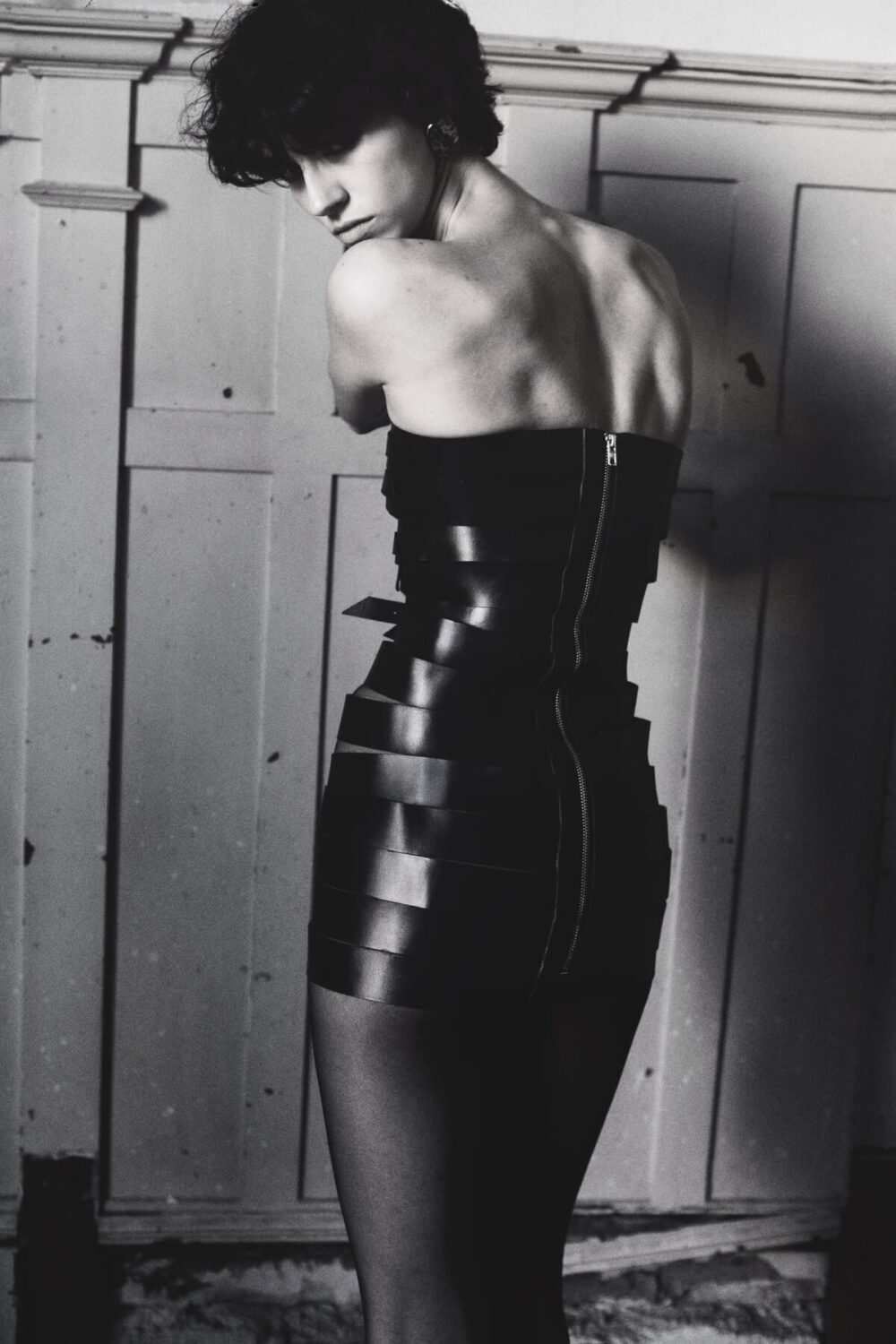
Techniques such as bobbin lace and gorullo introduce a strong artisanal dimension to the collection. In your view, how can traditional textile knowledge find its place within contemporary fashion today?
It definitely has a place in the luxury fashion sector, because it’s very costly to produce. Skilled artisans spend many hours working on these pieces. We see the finished garment, but when you discover the universe behind it, it’s still fascinating to me, even though I’m used to it. Imagine for someone who isn’t. For artisans to be paid what they deserve, the entire process is necessarily expensive, and the final garment isn’t cheap.
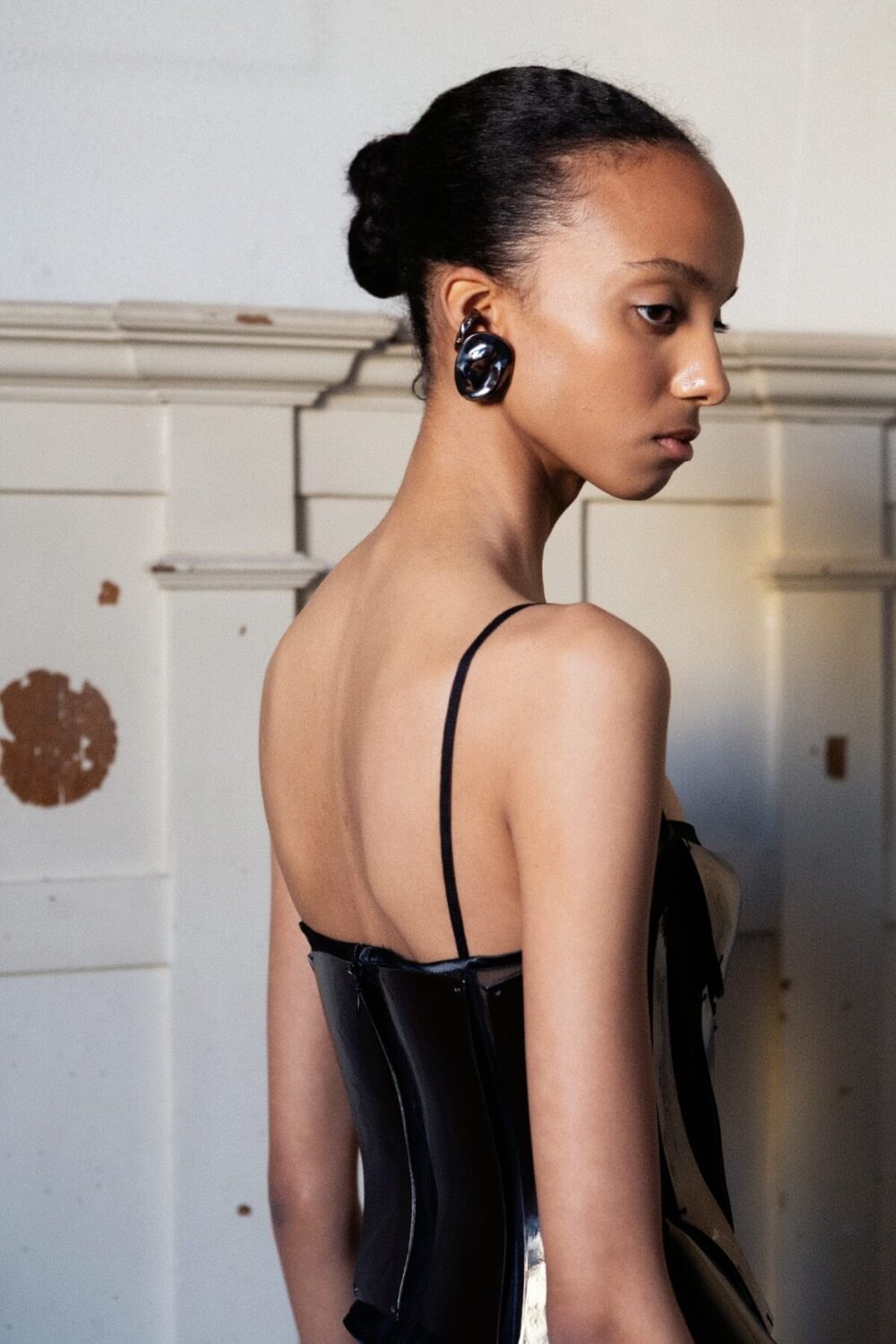
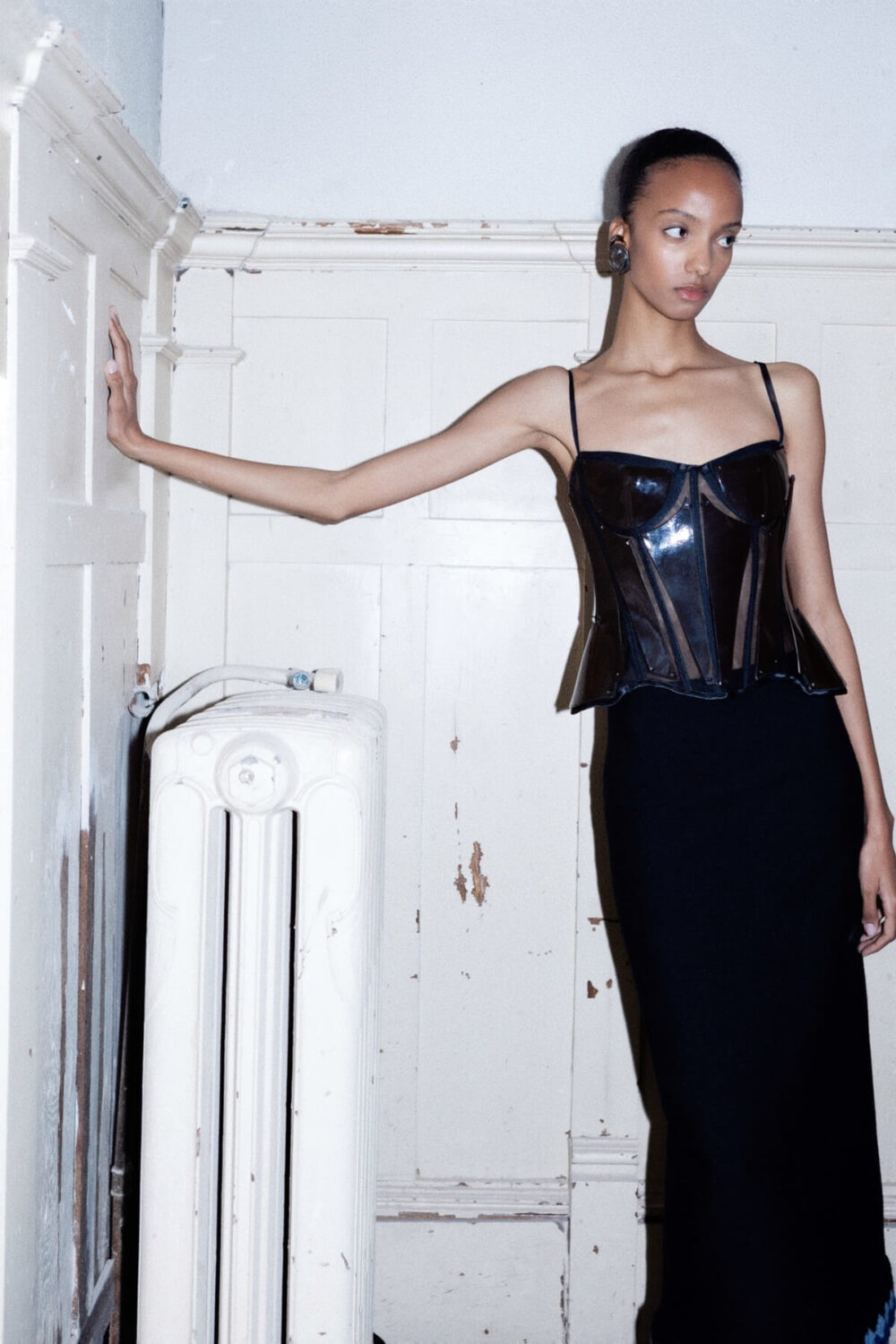
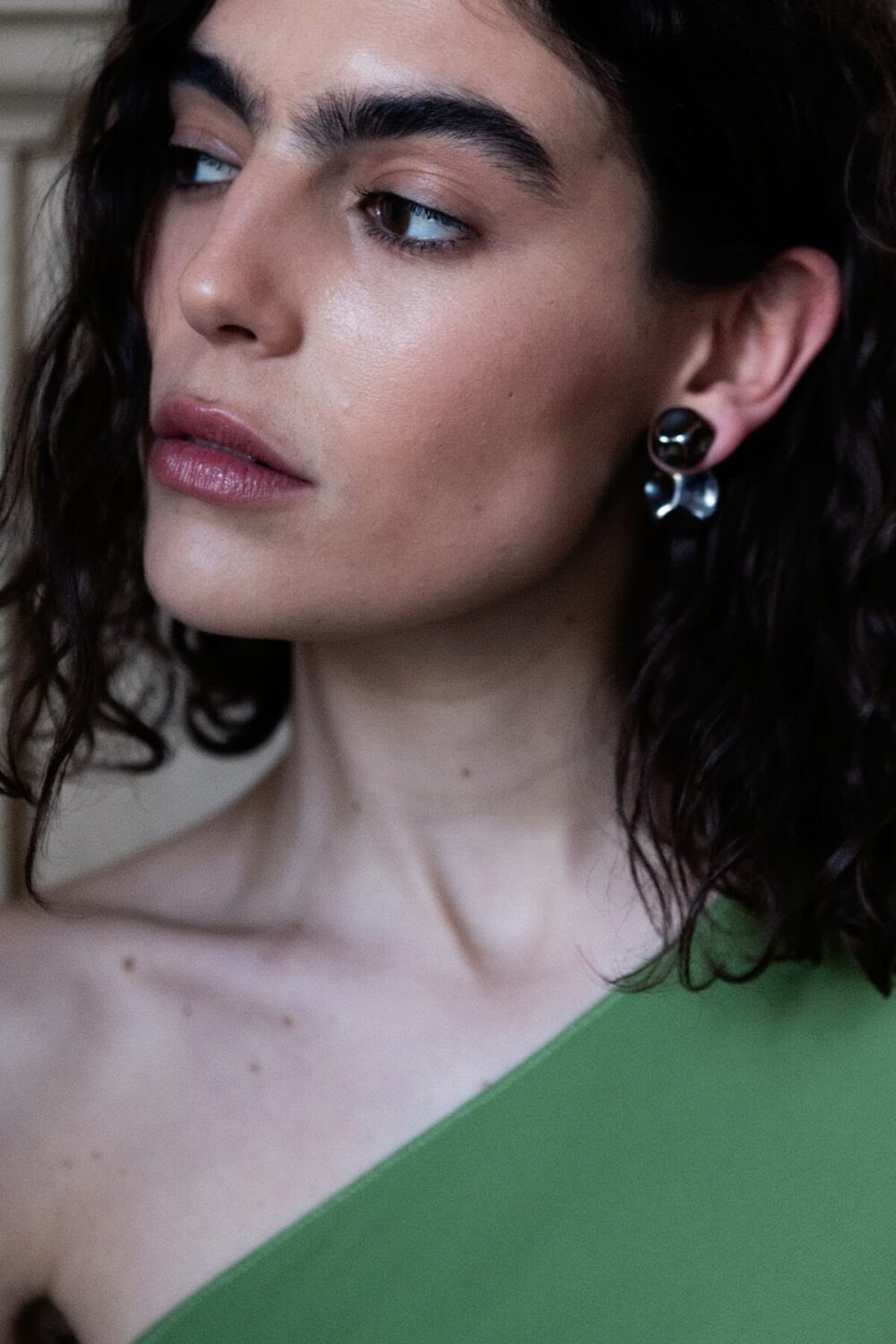
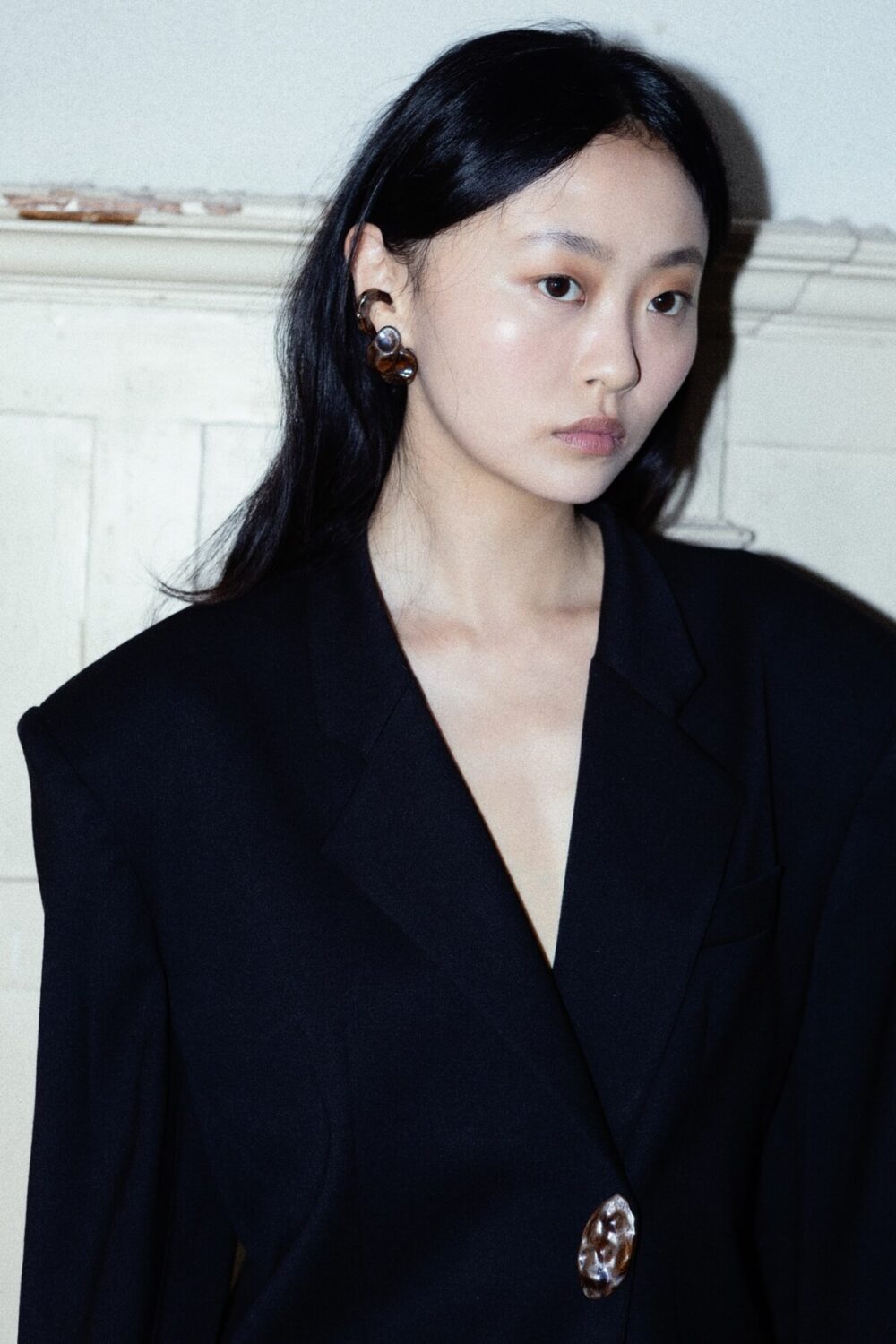
Ceramics appear not only in the jewelry but also integrated into garments, including some of the most striking pieces in the show. What creative possibilities did this material open up for you?
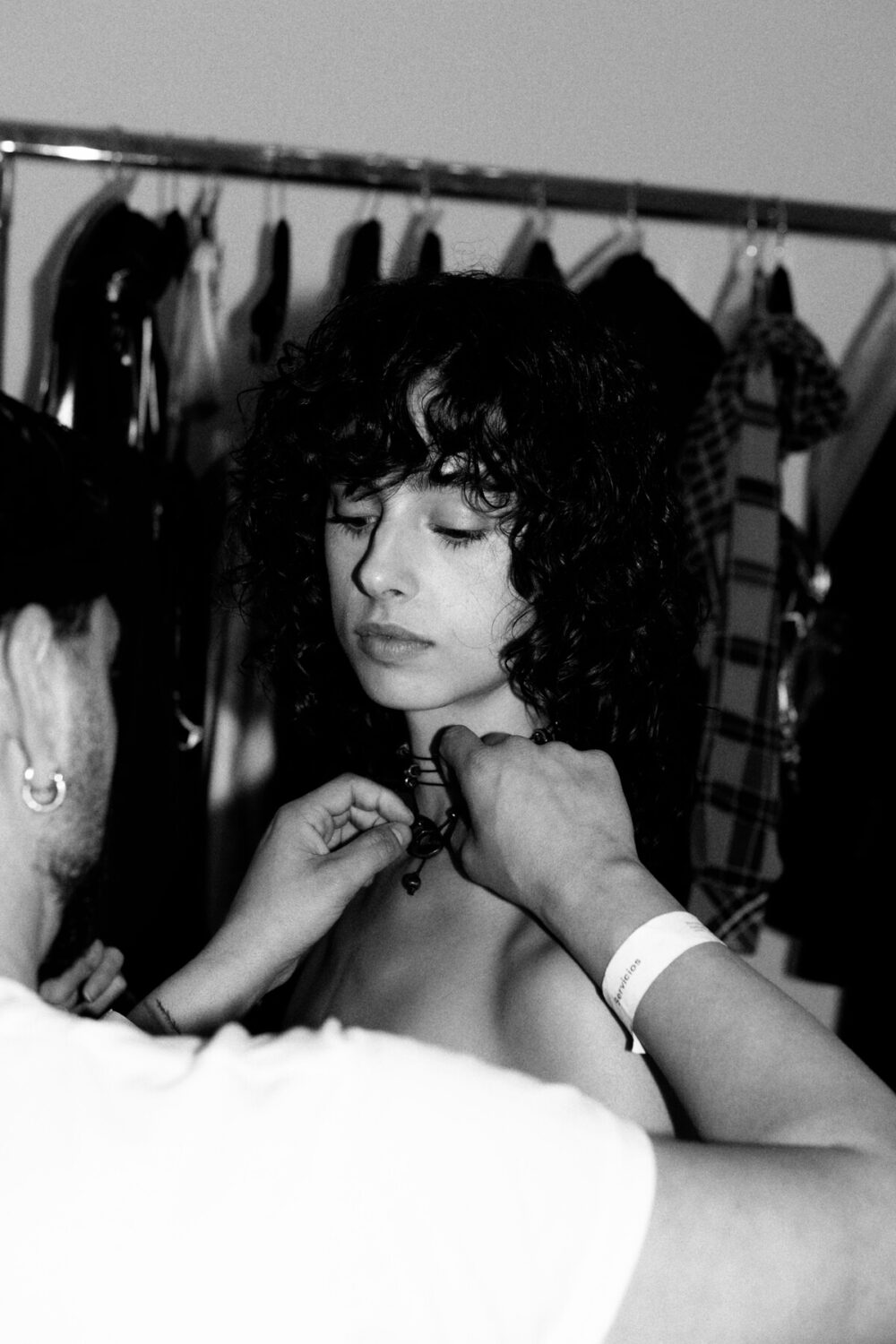
It’s been very challenging. There’s a corset at the beginning of the show made entirely of ceramic, and it’s been a real test. We’ve made around five versions, and even now, the day before the show, I’m still thinking about it, it’s complicated. It’s very risky, but I’m incredibly happy. I think it’s going to be a spectacular look. Beyond that, ceramics are also present in details like structured tops, bralettes, buttons, and small elements like knots in garments. In a way, it’s become something intrinsic to the collection.
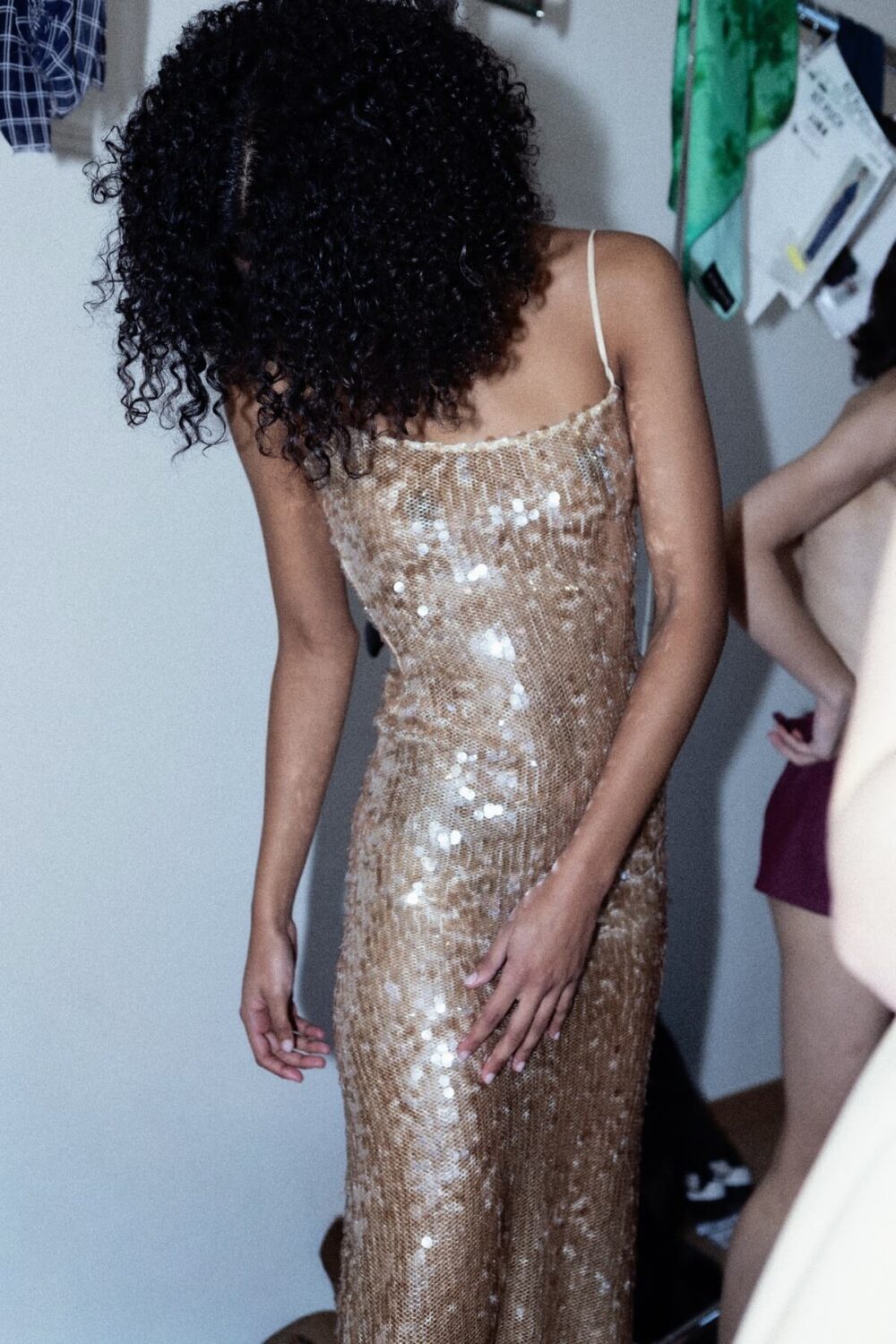
Several elements of the collection were developed with artisans from Castilla-La Mancha. How did that collaboration influence the final outcome?
This collaboration came through a government initiative from Castilla-La Mancha called Legado Artesano. They recognized that there was a heritage of craftsmanship at risk of disappearing because there was no generational continuity, and that it needed investment as a living culture. Within the context of fashion, I’m very happy to act as something of an ambassador for this, and especially to have worked with these artisans. It’s important for the public to understand that craftsmanship isn’t just about the products they traditionally make, it can evolve into many other dimensions. Hopefully, it also encourages younger generations to take up these practices, because they are complex techniques that can lead to really incredible results.
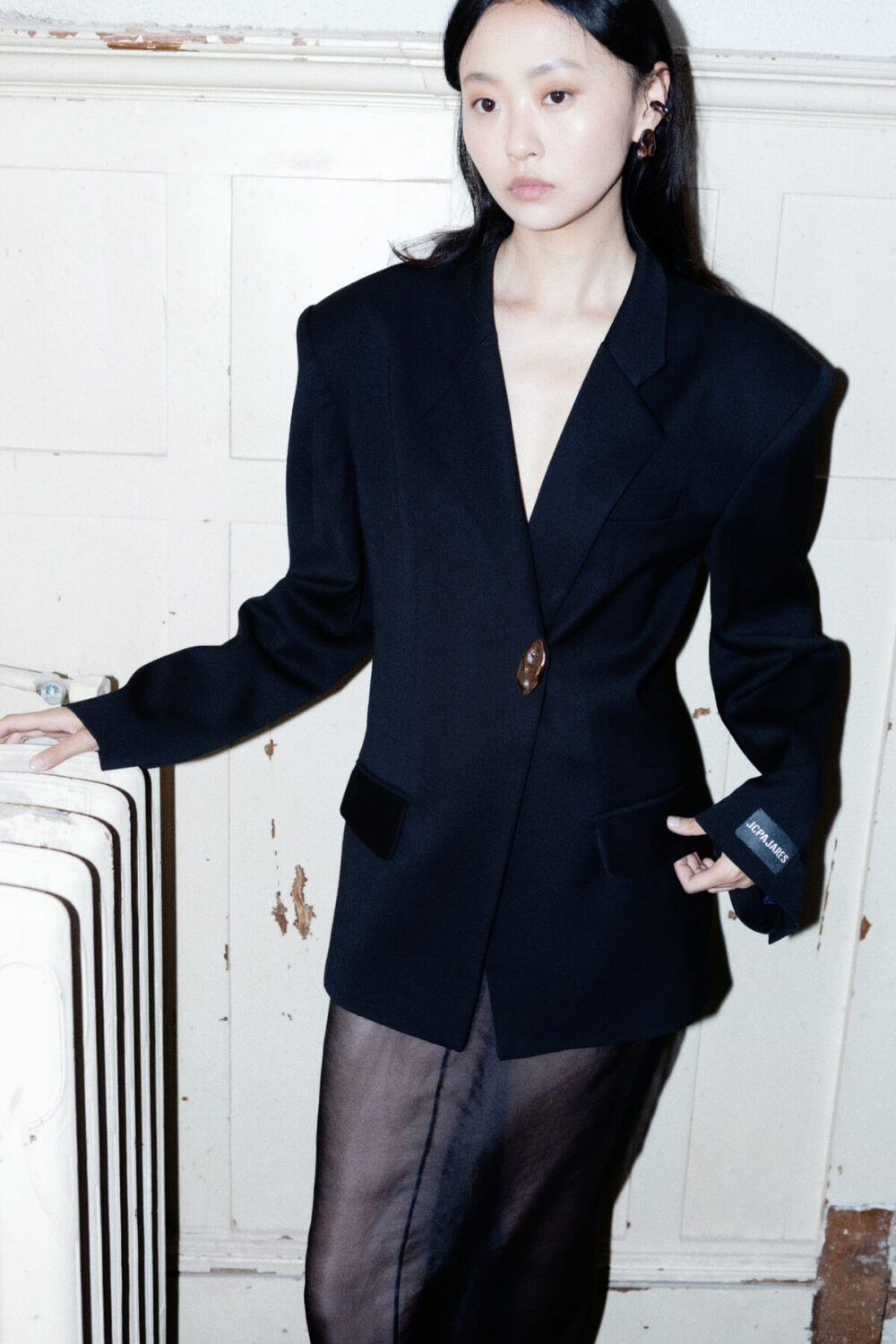
Corsetry, precise tailoring, and sculptural jackets give the collection a strong sense of structure. Who do you imagine wearing these pieces, and what kind of presence do they project?
That’s a difficult question. I have many different types of clients, from celebrities to people who aren’t particularly fashion-focused but appreciate quality garments, from younger to older individuals. So I couldn’t define just one. I think it’s for anyone who feels comfortable and confident enough to carry the piece.
The show also introduces “La Pieza 0,0,” a project created with Nebrija University that integrates a student design into the runway. What motivated you to include emerging talent in this anniversary show?
“La Pieza 0,0” is a project created with Seagram’s 0,0%, with whom I previously collaborated on a collection. When I was younger, I would have loved to have that kind of mentorship. So this initiative allows the winning student —María, from Nebrija University— to receive a scholarship to study at Istituto Marangoni, as well as creative development support from us. And her piece is also presented on the runway during the tenth anniversary show.
Your designs are often worn by musicians and artists with strong visual identities. How does it feel to see your pieces interpreted within that cultural space?
What I always say is that I’m actually a fan of many of these artists. I don’t necessarily tell them that, but it’s amazing that through your work and your project, you get to meet them and that they, in turn, become fans of you or appreciate your work. That’s really special.
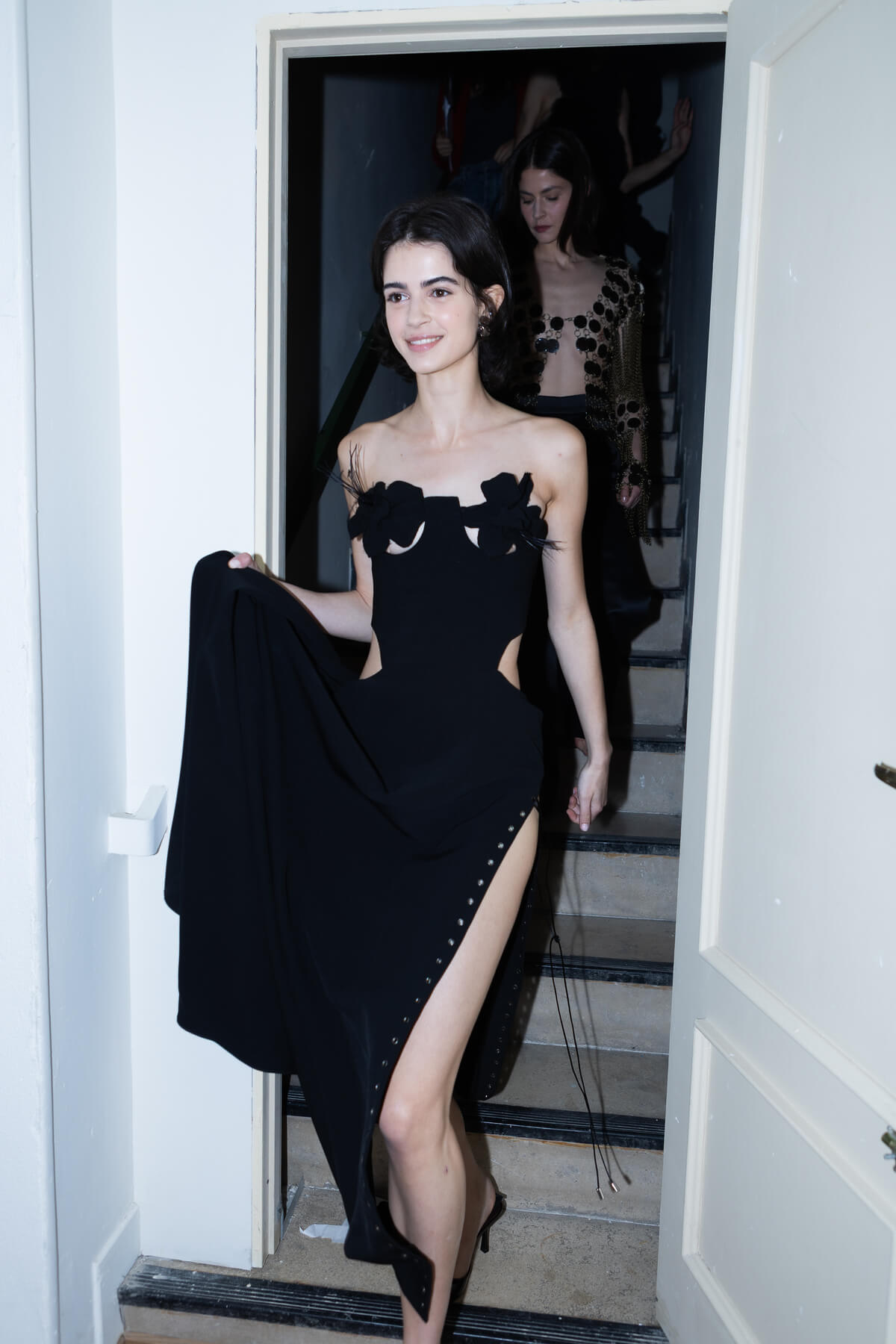
Photography by Tania Mendoza for VEIN MAGAZINE
Follow us on TikTok @veinmagazine