
In a fashion system addicted to speed, LÙCHEN slows everything down. This couture season in Paris, material becomes manifesto—feathers, waste, and gravity itself reworked into a quiet argument for why the human hand still matters.
As Paris Haute Couture Week unfolds, the city once again becomes what it looks like from the outside fever dream nonsense. By all accounts, fashion in many ways has become a waste of giving most people three choices: unethical fast fashion that falls apart, dresses that aren’t safe to walk home in, and overly hyped viral trends. When it comes to couture though, we will always need it because we need to test new ideas, creativity, and there needs to be a celebration of the human hand and the time it takes to make something truly exceptional.
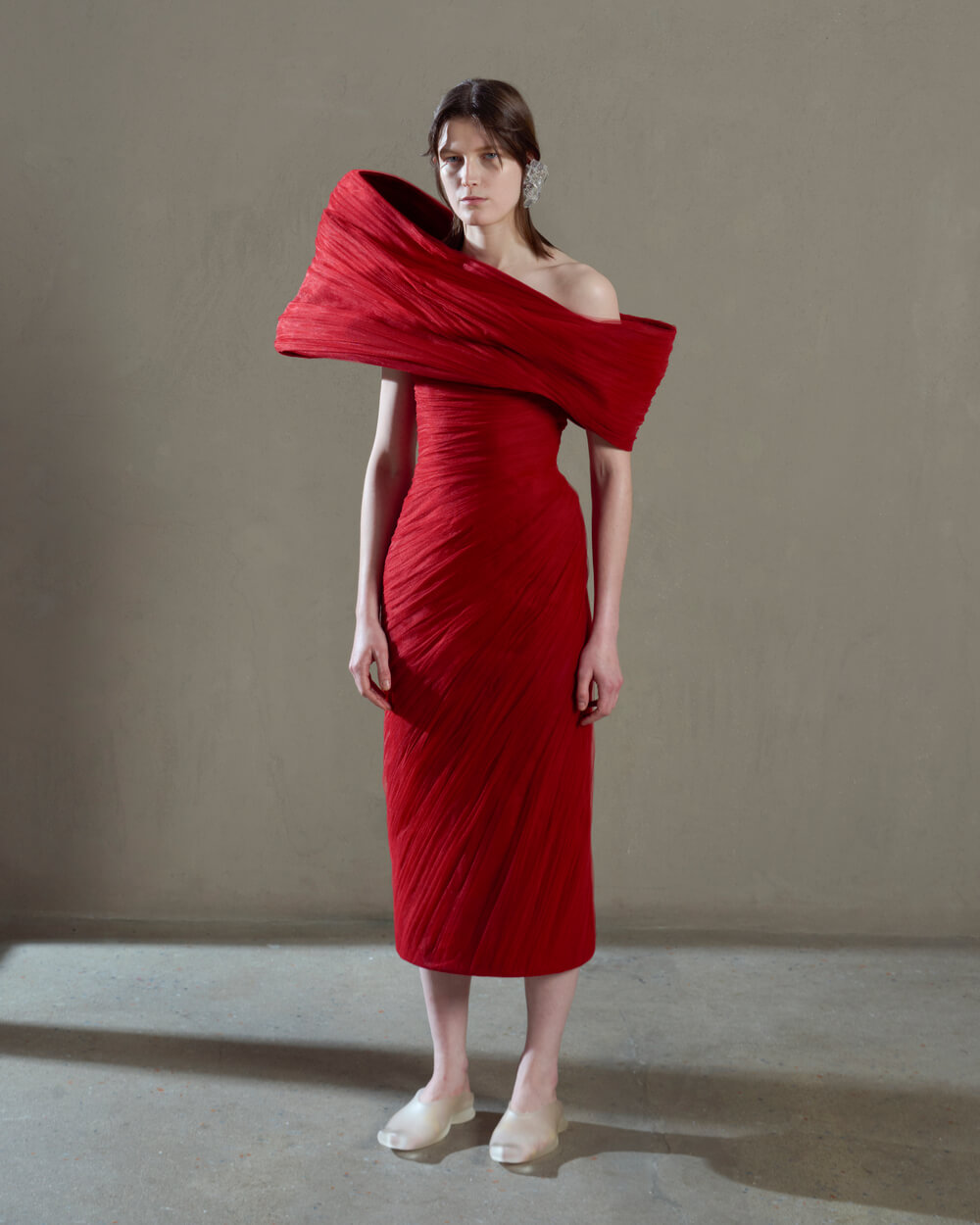
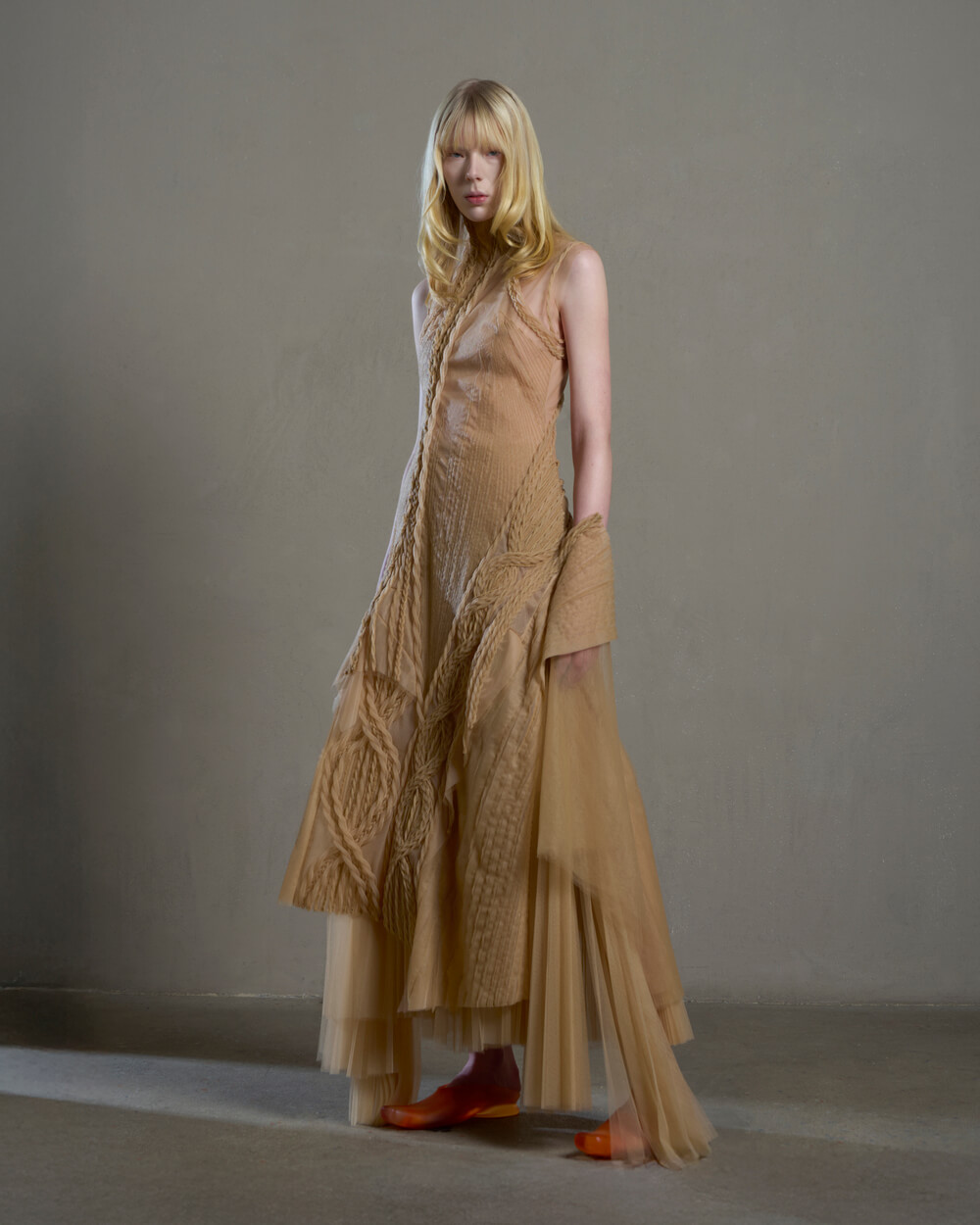
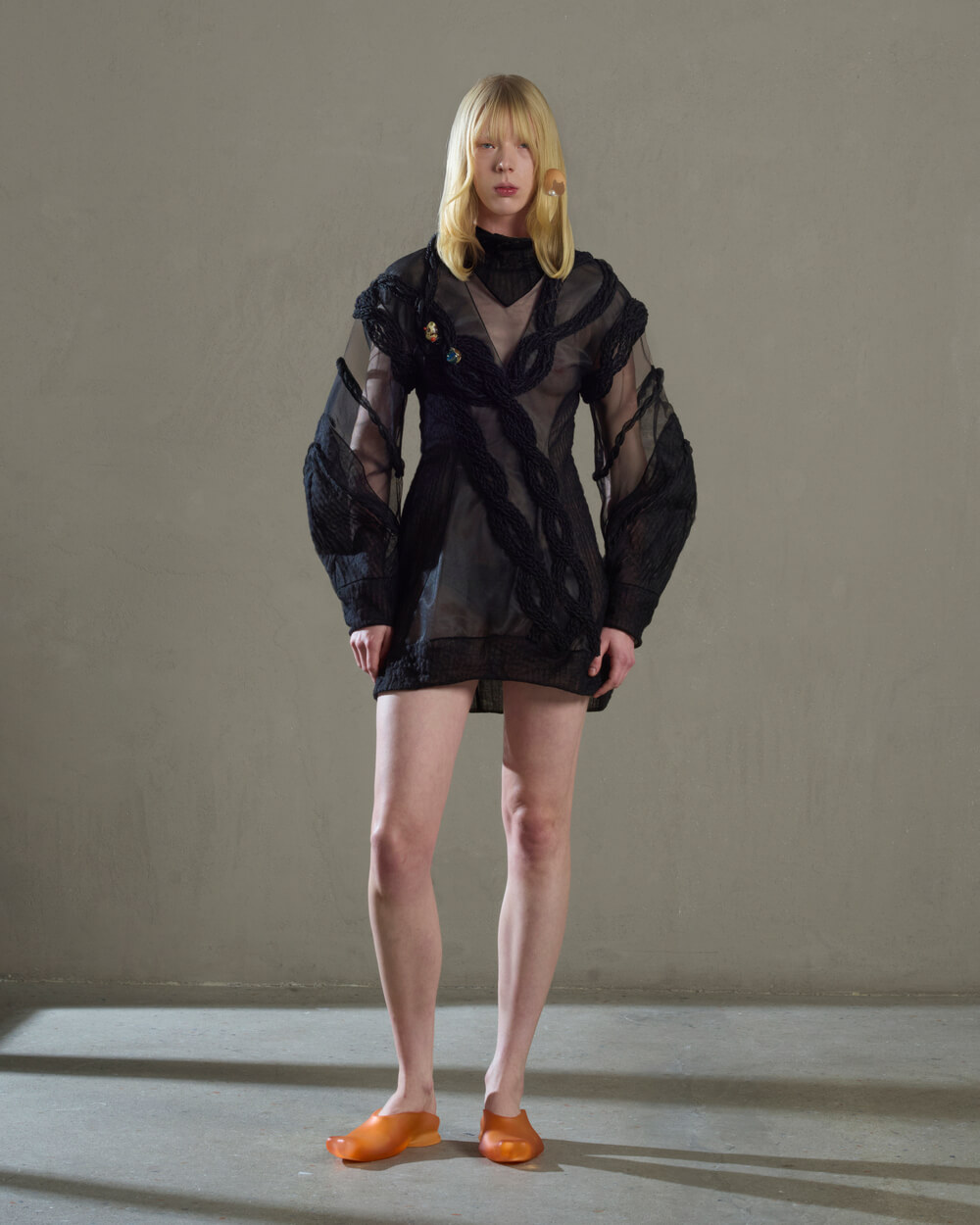
In an industry increasingly driven by speed and scale, couture stands apart; here, handmade is not a trend but an inherent value. This is why brands like LÙCHEN are very important, and although the brand was founded in New York back in 2021, it has found its home in Paris for their conceptual, couture-like pieces. For 2026 designer Lu Chens look at the way materials collapse, stretch, resist, or yield to the body, and how these physical responses create an emotional language of movement. Here, material is not simply a tool, but the message itself.
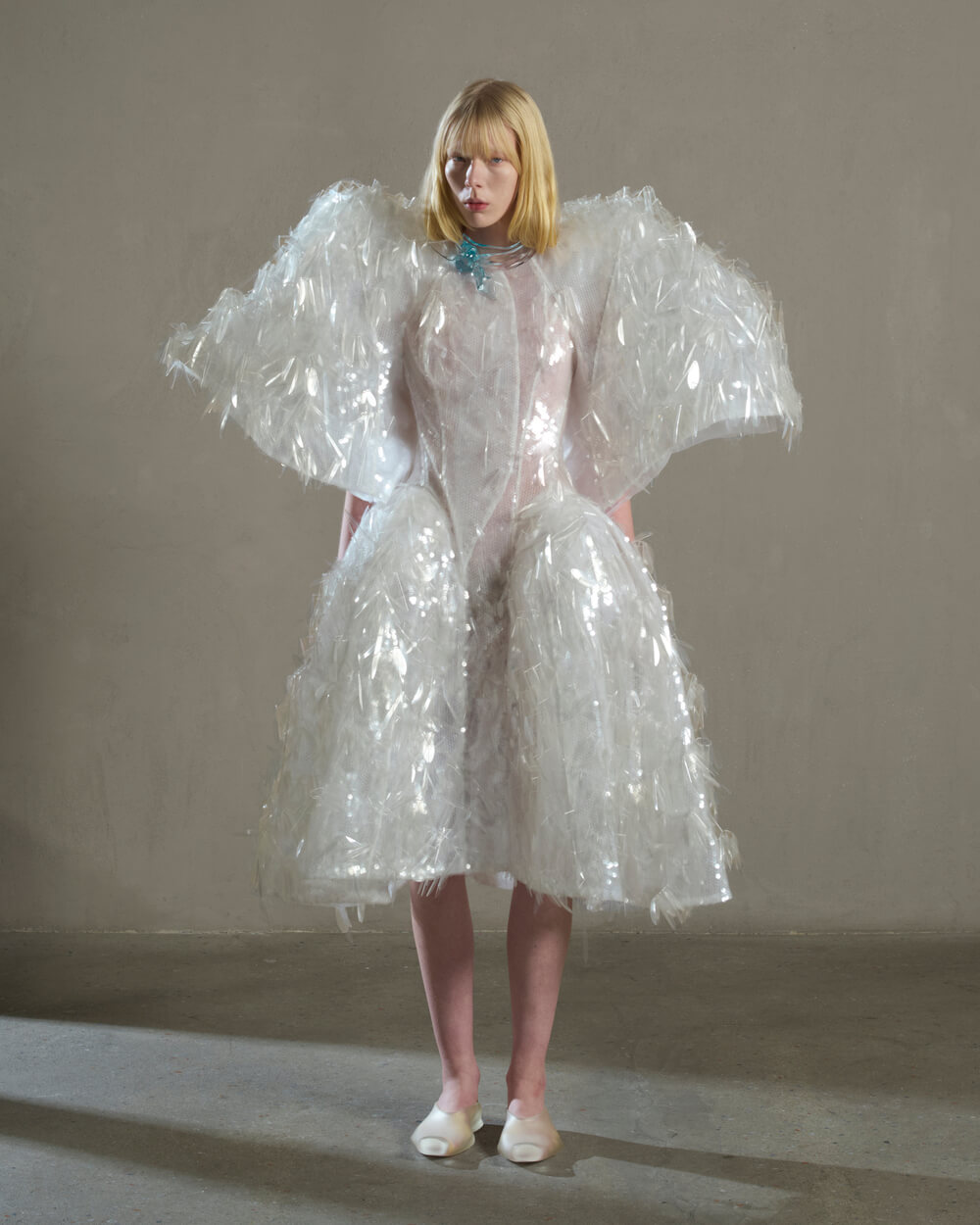
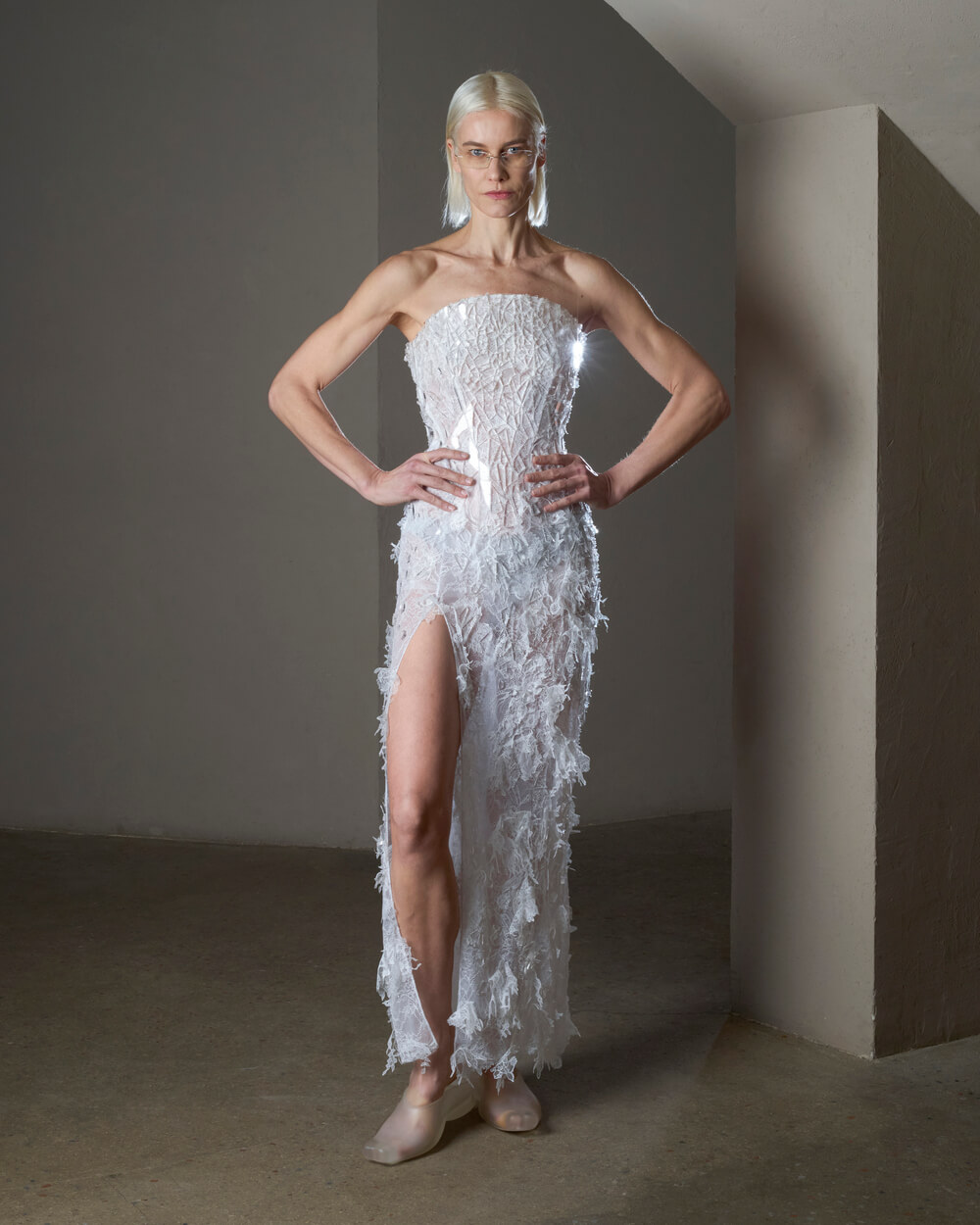
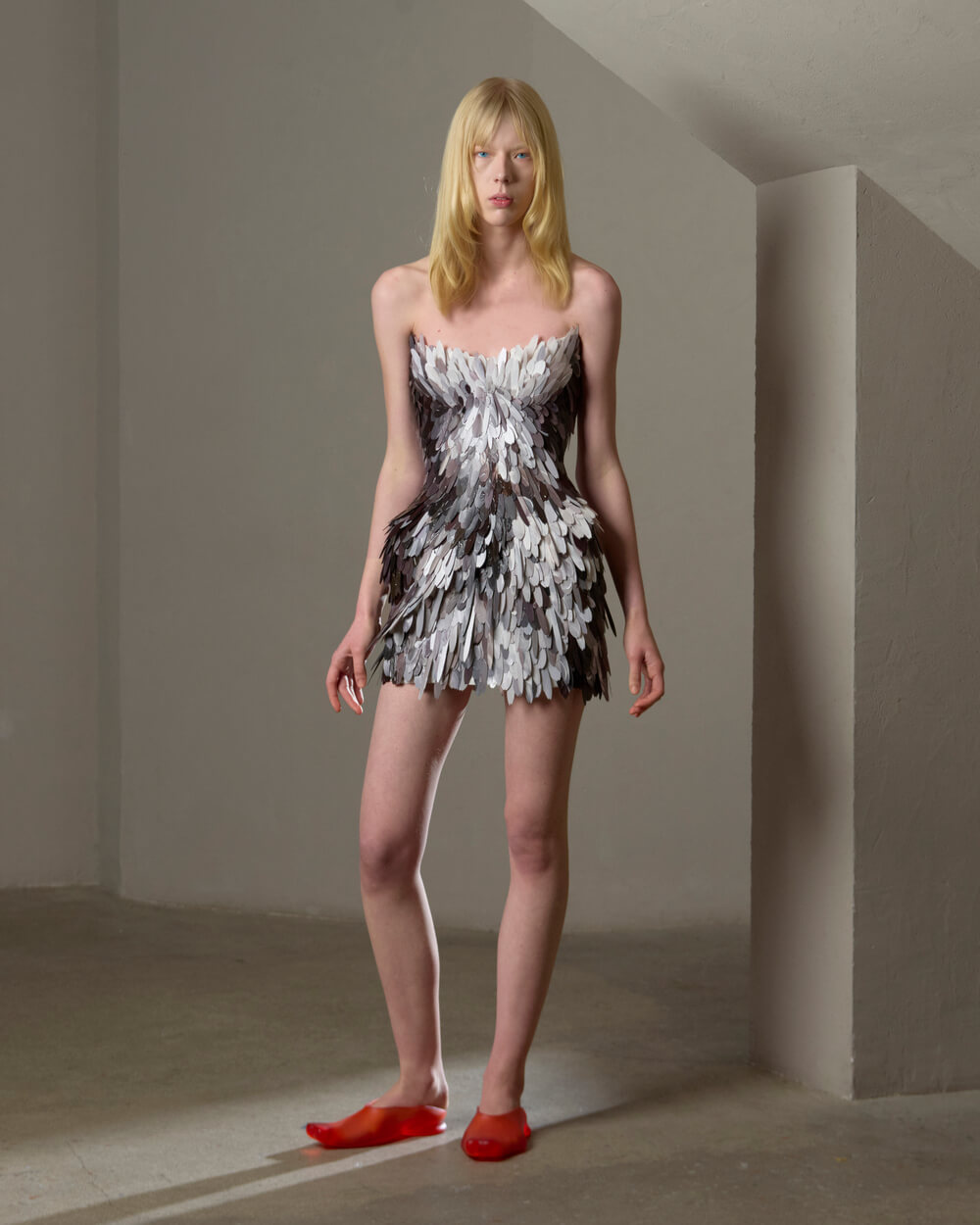
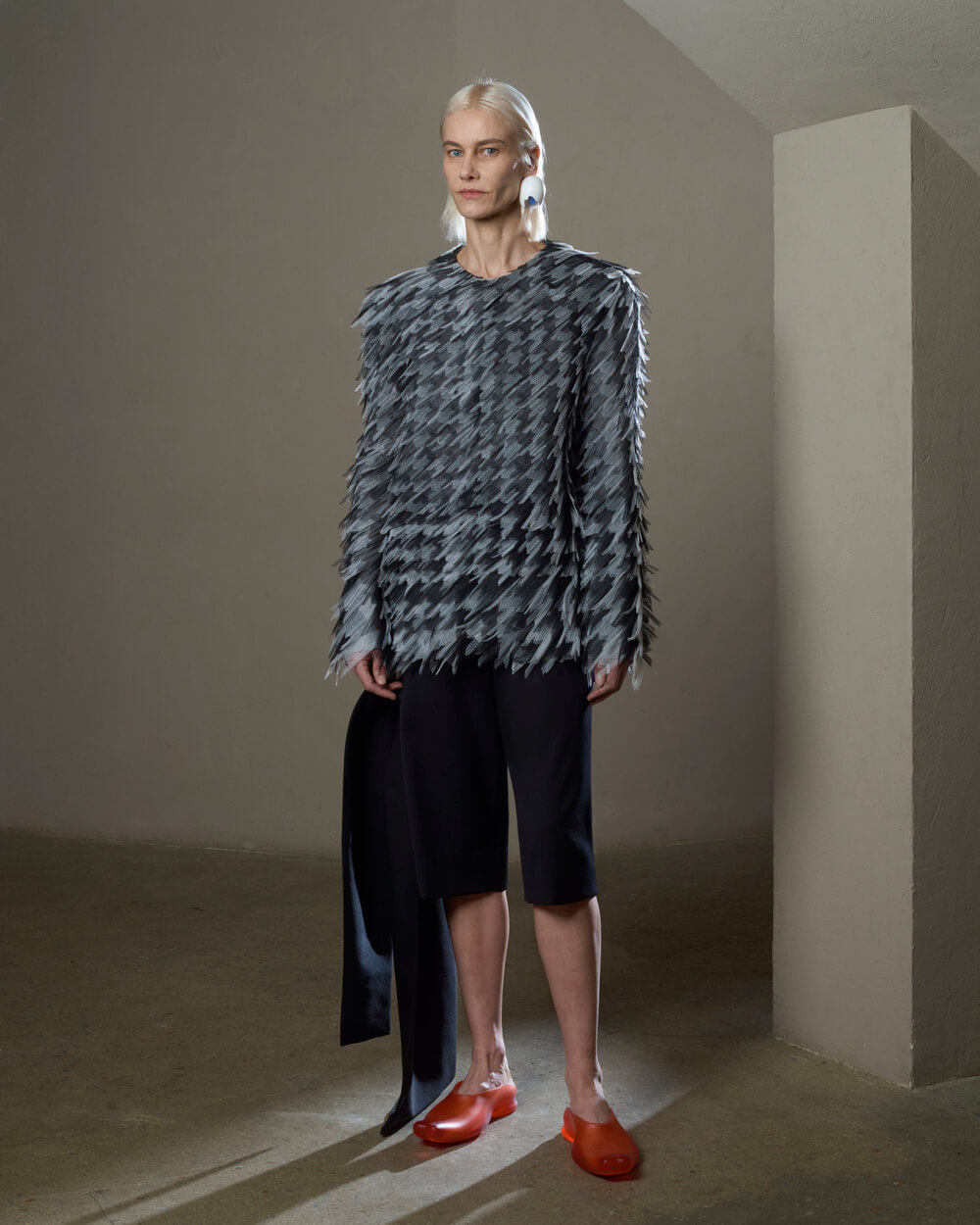
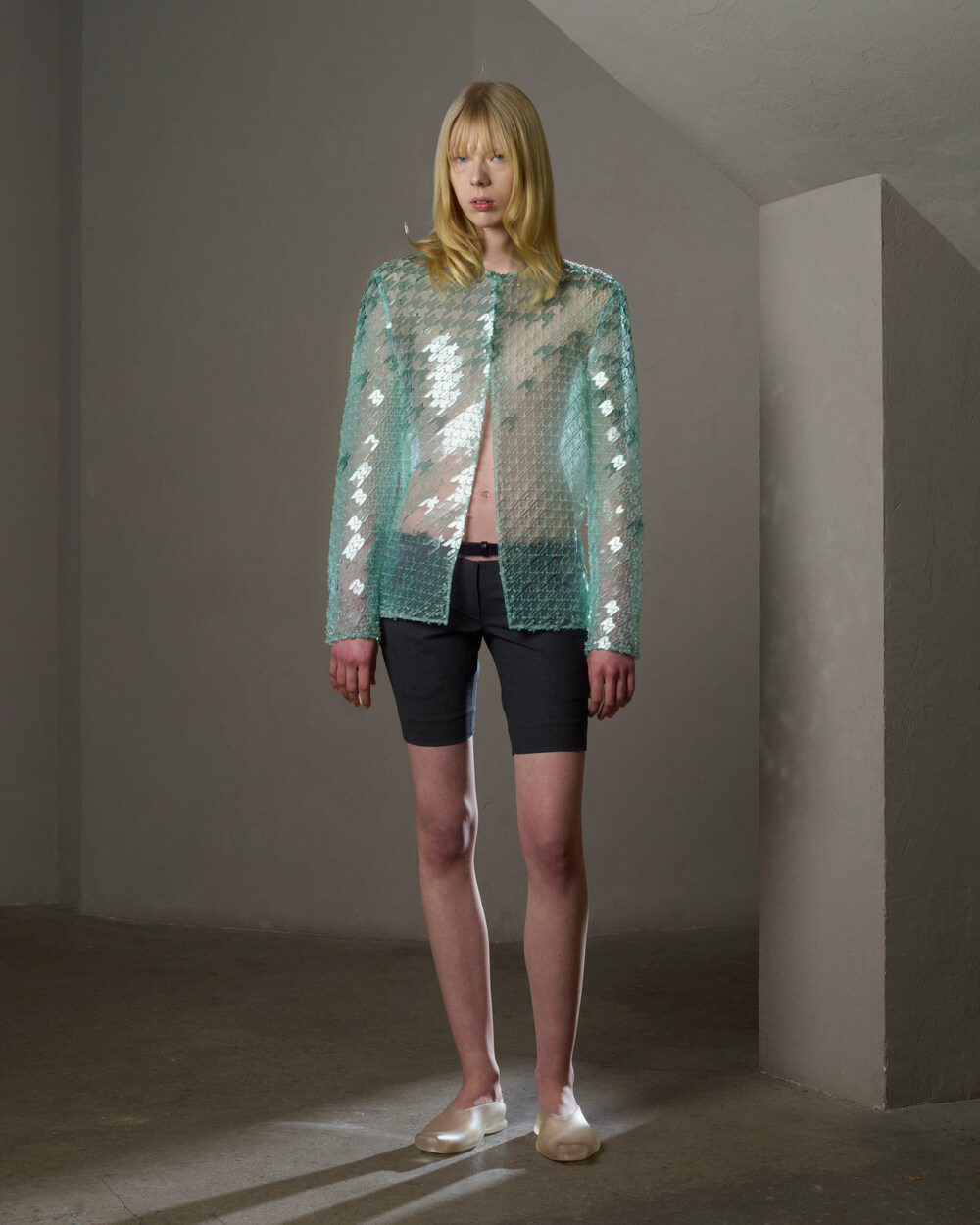
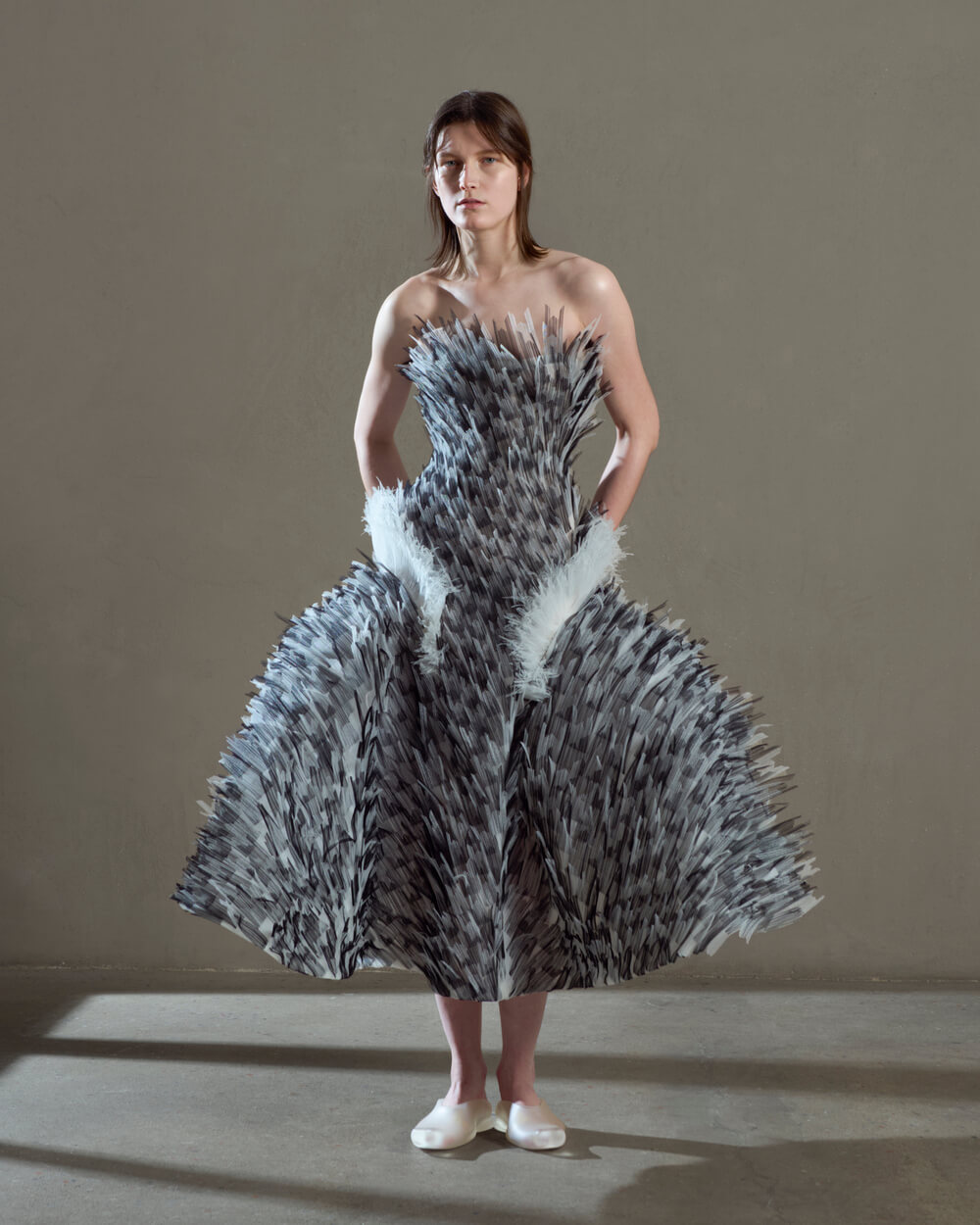
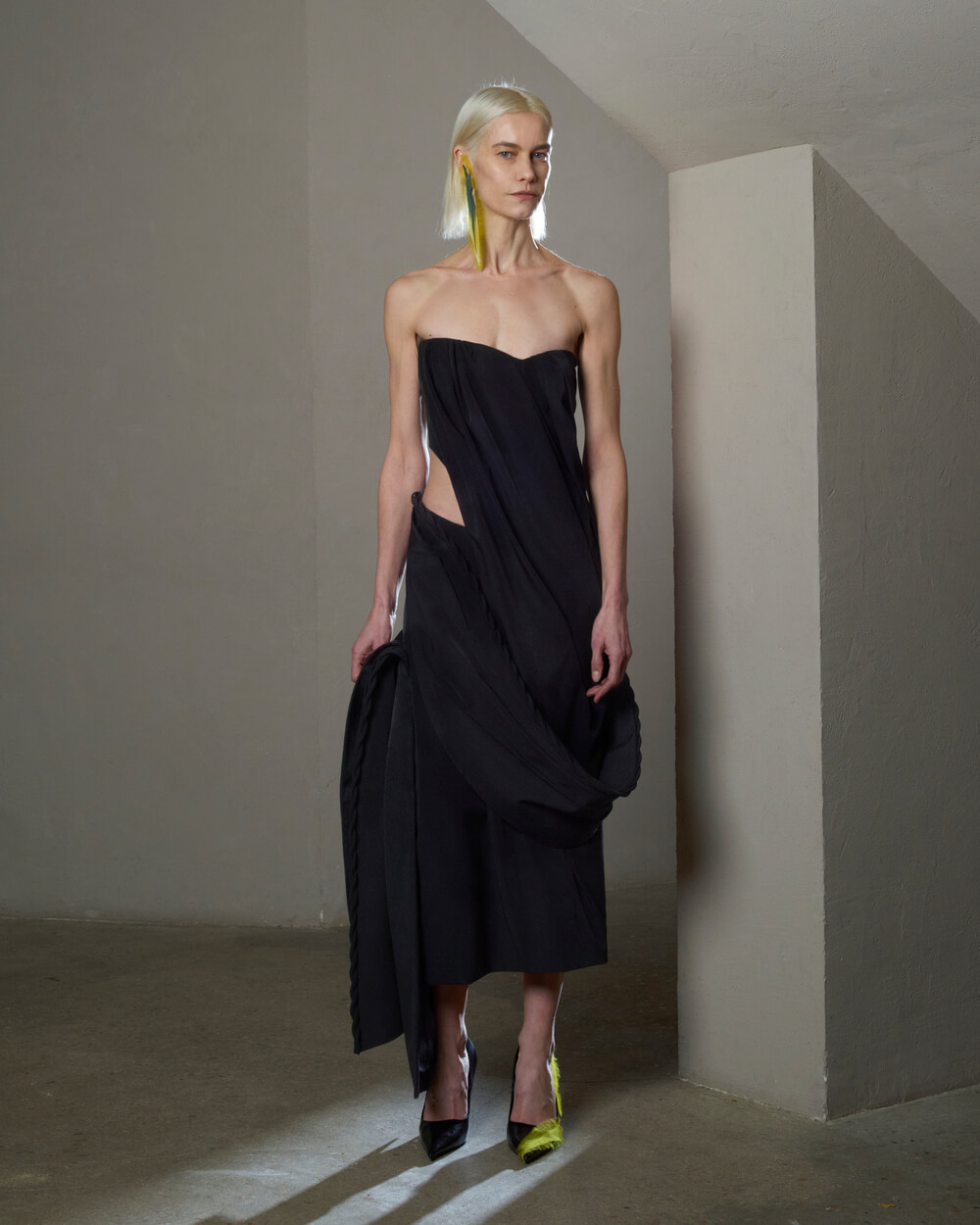
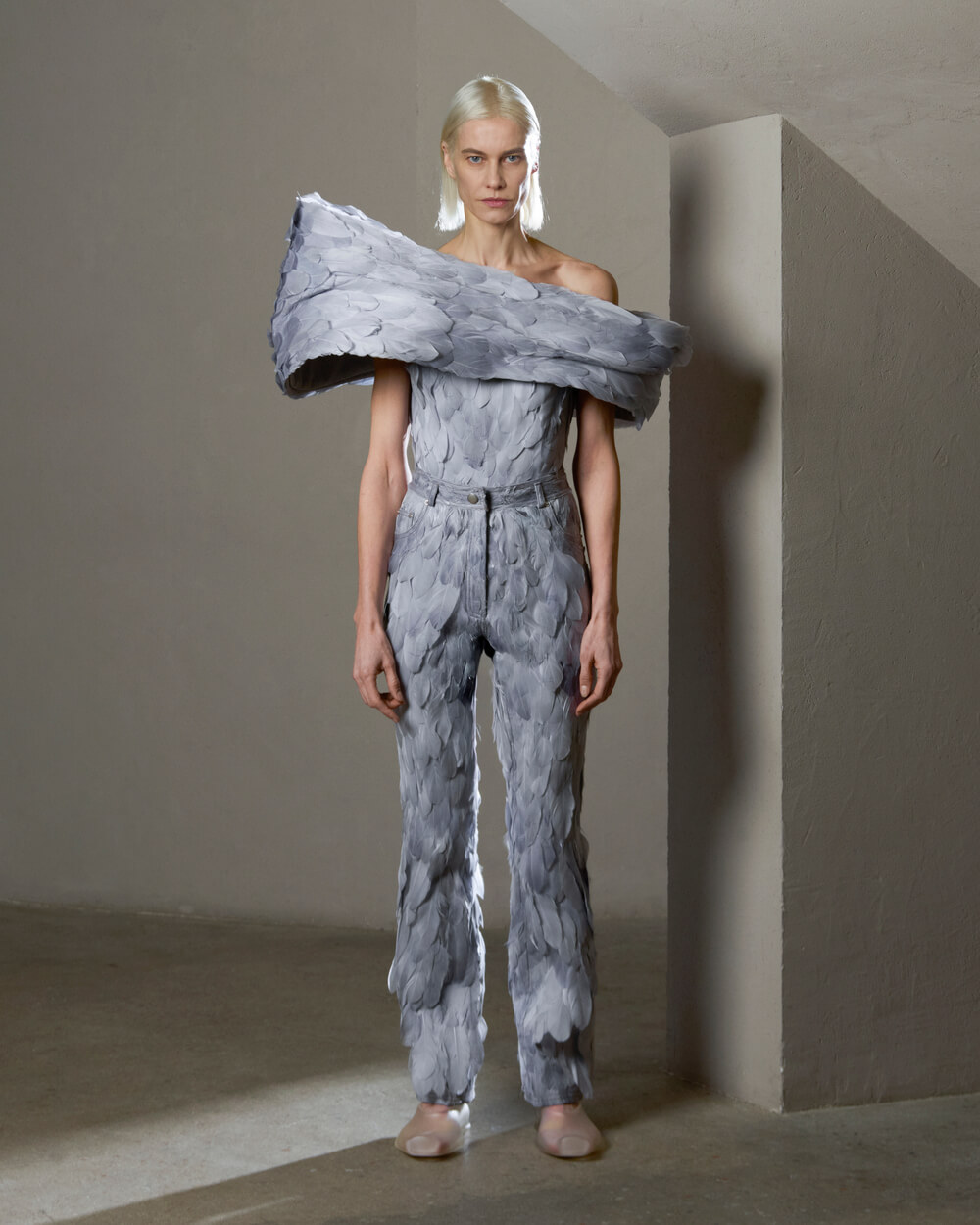
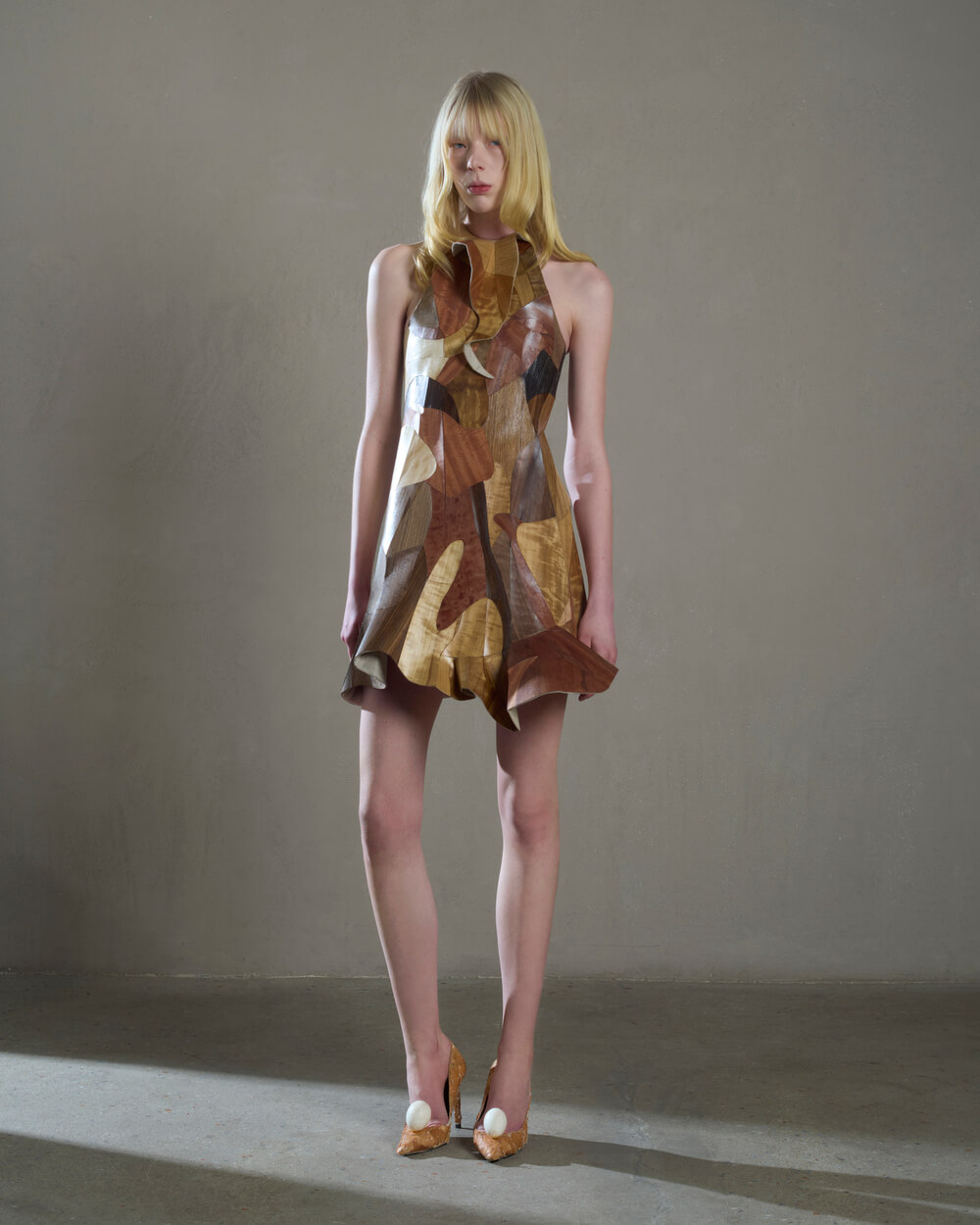
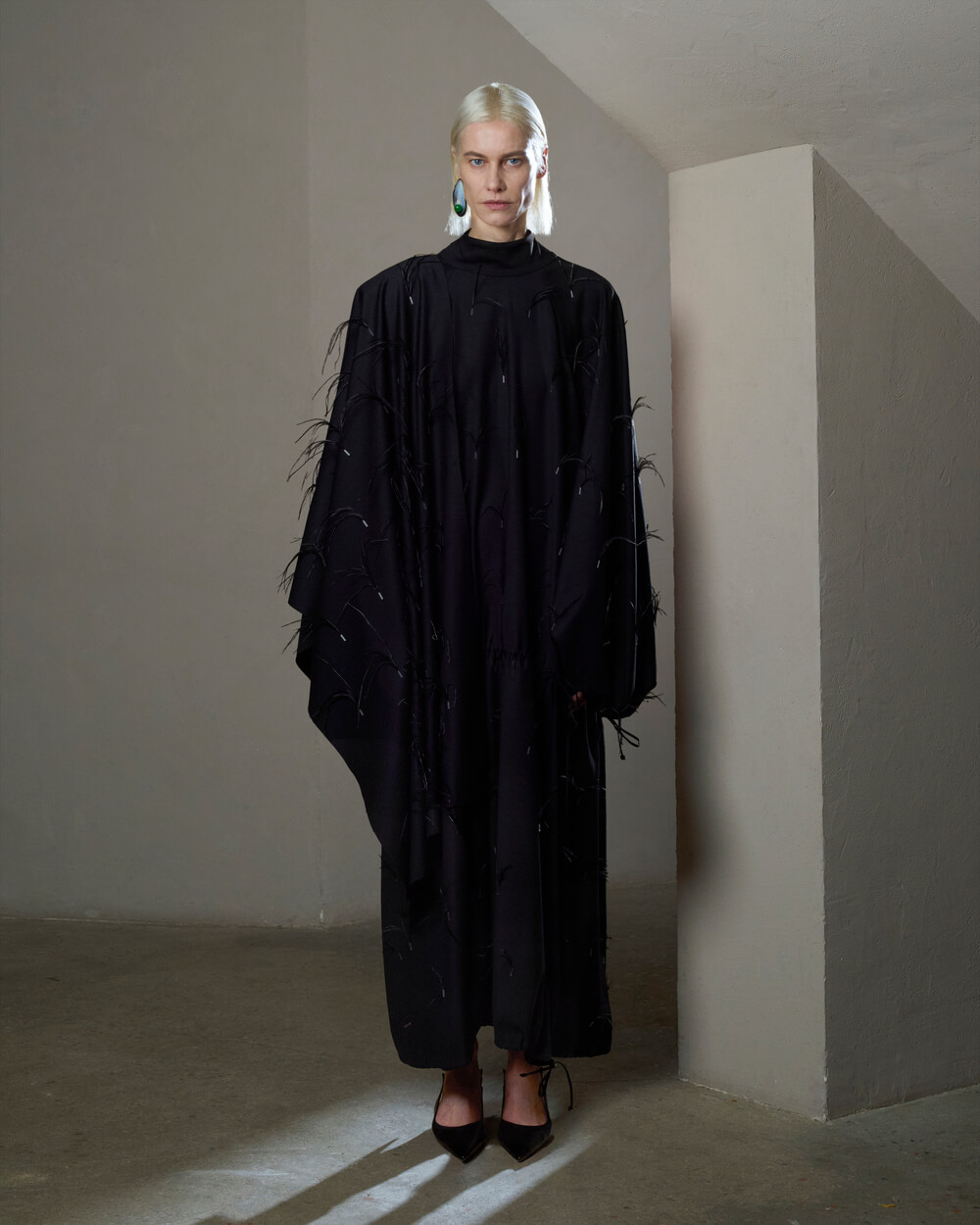
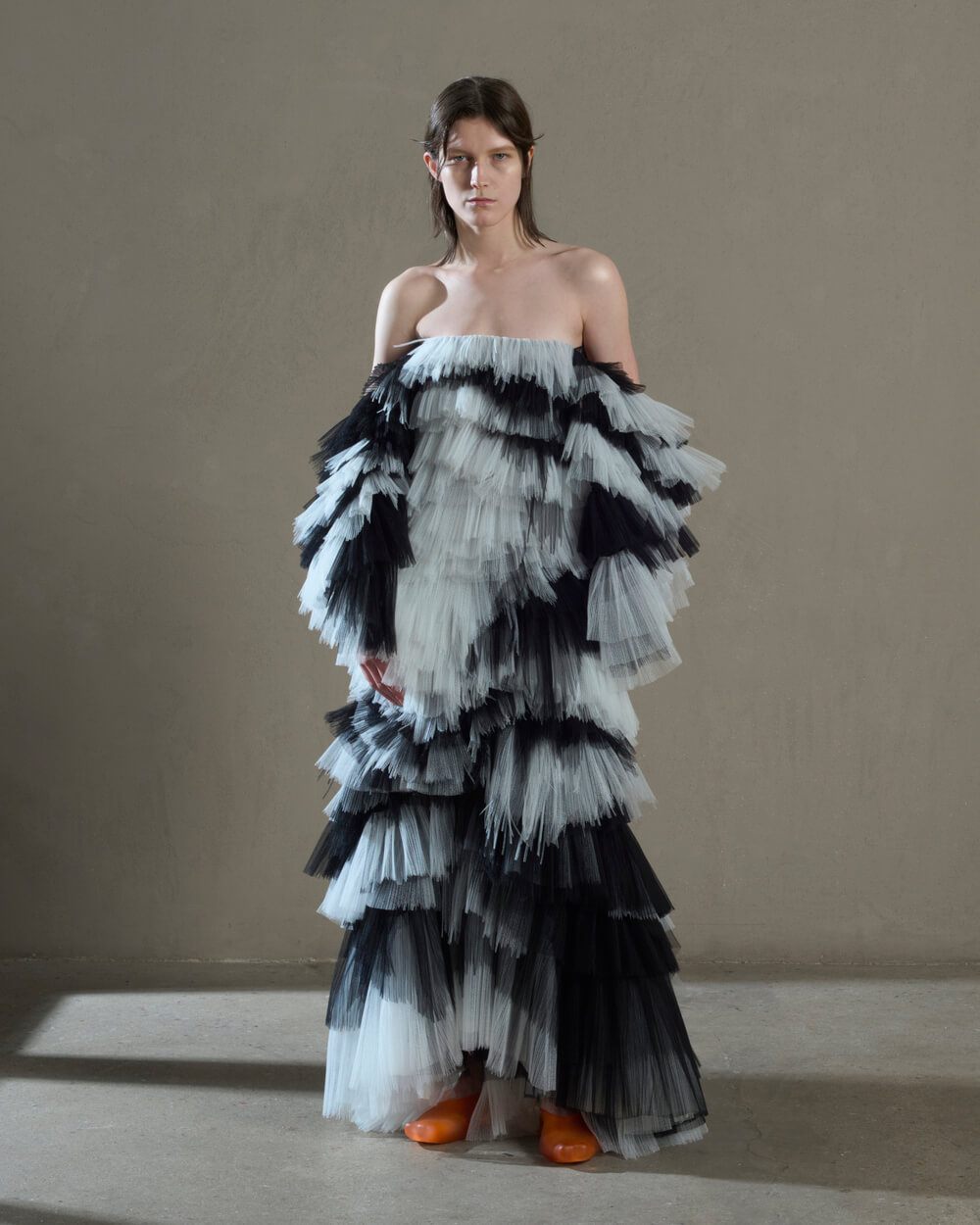
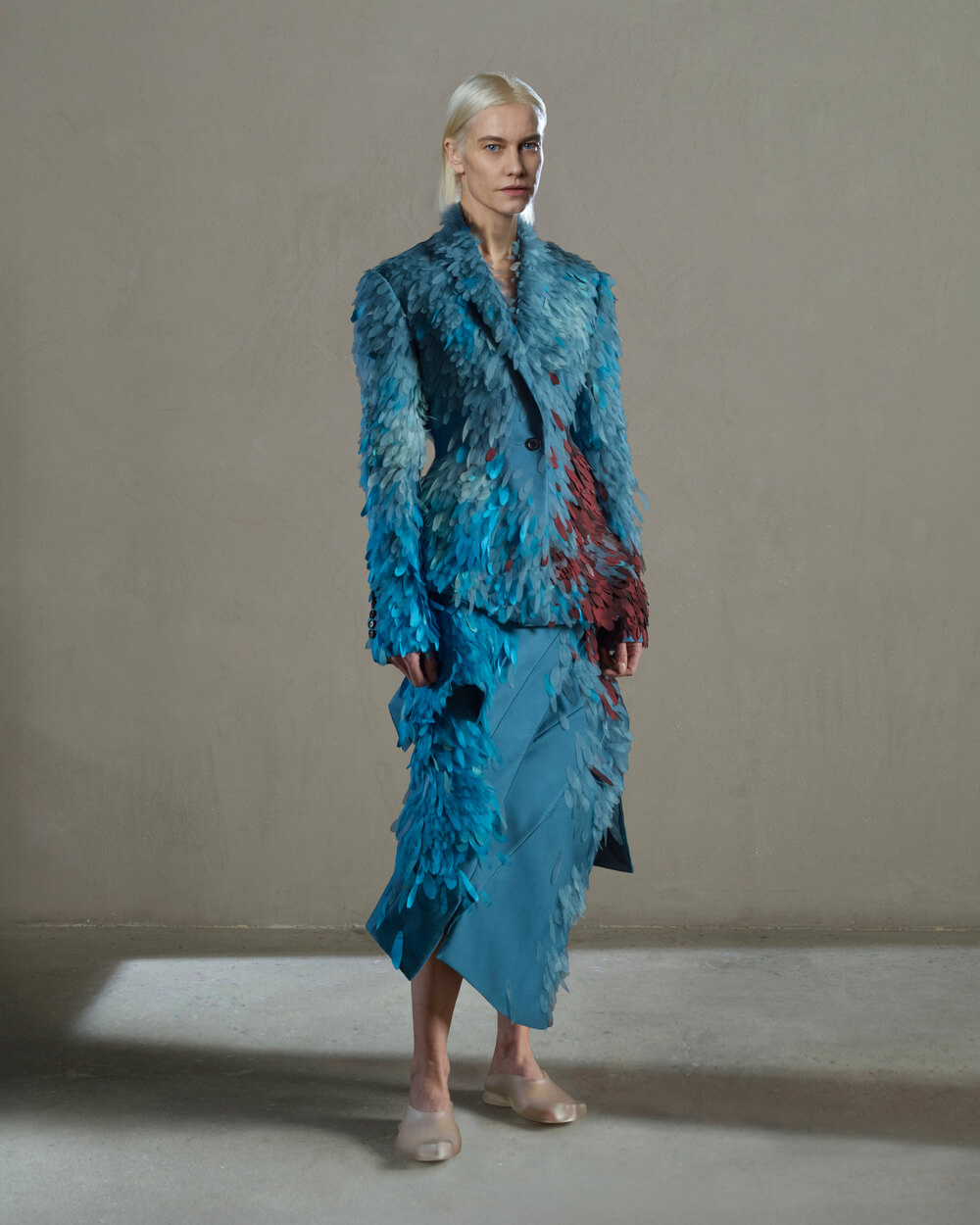
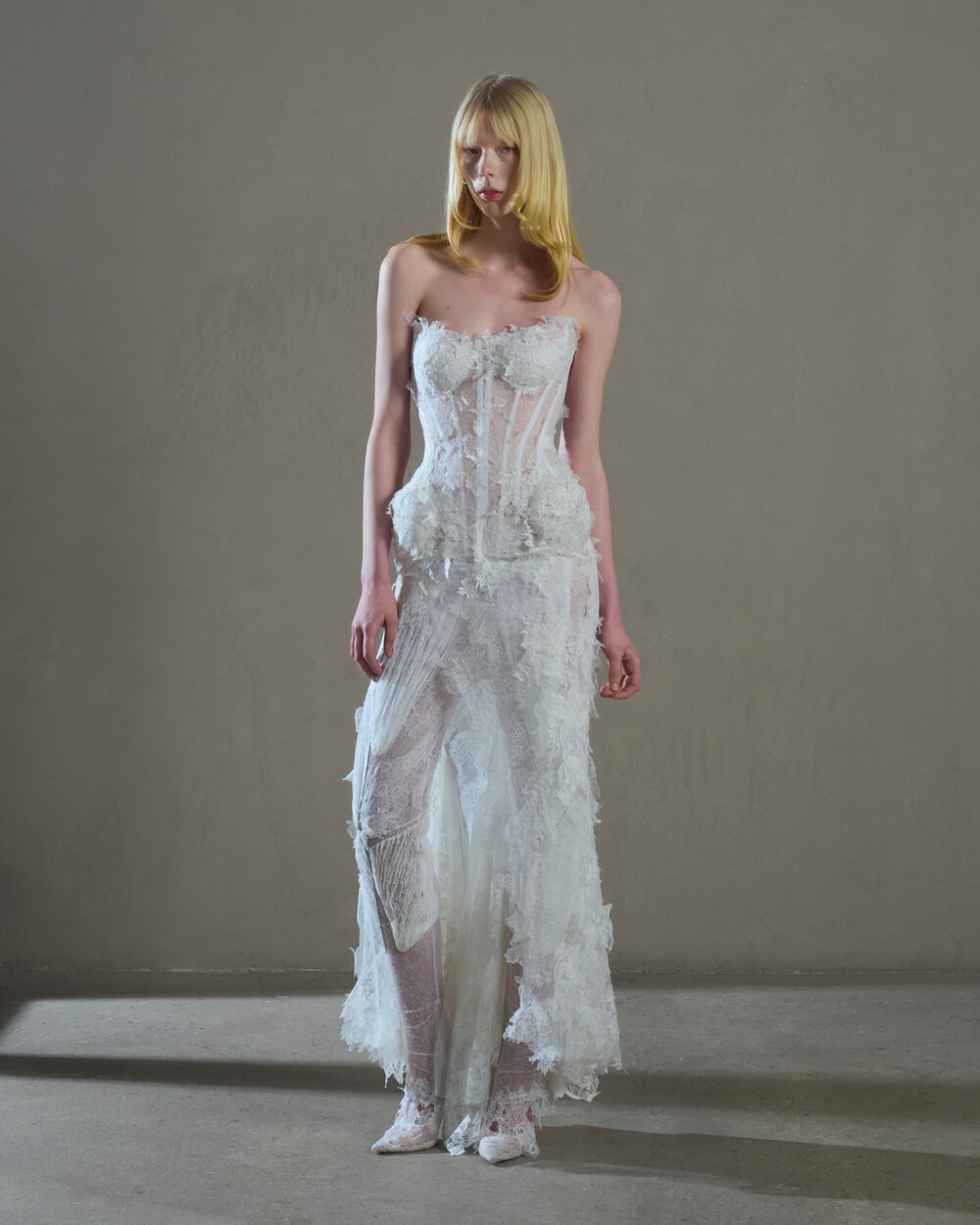
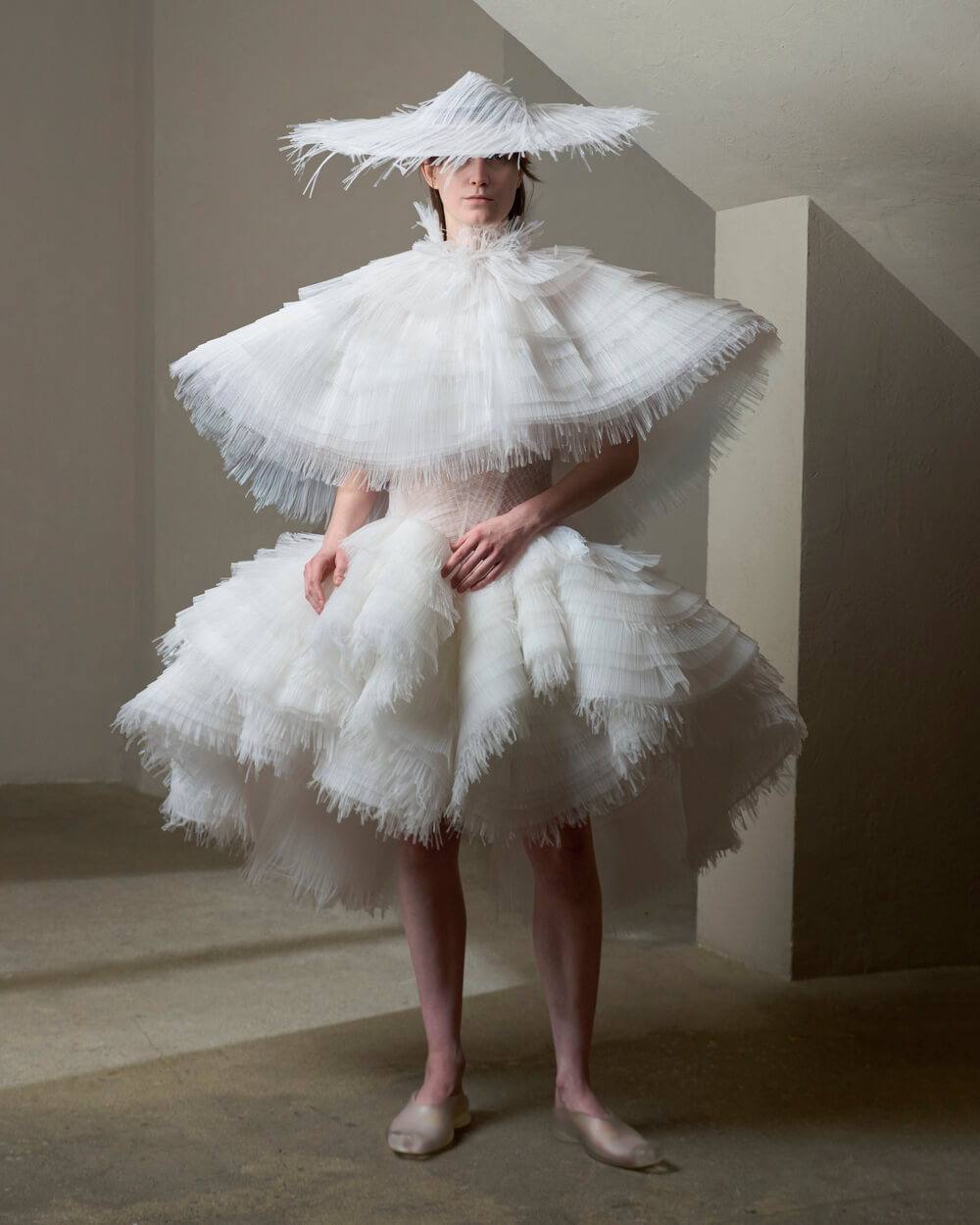
Feathers, a recurring material language for LÙCHEN, return with renewed intention. Reimagined through simulated forms, they are cut from reclaimed sources, including leftover fabrics, deadstock, and regenerated plastics. Assembled into pixelated surfaces, this artificial plumage is built through accumulation, repair, and repetition, transforming waste into a new visual and tactile code.
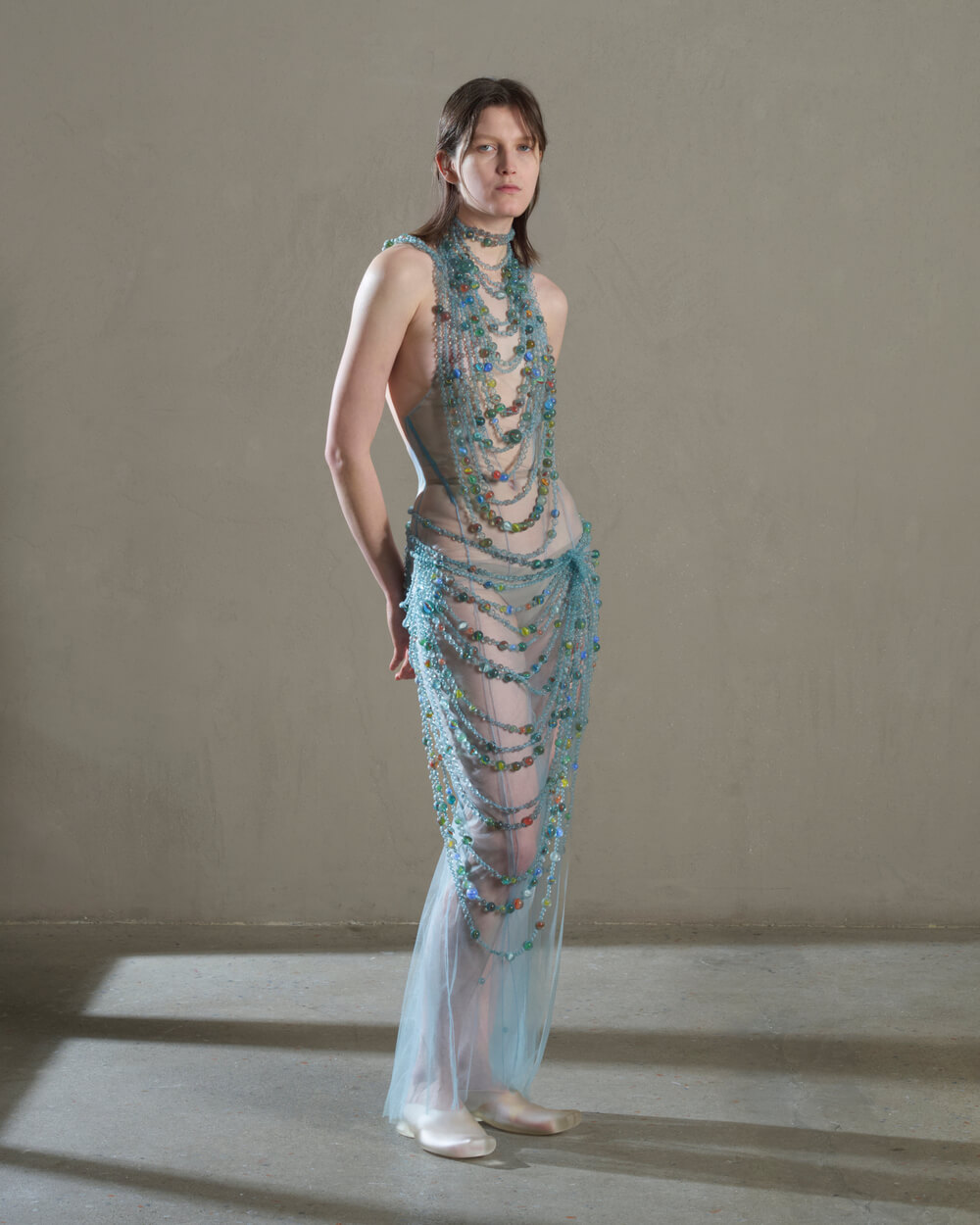
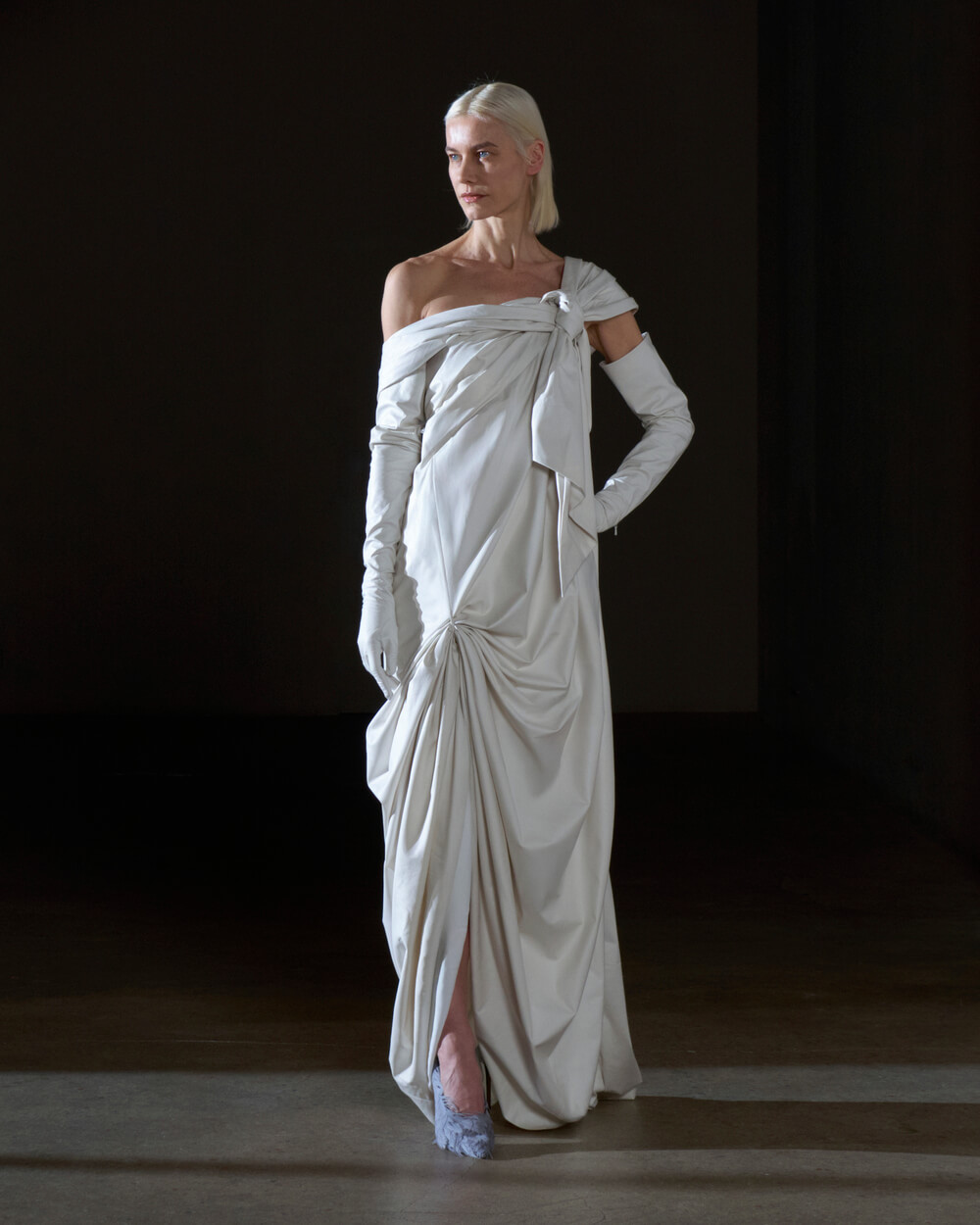
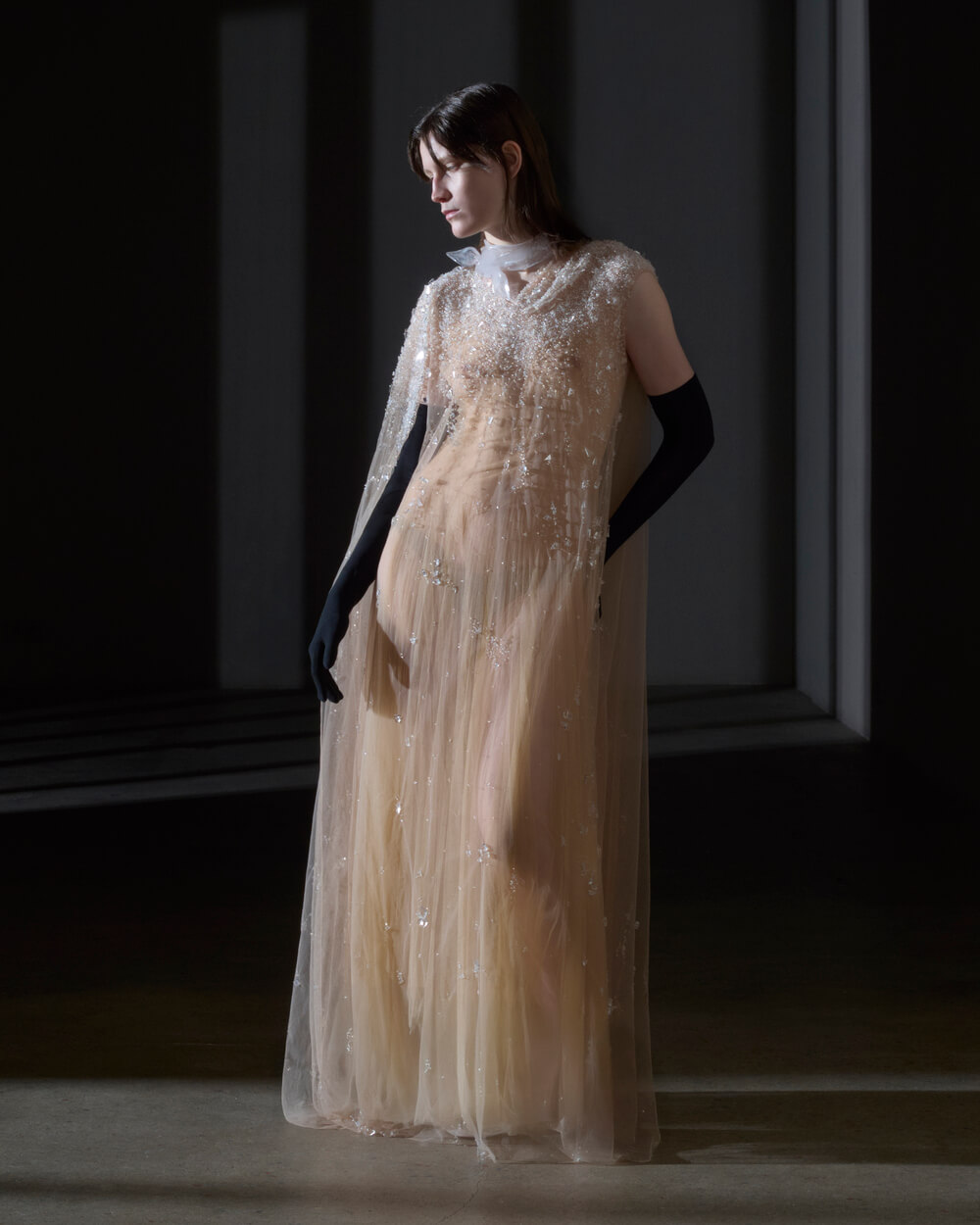
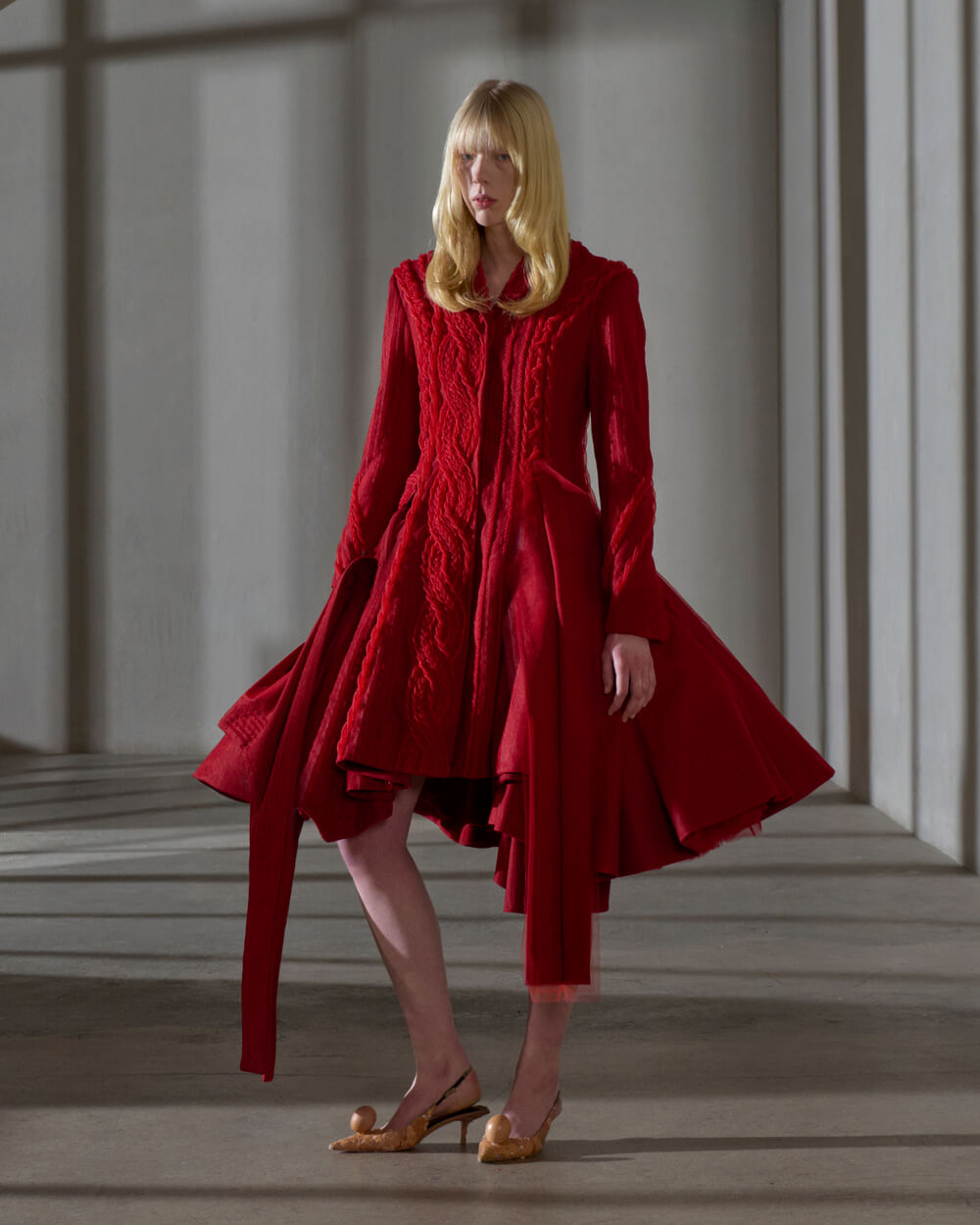
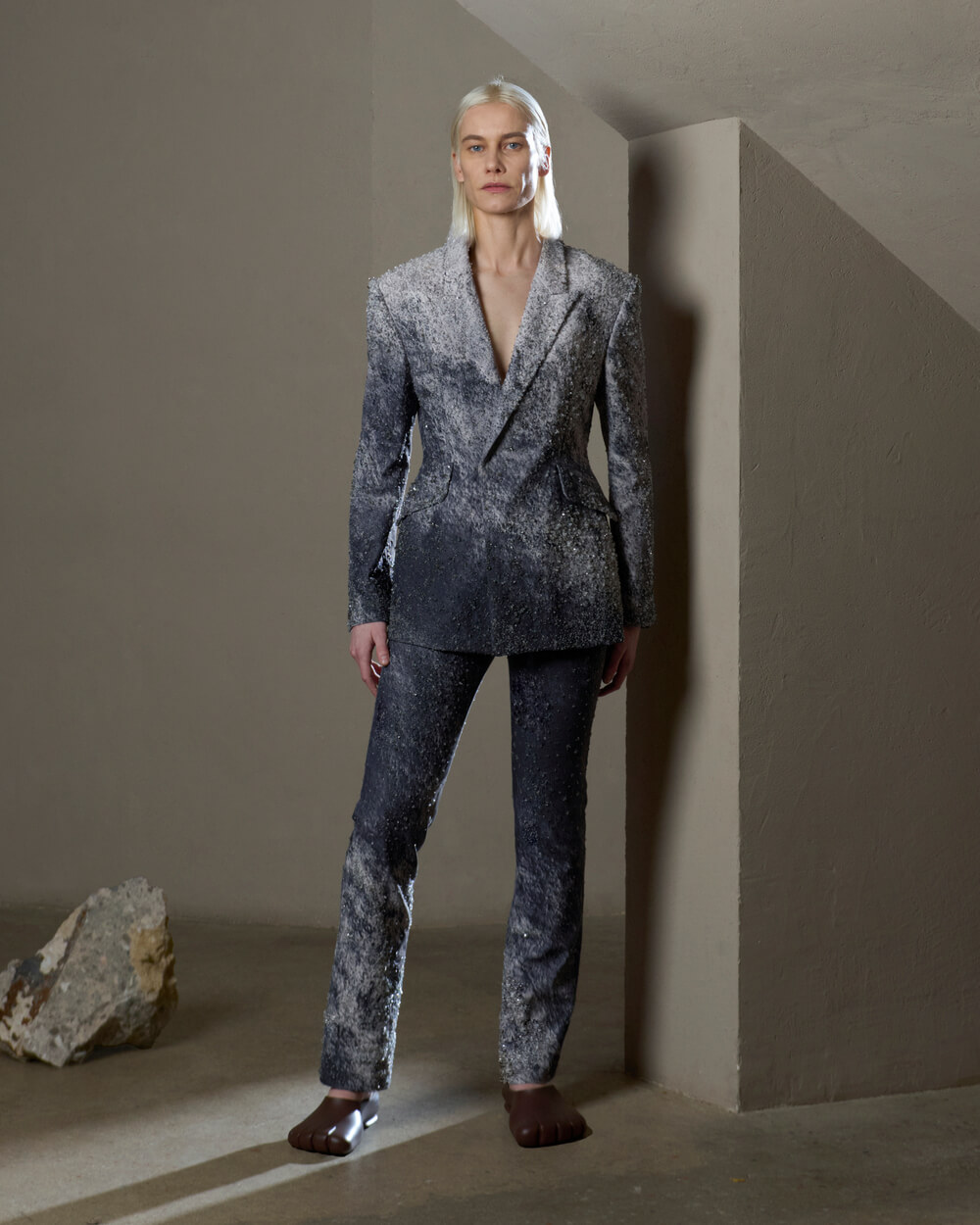
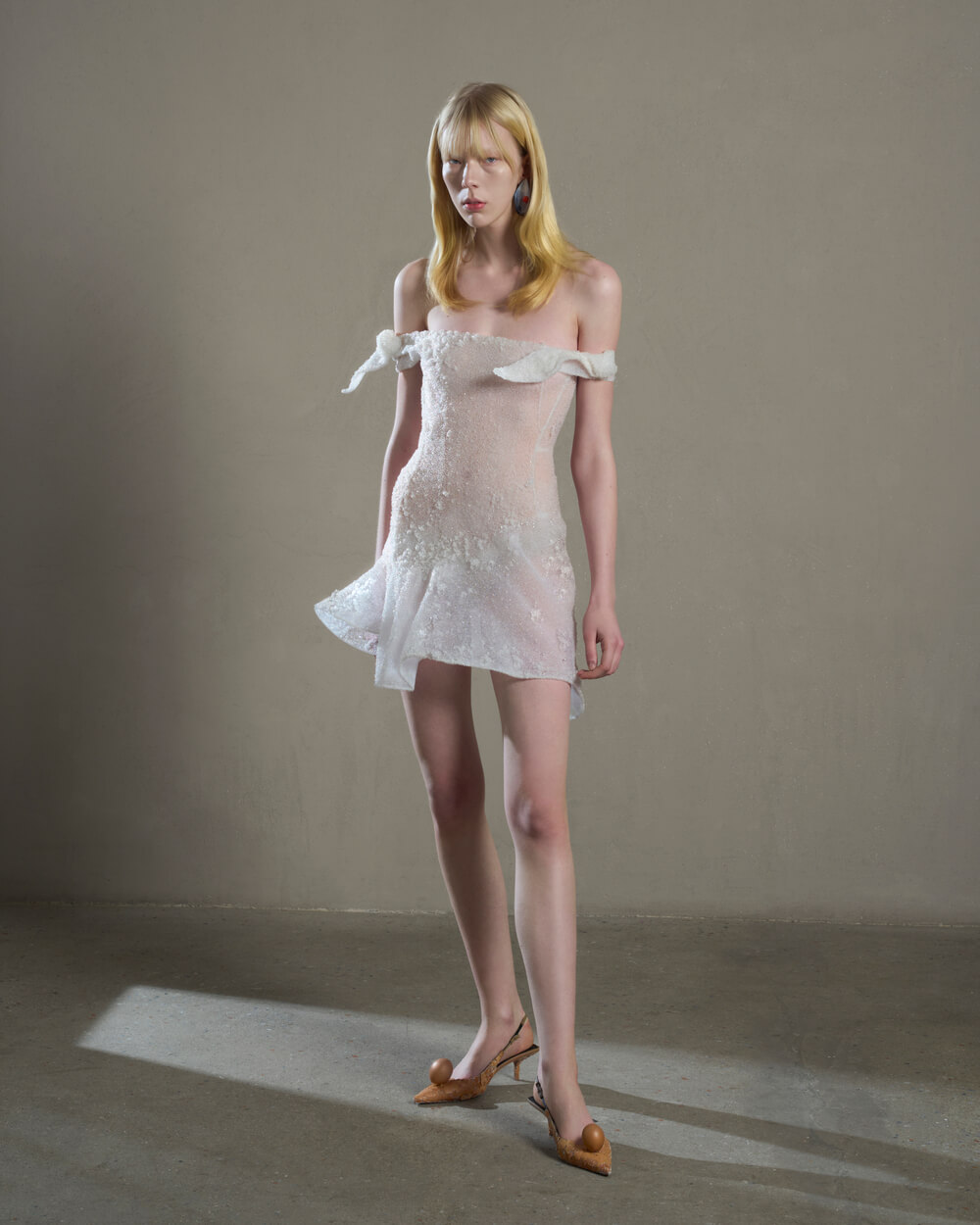
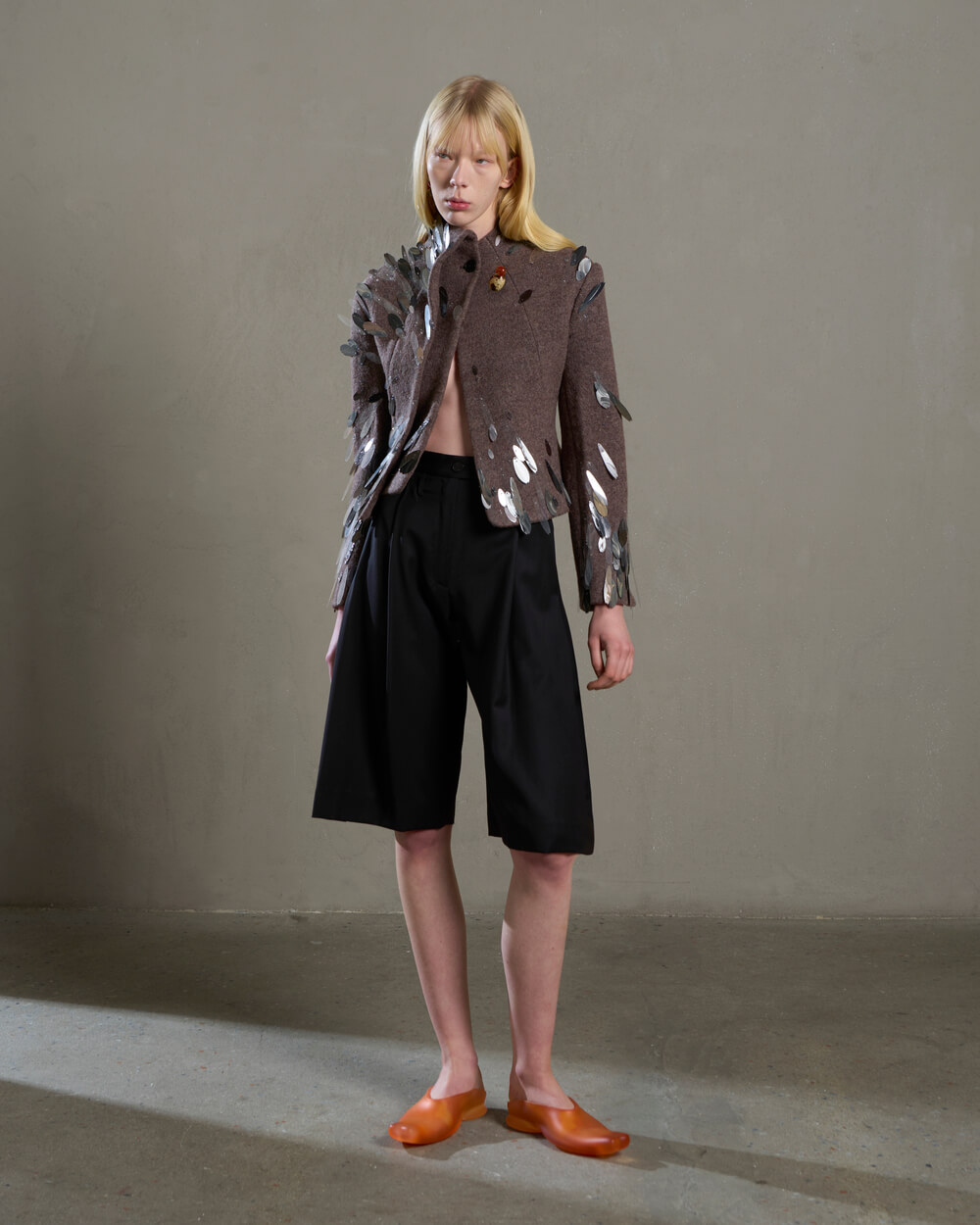
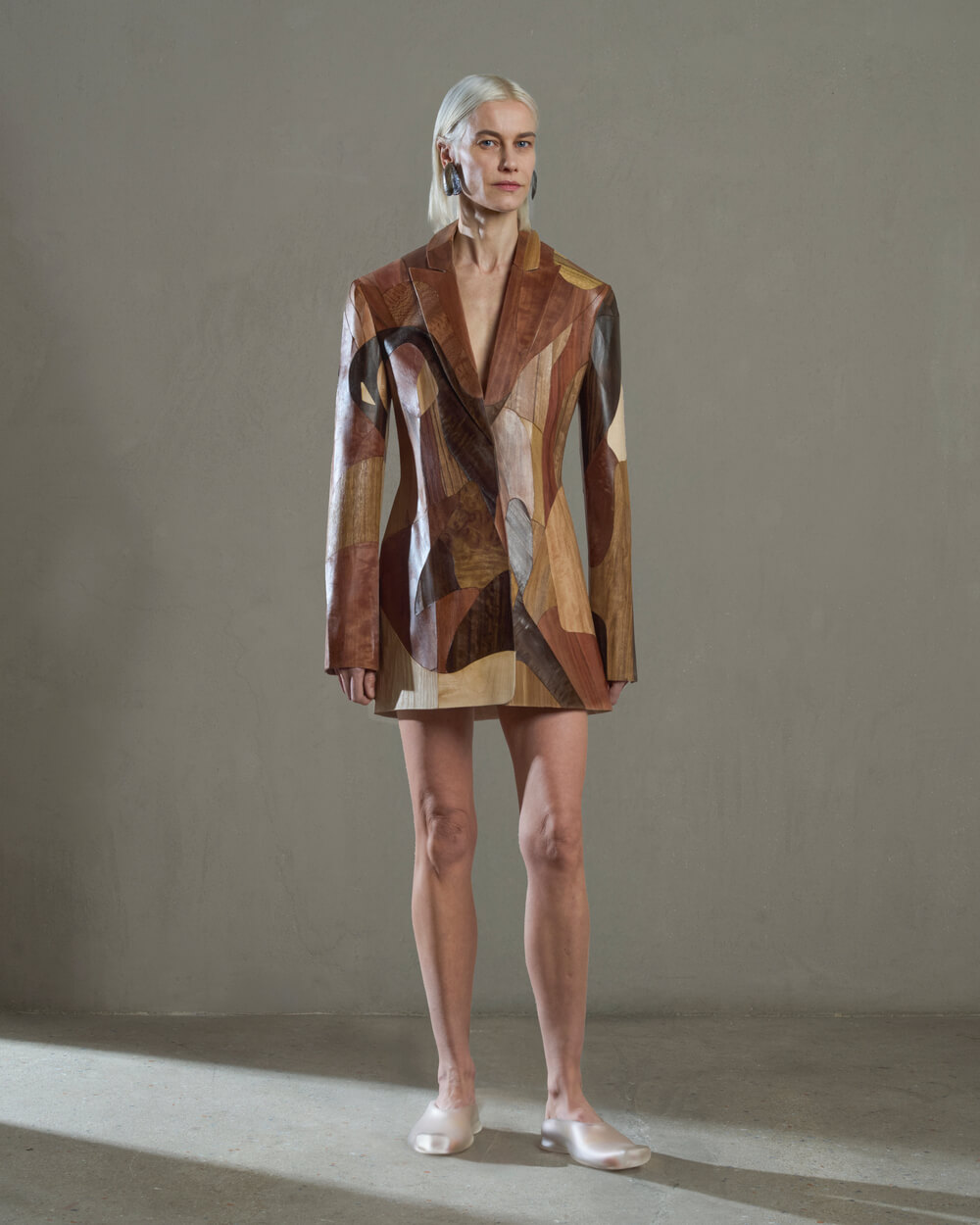
At the heart of the atelier is an evolving archive of recycled materials: remnants from past collections, deadstock fragments, and renewable matter, each carrying its own history. When brought together, these pieces form layered surfaces that record time and process. Set against this are real feathers, chosen for their fragility and impermanence, creating a dialogue between the natural and the constructed, the fleeting and the preserved. The collection expands this material investigation through recycled acrylic, elements derived from landfill waste such as eggshells and mussel shells, and objects displaced by time, like glass marbles. Throughout, the designs negotiate gravity itself, balancing suspended, rigid forms with weight-led drapery, establishing a rhythm between restraint and release.
For more @luchen_____