

Everyone is welcomed and celebrated at CPHFW. All the brands created unique moments, but here we are to share the most special ones, the ones that resonated throughout the week. Navigating this Fashion Week means moving between different voices: established names, new designers and others coming from abroad.
There are some names that are already well known and strong within the Danish fashion scene. For them, having a presence during this week is a challenge that goes beyond simply showing another collection. They are no longer the novelty, so they need to attract attention with different ideas and settings that step outside the ordinary and give people something to talk about. How do you stay in business by becoming desirable and not predictable?
THE OLD
Nature has become an important element in the way Danish fashion constructs its visual identity. Flowers, plants and other natural references appear repeatedly, not only as decoration but almost as symbols of a certain idea of Danish life. Skall Studio and OpéraSPORT incorporated them into bags, imagery and presentations in different ways, while the relationship between nature and fashion continued to appear throughout the week as a recurring visual language.
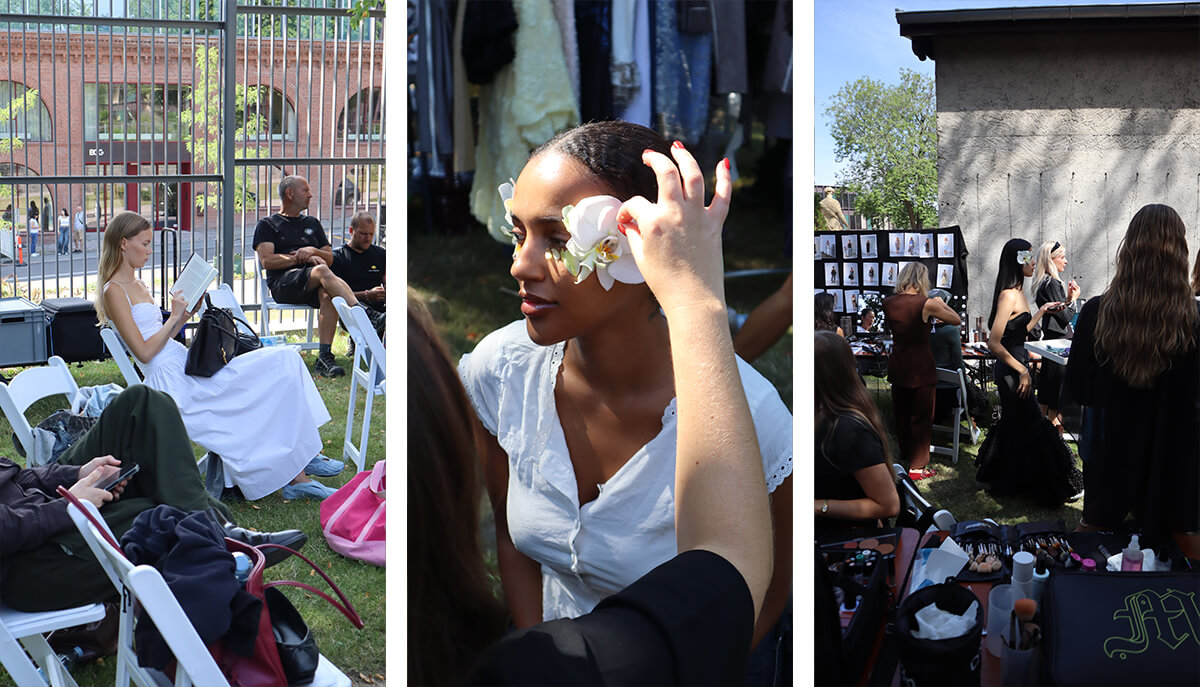
Opera Sport
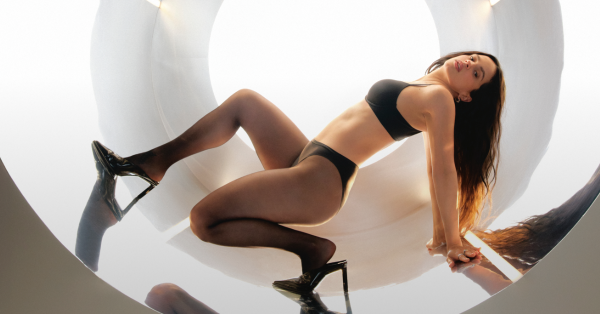
At OpéraSPORT, however, I kept looking down. Can I just say… shoes? For several editions, the brand has had the responsibility of officially opening Fashion Week with its show, and this time, inside a beautiful classical setting, the footwear stole the show for me. There was also something refreshing about the diversity of bodies moving through the space. Different shapes and different presences made the clothes feel more real and belonging to actual woman.
Skall Studio
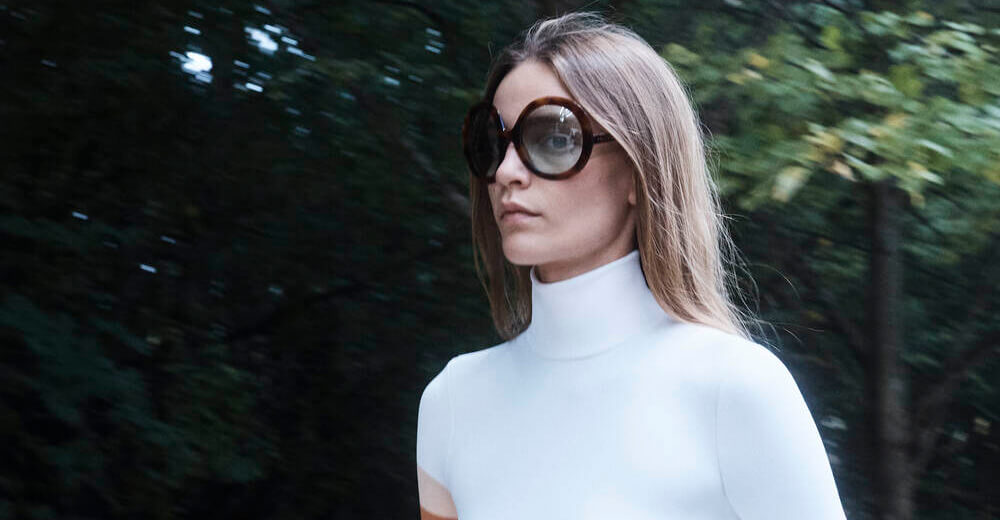
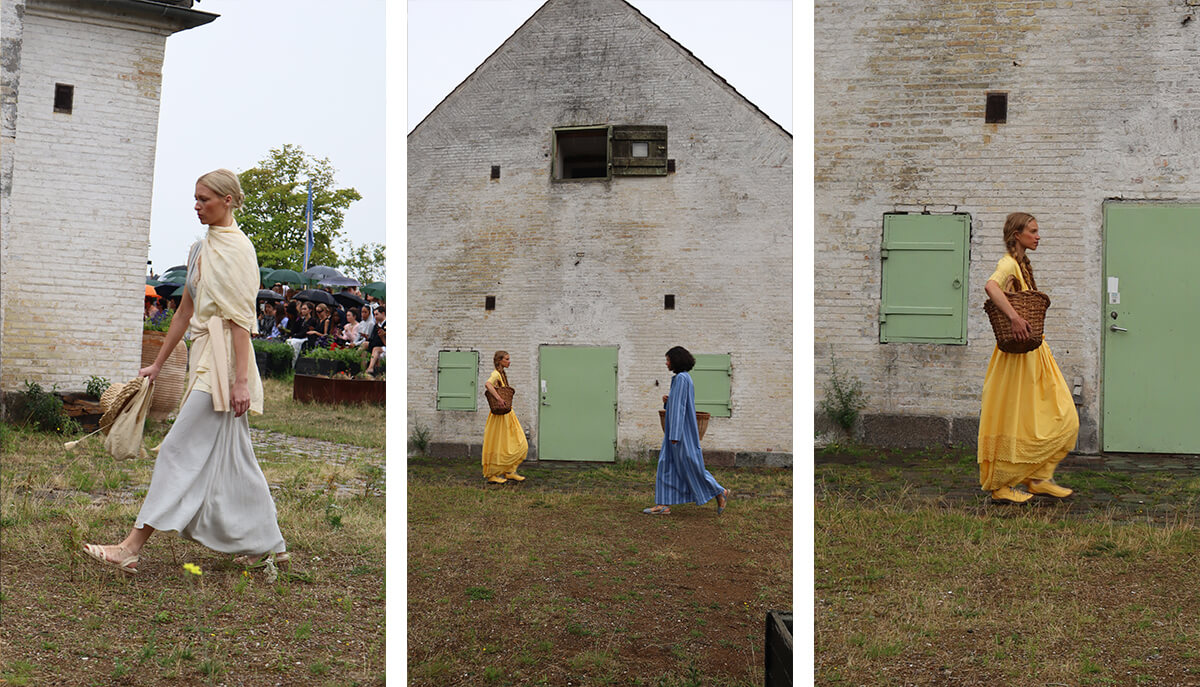
Skall Studio on its way, approached softer to that relationship between fashion and nature. The show was set at a farm and suddenly the rain started pouring as the models walked out, just perfectly in time. It felt just as women doing their lifes in a Danish summer day, refreshing and pure.
Henrik Vibskov
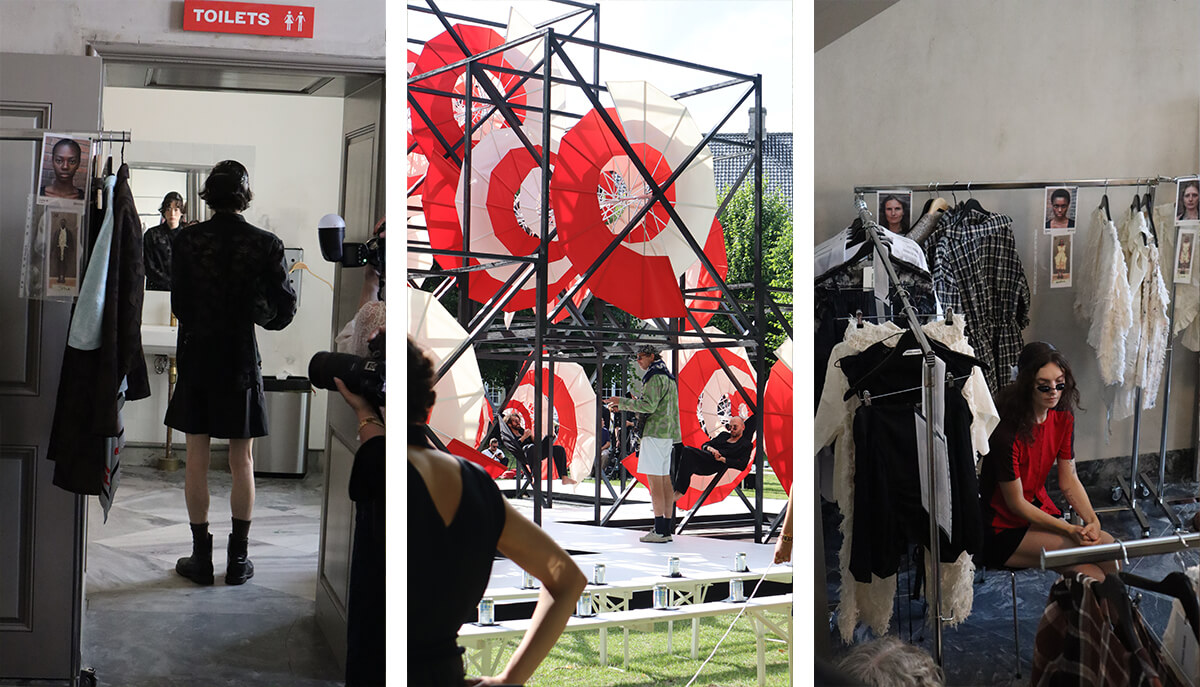
Henrik Vibskov approaches the idea of experience from a completely different direction. Inside the garden of the Danish Design museum, Vibskov created an entire moved y the wind installation around the collection. That connection between scenography and fashion is one of the ways he manages to keep the audience engaged. The set does not compete with the garments; it gives them a world to inhabit. Playful, strange and deliberately unexpected, as always.
Nicklas Skovgaard
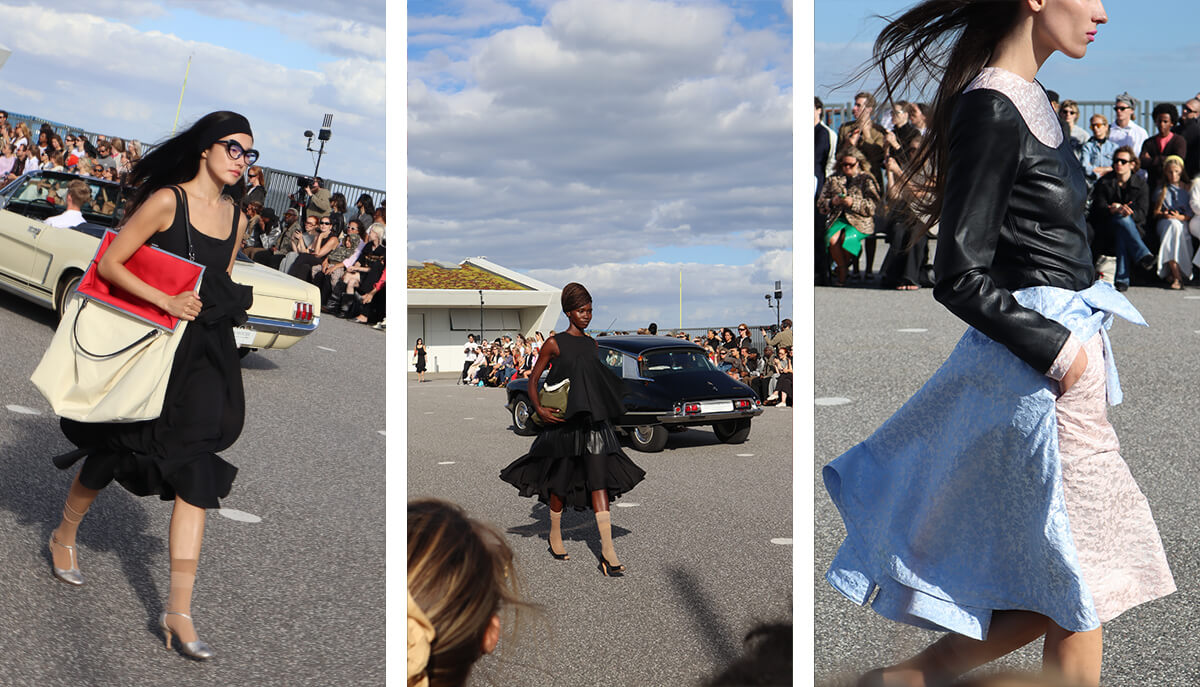
Nicklas Skovgaard. An expectant crowd was waiting in what seemed a private plane airport, and I turned around to locate the press bus so I could jump in as soon as the show finished. Then I saw it: a classical cream dream of a car approaching with three girls inside. “This is the beginning of the show,” whispered my friend standing beside me. She was right. The whole scene felt as if it had come straight from an old coming-of-age movie, somewhere between teenage rebellion, dancing and Footloose. The hair, the glasses, the walk and the attitude all became part of the same universe. Even the final model lighting a cigarette with the help of one of the drivers felt like part of the story rather than a random gesture.
There was also a remarkable diversity of bodies, and each character seemed to give the clothes a slightly different personality. Looking at the line-up unexpectedly reminded me of the Barbies I played with when I was little: different girls standing next to each other, dressed for different lives, but somehow belonging to the same world. Gingham appeared among the looks, adding another familiar layer to a presentation that was otherwise highly theatrical.
THE NEW
New designers have the advantage of being able to surprise simply because we do not yet know exactly what to expect from them.
RENÈ
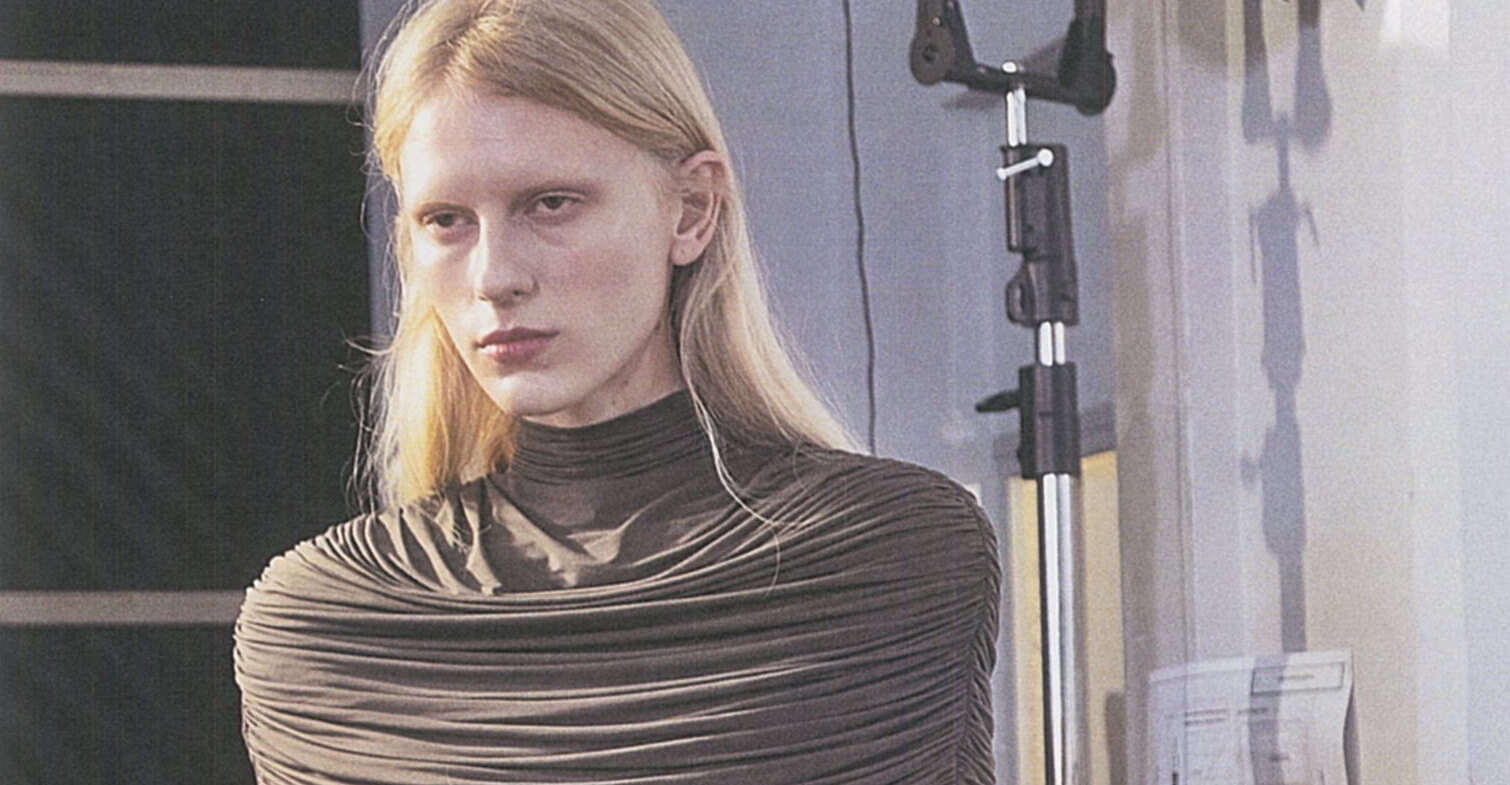
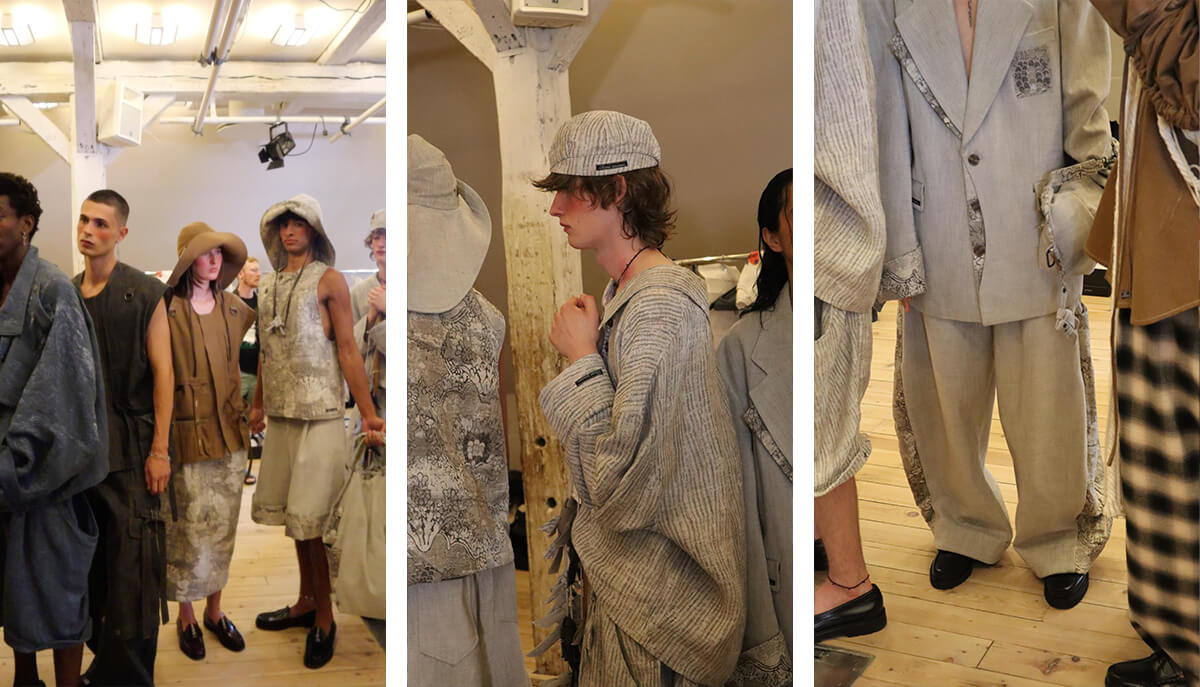
RENÈ was one of those surprises, with beautiful silhouettes and a playful relationship between music and garments. One of the details that stayed with me was a fishing rod carrying hanging decorations, an object that felt more poetic than practical and somehow made perfect sense within the presentation.
Solitude Studios
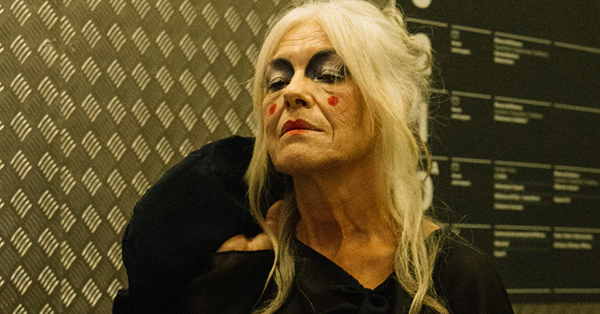
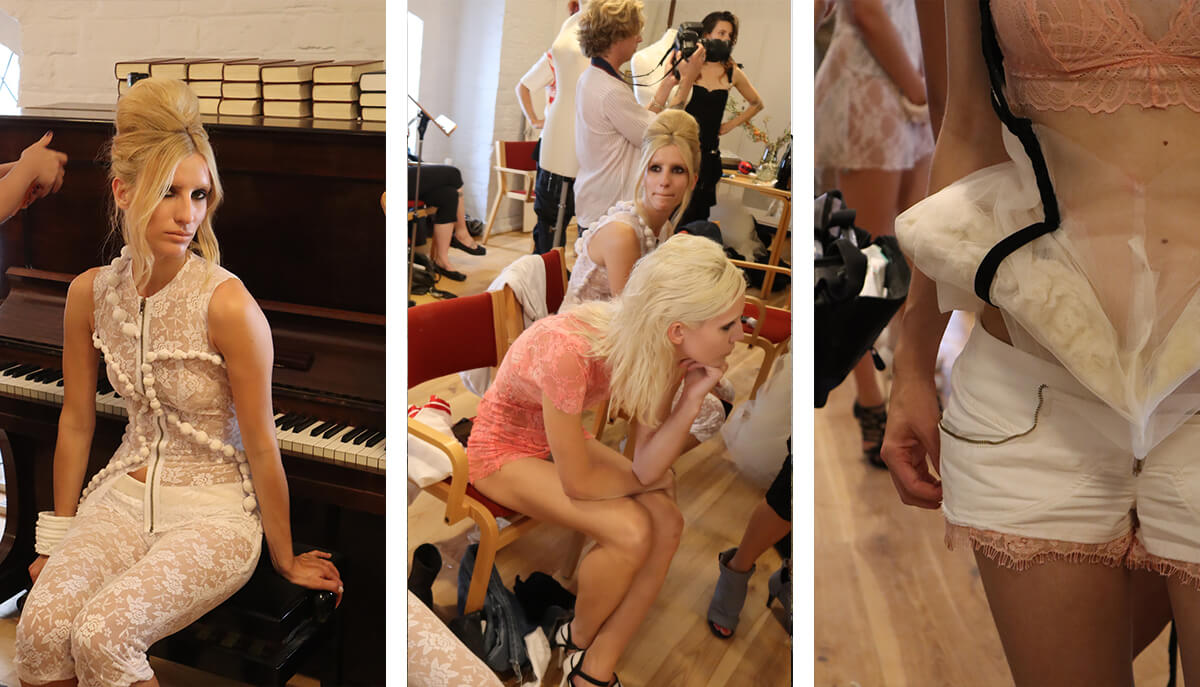
Solitude Studios continued that younger energy, while Softcore moved into a darker and more emotional atmosphere. Amy Winehouse came to mind through the hair, the attitude and the overall mood. The show took place inside a church, where almost everything seemed washed in white, while the chairs and floor created a rougher contrast. A stone had been placed on every seat, adding to the feeling of ritual. When the show ended, people remained silent for a moment, almost as if they were still trying to understand what they had just seen. Sometimes applause is immediate. Sometimes silence says more.
THE OUTSIDERS
Perhaps the outsiders were the ones who shared the most this season, not only clothes but space, energy and access.
Paolina Russo
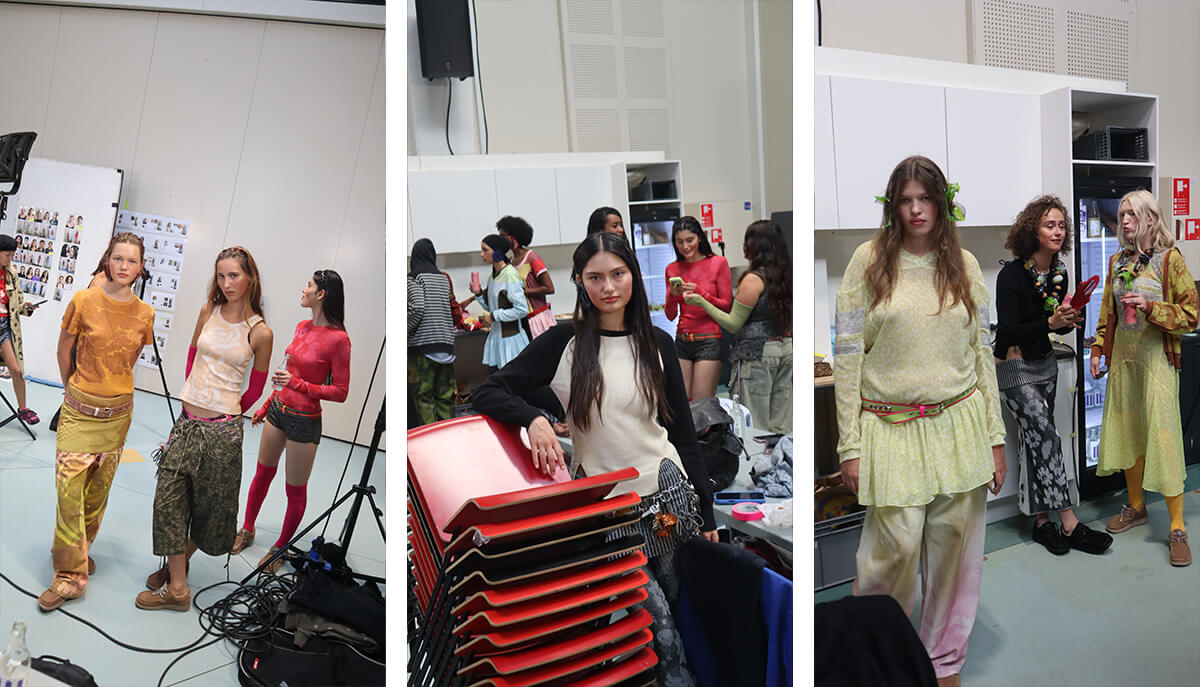
Paolina Russo opened its show to the public and transformed the runway into something much less controlled than the traditional fashion-week ritual. A battle of the bands framed the event, but the finale pushed it somewhere else entirely. The models walked the runway and then formed a circle around one of the singers, dancing as skateboarders flooded the area. Soon after, the entire team emerged from backstage and ran onto the runway, joining the models and inviting the public to. After that, the event continued as a free concert.
Outside, the street style seemed to respond with the same energy.
Collina Strada
Then came Collina Strada. First, of course, I had to get there. The show was taking place at the opposite end of the city from the previous one, which created something close to a battle for seats on the press bus. For a few minutes, any trace of elegant Fashion Week behaviour disappeared because everyone wanted to make it.
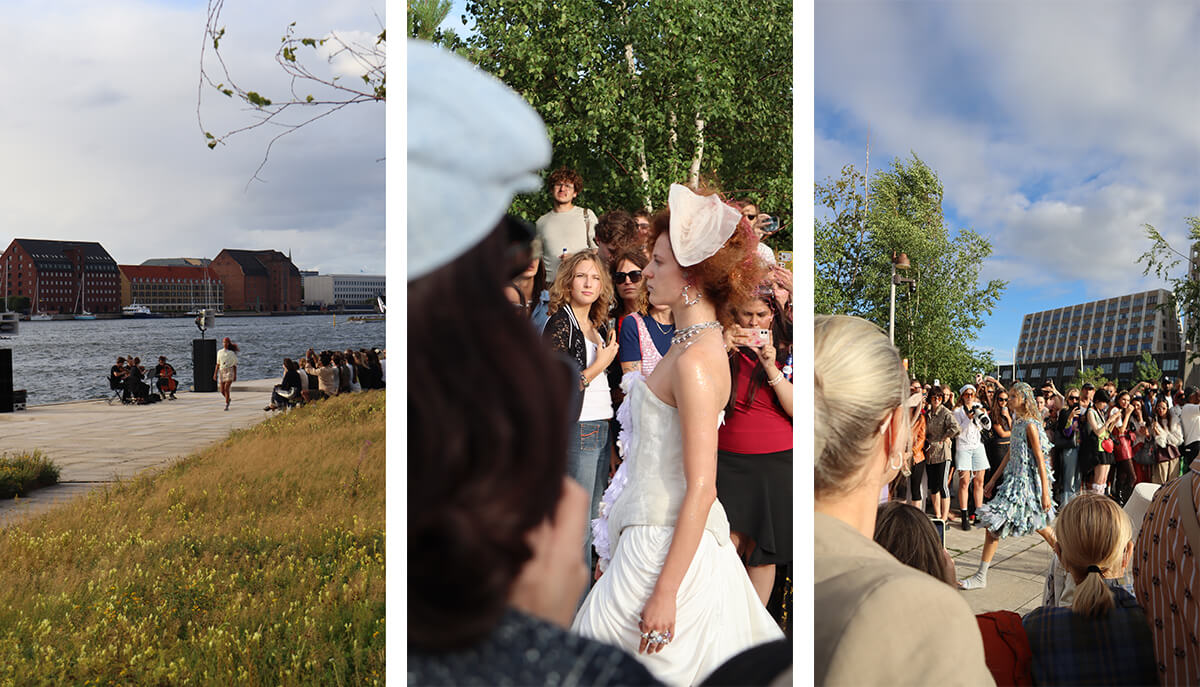
Technically, the show was not open to the public, but in practice everybody had been invited. The location was open enough that practically everyone connected to the fashion scene seemed to be there. Everyone. The harbour wind added exactly the kind of drama that no set designer could reliably reproduce, moving through the garments and the space.
The excitement of getting there turned that noisy mass of people into a silent audience as the models appeared like rock fairies against the water. Garments made using upcycled leftover accessories and deadstock fabric moved quickly through the space, caught by the wind for a second and then gone again. The models moved so fast that the entire show seemed to pass almost as quickly as the wind itself. During the carousel, puppies ran around some of the models, adding one final unexpected image to a week full of them.
Copenhagen Fashion Week spent several days moving between the established, the emerging and those arriving from outside its usual orbit. Different generations, different bodies and different ideas about what a runway should even be. Some brands protected their place, some were only beginning to claim theirs, and others opened the doors and invited everyone else inside. By the end of the week, perhaps that was the image that remained most clearly: fashion becoming slightly less interested in deciding who belongs there, while the wind passed through the harbour and the final models disappeared from view.
Photography by Ionela Bona for VEIN MAGAZINE