


Designers such as Chanel, Vionnet and Lanvin reshaped fashion in the 1920s by freeing the silhouette and aligning dress with women’s changing social roles. This moment of transformation is now revisited in ‘Art Deco and Fashion: Centering on the Kyoto Costume Institute Collection’, which traces how fashion became a tool of autonomy, public presence and modern female subjectivity.

As women gained greater access to education, entered the workforce and negotiated new forms of public visibility, fashion became a quiet but decisive ally. After the First World War, clothing moved away from rigid structures towards simplified silhouettes and garments designed for movement, work and leisure. This culminated in the 1925 International Exhibition of Modern Decorative and Industrial Arts in Paris, whose centenary frames the exhibition in 2025, where fashion was presented alongside architecture, design and industry as a central expression of modern life. The way dress aligned with women’s changing social roles is traced in ‘Art Deco and Fashion: Centering on the Kyoto Costume Institute Collection’, presented at the Mitsubishi Ichigokan Museum, Tokyo and organised in collaboration with the Kyoto Costume Institute.
Following the lead of earlier innovators such as Paul Poiret, Mariano Fortuny and Jean Patou, and in contrast to the corseted figures of the Victorian era, the changes of the 1920s emerged from a shared cultural shift. Coco Chanel articulated a new everyday modernity through wool and jersey daywear, later crystallised in the ‘little black dress’ of 1926, prioritising comfort and mobility. Madeleine Vionnet redefined modern dress through the bias cut and fluid draping, while Jeanne Lanvin expanded its vocabulary with the ‘Robe de Style’, combining volume and decoration without structural constraint.
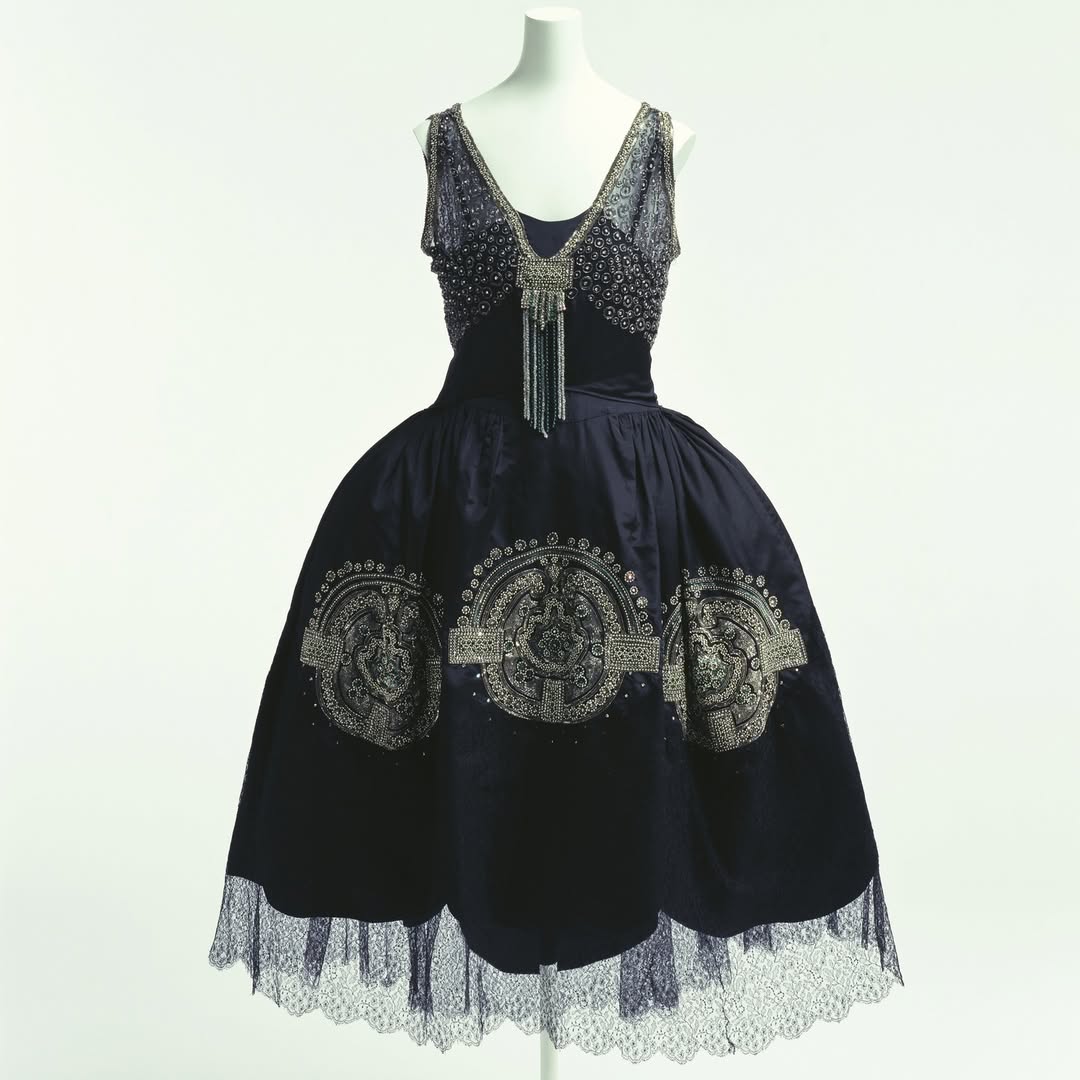
Jeanne Lanvin, evening dress, early 1920s, photo by Takashi Hatakeyama ©The Kyoto Costume Institute
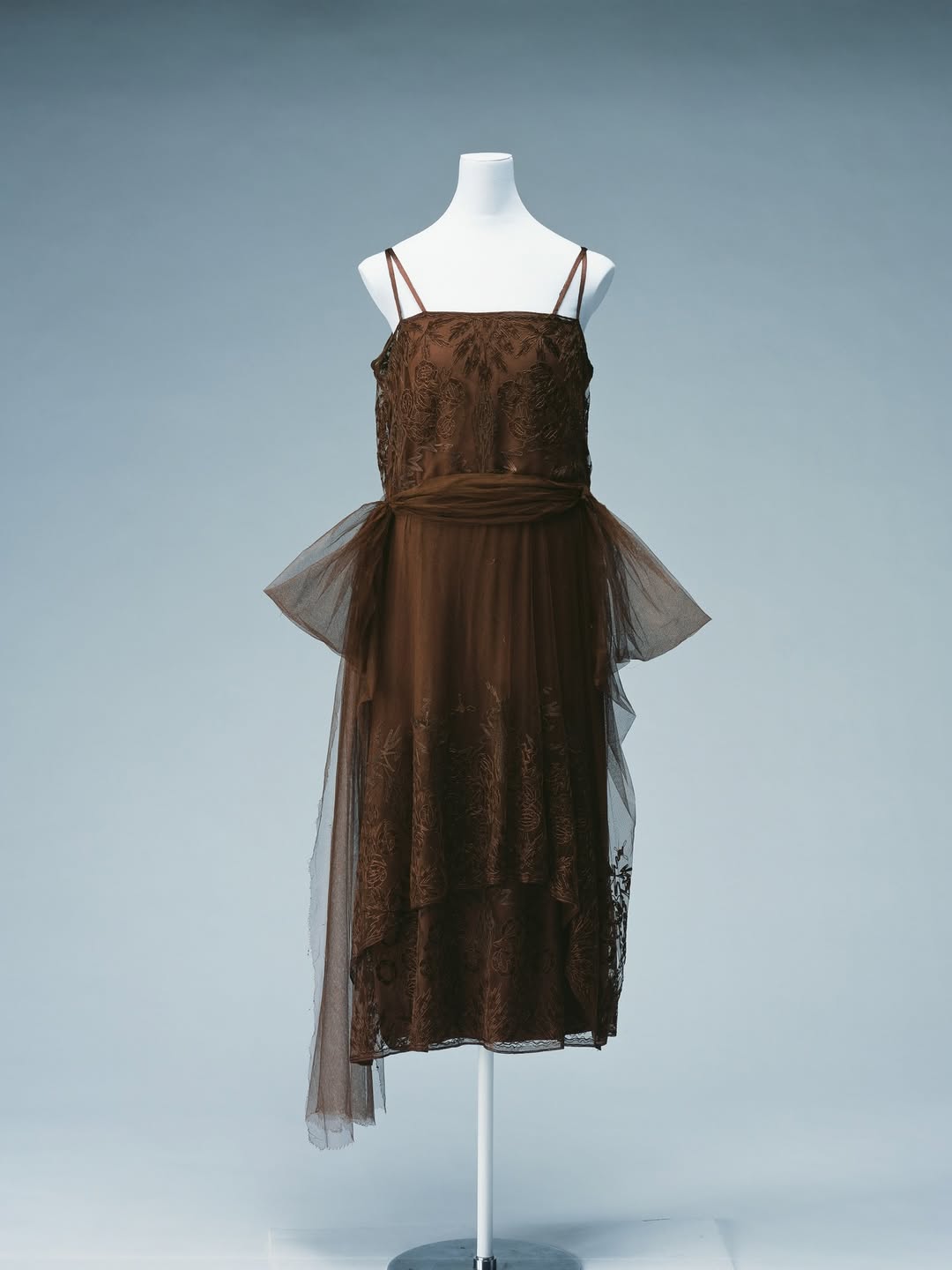
Chanel, evening dress, c.1921, photo by Takashi Hatakeyama ©The Kyoto Costume Institute
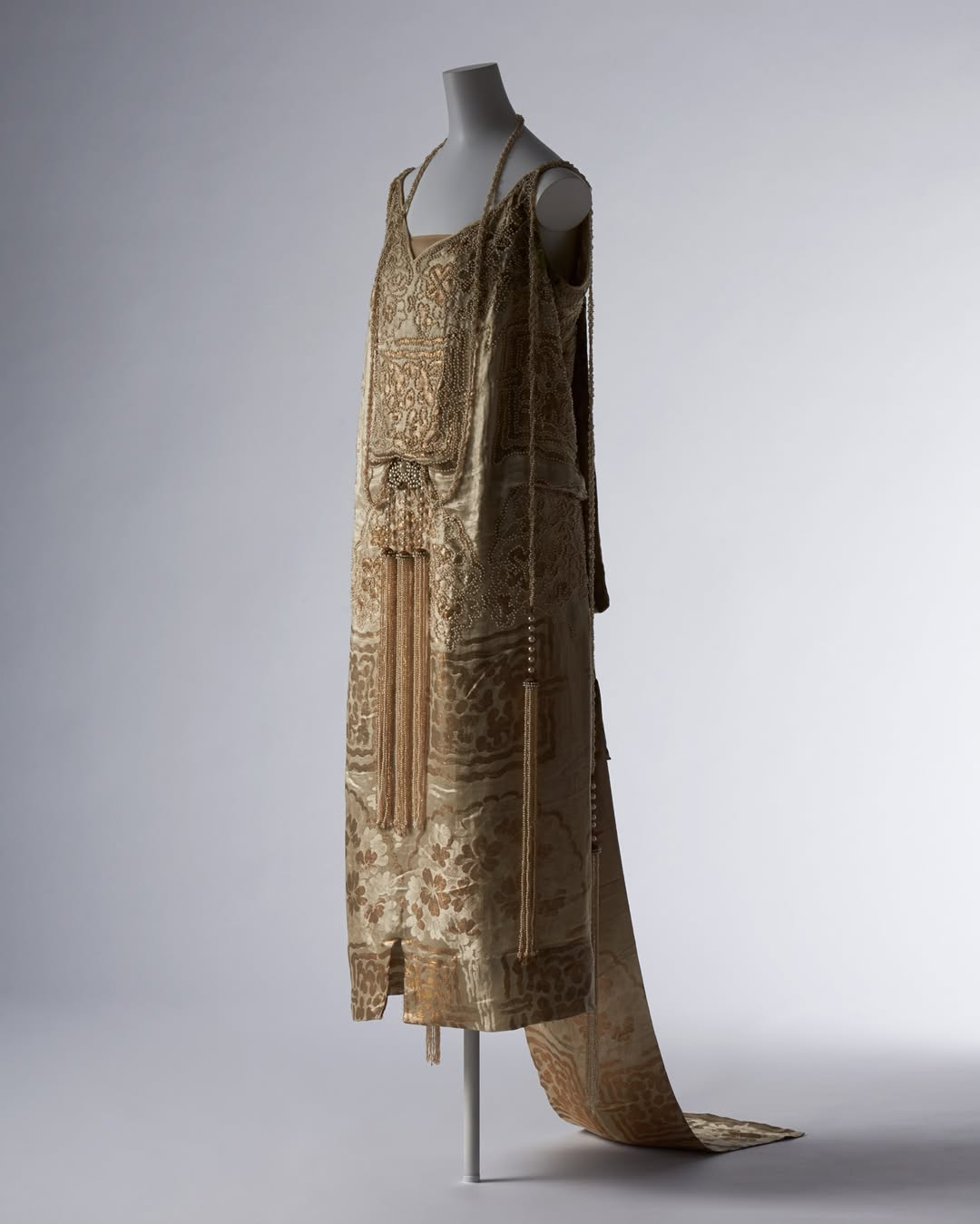
Evening dress by the Callot sisters, 1922. ©The Kyoto Costume Institute
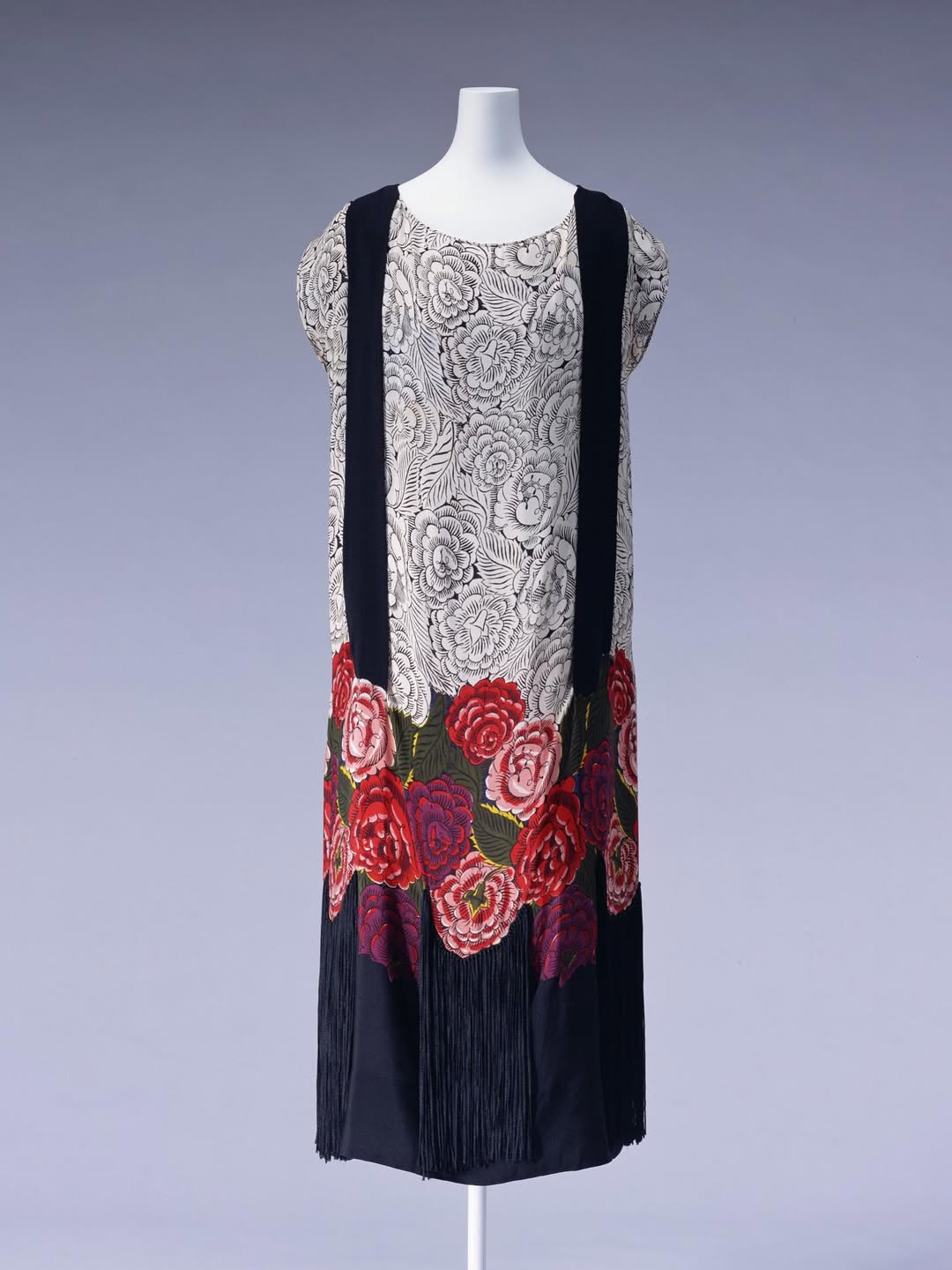
A Day Dress from around 1922 by ZIMMERMANN ©The Kyoto Costume Institute
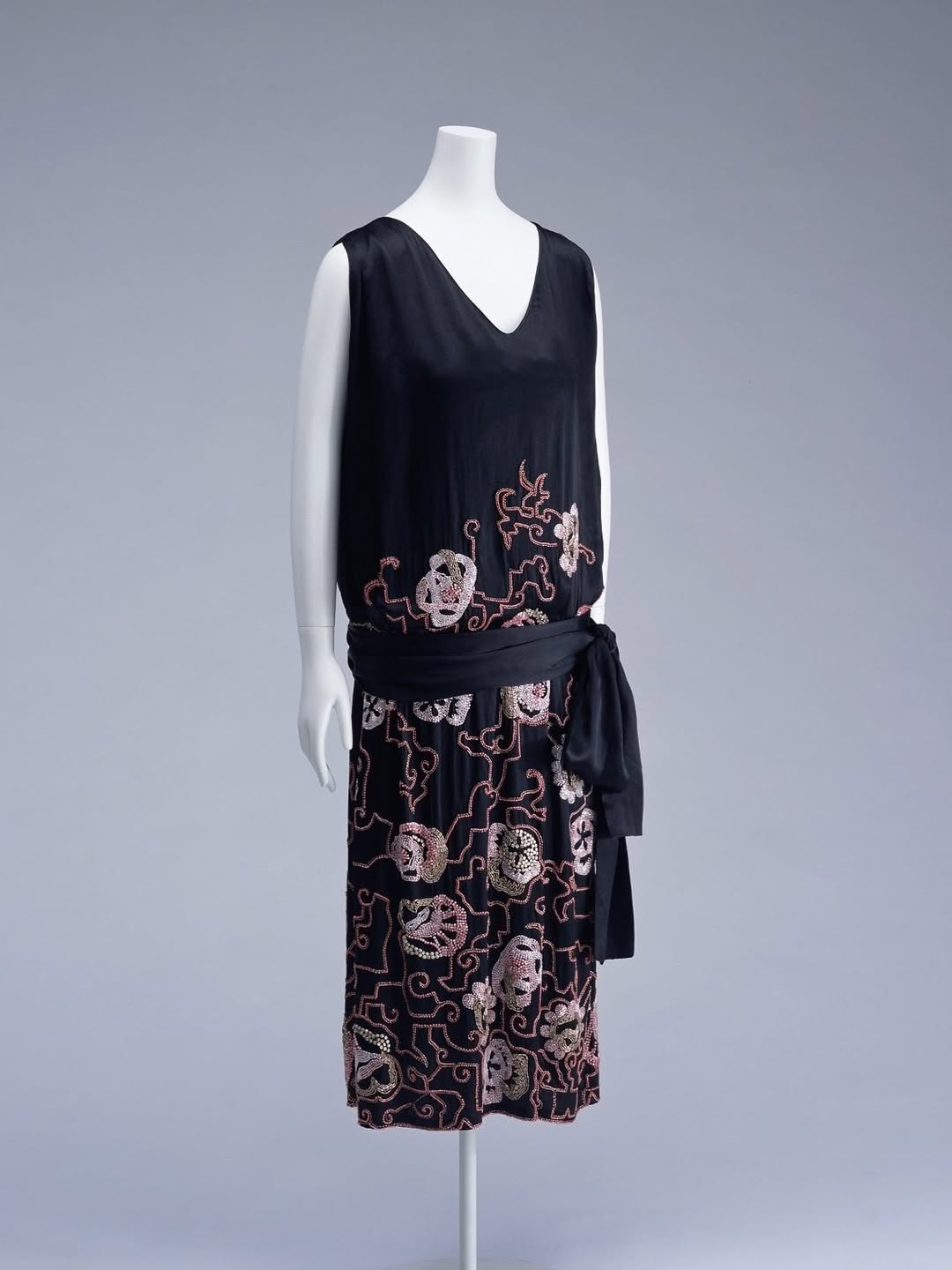
An Evening Dress from around 1925 by DOEUILLET ©The Kyoto Costume Institute
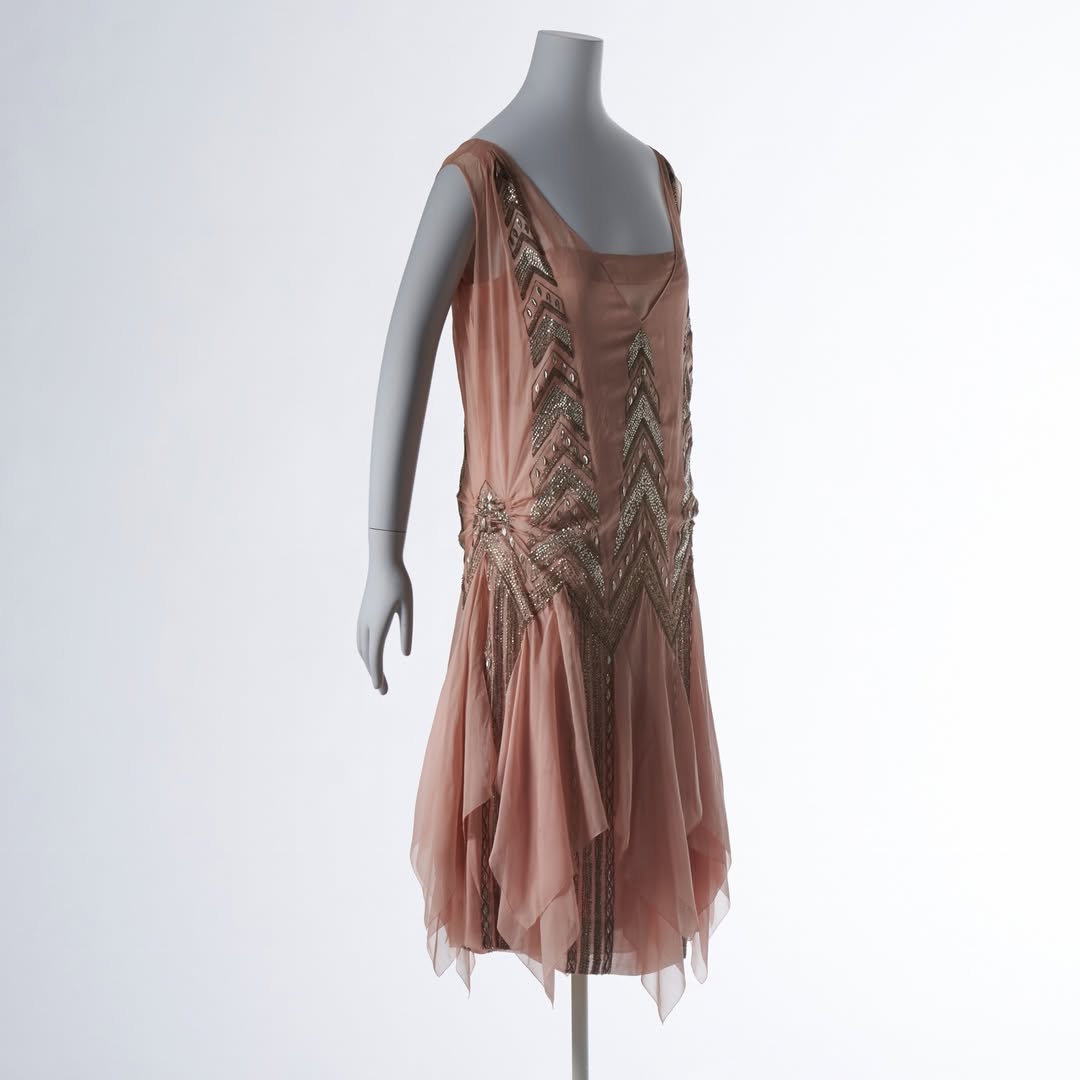
Evening dress by Jean Patou, circa 1926. ©The Kyoto Costume Institute
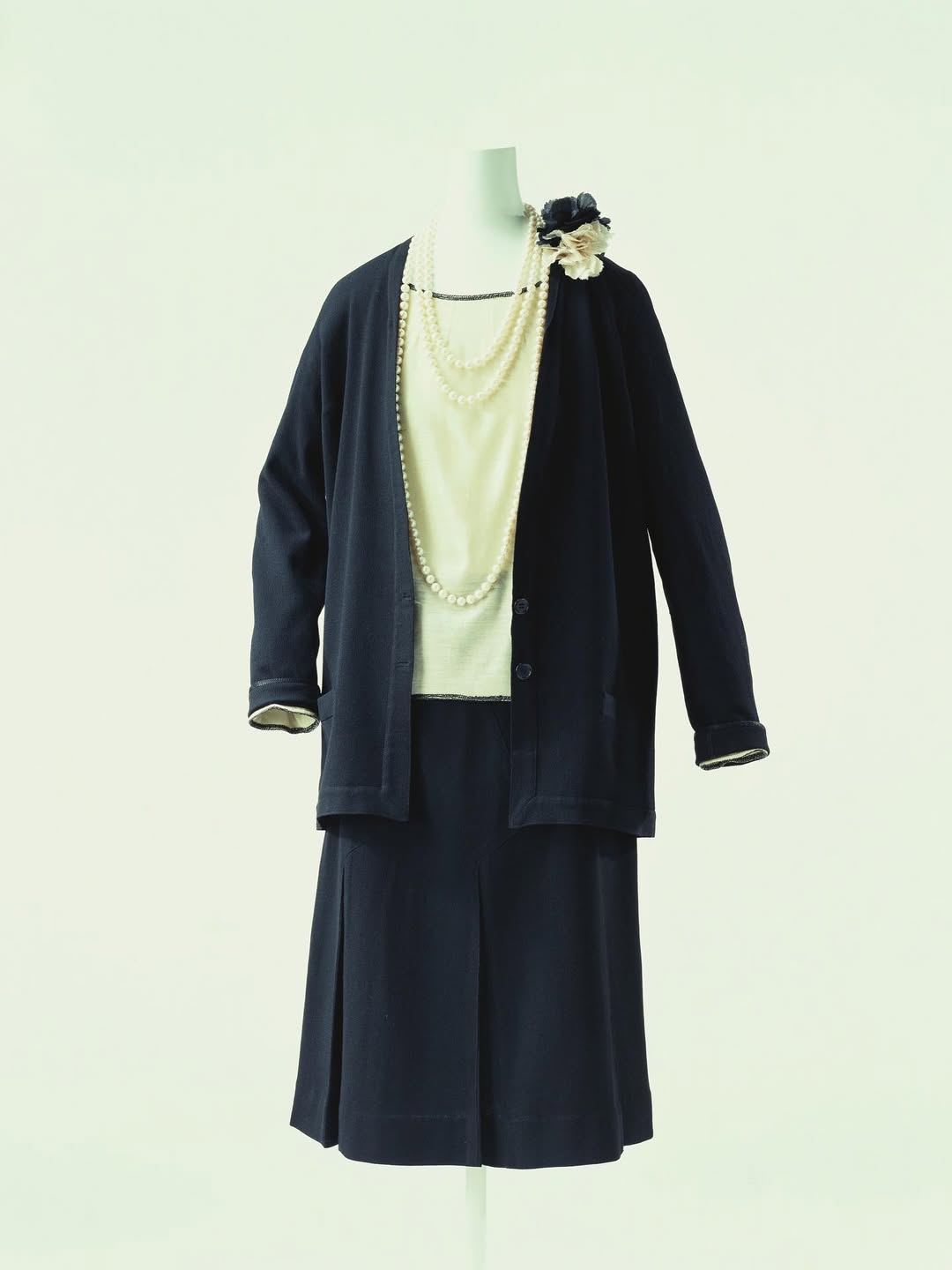
A Day Ensemble from around 1928 by CHANEL ©The Kyoto Costume Institute
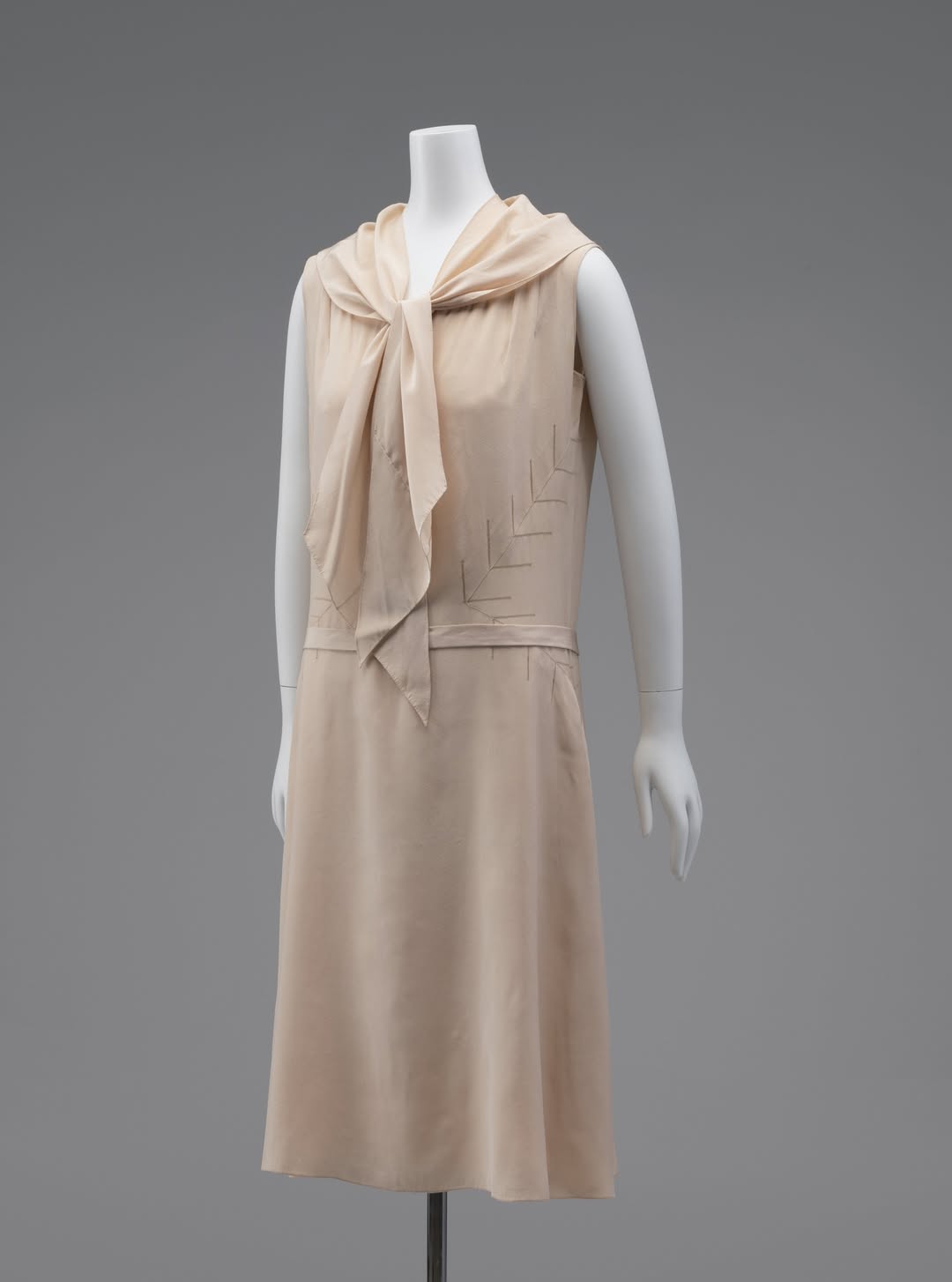
Vionnet, dress ©The Kyoto Costume Institute
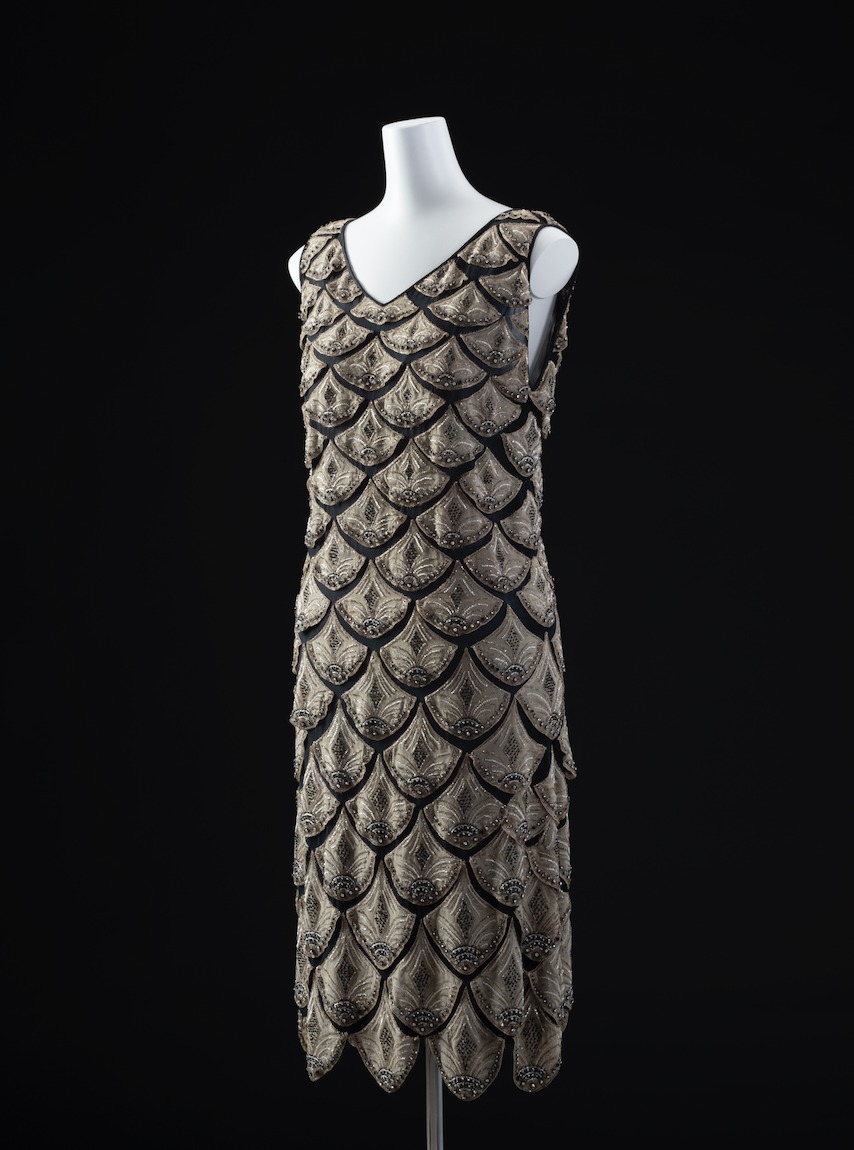
Jean Patou, Evening Dress, 1927, The Kyoto Costume Institute, Photo: Takeru Koroda
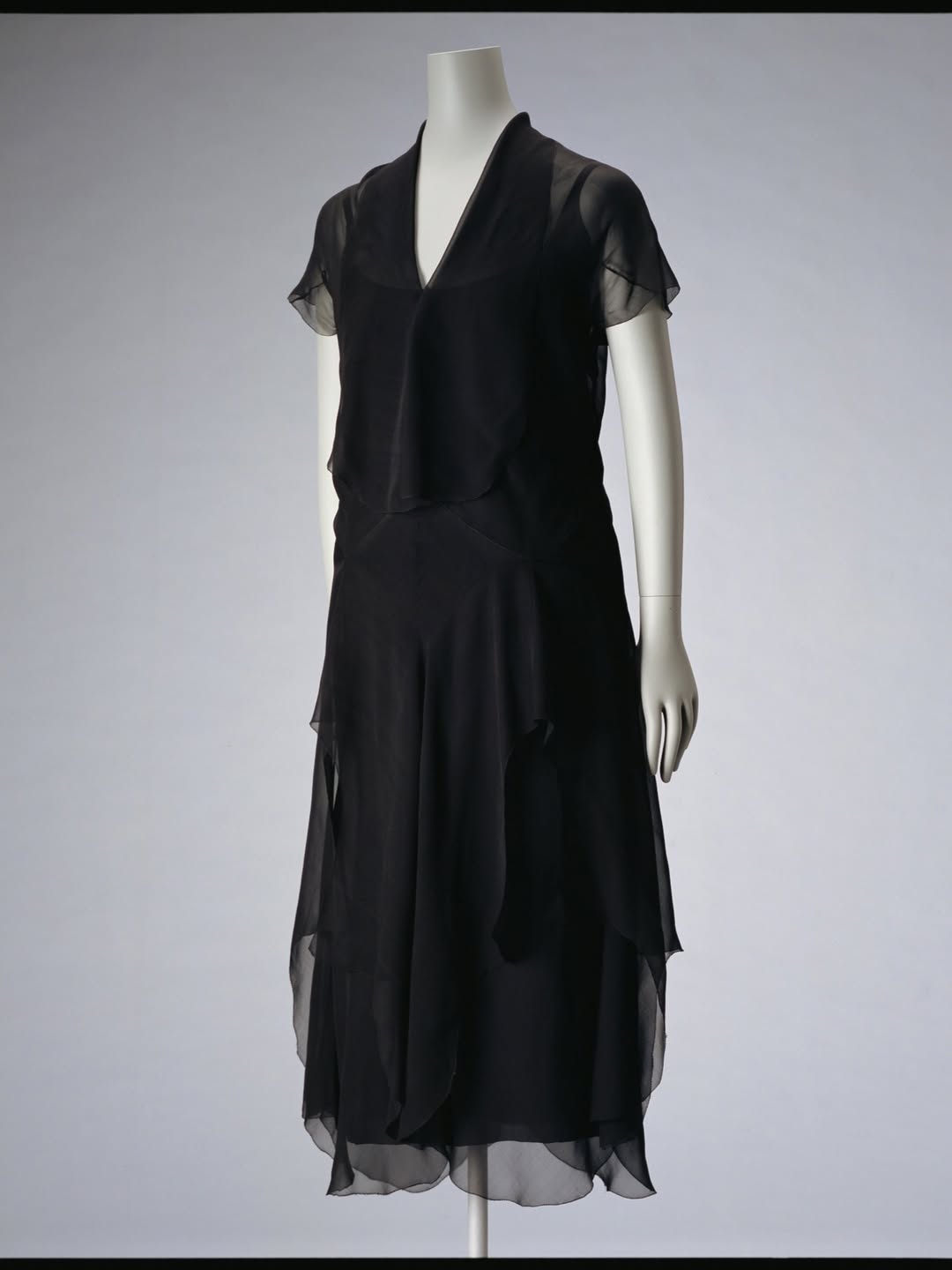
Vionnet, dress, c.1928, photo by Taishi Hirokaw ©The Kyoto Costume Institute
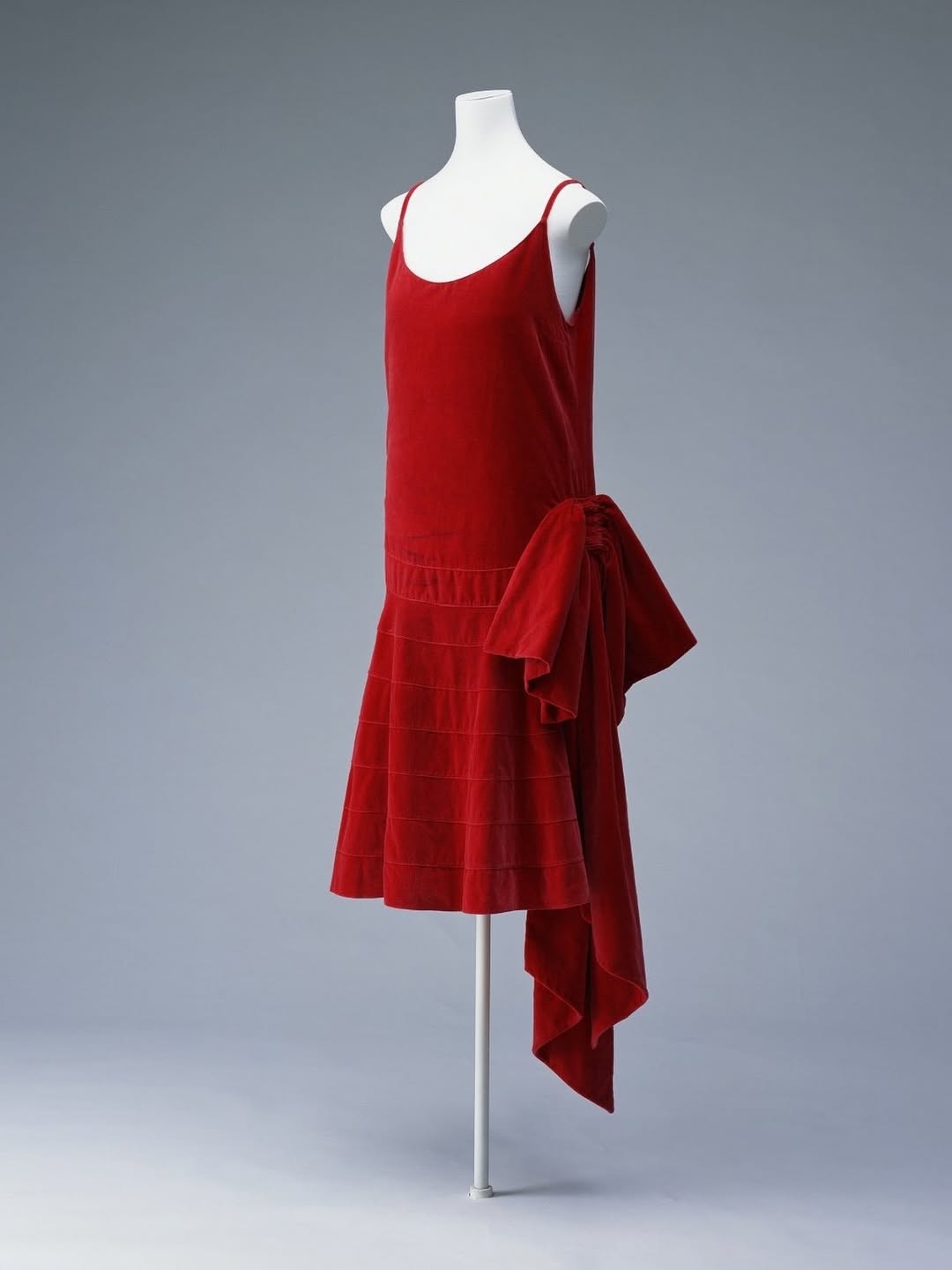
Chanel, Evening Dress, 1928, The Kyoto Costume Institute, Photo: Takashi Hatakeyama
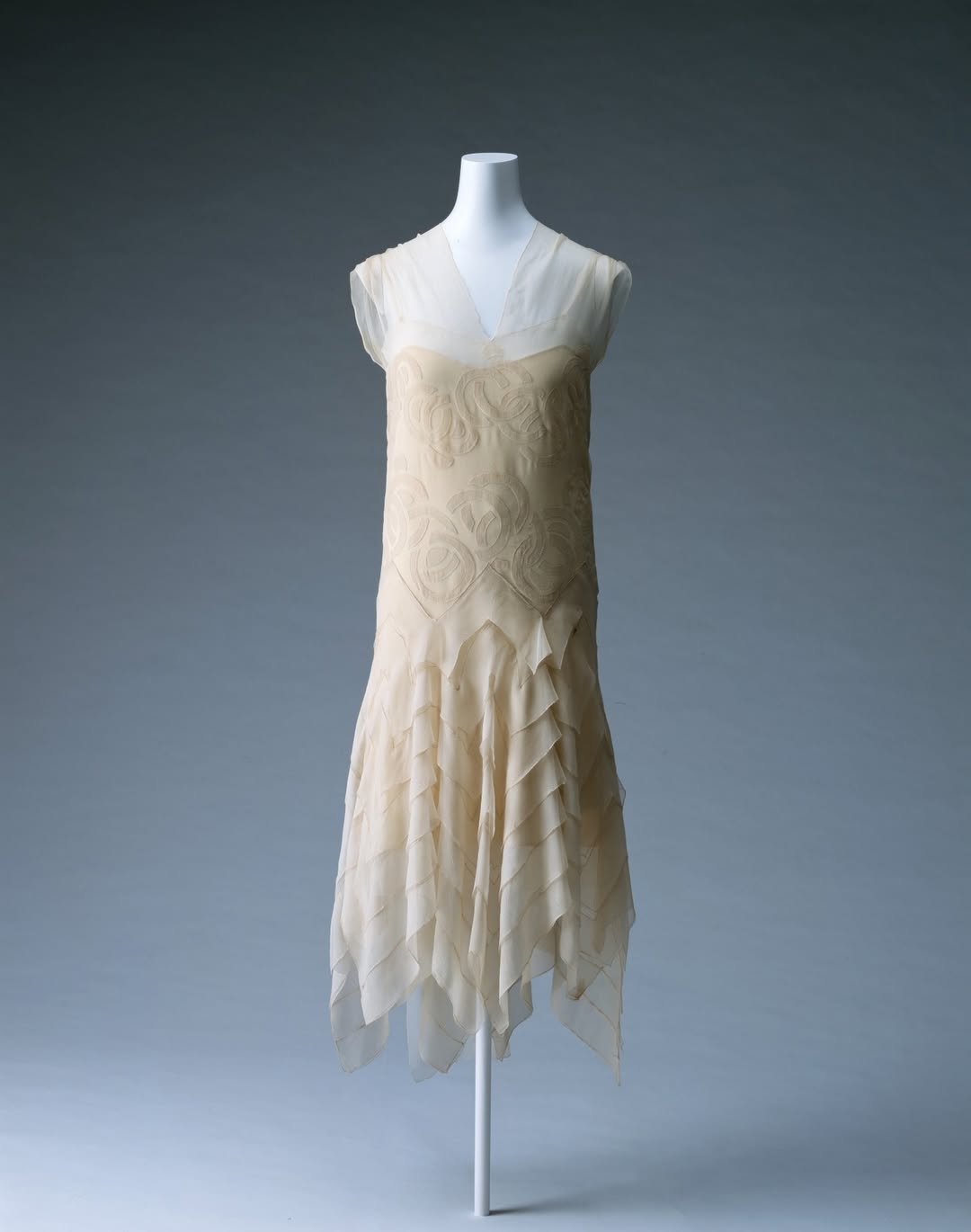
Evening dress by Madeleine Vionnet, Spring–Summer 1929 ©The Kyoto Costume Institute
A century after Art Deco took shape in the 1920s, fashion emerges as a key instrument in women’s modern lives, articulating comfort, mobility and public presence as lasting values of the period. This moment can now be revisited in ‘Art Deco and Fashion: Centering on the Kyoto Costume Institute Collection’, on view at the Mitsubishi Ichigokan Museum, Tokyo in collaboration with the Kyoto Costume Institute until 25 January 2026.
–
Follow us on TikTok @veinmagazine