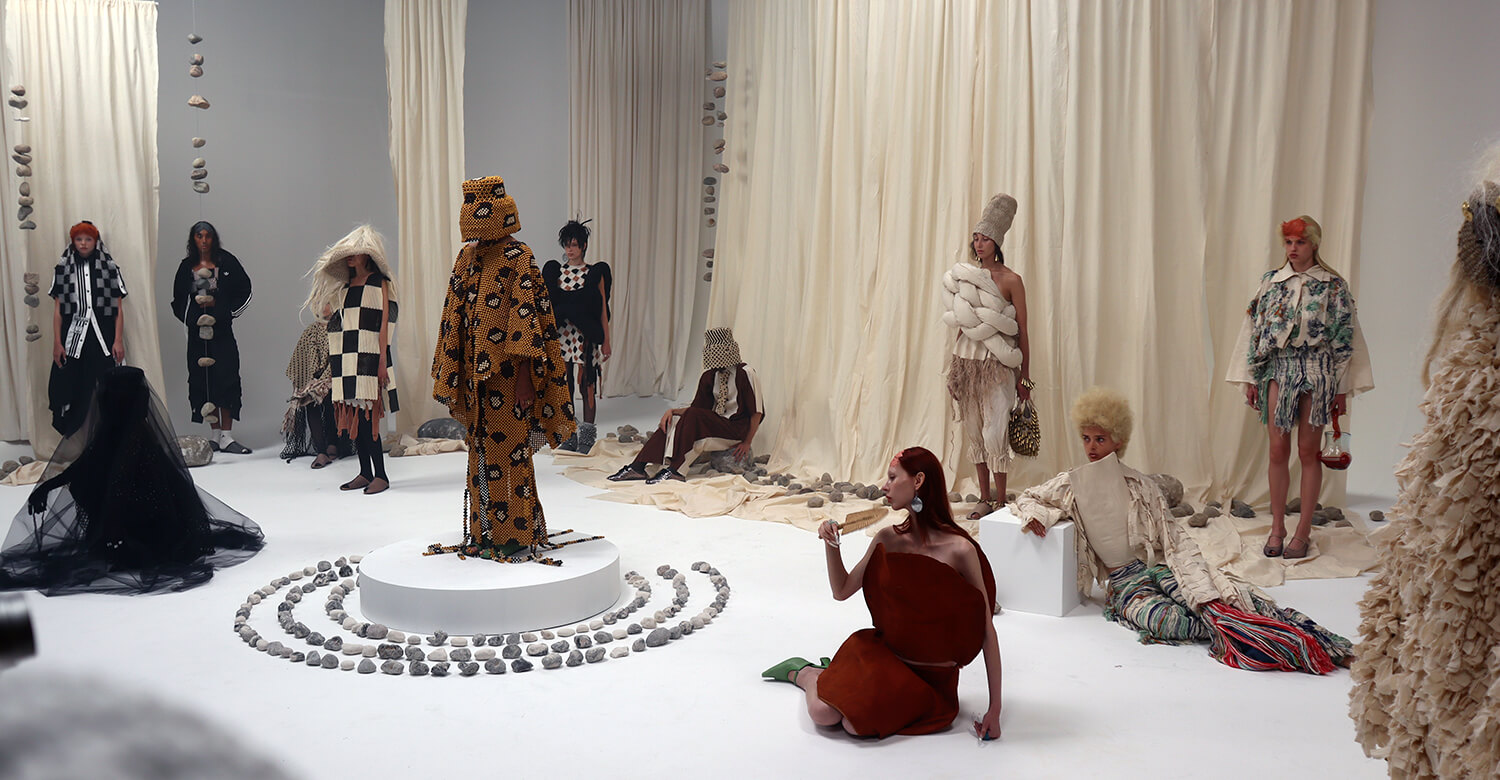


Boho is back, but this time it feels less like escapism and more like reclamation. In an era craving individuality, a new generation of designers is turning craft, heritage, and slow fashion into the real luxury.
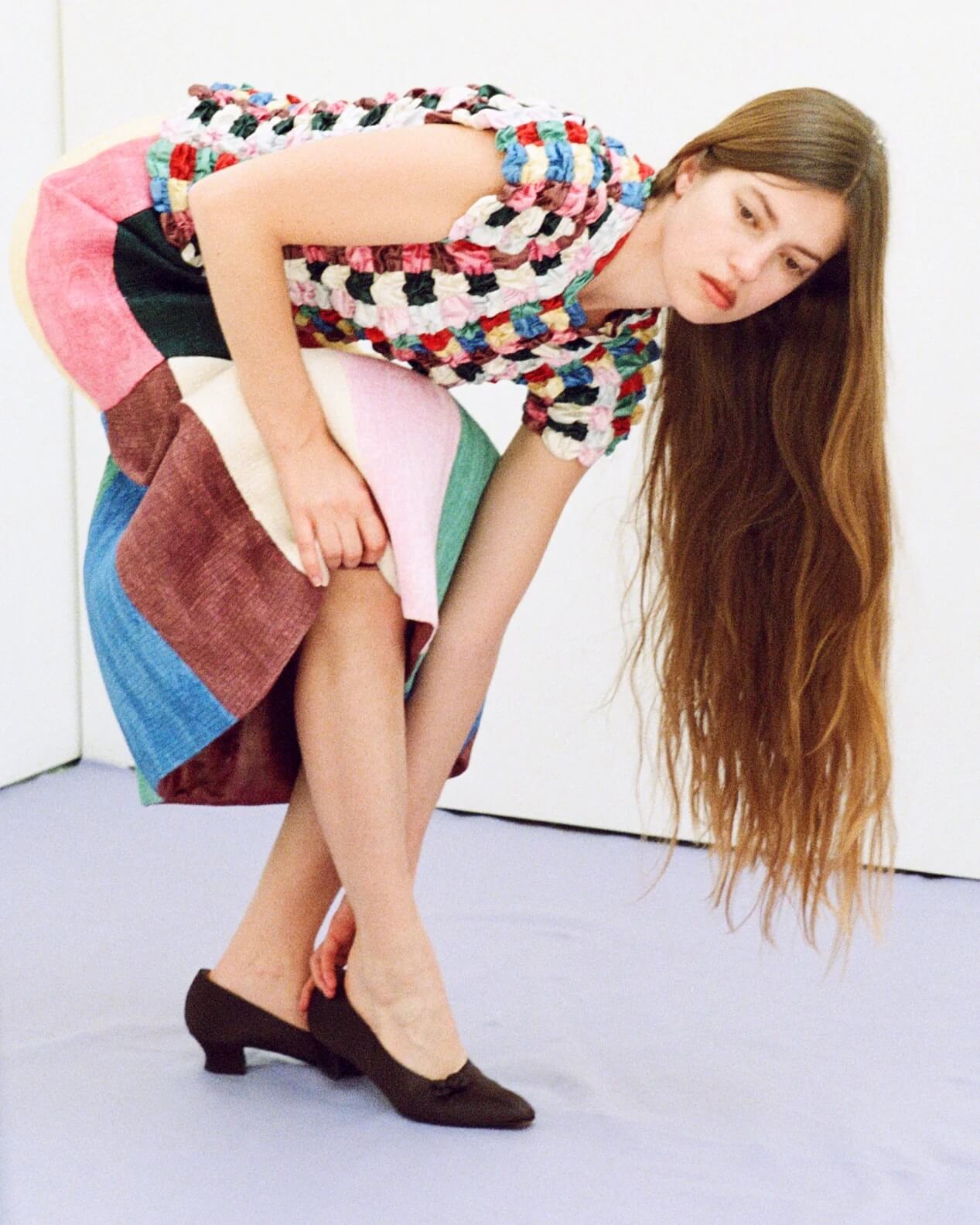
Ever get the feeling that we are living in the Age of Gemini? On one hand, thanks a lot to social media and celebrity culture, we have never looked more homogeneous and the other hand is shifting towards individuality and craft. Fashion comes in cycles, so in some ways its inevitable that Boho is back following the love of Y2K.
Back in the early 2000s Boho really grew alongside festival culture and fast fashion. It was peak cultural appropriation followed by cringe, which saw its fall. This time it looks and feels different as sustainability also plays a decisive role. The modern boho wardrobe leans heavily on vintage, artisanal techniques, natural fabrics, and aligning with a wider rejection of fast fashion and mass production. There is no denying that we live in uncertain times and fashion tends to romanticize freedom and usually it stops there until the next trend comes along.
Historically tied to counterculture movements, boho has always functioned as a visual language of nonconformity. Its return signals a desire for autonomy stylistically and ideologically. The New Boho isn’t about designers romantizing other cultures like Yves Saint Laurent’s dreams of the Orient in the 70s, but designers reflecting on their culture and craft which has also been under threat from fast fashion and mood board inspo without noted references. When it comes from an authentic place it’s also far less costume-like and practicality plays a crucial role.
I’ve been covering the LVMH Prize for the past decade and what has always kept me drawn in was not just the young talent, but how international it is and we need this top-down endorsement to transform artisan techniques and dress from around the world from being a cyclical micro-trend into something with real staying power. This craft-led approach is echoed in the latest cohort of LVMH Prize nominees, Semi-finalists like Yoshita 1967 exemplify this shift. Yoshita 1967 is built around slow production and collaboration with women-led craft communities, using handwork as a way to explore identity and memory.
Former finalists like Bode and Kartik Research are also central to this shift. Rather than referencing a look, they approach it as a methodology rooted in craftsmanship, storytelling, and cultural specificity bringing a global dimension. However there are many smaller brands that fly under the radar. The emphasis is on where something comes from, who made it, and how it carries meaning. If early-2000s boho was about escapism, 2026’s version is about grounding.
New Boho Brands to Watch:
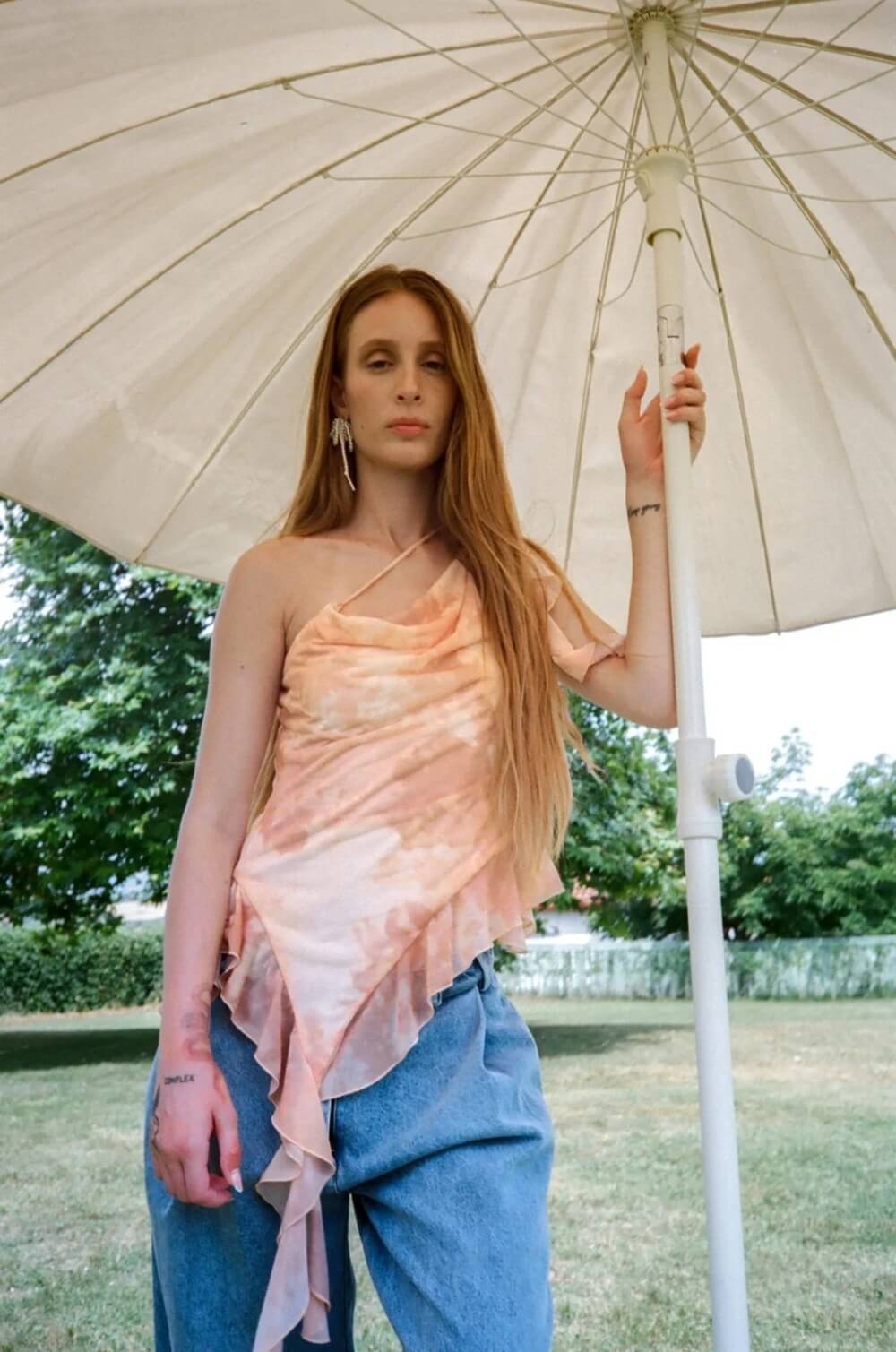
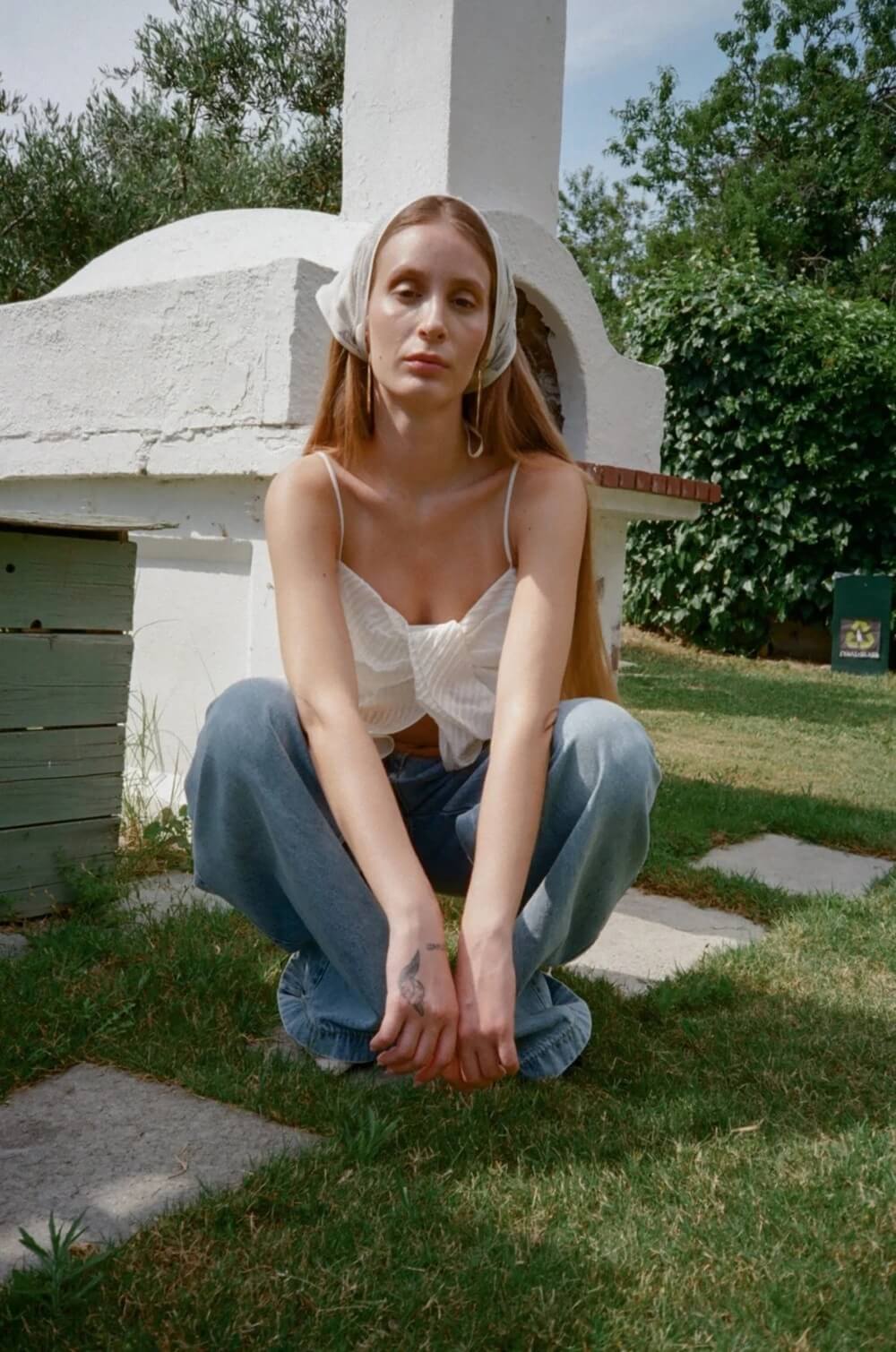
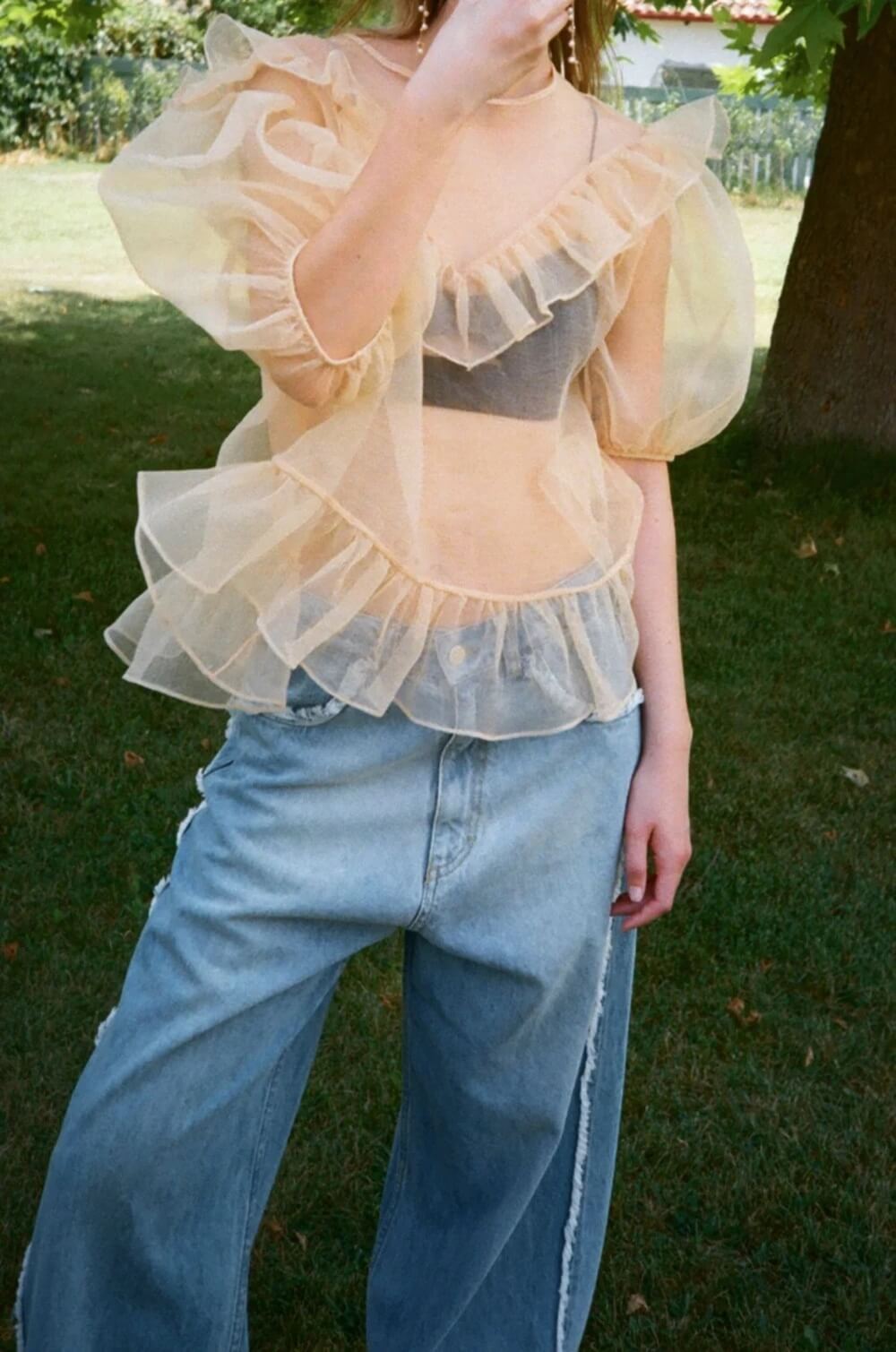
ESTHÉ embodies the new boho movement through a distinctly Mediterranean lens, merging artisanal craft with a softer, more elevated femininity. Founded by Themis Ouzounidis in Thessaloniki, the label channels generations of textile expertise into fluid, sun-washed collections that feel romantic without veering into nostalgia. With in-house production facilities in Greece and Bulgaria, they work closely with their manufacturing partners on craft. SS26 captures the emotional warmth and ease driving boho’s return.
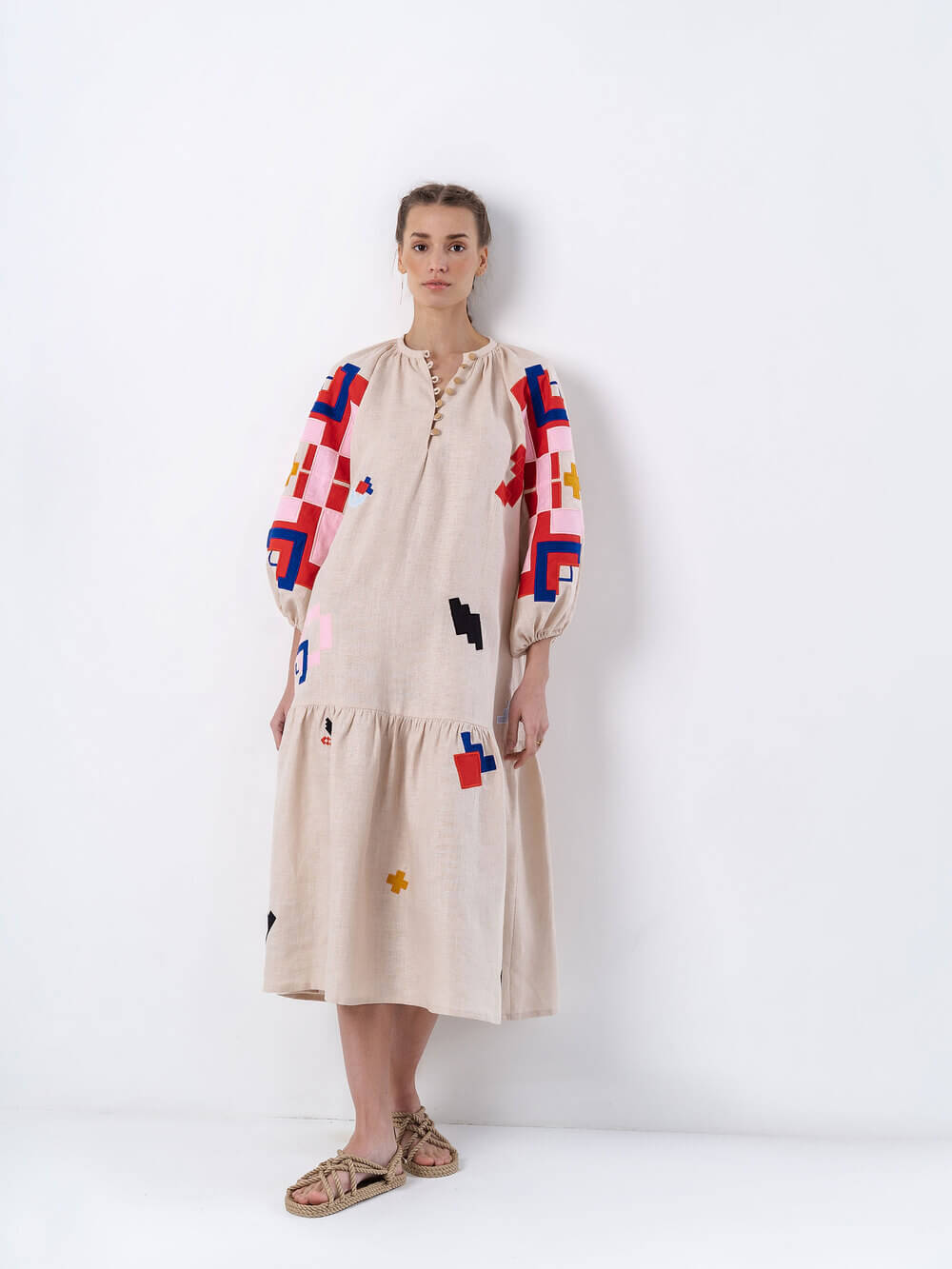
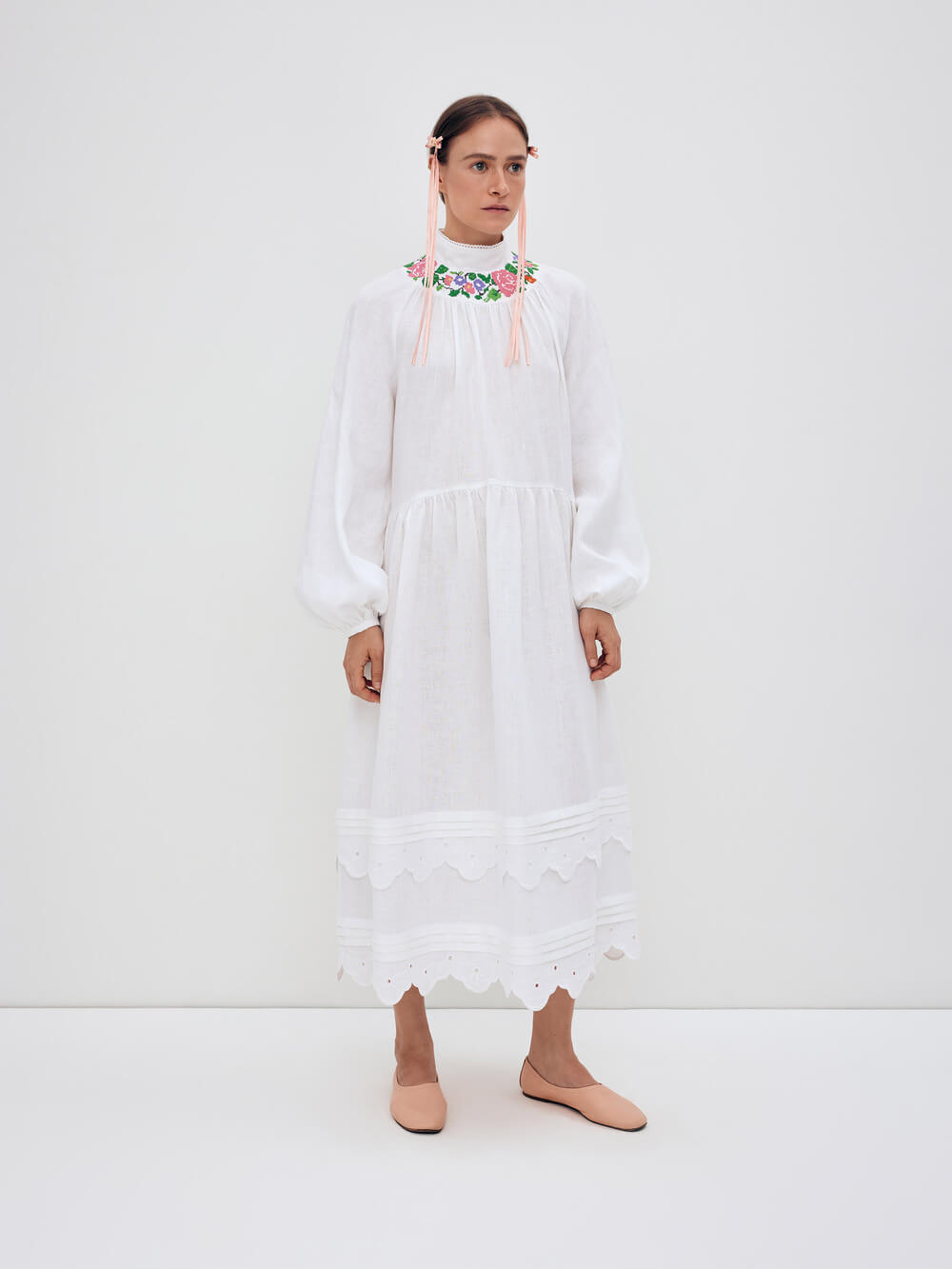
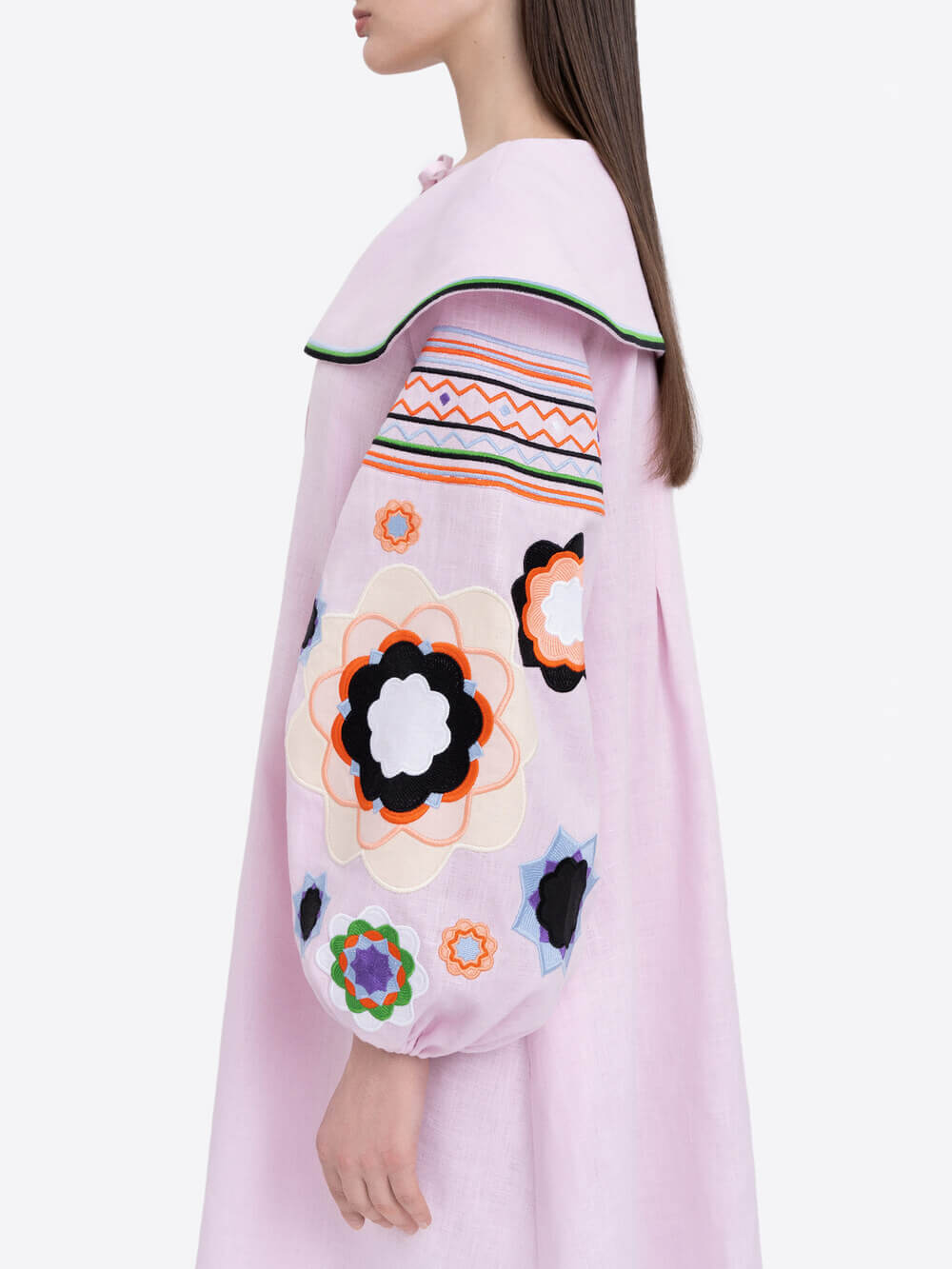
Etnodim is making a cultural reclamation redesigning Ukraine’s decorative past. The Ukrainian label is helping define a contemporary revival through a craft-led, culturally rooted approach to ornamentation. Drawing on traditional folk motifs, decorative embroidery, and richly evocative colour palettes, the brand reinterprets heritage techniques for a modern audience hungry for texture and meaning after years of minimalism. At a moment when fashion is rediscovering the power of embellishment and storytelling, Etnodim’s revivalist mission is translating centuries of symbolism and artisanal knowledge into their pieces.
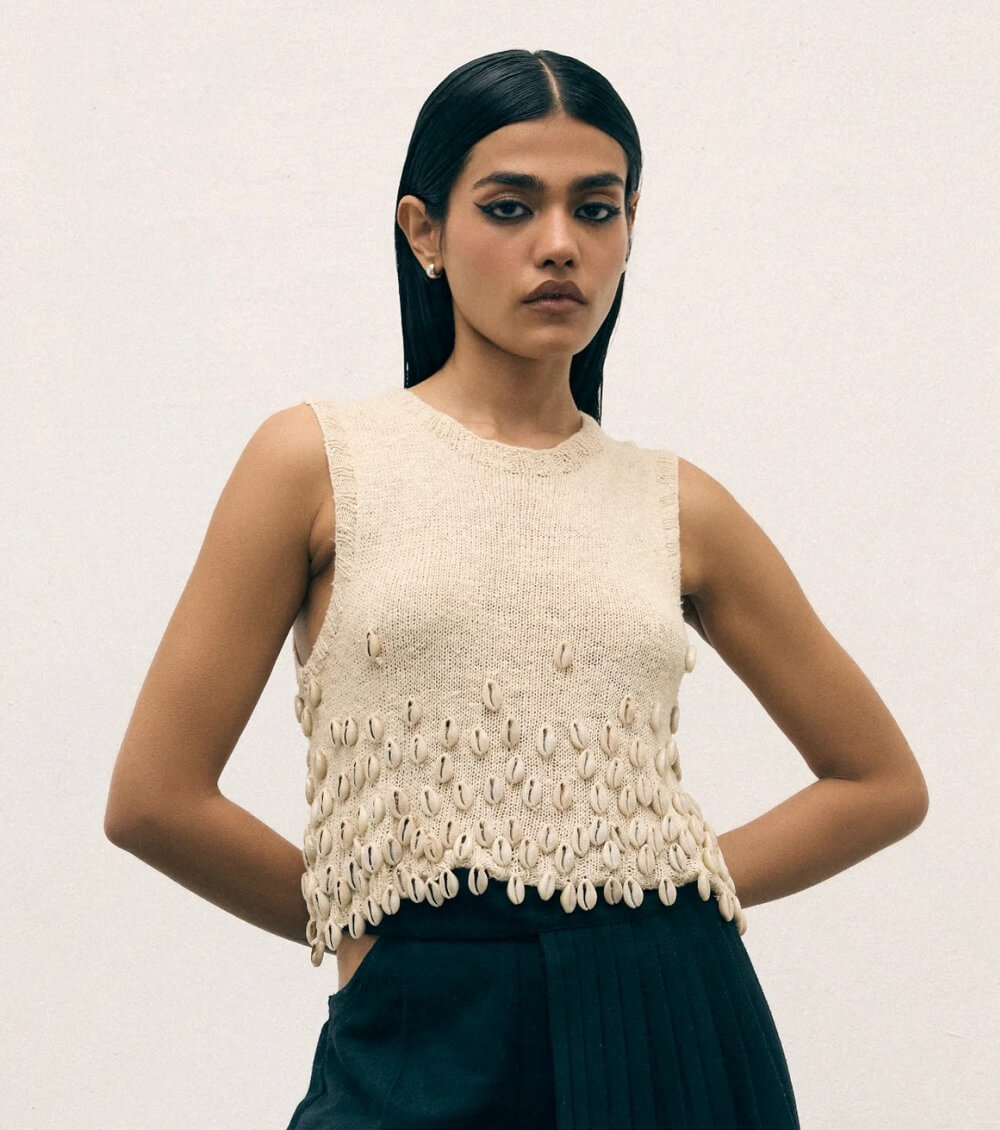
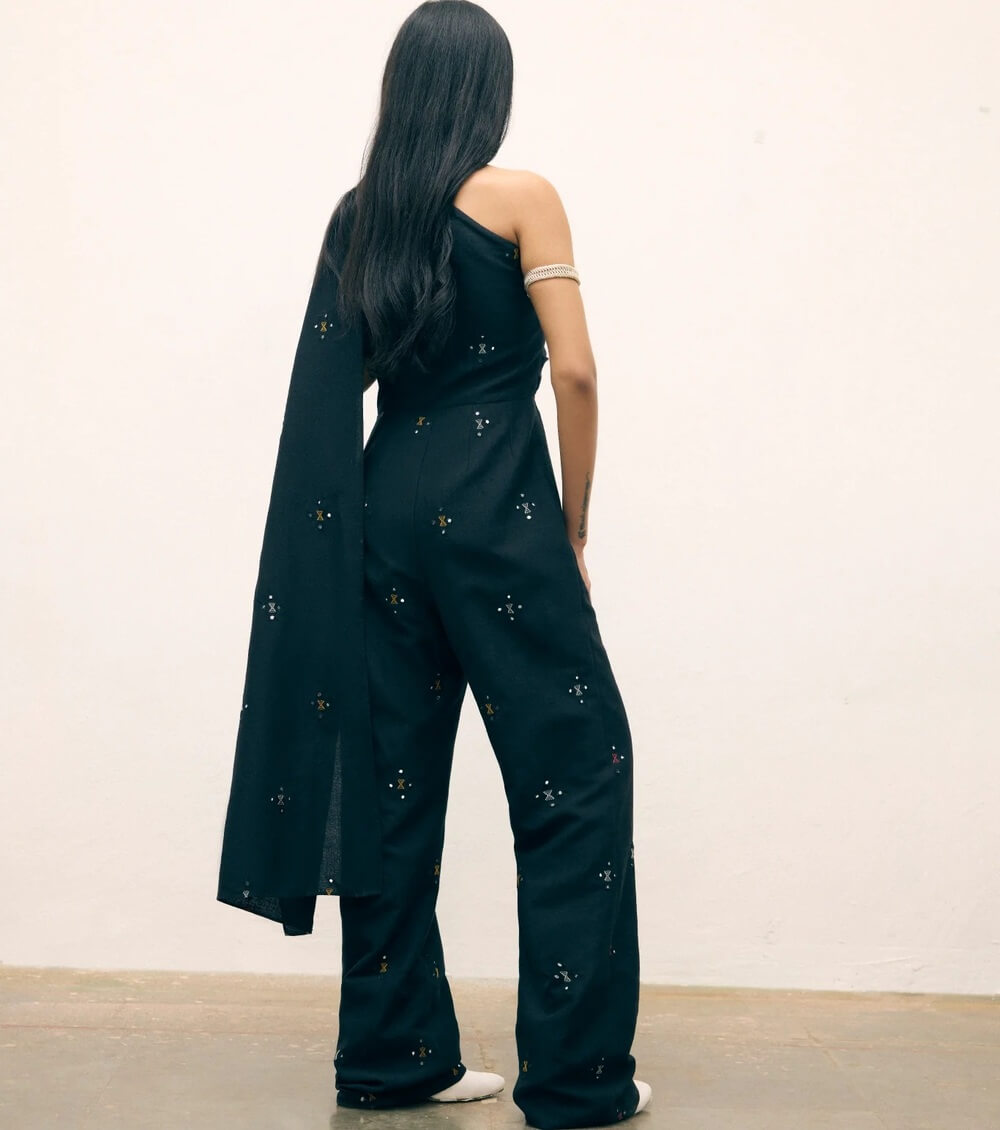
Gundi Studios, founded by Natasha Sumant, reimagines traditional Indian embroidery and artisanal techniques through bold, subversive silhouettes that challenge conventional ideas of femininity and cultural dress. Working closely with female artisans across India and championing slow production, Gundi Studios reflects the modern boho movement’s deeper shift toward clothing with provenance, politics and purpose where ornamentation becomes both aesthetic statement and cultural commentary.
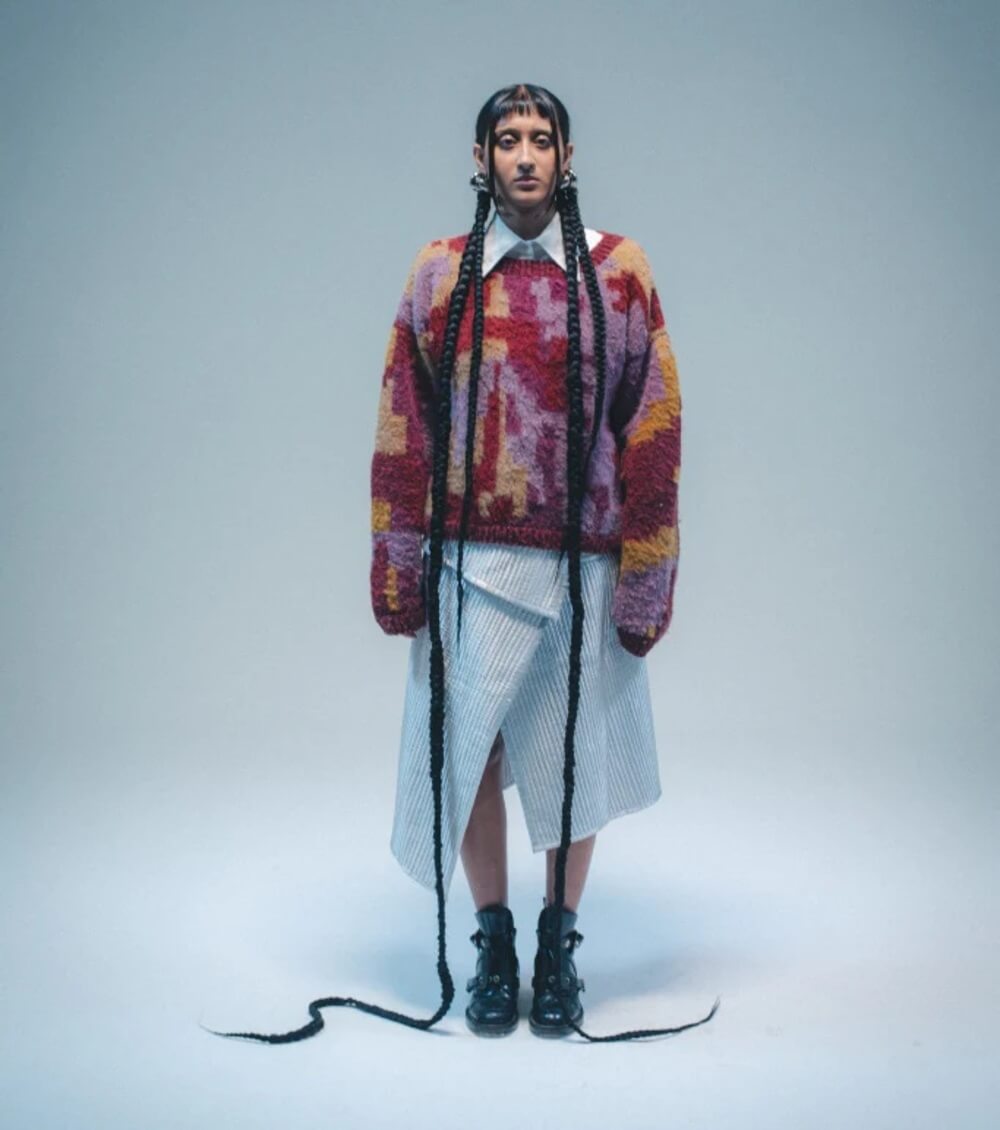
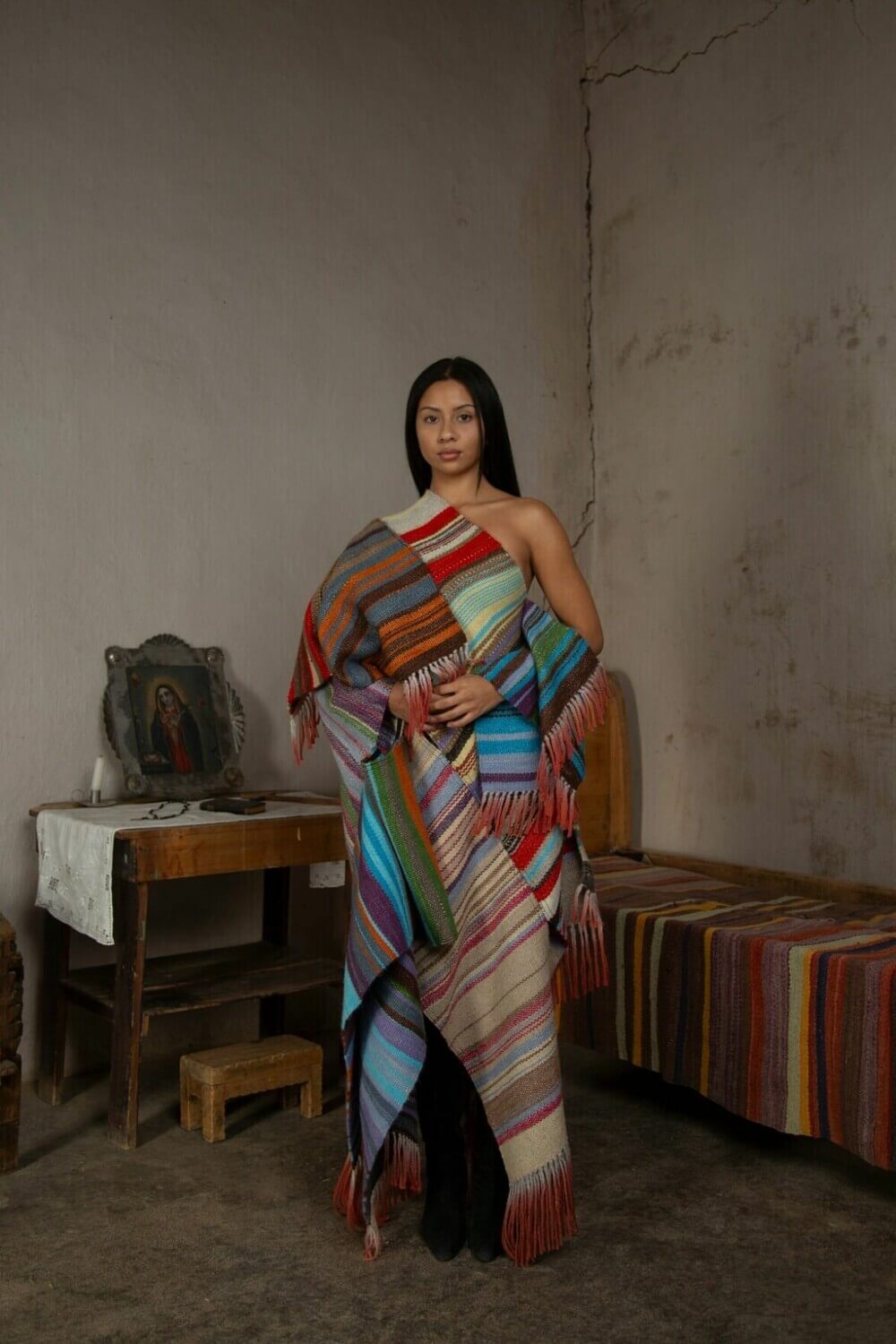
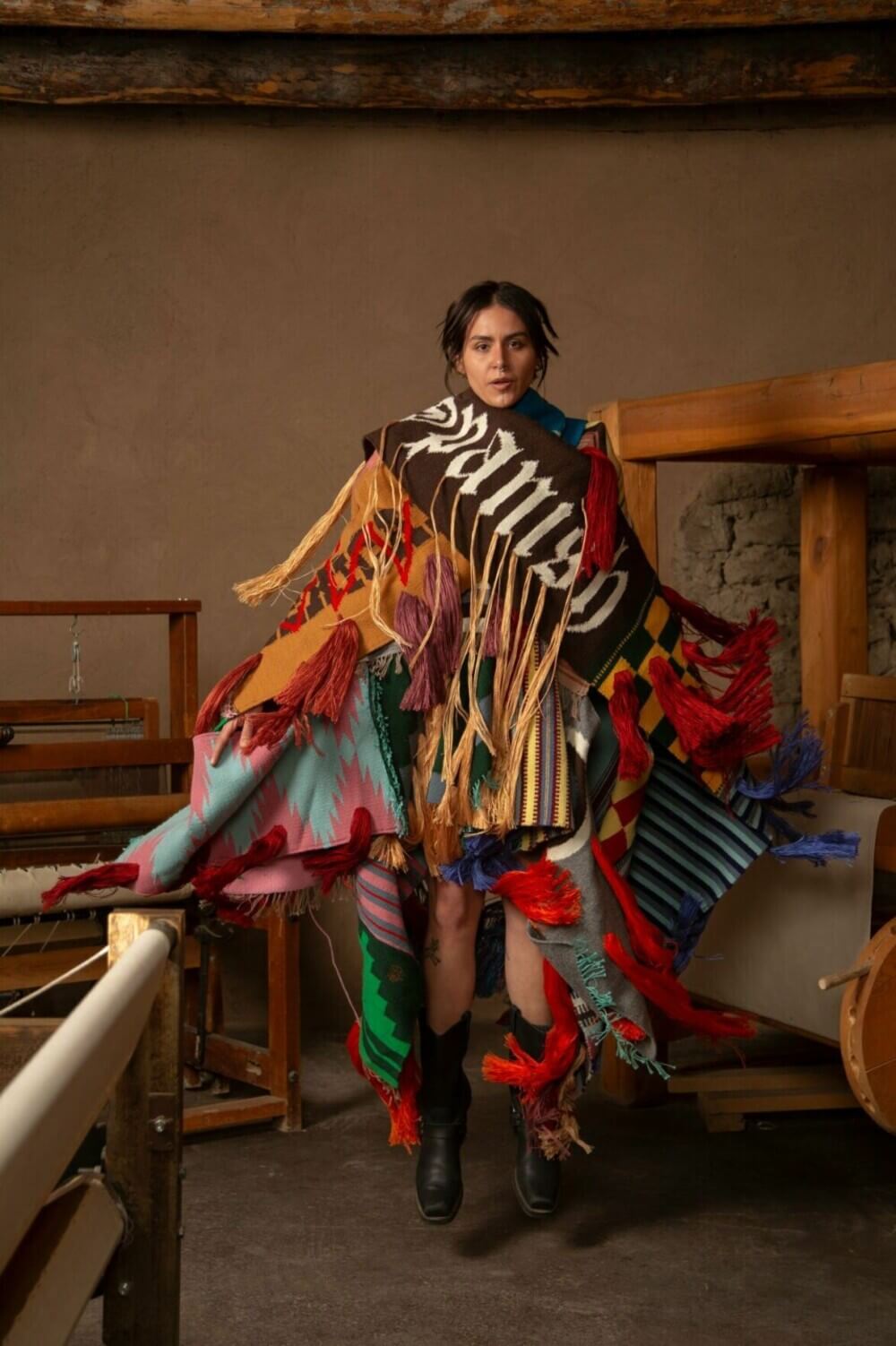
Josh Tafoya weaves his Spanish, Genízaro and Chicano identity into every piece. Raised in the American Southwest and shaped by a ranching grandfather and weaving grandmother, the textile artist draws on New Mexico’s rich textile traditions while fusing traditional Spanish loom weaving with the fashion sensibility he developed in New York. The result is a 21st century reclamation of the Southwestern aesthetic—one that keeps ancestral craft alive. His growing industry recognition was cemented by his selection as a semi-finalist for the 2025 LVMH Prize for Young Fashion Designers.

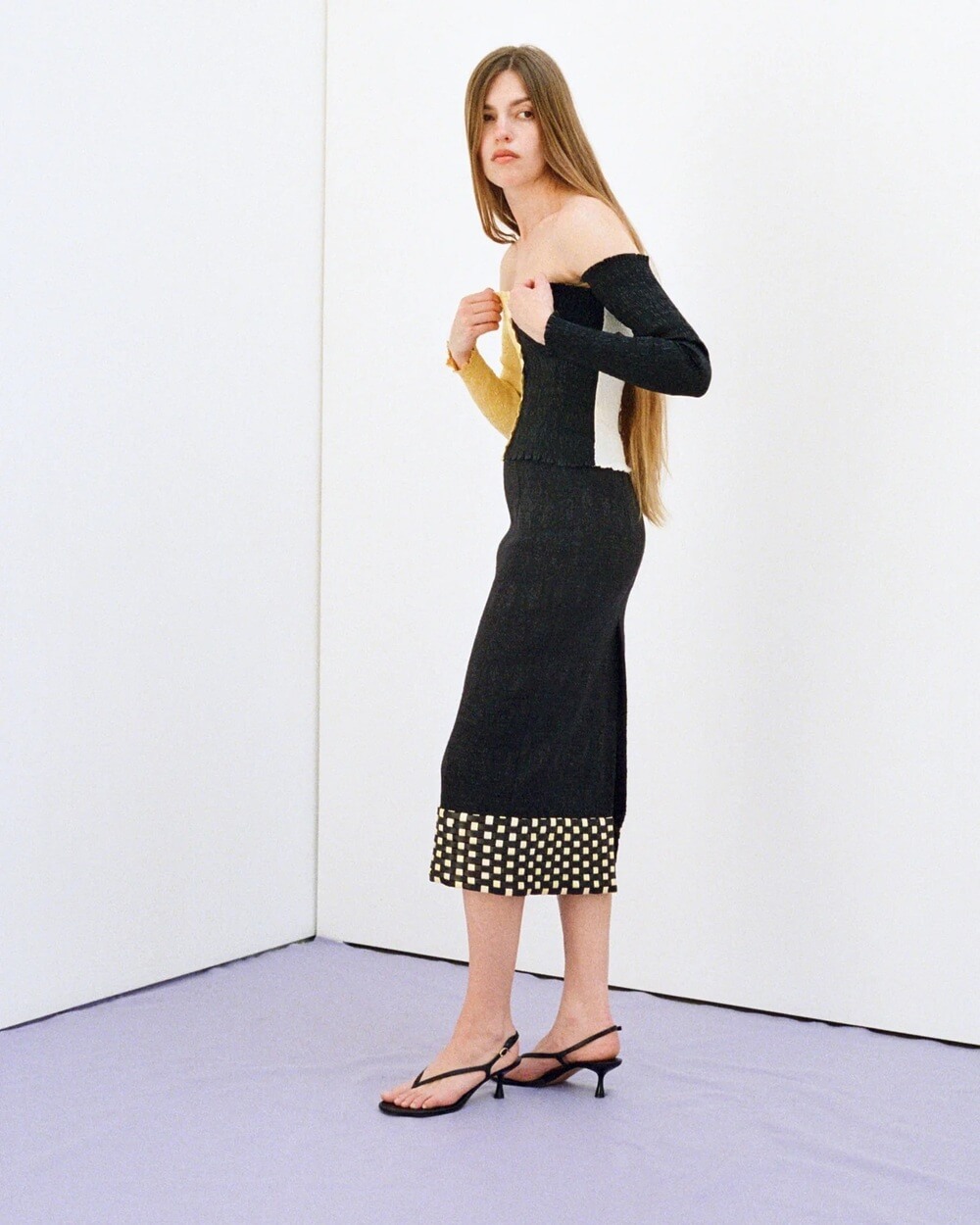
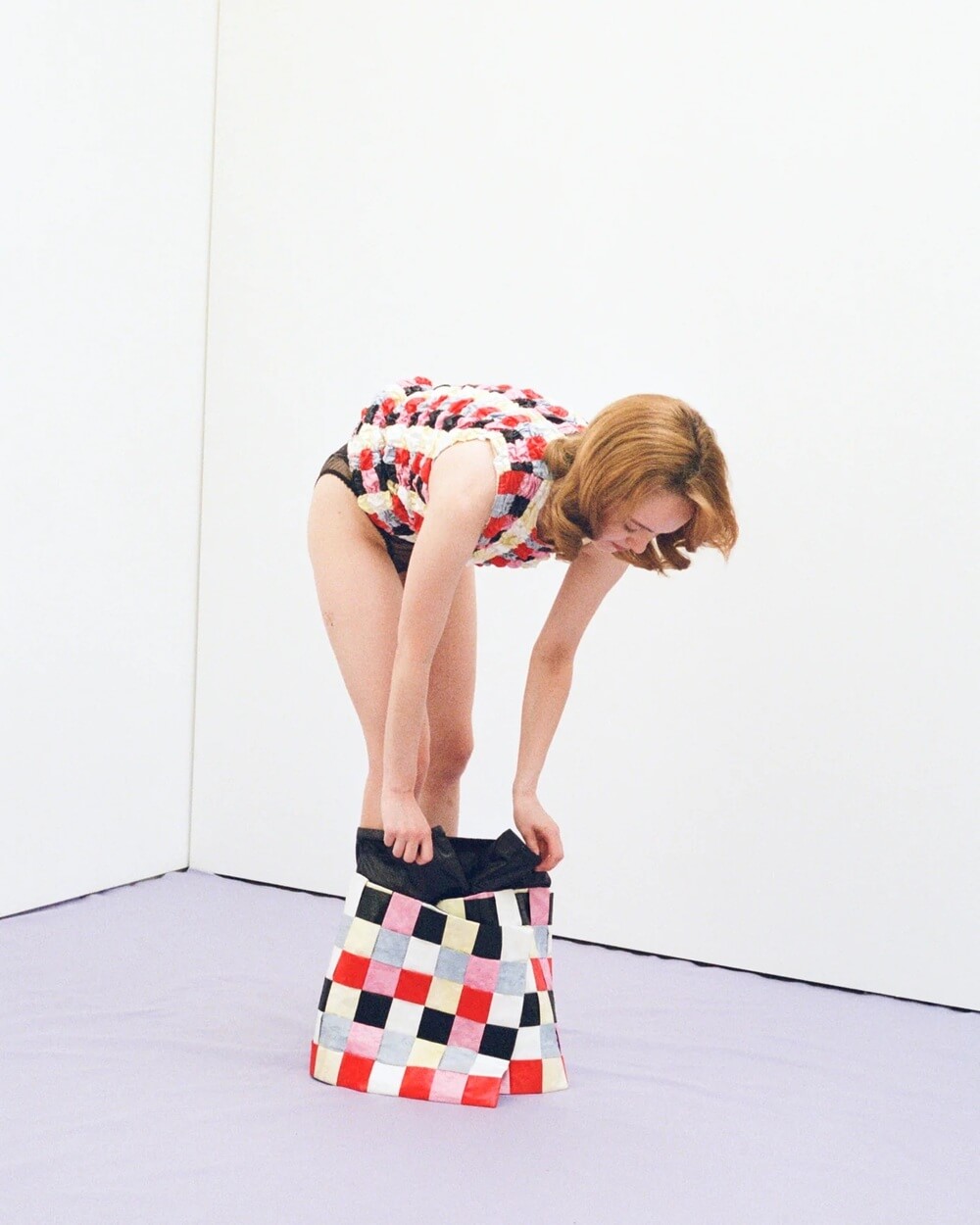
Super Yaya filters artisanal craft through the lens of West African culture and couture. Founded by Rym Beydoun, the label places textiles at the center of its practice, transforming everyday cottons rooted in local popular culture into elevated, versatile garments that challenge how fabric is traditionally worn and perceived. Informed by Beydoun’s Ivorian-Lebanese heritage, Super Yaya merges Lebanese refinement with Ivorian street style—creating richly textured. The brand’s growing influence was recently underscored by its collaboration with Puma, which saw Beydoun reimagine the iconic Puma Speedcat through her distinctive, textile-led perspective.
Find us on Instagram! @veinmagazine @veinbeauty @veinkids