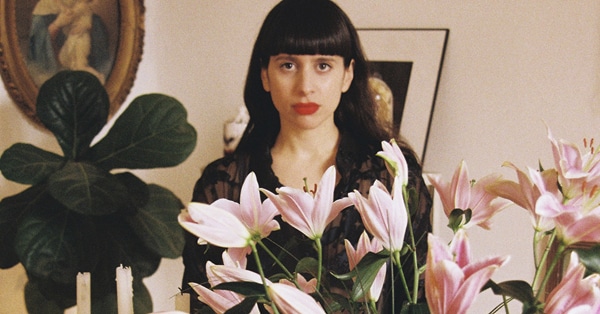
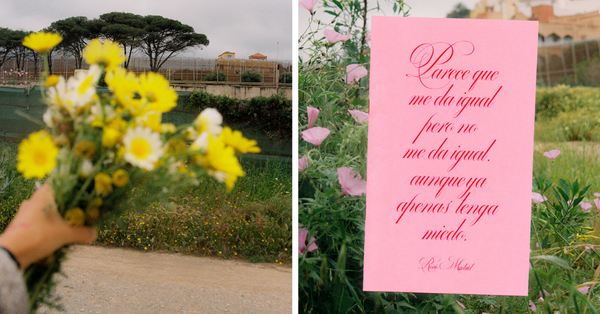



At Barcelona, the young label NIMPH transformed fashion presentation into something far more intimate. With A Room to Dream, founder Patty Mañá invited guests into a poetic universe of memory, vulnerability, and creation — proving that sometimes the quietest voices leave the strongest impression.
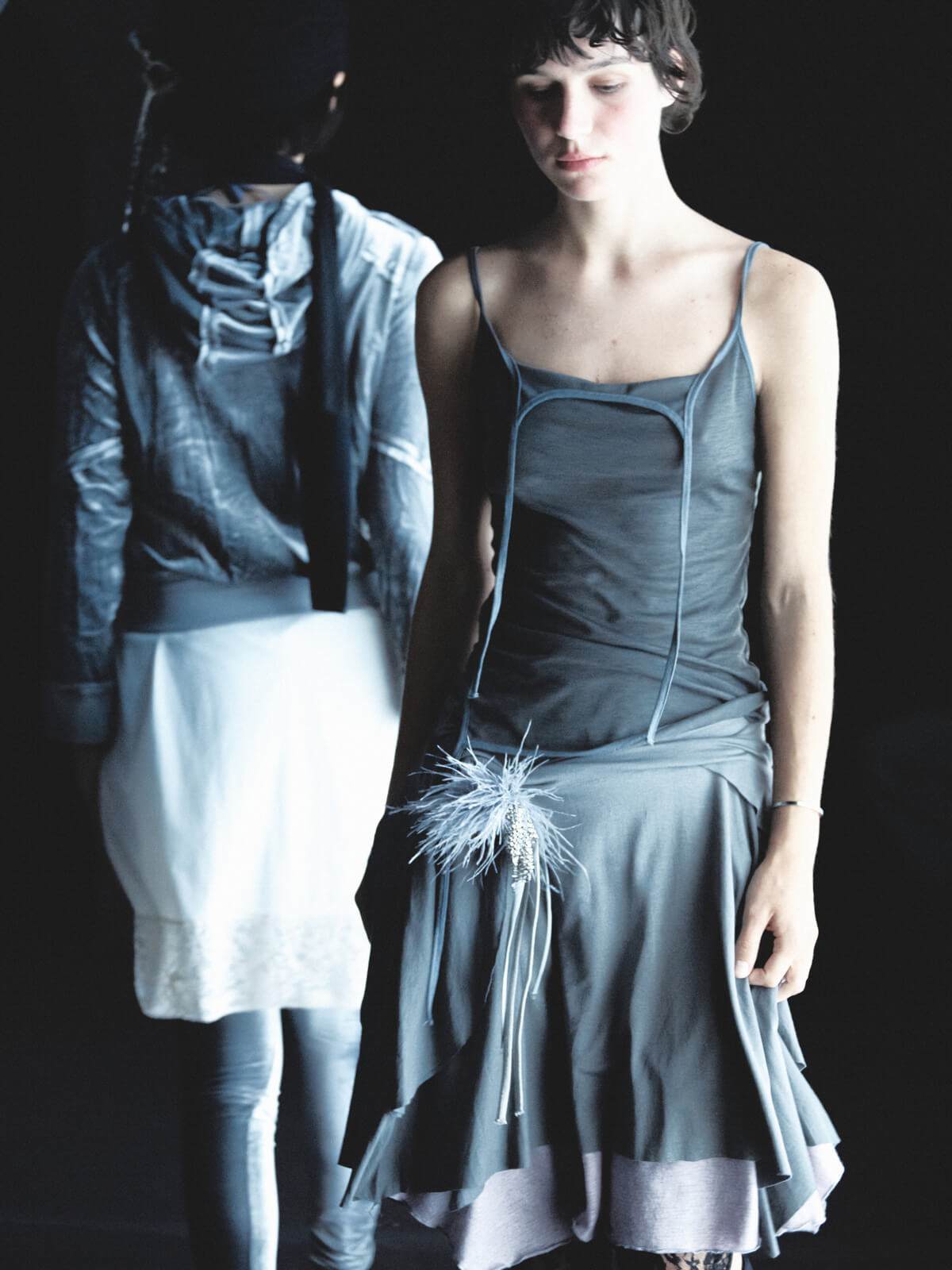
NIMPH, the young label founded by designer Patty Mañá, offered the latter with A Room to Dream, an intimate and emotionally charged presentation that felt less like a show and more like stepping inside someone’s inner world. In a moment where fashion often competes to be louder, faster, and more spectacular, NIMPH chose vulnerability instead. And that decision felt surprisingly radical.
The presentation unfolded through a sequence of rooms, each one revealing another layer of the brand’s universe. Inspired by Virginia Woolf’s A Room of One’s Own, the project explored the idea of personal space not simply as a physical place, but as an emotional necessity, somewhere to create, to disappear, to become.
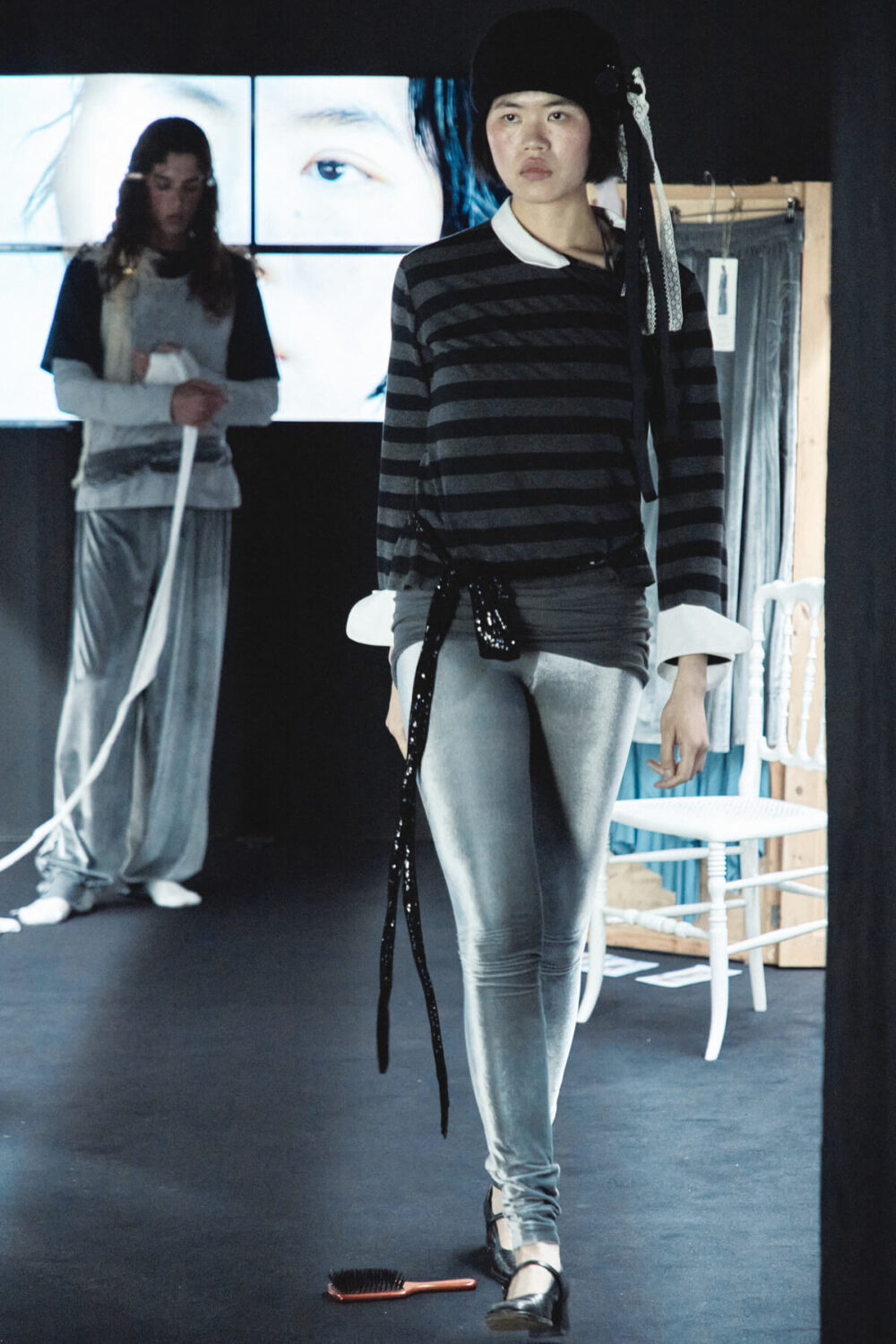
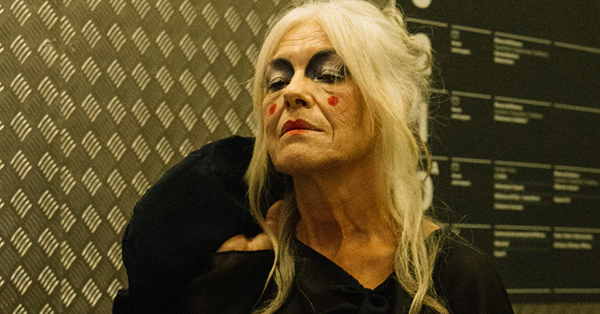
From the beginning, the atmosphere felt cinematic. Guests entered a dark room dominated by a large screen showing NIMPH, A Manifesto, a film directed by Omar Daher. Rather than functioning as a traditional fashion film, it played like a fragmented diary: intimate conversations, moments of silence, memories, gestures, textures. It revealed the emotional language behind the brand, one built on sensitivity, femininity, and community rather than trend-driven statements.
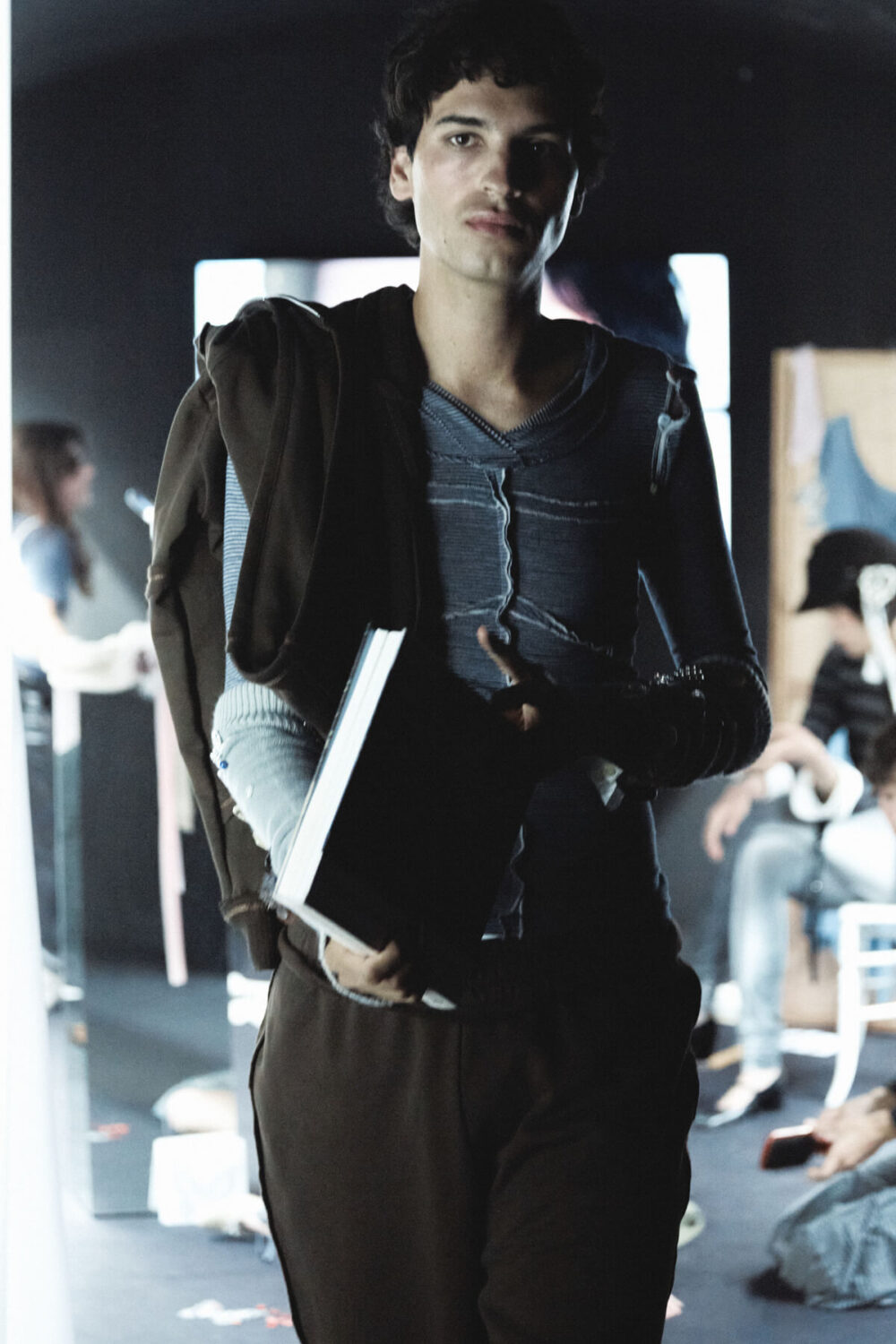
What struck me most was how personal everything felt. Nothing was over-explained. The presentation trusted the audience to feel rather than simply consume. As the film ended, the space transformed again. Shadows appeared behind a translucent screen, bodies moving softly in and out of view. There was something almost ghostly about it, echoing the photographic worlds of Francesca Woodman and Julia Margaret Cameron, whose work also inspired the project. The line between performance and reality became blurred.
In another room, Mañá recreated a miniature version of her atelier, the symbolic heart of NIMPH. Through a live camera installation, visitors could insert themselves into the scene, briefly becoming part of the creative process instead of merely observing it from the outside. It was subtle, playful, and quietly emotional.
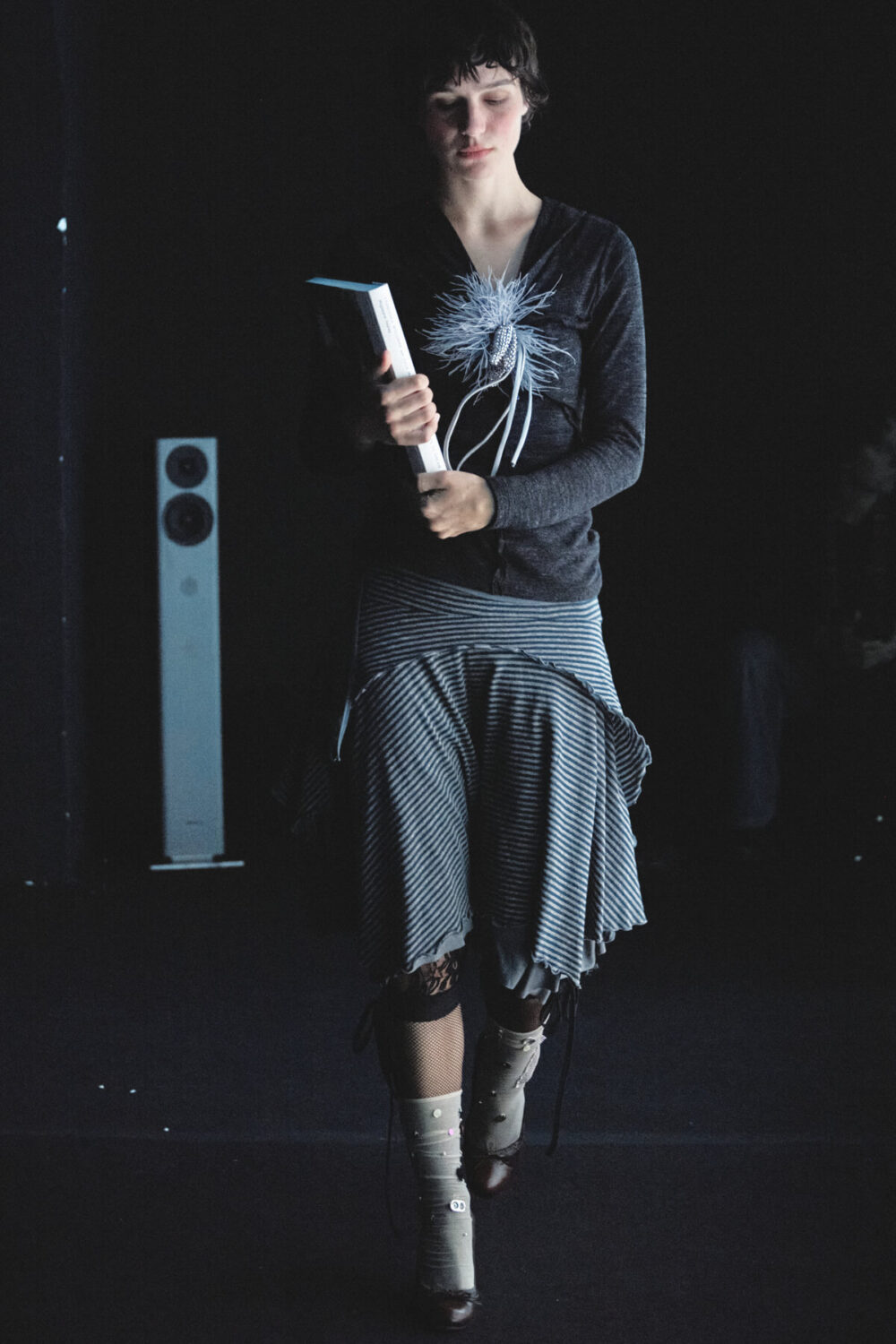
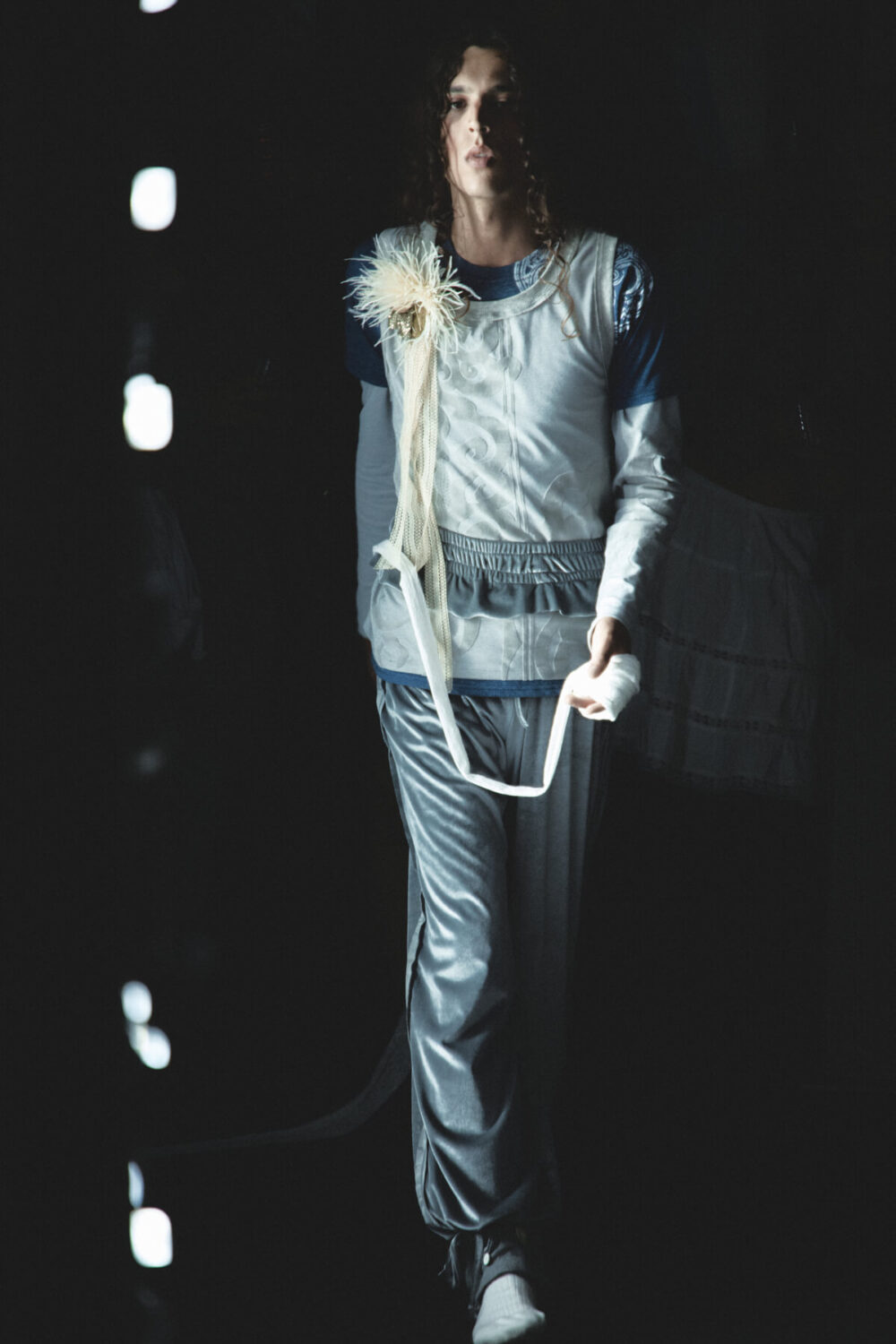
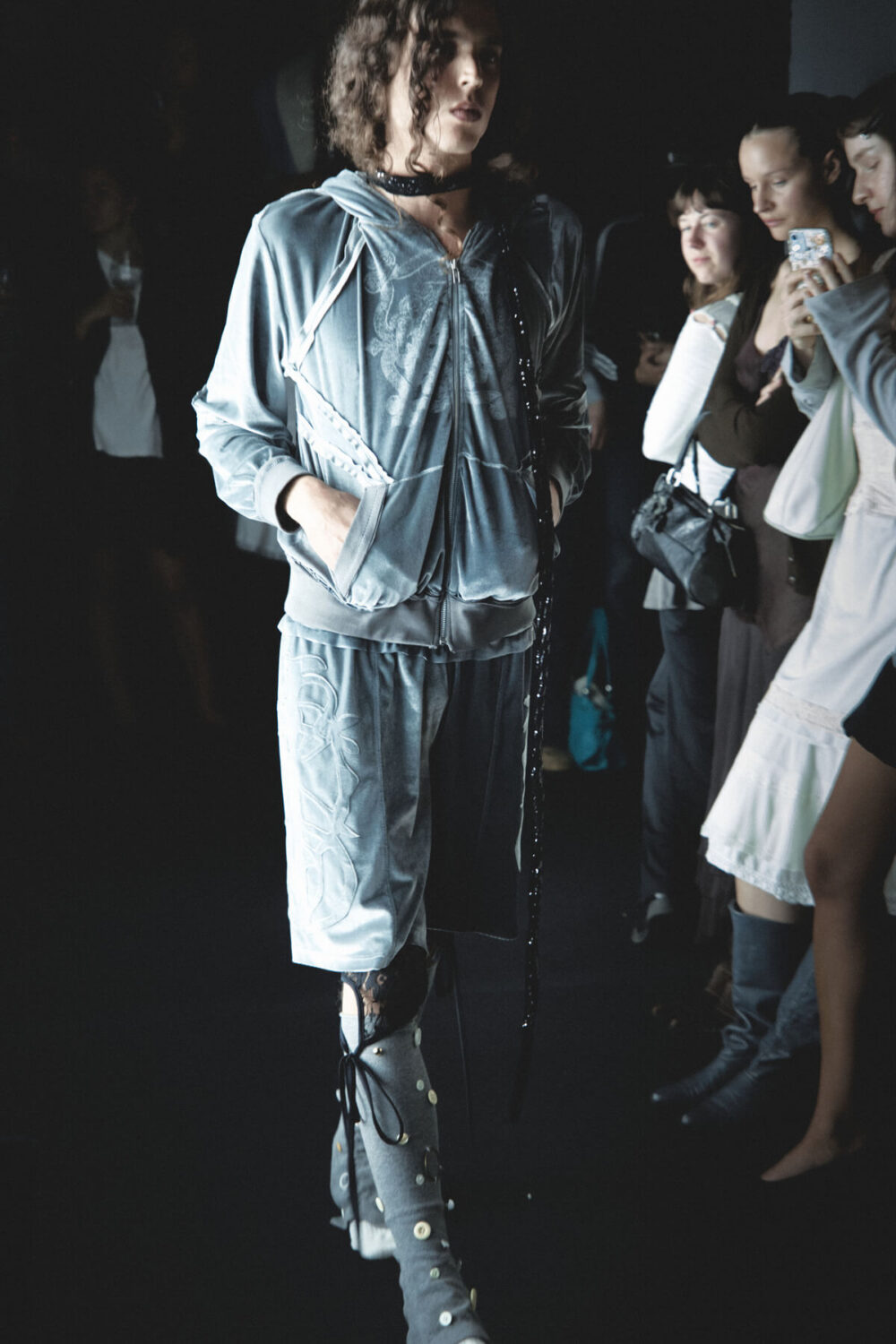
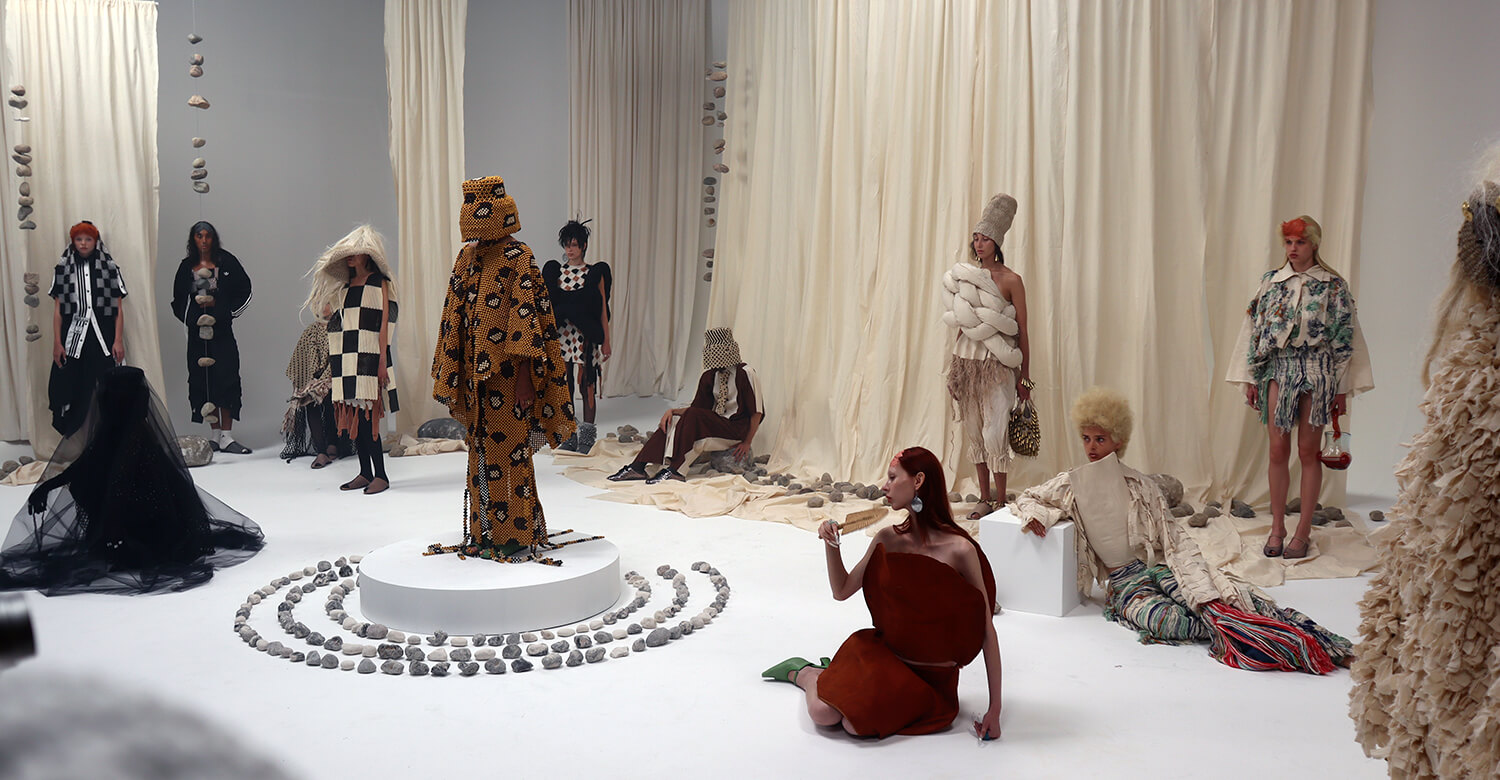
But the most powerful moment came at the end. Instead of a conventional runway finale, the backstage itself became the performance. Five models moved slowly through the room while Patty Mañá dressed them live, assembling the looks in front of the audience. There was no rush, no artificial glamour. The models crawled across the floor, whispered to one another, held hands, exchanged notes. Tiny gestures, almost invisible at times, but deeply human. It reminded me that fashion can still hold intimacy.
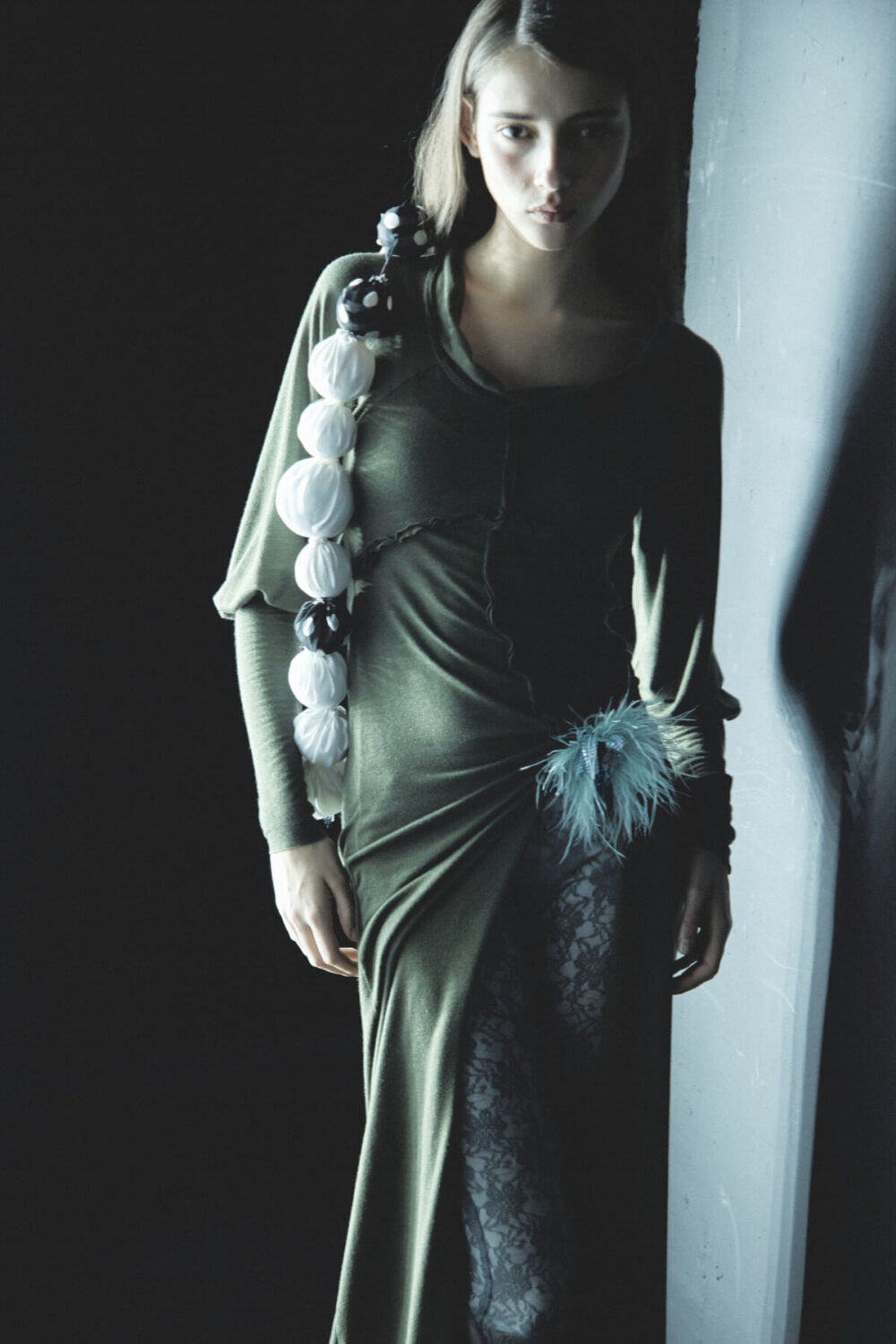
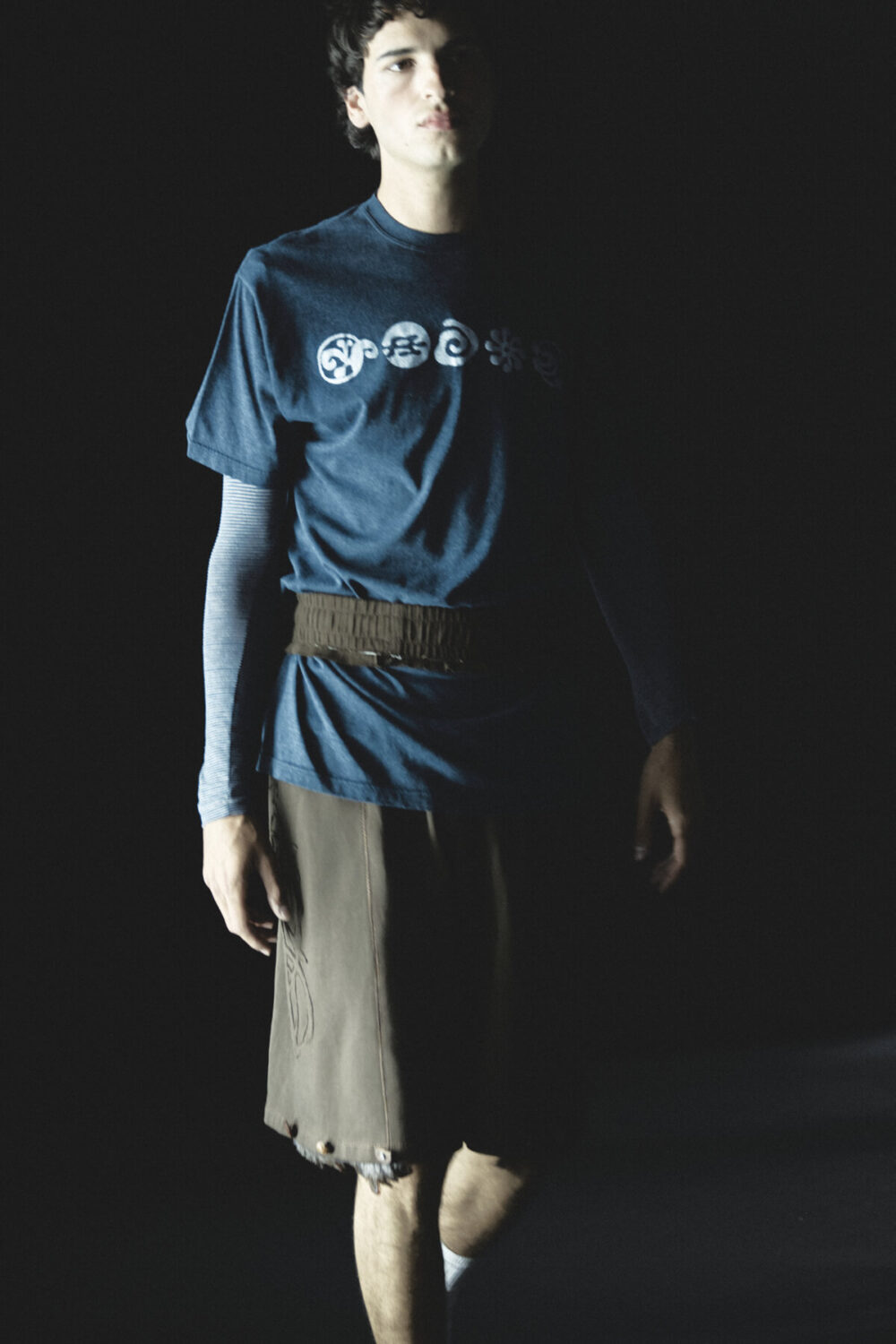
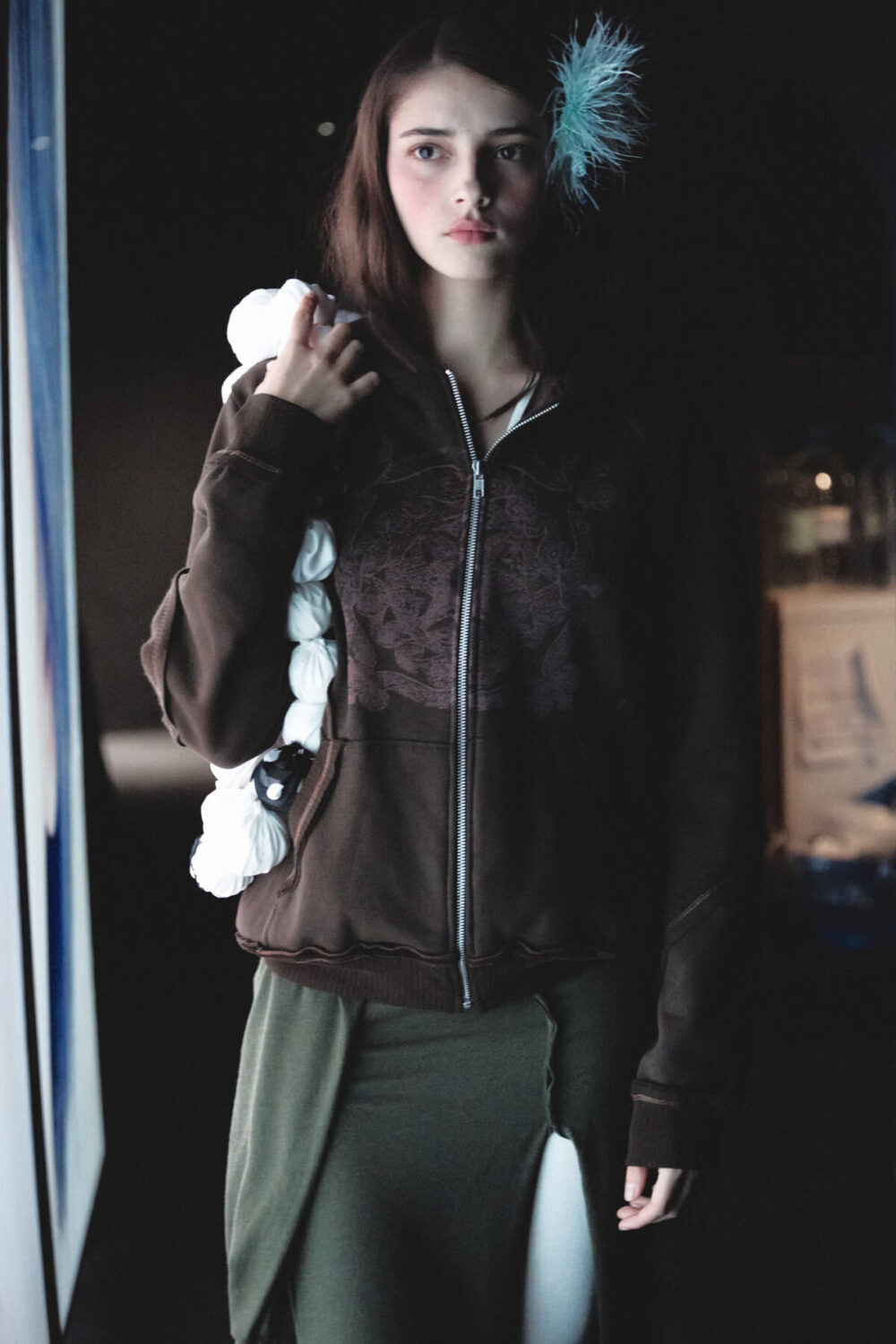
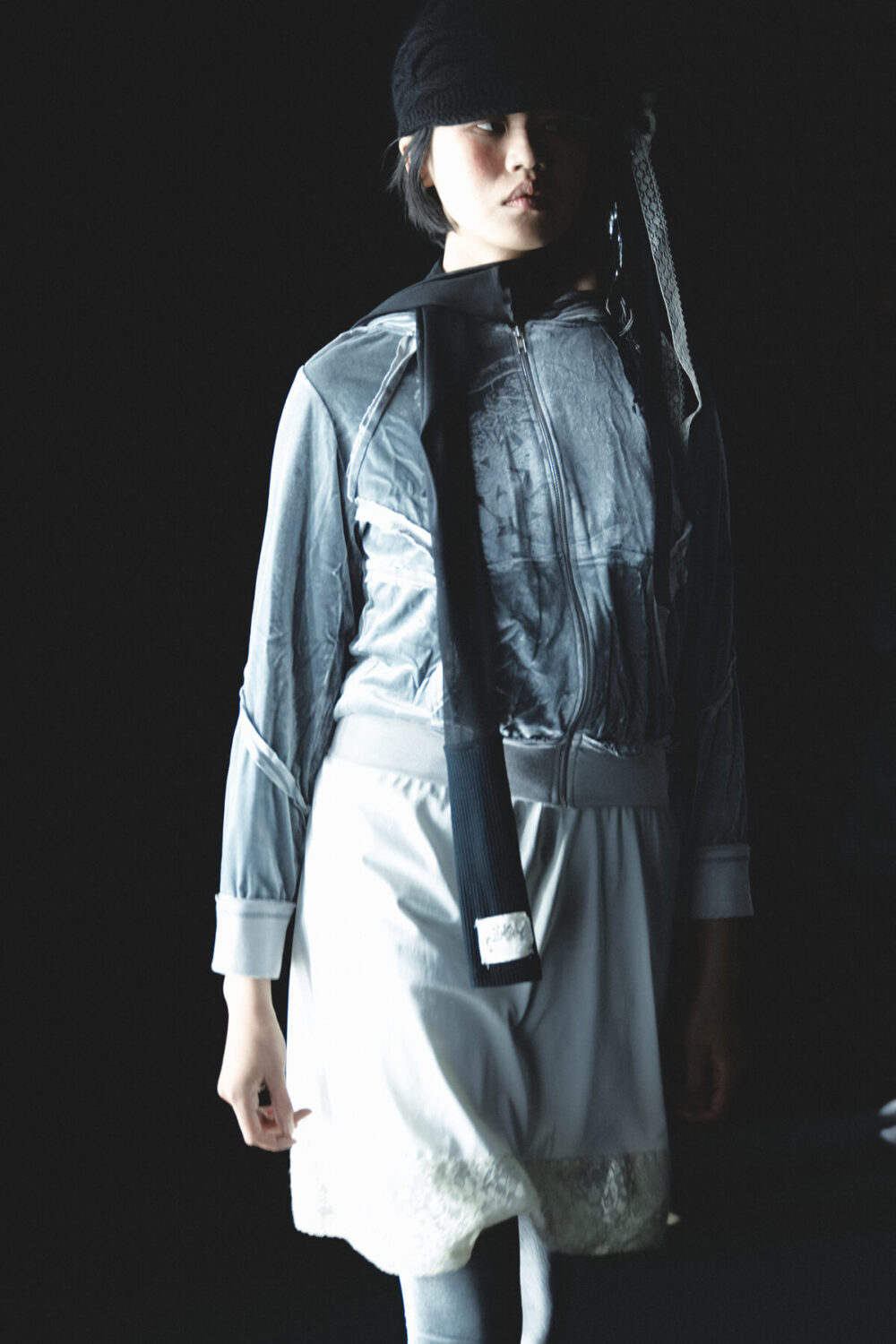
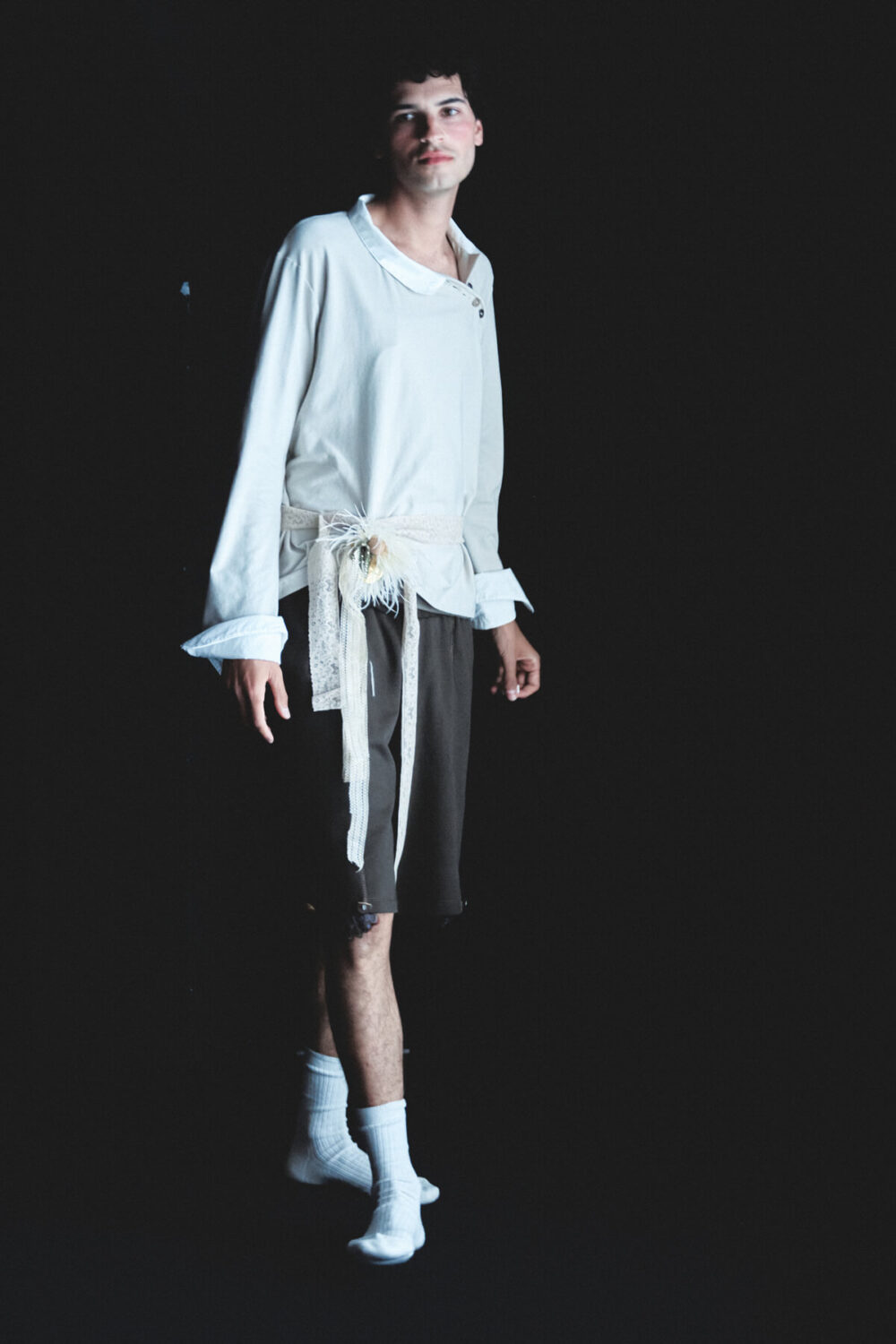
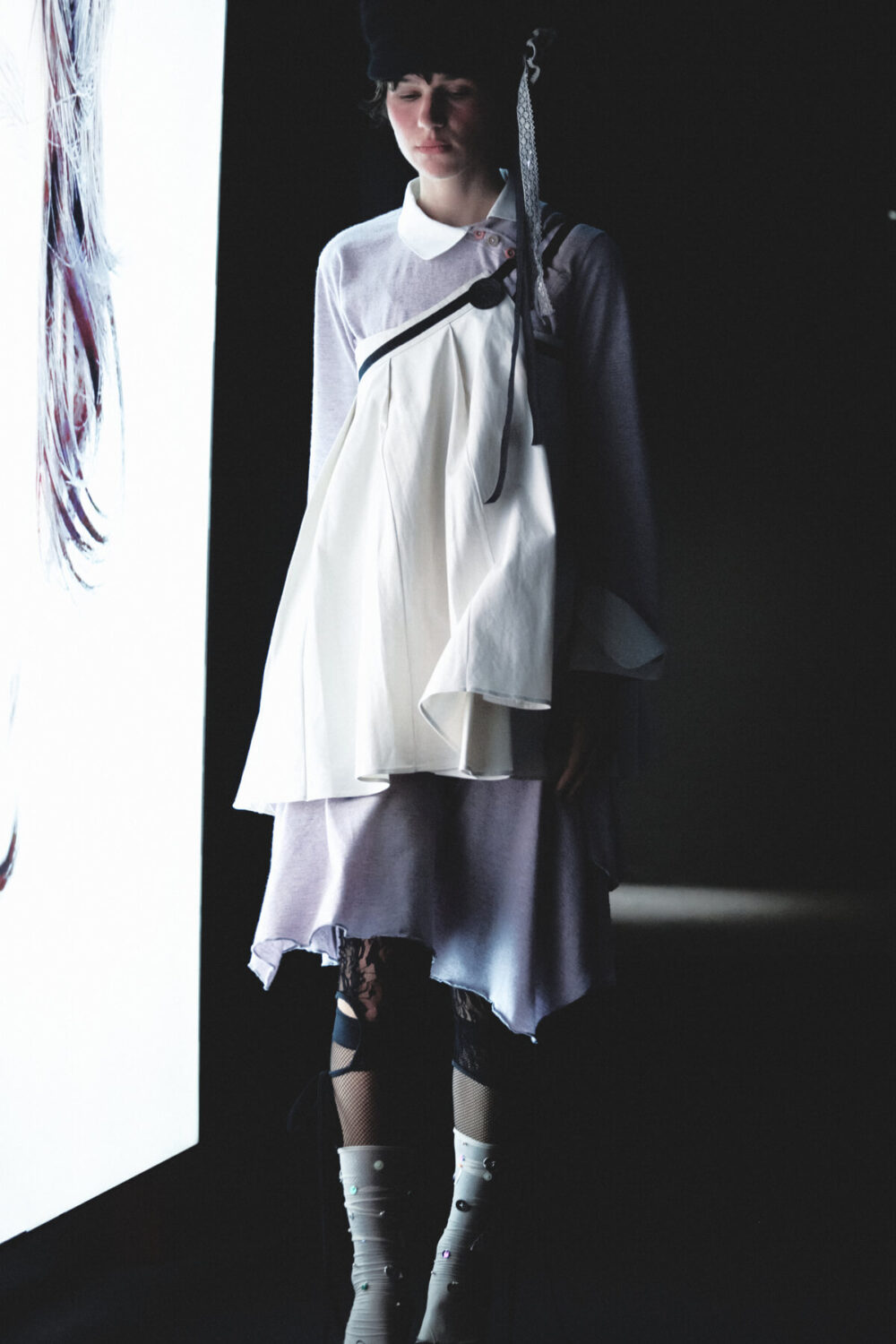
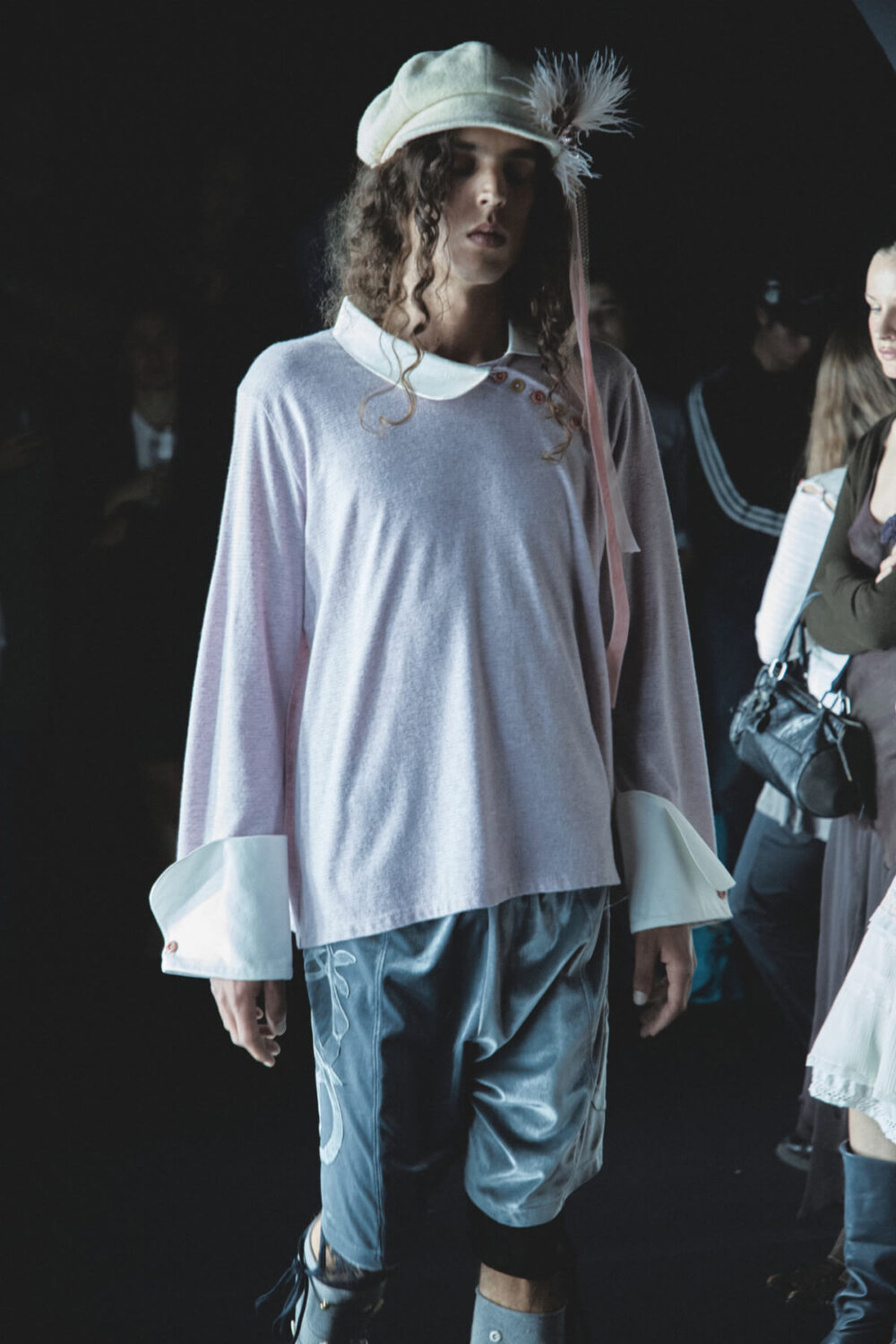
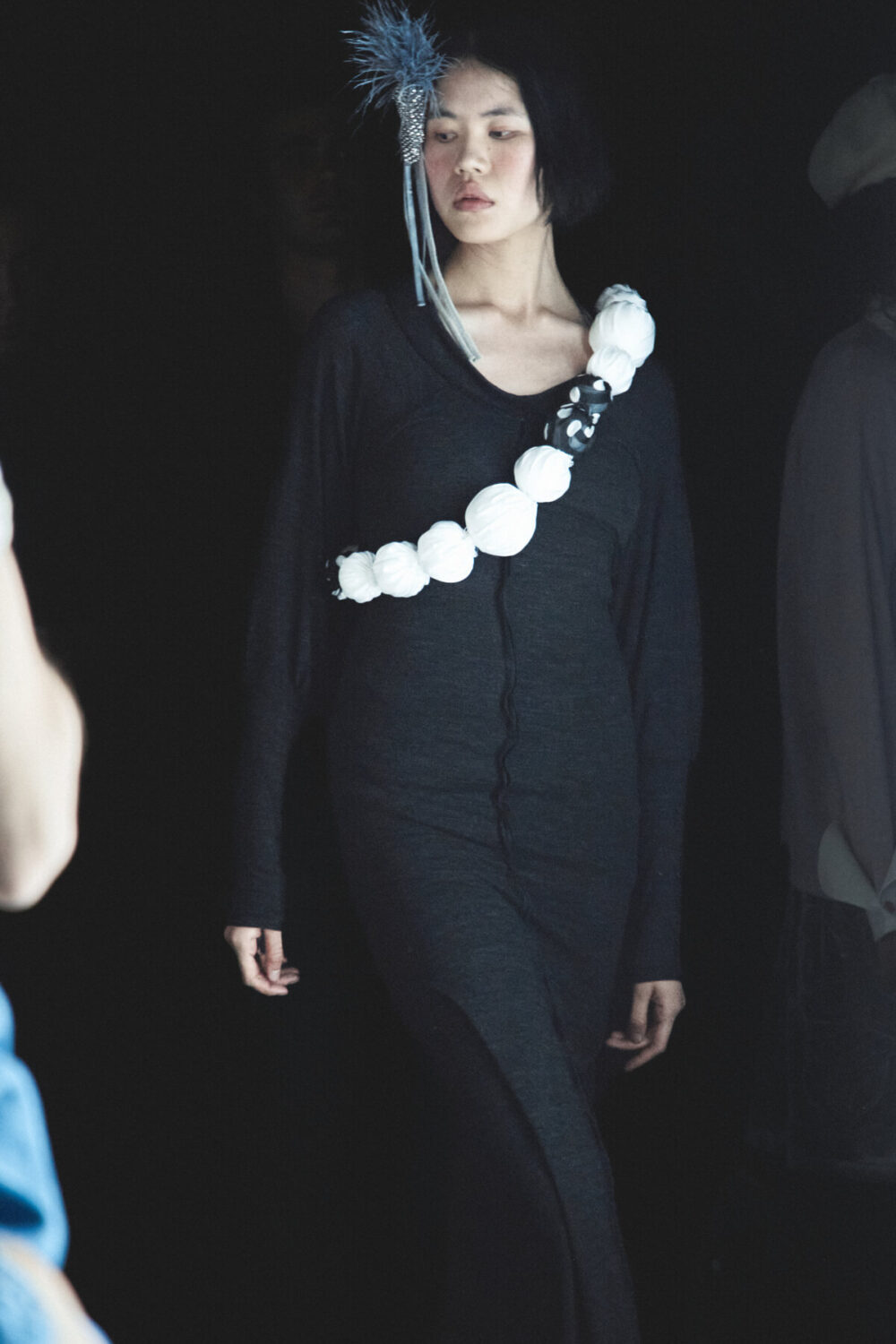
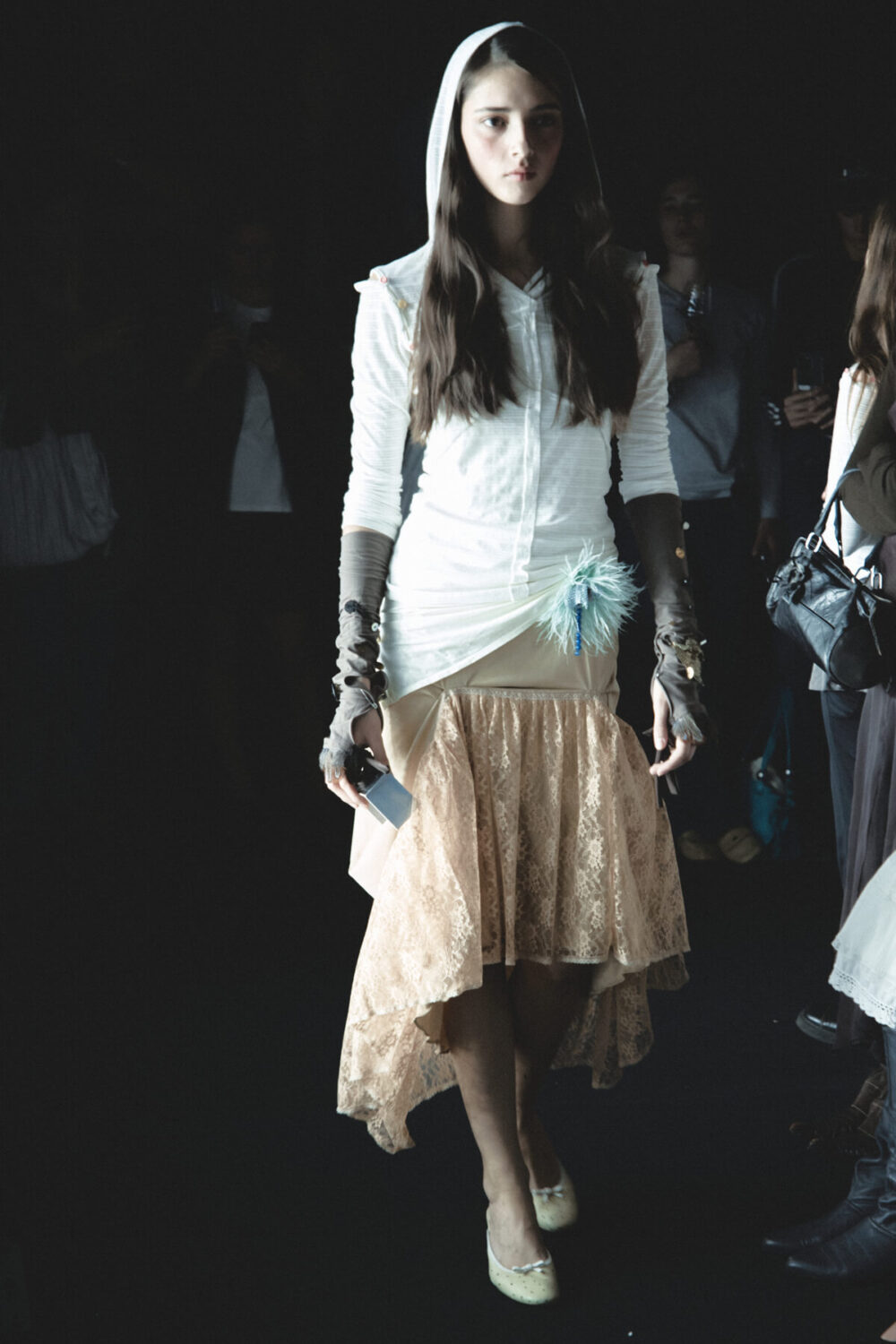
The 15 looks themselves reflected NIMPH’s growing identity: delicate yet grounded, romantic without becoming nostalgic. There is a softness to the brand’s language, but also a quiet confidence. The clothes do not scream for attention; they invite closeness. What makes NIMPH interesting right now is not only the aesthetic, but the way the brand approaches storytelling. In an industry obsessed with polished perfection, Patty Mañá seems more interested in process, emotion, and transparency. A Room to Dream did not present fashion as a finished product, but as something alive and constantly unfolding. It felt honest.