




The first smartphone has become one of childhood’s newest milestones. With ‘Wait until they really need it’, Balance Phone proposes a more conscious way to decide when that moment arrives and how technology can accompany it.
Choosing a school, deciding when they can start going places on their own, letting them join the class WhatsApp group. Growing up brings a succession of small decisions that suddenly feel big. Today, the first smartphone has joined them. In Spain, 41% of children already have a mobile phone at 10, rising to 76% by 12. With Balance Phone, the familiar “everyone else has one” becomes a reason to pause rather than the answer itself.
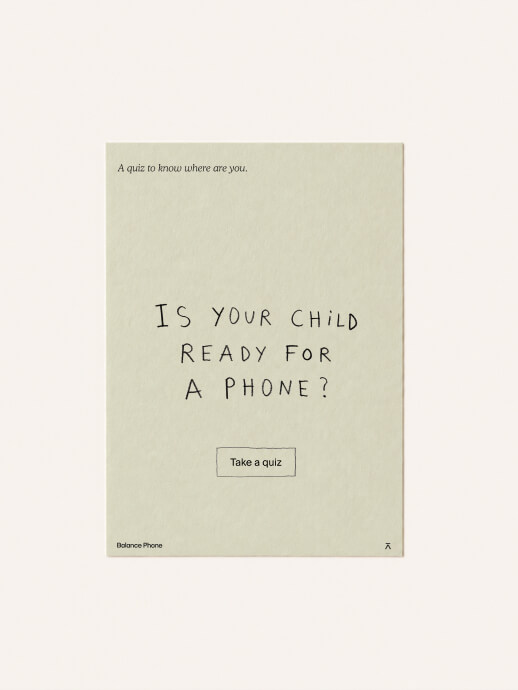
That pause is behind ‘Wait until they really need it’. Balance has been hearing a different kind of question from families: less “which phone should I buy?” and more “what do I do?”. The brand suggests changing the order. First, work out whether a smartphone already has a real purpose in a child’s life. Then think about which phone makes sense. Age, school and friends may influence the moment, while maturity, independence and each family’s circumstances ultimately shape it.
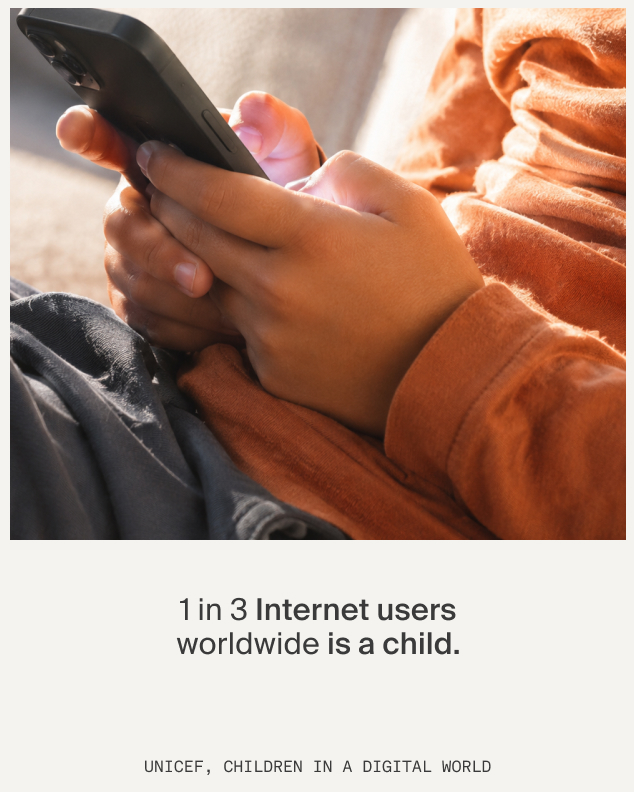
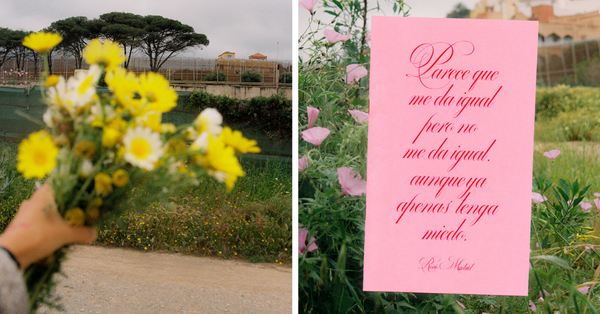
The same idea shapes the campaign creatively. Rather than treating the first smartphone as a purely technological decision, Balance turns a familiar family dilemma into a carefully constructed visual story around waiting, growing independence and the moment a phone finally finds its place. Led by creative director Júlia Ramon and filmmaker and director of photography Lara Sánchez, the campaign gives a very everyday concern its own visual language.
A phone on their terms
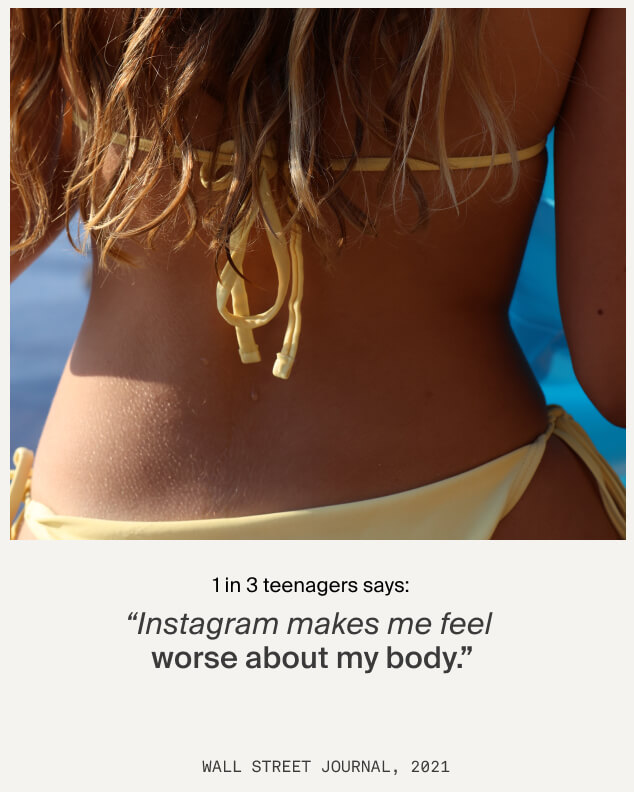
Once the phone arrives, another question begins: how much space should it occupy? According to the 2025 report ‘Childhood, Adolescence and Digital Wellbeing’ by UNICEF Spain, 58.5% of young people want to decide for themselves when they can be contacted, while 52.3% say there are situations in which they would rather put their phone away.
Balance starts from a simple idea: a phone does not need to spend the whole day asking for a child’s attention. Its smartphone and operating system reduce unnecessary digital distractions, giving users more control over when they use it, when they are available and when they put it down. That is what sits behind the campaign’s second message, ‘Give them a phone that actually respects them’: the device adapts to the child growing up with it.
Beyond the device: a platform for families
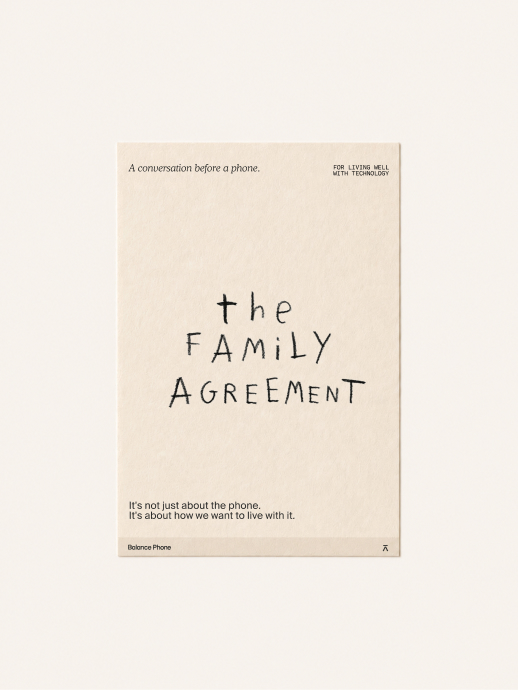
Perhaps the most interesting thing about the Phone Agreement is that the rules go both ways. Children make commitments, and parents do too. It is one of the tools in a new platform designed to stay useful after the phone leaves its box, with readiness questionnaires, conversation and setup guides, practical help for the first week, answers to everyday questions and Balance University, featuring content from psychology professionals.
Over time, Balance also plans to bring in specialists, schools, parent associations and experiences shared by other families. The idea is ultimately quite simple: let the phone arrive when it has a role to play, and make sure that once it does, it knows its place. Childhood still has plenty happening away from the screen.
Discover more about Balance Phone and its approach to digital wellbeing