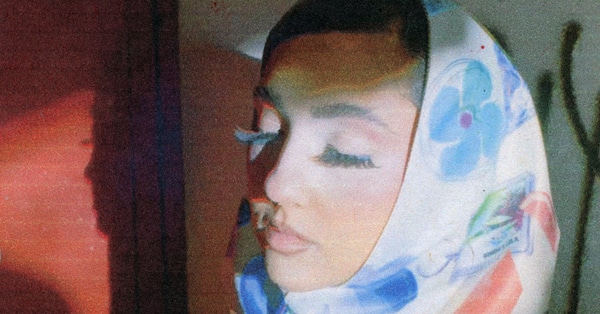
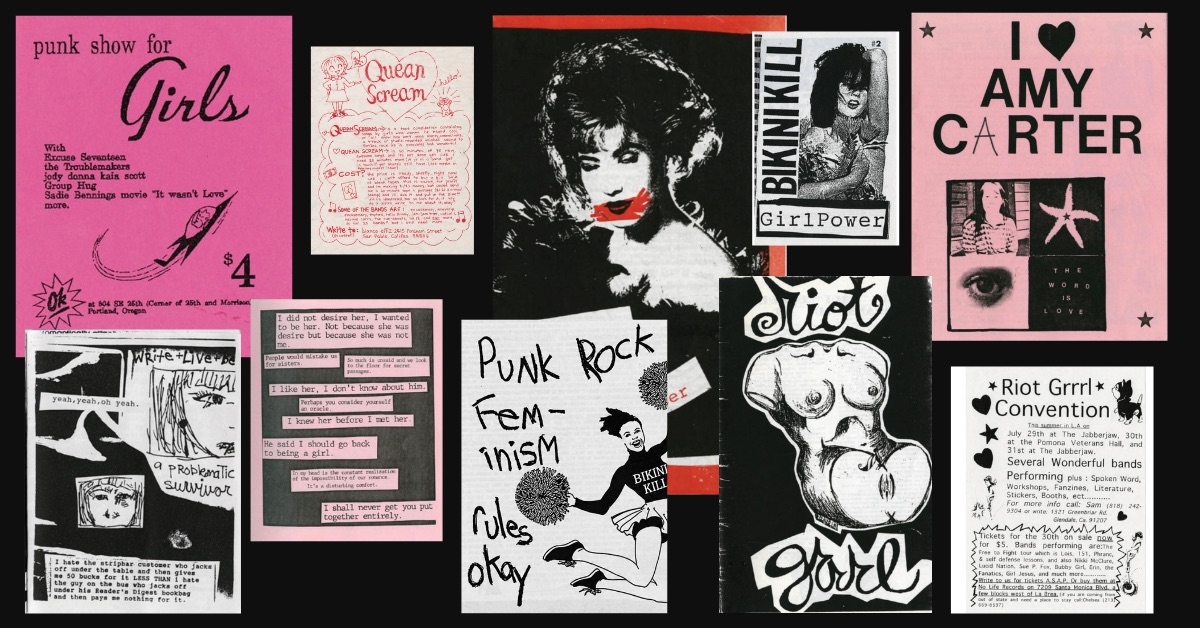
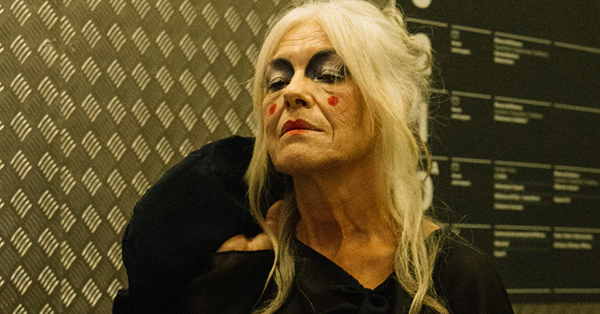



Armenia may be a small country, but it feels like a crossroads of worlds, where European influences, Soviet history, and ancient heritage intersect with a growing youth culture and an increasingly visible creative scene. Now in its fourth edition, Yerevan Fashion Week embraced the theme Pink City Yerevan, a reference to the pink volcanic tuff that gives the capital its distinctive architectural palette. Organized by the Fashion Chamber of Armenia in partnership with Yerevan Municipality and other local and international partners, this edition brought together more than 20 runway shows and presentations, alongside a showroom dedicated to Armenian clothing, accessories and jewellery, fashion talks, exhibitions and installations.
What makes Yerevan Fashion Week intriguing is the sense of a scene still defining its place on the international fashion map. There is room for it to grow, but that is part of its appeal: a new generation of designers is building its identity on its own terms, with ambitions that extend well beyond Armenia’s borders. Here are five names to know.
CRELAB by MADE-VEL-E × FCA
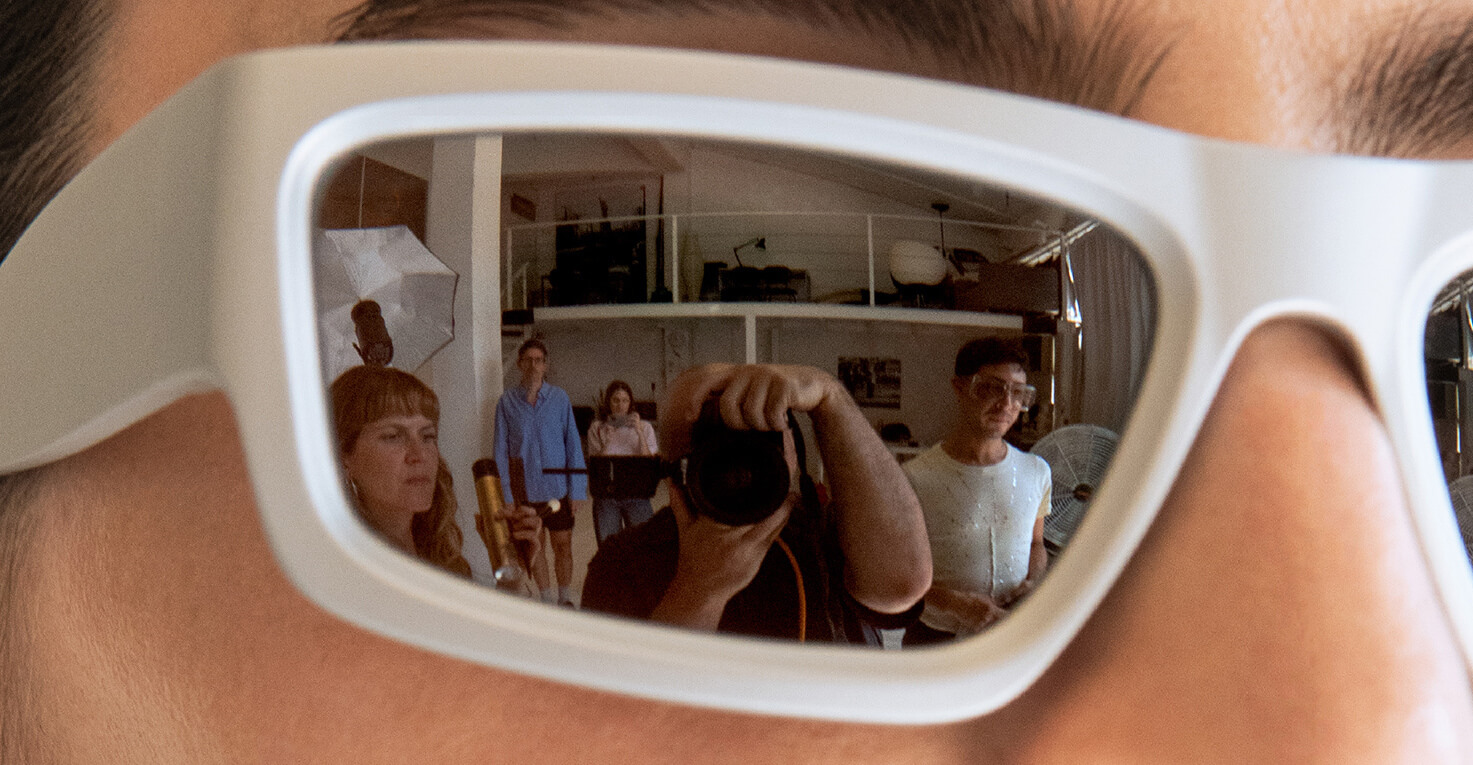
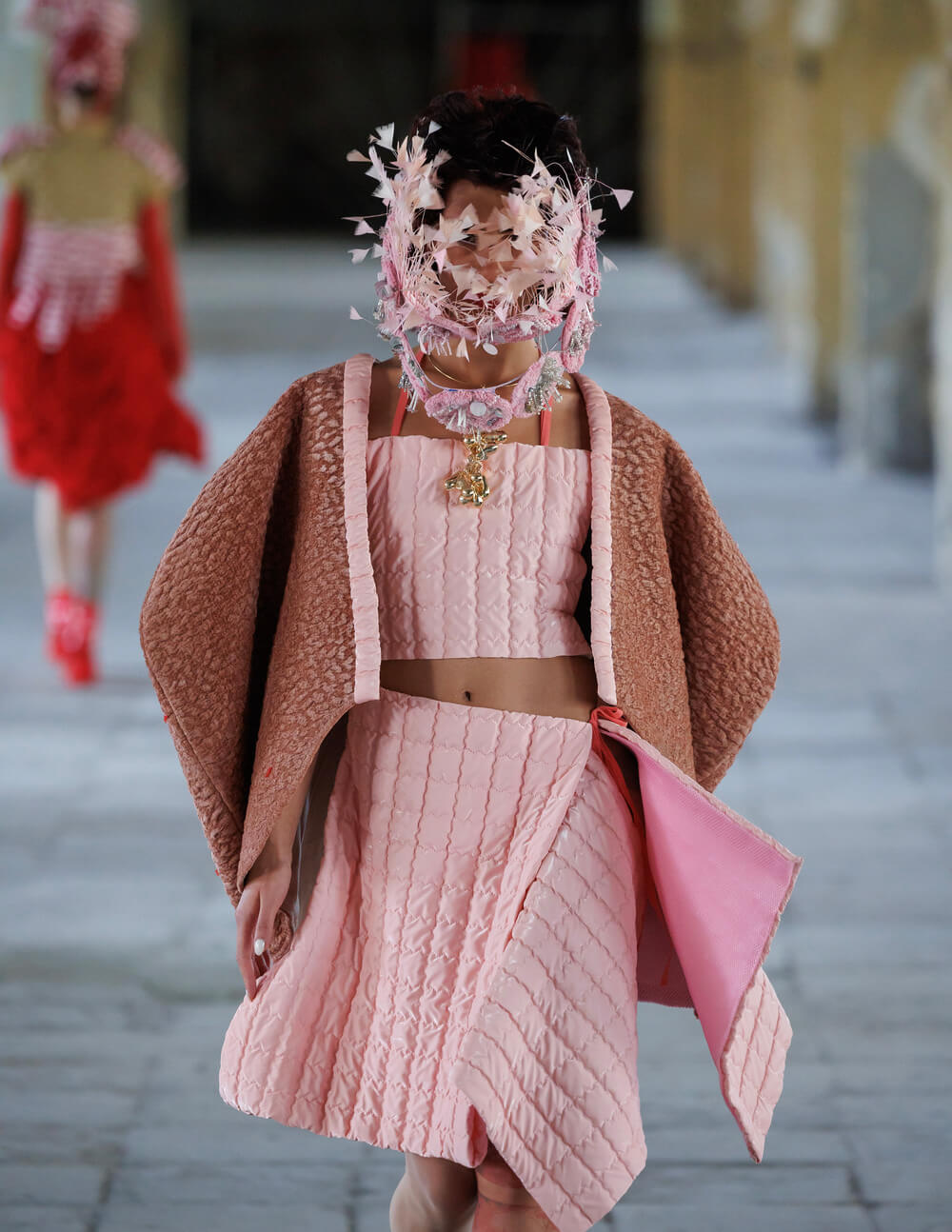
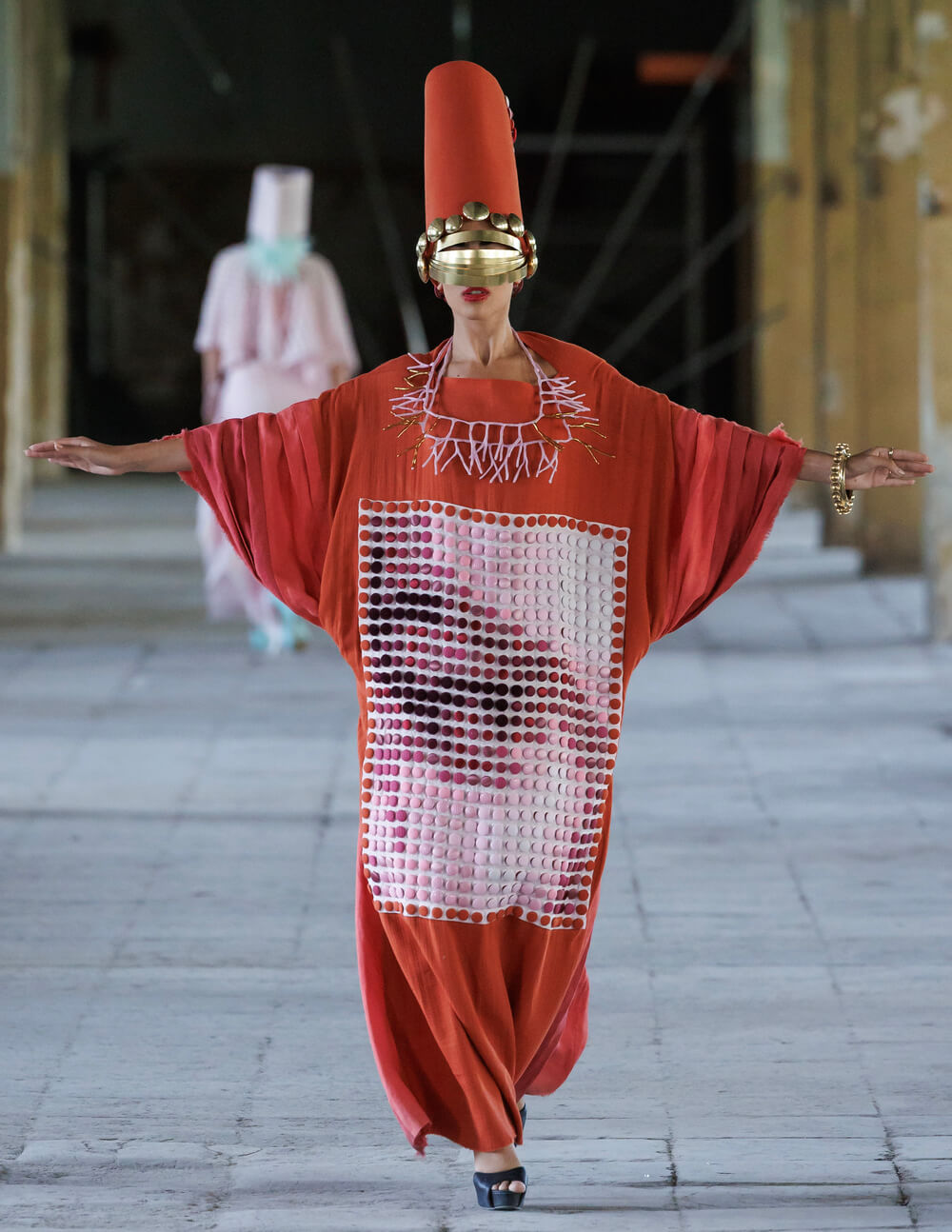
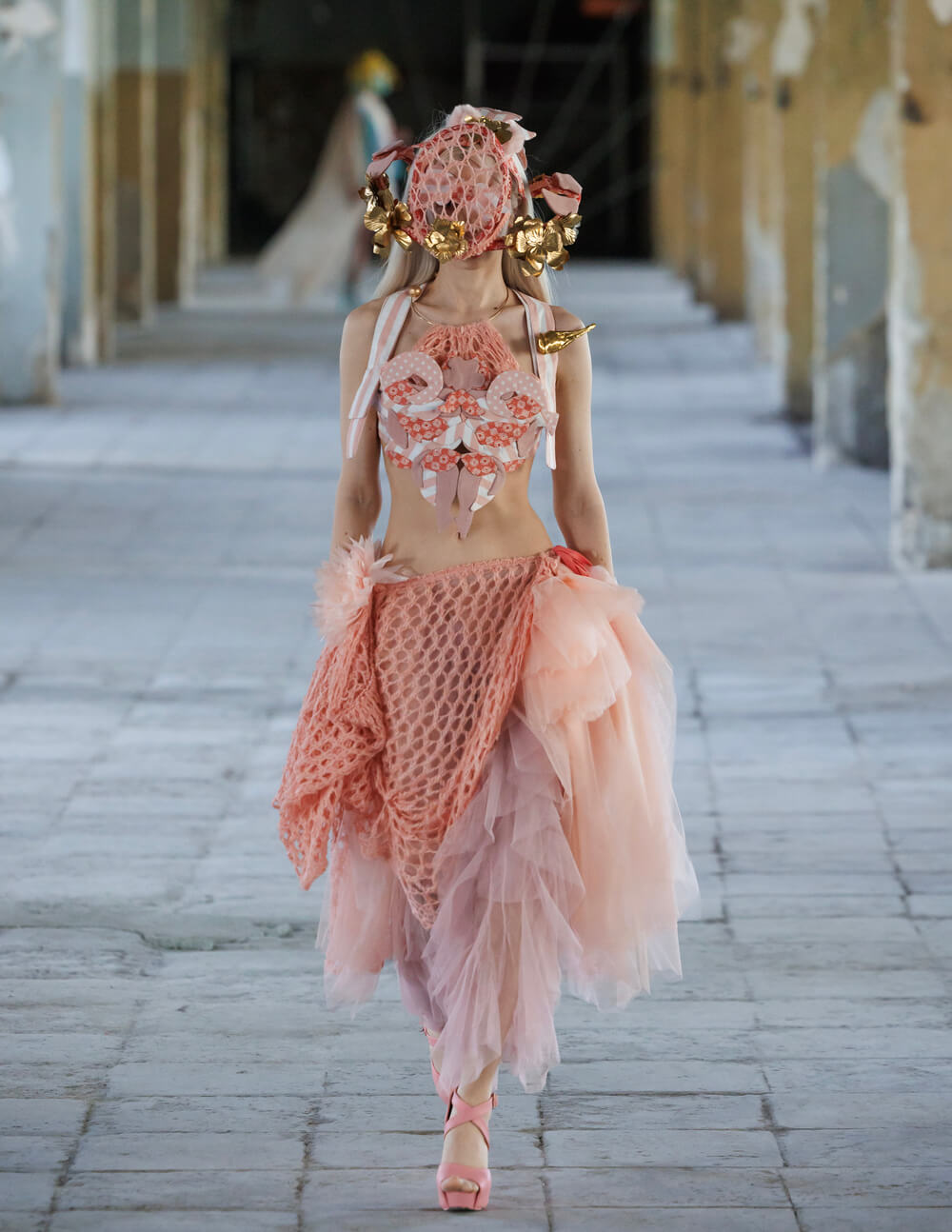
CRELAB by MADE-VEL-E × FCA runway explored perception, forgotten value and the blind spots of contemporary life. Inspired by Eyes Wide Shut, the collection transformed discarded garments and existing materials into a language of reconstruction, memory and reinvention. Created by Natacha Kalfayan and Mane Melikyan, the project was realised entirely by women at every stage, bringing sustainability, craftsmanship and collective authorship together. Eyes recur throughout the collection as a visual motif, yet its central idea lies in what remains unseen. By giving yesterday’s clothing a new purpose, Eyes-Wired-Shot challenges us to reconsider what we overlook, discard or take for granted, proposing fashion as both an act of transformation and a reflection on how we see the world around us.
Loom Weaving
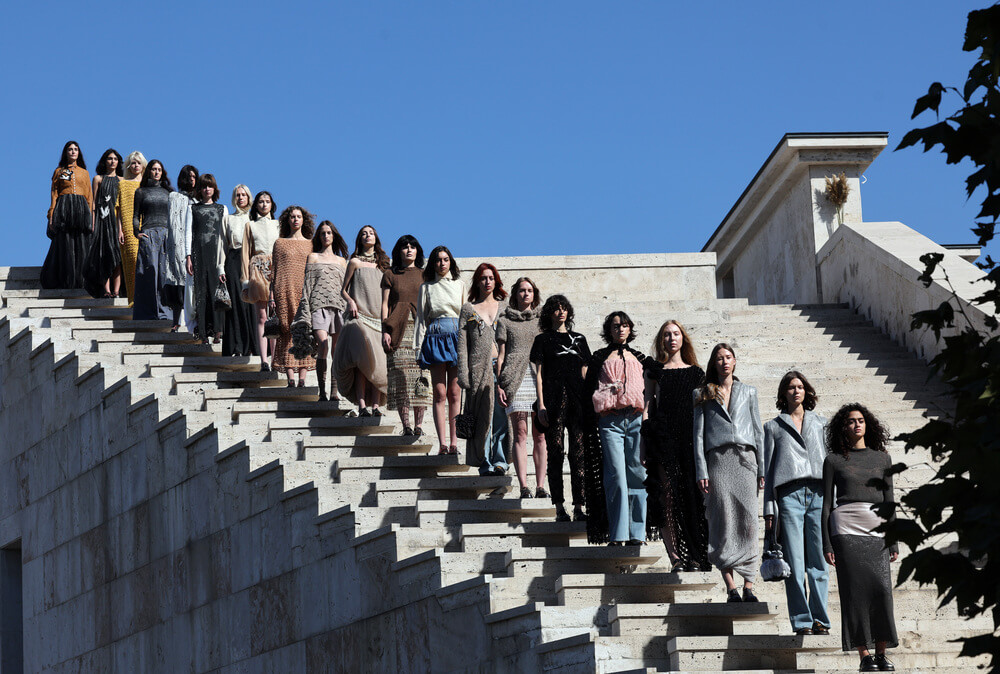
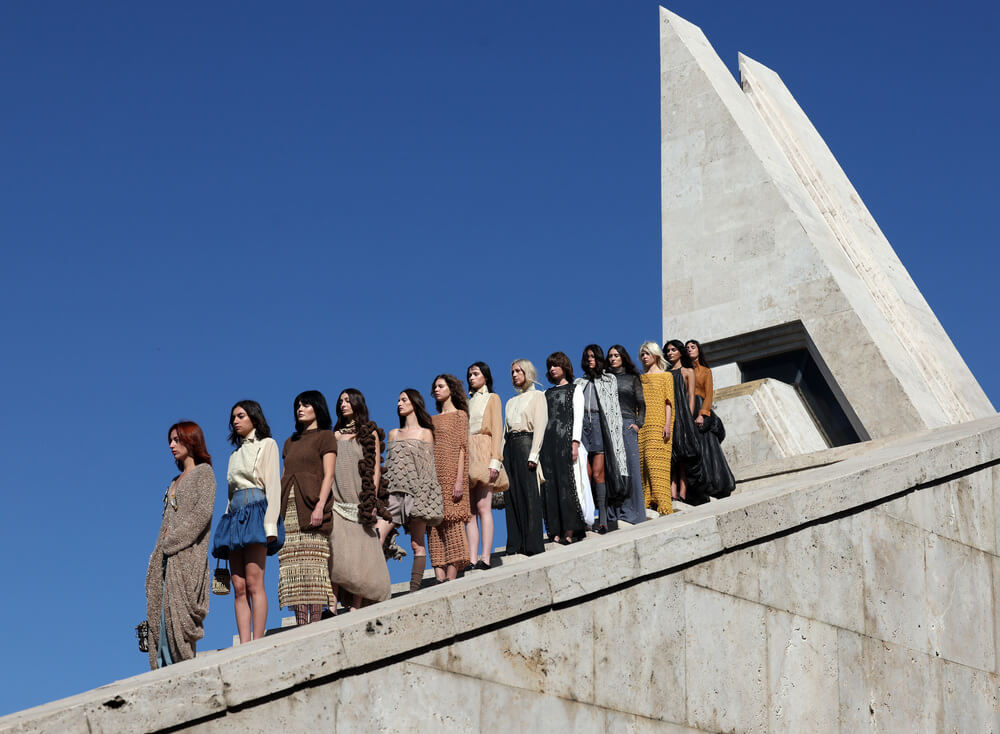
Loom Weaving presented HYUSQ at the Komitas Museum-Institute, a fitting setting for a collection inspired by the musical heritage of Armenian composer Komitas. Translating the delicacy, luminosity and emotional depth of his compositions into a visual language, the collection explored soft tones, fluid movement and bird symbolism. Evoking spiritual elevation and collective cultural memory, HYUSQ offered a poetic interpretation of Armenian heritage, demonstrating how music can become a source of inspiration for contemporary fashion and a way to keep cultural traditions alive through new forms of expression.
Manuk Aleksanyan
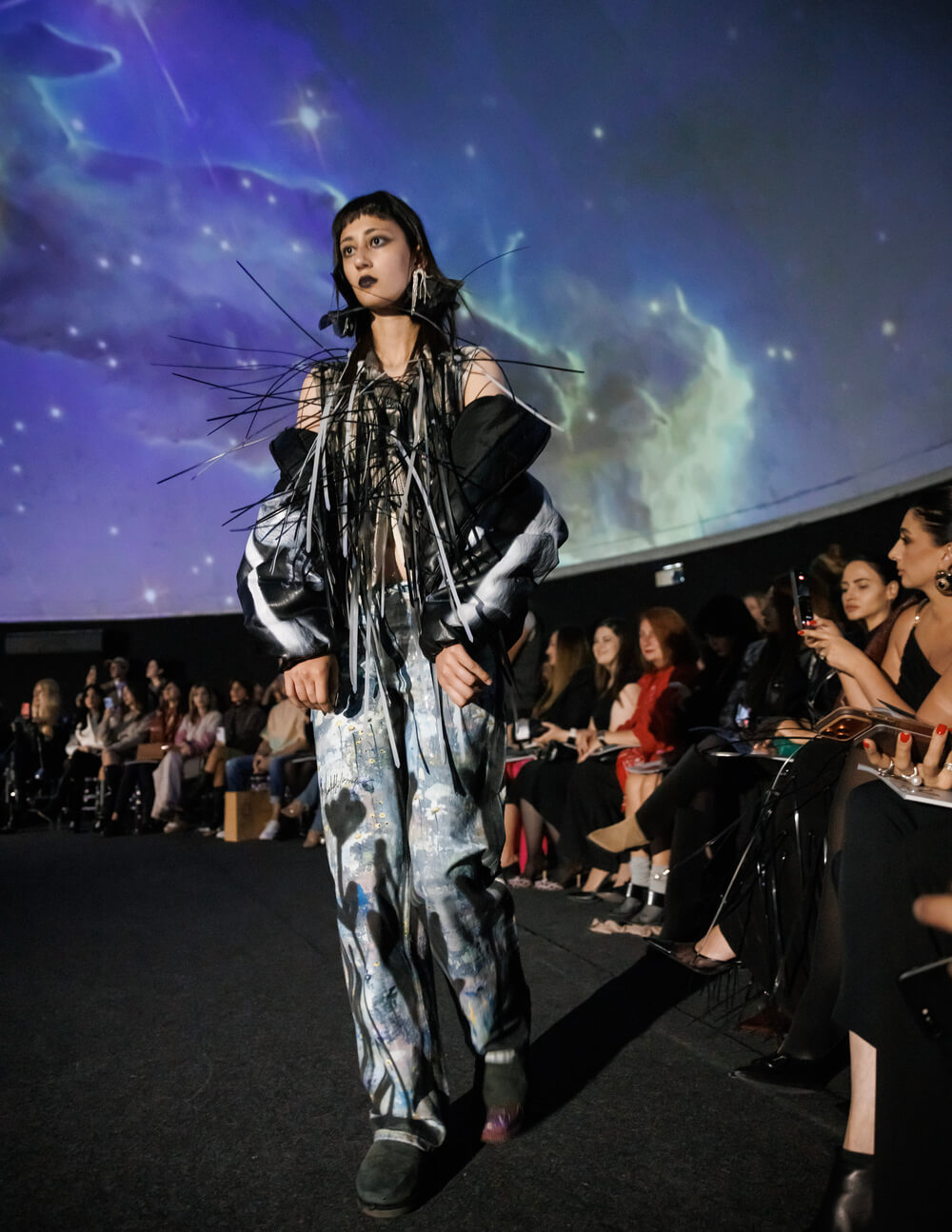
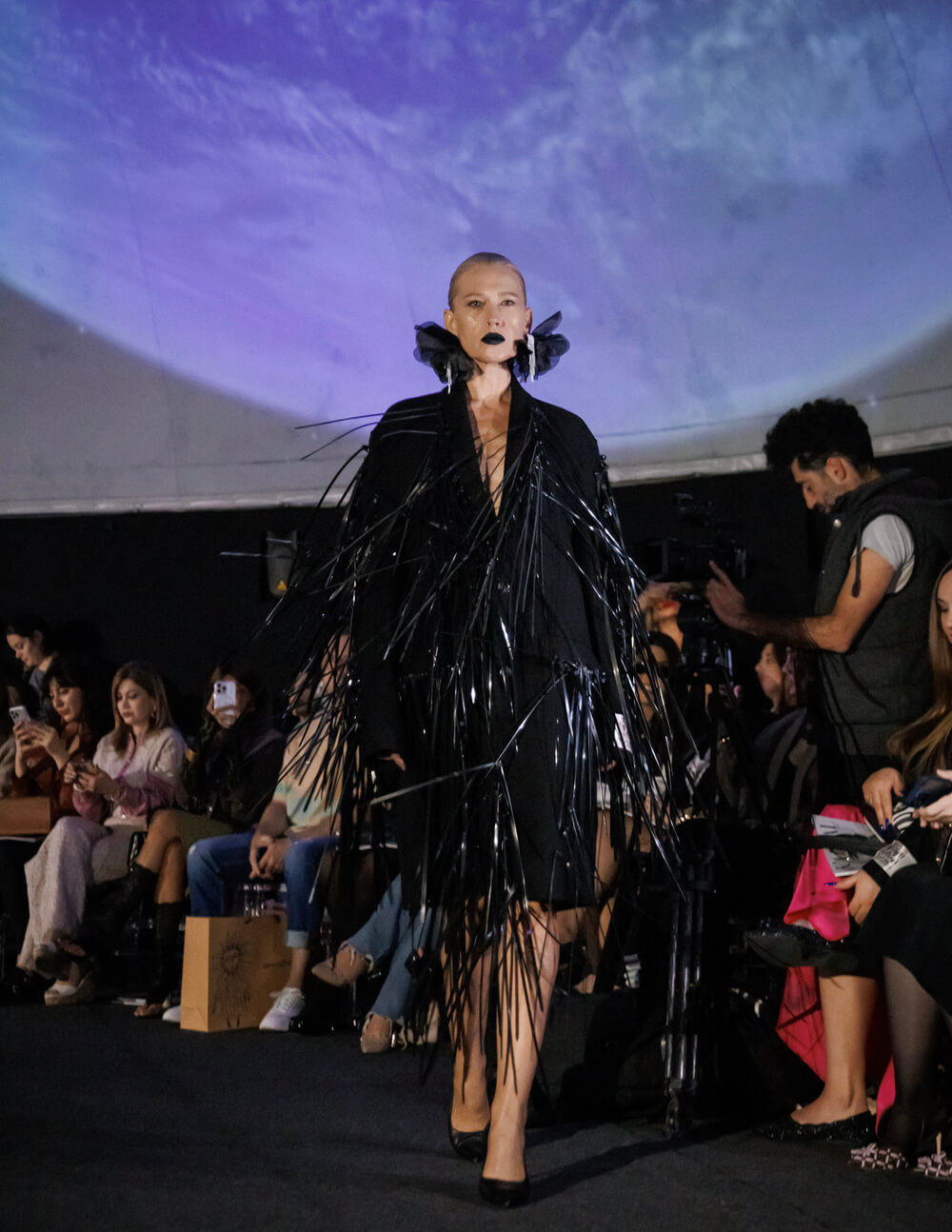
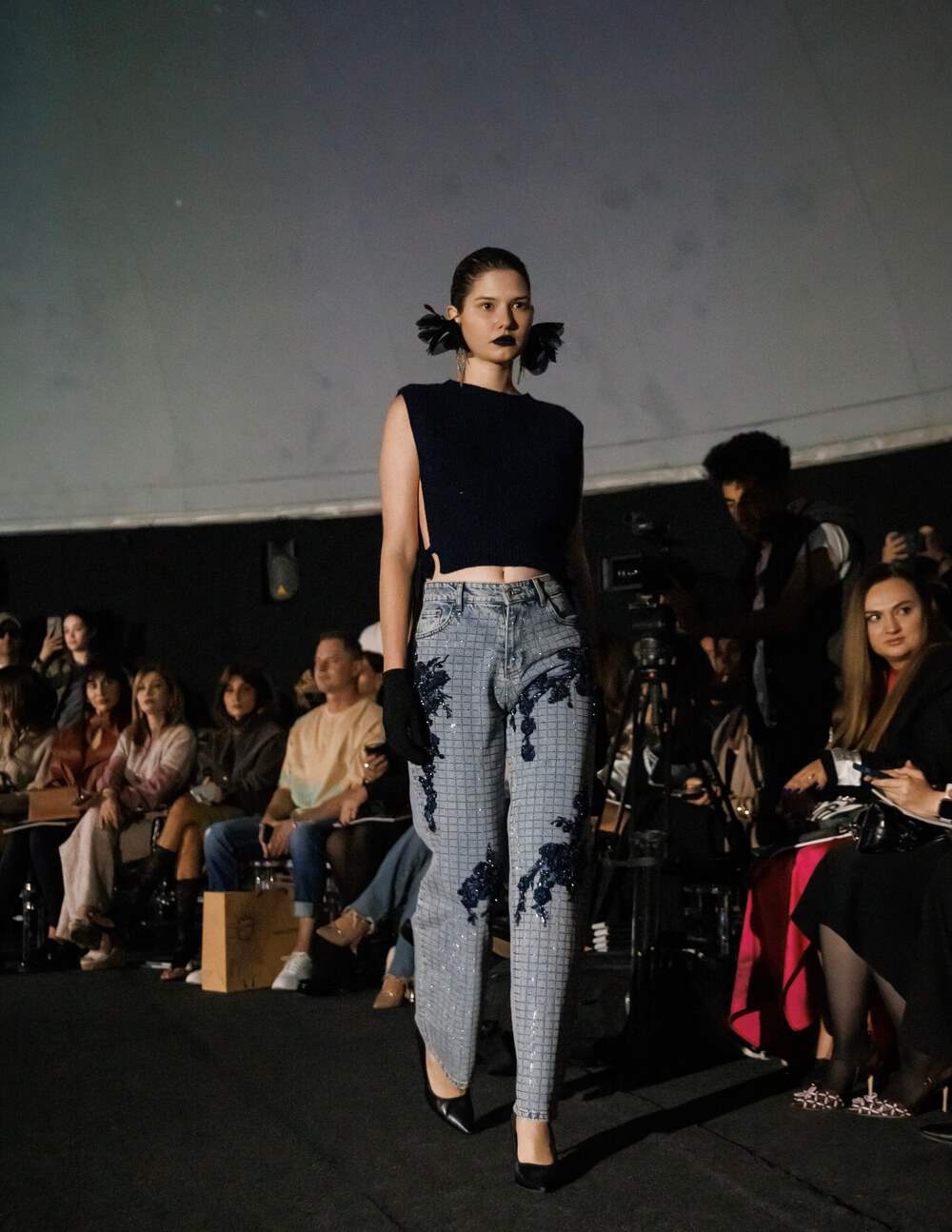
Manuk Aleksanyan showed PLASTIC at the Yerevan Planetarium, using an unconventional setting to explore the possibilities of recycled materials in fashion. The collection reimagined discarded plastic as a design material, challenging conventional ideas of beauty and value while drawing attention to our responsibility toward the Earth. For Aleksanyan, sustainability goes beyond an aesthetic statement, becoming an act of creative transformation in which waste is given a new form, purpose and future. PLASTIC proposed an alternative way of thinking about fashion’s relationship with the environment, demonstrating how discarded materials can become the starting point for new ideas.
Ruzanē
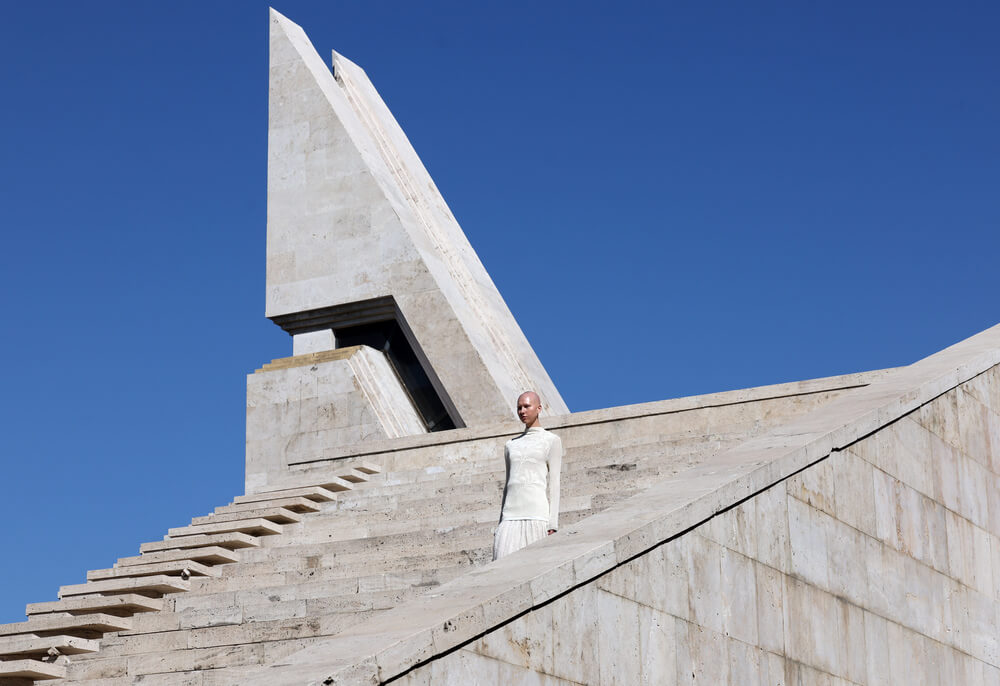
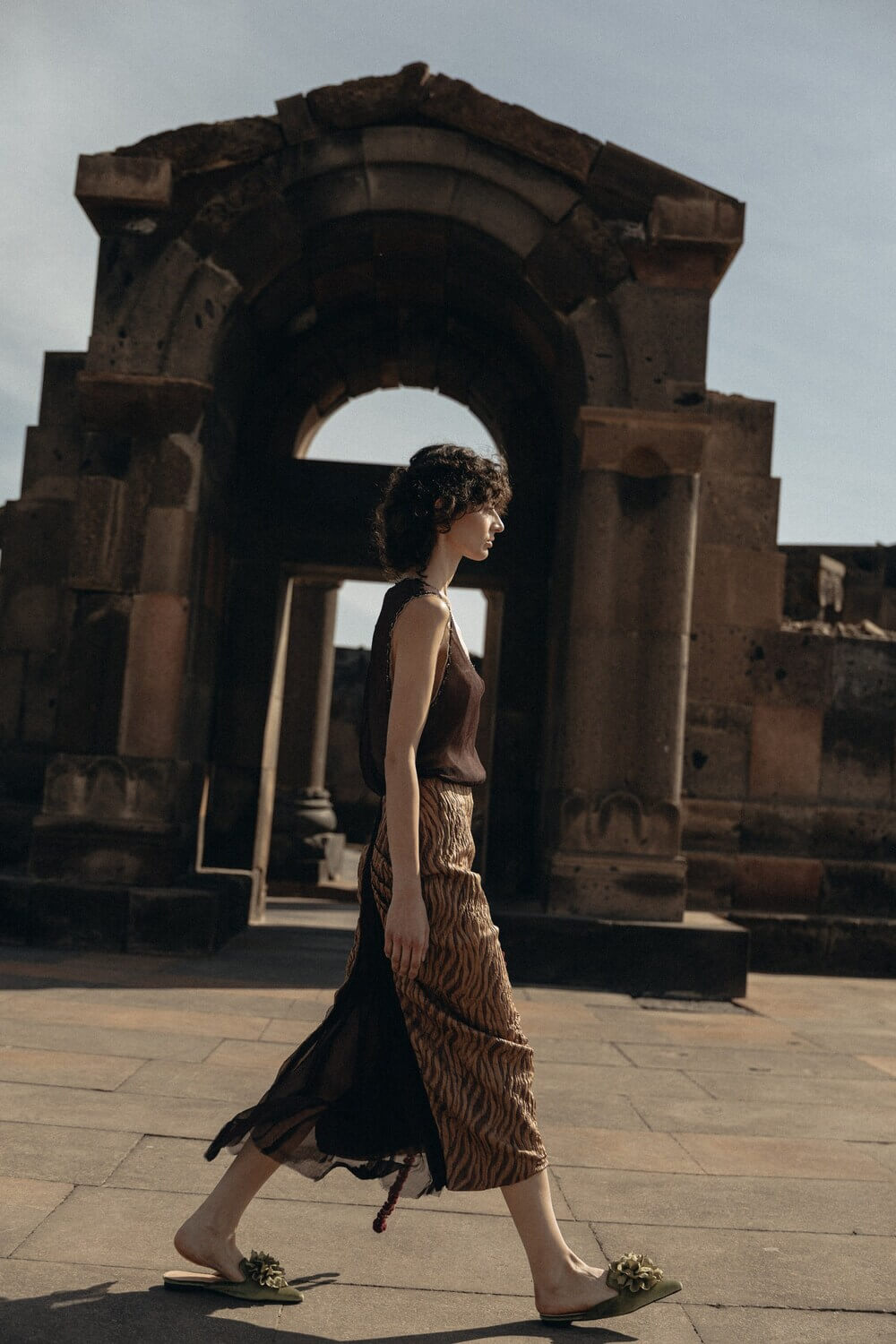
For VII · MMXXVI Ruzanē gathered us in the morning at Zvartnots Cathedral, where the enduring ruins and the spectacular view of Mount Ararat provided a striking backdrop for a collection exploring permanence and transience. Bringing together seasonless design and the fleeting beauty of flowers, the designer created a poetic dialogue between past and present, reflecting on the passage of time and the significance of living in the moment. In a setting deeply rooted in Armenian history, the collection felt particularly resonant, using fashion to consider what endures and what inevitably fades, while finding beauty in the space between the two.
Soncess
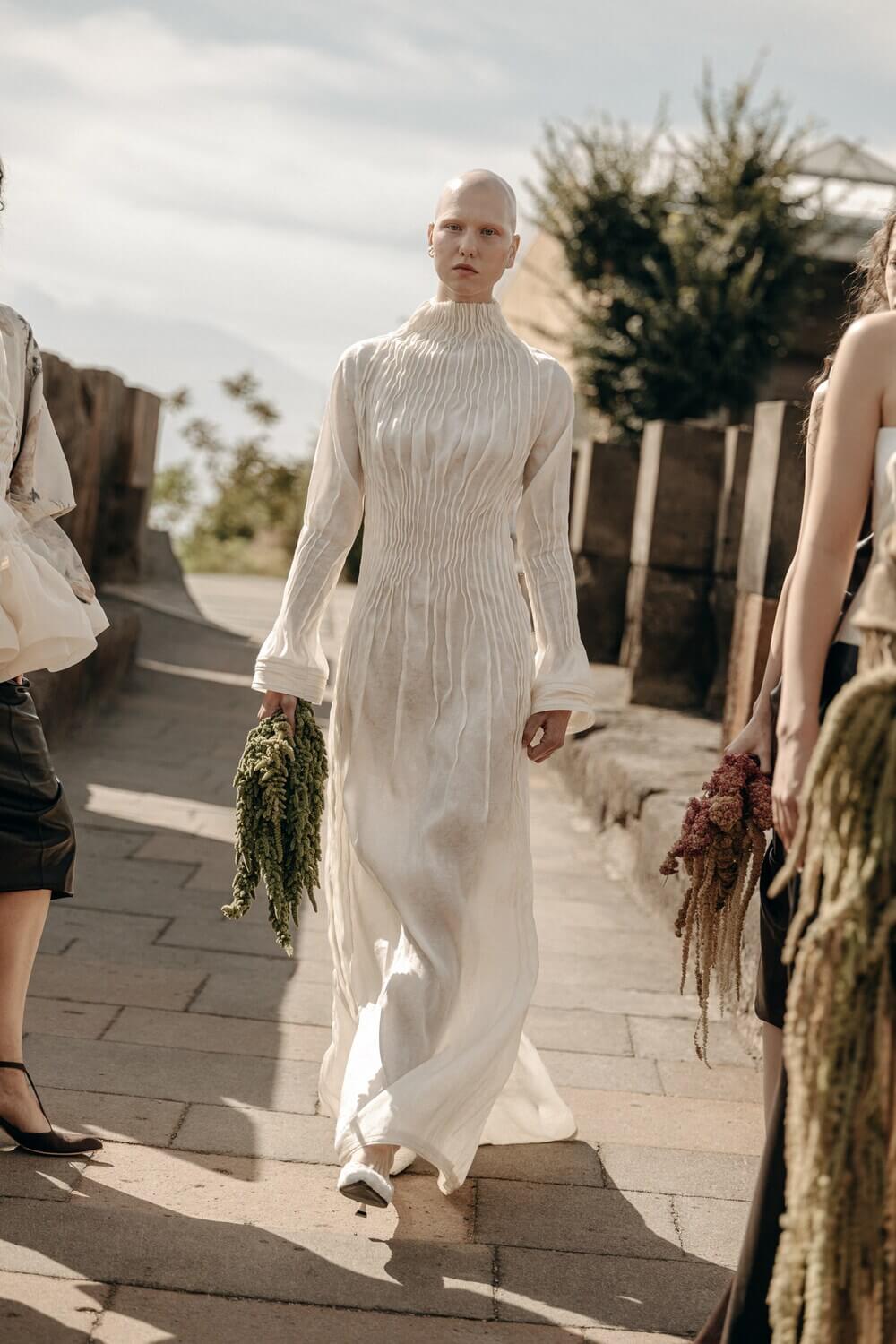
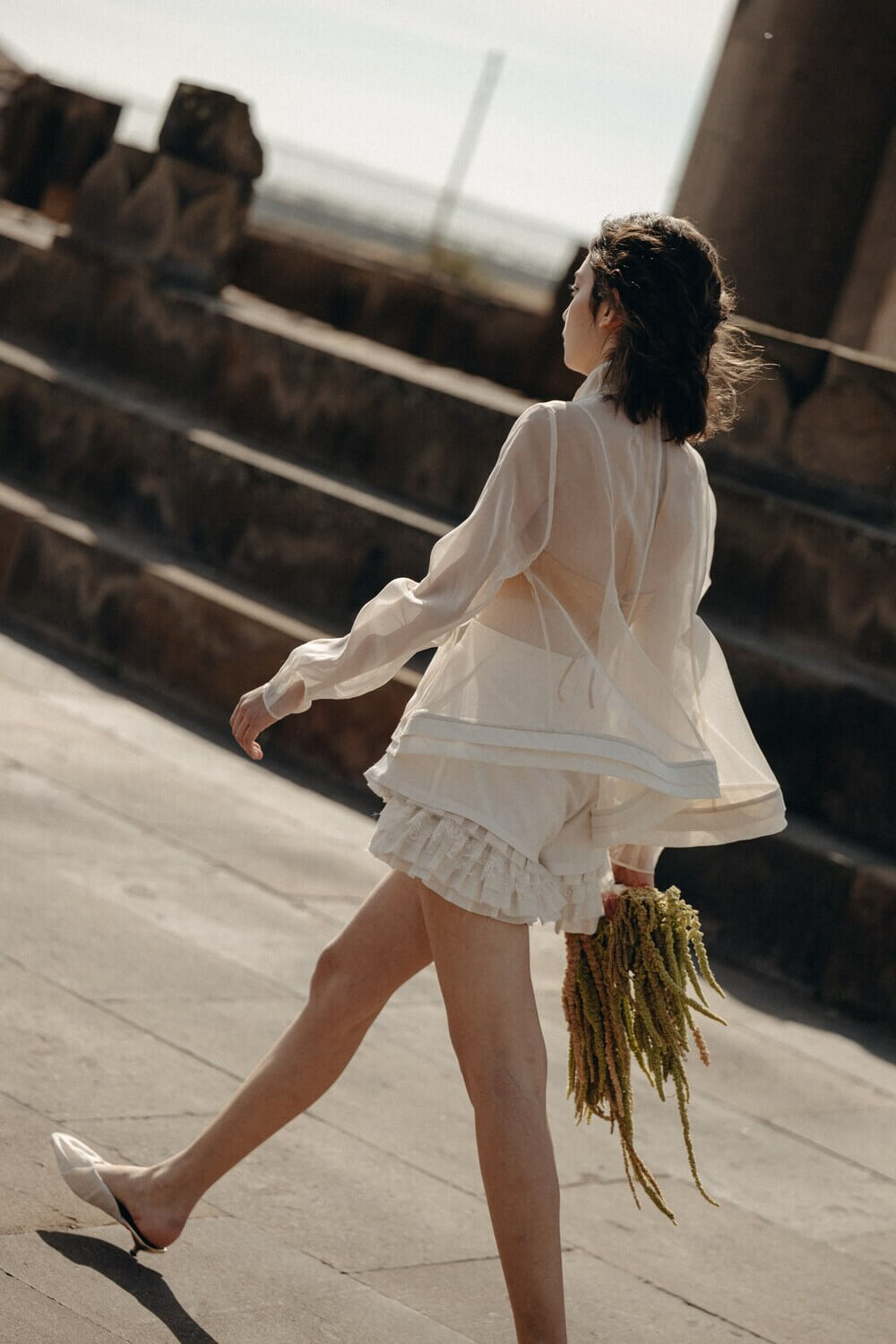
Soncess, by Sona Hakobyan, staged their collection RED BRIDGE on Yerevan’s historic Red Bridge, turning the centuries-old landmark into a setting for a collection exploring connection, transition and the passage between past and future. Spanning the Hrazdan River, the bridge dates back to medieval Armenia and served as an important link between the Yerevan Fortress and the Ararat Valley. Built from red tuff, it was reconstructed after the devastating earthquake of 1679 and remained a vital crossing for centuries. this backdrop, Soncess explored modern femininity through a vision of women who are independent and strong, yet unafraid of vulnerability. By bringing fashion to a monument shaped by centuries of history, the collection transformed the bridge into a symbol of freedom, emotional strength and new beginnings, connecting Armenia’s past with the possibilities of its future.
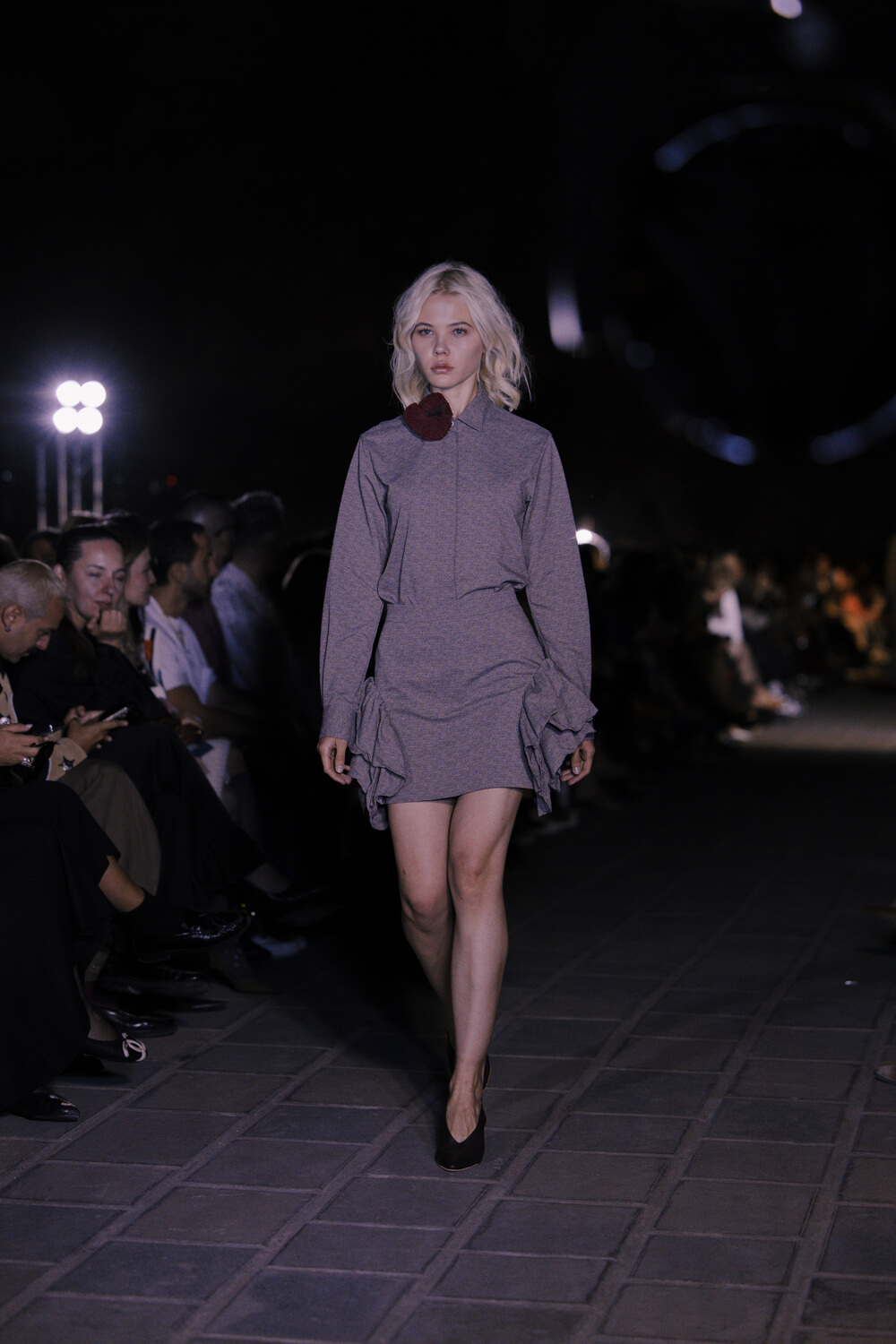
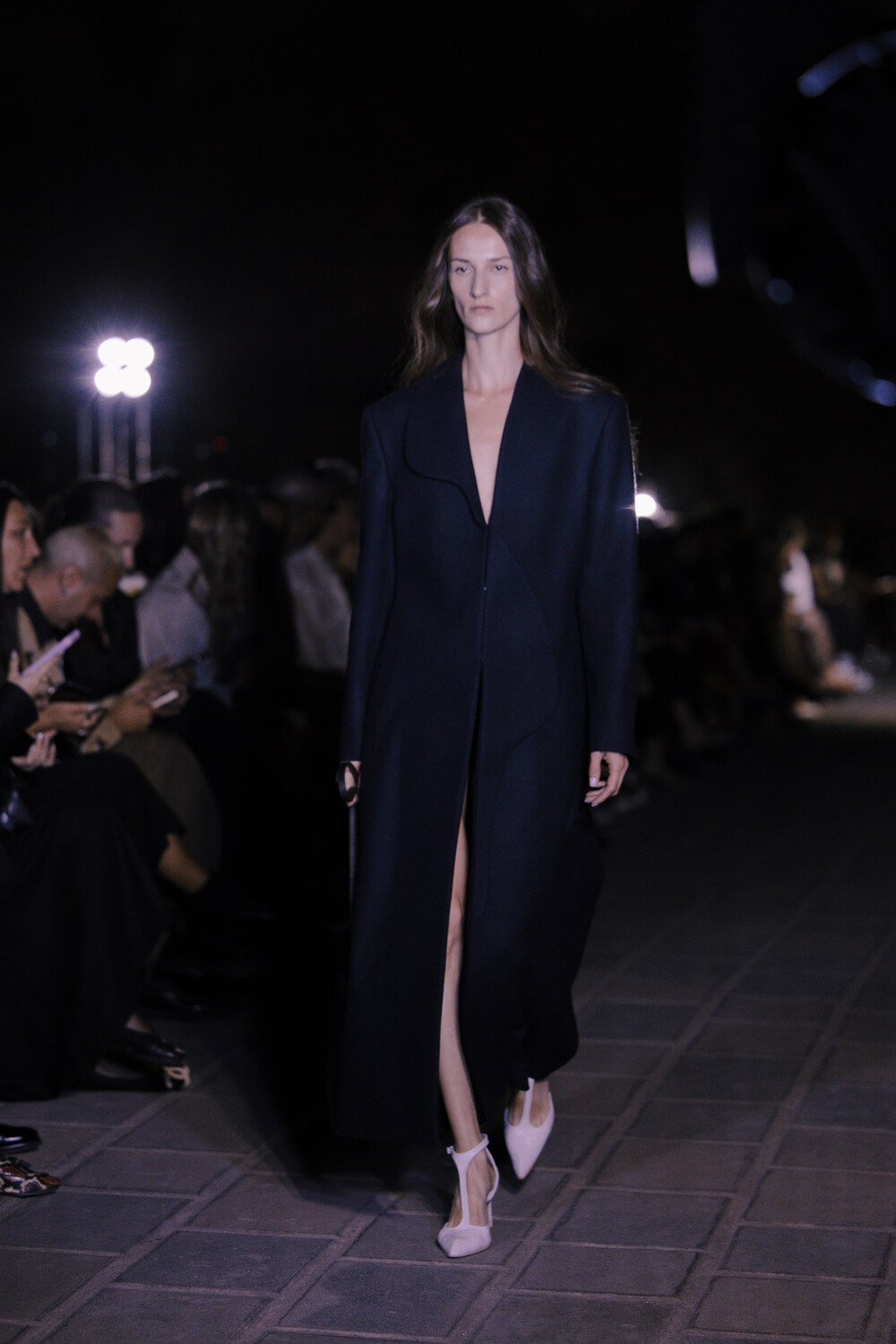
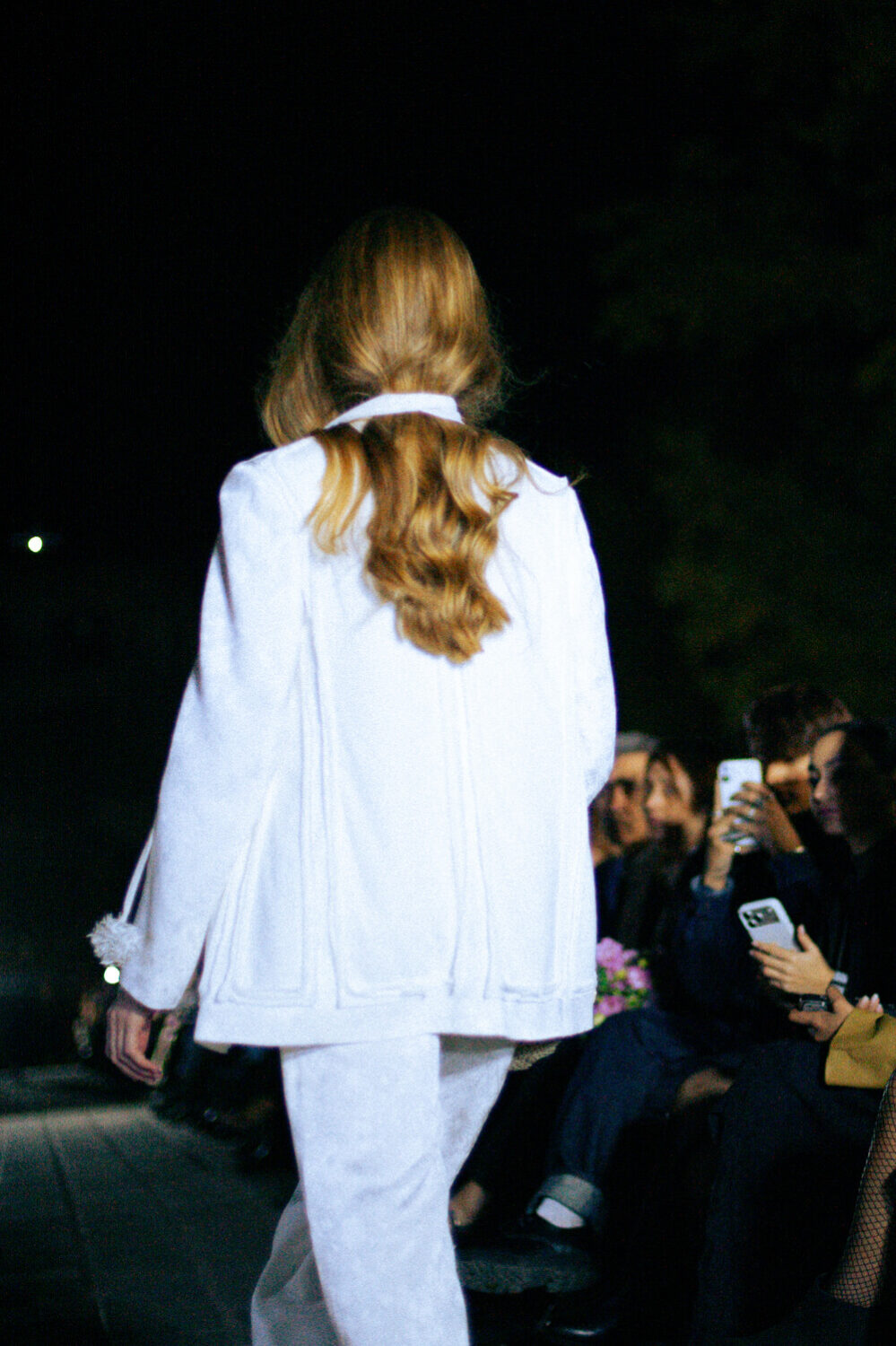
Photos courtesy of Yerevan Fashion Week